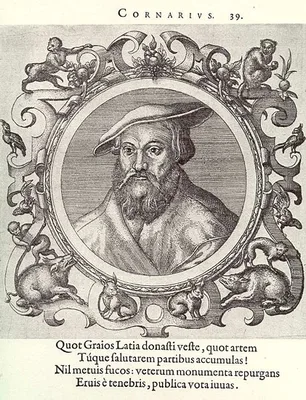
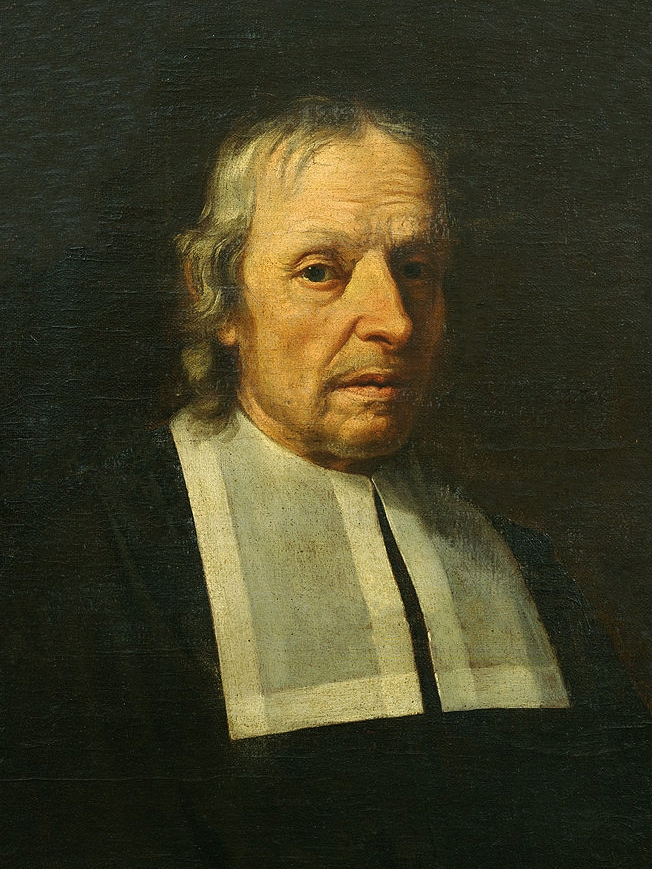
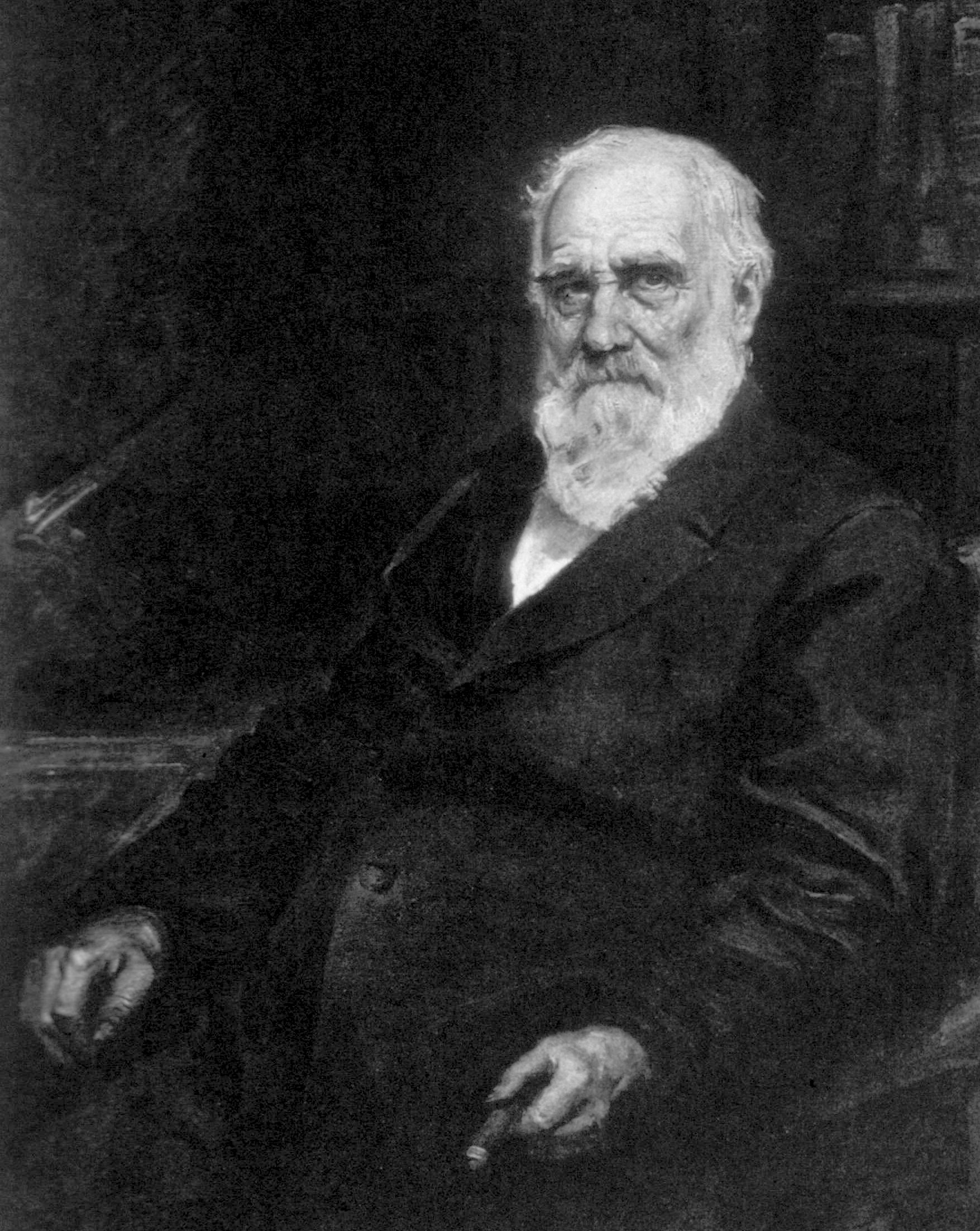
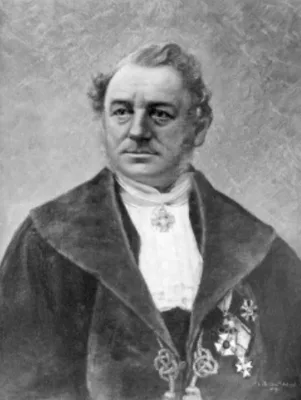
1536 GALEN, [Κλαύδιος Γαληνός; Galen of Pergamon] (129 – 216); MARCELLUS EMPIRICUS, (Marcellus Burdigalensis) (375 – 425); CORNARIUS, Janus (1500 – 1558)
De medicamentis empiricis physicis ac rationalibus liber.... Edited by Janus Cornarius. Item Claudii Galeni libri novem nunc primum Latini facti.... Jani Cornarii.
The Gallo-Roman physician Marcellus was born in Bordeaux. He may have served as magister officiorum under Theodosius I, or may have been royal physician. Sarton (Introduction to the history of science I, 391) consider…
GMN 10961 · https://historyofmedicine.com/id/13157
1567 PARACELSUS, [Philippus Aureolus Theophrastus Bombastus von Hohenheim] (1493 – 1541)
Von der Bergsucht oder Bergkranckheiten drey Bücher…
Paracelsus’s book on the diseases of miners was the first full monograph on the diseases of an occupational group. The first section covers the diseases, mainly pulmonary affections, of miners, including the etiology,…
GMN 2118.1 · https://historyofmedicine.com/id/2630
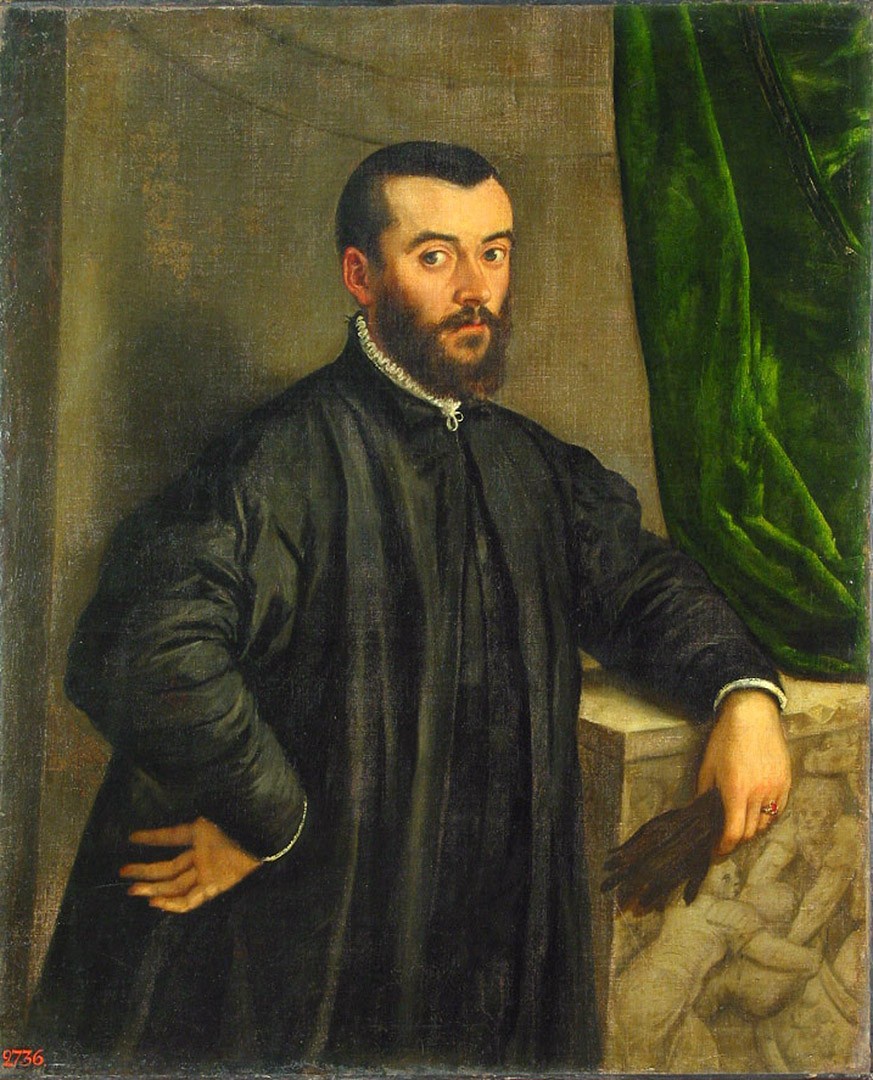
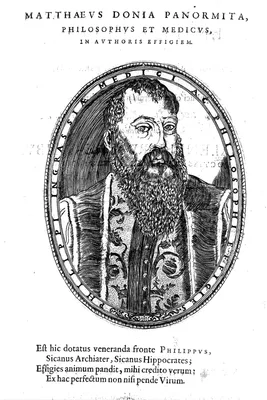
1568 VESALIUS, Andreas (1514 – 1564); INGRASSIA, Giovanni Filippo (Ioannis Philippi Ingrassiae) (1510 – 1580)
Pro magni, et illustr. Terraenovae Ducis fistula, ex levi axilla in thoracis concavum pervia, etc. In P. Ingrassia, Quaestio de purgatione per medicamentum
Vesalius’s consilium to Ingrassia, dated Madrid, 1562, in which he clearly described the operation for empyema (pp. 92-98). Although treatment of empyema by surgery was referred to in classical times, it became unfash…
GMN 3164 · https://historyofmedicine.com/id/4117
1614 PANSA, Martin (1580 – 1626)
Consilium Peripneumoniacum: Das ist Ein getrewer Rath in der beschwerlichen Berg und Lungensucht : darinnen verfasset, was die fürnemsten Ursachen seyn beyderley Beschwerungen, beydes der gifftigen, die vom Bergwerck entstehet: so wol der gemeinen, die von Flüssen herrühret: Zuvor aber, wie der Mensch mit der kleinen Welt, und mit dem Bergwerck artlich zu vergleichen, und wie beyde Suchten zu vertreiben seyn.
Martin Pansa, a pupil of Georg Agricola, wrote the most important work on occupational disease before Ramazzini. He described the symptoms of the lung diseases of miners and smelters. Digital facsimile from the Bayeri…
GMN 2119 · https://historyofmedicine.com/id/2631
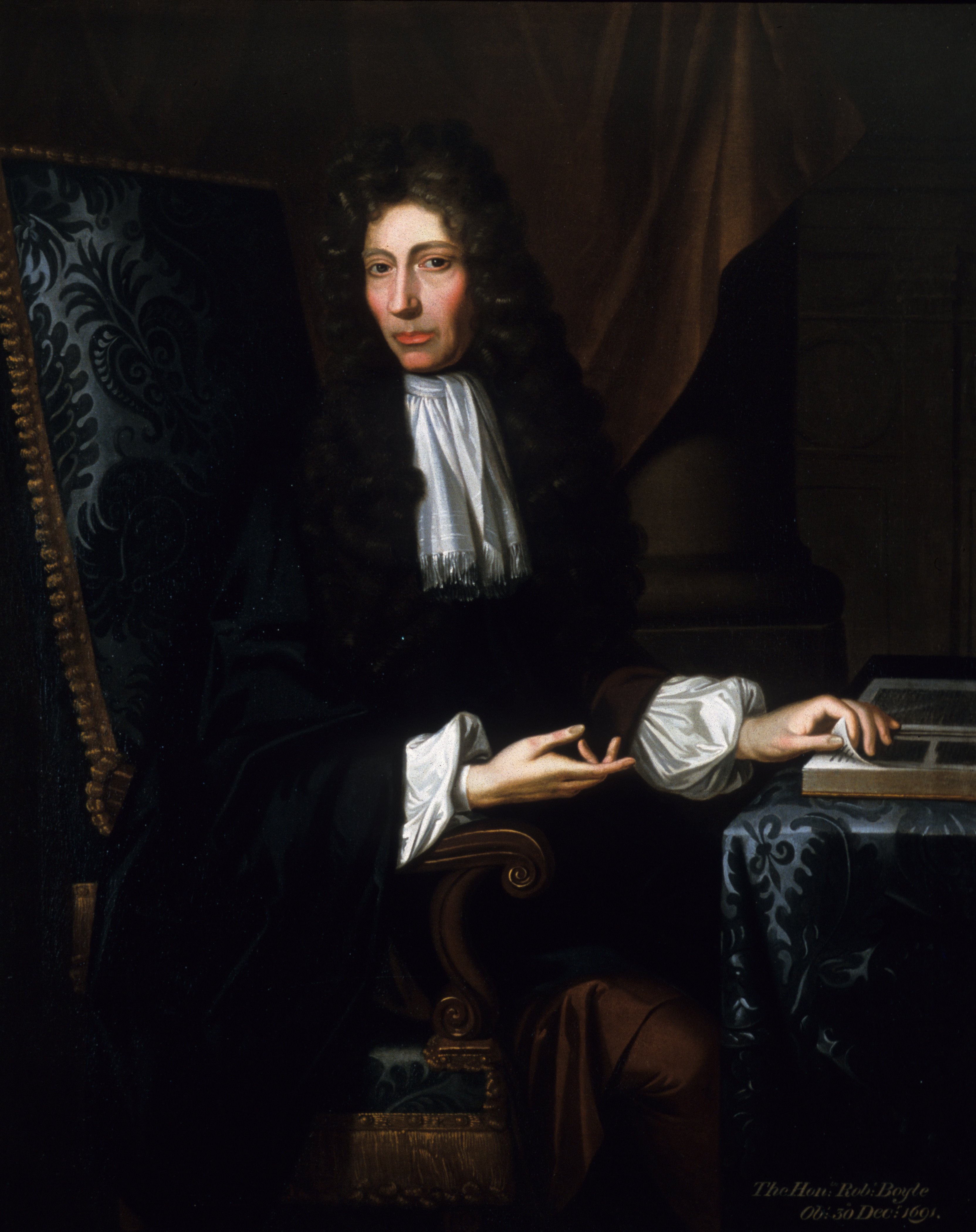
1660 BOYLE, Robert (1627 – 1691)
New experiments physico-mechanical touching the spring of the air.
Boyle showed the effects of the elasticity, compressibility, and weight of air. He investigated the function of air in respiration, combustion, and conveyance of sound. Most significantly Boyle demonstrated that air i…
GMN 914 · https://historyofmedicine.com/id/1092
1661 MALPIGHI, Marcello (1628 – 1694)
De pulmonibus observations anatomicae.
Discovery of the capillary circulation. Malpighi demonstrated that the pulmonary tissues are vesicular in nature and showed that the trachea ends in bronchial filaments. His De pulmonibus includes his demonstration of…
GMN 760 · https://historyofmedicine.com/id/1747
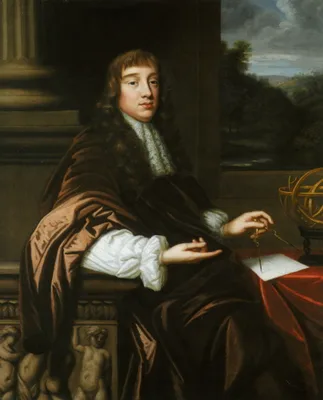
1667 HOOKE, Robert (1635 – 1703)
An account of an experiment of preserving animals alive by blowing through their lungs with bellows.
By blowing air from a bellows over the exposed lungs of a dog, Hooke proved that respiratory motion is not necessary to maintain life, but that the essential feature of respiration lies in certain blood changes in the…
GMN 916 · https://historyofmedicine.com/id/1100
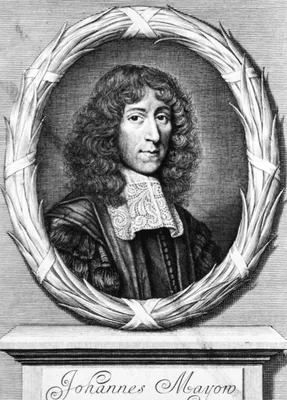
1674 MAYOW, John (1643 – 1679)
Tractatus quinque medico-physici.
Mayow was the first to locate the seat of animal heat in the muscles; he discovered the double articulation of the ribs with the spine and came near to discovering oxygen in his suggestion that the object of breathing…
GMN 2726.2 · https://historyofmedicine.com/id/366
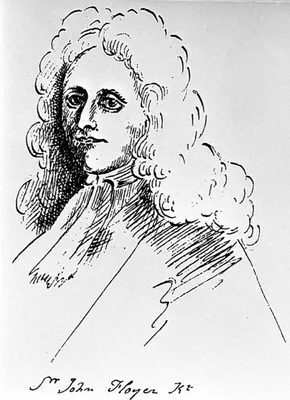
1698 FLOYER, Sir John (1649 – 1734)
A treatise of the asthma.
Floyer provided the first clear descriptions of cases of bronchial asthma. Floyer himself suffered from asthma for over 30 years. He recognized the influence of heredity in asthma. The above includes (p. 239) an impor…
GMN 3166 · https://historyofmedicine.com/id/4120
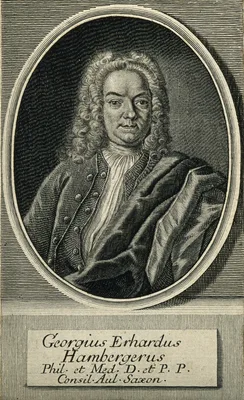
1727 HAMBERGER, Georg Erhard (1697 – 1755); DUISING, Justus Gerhard (1705 – 1761)
De respirationis mechanismo atque usu genuino. [Praeses:] Georgius Erh. Hamberger. [Defendet:] Justinus Gerhardus Duising.
"Recent data on intercostal muscle function, largely electromyographic, tend to confirm the ideas of Hamberger, who, in 1748 (recte 1727), proposed a theory of intercostals muscle action upon the rib cage. Hamberger's…
GMN 918 · https://historyofmedicine.com/id/105
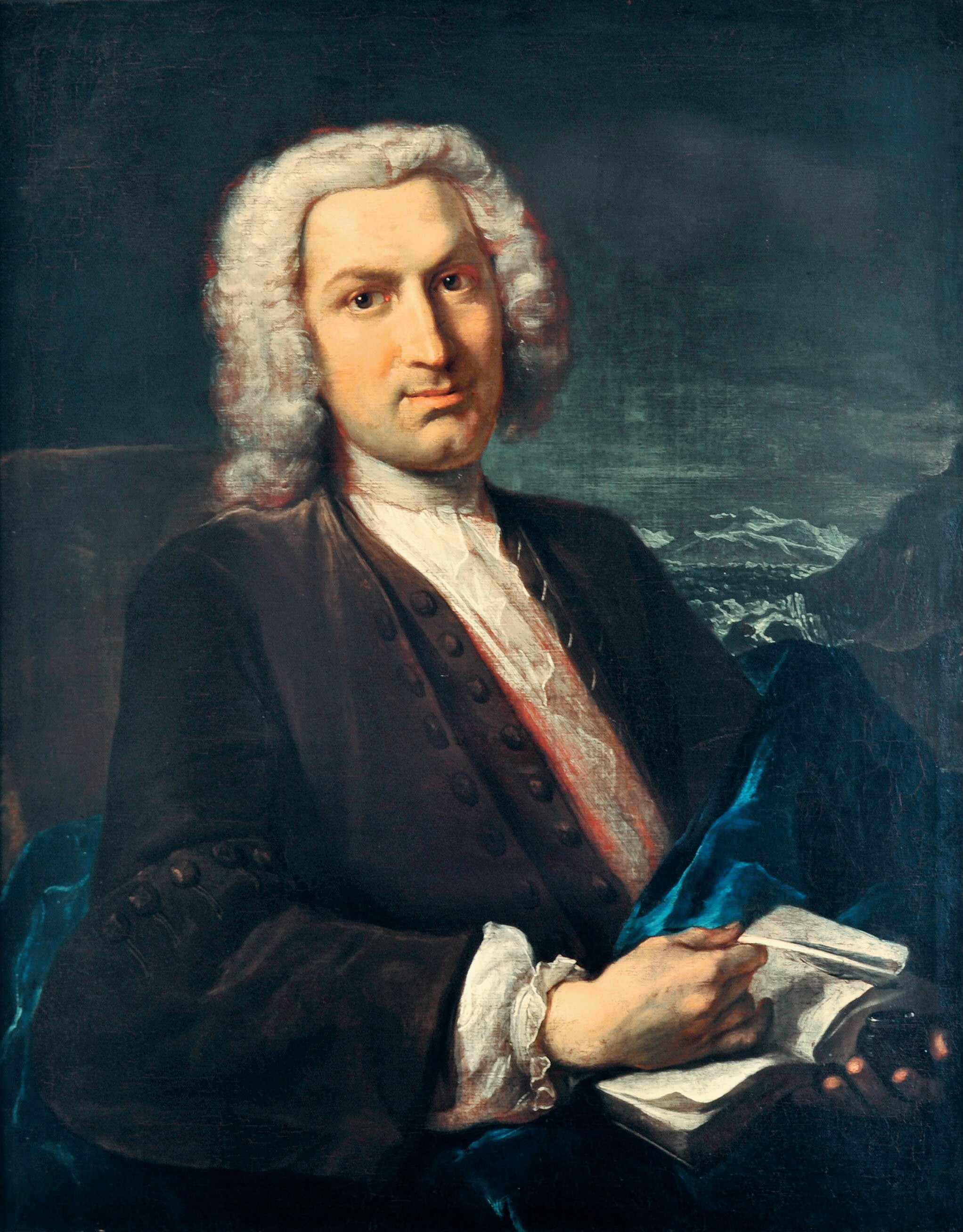
1746 –1747 HALLER, Albrecht von (1708 – 1777)
De respiratione experimenta anatomica, quibus aëris inter pulmonem etpleuram absentia demonstratur et musculorum intercostalium internorum officium adseritur. 2 pts.
First investigation of the action of the intercostal muscles in respiration.
GMN 917 · https://historyofmedicine.com/id/1107
1746 WATSON, Sir William (1715 – 1787)
An account of what appeared on opening the body of an asthmatic person.
Probably the earliest comprehensive clinical and pathological account of emphysema.
GMN 3166.1 · https://historyofmedicine.com/id/4122
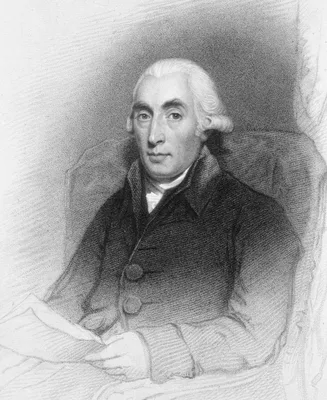
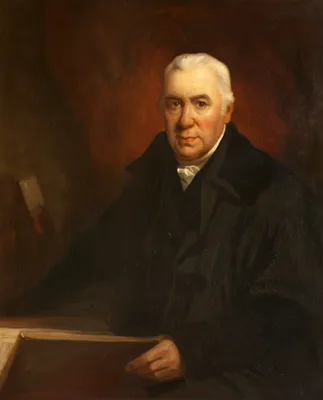
1754 BLACK, Joseph (1728 – 1799)
Dissertatio medica inauguralis de humore acido a cibis orto, et magnesia alba.
Isolation of carbon dioxide. English translation, Minneapolis, 1973.
GMN 919 · https://historyofmedicine.com/id/111
1769 MILLAR, John (1733 – 1805)
Observations on the asthma and on the hooping cough.
Includes Millar’s original description of laryngismus stridulus (“Millar’s asthma”).
GMN 3167 · https://historyofmedicine.com/id/4124
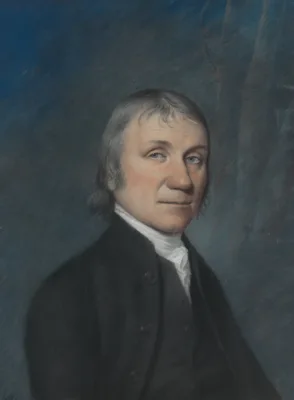
1772 PRIESTLEY, Joseph (1733 – 1804)
Observations on the different kinds of air.
The isolation of oxygen was first achieved by Priestley. He also demonstrated that plants immersed in water give off oxygen and that this gas is essential for animal life.
GMN 920 · https://historyofmedicine.com/id/116
1772 RUTHERFORD, Daniel (1749 – 1819)
De aëre fixo dicto, aut mephitico.
Discovery of nitrogen.
GMN 921 · https://historyofmedicine.com/id/120
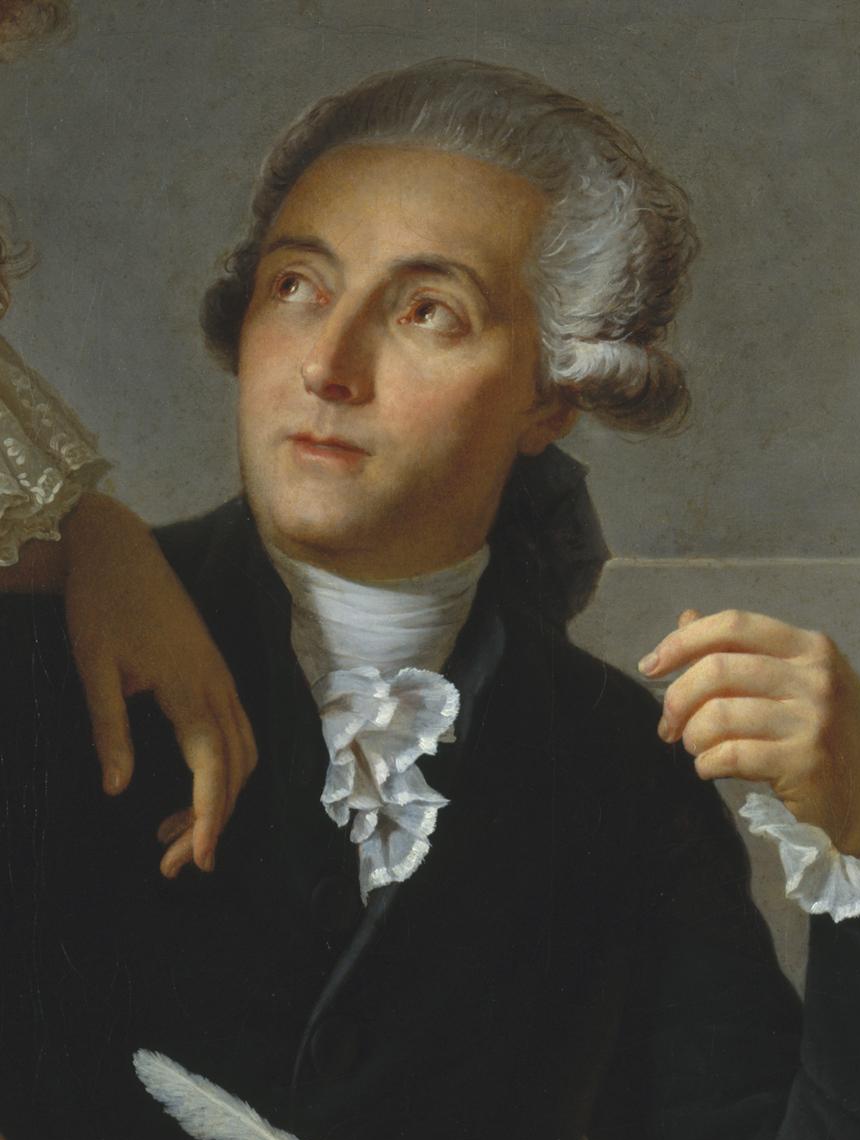
1778 LAVOISIER, Antoine Laurent de (1743 – 1794)
Mémoire sur la nature du principe qui se combine avec les métaux pendantleur calcination, et qui en augmente le poids.
Although Priestley isolated oxygen, it was Lavoisier who discovered its real significance. He showed the true nature of the interchange of gases in the lungs and exploded Stahl’s phlogiston theory. Lavoisier was guill…
GMN 922 · https://historyofmedicine.com/id/123
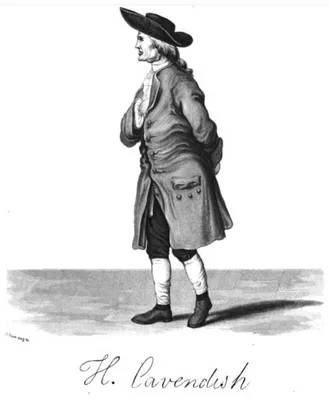
1784 CAVENDISH, Henry (1731 – 1810)
Experiments on air.
Cavendish isolated hydrogen in 1766, and later demonstrated the composition of air.
GMN 925 · https://historyofmedicine.com/id/128
1784 LAVOISIER, Antoine Laurent de (1743 – 1794); LAPLACE, Pierre-Simon marquis de (1749 – 1827)
Mémoire sur la chaleur.
These workers invented an ice calorimeter, with it measured the respiratory quotient of a pig, and demonstrated the analogy between respiration and combustion.
GMN 592 · https://historyofmedicine.com/id/392
1784 LAVOISIER, Antoine Laurent de (1743 – 1794)
Mémoire sur la formation de l’acide, nommé air fixe ou acide crayeux, et que je désignerai désormais sous le nom d’acid du charbon.
GMN 923 · https://historyofmedicine.com/id/1063
1785 LAVOISIER, Antoine Laurent de (1743 – 1794)
Mémoire sur l’affinité du principe oxygine avec les différentes substances auxquelles il est susceptible de s’unir.
GMN 924 · https://historyofmedicine.com/id/1066
1788 GOODWYN, Edmund (1756 – 1829)
The connexion of life with respiration; or, an experimental inquiry into the effects of submersion, strangulation, and several kinds of noxious airs, on living animals.
Goodwyn emphasized the importance of ventilation in resuscitation.
GMN 2028.53 · https://historyofmedicine.com/id/2092
1788 KITE, Charles (1768 – 1811)
An essay on the recovery of the apparently dead.
Kite recommended the use of artificial respiration and was probably the first to recommend electric shock for resuscitation.
GMN 2028.54 · https://historyofmedicine.com/id/2096
1793 LAVOISIER, Antoine Laurent de (1743 – 1794); SÉGUIN, Armand (1768 – 1835)
Premier mémoire sur la respiration des animaux.
Séguin and Lavoisier measured the metabolism of a man (Séguin himself). They made three observations of fundamental importance in this respect; that the intensity of oxidation in man is dependent upon (1) food, (2) en…
GMN 594 · https://historyofmedicine.com/id/420
1801 LE GALLOIS, Julien Jean César (Legallois) (1770 – 1814)
Le sang, est-il identique dans tous les vaisseaux qu’il parcourt?
Like de Bordeu, and more definitely, Legallois anticipated the conception of internal secretions. He surmised from the identity in composition of all varieties of arterial blood and the diversity of venous blood in di…
GMN 1118 · https://historyofmedicine.com/id/1200
1803 SPALLANZANI, Lazzaro (1729 – 1799); SENEBIER, Jean (1742 – 1809)
Mémoires sur la respiration par Lazare Spallanzani, traduits en français, d'après son manuscrit inédit, par Jean Senebier.
Spallanzani's experimental data laid the groundwork for modern conceptions of respiratory physiology. In concluding that the blood transported carbon dioxide as a product of tissue oxidation, Spallanzani discovered pa…
GMN 11709 · https://historyofmedicine.com/id/13910
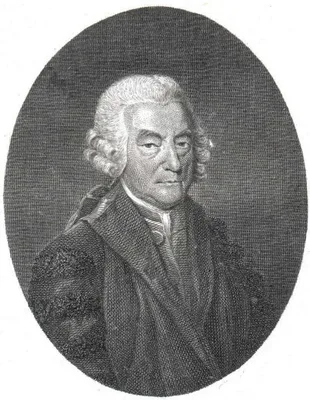
1808 REISSEISEN, Franz Daniel (1773 – 1828); SOEMMERRING, Samuel Thomas von (1755 – 1830)
Über den Bau der Lungen.
In 1804 the Berlin Akademie der Naturwissenschaften offered a prize for the best essay on the structure and function of the lungs. The prize was won by Reisseisen, while Soemmerring received honorable mention. The tex…
GMN 927 · https://historyofmedicine.com/id/141
1808 BADHAM, Charles (1780 – 1845)
Observations on the inflammatory affections of the mucous membrane of the bronchiae.
Badham distinguished acute and chronic bronchitis from pneumonia and pleurisy, with which it had previously been confused. He gave the disease its present name. Digital facsimile from Google Books at this link.
GMN 3168 · https://historyofmedicine.com/id/4129
1812 LE GALLOIS, Julien Jean César (Legallois) (1770 – 1814)
Expériences sur le principe de la vie.
Le Gallois described the action of the vagus nerve on respiration. He showed that bilateral section of the vagus can produce fatal bronchopneumonia. The above work includes (p. 37) his location of the respiratory cent…
GMN 1389.2 · https://historyofmedicine.com/id/143
1837 MAGNUS, Heinrich Gustav (1802 – 1870)
Ueber die im Blute enthaltenen Gase, Sauerstoffe, Stickstoff, und Kohlensäure.
First quantitative analysis of the blood gases. Magnus proved that the arterial blood contains a higher concentration of oxygen than venous blood and that the latter had a higher carbon dioxide content.
GMN 929 · https://historyofmedicine.com/id/145
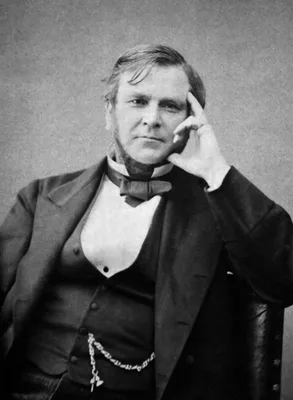
1846 HUTCHINSON, John (1811 – 1861)
On the capacity of the lungs, and on the respiratory functions, with a view of establishing a precise and easy method of detecting disease by the spirometer.
Invention of the spirometer, making possible the determination of the vital capacity of the lungs. Hutchinson used the spirometer while evaluating candidates for life insurance as a physician for Brittania Life. Parti…
GMN 930 · https://historyofmedicine.com/id/149
1847 SCHIFF, Moritz (1823 – 1896)
Die Ursache der Lungenveränderung nach Durchschneidung der pneumogastrischen Nerven.
Study of the effect of section of the vagus on respiration. See also No. 933.
GMN 931 · https://historyofmedicine.com/id/152
1849 REGNAULT, Henri Victor (1810 – 1878); REISET, Jules (1818 – 1896)
Recherches chimiques sur la respiration des animaux des diverses classes.
First determination of the respiratory quotient.
GMN 932 · https://historyofmedicine.com/id/155
1850 SCHIFF, Moritz (1823 – 1896)
Ueber den Einfluss der Vagusdurchschneidung auf das Lungengewebe.
See No. 931.
GMN 933 · https://historyofmedicine.com/id/158
1852 BOWDITCH, Henry Ingersoll (1808 – 1892)
On pleuritic effusions, and the necessity of paracentesis for their removal.
Bowditch pioneered the operation for removal of pleural effusions with trocar and a suction pump devised by Morrill Wyman (1812-1903). See Bowditch’s earlier paper on the subject in the same journal volume, pp. 103-05.
GMN 3168.1 · https://historyofmedicine.com/id/4131
1856 HALL, Marshall (1790 – 1857)
On a new mode of effecting artificial respiration.
Marshall Hall’s method of artificial respiration.
GMN 2028.56 · https://historyofmedicine.com/id/2102
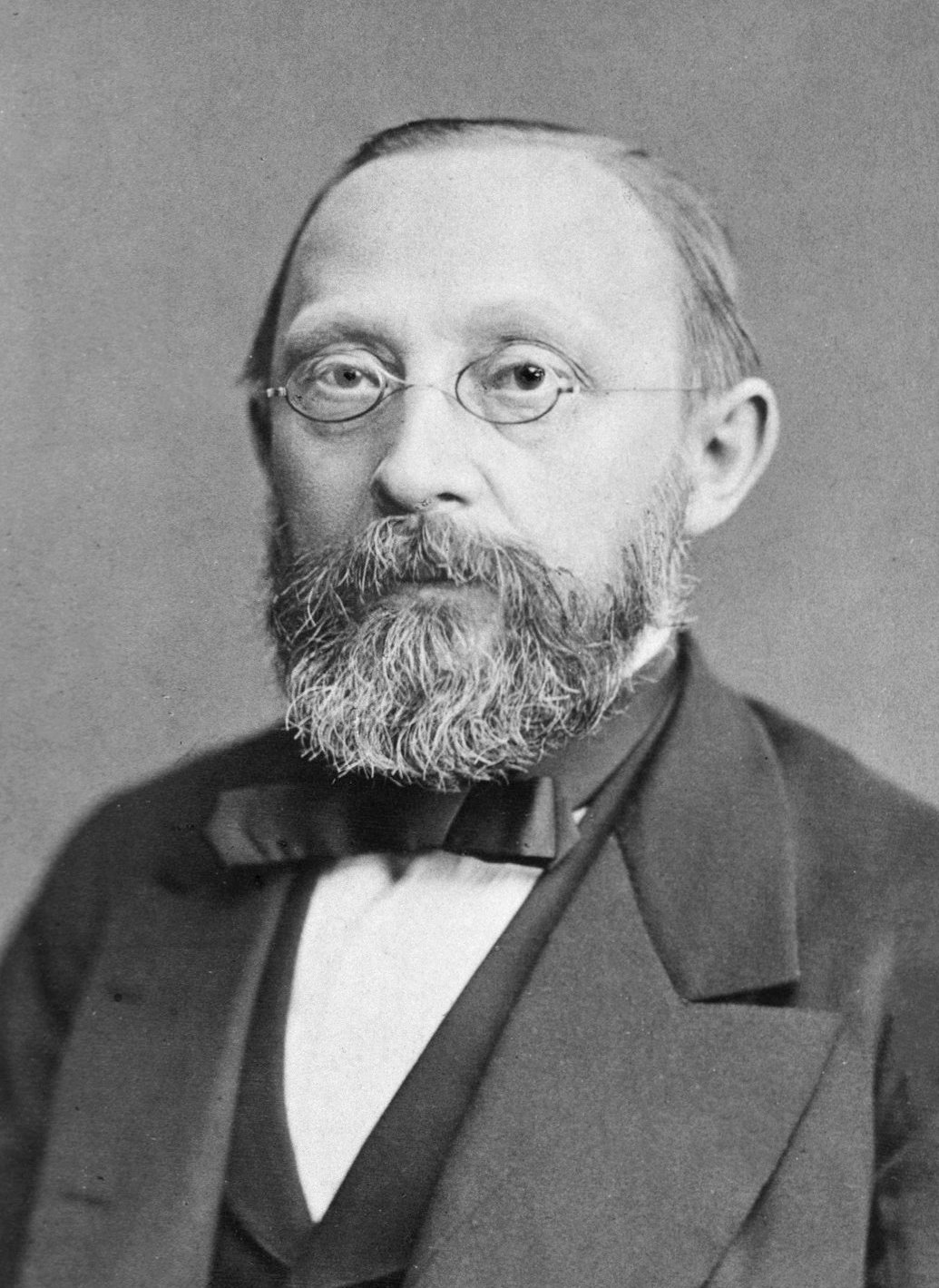
1856 VIRCHOW, Rudolf Ludwig Karl (1821 – 1902)
Beiträge zur Lehre von den beim Menschen vorkommenden pflanzlichen Parasiten.
First description of pulmonary aspergillosis.
GMN 3169 · https://historyofmedicine.com/id/4134
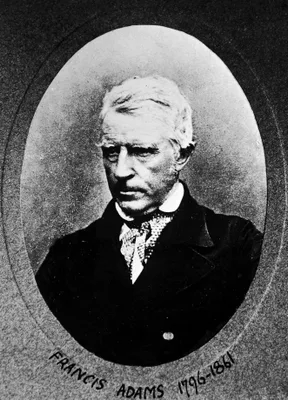
1856 ARETAEUS OF CAPPADOCIA, (Ἀρεταῖος Καππάδοκος) (80 – 140); ADAMS, Francis (1796 – 1861)
Тα ∑ωζομενα. The extant works of Aretaeus, the Cappadocian. Edited and translated by Francis Adams.
Aretaeus left many fine descriptions of disease; in fact Garrison ranks him second only to Hippocrates in this respect. In the printed editions of this bibliography, before the present online version, the Adams editio…
GMN 22 · https://historyofmedicine.com/id/8934
1857 MEYER, Julius Lothar (1830 – 1895)
Die Gase des Blutes.
Meyer showed that the oxygen in the blood was not held in simple solution but came off in quantity only when the air pressure was reduced to one fiftieth of an atmosphere.
GMN 934 · https://historyofmedicine.com/id/160
1858 MEYER, Julius Lothar (1830 – 1895)
De sanguine oxydo carbonico infesto.
Investigation of the blood gases.
GMN 935 · https://historyofmedicine.com/id/165
1859 SMITH, Edward (1819 – 1874)
Experimental inquiries into the chemical and other phenomena of respiration, and their modifications by various physical agents.
Smith invented a respirometer to study changes in respiratory function under various conditions. See also the following paper (pp. 715-42) on the effects of foods on respiration. For an account of his work in this and…
GMN 935.1 · https://historyofmedicine.com/id/182
1862 –1863 VOIT, Carl von (1831 – 1908); PETTENKOFER, Max Josef von (1818 – 1901)
Untersuchungen über die Respiration.
The first combined feeding–respiration experiments. Pettenkofer and Voit devised an apparatus for their important experiments on respiration and metabolism. They were first to estimate the amounts of protein, fat, and…
GMN 938 · https://historyofmedicine.com/id/181
1862 –1863 PETTENKOFER, Max Josef von (1818 – 1901)
Ueber die Respiration.
GMN 937 · https://historyofmedicine.com/id/184
1866 PFLÜGER, Eduard Friedrich Wilhelm (1829 – 1910)
Zur Gasometrie des Blutes.
Pflüger showed that respiratory changes take place in the tissues.
GMN 939 · https://historyofmedicine.com/id/187
1868 PFLÜGER, Eduard Friedrich Wilhelm (1829 – 1910)
Ueber die Ursache der Athembewegungen, sowie der Dyspnoë und Apnoë.
Pflüger investigated the cause of the initiation of respiration in newborn animals. English translation in No. 1588.16.
GMN 940 · https://historyofmedicine.com/id/189
1868 HERING, Karl Ewald Konstantin (1834 – 1918)
Die Selbststeuerung der Athmung durch den Nervus vagus.
GMN 941 · https://historyofmedicine.com/id/192
1868 BREUER, Josef (1842 – 1925)
Die Selbststeuerung der Athmung durch den Nervus vagus.
“Hering-Breuer reflex”; see also the previous entry. English translation of both papers in R. Porter (ed.), Hering–Breuer Centenary Symposium, London, Churchill, 1970. Digital facsimile of the 1868 edition from the Ba…
GMN 942 · https://historyofmedicine.com/id/195
1869 HOWARD, Benjamin ( – 1900)
Plain rules for the restoration of persons apparently dead from drowning.
Howard’s method of artificial respiration is taught for resuscitation from drowning.
GMN 2028.58 · https://historyofmedicine.com/id/2107
1871 LUSCHKA, Hubert von (1820 – 1875)
Der Kehlkopf des Menschen.
GMN 943 · https://historyofmedicine.com/id/198
1875 JOURDANET, Denis (1815 – 1892)
Influence de la pression de l’air sur la vie de l’homme. Climats d'altitude et climats du montagne. 2 vols.
Jourdanet’s observational work in remote areas of Latin America and Asia produced important evidence for Bert’s proof that altitude sickness is due to anoxemia. In La pression barométrique (No. 944) Bert described how…
GMN 943.1 · https://historyofmedicine.com/id/201

![GALEN, [Κλαύδιος Γαληνός; Galen of Pergamon] (129 – 216)](/media/portraits/21)