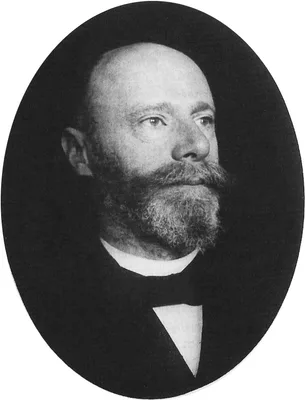
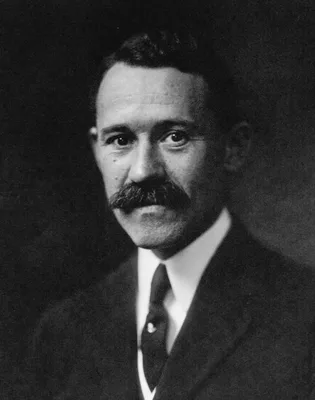
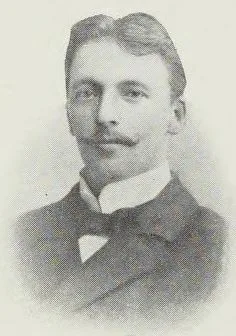
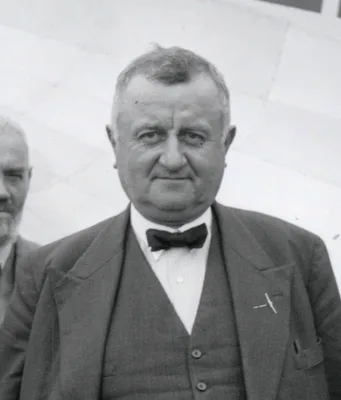
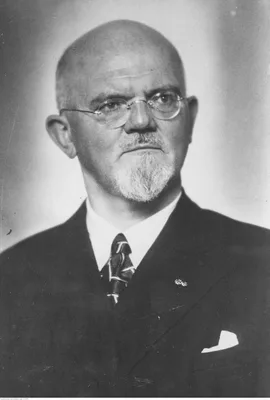
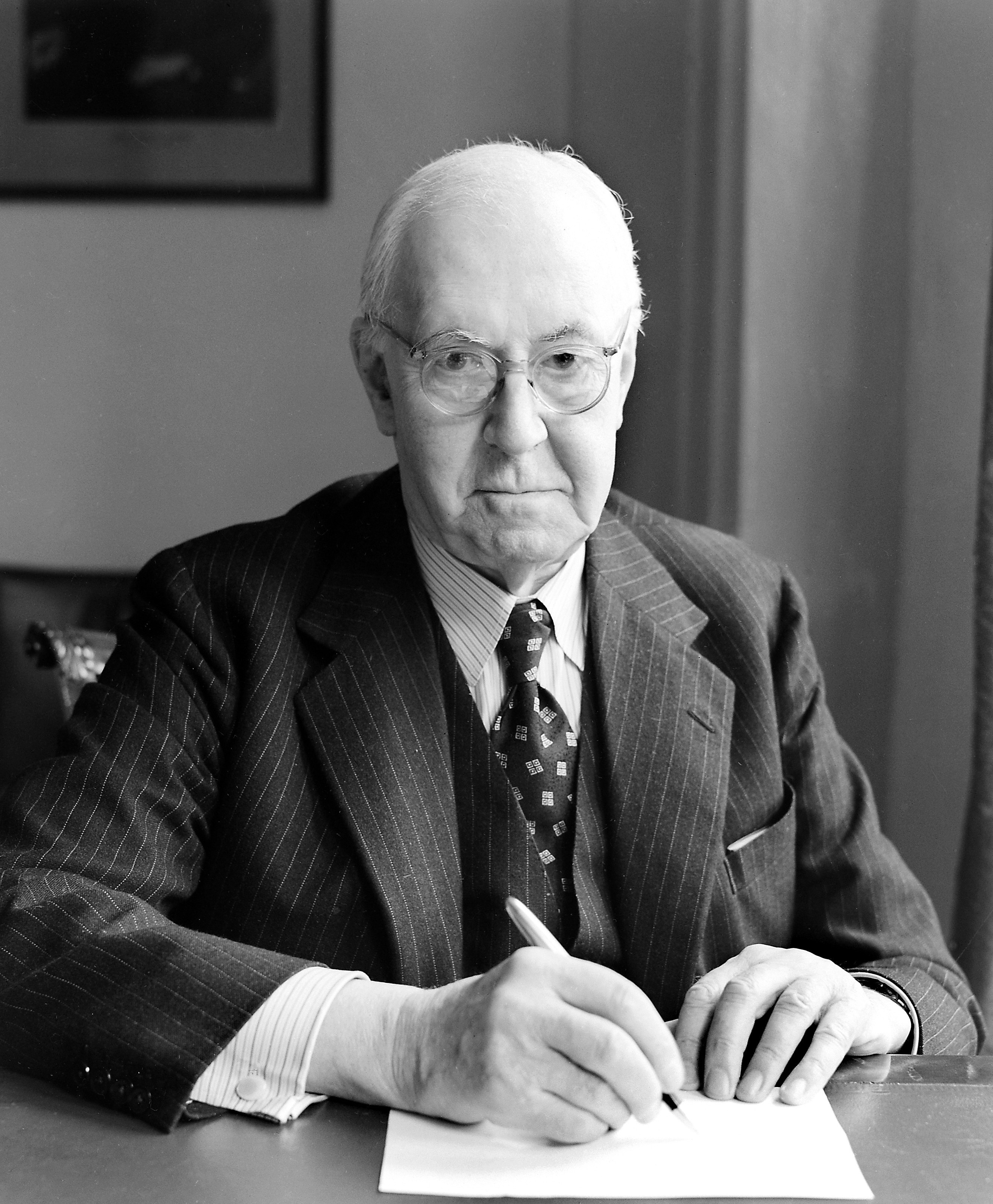
1902 EINTHOVEN, Willem (1860 – 1927)
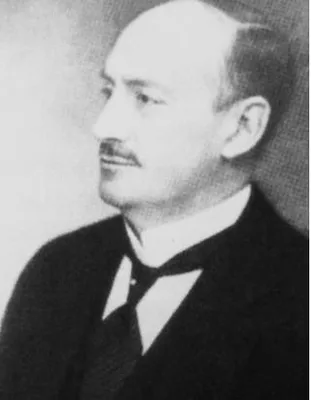
Galvanometrische registratie van het menschelijk electrocardiogram IN: Herinneringsbundel Prof. S.S. Rosenstein, pp.101-106.
First description of Einthoven's string galvanometer that recorded electrical changes occurring in the human heart. Includes the first illustration of an EKG (ECG) recording. Modern electrocardiography became a realit…
GMN 842 · https://historyofmedicine.com/id/618
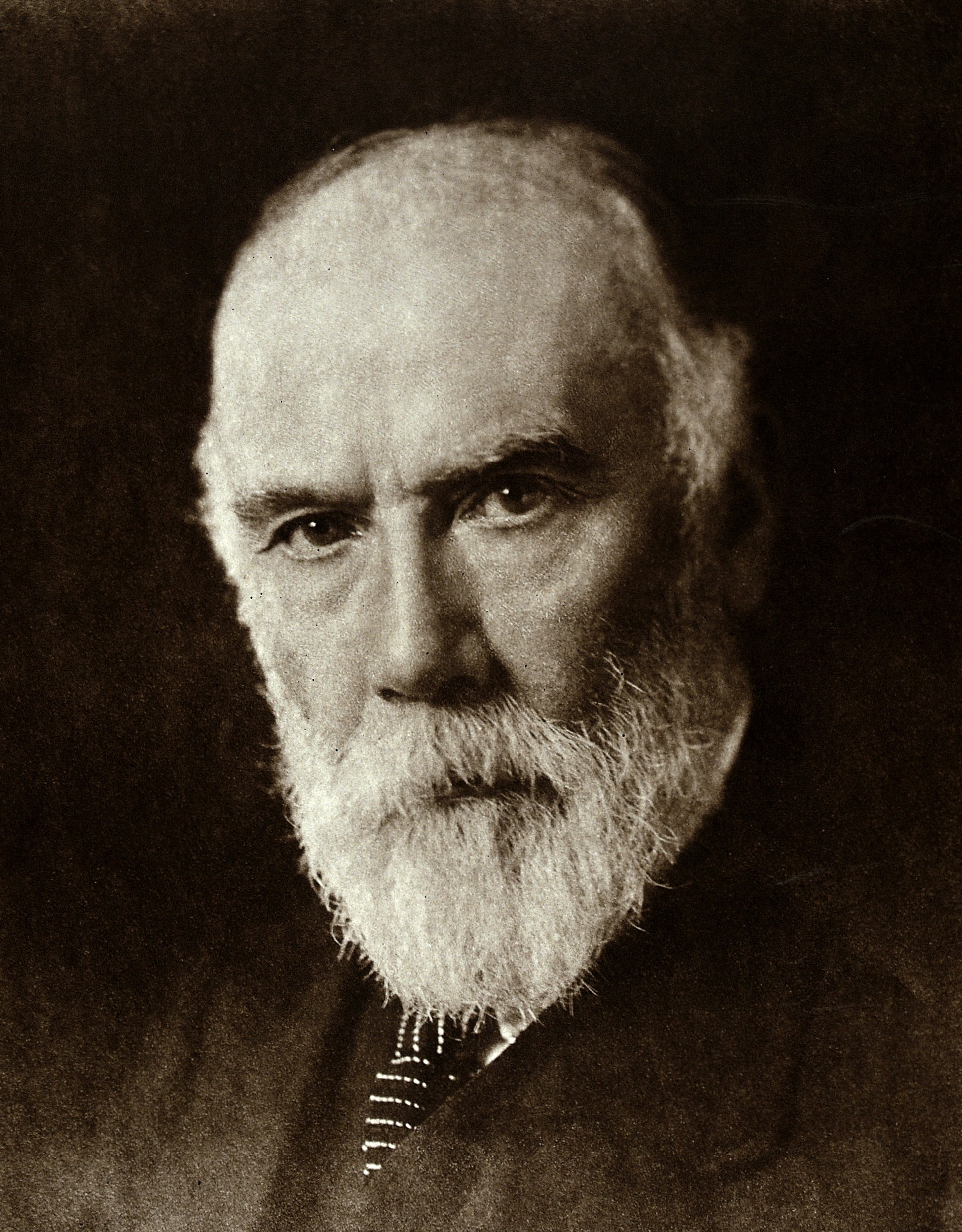
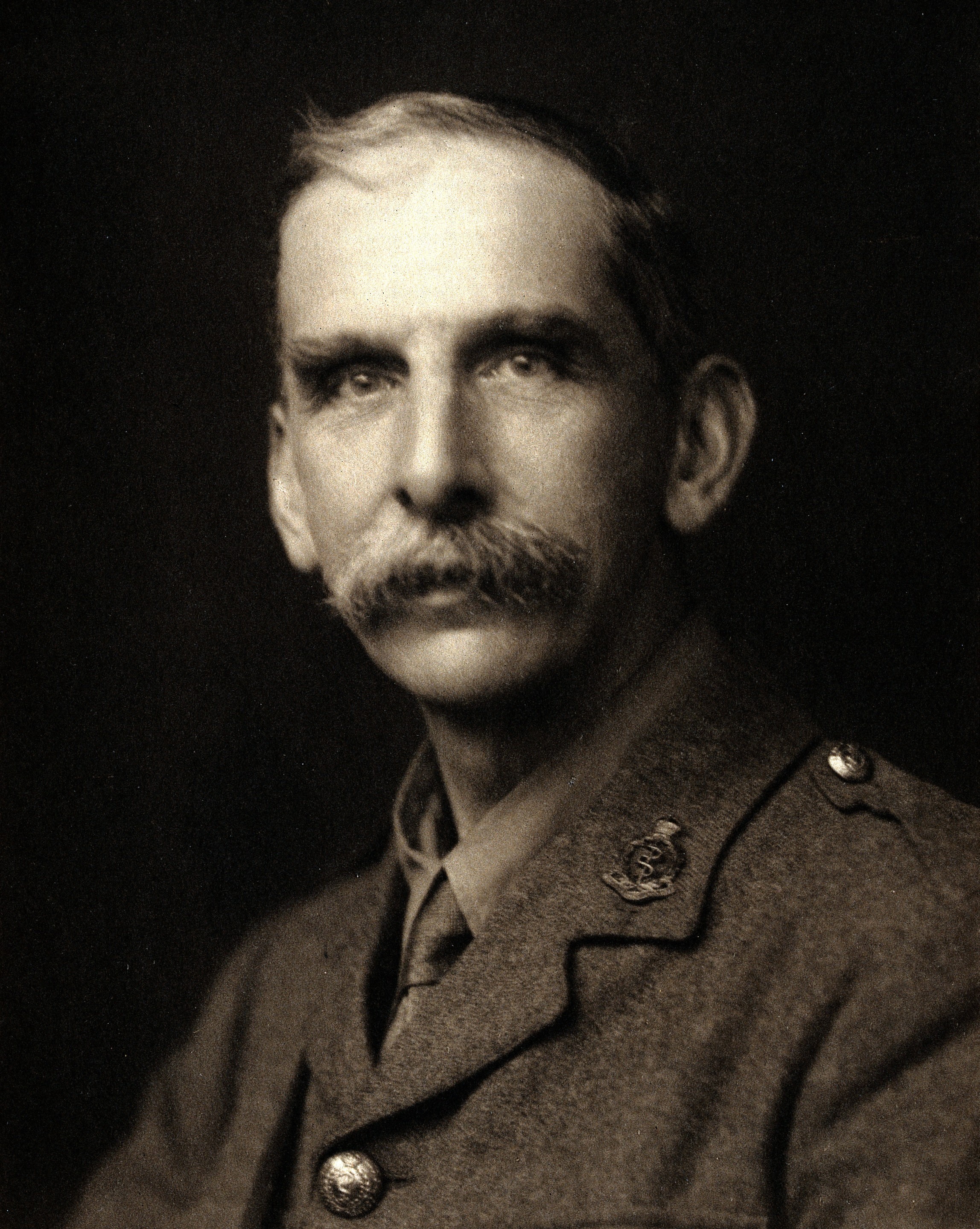
1902 MACKENZIE, Sir James (1853 – 1925)
The study of the pulse.
In his classic monograph Mackenzie included (p. 10) a description and illustration of his polygraph, with which he made simultaneous tracings of the pulse, apex beat, etc.
GMN 2812 · https://historyofmedicine.com/id/3474
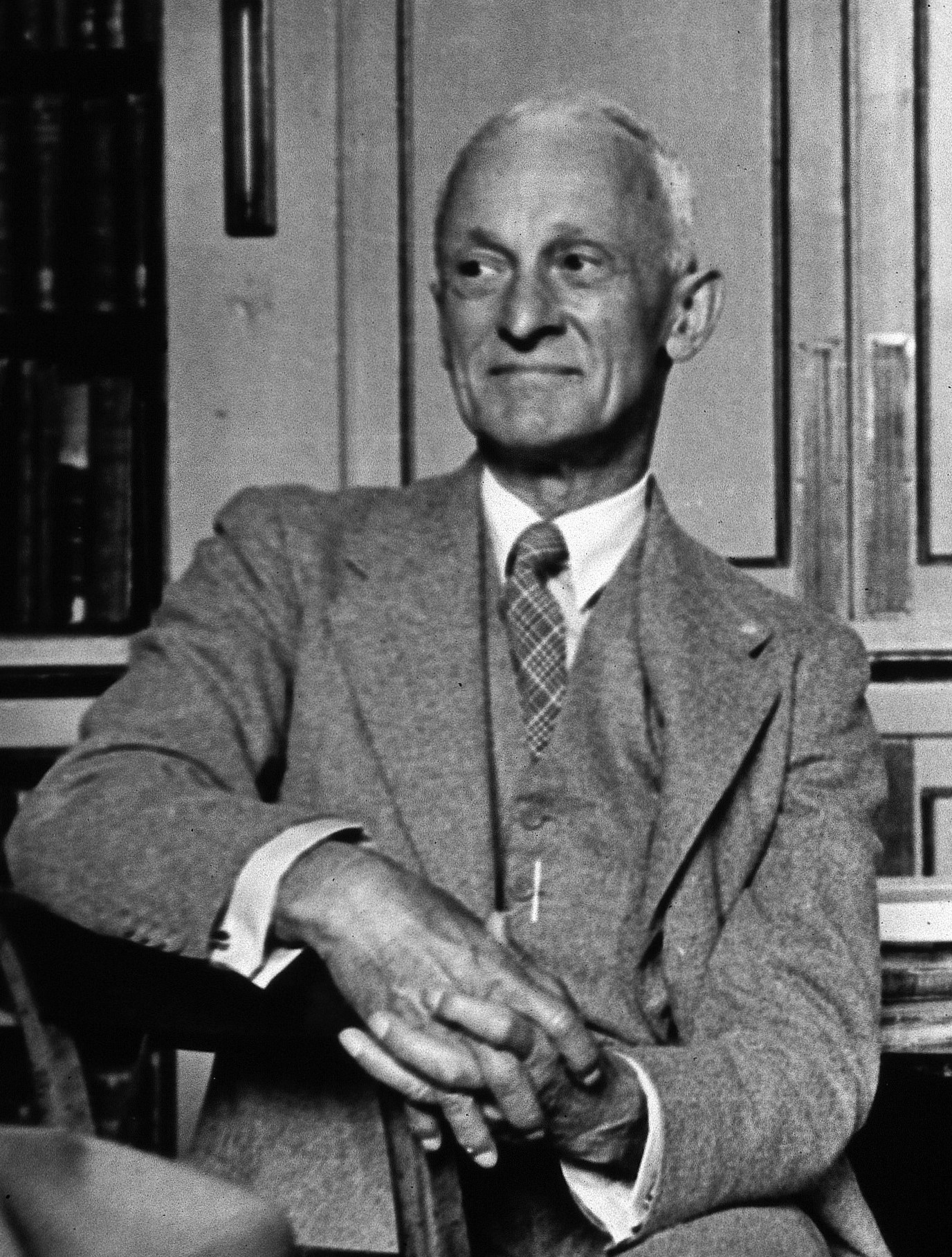
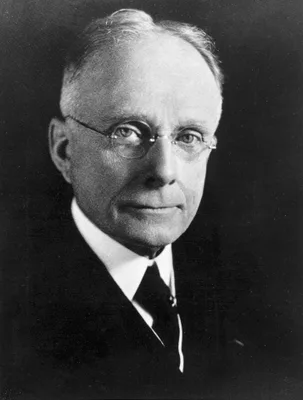
1902 CUSHING, Harvey Williams (1869 – 1939)
Some experimental and clinical observations concerning states of increased intracranial tension.
According to Theodore Janeway (No. 11572), Cushing was the first to recommend routine measurement of blood pressure during surgery using the Riva Rocci sphygmomanometer.(See No. 2804). Cushing visited Riva Rocci at Pa…
GMN 11573 · https://historyofmedicine.com/id/13772
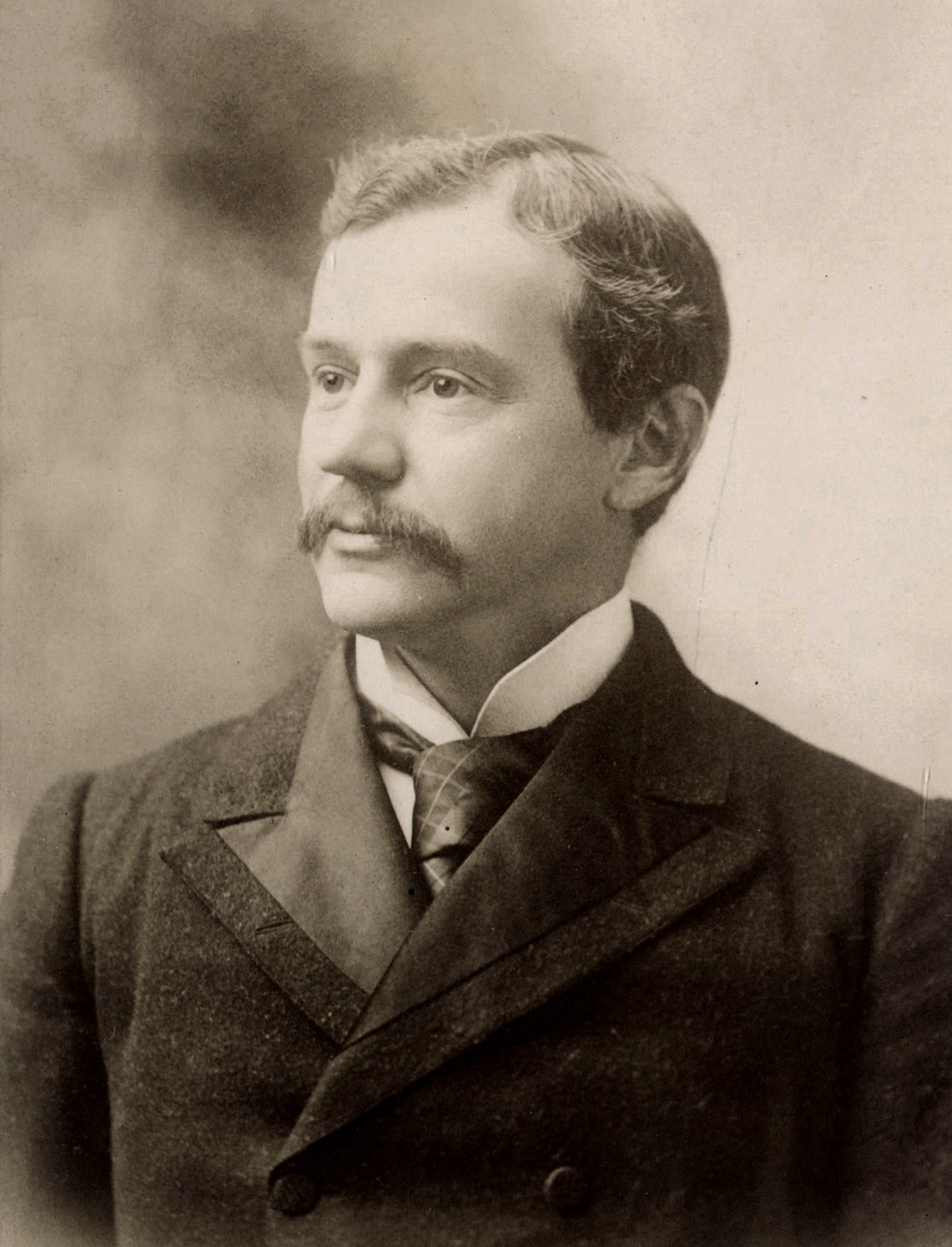
1903 KELLY, Howard Atwood (1858 – 1943)
Instruments for use through cylindrical rectal specula, with the patients in the knee-chest posture.
Various rectal and vesical specula were designed by Kelly.
GMN 3526 · https://historyofmedicine.com/id/4018
1904 JANEWAY, Theodore Caldwell (1872 – 1917)
The clinical study of blood-pressure. A guide to the use of the sphygmomanometer in medical, surgical and obstetrical practice, with a summary of the experimental and clinical facts relating to the blood-pressure in health and disease.
The earliest American monograph on hypertension and its detection. Digital facsimile from the Hathi Trust at this link.
GMN 11572 · https://historyofmedicine.com/id/13771
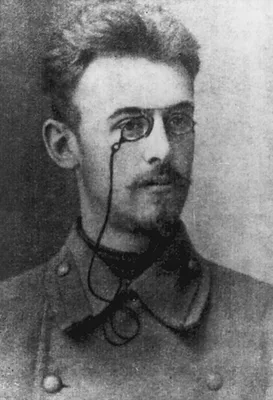
1905 KOROTKOV, Nikolai Sergeievich (1874 – 1920)
On methods of studying blood pressure.
Korotkov introduced the modern method of applying the stethoscope to the brachial artery during blood-pressure examination with Riva-Rocci’s sphygmomanometer, for the purpose of investigating the sounds made by the bl…
GMN 2818 · https://historyofmedicine.com/id/3498
1905 KUHN, Franz (1866 – 1929)
Perorale Tubagen mit und ohne Druck.
Kuhn introduced the intratracheal insufflation method of anesthetization about 1900; he used a flexible metal tube and a curved introducer. He also experimented with positive and negative pressure insufflation.
GMN 5693 · https://historyofmedicine.com/id/7432
1906 EINTHOVEN, Willem (1860 – 1927)
Het telecardiogram.
This paper includes the first published ECG tracing of atrial fibrillation. See W. Bruce Fye, "Tracing atrial fibrillation - 100 years," New Eng. J. Med., 355 (2006) 1412.
GMN 11589 · https://historyofmedicine.com/id/13788
1907 EINTHOVEN, Willem (1860 – 1927)
Die Registrierung der menschlichen Herztone mittels des Saitengalvanometers
Phonocardiography.
GMN 846 · https://historyofmedicine.com/id/634
1907 FELLNER, Bruno
Neuerung zur Messung des systolischen und diastolischen Druckes.
Fellner suggested the use of the stethoscope in the measurement of systolic and diastolic pressure.
GMN 2825 · https://historyofmedicine.com/id/3534
1907 JACKSON, Chevalier (1865 – 1958)
Tracheo-bronchoscopy, esophagoscopy and gastroscopy.
First textbook on endoscopy.
GMN 3337 · https://historyofmedicine.com/id/4599
1907 MILNE, John Stewart ( – 1913)
Surgical instruments in Greek and Roman times.
Reprinted, N.Y., 1970.
GMN 5806 · https://historyofmedicine.com/id/6910
1908 HORSLEY, Sir Victor Alexander Haden (1857 – 1916); CLARKE, Robert Henry (1850 – 1926)
The structure and functions of the cerebellum examined by a new method.
Stereotactic apparatus for the accurate location of electrodes in the brain. The apparatus devised by Horsley and Clarke opened the way to stereotactic surgery of the brain.
GMN 1435.1 · https://historyofmedicine.com/id/2230
1908 OMBRÉDANNE, Louis (1871 – 1956)
Un appareil pour l’anesthésie par l’éther.
Ombrédanne ether inhaler.
GMN 5693.1 · https://historyofmedicine.com/id/7433
1909 SAMOJLOFF, A.
Elektrokardiogramme.
This 37-page pamphlet was the earliest collection of information regarding electrocardiography. It contained "only single lead electrocardiograms, limited to mitral stenosis and hypertrophy of the right and left venti…
GMN 11680 · https://historyofmedicine.com/id/13881
1910 JACOBAEUS, Hans Christian (1879 – 1937)
Ueber die Möglichkeit die Zystoscopie bei Untersuchungen seröser Höhlungen anzuwenden.
Jacobaeus adapted the cystoscope for the study of the interior of the body; this led to the introduction of the thoracoscope.
GMN 3189 · https://historyofmedicine.com/id/4218
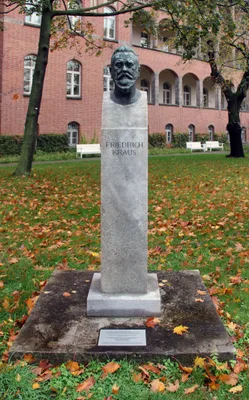
1910 KRAUS, Friedrich (1858 – 1936); NICOLAI, Georg Friedrich (1874 – 1964)
Das Elektrokardiogramm des gesunden and kranken Menschen.
The first comprehensive monograph on electrocardiography in any language.
GMN 11674 · https://historyofmedicine.com/id/13875
1911 ELSNER, Hans (1874 – )
Die Gastroskopie.
Elsner designed a straight gastroscope with a rubber tip and an optical system to be pushed into the outer tube, which had a lamp at its tip.
GMN 3535.1 · https://historyofmedicine.com/id/4035
1911 MCKESSON, Elmer Isaac (1881 – 1935)
Nitrous oxide-oxygen anaesthesia. With a description of a new apparatus.
Intermittent gas-oxygen machine.
GMN 5697 · https://historyofmedicine.com/id/7446
1912 BOOTHBY, Walter Meredith (1880 – 1953); COTTON, Frederick Jay (1869 – 1938)
Nitrous oxide-oxygen-ether anesthesia: notes on administration; a perfected apparatus.
Boothby and Cotton’s flowmeter.
GMN 5698 · https://historyofmedicine.com/id/7448
1913 KELLY, Sir Robert Ernest (1879 – 1944)
Intratracheal anaesthesia.
Kelly’s intratracheal ether apparatus.
GMN 5699.2 · https://historyofmedicine.com/id/7456
1913 –1914 MUKHOPADHYAYA, Girindranath (1872 – 1935)
The surgical instruments of the Hindus, with a comparative study of the surgical instruments of the Greek, Roman, Arab and the modern Eouropean [sic] surgeons. 2 vols.
Vol. 2 consists of plates.
GMN 6488 · https://historyofmedicine.com/id/7985
1913 LEWIS, Sir Thomas (1881 – 1945)
Clinical electrocardiography.
The first textbook of electrocardiography.
GMN 11679 · https://historyofmedicine.com/id/13880
1916 SHIPWAY, Sir Francis Edward (1875 – 1968)
The advantages of warm anaesthetic vapours, and an apparatus for their administration.
Shipway apparatus.
GMN 5699.3 · https://historyofmedicine.com/id/7458
1916 KIELLAND, Christian Caspar Gabriel (1871 – 1941)
Ueber die Anlegung der Zange am nicht rotierten Kopf mit Beschreibung eines neuen Zangenmodelles und einer neuen Anlegungsmethode.
Kielland forceps. English translation and historical background in E.P. Jones, Kielland’s forceps, London, 1952.
GMN 6219 · https://historyofmedicine.com/id/7638
1917 –1918 BOYLE, Henry Edmund Gaskin (1875 – 1941)
Nitrous oxide-oxygen-ether outfit.
Boyle’s continous-flow anesthetic machine.
GMN 5700 · https://historyofmedicine.com/id/7462
1920 MANN, Hubert (1891 – 1975)
A method of analyzing the electrocardiogram.
Mann developed the monocardiogram while a fourth-year medical student. This was the first vector loop and the beginning of modern vectorcardiography.
GMN 2853.1 · https://historyofmedicine.com/id/3639
1920 DELEE, Joseph Bolivar (1869 – 1942)
The prophylactic forceps operation.
DeLee's advocacy of prophylactic forceps delivery made forceps deliveries more common. It remains probably his most controversial contribution to obstetrics. "At a meeting of the American Gynecological Society in 1920…
GMN 12489 · https://historyofmedicine.com/id/14722
1921 BIRCHER, Eugen (1882 – 1956)
Die Arthroendoskopie.
First published account of the use of the laparoscope for arthroscopy.
GMN 4388.2 · https://historyofmedicine.com/id/5956
1922 SCHINDLER, Rudolf (1888 – 1968)
Probleme und Technik der Gastroskopie, mit der Beschreibung eines neuen Gastroskops.
Schindler made gastroscopy a “method”. See also his paper in the Münch, med. Wschr., 1922, 69, 535-37.
GMN 3545 · https://historyofmedicine.com/id/4052
1923 MCCARTHY, Joseph Francis (1874 – 1965)
A new type of observation and operating cysto-urethroscope.
McCarthy foroblique pan-endoscope.
GMN 4198.1 · https://historyofmedicine.com/id/6163
1925 URIBE Y TRONCOSO, Manuel (1867 – 1959)
Gonioscopy and its clinical applications.
Troncoso’s gonioscope.
GMN 5968 · https://historyofmedicine.com/id/7005
1925 STROMAYR, Caspar ( – 1566); BRUNN, Walter Albert Ferdinand von (1876 – 1952)
Die Handschrift des Schnitt- und Augenarztes Caspar Stromayr in Lindau im Bodensee: In der Lindauer Handschrift (P.1.46) vom 4. Juli 1559. Mit einer historischen Einführung und Wertung von Walter von Brunn.
Stroymayr's manuscript was discovered in Lindau in 1909, and remained unpublished until the above edition, which reproduced his drawings in color. Like Bartisch (No. 5817) Stromayr specialized in hernia repair and eye…
GMN 3573.1 · https://historyofmedicine.com/id/8659
1926 STERN, Maxmilian (1878 – 1946)
Minor surgery of the prostate gland; a new cystoscopic instrument employing a cutting current capable of operation in a water medium.
Stern’s resectoscope.
GMN 4273 · https://historyofmedicine.com/id/5278
1927 BLUMGART, Hermann Ludwig (1895 – 1977); YENS, Otto C.
Studies on the velocity of blood flow: I. The method utilized.
Reports the first diagnostic procedure, done in 1925, using radioactive indicators on humans. "Less well recognized is the fact that Blumgart and his coworker Otto C. Yens, then a medical student, developed the first …
GMN 9335 · https://historyofmedicine.com/id/11517
1928 REIN, Friedrich Hermann (1898 – 1953)
Die Thermo-Stromuhr. Ein Verfahren zur fortlaufenden Messung der mittleren absoluten Durchfulssmengen in uneröffneten Gefässen in situ.
Introduction of the Thermostromuhr, an instrument for measuring the velocity of the blood flow.
GMN 798 · https://historyofmedicine.com/id/144
1928 WIGGERS, Carl John (1883 – 1963)
The pressure pulses in the cardiovascular system.
Wiggers, professor of physiology at the Western Reserve University, Cleveland, contributed much to the knowledge of the circulation and devised several instruments to promote the study of this subject.
GMN 799 · https://historyofmedicine.com/id/148
1928 DALE, Sir Henry Hallett (1875 – 1968); SCHUSTER, Edgar Hermann Joseph (1899 – 1969)
A double perfusion-pump.
Mechanical heart.
GMN 856.1 · https://historyofmedicine.com/id/720
1928 CUSHING, Harvey Williams (1869 – 1939); BOVIE, William T.
Electro-surgery as an aid to the removal of intracranial tumors. With a preliminary note on a new surgical-current generator by W.T. Bovie.
Introduction of electrocoagulation in neurosurgery.
GMN 4897.1 · https://historyofmedicine.com/id/5906
1929 BERGER, Johannes (“Hans”) (1873 – 1941)
Über das Elektrenkephalogramm des Menschen.
First recording of human brain activity, which Berger called electroencephalography. Berger actually recorded his first EEG in 1924, but did not publish the technique until 1929. He showed that the electrical activity…
GMN 1446 · https://historyofmedicine.com/id/2245
1929 DAS, Sir Kedarnath (1867 – 1936)
Obstetric forceps, its history and evolution.
GMN 6299.1 · https://historyofmedicine.com/id/8040
1931 BURMAN, Michael S. (1901 – 1975)
Arthroscopy or the direct visualization of joints: An experimental cadaver study.
The first description of arthroscopic appearance of joints other than the knee, and a classic on the fundamental principles of the procedure. Follow-up paper by Burman, H. Finkelstein, & L. Mayer: Arthroscopy of the k…
GMN 4400.1 · https://historyofmedicine.com/id/6021
1932 SCHINDLER, Rudolf (1888 – 1968)
Ein völlig ungefährliches, flexibles Gastroskop.
Introduction of the flexible gastroscope.
GMN 3553 · https://historyofmedicine.com/id/4064
1935 LINDBERGH, Charles Augustus (1902 – 1974)
An apparatus for the culture of whole organs.
In 1931, the year before his son’s sensational kidnapping, the celebrity aviator began working with Alexis Carrel at the Rockefeller Institute on a perfusion pump which would allow the cultivation of whole organs in v…
GMN 858.1 · https://historyofmedicine.com/id/736
1937 MEYERHOF, Max (1874 – 1945); IBN ALĪ AL MAUSILĪ, 'Ammār (996 – 1020)
The cataract operations of 'Ammar Ibn Alī Al-Mausilī by Max Meyerhof.
Mausilī invented a hollow metallic syringe, which he applied through the sclerotic, and successfully extracted cataracts through suction.
GMN 9441 · https://historyofmedicine.com/id/11624
1938 MØLLER-CHRISTENSEN, Vilhelm (1903 – 1988)
The history of the forceps: An investigation on the occurrence, evolution, and use of the forceps from prehistoric times to the present (with a summary in Danish). Translated by William Ernest Calvert.
Not limited to the obstetric forceps.
GMN 2682.51 · https://historyofmedicine.com/id/3602
1939 GIBBON, John Heysham Jr. (1903 – 1973)
An oxygenator with a large surface–volume ratio.
First heart–lung machine used successfully on an animal.
GMN 3038.1 · https://historyofmedicine.com/id/3454
1941 EPSTEIN, Hans Georg (1909 – 2002)
The Oxford vaporiser No. 1.
With R. R. Macintosh and K. Mendelssohn. The Oxford vaporiser No. 2 is described in the same journal, pp. 64-66 by S. L. Cowan, R. D. Scott, and S. F. Suffolk.
GMN 5723 · https://historyofmedicine.com/id/6456
1942 THOMPSON, Charles John Samuel (1862 – 1943)
The history and evolution of surgical instruments.
GMN 5811 · https://historyofmedicine.com/id/6917
1944 KOLFF, Willem Johann (1911 – 2009); ET AL
The artificial kidney: Dialyser with great area.
The Kolff artificial kidney. With H. T. J. Berk and others. Kolff first published his discovery in a neutral country (Sweden) since in 1944 Holland was occupied by the Germans. See also No. 1976.
GMN 4255 · https://historyofmedicine.com/id/5168