1742 WINSLOW, Jacques-Bénigne [Jacob Benignus Winsløw] (1669 – 1760)
An mortis incertae signa minus incerta a chirurgicis quam ab aliis experimenti?
Between the mid-1700s and the early 1900s many physicians lost confidence in their ability to declare legal death. This phenomenon was in part sparked by Winslow, whose dissertation claimed the existence of a death-li…
GMN 11407 · https://historyofmedicine.com/id/13606
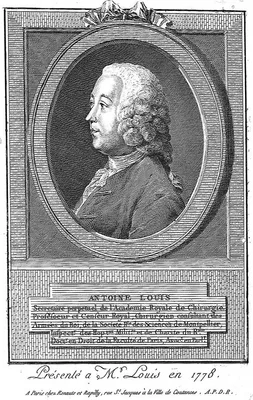
1752 LOUIS, Antoine (1723 – 1792)
Lettres sur la certitude des signes de la mort où l'on rassure les citoyens de la crainte d'être enterrés vivans ; avec des observations et des expériences sur les noyés.
In this work in the pathophysiology of drowning, resuscitation and the legal diagnosis of death Louis sought to reassure the public that the risk of being buried alive was very low. He rejected a proposal for late bur…
GMN 11504 · https://historyofmedicine.com/id/13703
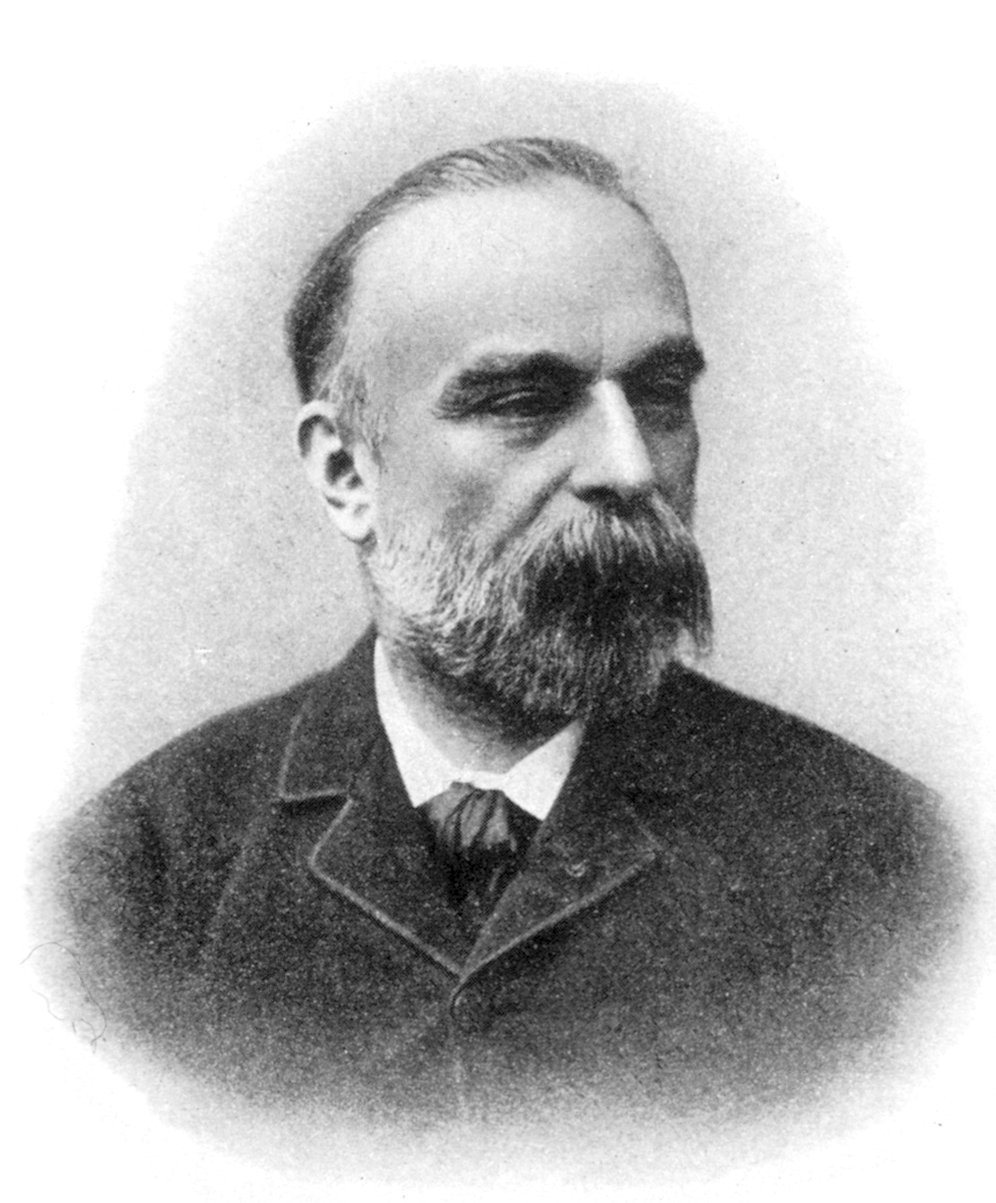
1895 BROUARDEL, Paul Camille Hippolyte (1837 – 1906)
La mort et la mort subite.
Brouardel was professor of forensic medicine, Paris. He was to a great extent responsible for the development of that subject in France; he instituted courses of practical instruction at the Paris morgue, and wrote se…
GMN 1751 · https://historyofmedicine.com/id/3126
1968 HARVARD AD HOC COMMITTEE ON BRAIN DEATH
A definition of irreversible coma. Report of the Ad Hoc Committee of the Harvard Medical School to examine the definition of brain death.
This report described the following characteristics of a permanently nonfunctioning brain, a condition it referred to as "irreversible coma," now known as brain death: 1. Unreceptivity and unresponsitivity--patient sh…

GMN 10044 · https://historyofmedicine.com/id/12233
1981 PRESIDENT'S COMMISSION FOR THE STUDY OF ETHICAL PROBLEMS IN MEDICINE AND BIOMEDICAL AND BEHAVIORAL RESEARCH
Defining death: A report on the medical, legal and ethical issues in the determination of death.
Digital facsimile from the Internet Archive at this link.
GMN 10045 · https://historyofmedicine.com/id/12234