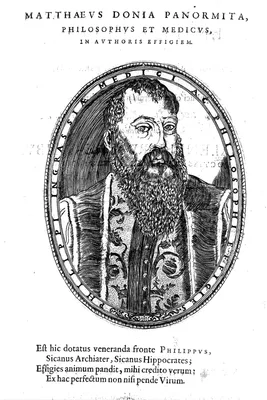
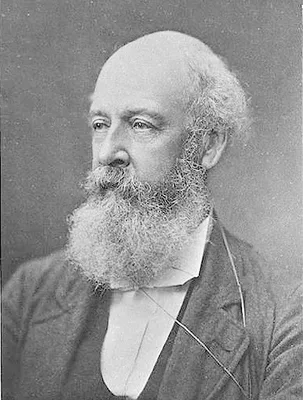
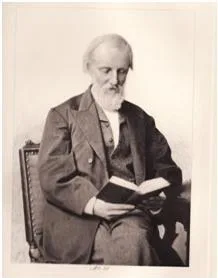
1567 PARACELSUS, [Philippus Aureolus Theophrastus Bombastus von Hohenheim] (1493 – 1541)
Von der Bergsucht oder Bergkranckheiten drey Bücher…
Paracelsus’s book on the diseases of miners was the first full monograph on the diseases of an occupational group. The first section covers the diseases, mainly pulmonary affections, of miners, including the etiology,…
GMN 2118.1 · https://historyofmedicine.com/id/2630
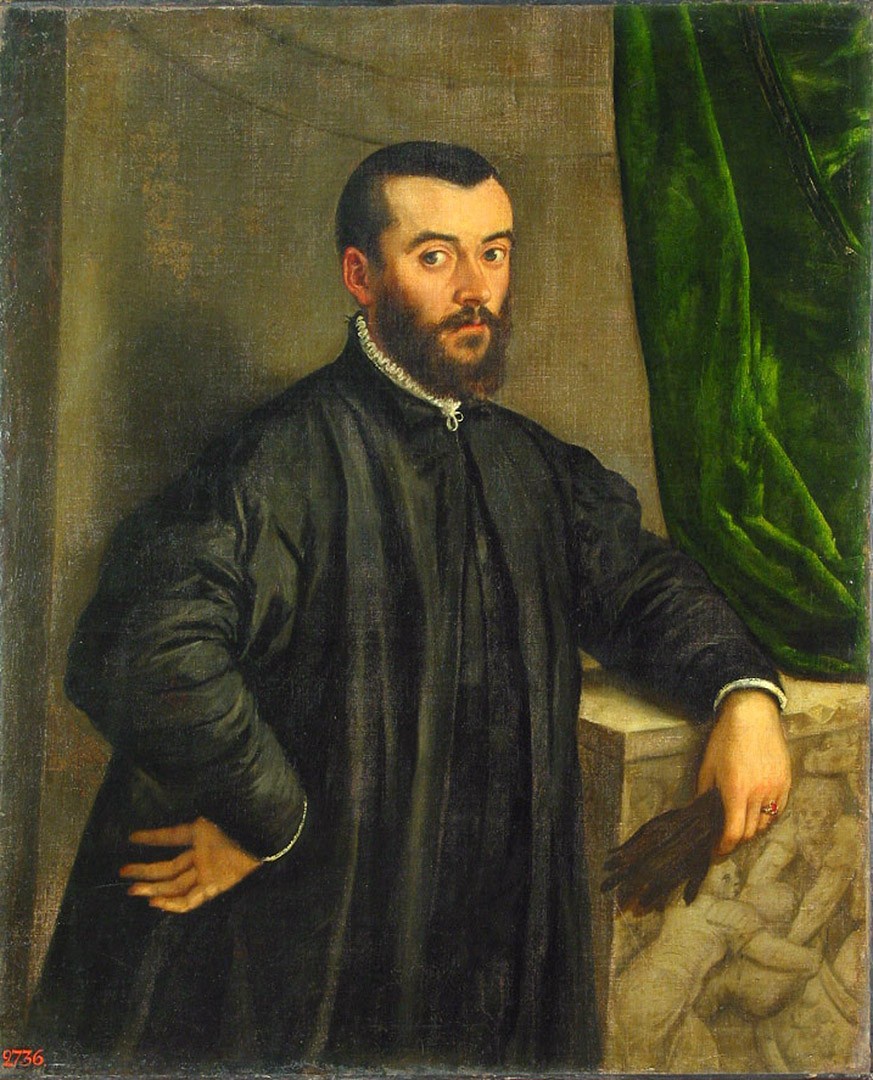
1568 VESALIUS, Andreas (1514 – 1564); INGRASSIA, Giovanni Filippo (Ioannis Philippi Ingrassiae) (1510 – 1580)
Pro magni, et illustr. Terraenovae Ducis fistula, ex levi axilla in thoracis concavum pervia, etc. In P. Ingrassia, Quaestio de purgatione per medicamentum
Vesalius’s consilium to Ingrassia, dated Madrid, 1562, in which he clearly described the operation for empyema (pp. 92-98). Although treatment of empyema by surgery was referred to in classical times, it became unfash…
GMN 3164 · https://historyofmedicine.com/id/4117
1614 PANSA, Martin (1580 – 1626)
Consilium Peripneumoniacum: Das ist Ein getrewer Rath in der beschwerlichen Berg und Lungensucht : darinnen verfasset, was die fürnemsten Ursachen seyn beyderley Beschwerungen, beydes der gifftigen, die vom Bergwerck entstehet: so wol der gemeinen, die von Flüssen herrühret: Zuvor aber, wie der Mensch mit der kleinen Welt, und mit dem Bergwerck artlich zu vergleichen, und wie beyde Suchten zu vertreiben seyn.
Martin Pansa, a pupil of Georg Agricola, wrote the most important work on occupational disease before Ramazzini. He described the symptoms of the lung diseases of miners and smelters. Digital facsimile from the Bayeri…
GMN 2119 · https://historyofmedicine.com/id/2631
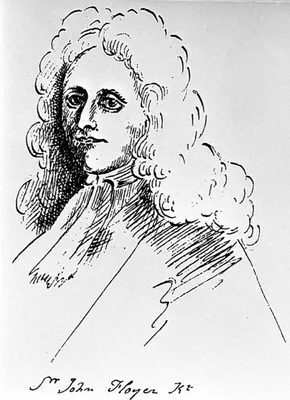
1698 FLOYER, Sir John (1649 – 1734)
A treatise of the asthma.
Floyer provided the first clear descriptions of cases of bronchial asthma. Floyer himself suffered from asthma for over 30 years. He recognized the influence of heredity in asthma. The above includes (p. 239) an impor…
GMN 3166 · https://historyofmedicine.com/id/4120
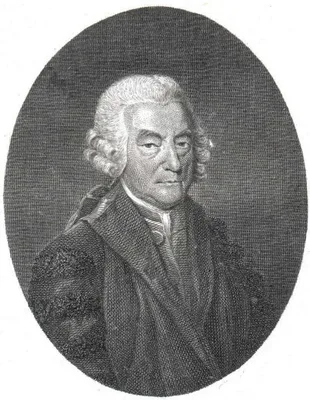
1746 WATSON, Sir William (1715 – 1787)
An account of what appeared on opening the body of an asthmatic person.
Probably the earliest comprehensive clinical and pathological account of emphysema.
GMN 3166.1 · https://historyofmedicine.com/id/4122
1769 MILLAR, John (1733 – 1805)
Observations on the asthma and on the hooping cough.
Includes Millar’s original description of laryngismus stridulus (“Millar’s asthma”).
GMN 3167 · https://historyofmedicine.com/id/4124
1808 BADHAM, Charles (1780 – 1845)
Observations on the inflammatory affections of the mucous membrane of the bronchiae.
Badham distinguished acute and chronic bronchitis from pneumonia and pleurisy, with which it had previously been confused. He gave the disease its present name. Digital facsimile from Google Books at this link.
GMN 3168 · https://historyofmedicine.com/id/4129
1852 BOWDITCH, Henry Ingersoll (1808 – 1892)
On pleuritic effusions, and the necessity of paracentesis for their removal.
Bowditch pioneered the operation for removal of pleural effusions with trocar and a suction pump devised by Morrill Wyman (1812-1903). See Bowditch’s earlier paper on the subject in the same journal volume, pp. 103-05.
GMN 3168.1 · https://historyofmedicine.com/id/4131
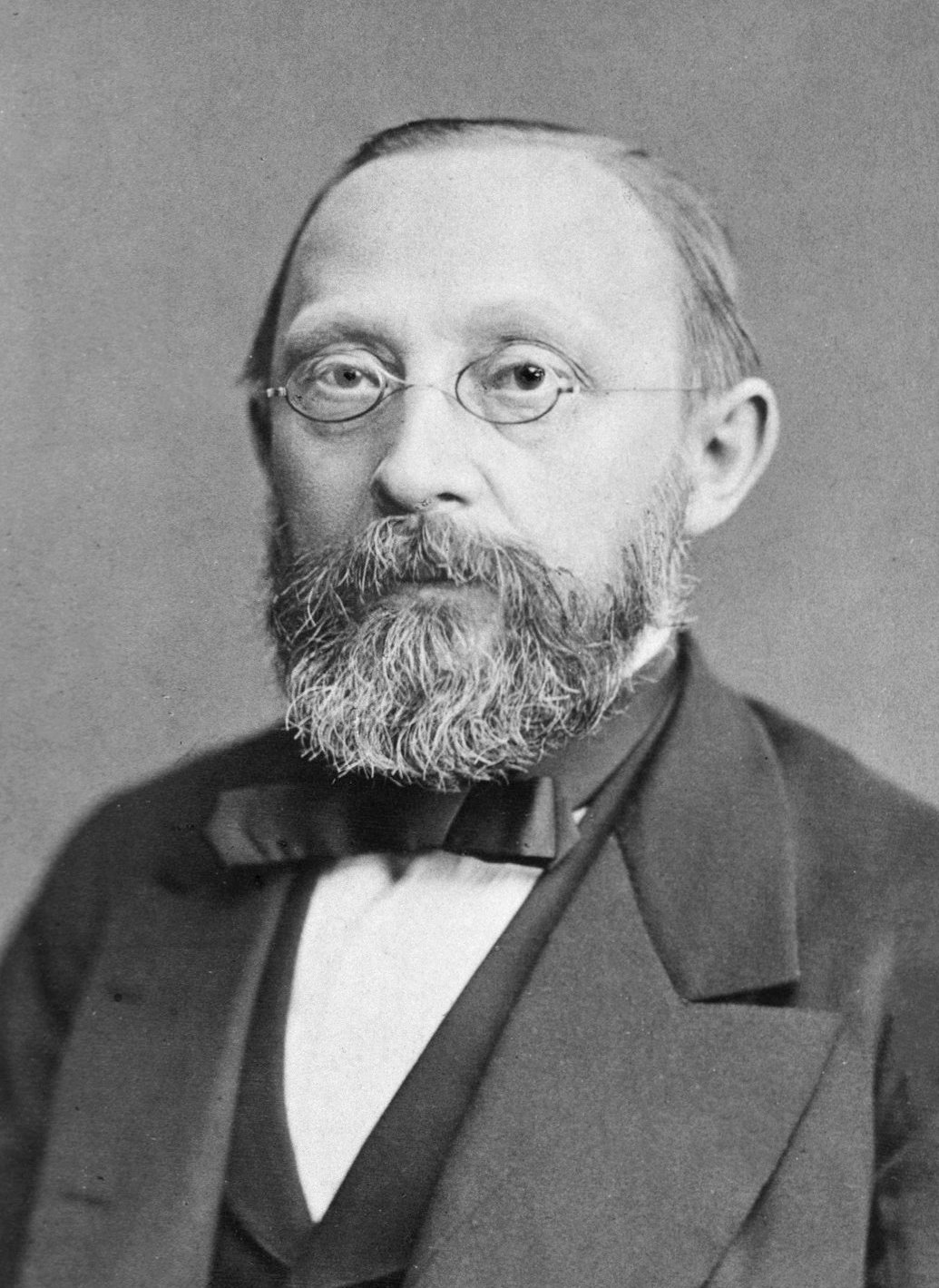
1856 VIRCHOW, Rudolf Ludwig Karl (1821 – 1902)
Beiträge zur Lehre von den beim Menschen vorkommenden pflanzlichen Parasiten.
First description of pulmonary aspergillosis.
GMN 3169 · https://historyofmedicine.com/id/4134
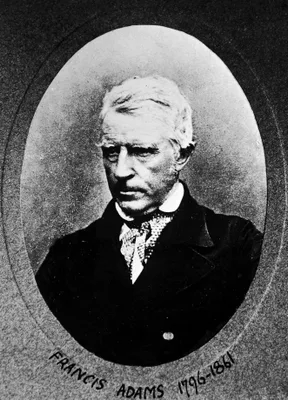
1856 ARETAEUS OF CAPPADOCIA, (Ἀρεταῖος Καππάδοκος) (80 – 140); ADAMS, Francis (1796 – 1861)
Тα ∑ωζομενα. The extant works of Aretaeus, the Cappadocian. Edited and translated by Francis Adams.
Aretaeus left many fine descriptions of disease; in fact Garrison ranks him second only to Hippocrates in this respect. In the printed editions of this bibliography, before the present online version, the Adams editio…
GMN 22 · https://historyofmedicine.com/id/8934
1876 HEWETT, Frederick Charles Cresswell
Thoracentesis: the plan of continuous aspiration.
Hewett introduced a method of continuous aspiration of the thorax for emphysema.
GMN 3170 · https://historyofmedicine.com/id/4139
1876 BIOT, Camille (1850 – 1918)
Contribution a l’étude du phénomène respiratoire de Cheyne-Stokes.
Biot's respiration, "an abnormal pattern of breathing characterized by groups of quick, shallow inspirations followed by regular or irregular periods of apnea"
GMN 12220 · https://historyofmedicine.com/id/14431
1881 PARROT, Joseph (1829 – 1883)
L’organisme microscopique trouvé par M. Pasteur dans la maladie nouvelle provoquée par la salive d’un enfant mort de la rage.
Probably the earliest record of pneumococcus. Parrot reported the discovery made by Louis Pasteur.
GMN 3172 · https://historyofmedicine.com/id/4155
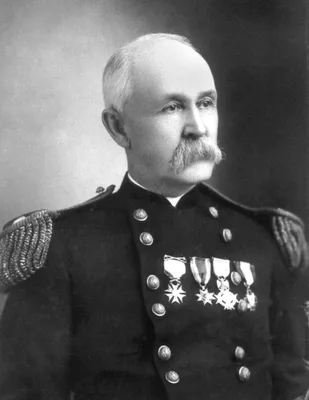
1881 STERNBERG, George Miller (1838 – 1915)
A fatal form of septicaemia in the rabbit, produced by the subcutaneous injection of human saliva.
In the same year as Pasteur, and independently, Sternberg discovered the pneumococcus (Streptococcus pneumoniae) demonstrating its carriage in the healthy human mouth.
GMN 3173 · https://historyofmedicine.com/id/4159
1882 FRIEDLÄNDER, Carl (1847 – 1887)
Ueber die Schizomyceten bei der acuten fibrösen Pneumonie.
Isolation of Klebsiella pneumoniae (“Friedländer bacillus”), which Friedländer regarded as the causal organism in all cases of lobar pneumonia.
GMN 3174 · https://historyofmedicine.com/id/4160
1885 CAYLEY, William (1836 – 1916)
A case of haemoptysis treated by the induction of pneumothorax so as to collapse the lung.
Artificial pneumothorax by pleural incision in intractable haemoptysis. See also Lancet, 1885, 1, 894-95.
GMN 3226 · https://historyofmedicine.com/id/5020
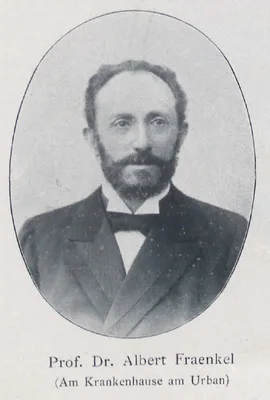
1886 FRAENKEL, Albert (1848 – 1916)
Die Mikrococcen der Pneumonie.
Fraenkel showed definitely that the organism found by Pasteur (No. 3172) and Sternberg (No. 3173) was a cause of pneumonia.
GMN 3175 · https://historyofmedicine.com/id/4165
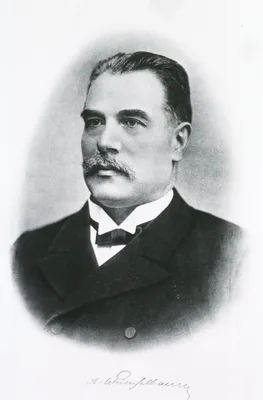
1886 WEICHSELBAUM, Anton (1845 – 1920)
Ueber die Aetiologie der acuten Lungen- und Rippenfellentzündungen.
Weichselbaum definitely established that Friedländer’s bacillus was responsible for pneumonia in a small percentage of cases.
GMN 3176 · https://historyofmedicine.com/id/4169
1889 KÜSTER, Ernst Georg Ferdinand von (1839 – 1930)
Ueber die Grundsätze der Behandlung von Eiterungen in starrwandigen Höhlen, mit besonderer Berücksichtigung des Empyems der Pleura.
First thoracotomy for empyema.
GMN 3177 · https://historyofmedicine.com/id/4173
1890 SCHEDE, Max (1844 – 1902)
Die Behandlung der Empyeme.
Schede introduced the method of extensive rib resection for the treatment of empyema.
GMN 3177.1 · https://historyofmedicine.com/id/4176
1891 KLEMPERER, Georg (1865 – 1946); KLEMPERER, Felix (1866 – 1932)
Versuche über Immunisirung und Heilung bei der Pneumokokkeninfection.
Old antipneumococcal serum.
GMN 3178 · https://historyofmedicine.com/id/4180
1893 FOWLER, George Ryerson (1848 – 1906)
A case of thoracoplasty for the removal of a large cicatricial fibrous growth from the interior of the chest, the result of an old empyema.
First thoracoplasty.
GMN 3179 · https://historyofmedicine.com/id/4188
1896 THOREL, Christen (1868 – 1935)
Die Specksteinlunge. Ein Beitrag zur pathologischen Anatomie der Staublungen.
Talcosis of lung reported.
GMN 3181 · https://historyofmedicine.com/id/4193
1903 GROCCO, Pietro (1856 – 1916)
Triangolo paravertebrale opposto nella pleurite essudativa.
“Grocco’s triangle”. Grocco described paravertebral dullness on the opposite side in pleural effusion.
GMN 3183 · https://historyofmedicine.com/id/4198
1903 EMERSON, Charles Phillips (1872 – 1938)
Pneumothorax; a historical, clinical, and experimental study.
GMN 3184 · https://historyofmedicine.com/id/4201
1904 SAUERBRUCH, Ernst Ferdinand (1875 – 1951)
Ueber die physiologischen and physikalischen Grundlagen bei intrathorakalen Eingriffen in meiner pneumatischen Operationskammer.
Sauerbruch’s negative pressure chamber for the prevention of pneumothorax.
GMN 3185 · https://historyofmedicine.com/id/4207
1906 BRAUER, Ludolph (1865 – 1951)
Die Behandlung der einseitigen Lungenphthisis mit künstlichem Pneumothorax (nach Murphy).
Brauer’s method of producing artificial pneumothorax by the injection of nitrogen.
GMN 3230 · https://historyofmedicine.com/id/3851
1907 NOWOTNY, Franz (1872 – 1925)
Bronchoskopie und bronchoskopische Behandlung von Bronchialasthma.
Introduction of therapeutic bronchoscopy, for treatment of asthma.
GMN 3186 · https://historyofmedicine.com/id/4211
1908 PASTEUR, William (1856 – 1943)
The Bradshaw Lecture on massive collapse of the lung.
William Pasteur discovered and described massive collapse of the lung.
GMN 3188 · https://historyofmedicine.com/id/4217
1909 KÖRTE, Werner (1853 – 1937)
Ueber Lungenresektion wegen bronchiektatischer Cavernen.
Körte was the first successfully to remove bronchiectatic lobes.
GMN 3187 · https://historyofmedicine.com/id/4213
1910 NEUFELD, Fred Julius (1869 – 1945); HAENDEL, Ludwig (1869 – 1939)
Weitere Untersuchungen über Pneumokokken-Heilsera. III. Mitteilung. Über Vorkommen und Bedeutung atypischer Varietäten des Pneumokokkus.
New antipneumococcus serum.
GMN 3190 · https://historyofmedicine.com/id/4223
1910 TUFFIER, Théodore (1857 – 1929)
Gangrène pulmonaire ouverte dans les bronches et traitée par décollement pleuro-pariétal, et greffe d’une masse lipomateuse entre la plèvre décollée et les espaces intercostaux.
Tuffier’s method of extrapleural pneumolysis.
GMN 3191 · https://historyofmedicine.com/id/4227
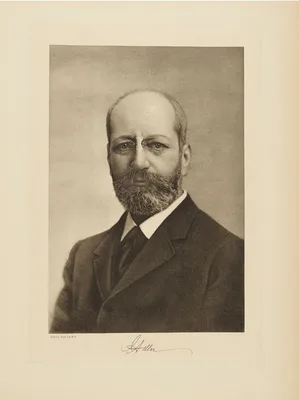
1912 ADLER, Isaac (1849 – 1918)
Primary malignant growths of the lungs and bronchi.
Digital facsimile from the Internet Archive at this link.
GMN 3192 · https://historyofmedicine.com/id/4229
1914 KRUSE, Walther (1864 – 1943)
Die Erreger von Husten und Schnopfen.
Kruse reported that colds could be produced in volunteers by intranasal instillation of bacteria-free filtrates of secretions from persons suffering from colds.
GMN 3192.2 · https://historyofmedicine.com/id/4235
1917 CASTELLANI, Aldo (1877 – 1971)
Note sur la “broncho-spirochétose” et les “bronchites mycosiques”, affections simulant quelquefois la tuberculose pulmonaire.
“Castellani’s bronchitis” (bronchospirochetosis).
GMN 3193 · https://historyofmedicine.com/id/4240
1925 LAUGHLEN, George Franklin (1888 – 1946)
Studies on pneumonia following naso-pharyngeal injections of oil.
Lipoid pneumonia first described.
GMN 3200 · https://historyofmedicine.com/id/4295
1926 BARNARD, William George (1892 – 1956)
The nature of the “oat-celled sarcoma” of the mediastinum.
An important study of the histology of “oat-celled sarcoma” which Barnard showed to be primary carcinoma of the lung.
GMN 3201 · https://historyofmedicine.com/id/4298
1929 CAMPS, Percy William Leopold (1877 – 1956)
A note on the inhalation treatment of asthma.
First use of adrenaline by the respiratory route for the treatment of bronchial asthma.
GMN 3202.1 · https://historyofmedicine.com/id/4303
1929 COLE, Rufus Ivory (1872 – 1966)
Serum treatment in type I lobar pneumonia.
Introduction of monovalent antiserum.
GMN 3202.2 · https://historyofmedicine.com/id/4306
1932 CAMPBELL, John Munro ( – 1916)
Acute symptoms following work with hay.
“Farmer’s lung”.
GMN 3203.1 · https://historyofmedicine.com/id/4313
1932 THOMSON, David (1884 – 1969); THOMSON, Robert (1888 – )
The common cold, with special reference to the part played by streptococci, pneumococci, and other organisms.
Annals of the Pickett-Thomson Research Lab., Vol. 8.
GMN 3204 · https://historyofmedicine.com/id/4321
1933 MAYTUM, Charles Koran (1895 – )
Tetany caused by functional dyspnea with hyperventilation: report of a case.
Hyperventilation syndrome.
GMN 3208 · https://historyofmedicine.com/id/4332
1934 BARACH, Alvan Leroy (1895 – 1977)
Use of helium as a new therapeutic gas.
Introduction of helium in the treatment of respiratory affections. See also Ann. intern. Med., 1935, 9, 739-65.
GMN 3209 · https://historyofmedicine.com/id/4333
1936 DRINKER, Philip (1894 – 1972); HATCH, Theodore
Industrial dust: Hygienic significance, measurement and control.
Includes information on asbestosis.
GMN 11821 · https://historyofmedicine.com/id/14023
1937 DIENES, Louis L. (1886 – 1974); EDSALL, Geoffrey (1908 – 1980)
Observations on L-organism of Kleineberger.
Isolation of a mycoplasma from man.
GMN 3215 · https://historyofmedicine.com/id/4360
1938 GAISFORD, Wilfrid Fletcher (1902 – 1988); EVANS, Gladys Mary (1897 – 1973)
Treatment of pneumonia with 2-(p-aminobenzenesulphonamido) pyridine.
Clinical proof of the value of sulphapyridine. M & B 693 (sulphapyridine) treatment of pneumonia. This followed the experimental work of L. E. H. Whitby (see No. 1951).
GMN 1952 · https://historyofmedicine.com/id/2829
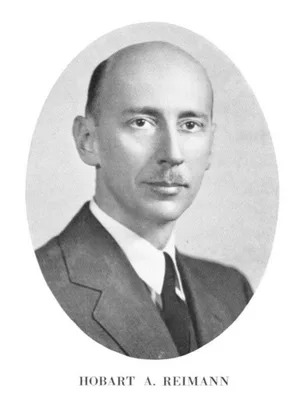
1938 REIMANN, Hobart Ansteth (1897 – 1986)
An acute infection of the respiratory tract with atypical pneumonia: A disease entity probably caused by a filterable virus.
Atypical pneumonia.
GMN 3211 · https://historyofmedicine.com/id/4348
1939 CHURCHILL, Edward Delos (1895 – 1972); BELSEY, Ronald Herbert Robert (1910 – 2007)
Segmental pneumonectomy in bronchiectasis. The lingula segment of the left upper lobe.
GMN 3211.1 · https://historyofmedicine.com/id/4350
1939 HEFFRON, Roderick (1901 – )
Pneumonia. With special reference to pneumococcus lobar pneumonia.
GMN 3212 · https://historyofmedicine.com/id/4352
1939 MÜLLER, Franz Hermann
Tabakmissbrauch und Lungencarcinom.
In the first case-control epidemiological study of the effects of tobacco Müller recorded a statistically significant correlation between cigarette smoking and lung cancer. See Alfredo Morabia, "Quality, originality, …
GMN 3213 · https://historyofmedicine.com/id/4354