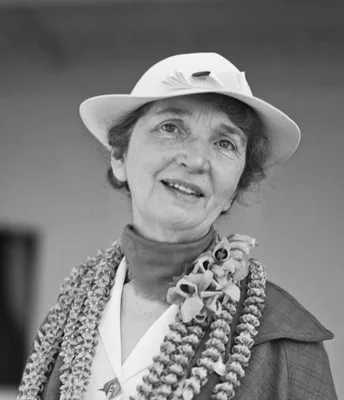
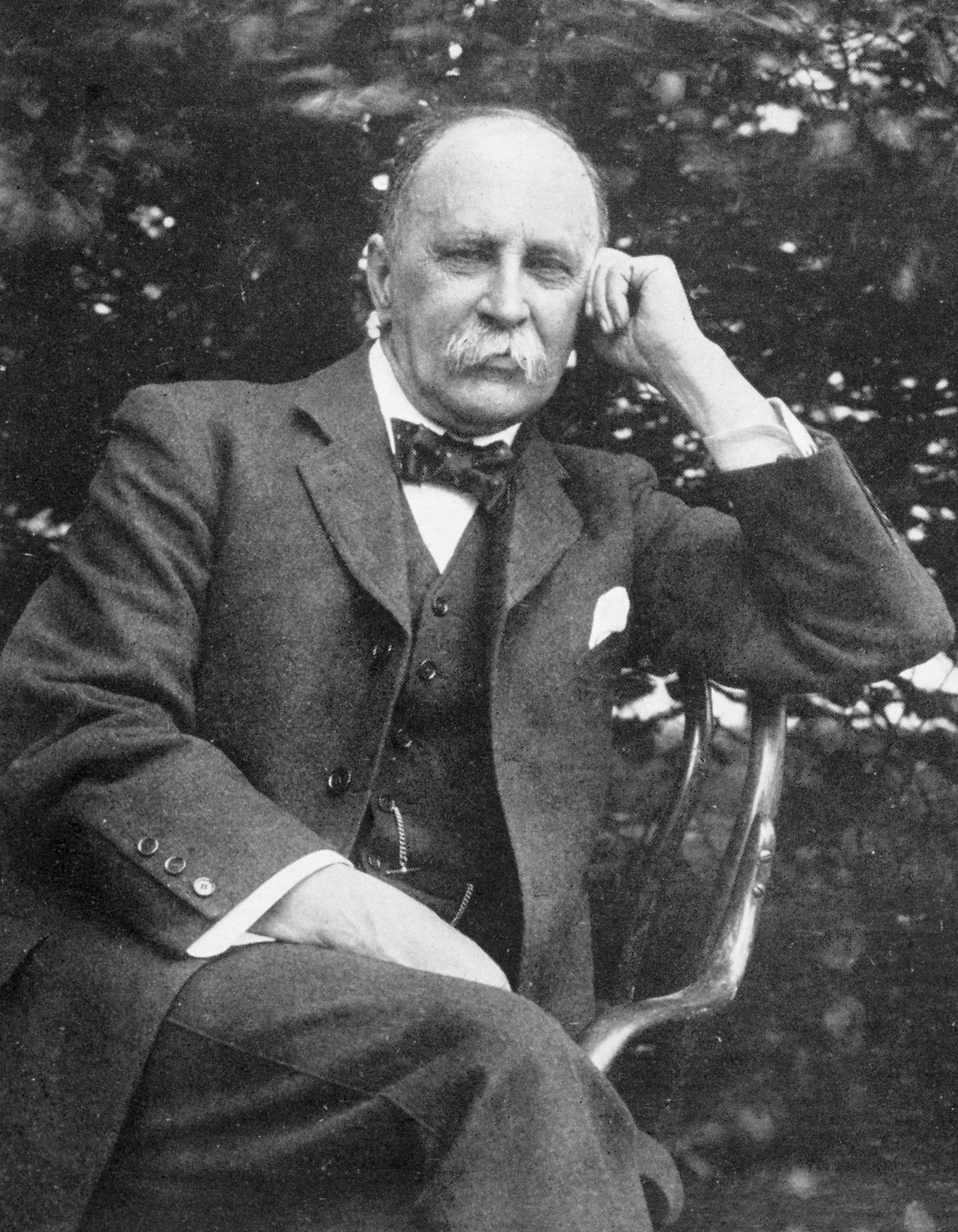
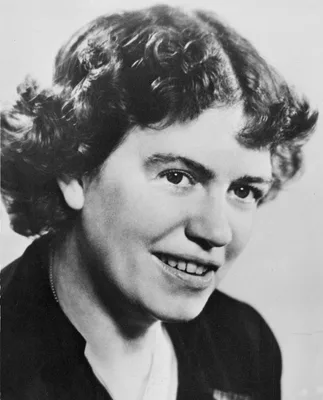
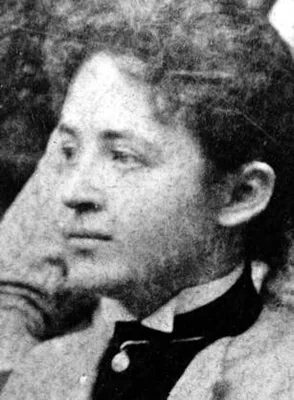
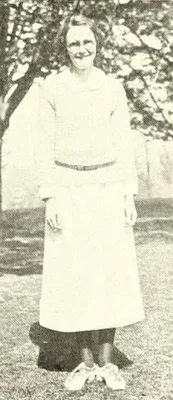
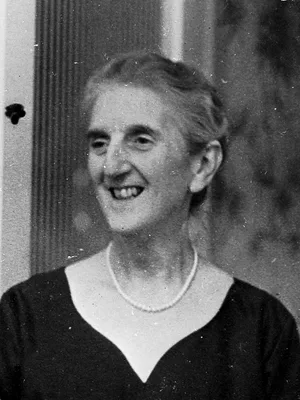
1926 SANGER, Margaret (1879 – 1966)
Happiness in marriage.
Full text available from LifeDynamics.com at this link.
GMN 7105 · https://historyofmedicine.com/id/9272
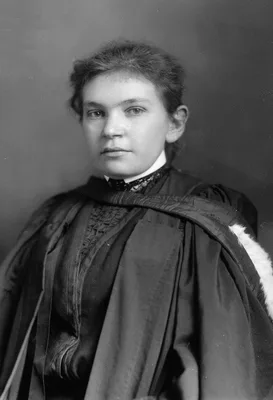
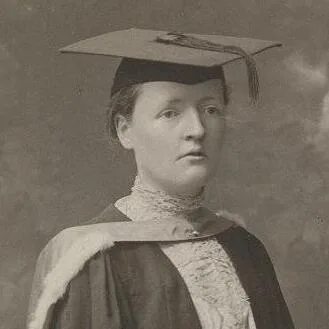
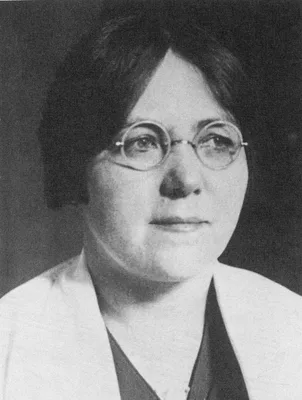
1926 NOËL, Suzanne Blanche Gros (1876 – 1954)
La chirurgie esthétique, son rôle social.
Noël was one of the first women to practice cosmetic surgery; her book on the subject was the first written by a woman and one of the earliest books on aesthetic plastic surgery in French.
GMN 7724 · https://historyofmedicine.com/id/9896
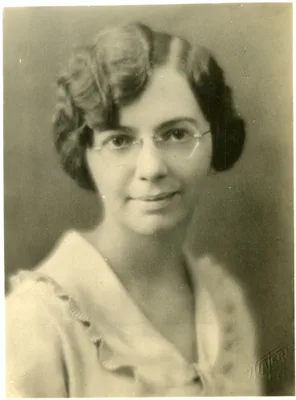
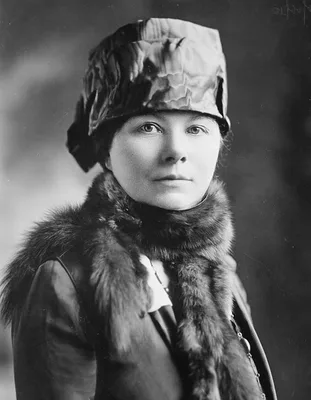
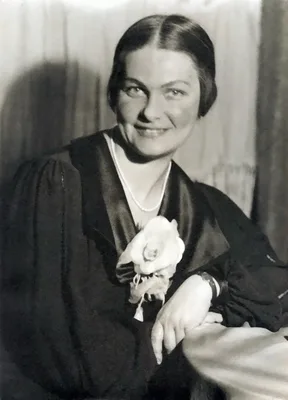
1926 SEIBERT, Florence Barbara (1897 – 1991)
Isolation of a crystalline protein with tuberculin activity.
Siebert identified the active agent in tuberculin as a protein.
GMN 12386 · https://historyofmedicine.com/id/14613
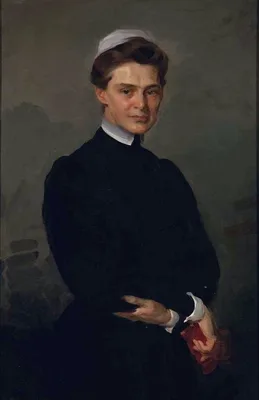
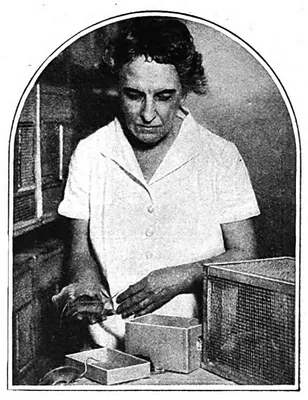
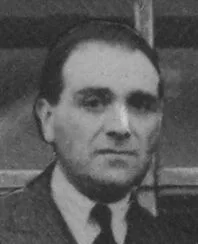
1926 NUTTING, Mary Adelaide (1858 – 1948)
A sound economic basis for schools of nursing and other addresses.
Nutting was a member of the first graduating class of the Johns Hopkins School of Nursing in 1891, and by 1894 its superintendent of nurses and principal. She left Hopkins in 1907 for Teachers College at Columbia Univ…
GMN 14363 · https://historyofmedicine.com/id/16695
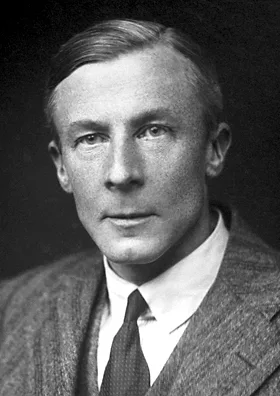
1927 ADRIAN, Edgar Douglas (1889 – 1977); MATTHEWS, Rachel
The action of light on the eye.
On the electrical discharges from the vertebrate optic nerve.
GMN 1528 · https://historyofmedicine.com/id/2854
1927 OSLER, Sir William (1849 – 1919); ABBOTT, Maude Elizabeth Seymour (1869 – 1940); MCCRAE, Thomas (1870 – 1935)
Congenital cardiac disease by Maude Abbott. IN: Modern medicine: Its theory and practice, edited by Sir William Osler, assisted by Thomas McCrae. 3rd ed., 4, 612-812.
GMN 2856 · https://historyofmedicine.com/id/3647
1927 FIXSEN, Margaret Averil Boas (1899 – )
The effect of desiccation upon the nutritive properties of egg-white.
Demonstration of the effect of deprivation of biotin.
GMN 3724 · https://historyofmedicine.com/id/4495
1927 LOVEJOY, Esther Pohl (1869 – 1967)
Certain samaritans.
A first-hand account of the American Women's Hospitals especially in Greece, Turkey and the Balkans helping to relieve the poulations uprooted by World War I and its aftermath. Lovejoy became the second woman to gradu…
GMN 7842 · https://historyofmedicine.com/id/10014
1928 SLYE, Maud (1879 – 1954)
Cancer and heredity.
By selective breeding over a period of 15 years, Slye produced generations of mice absolutely resistant to, or particularly susceptible to, cancer. She demonstrated that resistance is a Mendelian dominant and suscepti…
GMN 2652 · https://historyofmedicine.com/id/3307
1928 MAITLAND, Hugh Bethune (1895 – 1972); MAITLAND, Mary L. Cowan ( – 1972)
Cultivation of vaccinia virus without tissue culture.
Introduction of “Maitland’s medium”.
GMN 5434.1 · https://historyofmedicine.com/id/7422
1928 MANN, Ida Caroline (1893 – 1983)
The development of the human eye.
The first monograph on the subject, illustrated with drawings by the author.
GMN 7392 · https://historyofmedicine.com/id/9564
1928 MEAD, Margaret (1901 – 1978)
Coming of age in Samoa: A psychological study of primitive youth for western civilisation.
Mead based her study primarily on adolescent girls on the island of Ta'u in the Samoan Islands. The book detailed the sexual life of teenagers in Samoan society in the early 20th century, and theorized that culture ha…
GMN 10118 · https://historyofmedicine.com/id/12307
1928 TYLER, Albert F.; AUERBACH, Ella F.
History of medicine in Nebraska. Albert F. Tyler, Editor. Ella F. Auerbach, Compiler.
This work was edited by Tyler from the writings of 24 collaborators. Reprinted and augmented, with an index, by Bernice M. Hetzner. Omaha, NE: University fo Nebraska Medical Center, 1977. Digital facsimile of the 1977…
GMN 10287 · https://historyofmedicine.com/id/12478
1928 HUTTON, Lady Isabel Galloway Emslie (1887 – 1960)
With a woman's unit in Serbia, Salonika and Sebastopol.
Hutton, a physician who specialized in mental and nervous disorders, began working with the Scottish Women’s Hospitals, a voluntary organisation established by her older colleague Elsie Inglis, in 1915 first in France…
GMN 12605 · https://historyofmedicine.com/id/14845
1929 FELL, Dame Honor Bridgett (1900 – 1986); ROBISON, Robert (1883 – 1941)
The growth, development and phosphatase activity of embryonic avian femora in limb-buds cultivated in vitro.
First modern organ cultures.
GMN 566.1 · https://historyofmedicine.com/id/298
1929 BALFOUR, Margaret Ida (1866 – 1945); YOUNG, Ruth (1884 – 1993)
The work of medical women in India.
GMN 8812 · https://historyofmedicine.com/id/10990
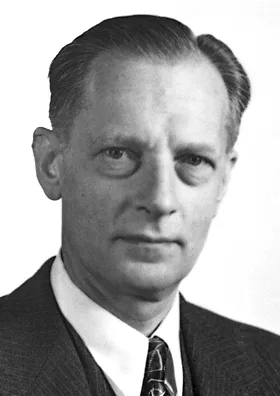
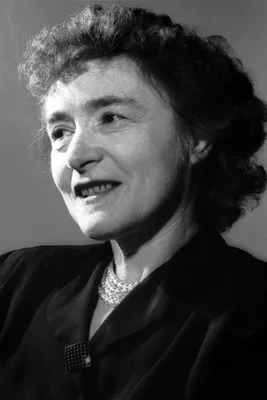
1929 CORI, Carl Ferdinand (1896 – 1984); CORI, Gerty Theresa (1896 – 1957)
Glycogen formation in the liver from d- and 1-lactic acid.
The Cori cycle (also known as the lactic acid cycle), a metabolic pathway in which lactate produced by anaerobic glycolysis in muscles is transported to the liver and converted to glucose, which then returns to the mu…
GMN 12327 · https://historyofmedicine.com/id/14551
1930 BURR, George Oswald (1896 – 1992); BURR, Mildred M.
On the nature and rôle of the fatty acids essential in nutrition.
Demonstration of the need of the body for certain unsaturated fatty acids (vitamin F).
GMN 1063 · https://historyofmedicine.com/id/694
1930 EDGEWORTH, Harriet Isabel (1892 – )
A report of progress on the use of ephedrine in a case of myasthenia gravis.
Harriet Edgeworth discovered by accident the beneficial effect of ephedrine in myasthenia gravis. Digital facsimile from jamanetwork.com at this link.
GMN 4765 · https://historyofmedicine.com/id/1412
1930 LIPINSKA, Mélanie (1865 – 1933)
Les femmes et la progrès des sciences médicales.
GMN 14322 · https://historyofmedicine.com/id/16647
1931 BURNET, Sir Frank Macfarlane (1899 – 1985); MACNAMARA, Annie Jean Dame (1899 – 1968)
Immunological differences between strains of poliomyelitis virus.
GMN 4670.5 · https://historyofmedicine.com/id/861
1931 WOODRUFF, Alice Miles; GOODPASTURE, Ernest William (1886 – 1960)
The susceptibility of the chorio-allantoic membrane of chick embryos to infection with the fowl-pox virus.
By their demonstration of the infection of the chorio-allantoic membrane with the virus of fowl pox, Woodruff and Goodpasture initiated wide-spread adoption of this host for the study of viruses.
GMN 2524.1 · https://historyofmedicine.com/id/3331
1931 ABBOTT, Maude Elizabeth Seymour (1869 – 1940)
History of medicine in the province of Quebec.
Reprinted, with additions, from "The Storied Province of Quebec". Digital facsimile from the Hathi Trust at this link.
GMN 11026 · https://historyofmedicine.com/id/13222
1931 PFEIFFER, Max Adolf (1875 – 1957); MERIAN, Maria Sibylla (1647 – 1717)
Die Werke der Maria Sibylle Merian: bibliographisch Zusammengestellt.
GMN 11777 · https://historyofmedicine.com/id/13978
1932 SALMONSEN, Ella Maud (1885 – 1971)
Bibliographical survey of vitamins 1650-1930, with a section on patents by M. H. Wodlinger.
GMN 1092.5 · https://historyofmedicine.com/id/882
1932 MEDES, Grace May (1886 – 1967)
A new error of tyrosine metabolism: tyrosinosis, intermediary metabolism of tyrosine and phenylalanine.
GMN 3923.1 · https://historyofmedicine.com/id/5061
1933 LANCEFIELD, Rebecca Craighill (1895 – 1981)
A serological differentiation of human and other groups of hemolytic streptococci.
Lancefield determined the principal pathogenic strains of hemolytic streptococci and subdivided them into types. All important strains pathogenic to humans fall into Lancefield’s Group A.
GMN 2524.2 · https://historyofmedicine.com/id/3337
1933 HURD-MEAD, Kate Campbell (1867 – 1941)
Medical women of America: A short history of the pioneer medical women of America and of a few of their colleagues in England.
Digital facsimile from the Hathi Trust at this link.
GMN 11002 · https://historyofmedicine.com/id/13198
1934 WALKER, Mary Broadfoot (1888 – 1974)
Treatment of myasthenia gravis with physostigmine.
Introduction of physostigmine in treatment of myasthenia gravis. She replaced this with neostigmine in 1935 (Proc. roy. Soc. Med., 28, 759-61).
GMN 4768 · https://historyofmedicine.com/id/1417
1934 KAPELLER-ADLER, Regina (1900 – 1991)
Über eine neue chemische Schwangerschaftsreaktion.
Kapeller-Adler test for diagnosis of pregnancy.
GMN 6227 · https://historyofmedicine.com/id/7656
1934 FELIX, Arthur (1887 – 1956); PITT, R. Margaret
A new antigen of B. typhosus. Its relation to virulence and to active and passive immunisation.
Vi antigens first described.
GMN 5045 · https://historyofmedicine.com/id/8970
1934 BERNAL, John Desmond (1901 – 1971); HODGKIN, Dorothy Crowfoot (1910 – 1994)
X-Ray photographs of crystalline pepsin.
Bernal and Hodgkin took the first X-ray photograph of a protein structure—crystalline pepsin. They showed that crystals of pepsin give an X-ray diffaction pattern, beginning protein crystallography. This may also be t…
GMN 6923 · https://historyofmedicine.com/id/9088
1934 JOLIOT-CURIE, Jean Frédéric (1900 – 1958); JOLIOT-CURIE, Irène (1897 – 1956)
I. Un nouveau type de radioactivité. II. Séparation chimique des nouveaux radioéléments émetteur d’électrons positifs.
Discovery of artificially produced radionuclides or radioisotopes. In February 1934, the Joliot-Curies reported the first artificial production of radioactive material after discovering radioactivity in aluminum foil …
GMN 9340 · https://historyofmedicine.com/id/11522
1934 SEIBERT, Florence Barbara (1897 – 1991)
The isolation and properties of the purified protein derivative of tuberculin
Purification of tuberculin (PPD). By the 1940s Seibert's PPD was the international standard for tuberculin tests.
GMN 12387 · https://historyofmedicine.com/id/14614
1934 VAUGHAN, Janet Maria (1899 – 1993)
The anemias.
GMN 14203 · https://historyofmedicine.com/id/16519
1935 BOVET, Daniel (1907 – 1992); TRÉFOUËL, Jacques (1897 – 1977); TRÉFOUËL, Thérèse (1892 – 1978); NITTI, Federico (1903 – 1947)
Activité du p-aminophénylsulfamide sur les infections streptococciques expérimentales de la souris et du lapin.
The Tréfouëls and colleagues assumed that the sulfonamide group was responsible for the results obtained with Domagk’s Prontosil. Their work led them to introduce sulfanilamide.
GMN 1950 · https://historyofmedicine.com/id/2826
1935 KLIENEBERGER-NOBEL, Emmy (1892 – 1985)
The natural occurrence of pleuropneumonia-like organisms in apparent symbiosis with Streptobacillus moniliformis and other bacteria.
Klieneberger isolated typical strains of pleuropneumonia-like organisms from Strep, moniliformis.
GMN 2524.4 · https://historyofmedicine.com/id/3350
1935 WILLIAMS, Cicely Delphine (1893 – 1992)
Kwashiorkor. A nutritional disease of children associated with a maize diet.
First accurate description. “Kwashiorkor” was the local name in Ghana for a nutritional disease of children, associated with a maize diet. The first modern account was probably that of L. Normet in Bull. Soc. Path. ex…
GMN 3759 · https://historyofmedicine.com/id/4609
1935 CULLIS, Winfred Clara (1875 – 1956)
Your body and its health.
Cullis was the first woman professor in a British medical school, appointed in 1919 as professor physiology at the University of London. By the time this book was published Cullis was the Sophia Jex-Blake Professor of…
GMN 12227 · https://historyofmedicine.com/id/14439
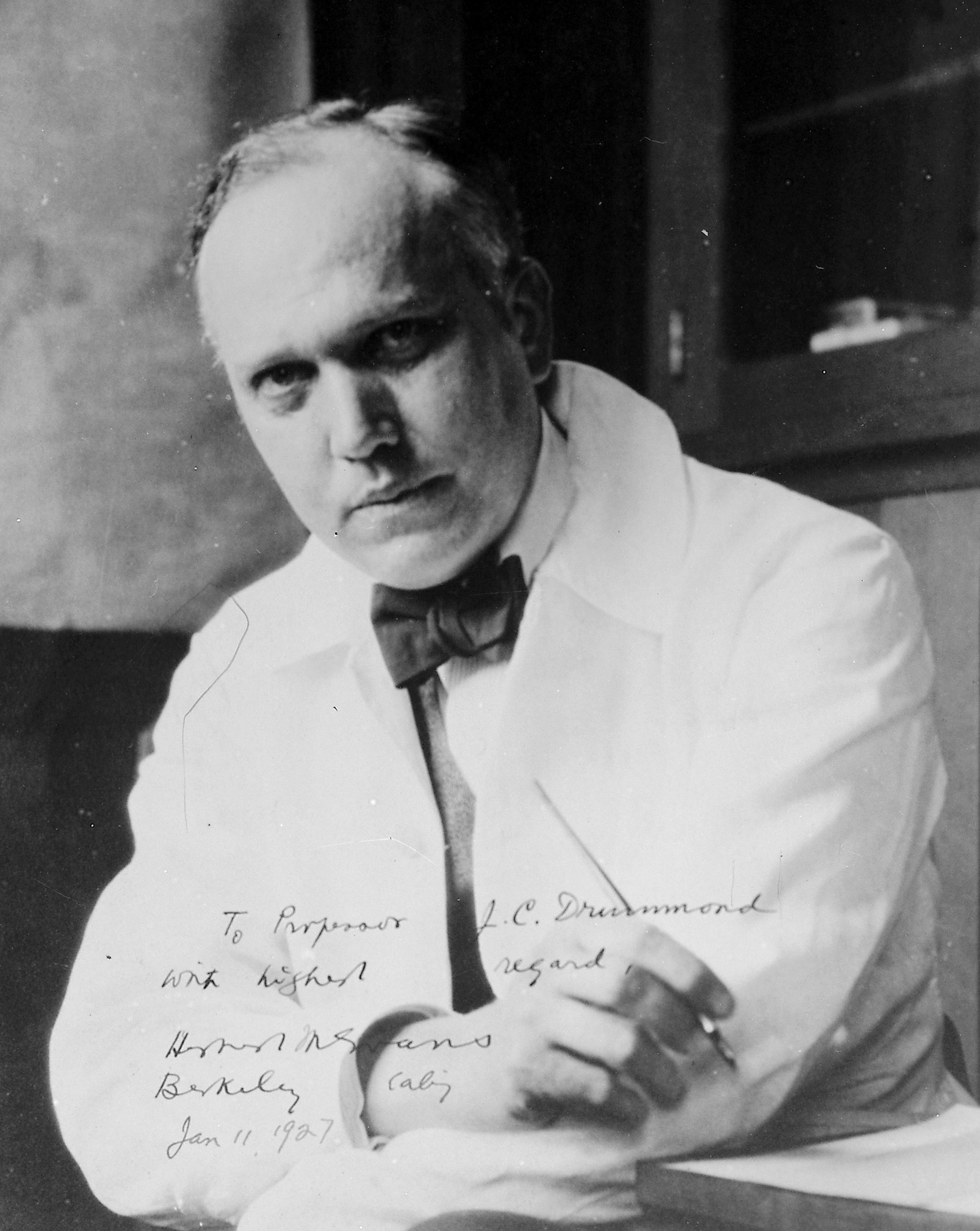
1936 EVANS, Herbert McLean (1882 – 1971); EMERSON, Oliver H.; EMERSON, Gladys Luwina Anderson (1903 – 1984)
The isolation from wheat-germ oil of an alcohol, α-tocopherol, having the properties of vitamin E.
Isolation of vitamin E, named by Herbert M. Evans.
GMN 1071 · https://historyofmedicine.com/id/737
1936 ABBOTT, Maude Elizabeth Seymour (1869 – 1940)
Atlas of congenital cardiac disease.
GMN 2865 · https://historyofmedicine.com/id/4156
1936 WEBSTER, Leslie Tillotson (1894 – 1943); CLOW, Anna D. (1905 – 1992)
Propagation of rabies virus in tissue culture and the successful use of culture virus as antirabic vaccine.
Webster and Clow succeeded in growing rabies virus in tissue culture.
GMN 5484.2 · https://historyofmedicine.com/id/6390
1936 COLEBROOK, Leonard (1883 – 1967); KENNY, Méave
Treatment of human puerperal infections, and of experimental infections in mice, with prontosil.
Chemotherapeutic treatment of puerperal sepsis.
GMN 6281 · https://historyofmedicine.com/id/8005
1936 KENNARD, Margaret Alice (1899 – 1975)
Age and other factors in motor recovery from precentral lesions in monkeys.
This was the first of a series of papers by Kennard that led to what became known as the Kennard Principle, which posits a negative linear relationship between age of a brain lesion and the recovery outcome. The earli…
GMN 14286 · https://historyofmedicine.com/id/16609
1937 HOLMES, Harry Nicholls (1879 – 1958); CORBET, Ruth E.
A crystalline vitamin A concentration.
GMN 1074 · https://historyofmedicine.com/id/761
1937 KENNY, Elizabeth (1886 – 1952)
Infantile paralysis and cerebral diplegia: Methods used for the restoration of function.
GMN 4671 · https://historyofmedicine.com/id/870
1937 BOVET, Daniel (1907 – 1992); STAUB, Anne-Marie (1914 – 2012)
Action protectrice des éthers phénoliques au cours de l’intoxication histaminique.
First description of structure and action of an antihistamine. In 1957 Bovet was awarded the Nobel Prize in Physiology or Medicine “for his discoveries relating to synthetic compounds that inhibit the action of certai…
GMN 1925 · https://historyofmedicine.com/id/2718
1937 VOLLMER, Hermann (1896 – 1959); GOLDBERGER, Esther White (1905 – )
A new tuberculin patch test.
GMN 2348 · https://historyofmedicine.com/id/3118
1937 BONSER, Georgiana May (1898 – 1979)
The carcinogenic action of oestrone: induction of mammary carcinoma in female mice of a strain refractory to the spontaneous development of mammary tumours.
With L. H. Stickland and K. I. Connal.
GMN 2659 · https://historyofmedicine.com/id/3339
1937 MANN, Ida Caroline (1893 – 1983)
Developmental abnormalities of the eye.
GMN 5987 · https://historyofmedicine.com/id/7073