1491 KETHAM, Johannes de [Johannes von Kirchheim] ( – 1490); TOSSIGNANO, Pietro da (PETRUS DE TUSSIGNANO) (1350 – 1401)
Fasciculus medicinae. Add: Petrus de Tussignano: Consilium pro peste evitanda.
A collection of short medical treatises which circulated widely in manuscript, some as early as the 13th century, and was perhaps attributed by the printers to its former owner, Johannes von Kirchheim, a professor of …
GMN 363 · https://historyofmedicine.com/id/322
1499 DIOSCORIDES, Pedanius [Πεδάνιος Διοσκουρίδης] (40 – 90); NICANDER OF COLOPHON (ΝΊΚΑΝΔΡΟΣ Ὁ ΚΟΛΟΦΏΝΙΟΣ; NIKANDER) (-125 – )
Dioscorides, De materia medica [Greek]. Add: Pseudo- Dioscorides, De venenis, De venenatis animalibus [Greek]; Add: Nicander, Theriaca; Add: Alexipharmaca; Scholia [Greek].
Nicander was a Greek poet and physician. His Theriaca, in 958 hexameters, dealt with the symptoms and treatment of poisoning by the bites of poisonous animals; the Alexipharmaca considered intoxications through animal…
GMN 2069 · https://historyofmedicine.com/id/2486
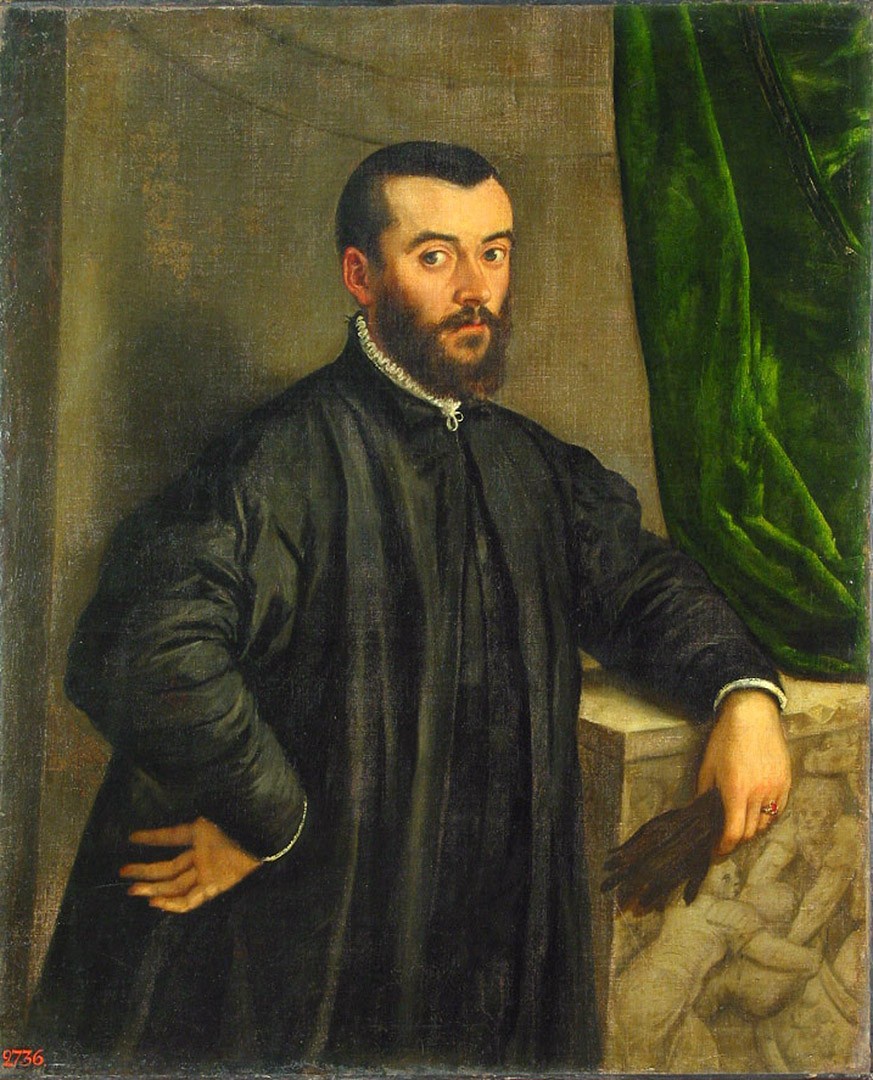
1539 VESALIUS, Andreas (1514 – 1564)
Epistola docens venam axillarem dextri cubiti in dolore laterali secandam: & melancholium succum ex venae portae ramis ad sedem pertinentibus, purgari.
In this early study, written in the form of a letter to his friend and mentor Imperial Physician, Nicolaus Florenas, who had encouraged him to study medicine, Vesalius reported his study of the venous system of the hu…
GMN 10165 · https://historyofmedicine.com/id/12354
1570 BRAVO, Francisco (1530 – 1594)
Opera medicinalia.
Opera medicinalia was the first medical book printed in the Western Hemisphere, and its botanical images were the first illustrations of plants printed in the Western Hemisphere. Of the original edition only two copie…
GMN 5372 · https://historyofmedicine.com/id/7014
1584 MAGNI, Pietro Paolo (1525 – 1586)
Discorsi intorno al sanguinar i corpi humani, il modo di ataccare le sanguisuche e ventose e far frittioni e vescicatorii con buoni et utili avertimenti.
Digital facsimile from Google Books at this link.
GMN 9654 · https://historyofmedicine.com/id/11841
1626 MALFI, Tiberio
Barbiere di Tiberio Malfi da Monte Sarchio Barbiere, e consule dell’arte in Napoli Libri Tre. Ne qualisi ragiona dell’eccellenza dell’Arte, e de’ suoi precetti. Delle Vene, e regole d’aprirle.
Published when barbers saw their work increasingly competed with by professional surgeons, Malfi’s book stresses medical knowledge of barbers and their expertise in performing medical procedures. It is Illustrated wit…
GMN 12781 · https://historyofmedicine.com/id/15027
1632 D'AMATO, Cintio
Nuoua, et vtilissima prattica di tutto quello ch'al diligète barbiero s'appartiene: E particolarmente del cauar sangue ....
An extensively llustrated manual published specifically for barber surgeons, published in the vernacular, and instructing them in the art of bloodletting and phlebotomy, embalming dead bodies, curing headaches, and va…
GMN 12780 · https://historyofmedicine.com/id/15026
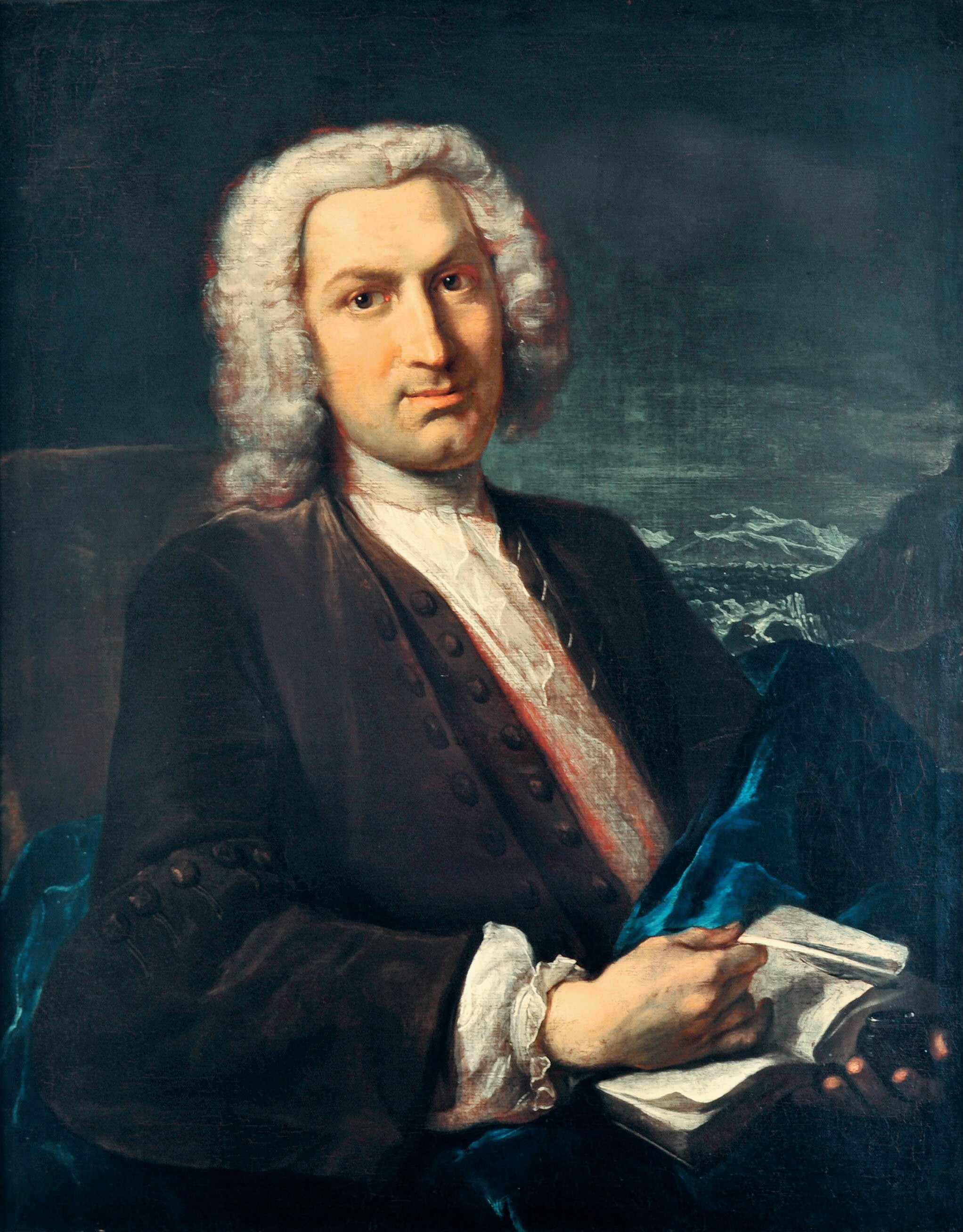
1756 HALLER, Albrecht von (1708 – 1777)
Deux mémoires sur le mouvement du sang, et sur les effets de la saignée, fondés sur des experiences faites sur des animaux.
In these memoirs Haller described the results of 235 vivisections. Haller has been called "the founder of modern haemodynamics." "The myogenic theory of the heartbeat can be traced to Haller, who concluded on the basi…
GMN 11607 · https://historyofmedicine.com/id/13807
1798 HORN, George
An entire new treatise on leeches, wherein the nature, properties, and use of that most singular and valuable reptile, is most clearly set forth.
Digital facsimiel from WellcomeLibrary.org at this link.
GMN 11796 · https://historyofmedicine.com/id/13998
1809 VITET, Louis (1736 – 1809)
Traité de la sangsue médicinale.
A 585-page treatise on this later-debunked therapy published around the time of its greatest vogue. Digital facsimile from Google Books at this link.
GMN 11717 · https://historyofmedicine.com/id/13918
1816 JOHNSON, James Rawlins ( – 1840)
A treatise on the medicinal leech; including its medical and natural history, with a description of its anatomical structure; also, remarks upon the diseases, preservation, and management of leeches.
Digital facsimile from the Hathi Trust at this link.
GMN 11799 · https://historyofmedicine.com/id/14001
1819 SARLANDIÈRE, Jean-Baptiste (1787 – 1838)
Bdellomètre du docteur Sarlandière.
Privately printed pamphlet describing Sarlandière's "artificial leech," a mechanical bleeding device designed to replace leeches when they were not available. Digital facsimile from Google Books at this link.
GMN 11801 · https://historyofmedicine.com/id/14003
1825 DERHEIM, Jean Lambert (1798 – )
Histoire naturelle et médicale des sangsues, contenant la description anatomique des organes de la sangsue officinale, avec des considérations physiologiques sur ces organes; des notions très-étendues sur la conservation domestique de ce ver, sa reproduction, ses maladies, son application, etc.
Digital facsimile from Biodiversity Heritage Library at this link.
GMN 11800 · https://historyofmedicine.com/id/14002
1830 HALL, Marshall (1790 – 1857)
Researches principally relative to the morbid and curative effects of loss of blood.
Hall's experiments on the physiological effects of therapeutic bleeding provided compelling evidence that bleeding could cause significant harm and even death. Digital facsimile from wellcomecollection.org at this link.
GMN 11605 · https://historyofmedicine.com/id/13805
1835 LOUIS, Pierre Charles Alexandre (1787 – 1872)
Recherches sur les effets de la saignée dans quelques maladies inflammatoires, et sur l’action de l’émétique et des vésicatoires dans la pneumonie.
Louis refuted Broussais’s system of medicine, his “médicine physiologique.” Louis was instrumental in establishing medicine as an exact science by the introduction of the numerical or statistical method. English trans…
GMN 1698 · https://historyofmedicine.com/id/2455
1835 WARDROP, James (1782 – 1869)
On blood-letting: An account of the curative effects of the abstraction of blood; with rules for employing both local and general blood-letting in the treatment of diseases.
Wardrop "promoted blood-letting in an era when a few physicians, notably Pierre Louis of Paris, were discouraging the therapeutic approach" (W. Bruce Fye, "James Wardrop," Profiles in cardiology, 91.) Digital facsimil…
GMN 11723 · https://historyofmedicine.com/id/13924
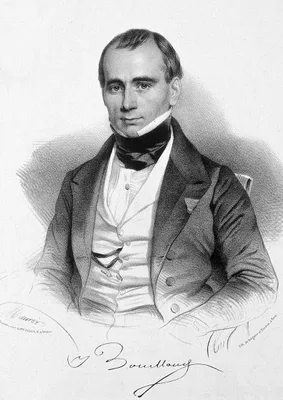
1836 BOUILLAUD, Jean Baptiste (1796 – 1881)
Nouvelles recherches sur le rhumatisme articulaire en général, et spécialement sur la loi de coincidence de la péricardite et de l'endocardite avec cette maladie, ainsi que sur l'efficacité de la formule des émissions sanguines coup sur coup dans son traitement.
"In this volume he [Bouillaud] irrevocably established the etiologic relationship between rheumatic fever and heart disease. Early reports on this relationship had been contributed by Pitcairn, Jenner, and Wells, but …
GMN 11556 · https://historyofmedicine.com/id/13755
1979 DAVIS, Audrey B. ( – 2006); APPEL, Toby A. (1945 – )
Bloodletting instruments in the National Museum of History and Technology.
Digital facsimile from Smithsonian Research Online at this link.
GMN 2682.54 · https://historyofmedicine.com/id/4107
1986 GALEN, [Κλαύδιος Γαληνός; Galen of Pergamon] (129 – 216); BRAIN, Peter
Galen on bloodletting: A study of the origins, development and validity of his opinions, with a translation of the three works
Bloodletting is thought to have been practiced by Greek physicians of the 5th century BCE. This study includes translation of Galeni de venae sectione adversus Erasistratum liber (162-163 CE), Galeni de venae sectione…
GMN 8235 · https://historyofmedicine.com/id/10411
2013 KIRK, Robert G. W.; PEMBERTON, Neil
Leech.
Published in the "Animal" series. Seemingly a definitive work on the natural history and medical application of leeches.
GMN 8683 · https://historyofmedicine.com/id/10860

![DIOSCORIDES, Pedanius [Πεδάνιος Διοσκουρίδης] (40 – 90)](/media/portraits/2028)
![GALEN, [Κλαύδιος Γαληνός; Galen of Pergamon] (129 – 216)](/media/portraits/21)