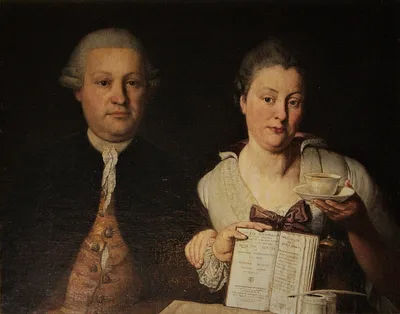
1761 AUENBRUGGER, Leopold (1722 – 1809)
Inventum novum ex percussione thoracis humani ut signo abstrusos interni pectoris morbos detegendi.
The greatness of Auenbrugger’s discovery of the value of immediate percussion of the chest as a diagnostic measure was not recognized until many years after he first published. His little book met with a cold receptio…
GMN 2672 · https://historyofmedicine.com/id/3511
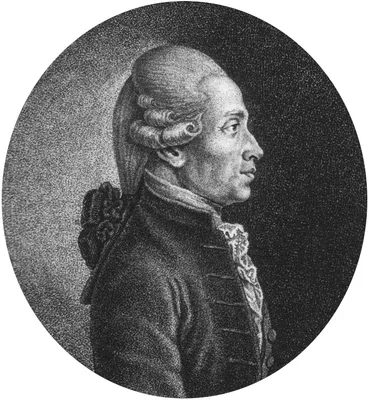
1786 STOLL, Maximilian (1742 – 1788)
Aphorismi de cognoscendis et curandis febribus.
Stoll was one of the few physicians of the Viennese school who supported Auenbrugger's views on percussion. In this treatise on fevers Stoll referred favorably to the practice, and it is thought that Corvisart became …
GMN 11711 · https://historyofmedicine.com/id/13912
1806 CORVISART DES MAREST, Jean Nicolas (1755 – 1821)
Essai sur les maladies et les lésions organiques du coeur et des gros vaisseaux.
Corvisart really created cardiac symptomatology and made possible the differentiation between cardiac and pulmonary disorders. He was first to explain heart failure mechanically and to describe the dyspnoea of effort.…
GMN 2737 · https://historyofmedicine.com/id/4558
1824 AUENBRUGGER, Leopold (1722 – 1809); FORBES, Sir John (1788 – 1861)
Original cases with dissections and observations illustrating the use of the stethoscope and percussion in the diagnosis of diseases of the chest: Also commentaries on the same subjects selected and translated from Auenbrugger, Corvisart, Laennec and others
This is the earliest English work on the stethoscope. It "includes the first English translation of Auenbrugger's book on percussion, selected sections from Laennec's book on auscultation, and detailed reports from 39…
GMN 11599 · https://historyofmedicine.com/id/13798
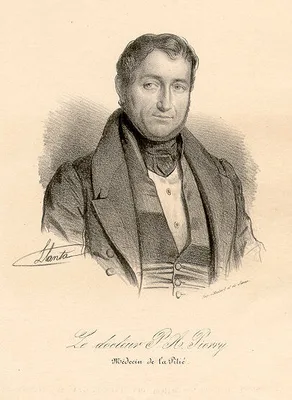
1828 PIORRY, Pierre Adolphe (1794 – 1879)
De la percussion médiate.
Piorry, pioneer of mediate percussion, introduced the percussor and the pleximeter in 1826. He also developed refinements to Laennec’s stethoscope.
GMN 2675 · https://historyofmedicine.com/id/3521
1839 ŠKODA, Josef (1805 – 1881)
Abhandlung über Perkussion und Auskultation.
Skoda classified the various sounds obtained on percussion according to their musical pitch and tone. “Skoda’s resonance” is an important diagnostic sign in pneumonia and pericardial effusion. Following Skoda’s work, …
GMN 2676 · https://historyofmedicine.com/id/3525
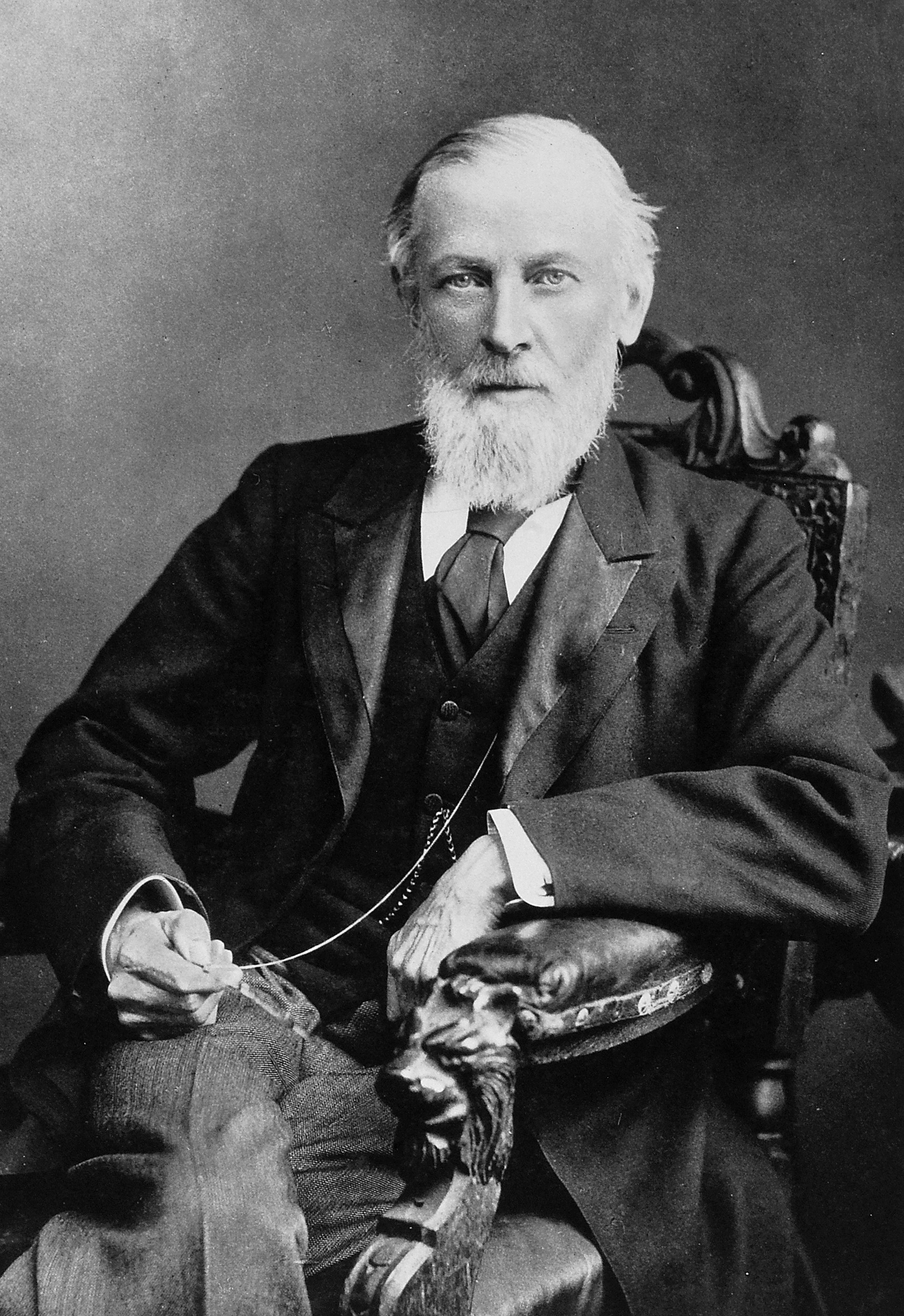
1880 GOWERS, Sir William Richard (1845 – 1915)
The diagnosis of diseases of the spinal cord.
Gowers demonstrated the dorsal spinocerebellar tract, “Gowers’s tract”, and introduced the terms myotatic and knee-jerk, which he elicited with the rubber edge of his stethoscope or a percussion hammer.
GMN 4562 · https://historyofmedicine.com/id/427