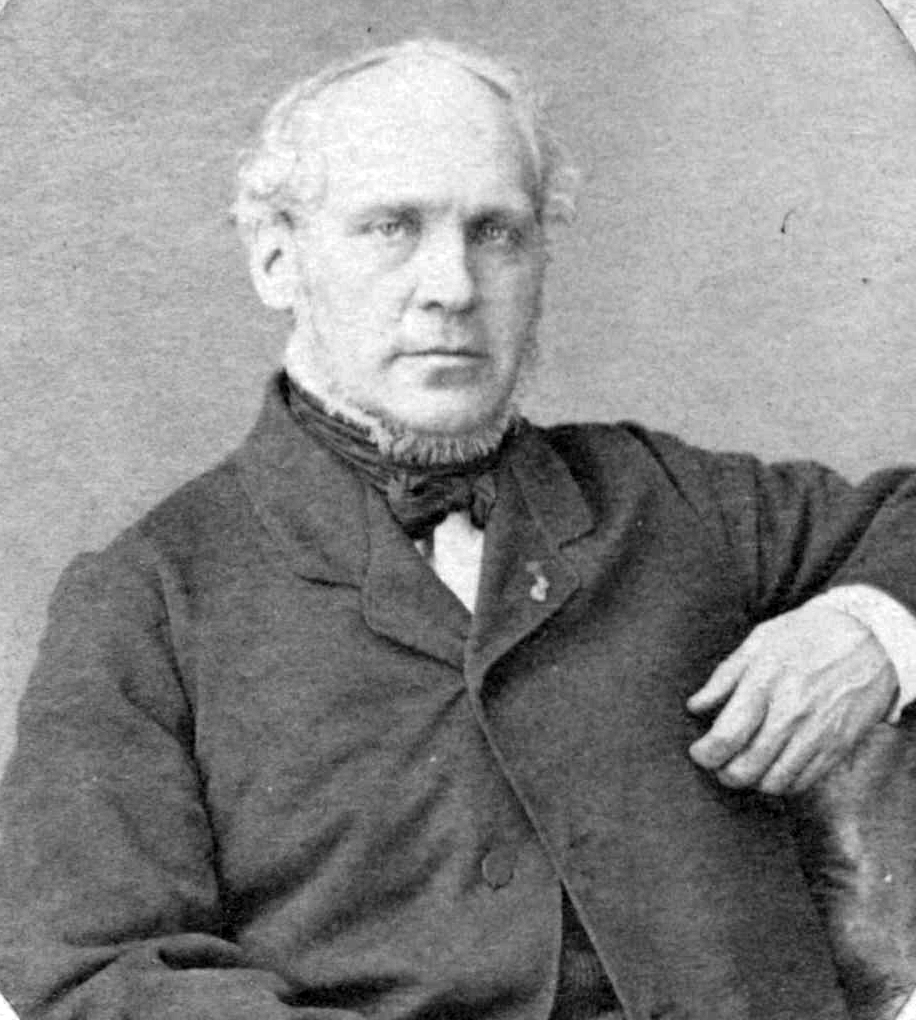
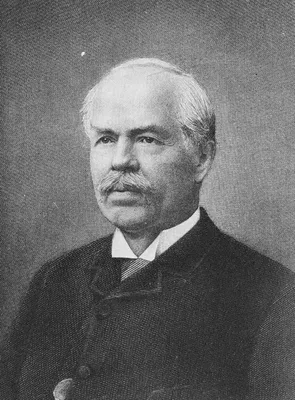
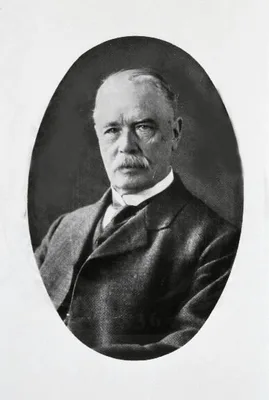
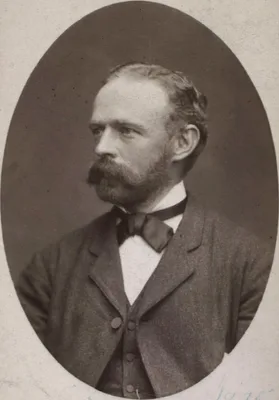
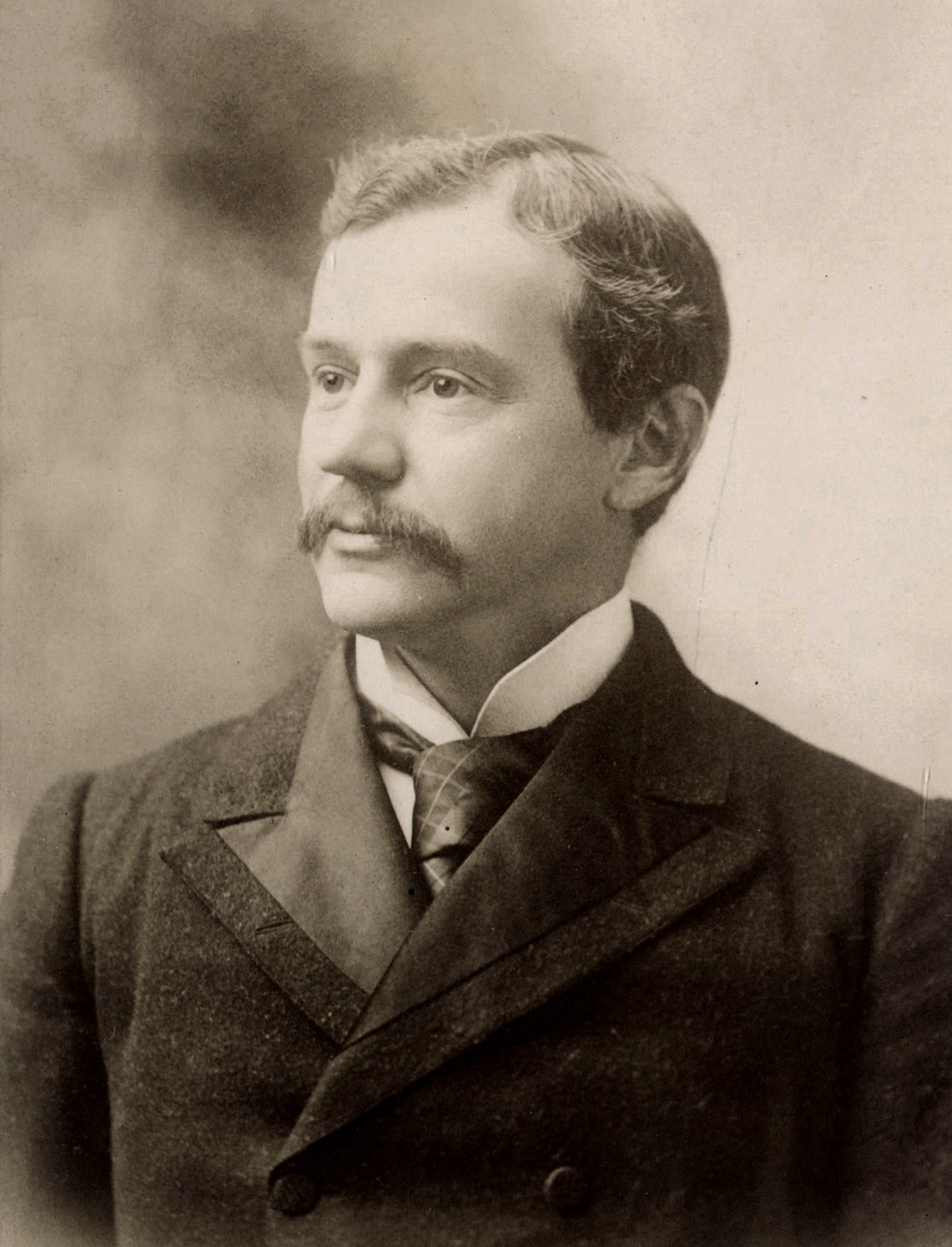
1476 SALICETO, Guglielmo da [WILLIAM OF SALICETO] (1210 – 1277)
Summa conservationis et curationis. Chirurgia.
Contains (Cap. cxl) his classic account of renal edema: De duritie in renibus, an English translation of which is in Major, Classic descriptions of disease, 3rd ed., 1945, p. 527. ISTC no. is00032000.
GMN 4204 · https://historyofmedicine.com/id/6214
1513 GALEN, [Κλαύδιος Γαληνός; Galen of Pergamon] (129 – 216); COPP, Wilhelm (1460 – 1532)
Galen: De affectorum locorum notitia libri vi.
First separate dated Latin translation of De locis affectis, made by Wilhelm Copp of Basel. In this work devoted to pathology, Galen made many valuable deductions on inflammation and on tumors. He was familiar with ch…
GMN 2269 · https://historyofmedicine.com/id/2834
1522 BERENGARIO DA CARPI, Giacomo (1460 – 1530)
Isagoge breves perlucide ac uberime in anatomiam humani corporis a communi medicorum academia usitatam.
One year after publishing his Commentary on Mondino, Giacomo Berengario da Carpi issued an abbreviated version or Isagoge, with most of the same woodcuts. This was the book by which Berengario's contributions to anato…
GMN 368 · https://historyofmedicine.com/id/445
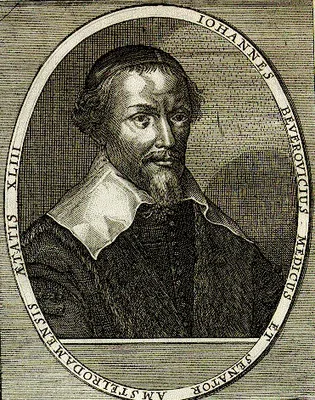
1638 BEVERWIJCK, Johan van (Johannes Beverovicius) (1594 – 1647)
De calculo renum & vesicae liber singularis. Cum epistolis & consultationibus magnorum virorum.
The first medical book to contain an endorsement of Harvey's theory of the circulation of the blood (originally published ten years earlier in 1628). Beverwijck began his work with a treatise on urinary and renal calc…
GMN 11647 · https://historyofmedicine.com/id/13848
1673 DEKKERS, Frederik [DECKERS] (1648 – 1720)
Exercitationes medicae practicae circa medendi methodum.
This work contains the first clear description of proteinuria, noting precipitation of urine with heat or acetic acid. Albuminuria was first described by Dekkers (Chapter V). A translation of this chapter is in Major,…
GMN 4161 · https://historyofmedicine.com/id/8635
1764 COTUGNO, Domenico [COTUNNIUS] (1736 – 1822)
De ischiade nervosa commentarius.
Cotugno published a classic description of sciatica, which is useful even today. He recognized two types – arthritic and nervous; the latter has been called “Cotugno’s disease”, and his book is confined to that type. …
GMN 1382 · https://historyofmedicine.com/id/8632
1796 WALTER, Johann Gottlieb (1734 – 1818); WALTER, Friedrich August (1764 – 1826)
Anatomisches museum. Gesammelt von Johann Gottlieb Walter. Beschrieben von Friedrich August Walter. 2 vols.
Includes fine hand-colored plates of kidney stones and gall stones. Digital facsimile from the Internet Archive at this link.
GMN 7723 · https://historyofmedicine.com/id/9895
1812 WELLS, William Charles (1757 – 1817)
On the presence of the red matter and serum of blood in the urine of dropsy, which has not originated from scarlet fever.
Wells was the first to notice the presence of blood and albumin in edematous urine. He also established the fact that the edema occurred in the upper parts of the body, and he described the uremic seizures to which su…
GMN 4205 · https://historyofmedicine.com/id/6229
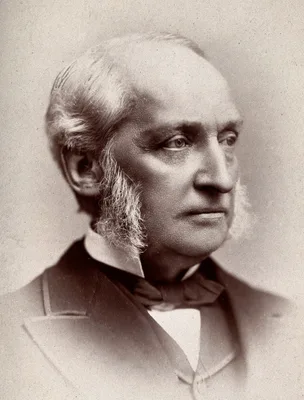
1827 –1831 BRIGHT, Richard (1789 – 1858)
Reports of medical cases, selected with a view of illustrating the symptoms and cure of diseases by a reference to morbid anatomy. 2 vols. in 3.
Beside's Bright's classic description of chronic non-suppurative nephritis, known eponymically as “Bright’s disease”, the Reports contain numerous other outstanding contributions to general pathology, neuropathology, …
GMN 2285 · https://historyofmedicine.com/id/2906
1836 BRIGHT, Richard (1789 – 1858)
Cases and observations, illustrative of renal disease accompanied with the secretion of albuminous urine.
As a result of greater experience on renal disease, Bright rounded off his work on the subject with the above paper, wherein he recorded his extended observations; by this time he had come to more definite conclusions…
GMN 4207 · https://historyofmedicine.com/id/6238
1839 –1841 RAYER, Pierre François Olive (1793 – 1867)
Traité des maladies des reins. 3 vols, and atlas.
Rayer insisted on the exhaustive analysis of the urine as an aid to the diagnosis of lesions. He classified “albuminus nephritis” into six distinct forms and distinguished these from other forms of nephritis associate…
GMN 4208 · https://historyofmedicine.com/id/6240
1851 PARKER, Willard (1800 – 1884)
Cystitis; lateral operation on the bladder, death; tuberculous kidney.
First cystotomy for inflammation and rupture of the bladder.
GMN 4169 · https://historyofmedicine.com/id/5997
1851 FRERICHS, Friedrich Theodor von (1819 – 1885)
Die Bright’sche Nierenkrankheit.
Frerichs divided the progression of renal disease into three stages: initial hyperemia, fatty infiltration and exudation, and organization leading to fibrosis and atrophy. This is one of the earliest works on kidney d…
GMN 4209 · https://historyofmedicine.com/id/6247
1861 GRAHAM, Thomas (1805 – 1869)
Liquid diffusion applied to analysis.
Graham’s method of separating animal and other fluids by dialysis introduced the distinction between colloidal and crystalloid substances.
GMN 688 · https://historyofmedicine.com/id/839
1861 STODDARD, Charles L.
Case of encephaloid disease of the kidney; removal, etc.
Erastus Bradley Wolcott (1804-1880) was first to excise the kidney (for renal tumor). The preoperative diagnosis had been tumor of the liver. Only after the operation did the surgeons realize that they had removed the…
GMN 4210 · https://historyofmedicine.com/id/6249
1864 DIETL, Josef (1804 – 1878)
Wandernde Nieren und deren Einklemmung.
“Dietl’s crisis”. Dietl described the sudden severe attacks of nephralgic or gastric pain, chills, fever, nausea and vomiting, and general collapse, ascribing them to partial turning of the kidney upon its pedicle. Fi…
GMN 4211 · https://historyofmedicine.com/id/6252
1865 HILLIER, Thomas (1831 – 1868)
Hydronephrosis in a boy four years old, repeatedly tapped; recovery.
Hillier performed the first therapeutic percutaneous nephrostomy for giant hydronephrosis with ureteropelvic junction obstruction in a four-year old boy.
GMN 4211.1 · https://historyofmedicine.com/id/6256
1870 KLEBS, Theodor Albrecht Edwin (1834 – 1913)
Handbuch der pathologischen Anatomie. I. Abt.
A classic description of glomerulonephritis (“Klebs’s disease”) is on pp. 644-48.
GMN 4212 · https://historyofmedicine.com/id/6260
1870 SIMON, Gustav (1824 – 1876)
Exstirpation einer Niere am Menschen.
First successful planned nephrectomy for urinary tract fistula. A more detailed, illustrated account of the case appears in No. 4214.
GMN 4213 · https://historyofmedicine.com/id/6266
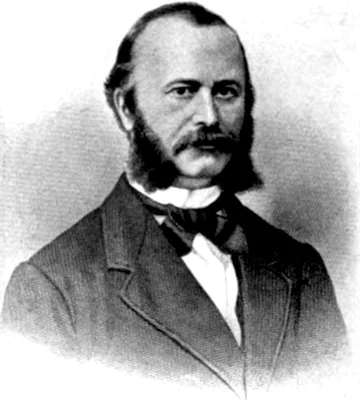
1871 –1876 SIMON, Gustav (1824 – 1876)
Chirurgie der Nieren. Teil 1-2.
Simon was Professor of Surgery at Rostock and Heidelberg. The work was projected as 3 vols., but Simon died before it was completed.
GMN 4214 · https://historyofmedicine.com/id/6272
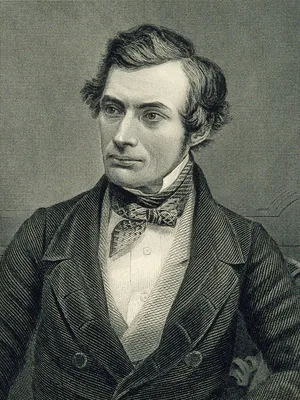
1872 GULL, Sir William Withey (1816 – 1890); SUTTON, Henry Gawen (1837 – 1891)
On the pathology of the morbid state commonly called chronic Bright’s disease with contracted kidney (“arterio-capillary fibrosis”).
First clear description of arteriosclerotic atrophy of the kidney (“Gull–Sutton disease”), and probably the first description of hypertensive nephrosclerosis.
GMN 4215 · https://historyofmedicine.com/id/6277
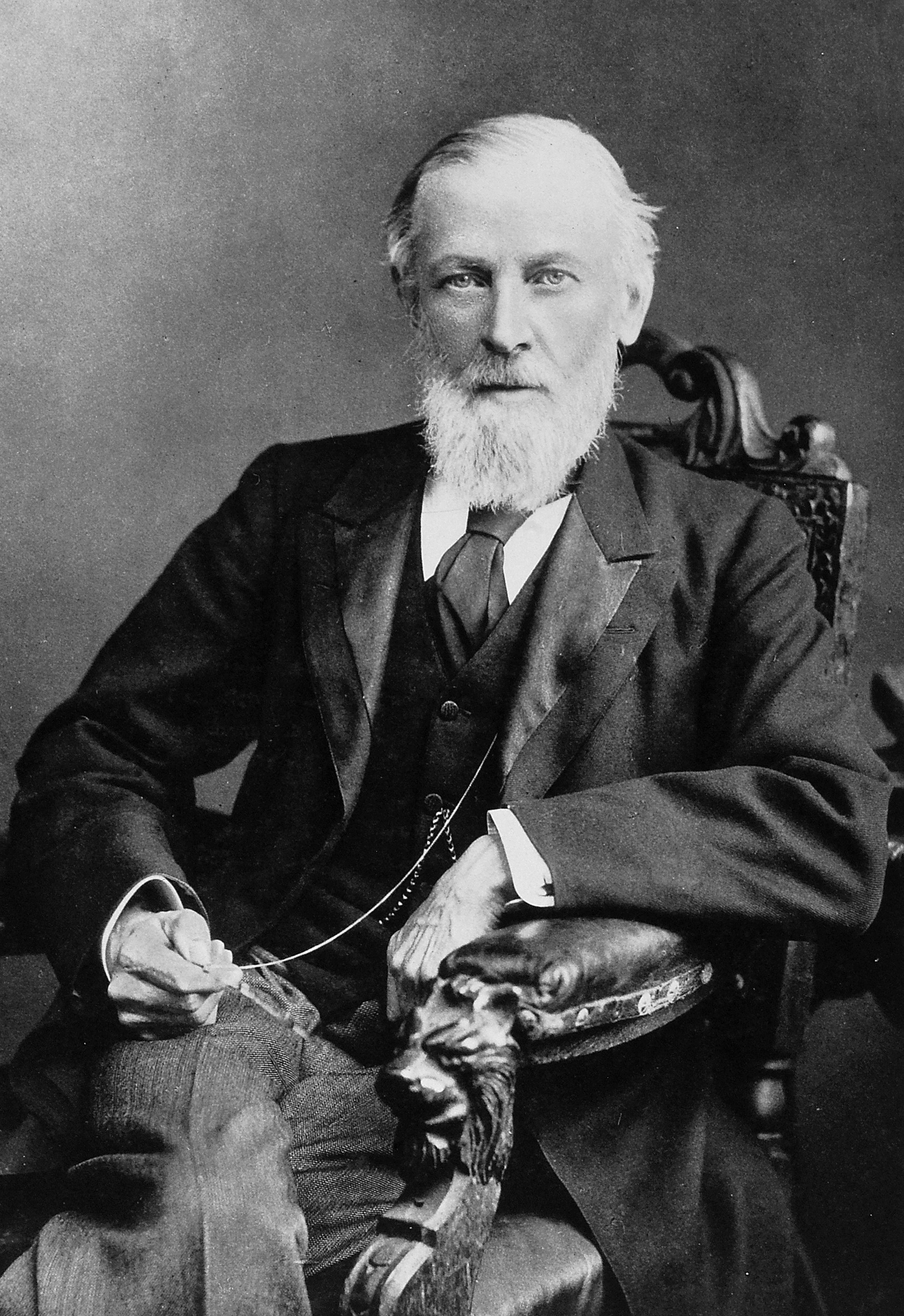
1873 JOHNSON, George (1818 – 1896)
Lectures on Bright’s disease: with special reference to pathology, diagnosis, and treatment.
Johnson showed that fatty infiltrations of the renal tubules are reflected by the presence of fatty casts and droplets in the urine, thus introducing the concept of lipoid nephrosis associated with nephrotic syndrome.
GMN 4215.1 · https://historyofmedicine.com/id/6280
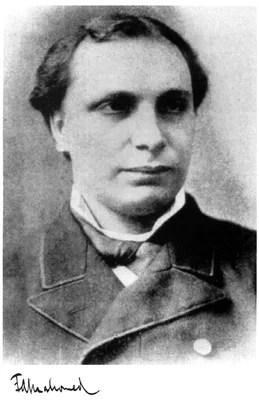
1874 MAHOMED, Frederick Horatio Akbar (1849 – 1884)
The etiology of Bright’s disease and the prealbuminuric stage.
Mahomed proved that cases of “arteriocapillary fibrosis” were hypertensive, and showed that they may occur without renal involvement.
GMN 2906.1 · https://historyofmedicine.com/id/4863
1876 GOWERS, Sir William Richard (1845 – 1915)
The state of the arteries in Bright’s disease.
Gowers’s important account of the changes in the retinal vessels in Bright’s disease is reproduced in Willius & Keys, Cardiac classics, 1941, pp. 605-11.
GMN 4216 · https://historyofmedicine.com/id/6283
1876 DUZAN, J.
Du cancer chez les enfants.
Duzan's thesis was the first treatise exclusively on cancer in childhood. He was able to collect 182 cases. All 182 cases were of pediatric sarcoma: 70 of the eye, 45 of the kidney, 11 of the testicle, 8 of the prosta…
GMN 11161 · https://historyofmedicine.com/id/13358
1877 LANGENBUCH, Carl Johann August (1846 – 1901)
Eine eigenthümliche Nierenexstirpation.
First nephrectomy for malignant disease.
GMN 4216.1 · https://historyofmedicine.com/id/6285
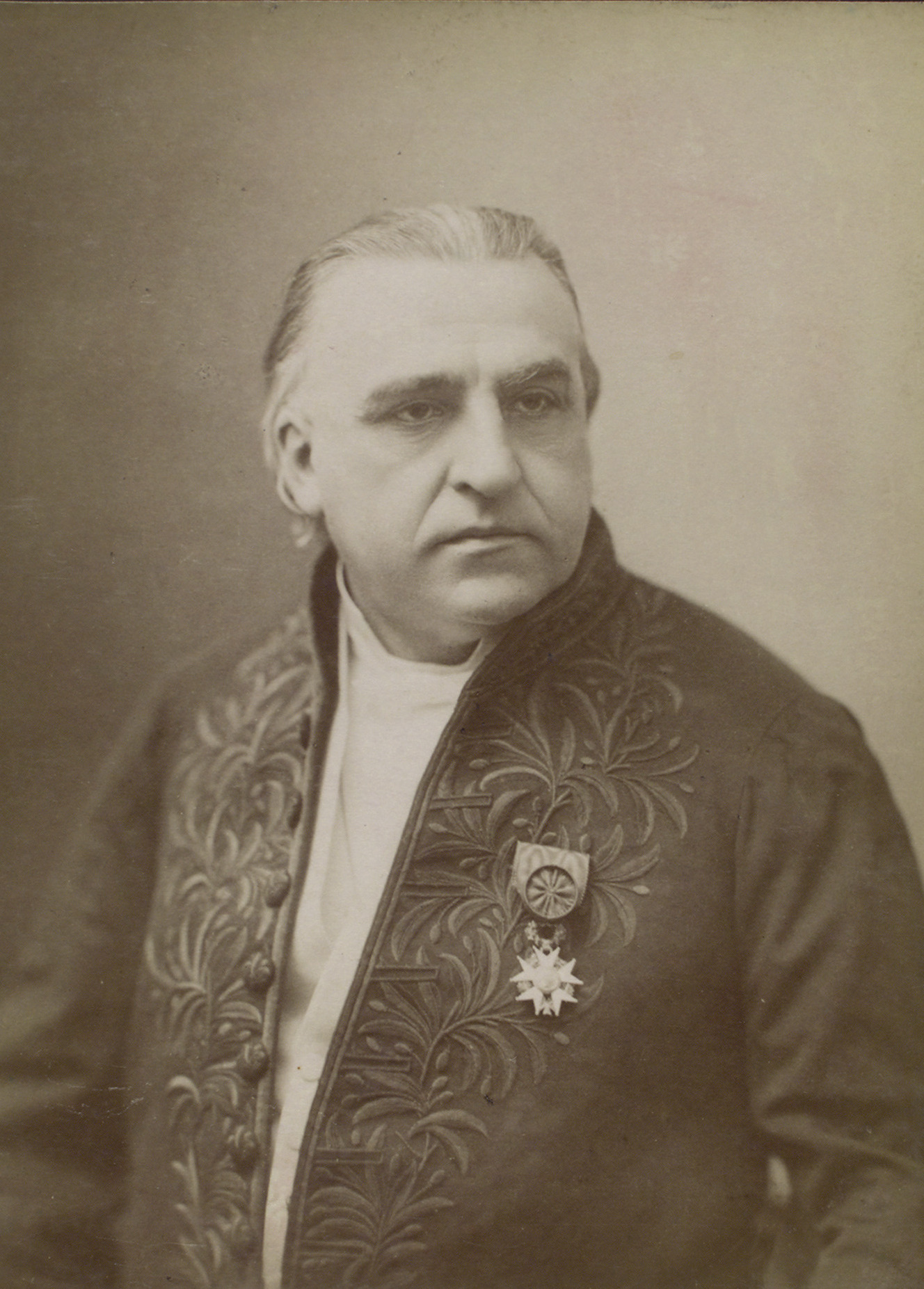
1877 CHARCOT, Jean Martin (1825 – 1893)
Leçons sur les maladies du foie, des voies biliaires et des reins.
Charcot defined “scarlatinous nephritis” and “amyloid kidney” as distinct pathological entities. English translation, New York, 1878.
GMN 4216.2 · https://historyofmedicine.com/id/6291
1879 RUFUS OF EPHESUS, (Ῥοῦφος ὁ Ἐφέσιος) (60 – 100); DAREMBERG, Charles Victor (1817 – 1872); RUELLE, Charles Émile (1833 – 1912)
Oeuvres, texte collationné sur les manuscrits, traduit pour la première fois en français avec une introduction. Publication commencée par Ch. Daremberg, continuée et terminée par Ch. Émile Ruelle.
Greek–French edition containing all the extant works of Rufus, as well as fragments collected from a wide range of ancient and medieval sources. Digital facsimile fro the BnF at this link. The treatise On the interrog…
GMN 24 · https://historyofmedicine.com/id/4667
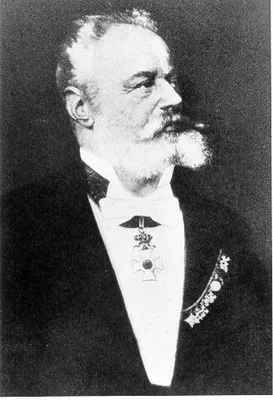
1879 WEIGERT, Carl (1845 – 1904)
Die Bright’sche Nierenkrankung vom pathologisch-anatomischen Standpunkte.
Classic study of the pathological anatomy of Bright’s disease.
GMN 4217 · https://historyofmedicine.com/id/6295
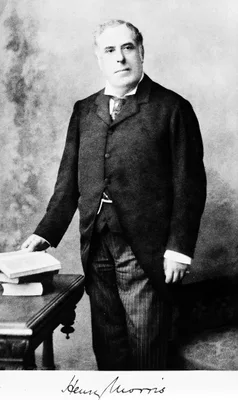
1880 –1881 MORRIS, Sir Henry (1844 – 1926)
A case of nephro-lithotomy; or the extraction of a calculus from an undilated kidney.
Nephrolithotomy; removal of a renal calculus by a lumbar incision.
GMN 4292.1 · https://historyofmedicine.com/id/5380
1881 HAHN, Eugen (1841 – 1902)
Die operative Behandlung der beweglichen Niere durch Fixation.
Hahn devised the operation of nephropexy (nephrorrhaphy) for the relief of movable kidney.
GMN 4218 · https://historyofmedicine.com/id/6299
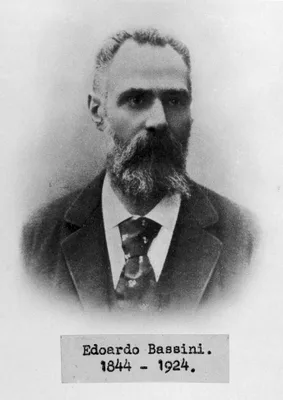
1882 BASSINI, Edoardo (1844 – 1924)
Un caso di rene mobile fissato col mezzo dell’operazione cruenta.
Important modification of Hahn’s operation of nephropexy.
GMN 4219 · https://historyofmedicine.com/id/6302
1884 GRAWITZ, Paul Albert (1850 – 1932)
Die Entstehung von Nierentumoren aus Nebennierengewebe.
An important investigation of the origin of hypernephroma (“Grawitz tumor”). See also Arch. klin. Chir., 1884, 30, 824-34.
GMN 4220 · https://historyofmedicine.com/id/6305
1886 FRÄNKEL, Felix
Ein Fall von doppelseitigem, völlig latent verlaufenen Nebennieren-tumor und gleichzeitiger Nephritis mit Veränderungen am Circulationsapparat und Retinitis.
Pheochromocytoma first described. Republished in book form.
GMN 3865 · https://historyofmedicine.com/id/4915
1888 BOZEMAN, Nathan (1825 – 1905)
Chronic pyelitis, successfully treated by kolpo-uretero-cystotomy.
Bozeman treated vesical and fecal fistulae in women, dealing with the complication of pyelitis by catheterization of the ureter through a vesicovaginal opening.
GMN 4221 · https://historyofmedicine.com/id/6309
1890 TRENDELENBURG, Friedrich (1844 – 1924)
Ueber Blasenscheidenfisteloperationen und über Beckenhochlagerung bei Operationen in der Bauchhöhle.
Includes an account of his attempt, 1886, to cure hydronephrosis by a plastic operation – the first recorded surgical intervention for the relief of this condition. Includes description of the “Trendelenburg position”…
GMN 4222 · https://historyofmedicine.com/id/6313
1892 KÜSTER, Ernst Georg Ferdinand von (1839 – 1930)
Ein Fall von Resektion des Harnleiters.
First successful plastic operation for the relief of hydronephrosis.
GMN 4223 · https://historyofmedicine.com/id/6318
1893 EDEBOHLS, George Michael (1853 – 1908)
Movable kidney; with a report of twelve cases treated by nephrorrhaphy.
In his nephropexy operation Edebohls utilized flaps of the capsule of the kidney. He believed that decapsulation improved the renal blood supply.
GMN 4224 · https://historyofmedicine.com/id/6321
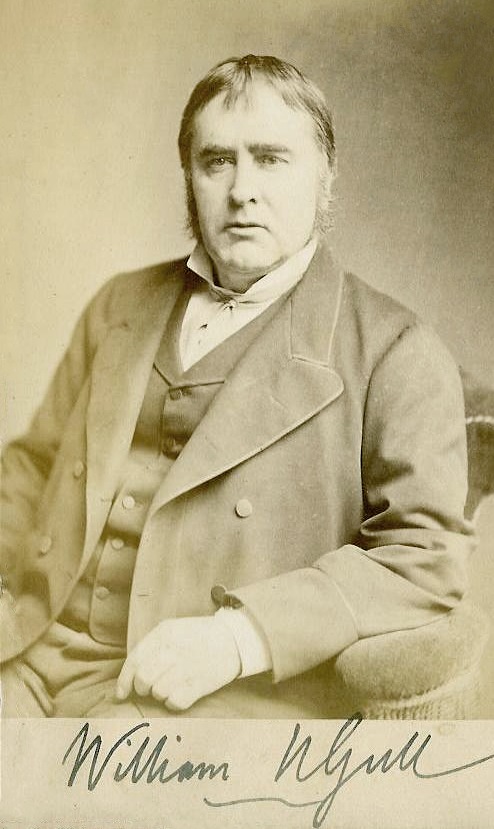
1894 –1896 GULL, Sir William Withey (1816 – 1890)
A collection of the published writings. 2 vols.
Gull, one of the best clinicians of his time, spent most of his working life at Guy’s Hospital. He described the spinal lesion of tabes and left an important account of aneurysm. His best works are his description of …
GMN 2232 · https://historyofmedicine.com/id/3794
1894 FENGER, Christian (1840 – 1902)
Operation for the relief of valve formation and stricture of the ureter in hydro- or pyo-nephrosis.
Fenger’s operation for stenosis of the uretero-pelvic junction.
GMN 4225 · https://historyofmedicine.com/id/5036
1896 CHAPPUIS, J; CHAUVEL, H
Calculs du rein. Calculs de la vésicule biliaire.
Chappuis and Chauvel were the first to study biliary concretions by means of Roentgen rays.
GMN 3636 · https://historyofmedicine.com/id/4634
1896 ALBARRAN Y DOMINGUEZ, Joaquin Maria (1860 – 1912)
Sur un série de quarante opérations pratiquées sur la rein.
First planned nephrostomy.
GMN 4226.1 · https://historyofmedicine.com/id/5055
1899 WILMS, Carl Max Wilhelm (1867 – 1918)
Die Mischgeschwülste. I. Die Mischgeschwülste der Niere.
Embryoma of the kidney (“Wilms’s tumor”). For the history of the operation for Wilms’s tumor see B. Thomasson and M.M. Ravitch, Wilms Tumor, Urol. Surg., 1961, 11, 83-100.
GMN 4227 · https://historyofmedicine.com/id/5058
1899 EDEBOHLS, George Michael (1853 – 1908)
Chronic nephritis affecting a movable kidney as an indication for nephropexy.
First operation on the kidneys for the relief of Bright’s disease.
GMN 4228 · https://historyofmedicine.com/id/5059
1901 EDEBOHLS, George Michael (1853 – 1908)
The cure of chronic Bright’s disease by operation.
Edebohls introduced the operation of renal decortication for the treatment of chronic nephritis.
GMN 4229 · https://historyofmedicine.com/id/5060
1901 KELLY, Howard Atwood (1858 – 1943)
Scratch-marks on the wax-tipped catheter as a means of determining the presence of stone in the kidney and in the ureter.
Kelly tipped the catheter with wax, so that it registered clearly any pressure from sharp stones. This became an important means of diagnosing calculi.
GMN 4295 · https://historyofmedicine.com/id/5393
1902 ULLMANN, Emerich (1861 – 1937)
Experimentelle Nierentransplantation. Vorlaüfige Mittheilung.
Successful autotransplantation of kidneys in dogs.
GMN 4229.1 · https://historyofmedicine.com/id/5062
1905 ALBARRAN Y DOMINGUEZ, Joaquin Maria (1860 – 1912)
Exploration des fonctions rénales.
Albarran’s polyuria test for renal inadequacy.
GMN 4232 · https://historyofmedicine.com/id/5071
1906 ALBARRAN Y DOMINGUEZ, Joaquin Maria (1860 – 1912)
Technique de la néphropexie.
“Albarran’s operation” – nephropexy.
GMN 4233 · https://historyofmedicine.com/id/5083
1907 LÖHLEIN, Max Hermann Friedrich (1877 – 1921)
Ueber die entzündlichen Veränderungen der Glomeruli der menschlichen Nieren und ihre Bedeutung für die Nephritis.
“Focal nephritis”. Löhlein established the importance of the initial inflammatory reaction in the glomerular capillaries in glomerulonephritis. Forms part 4 of Arb. path. Inst. Leipzig.
GMN 4234 · https://historyofmedicine.com/id/5086

![SALICETO, Guglielmo da [WILLIAM OF SALICETO] (1210 – 1277)](/media/portraits/6798)
![GALEN, [Κλαύδιος Γαληνός; Galen of Pergamon] (129 – 216)](/media/portraits/21)