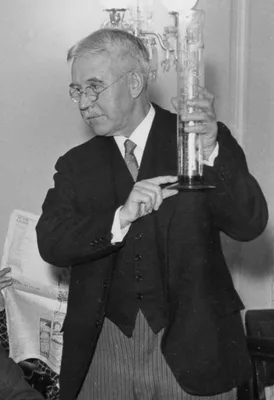
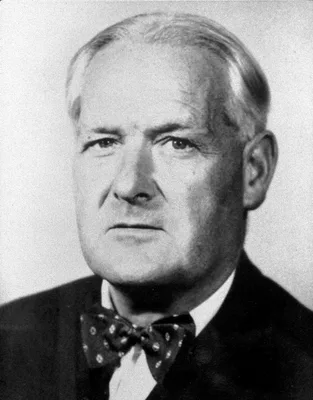
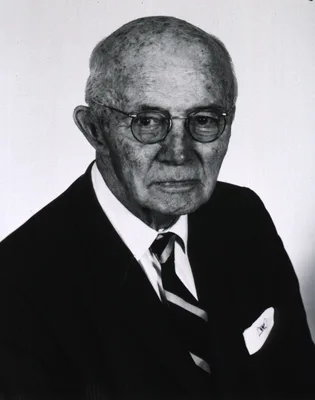
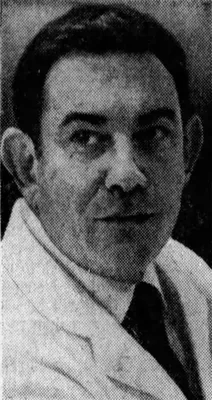
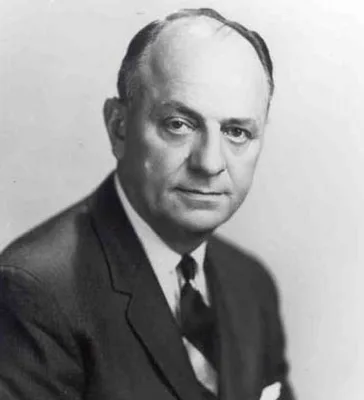
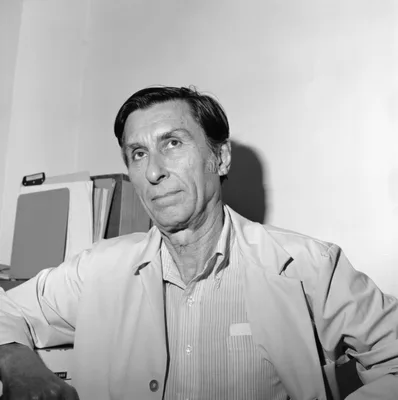
1925 HENDERSON, Yandell (1873 – 1944)
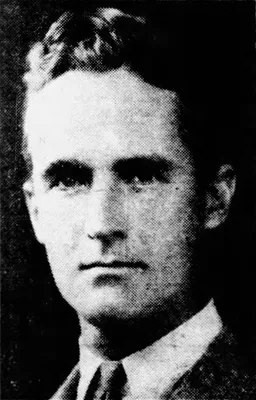
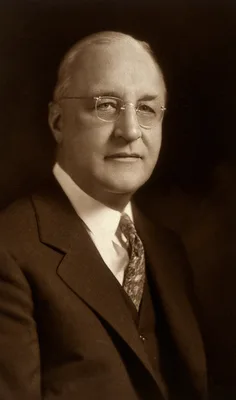
A lecture on respiration in anaesthesia: Control by carbon dioxide.
Henderson’s important investigations on the physiology of respiration included his demonstration of the relation of acapnia to anesthesia and the recommendation that carbon dioxide inhalation be used to overcome colla…
GMN 5707 · https://historyofmedicine.com/id/6415
1926 BARNARD, William George (1892 – 1956)
The nature of the “oat-celled sarcoma” of the mediastinum.
An important study of the histology of “oat-celled sarcoma” which Barnard showed to be primary carcinoma of the lung.
GMN 3201 · https://historyofmedicine.com/id/4298
1928 HENRIQUES, Oscar M. (1895 – 1953)
Die Bindungsweise des Kohlendioxyds im Blute.
Carbamino reaction.
GMN 966 · https://historyofmedicine.com/id/281
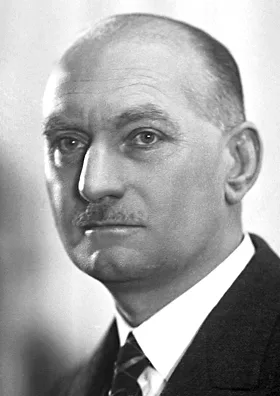
1929 HEYMANS, Corneille Jean François (1892 – 1968)
Le sinus carotidienet la zone homologue cardio-aortique.
In 1938 Heymans was awarded the Nobel Prize in Physiology or Medicine "for the discovery of the role played by the sinus and aortic mechanisms in the regulation of respiration."
GMN 967 · https://historyofmedicine.com/id/285
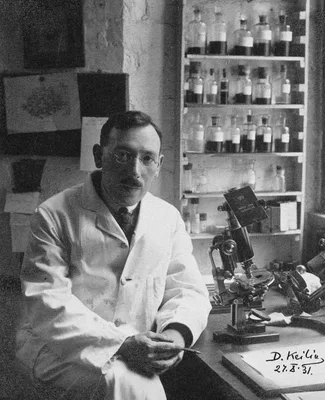
1929 KEILIN, David (1887 – 1963)
Cytochrome and respiratory enzymes.
Keilin discovered cytochrome and laid the foundations of the modern concept of cellular respiration. See No. 1588.3.
GMN 968 · https://historyofmedicine.com/id/296
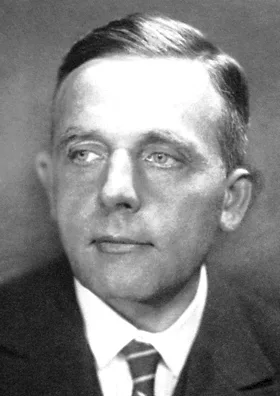
1929 WARBURG, Otto Heinrich (1883 – 1970); NEGELEIN, Erwin (1897 – 1979)
Ueberden Absorptionsspektrum des Atmungsferments.
Warburg discovered the nature and function of the respiratory ferment. In 1931 Warburg was awarded the Nobel Prize in Physiology or Medicine "for discovery of the nature and mode of action of the respiratory enzyme."
GMN 969 · https://historyofmedicine.com/id/301
1929 CAMPS, Percy William Leopold (1877 – 1956)
A note on the inhalation treatment of asthma.
First use of adrenaline by the respiratory route for the treatment of bronchial asthma.
GMN 3202.1 · https://historyofmedicine.com/id/4303
1929 COLE, Rufus Ivory (1872 – 1966)
Serum treatment in type I lobar pneumonia.
Introduction of monovalent antiserum.
GMN 3202.2 · https://historyofmedicine.com/id/4306
1932 NIELSEN, Holger Louis (1866 – 1955)
En oplivingsmethode.
Holger Nielsen (“arm-lift”) method of artificial respiration.
GMN 2028.6 · https://historyofmedicine.com/id/2114
1932 CAMPBELL, John Munro ( – 1916)
Acute symptoms following work with hay.
“Farmer’s lung”.
GMN 3203.1 · https://historyofmedicine.com/id/4313
1932 THOMSON, David (1884 – 1969); THOMSON, Robert (1888 – )
The common cold, with special reference to the part played by streptococci, pneumococci, and other organisms.
Annals of the Pickett-Thomson Research Lab., Vol. 8.
GMN 3204 · https://historyofmedicine.com/id/4321
1933 ROUGHTON, Francis John Worsley (1899 – 1972); MELDRUM, Norman Urquhart (1907 – 1933)
Carbonic anhydrase: Its preparation and properties.
Isolation of carbonic anhydrase.
GMN 971 · https://historyofmedicine.com/id/332
1933 MAYTUM, Charles Koran (1895 – )
Tetany caused by functional dyspnea with hyperventilation: report of a case.
Hyperventilation syndrome.
GMN 3208 · https://historyofmedicine.com/id/4332
1934 BARACH, Alvan Leroy (1895 – 1977)
Use of helium as a new therapeutic gas.
Introduction of helium in the treatment of respiratory affections. See also Ann. intern. Med., 1935, 9, 739-65.
GMN 3209 · https://historyofmedicine.com/id/4333
1936 DRINKER, Philip (1894 – 1972); HATCH, Theodore
Industrial dust: Hygienic significance, measurement and control.
Includes information on asbestosis.
GMN 11821 · https://historyofmedicine.com/id/14023
1937 DIENES, Louis L. (1886 – 1974); EDSALL, Geoffrey (1908 – 1980)
Observations on L-organism of Kleineberger.
Isolation of a mycoplasma from man.
GMN 3215 · https://historyofmedicine.com/id/4360
1938 GAISFORD, Wilfrid Fletcher (1902 – 1988); EVANS, Gladys Mary (1897 – 1973)
Treatment of pneumonia with 2-(p-aminobenzenesulphonamido) pyridine.
Clinical proof of the value of sulphapyridine. M & B 693 (sulphapyridine) treatment of pneumonia. This followed the experimental work of L. E. H. Whitby (see No. 1951).
GMN 1952 · https://historyofmedicine.com/id/2829
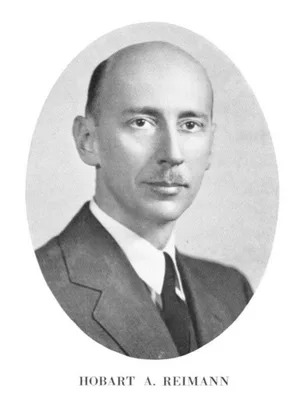
1938 REIMANN, Hobart Ansteth (1897 – 1986)
An acute infection of the respiratory tract with atypical pneumonia: A disease entity probably caused by a filterable virus.
Atypical pneumonia.
GMN 3211 · https://historyofmedicine.com/id/4348
1939 CHURCHILL, Edward Delos (1895 – 1972); BELSEY, Ronald Herbert Robert (1910 – 2007)
Segmental pneumonectomy in bronchiectasis. The lingula segment of the left upper lobe.
GMN 3211.1 · https://historyofmedicine.com/id/4350
1939 HEFFRON, Roderick (1901 – )
Pneumonia. With special reference to pneumococcus lobar pneumonia.
GMN 3212 · https://historyofmedicine.com/id/4352
1939 MÜLLER, Franz Hermann
Tabakmissbrauch und Lungencarcinom.
In the first case-control epidemiological study of the effects of tobacco Müller recorded a statistically significant correlation between cigarette smoking and lung cancer. See Alfredo Morabia, "Quality, originality, …
GMN 3213 · https://historyofmedicine.com/id/4354
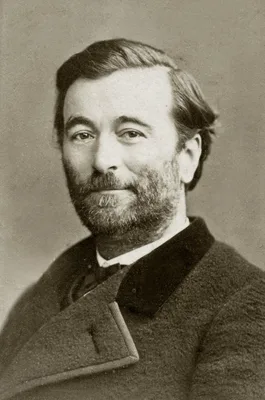
1943 BERT, Paul (1833 – 1886); FULTON, John Farquhar (1899 – 1960); HITCHCOCK, Fred A.; HITCHCOCK, Mary Alice
Barometric pressure: Researches in experimental physiology. Translated from the French by Mary Alice Hitchcock and Fred A. Hitchcock. [Foreward by John F. Fulton].
Digital facsimile from the Internet Archive at this link.
GMN 12192 · https://historyofmedicine.com/id/14402
1944 EATON, Monroe Davis (1904 – ); ET AL
Studies on the etiology of primary atypical pneumonia. A filterable agent transmissible to cotton rats, hamsters, and chick embryos.
The Eaton agent, isolated from primary atypical pneumonia. With G. Meiklejohn and W. van Herick.
GMN 3213.1 · https://historyofmedicine.com/id/4356
1945
Transmission of primary atypical pneumonia to human volunteers.
COMMISSION ON ACUTE RESPIRATORY DISEASES
GMN 3214 · https://historyofmedicine.com/id/4357
1947 SCHOLANDER, Per Fredrik (1905 – 1980)
Analyzer for accurate estimate of respiratory gases in one-half cubic centimeter samples.
An improvement on the classic Haldane method for analyzing oxygen and carbon dioxide in respiratory gases. It provides comparable accuracy over a wider range of gas concentrations with a gas sample of only 0.5 ml inst…
GMN 971.1 · https://historyofmedicine.com/id/335
1950 GRAHAM, Evarts Ambrose (1883 – 1957); WYNDER, Ernst Ludwig (1922 – 1999)
Tobacco smoking as a possible etiologic factor in bronchogenic carcinoma: A study of 684 proved cases.
A case-control study proving an association between heavy prolonged cigarette smoking and bronchogenic carcinoma. See also the following paper on pp. 336-38. Reprinted in J. Amer. med. Assoc. 1985, 253, 2986-97.
GMN 3215.1 · https://historyofmedicine.com/id/4362
1950 DOLL, Sir William Richard Shaboe (1912 – 2005); HILL, Sir Austin Bradford (1897 – 1999)
Smoking and carcinoma of the lung. Preliminary report.
A study of 1,465 cases of lung cancer and 1,465 matched controls, which confirmed and extended the studies of Wynder and Graham, and others. See also later papers by the same authors in Brit. med. J., 1952, 2,1271-86;…
GMN 3215.2 · https://historyofmedicine.com/id/4373
1953 KUROYA, Masahiko (1921 – 1976)
Newborn virus pneumonitis (type Sendai). II. The isolation of a new virus possessing hemagglutinin activity.
M. Kuroya, N. Ishida, and T. Shiratori isolated the first recognized Sendai (para-influenza) virus.
GMN 3215.3 · https://historyofmedicine.com/id/4374
1955 COMROE, Julius H. Jr. (1911 – 1984); DUBOIS, Arthur Brooks (1924 – 2020); FORSTER, Robert E. II; BRISCOE, William A. (1918 – 1985); CARLSEN, Elizabeth
The lung: Clinical physiology and pulmonary function tests.
Comroe and associates at the University of Pennsylvania introduced pulmonary function tests developed by physiologists into clinical practice. Comroe invented several of the tests described in the book.
GMN 12458 · https://historyofmedicine.com/id/14690
1957 CHANOCK, Robert Merritt (1904 – 2010); ET AL
Recovery from infants with respiratory illness of a virus related to chimpanzee coryza agent (CCA).
Respiratory syncytial virus. With B. Roizman and R. Myers.
GMN 3215.4 · https://historyofmedicine.com/id/4375
1960 GOODFIELD, June (1927 – )
The growth of scientific physiology: Physiological method and the mechanist-vitalist controversy, illustrated by the problems of respiration and animal heat.
GMN 11708 · https://historyofmedicine.com/id/13909
1961 KOUWENHOVEN, William Bennett (1886 – 1975); JUDE, James R. (1928 – 2015); KNICKERBOCKER, G. Guy (1932 – 2022)
A new approach to cardiac resuscitation.
"The pioneers of modern cardiopulmonary resucitation describe their breakthrough technique of combining mouth-to-mouth ventilation, closed chest compressions, and transthoracic defibrillation to treat cardiac arrest" …
GMN 11671 · https://historyofmedicine.com/id/13872
1962 CHANOCK, Robert Merritt (1904 – 2010); HAYFLICK, Leonard (1928 – 2024)
Growth on artificial medium of an agent associated with atypical pneumonia and its identification as a PPLO.
Using a novel agar and fluid medium formulation he had devised, Hayflick isolated a unique mycoplasma Mycoplasma pneumoniae, a mycoplasma shown to be the cause of some cases of primary atypical pneumonia, or "walking …
GMN 3215.5 · https://historyofmedicine.com/id/4377
1963 PEPYS, Jacob (1914 – 1996)
Farmer’s lung. Thermophilic actinomycetes as a source of “farmer’s lung hay” antigen.
Pepys and five co-authors showed that thermophilic actinomycetes, especially Micropolyspora faeni, were the cause of farmer’s lung due to mouldy hay.
GMN 3215.6 · https://historyofmedicine.com/id/4378
1964 U.S. PUBLIC HEALTH SERVICE; TERRY, Luther (1911 – 1985)
Smoking and health: report of the Advisory Committee to the Surgeon General of the Public Health Service.
Definitive 386-page throughly documented study of the carcinogenic and pulmonologic effects of smoking, and the addictive aspects of nicotine. It was published under the supervision of Surgeon-General Luther Terry. Di…
GMN 7385 · https://historyofmedicine.com/id/9557
1964 GOTTLIEB, Leon S.
A history of respiration.
GMN 11707 · https://historyofmedicine.com/id/13908
1977 FRASER, David William
Legionnaires’ disease. Description of an epidemic of pneumonia.
First major scientific account. With 11 co-authors. Legionnaire's disease acquired its name after an outbreak of a then-unknown "mystery disease" sickened 221 persons, causing 34 deaths. The people affected were atten…
GMN 3215.7 · https://historyofmedicine.com/id/4380
1977 SHEPARD, Charles Carter (1914 – 1985); FRASER, David William; MCDADE, Joseph E.; ET AL
Legionnaires’ disease. Isolation of a bacterium and demonstration of its role in other respiratory disease.
Order of authorship in the original publication: McDade, Shepard, Fraser.... See also p. 1218.
GMN 3215.8 · https://historyofmedicine.com/id/4382
1996 WEST, John B. (1928 – )
Respiratory physiology: People and ideas, edited by John B. West.
GMN 7779 · https://historyofmedicine.com/id/9951
2015 WEST, John B. (1928 – )
Essays on the history of respiratory physiology.
GMN 7781 · https://historyofmedicine.com/id/9953