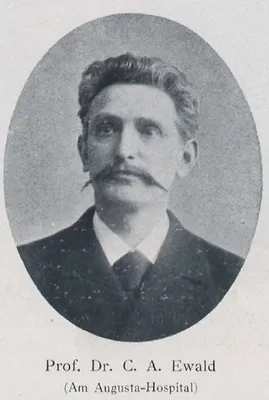
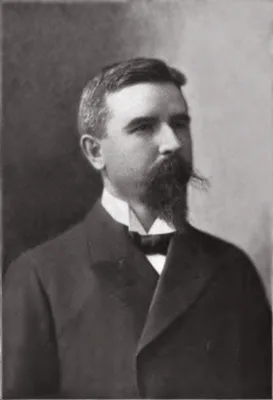
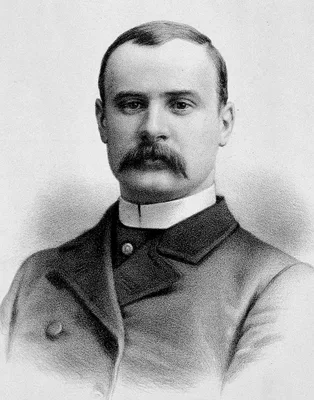
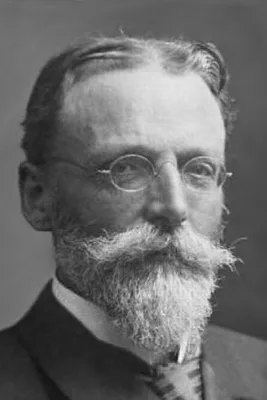
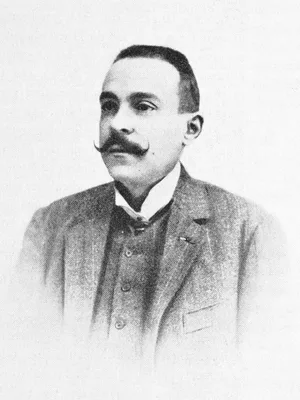
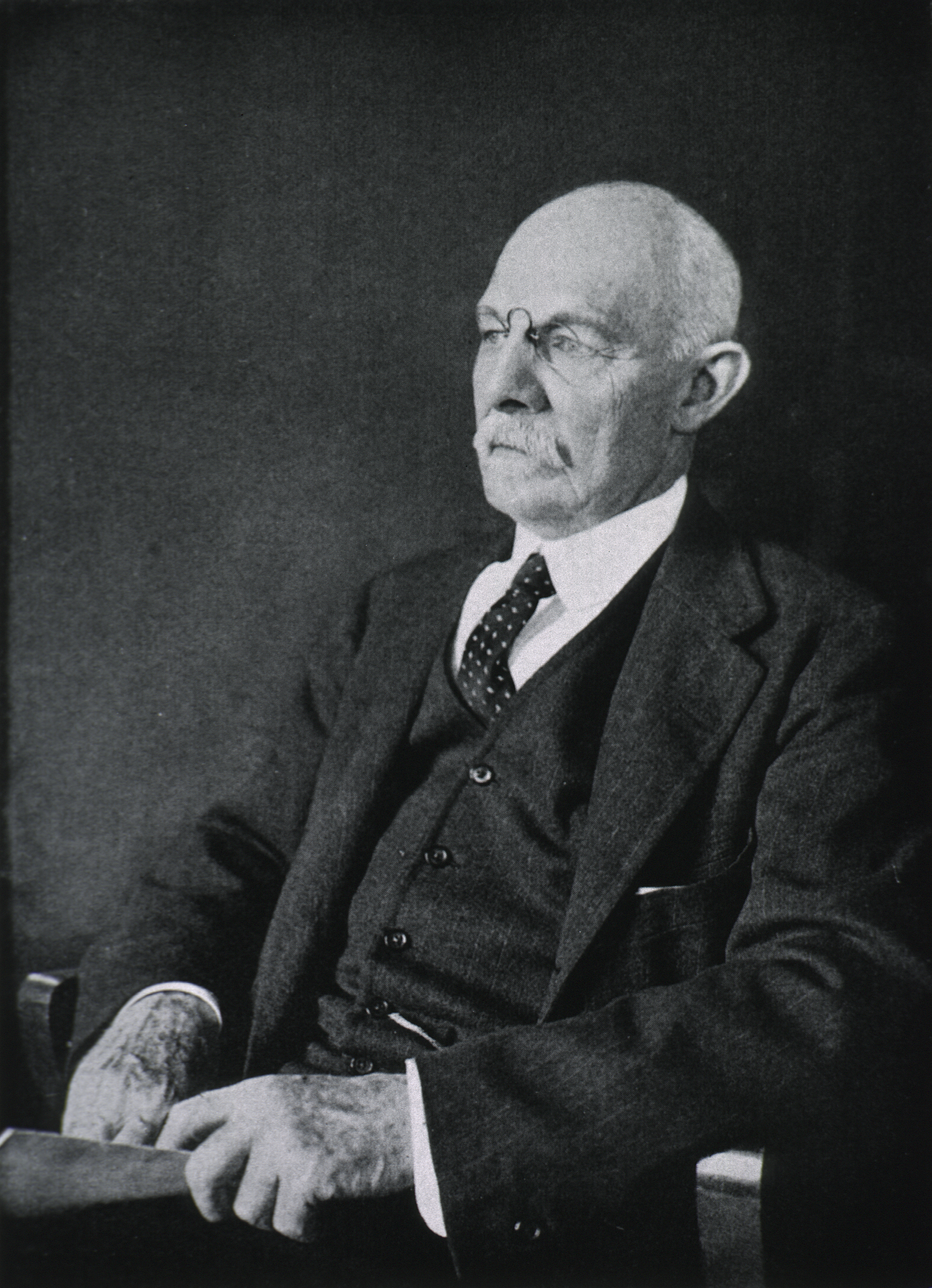
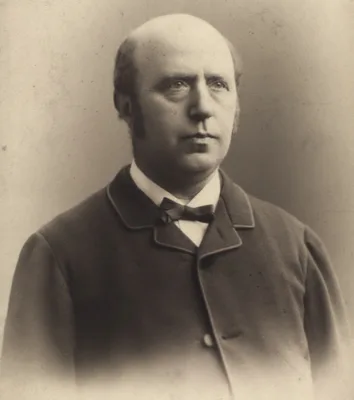
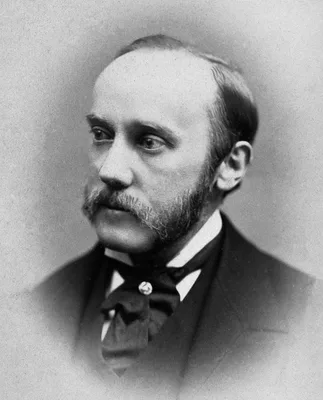
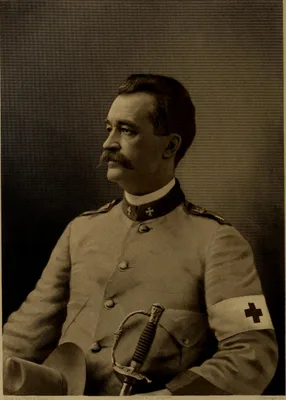
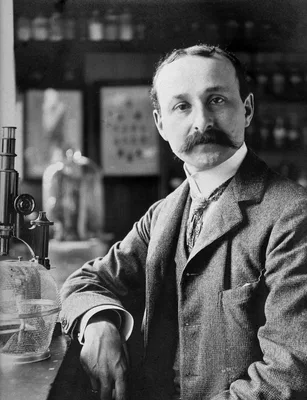
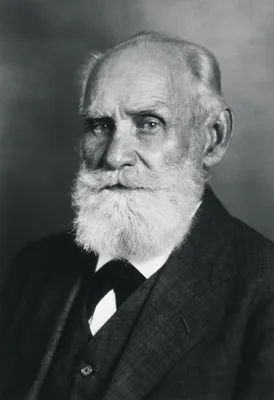
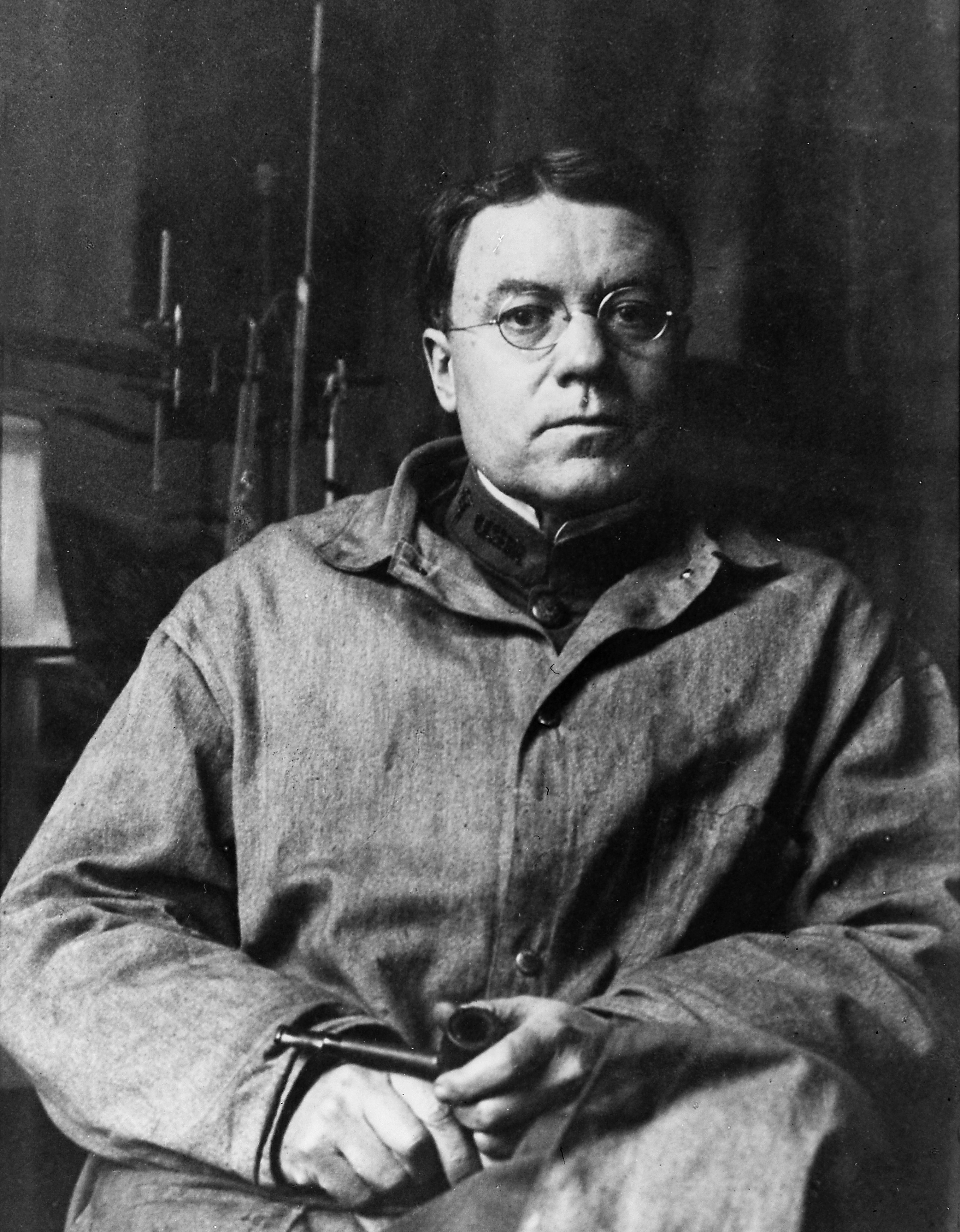
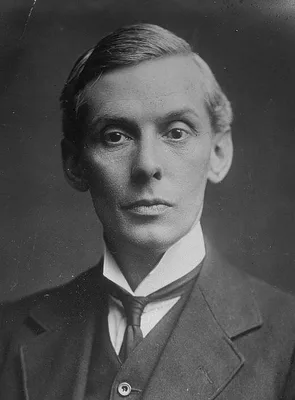
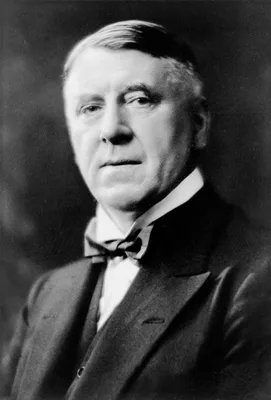
1879 –1902 EWALD, Carl Anton (1845 – 1915)
Klinik der Verdauungskrankheiten. 3 vols.
An important work on disorders of digestion. With Boas, Ewald devised the test breakfast and he utilized intubation for exploring the contents of the stomach. English translation of vols. 1-2, 1891-92.
GMN 3471 · https://historyofmedicine.com/id/5642
1879 PÉAN, Jules-Émile (1830 – 1898)
De l’ablation des tumeurs de l’estomac par la gastrectomie.
First gastrectomy for carcinoma; unsuccessful.
GMN 3472 · https://historyofmedicine.com/id/5644
1880 RYDYGIER, Ludwik (1850 – 1920)
Wyçiecie raka odźwiernika zoladkowego, śmierćw 12 godzinach.
First extirpation of carcinomatous pylorus. Death after 12 hours. German translation in Dtsch. Z. Chir., 1881, 14, 252-60.
GMN 3473.1 · https://historyofmedicine.com/id/5651
1881 VELLA, Luigi (1825 – 1886)
Nuovo metodo per avere il succo enterico puro, e stabilime le proprietà fisiologiche.
GMN 1014 · https://historyofmedicine.com/id/856
1881 BILLROTH, Christian Albert Theodor (1829 – 1894)
Offenes Schreiben an Herrn Dr. L. Wittelshöfer.
First successful resection of the pylorus for cancer, the Billroth I operation.
GMN 3474 · https://historyofmedicine.com/id/5656
1881 MIKULICZ-RADECKI, Jan (Johann Freiherr von) (1850 – 1905)
Ueber Gastroskopie und Oesophagoskopie.
Mikulicz was the first to use the electric oesophagoscope invented by Leiter in 1880. He was among the most distinguished of Billroth’s pupils and contributed much to cancer surgery.
GMN 3475 · https://historyofmedicine.com/id/5660
1881 WÖLFLER, Anton (1850 – 1917)
Gastro-Enterostomie.
Wölfler perfected the operation of gastro-enterostomy.
GMN 3476 · https://historyofmedicine.com/id/5664
1881 CLARK, Henry Edward (1845 – 1909)
On a case of obstruction of the bowels due to volvulus, treated by abdominal section; recovery.
First successful operation in Britain for treatment of volvulus, performed 20 February, 1883.
GMN 3479 · https://historyofmedicine.com/id/5677
1882 LORETA, Pietro (1831 – 1889)
Intorno alla divulsione digitale del pilore; osservazione cliniche.
First pyloroplasty, 1882. Abstract in English in Brit. med.J., 1885, 1, 372-74.
GMN 3477 · https://historyofmedicine.com/id/5669
1882 REJCHMANN, Mikolaj (Rajchman, Reichmann, Reichman, Reychman) (1851 – 1918)
Przypadek chorobowo wzmoźonego wydzielania soku zoladkowego.
First description of gastrosuccorrhoea (“Reichmann’s disease”). German translation in Berl. klin. Wschr., 1882, 19, 606.
GMN 3478 · https://historyofmedicine.com/id/5674
1883 KRONECKER, Karl Hugo (1839 – 1914); MELTZER, Samuel James (1851 – 1920)
Der Schluckmechanismus, seine Erregung und seine Hemmung.
An experimental study, by means of a balloon, of swallowing and of oesophageal contractions.
GMN 1015 · https://historyofmedicine.com/id/865
1883 KÜHNE, Wilhelm Friedrich (1837 – 1900); CHITTENDEN, Russell Henry (1856 – 1943)
Ueber die nächsten Spaltungsproducte der Eiweisskörper.
Kühne and Chittenden isolated and named several new substances during their investigation of the products of digestion. See also the same journal, 1884, 20, 11-51; 1886, 22, 409-58; 1889, 25, 358-67.
GMN 1016 · https://historyofmedicine.com/id/871
1884 HAUER, Ernst
Darmresektion und Enterorhaphieen, 1878-83.
Billroth was a pioneer in visceral surgery. Above is an account of many intestinal resections and enterorrhaphies carried out by him.
GMN 3480 · https://historyofmedicine.com/id/5680
1884 FINKLER, Dittmar (1852 – 1912); PRIOR, J
Untersuchungen über Cholera nostras.
Finkler and Prior isolated Vibrio proteus from stools in a case of acute gastro-enteritis.
GMN 3481 · https://historyofmedicine.com/id/5685
1884 TREVES, Sir Frederick (1853 – 1923)
Intestinal obstruction
Jacksonian Prize essay.
GMN 3482 · https://historyofmedicine.com/id/5691
1885 GREVES, Edwin Hyla (1856 – 1932)
On a case of acute intestinal obstruction in a boy, with remarks upon the treatment of acute obstruction.
Abdominal section and ileostomy for intestinal obstruction; surgeon’s report on pp. 130-35.
GMN 3482.3 · https://historyofmedicine.com/id/5698
1885 HACKER, Viktor von (1852 – 1933)
Zur Casuistik und Statistik der Magenresectionen und Gastro-enterostomieen.
Billroth II pylorectomy, reported by von Hacker. Also published in Arch. klin. Chir., 1885, 32, 616-25.
GMN 3483 · https://historyofmedicine.com/id/5701
1885 GLÉNARD, Frantz (1848 – 1920)
Application de la méthode naturelle à l’analyse de la dyspepsie nerveuse. – Détermination d’une espèce.
Important description of enteroptosis and gastroptosis.
GMN 3484 · https://historyofmedicine.com/id/5704
1886 ESCHERICH, Theodor (1857 – 1911)
Die Darmbakterien des Säuglings und ihre Beziehungen zur Physiologie der Verdauung.
Includes the first account of Bact. coli infection. The organism was later renamed Escherichia coli (E.coli).
GMN 1017 · https://historyofmedicine.com/id/877
1886 GLÉNARD, Frantz (1848 – 1920)
Neurasthénie et enteroptose.
Splanchnoptosis (“Glénard’s disease”).
GMN 3485 · https://historyofmedicine.com/id/3874
1886 HACKER, Viktor von (1852 – 1933)
Ueber die Verwendung des Musculus rectus abdominis zum Verschlusse der künstlichen Magenfistel.
Von Hacker’s method of gastrostomy.
GMN 3486 · https://historyofmedicine.com/id/3879
1887 ODDI, Ruggero (1864 – 1913)
D’une disposition à sphincter spéciale de l’ouverture du canal cholédoque.
“Sphincter of Oddi” of the bile duct, already known to Glisson in 1654. Reprinted as a pamphlet, Perugia, 1887.
GMN 1018 · https://historyofmedicine.com/id/880
1887 HALSTED, William Stewart (1852 – 1922)
Circular suture of the intestines; an experimental study.
Halsted set down some of the fundamental rules regarding intestinal anastomosis.
GMN 3488 · https://historyofmedicine.com/id/3883
1888 HIRSCHSPRUNG, Harald (1830 – 1916)
Fälle von angeborener Pylorusstenose, beobachtet bei Säuglingen.
Hirschsprung first made the medical world aware of congenital hypertrophic pyloric stenosis as a distinct clinical entity. In this paper he made no suggestions concerning therapy.
GMN 3489.1 · https://historyofmedicine.com/id/3888
1888 GEE, Samuel Jones (1839 – 1911)
On the coeliac affection.
Coeliac disease (non-tropical sprue, idiopathic steatorrhoea) was first described by Gee. Later Thaysen (No. 3550) studied the disease, which acquired the eponym “Gee-Thaysen disease”.
GMN 3491 · https://historyofmedicine.com/id/3892
1888 MÉNÉTRIER, Pierre Eugène (1859 – 1935)
Des polyadénomes gastriques et de leurs rapports avec le cancer de l’estomac.
“Menetrier’s disease” – giant hypertrophic gastritis.
GMN 3492.1 · https://historyofmedicine.com/id/3898
1888 SENN, Nicholas (1844 – 1908)
Rectal insufflation of hydrogen gas an infallible test in the diagnosis of visceral injury of the gastro-intestinal canal in penetrating wounds of the abdomen.
Senn’s method of detecting intestinal perforation by insufflation with hydrogen.
GMN 3494 · https://historyofmedicine.com/id/3903
1889 LUCIANI, Luigi (1840 – 1919)
Fisiologia del digiuni.
Luciani distinguished three stages of starvation in man – hunger, physiological inanition, and pathological inanition. Digital facsimile from Google Books at this link.
GMN 1013 · https://historyofmedicine.com/id/852
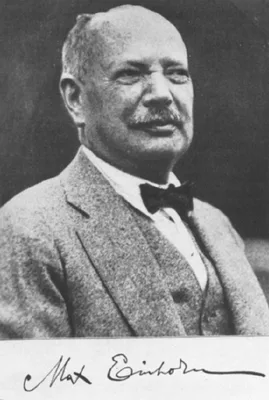
1889 EINHORN, Max (1862 – 1953)
Die Gastrodiaphanie.
Einhorn devised the method of exploration of the stomach by means of a tube – gastrodiaphany.
GMN 3495 · https://historyofmedicine.com/id/3906
1889 BOAS, Ismar Isidor (1858 – 1938)
Ueber Darmsaftgewinnung beim Menschen. (Vorläufige Mittheilung.)
Duodenal aspiration.
GMN 3496 · https://historyofmedicine.com/id/3907
1890 –1893 BOAS, Ismar Isidor (1858 – 1938)
Diagnostik und Therapie der Magenkrankheiten. 2 pts.
Boas, who devised the test breakfast, became the foremost gastroenterologist in Europe. He founded the Archivfür Verdauungskrankheiten, the first journal devoted to the subject of gastroenterology.
GMN 3497 · https://historyofmedicine.com/id/3909
1891 HARTMANN, Henri Albert (1860 – 1952)
Quelques points de l’anatomie et de la chirurgie des voies biliaires.
“Hartmann’s pouch”, a dilatation of the neck of the gall-bladder.
GMN 1018.1 · https://historyofmedicine.com/id/886
1891 CHIARI, Hans (1851 – 1916)
Ueber Magensyphilis.
Important study of gastric syphilis.
GMN 3498 · https://historyofmedicine.com/id/3911
1891 SAHLI, Hermann (1856 – 1933)
Ueber eine neue Untersuchungsmethode der Verdauungsorgane und einige Resultate derselben.
Sahli’s test for estimating the functional activity of the stomach.
GMN 3500 · https://historyofmedicine.com/id/3914
1892 EINHORN, Max (1862 – 1953)
On achylia gastrica.
Einhorn introduced the concept of achylia gastrica, to indicate a primary nervous functional disorder of the gastric secretion.
GMN 3503 · https://historyofmedicine.com/id/3924
1892 KRIEGE, Hermann; HEUSNER, Ludwig (1843 – 1916)
Ein Fall von einem frei in die Bauchhöhle perforirten Magengeschwür; Laparotomie; Naht der Perforationsstelle; Heilung.
In 1892 Ludwig Heusner (1846-1916) successfully sutured a perforated gastric ulcer, the first successful case on record. It was reported by H. Kriege.
GMN 3505 · https://historyofmedicine.com/id/3946
1893 PERRY, Sir Edwin Cooper (1856 – 1938); SHAW, Lauriston Elgie (1859 – 1923)
On diseases of the duodenum.
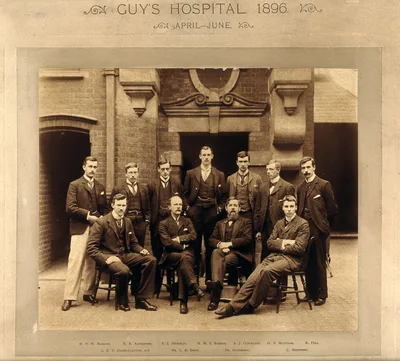
A careful examination of the records of post mortems carried out at Guy’s Hospital, 1826-92, was made by Perry and Shaw, who showed that of 70 reports of duodenal ulcer, ten occurred in cases of severe burns.
GMN 3510 · https://historyofmedicine.com/id/3975
1894 HEIDENHAIN, Rudolf Peter Heinrich (1834 – 1897)
Neue Versuche liber die Aufsaugung im Dunndarm.
GMN 1019 · https://historyofmedicine.com/id/890
1894 TOEPFER, Gustav
Eine Methode zur titrimetrischen Bestimmung der hauptsächlichsten Factoren der Magenacidität.
Toepfer’s test for hydrochloric acid in gastric juice.
GMN 3513 · https://historyofmedicine.com/id/3987
1895 –1896 NUTTALL, George Henry Falkiner (1862 – 1937); THIERFELDER, Hans (1858 – 1930)
Thierisches Leben ohne Bakterien im Verdauungskanal.
Proof that healthy life and perfect digestion are possible without the presence of bacteria in the digestive tract.
GMN 1020 · https://historyofmedicine.com/id/902
1896 BECHER, Wolf (1862 – 1906)
Zur Anwendung des Röntgenschen Verfahrens in der Medicin.
Becher introduced a solution of lead into the stomach of a guinea-pig, making it opaque to x rays; he thus showed the possibility of radiological diagnosis of gastric disease.
GMN 3516 · https://historyofmedicine.com/id/3992
1896 ROSENHEIM, Theodor (1868 – 1939)
Ueber Gastroskopie.
Rosenheim’s gastroscope.
GMN 3516.1 · https://historyofmedicine.com/id/3994
1897 KULSCHITZKY, Nikolai Konstantinovich (1856 – 1925)
Zur Frage über den Bau des Darmkanals.
The “cells of Kultschitzky” in the epithelium of the intestine, between the cells which line the gland of Lieberkühn.
GMN 1021 · https://historyofmedicine.com/id/906
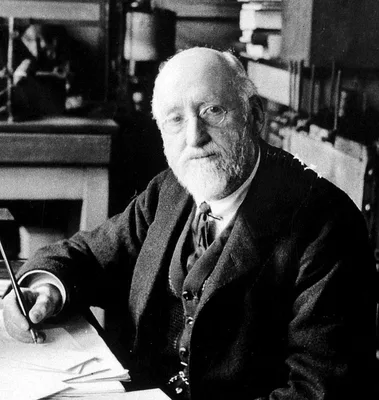
1897 PAVLOV, Ivan Petrovich (1849 – 1936)
Lektsii o rabotie glavnikh pishtshevaritelnikh zhelyoz. [Lectures on the work of the principal digestive glands.]
Pavlov's classic study of the physiology of digestion. Especially notable was his method of producing gastric and pancreatic fistulae for the purpose of his experiments. The second published edition was a German trans…
GMN 1022 · https://historyofmedicine.com/id/913
1898 CANNON, Walter Bradford (1871 – 1945)
The movements of the stomach studied by means of the Roentgen rays.
Cannon introduced the bismuth meal. He showed that bismuth, opaque to x rays, could be of great use in conjunction with roentgenology in the investigation of the digestive tract. See No. 1029.
GMN 2687.1 · https://historyofmedicine.com/id/4003
1899 ADDISON, Christopher (1869 – 1951)
On the topographical anatomy of abdominal viscera in man, especially the gastrointestinal canal.
“Addison’s transpyloric plane”. Addison was Britain’s first Minister of Health (1919-21).
GMN 1023 · https://historyofmedicine.com/id/921
1899 GRASER, Ernst (1860 – 1929)
Ueber multiple falsche Darmdivertikel in der Flexura sigmoidea.
A false diverticulum of the sigmoid flexure, described by Graser, has been given the eponym “Graser’s diverticulum”.
GMN 3520 · https://historyofmedicine.com/id/4007
1900 –1901 KILLIAN, Gustav (1860 – 1921)
Ueber Magenspiegelung.
Describes the first clinical use of the oesophagoscope by Kussmaul in 1867-68. The latter made only brief mention of it himself in his paper on the stomach pump, Dtsch. Arch. klin. Med., 1869, 6, 456.
GMN 3521 · https://historyofmedicine.com/id/4010
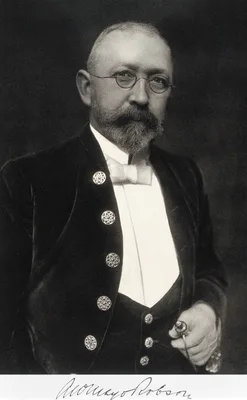
1901 ROBSON, Sir Arthur William Mayo (1853 – 1933); MOYNIHAN, Berkeley George Andrew (1865 – 1936)
Diseases of the stomach and their surgical treatment.
GMN 3524 · https://historyofmedicine.com/id/4016
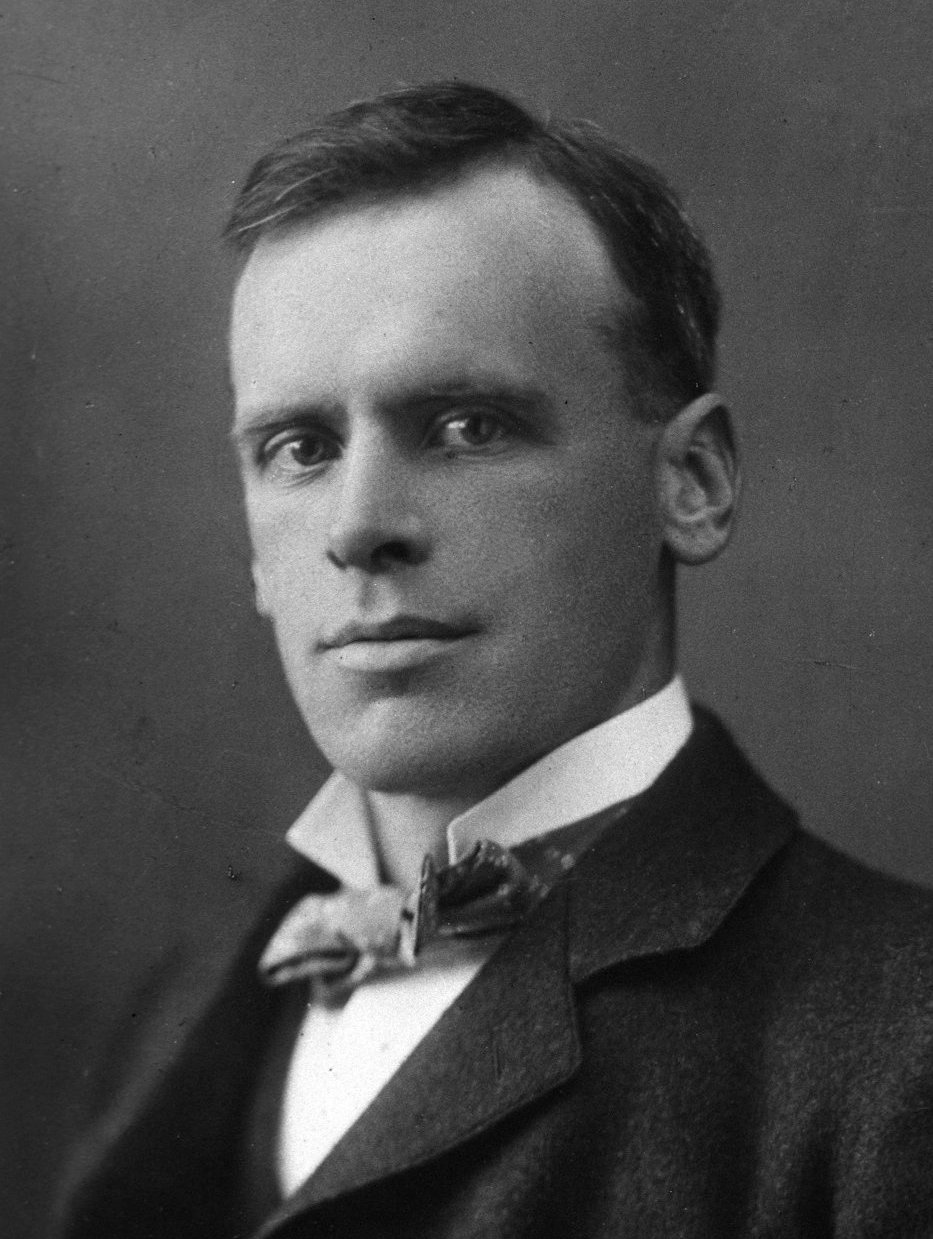
1902 STARLING, Ernest Henry (1866 – 1927); BAYLISS, Sir William Maddock (1860 – 1924)
The mechanism of pancreatic secretion.
Demonstration of the existence of secretin in the duodenal secretion. Preliminary note in Lancet, 1902, 1, 813.
GMN 1024 · https://historyofmedicine.com/id/924