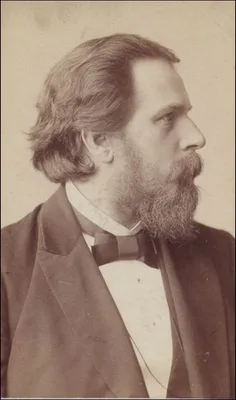
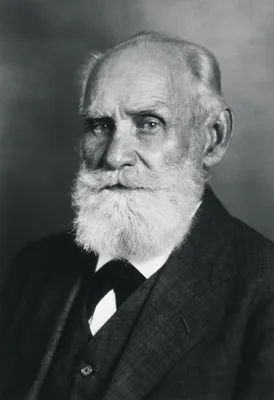
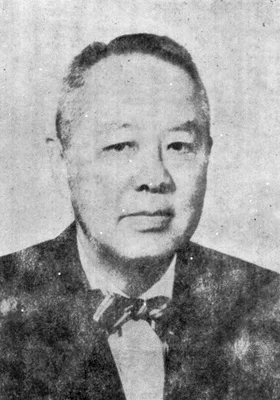
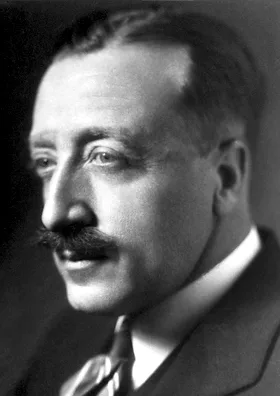
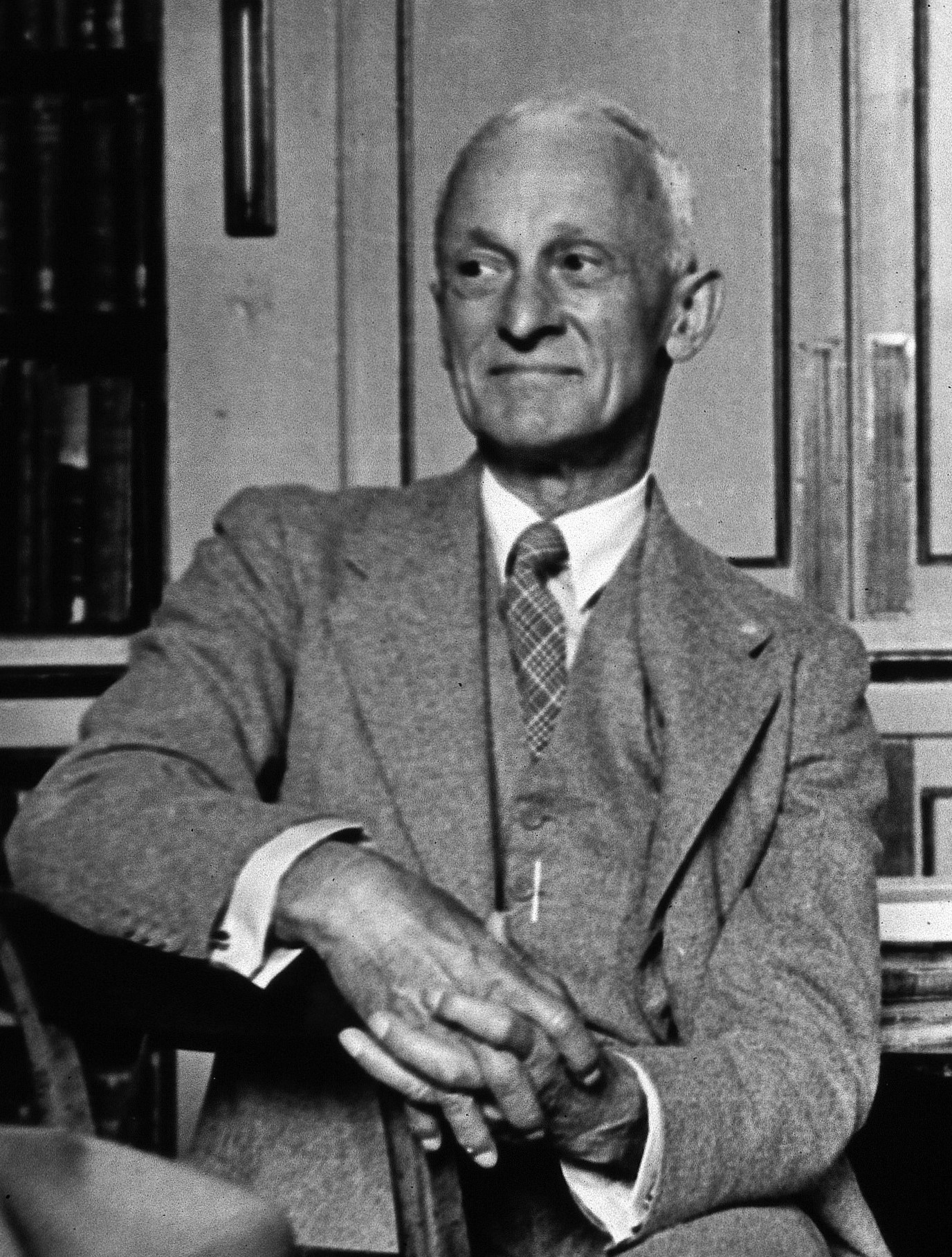
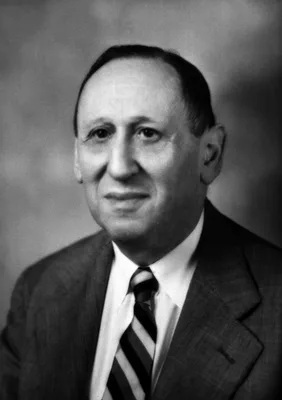
1902 RUBNER, Max (1854 – 1932)
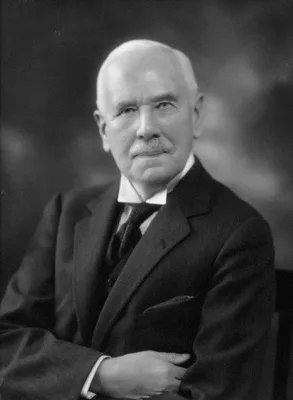
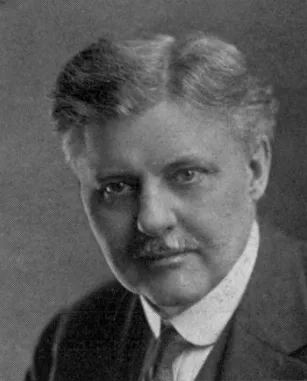
Die Gesetze des Energieverbrauchs bei der Ernährung.
Rubner’s classic work on the influence of foodstuffs on metabolism. In it he introduced the term “specific dynamic action of the foodstuffs”.
GMN 1025 · https://historyofmedicine.com/id/930
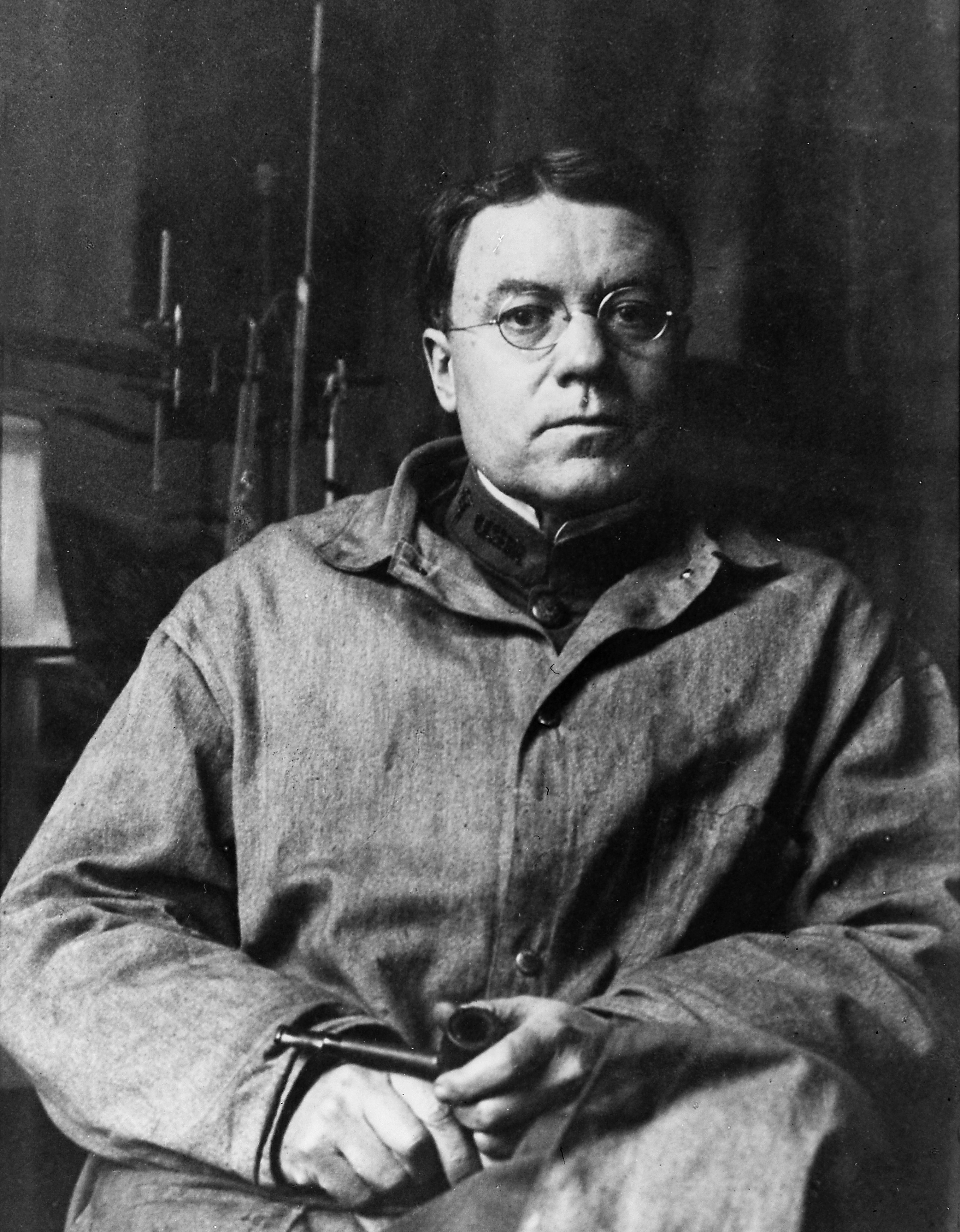
1905 CANNON, Walter Bradford (1871 – 1945)
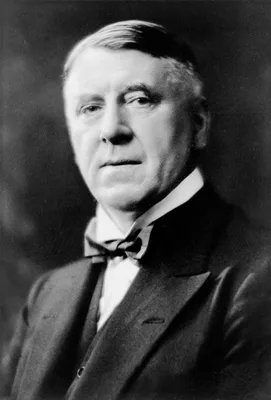
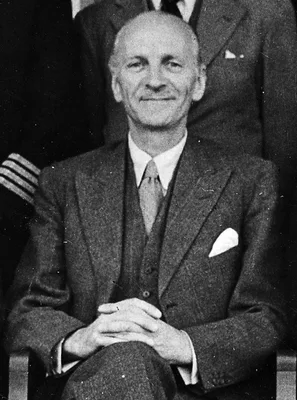
Auscultation of the rhythmic sounds produced by the stomach and intestines.
Cannon reported on the rhythmic sounds made by the GI tract, mostly basing his observations on his own abdomen. This may be the first serous study of this topic.
GMN 12457 · https://historyofmedicine.com/id/14689
1906 EDKINS, John Sydney (1863 – 1940)
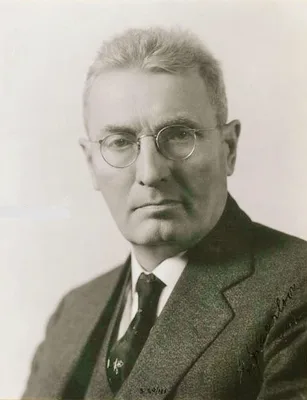
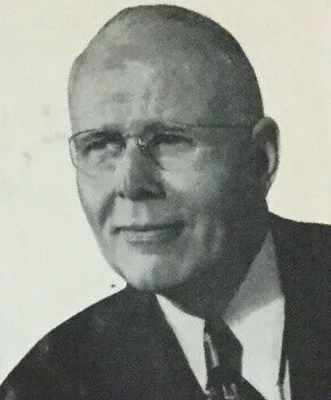
The chemical mechanism of gastric secretion.
Gastric secretin (gastrin) was first described by Edkins. A preliminary communication is in Proc. roy. Soc. B, 1905, 76, 376.
GMN 1026 · https://historyofmedicine.com/id/934
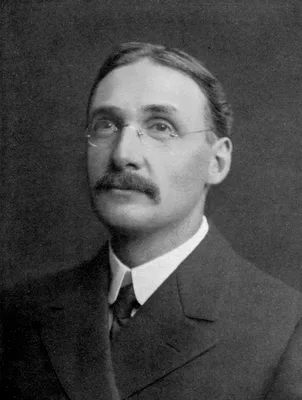
1907 WHIPPLE, George Hoyt (1878 – 1976)
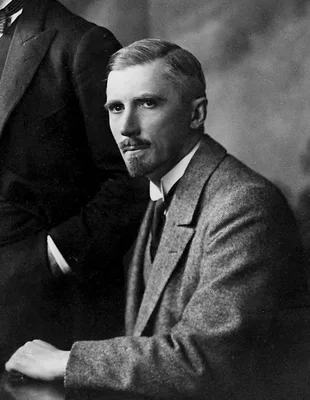
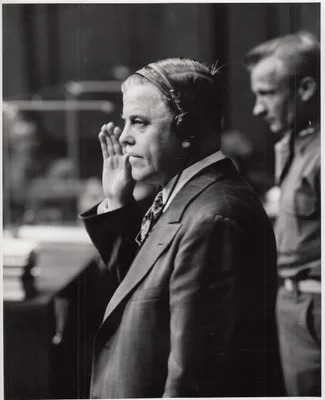
A hitherto undescribed disease characterized anatomically by deposits of fat and fatty acids in the intestinal and mesenteric lymphatic tissues.
“Whipple’s disease”. Whipple suggested the name lipodystrophia intestinalis (intestinal lipodystrophy) for this condition because there were abnormal lipid deposits in the small intestine wall. In figure 9 of his pape…
GMN 3782 · https://historyofmedicine.com/id/4680
1908 HERTER, Christian Archibald (1865 – 1910)
On infantilism from chronic intestinal infection; characterized by the overgrowth and persistence of flora of the nursling period.
“Herter’s infantilism”. Called also “Gee-Herter disease” (No. 3491).
GMN 3528 · https://historyofmedicine.com/id/4022
1909 LANE, Sir William Arbuthnot (1856 – 1943)
The operative treatment of chronic constipation.
Lane’s operation for chronic intestinal stasis (“Lane’s kink”) consisted in short-circuiting the intestine.
GMN 3531 · https://historyofmedicine.com/id/4026
1910 LONDON, Efim Semenovich (1869 – 1939); DOBROVOLSKAYA-ZAVADSKAYA, Nadezhda Alexandrovna (1878 – 1954)
Studien über die spezifische Anpassung der Verdauungssäfte. III. Mittheilung.
Digital facsimile from ECHO at this link.
GMN 1028 · https://historyofmedicine.com/id/943
1910 HAUDEK, Martin (1880 – 1931)
Zur röntgenologischen Diagnose der Ulzerationen in der Pars media des Magens.
First demonstration of the characteristic niche in gastric ulcer.
GMN 3533 · https://historyofmedicine.com/id/4029
1910 MOYNIHAN, Berkeley George Andrew (1865 – 1936)
Duodenal ulcer.
Moynihan greatly advanced our knowledge of duodenal ulcer. He developed the concept of the so-called ulcer sequence, pain-food-ease, and he stressed the well-ordered sequence of symptoms. More than any other he establ…
GMN 3535 · https://historyofmedicine.com/id/4033
1911 CANNON, Walter Bradford (1871 – 1945)
The mechanical factors of digestion.
Summarized research begun in 1896. See No. 3519.
GMN 1029 · https://historyofmedicine.com/id/948
1911 ELSNER, Hans (1874 – )
Die Gastroskopie.
Elsner designed a straight gastroscope with a rubber tip and an optical system to be pushed into the outer tube, which had a lamp at its tip.
GMN 3535.1 · https://historyofmedicine.com/id/4035
1911 FOCKENS, P
Ein operativ geheilter Fall von kongenitaler Dünndarmatresie.
Treatment of congenital atresia of ileum by lateral anastomosis.
GMN 3536 · https://historyofmedicine.com/id/4036
1912 –1913 CARLSON, Anton Julius (1875 – 1956)
Contributions to the physiology of the stomach.
Carlson recorded stomach movements by means of a balloon inserted through a gastric fistula. Much of his important work on gastric physiology was summed up in his book published in 1916. See No. 1033.
GMN 1030 · https://historyofmedicine.com/id/995
1913 GLÉNARD, Roger (1880 – 1964)
Le mouvement de l’intestin en circulation artificielle (chez les vertébrés). Thèses présentées a la Faculté des sciences de Paris.
Cinematographic studies of the movements of the intestines in animals. Digital facsimile from the Internet Archive at this link.
GMN 1031 · https://historyofmedicine.com/id/1000
1913 HERTZ, Arthur Frederick [afterwards HURST] (1879 – 1944); HURST, Sir Arthur Frederick (1879 – 1944)
The cause and treatment of certain unfavourable after-effects of gastroenterostomy.
First description of the “dumping syndrome”, so named by C. L. Mix, Surg. Clin. N. Amer., 1922, 2, 617-22. (During WWI Hertz changed his name to Hurst; see No. 8604.)
GMN 3538 · https://historyofmedicine.com/id/4040
1913 HELLER, Ernest (1877 – 1964)
Extramukose cardiaplastik beim chronischen cardiospasmus mit dilatation des esophagus.
Heller myotomy for the treatment of achalasia.
GMN 14325 · https://historyofmedicine.com/id/16650
1914 BABKIN, Boris Petrovich (1877 – 1950)
Die äussere Sekretion der Verdauungsdrüsen.
GMN 1032 · https://historyofmedicine.com/id/1001
1915 CANNON, Walter Bradford (1871 – 1945)
Bodily changes in pain, hunger, fear, and rage. An account of recent researches into the function of emotional excitement.
Observation of the effect of strong emotions on gastrointestinal motility (No. 1029) led Cannon to examination of the sympathetic nervous system and its emergency function. Cannon showed the close connexion between th…
GMN 1124 · https://historyofmedicine.com/id/1241
1915 SIPPY, Bertram Welton (1866 – 1924)
Gastric and duodenal ulcer; medical cure by an efficient removal of gastric juice corrosion.
“Sippy diet” for the treatment of peptic ulcer.
GMN 3541 · https://historyofmedicine.com/id/4047
1916 CARLSON, Anton Julius (1875 – 1956)
The control of hunger in health and disease.
Digital facsimile from the Internet Archive at this link.
GMN 1033 · https://historyofmedicine.com/id/1004
1917 TRENDELENBURG, Paul (1884 – 1931)
Physiologische und pharmakologische Versuche über die Dünndarmperistaltik.
"Trendelenburg preparation", a preparation used in determining the actions of pharmacological agents on peristalsis.
GMN 1034 · https://historyofmedicine.com/id/1007
1918 FINSTERER, Hans (1877 – 1955)
Ausgedehnte Magenresektion bei Ulcus duodeni statt der einfachen Duodenalresektion bzw.
Hofmeister-Finsterer gastro-enterostomy (see No. 3529).
GMN 3543 · https://historyofmedicine.com/id/4050
1921 RYLE, John Alfred (1889 – 1950)
Studies in gastric secretion. Introduction.
Ryle’s tube, for obtaining specimens of gastric juice.
GMN 3544 · https://historyofmedicine.com/id/4051
1922 ALVAREZ, Walter Clement (1884 – 1978)
The mechanics of the digestive tract.
Includes (p. 111) his smooth diet for duodenal ulcer. Fourth edition entitled Introduction to gastro-enterology, 1950.
GMN 1035 · https://historyofmedicine.com/id/1009
1922 SCHINDLER, Rudolf (1888 – 1968)
Probleme und Technik der Gastroskopie, mit der Beschreibung eines neuen Gastroskops.
Schindler made gastroscopy a “method”. See also his paper in the Münch, med. Wschr., 1922, 69, 535-37.
GMN 3545 · https://historyofmedicine.com/id/4052
1925 IVY, Andrew Conway (1893 – 1977); FARRELL, James Irving (1900 – )
Contributions to the physiology of gastric secretion. The proof of a humoral mechanism. A new procedure for the study of gastric physiology.
GMN 1037 · https://historyofmedicine.com/id/1016
1928 –1941 PAVLOV, Ivan Petrovich (1849 – 1936)
Lectures on conditioned reflexes. 2 vols.
Besides his work on digestion, Pavlov is remembered for his investigations upon conditioned reflexes. An English translation of another work by Pavlov, entitled Conditioned reflexes, appeared in 1927.
GMN 1445 · https://historyofmedicine.com/id/2244
1928 KONJETZNY, Georg Ernst (1880 – 1957)
Die Entzündungen des Magens. In: F. Henke & O. Lubarsch: Handbuch der speziellen pathologischen Anatomie und Histologie, 4, Heft 2, 768-1116.
Konjetzny suggested that peptic ulceration is the sequel to a specific form of gastritis.
GMN 3546 · https://historyofmedicine.com/id/4057
1929 HURST, Sir Arthur Frederick (1879 – 1944); STEWART, Matthew John (1885 – 1956)
Gastric and duodenal ulcer.
GMN 3547 · https://historyofmedicine.com/id/4058
1929 PORGES, Otto (1879 – 1968)
Ueber Gastrophotographie.
Introduction of gastrophotography.
GMN 3548 · https://historyofmedicine.com/id/4059
1929 THAYSEN, Thorald Einar Hess (1883 – 1936)
The “coeliac affection” – idiopathic steatorrhoeas.
Idiopathic steatorrhoea, first described by Gee (No. 3491) was extensively studied by Thaysen, in so far as it occurs in adults and adolescents in non-tropical countries. It also bears the name “Gee-Thaysen disease”.
GMN 3550 · https://historyofmedicine.com/id/4061
1930 KOSAKA, T; LIM, Robert Kho-Seng (1897 – 1969)
Demonstration of the humoral agent in fat inhibition of gastric secretion.
The work of Kosaka and Lim led to the discovery of a hormone inhibiting gastric secretion (“enterogastrone”).
GMN 1038 · https://historyofmedicine.com/id/1018
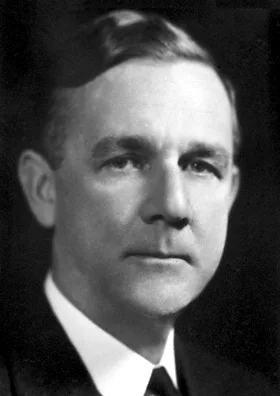
1930 NORTHROP, John Howard (1891 – 1987)
Crystalline pepsin.
Crystallization of pepsin and its identity as a protein. In 1946 Northrop shared half of the Nobel Prize in Chemistry with Wendell Meredith Stanley "for their preparation of enzymes and virus proteins in a pure form."…
GMN 1038.1 · https://historyofmedicine.com/id/1021
1932 CROHN, Burrill Bernard (1884 – 1983); ET AL
Regional ileitis. A pathologic and clinical entity.
“Crohn’s disease” – regional ileitis. With L. Ginzburg and G. D. Oppenheimer. "Some of Crohn's initial research into the causes of the Crohn's disease was centered around his personal conviction that it was caused by …
GMN 3551 · https://historyofmedicine.com/id/4062
1932 CUSHING, Harvey Williams (1869 – 1939)
Papers relating to the pituitary body, hypothalamus, and para-sympathetic nervous system.
Cushing advanced the theory that the hypothalamus is responsible for the development of peptic ulcer (see p. 175 et seq.). This work contains his four principal contributions to pituitary-hypothalamic interrelationshi…
GMN 3552 · https://historyofmedicine.com/id/4063
1932 SCHINDLER, Rudolf (1888 – 1968)
Ein völlig ungefährliches, flexibles Gastroskop.
Introduction of the flexible gastroscope.
GMN 3553 · https://historyofmedicine.com/id/4064
1932 ALVAREZ, Walter Clement (1884 – 1978); GIANTURCO, Cesare (1905 – 1995)
Roentgen ray motion pictures of the stomach.
Camera used for direct Roentgen-cinematography.
GMN 2697 · https://historyofmedicine.com/id/4308
1934 ÅGREN, Karl Gunnar (1907 – 1982)
Ueber die pharmakodynamischen Wirkungen und chemischen Eigenschaften des Secretins.
Preparation of crystalline secretin.
GMN 1039 · https://historyofmedicine.com/id/1024
1934 MEULENGRACHT, Jens Einar (1887 – 1976)
Treatment of hematemesis and melaena with food.
Meulengracht diet.
GMN 3555 · https://historyofmedicine.com/id/4066
1936 KANNER, Leo (1894 – 1981)
Rumination number. Historical notes on rumination in man. The first historical monograph on the subject.
The first historical monograph on rumination syndrome or merycism.
GMN 10640 · https://historyofmedicine.com/id/12833
1943 HAHN, Paul Francis (1908 – 1967); ET AL
Radioactive iron absorption by gastro-intestinal tract. Influence of anemia, anoxia, and antecedent feeding distribution in growing dogs.
An important contribution to the knowledge of iron absorption. With W. F. Bale, J. F. Ross, W. M. Balfour, and G. H. Whipple.
GMN 1040 · https://historyofmedicine.com/id/1032
1943 HARPER, Alfred Alexander (1907 – ); RAPER, Henry Stanley (1882 – 1951)
Pancreozymin, a stimulant of the secretion of pancreatic enzymes in extracts of the small intestine.
GMN 1040.1 · https://historyofmedicine.com/id/1038
1943 WOLF, Stewart George Jr. (1914 – 2005); WOLFF, Harold George (1898 – 1962)
Human gastric function. An experimental study of a man and his stomach.
Important experiments on gastric function, made on “Tom”, a man who had a gastric fistula from the age of 9. Second edition in 1947.
GMN 1041 · https://historyofmedicine.com/id/1042
1943 DRAGSTEDT, Lester Reynold (1893 – 1975); OWENS, Frederick Mitchum (1913 – 2004)
Supra-diaphragmatic section of the vagus nerves in treatment of duodenal ulcer.
Vagotomy for peptic ulcer.
GMN 3557 · https://historyofmedicine.com/id/4068
1955 ZOLLINGER, Robert Milton (1903 – 1992); ELLISON, Edwin Homer (1918 – 1970)
Primary peptic ulcerations of the jejunum associated with islet cell tumors of the pancreas.
Zollinger-Ellison syndrome.
GMN 3558.2 · https://historyofmedicine.com/id/4071
1958 HIRSCHOWITZ, Basil Isaac (1925 – 2013)
Demonstration of the new gastroscope, the “fiberscope”.
The Hirschowitz fiber optic endoscope, the "Fiberscope." In February 1957 Hirschowitz passed the first prototype instrument down his own throat and, a few days later, down that of a patient. Hirschowitz gave the first…
GMN 3558.3 · https://historyofmedicine.com/id/4072
1958 EISEMAN, Ben (1917 – 2012); BASCOM, George S. (1927 – 1993); SILEN, W.; ET AL
Fecal enema as an adjunct in the treatment of pseudomembranous enterocolitis.
Order of authorship in the original publication: Eiseman, Silen, Bascom.... Report of the first "fecal transplant / fecal therapy," also known as "faecal microbiota transplanation," for recurrent / resistant C. diffic…
GMN 11458 · https://historyofmedicine.com/id/13657
1961 YARDLEY, John Howard (1926 – 2011); HENDRIX, Thomas Russell (1920 – 2013)
Combined electron and light microscopy in Whipple's disease. Demonstration of "bacillary bodies" in the intestine.
Order of authorship in the original publication: Yardley, Hendrix. The authors made the first observations of previously uncultured, unseen and unidentified bacilli associated with Whipple's disease, suggesting that i…
GMN 11979 · https://historyofmedicine.com/id/14187
1983 MARSHALL, Barry James (1951 – ); WARREN, John Robin (1937 – )
Unidentified curved bacilli on gastric epithelium in active chronic gastritis.
In 2005 Marshall and Warren shared the Nobel prize in Physiology or Medicine "for their discovery of the bacterium Helicobacter pylori and its role in gastritis and peptic ulcer disease." See also their follow-up pape…
GMN 8475 · https://historyofmedicine.com/id/10652
1987 COCHETON, Jean-Jacques; GUERRE, Jean; PEQUIGNOT, Henri
Histoire illustrée de l’hépato-gastro-entérologie de l’antiquité à nos jours.
GMN 3666.8 · https://historyofmedicine.com/id/4828