1880 SANDSTRÖM, Ivar Victor (1852 – 1889)
Om en ny körtel hos menniskan och atskilliga däggdjur.
Remak, Owen, and Virchow had previously noted the presence of what may have been parathyroids; the first systematic account of them was given by Sandström. An English translation of this paper appeared in Bull. Inst. …
GMN 1127 · https://historyofmedicine.com/id/1257
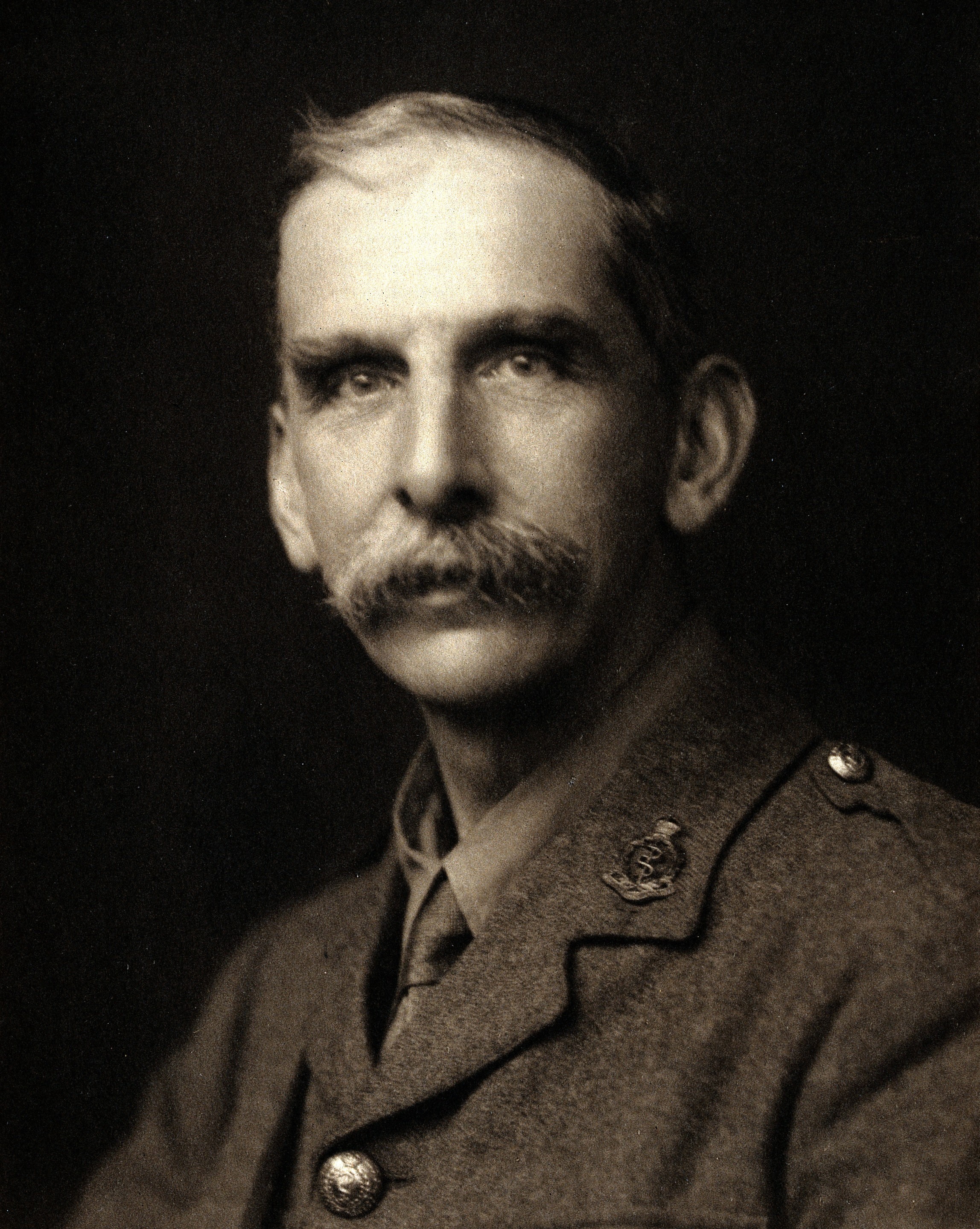
1884 HORSLEY, Sir Victor Alexander Haden (1857 – 1916)
A recent specimen of artificial myxoedema in a monkey.
By experimental removal of the thyroid Horsley produced artificial myxedema, confirming previous work by Reverdin and others. At the time his results were regarded as proof that total thyroidectomy produces operative …
GMN 3834 · https://historyofmedicine.com/id/4852
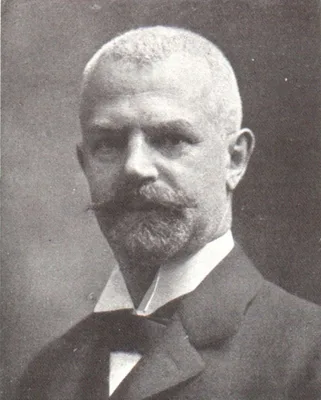
1892 EISELSBERG, Anton von (1860 – 1939)
Lieber erfolgreiche Einheilung der Katzenschilddrüse in die Bauchdecke und Auftreten von Tetanie nach deren Exstirpation.
Experimental production of tetany by excision of the thyroid of a cat, previously successfully transplanted into the abdomen.
GMN 3856 · https://historyofmedicine.com/id/4901
1896 VASSALE, Giulio (1862 – 1912); GENERALI, Francesco
Sugli effeti dell’ estirpazione delle ghiandole paratiroidee.
Demonstration that tetany follows removal of the parathyroids. A French translation of the paper is in Arch. ital. Biol., 1896, 25, 459-64.
GMN 3857 · https://historyofmedicine.com/id/4903
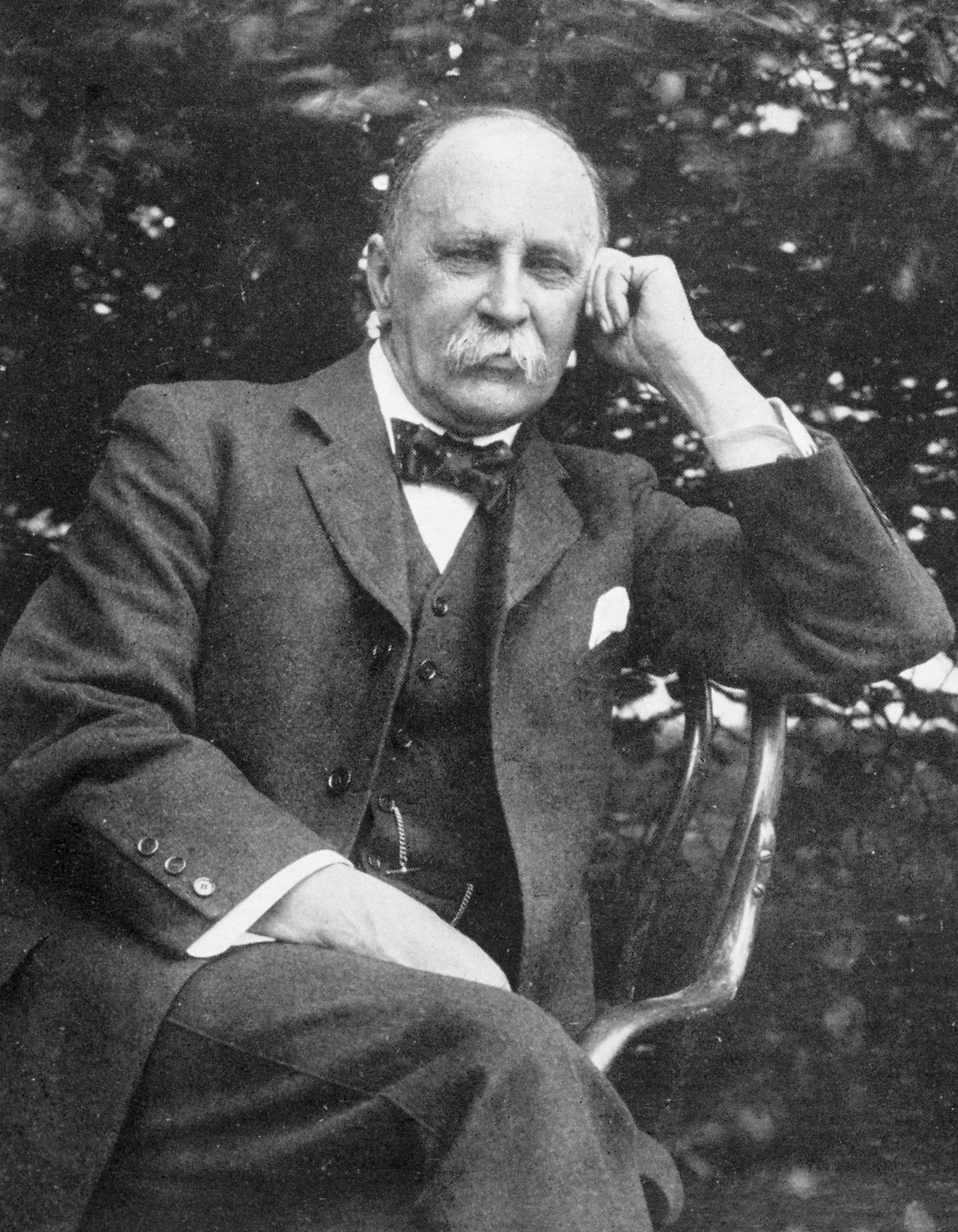
1897 OSLER, Sir William (1849 – 1919)
Sporadic cretinism in America.
In 1893 Osler was among the first American physicians to use thyroid extract to treat myxedema or cretinism. He made a special study of the disease, corresponding with physicians across America to try to determine its…
GMN 11272 · https://historyofmedicine.com/id/13469
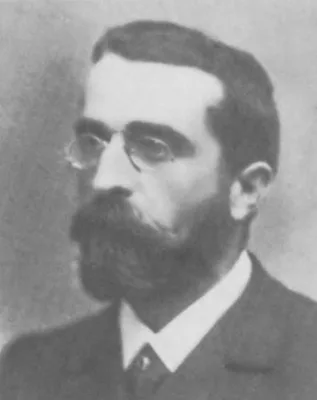
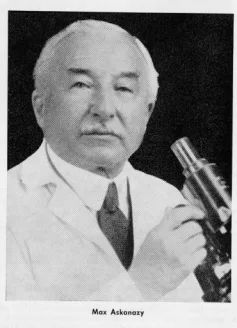
1904 ASKANAZY, Max (1865 – 1940)
Ueber Ostitis deformans ohne osteoides Gewebe.
Askanazy was the first to associate osteitis fibrosa cystica with parathyroid tumors.
GMN 3858 · https://historyofmedicine.com/id/4905
1909 MACCALLUM, William George (1874 – 1944); VOEGTLIN, Carl (1879 – 1960)
On the relation of tetany to the parathyroid glands and to calcium metabolism.
Proof that the parathyroids control calcium metabolism. MacCallum and Voegtlin were able to demonstrate the removal of post-parathyroidectomy tetany by administration of calcium.
GMN 3859 · https://historyofmedicine.com/id/4907
1909 HALSTED, William Stewart (1852 – 1922)
Auto- and isotransplantation, in dogs, of the parathyroid glandules.
GMN 3860 · https://historyofmedicine.com/id/4908
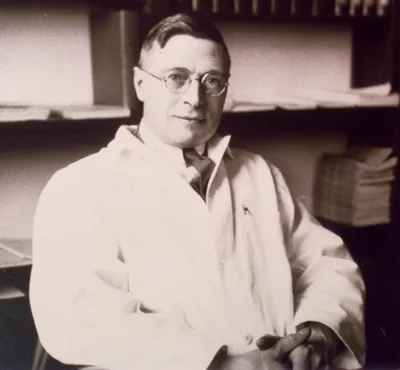
1925 COLLIP, James Bertram (1892 – 1965)
The extraction of a parathyroid hormone which will prevent or control parathyroid tetany and which regulates the level of blood calcium.
Isolation of parathormone, the active principle of the parathyroids. Collip’s “parathormone”. He showed that it raises the calcium level in para-thyroidectomized dogs.
GMN 1136 · https://historyofmedicine.com/id/1325
1925 COLLIP, James Bertram (1892 – 1965); LEITCH, Douglas Burrows (1888 – 1974)
A case of tetany treated with parathyrin.
First use of parathyroid hormone in the treatment of tetany.
GMN 3862 · https://historyofmedicine.com/id/3598
1925 MANDL, Felix (1892 – 1957)
Therapeutischer Versuch bei Ostitis fibrosa generalisata mittels Exstirpation eines Epithelkörperchentumors.
Mandl was the first successfully to treat generalized osteitis fibrosa by extirpation of a parathyroid tumor.
GMN 3863 · https://historyofmedicine.com/id/4913
1962 COPP, Douglas Harold (1915 – 1998); ET AL
Evidence for calcitonin – a new hormone from the parathyroid that lowers blood calcium.
With E. C. Cameron, B. A. Cheney, A. G. F. Davidson, and K. G. Henze.
GMN 1138.2 · https://historyofmedicine.com/id/1351