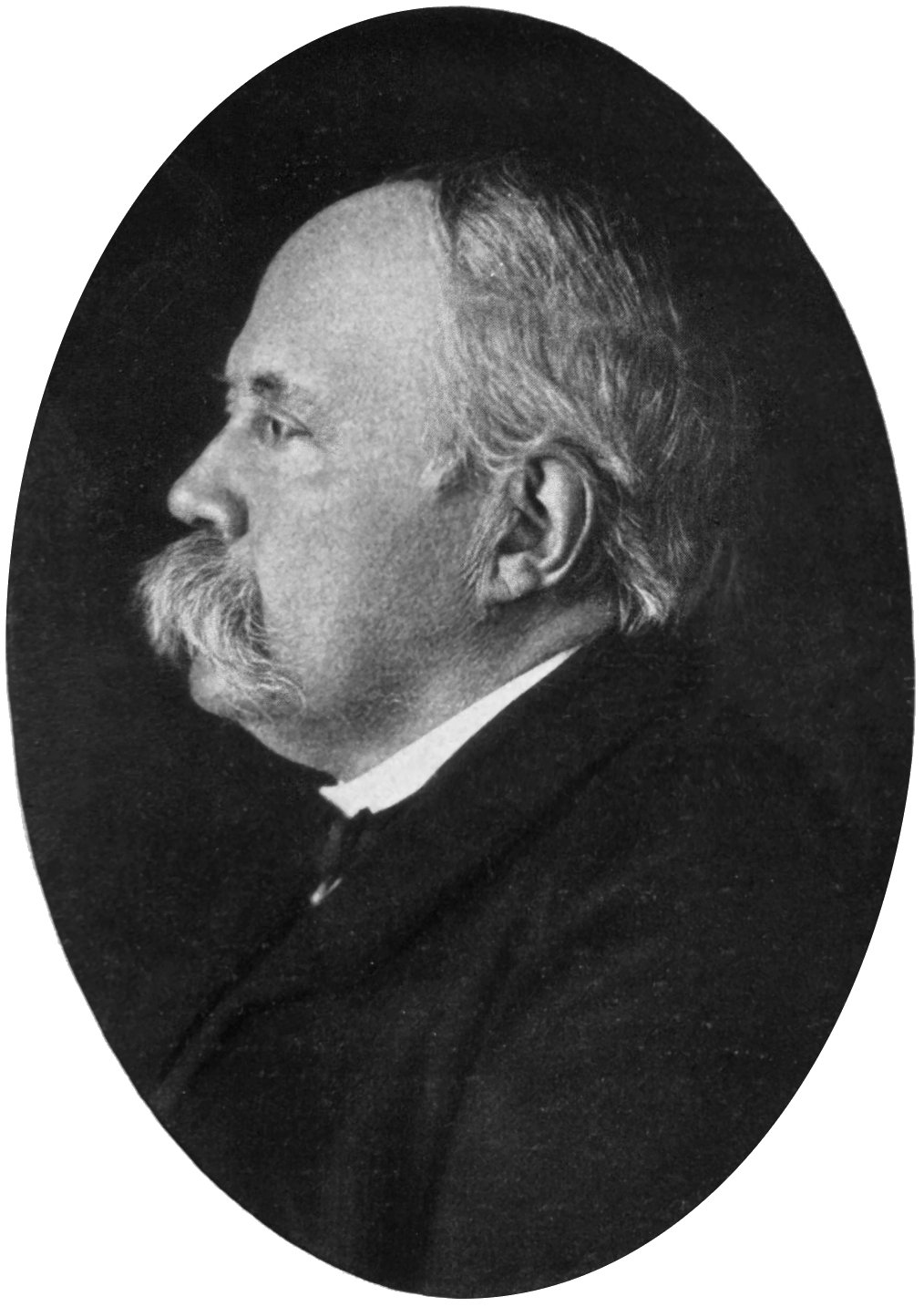
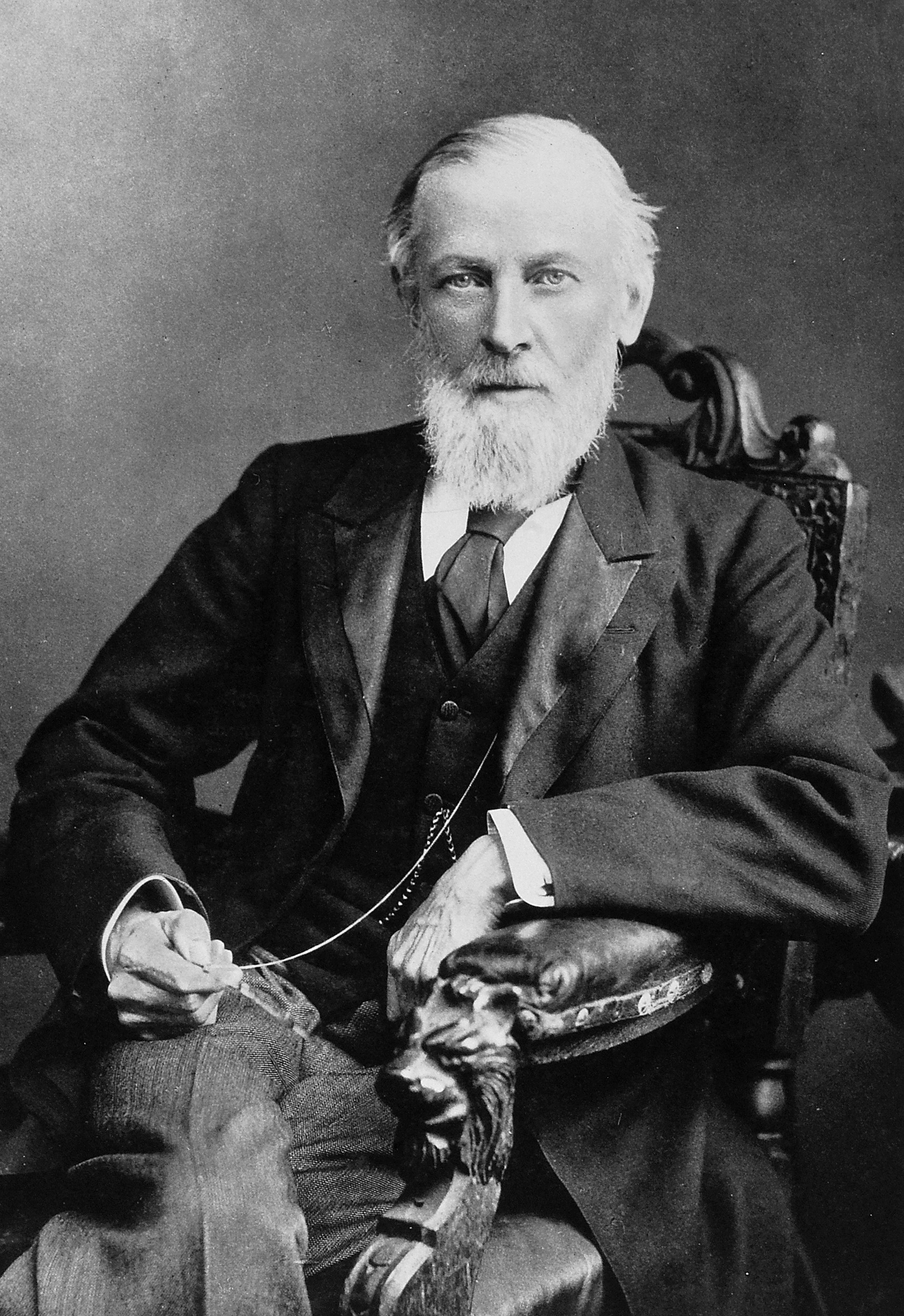
1529 CAELIUS AURELIANUS (500 – ); SORANUS OF EPHESUS (ΣΩΡΑΝΌΣ) (100 – 150); ORIBASIUS (ὈΡΕΙΒΆΣΙΟΣ), [Oreibasius] (320 – 403); SICARD, Johannes [Sichardt;Sichardus] (1499 – 1552)
Caelii Aureliani Siccensis Tardarum passionum libri V. D. Oribasii Sardi Iuliani Caesaris archiatri Euporiston lib: III. Medicinae comperi: lib: 1. Curationum lib: 1. Trochiscoru confect: lib: 1.
From a clinical point of view, the two works of Caelius Aurelianus, which were translated into Latin from Greek originals by Soranus of Ephesus that were later lost, represent the high-point of Graeco-Roman medical ac…
GMN 1959.1 · https://historyofmedicine.com/id/6052
1861 MENIÈRE, Prosper (1799 – 1862)
Mémoire sur des lésions de l’oreille interne donnant lieu à des symptomes de congestion cérébrale apoplectiforme.
First description of aural vertigo (“Menière’s syndrome”). First appeared in summary form in Bull. Acad. imp. Méd., 1860-61, 26, 241, and in Gaz. méd. Paris, 1861, 16, 29, with title: Surune forme de surdité grave dép…
GMN 3372 · https://historyofmedicine.com/id/4776
1870 GOLTZ, Friedrich Leopold (1834 – 1902)
Ueber die physiologische Bedeutung der Bogengänge des Ohrlabyrinths.
Goltz demonstrated the relation of vertigo and vestibular disturbance, showing that the former is a result of disease or irritation of the semicircular canals.
GMN 1564 · https://historyofmedicine.com/id/1230
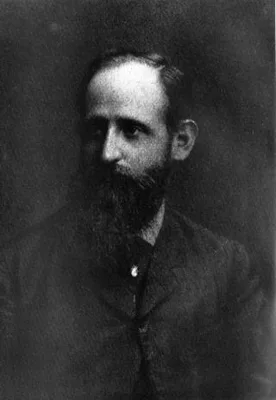
1874 BREUER, Josef (1842 – 1925)
Ueber die Function der Bogengänge des Ohrlabyrinthes.
“[Breuer’s] basic premise was that the semicircular canals sense angular movement of the head by movement of the fluid (endolymph) within them. The endolymph moves relative to the walls of the canals because of its in…
GMN 14350 · https://historyofmedicine.com/id/16680
1890 FOSTER, Wallace
The deaf soldier: A brief synopsis of one hundred and two cases of deafness. Prepared for the consideration of the Senate and House of Representatives of the United States.
One of the earliest accounts of the recognition of loss of hearing due to firearms and explosions during war. Foster, secretary and treasurer of the Silent Army of Deaf Soldiers, Sailors and Marines, presented 100 cas…
GMN 7229 · https://historyofmedicine.com/id/9397
1907 GOWERS, Sir William Richard (1845 – 1915)
The border-land of epilepsy. Faints, vagal attacks, vertigo, migraine, sleep symptoms, and their treatment.
GMN 4821 · https://historyofmedicine.com/id/1628
1911 BÁRÁNY, Robert (1876 – 1936)
Vestibularapparat und Zentralnervensystem.
“Bárány’s syndrome” – unilateral deafness, vertigo, and pain in the occipital region.
GMN 3402 · https://historyofmedicine.com/id/5169
1924 MAGNUS, Rudolf (1873 – 1927)
Körperstellung.
A classic work on muscle tone and posture, a subject upon which Magnus spent many years of study. He demonstrated among other things that the labyrinth is the one sense organ entirely concerned with posture and equili…
GMN 661 · https://historyofmedicine.com/id/537
1926 MAGNUS, Rudolf (1873 – 1927)
Cameron Prize Lectures on some results of studies in the physiology of posture.
Magnus demonstrated the function of the otoliths and semicircular canals of the inner ear in regulating the equilibrium of the body.
GMN 663.1 · https://historyofmedicine.com/id/539
1952 HALLPIKE, Charles Skinner (1900 – 1979); DIX, Margaret Ruth (1902 – 1991)
The pathology, symptomatology and diagnosis of certain common disorders of the vestibular system.
Dix–Hallpike test or Nylen–Barany test, a diagnostic maneuver used to identify benign paroxysmal positional vertigo (BPPV). Digital facsimile from PubMedCentral at this link.
GMN 12209 · https://historyofmedicine.com/id/14419
2017 BALOH, Robert W.
Vertigo: Five physician scientists and the quest for a cure.
Concerns the work of Prosper Ménière, Josef Breuer, Robert Bárány, Charles Hallpike, and Harold Schuknecht.
GMN 14347 · https://historyofmedicine.com/id/16677