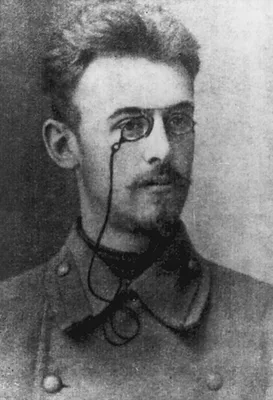
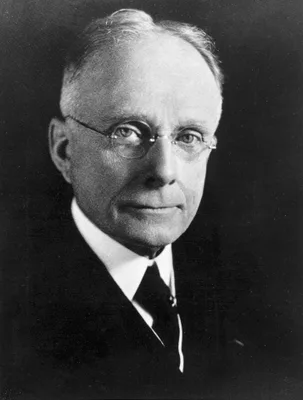
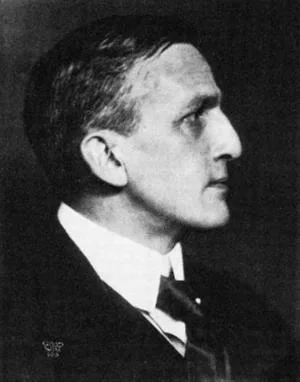
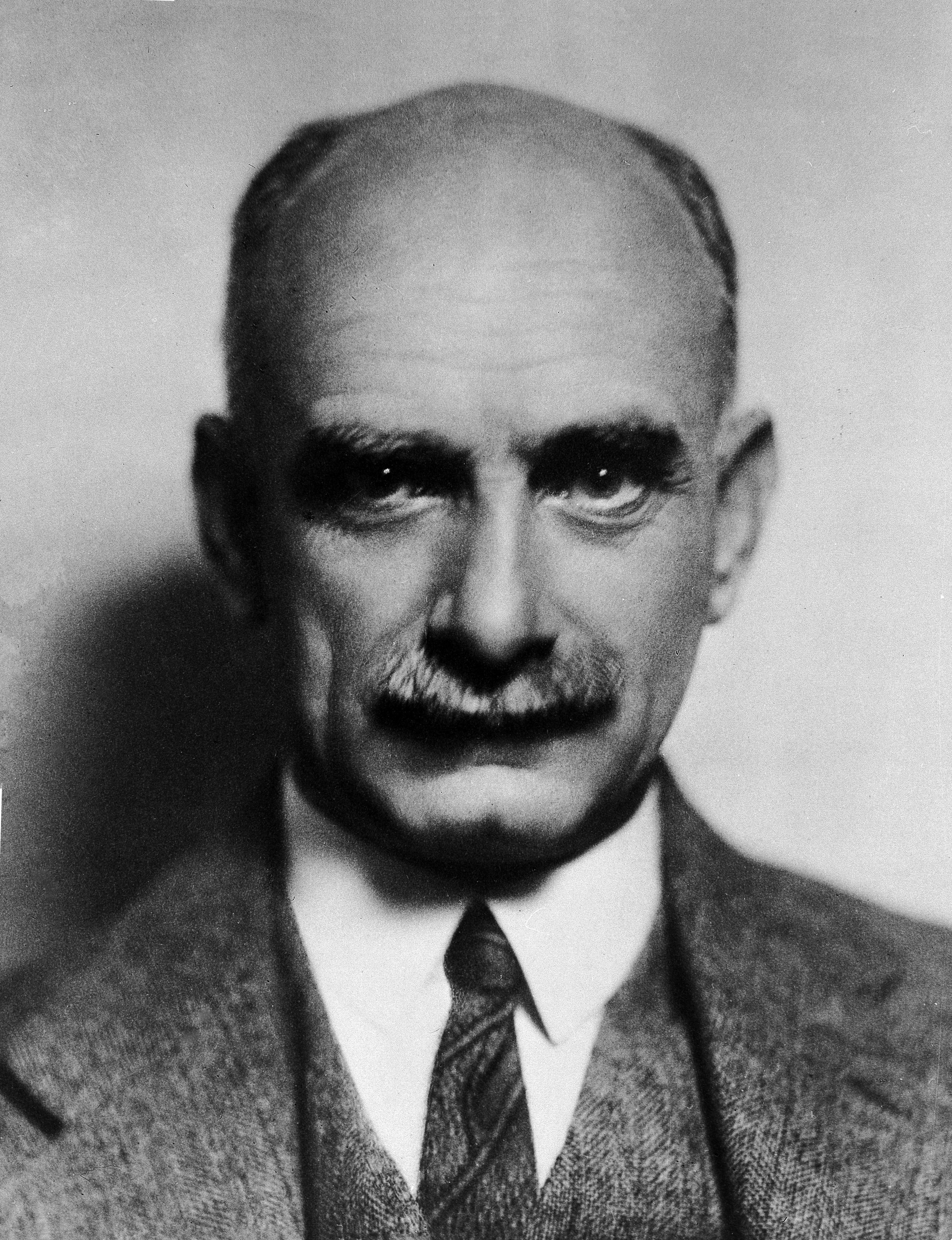
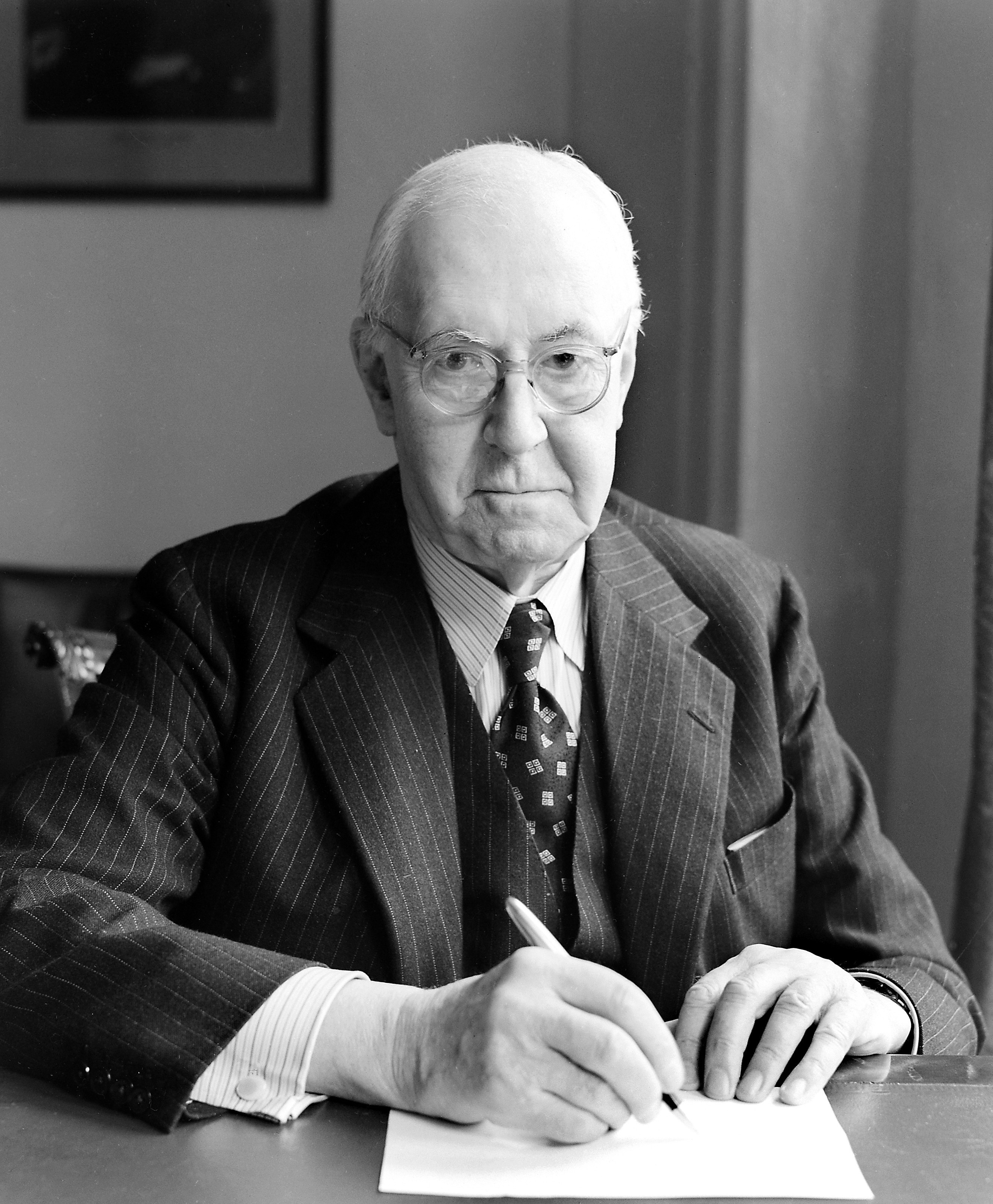
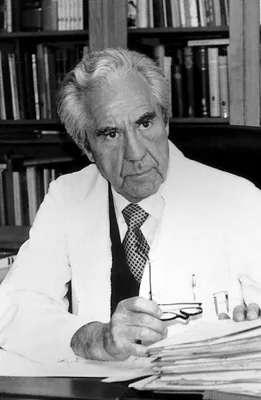
1900 –1901 KILLIAN, Gustav (1860 – 1921)
Ueber Magenspiegelung.
Describes the first clinical use of the oesophagoscope by Kussmaul in 1867-68. The latter made only brief mention of it himself in his paper on the stomach pump, Dtsch. Arch. klin. Med., 1869, 6, 456.
GMN 3521 · https://historyofmedicine.com/id/4010
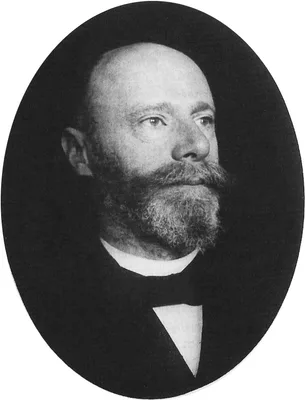
1901 EINTHOVEN, Willem (1860 – 1927)
Un nouveau galvanomètre.
Einthoven directed much of his research to the development and perfection of recording instruments. His most famous work was in connexion with his string galvanometer, a perfection of the instrument invented by J. S. …
GMN 840 · https://historyofmedicine.com/id/598
1902 EINTHOVEN, Willem (1860 – 1927)
Galvanometrische registratie van het menschelijk electrocardiogram IN: Herinneringsbundel Prof. S.S. Rosenstein, pp.101-106.
First description of Einthoven's string galvanometer that recorded electrical changes occurring in the human heart. Includes the first illustration of an EKG (ECG) recording. Modern electrocardiography became a realit…
GMN 842 · https://historyofmedicine.com/id/618
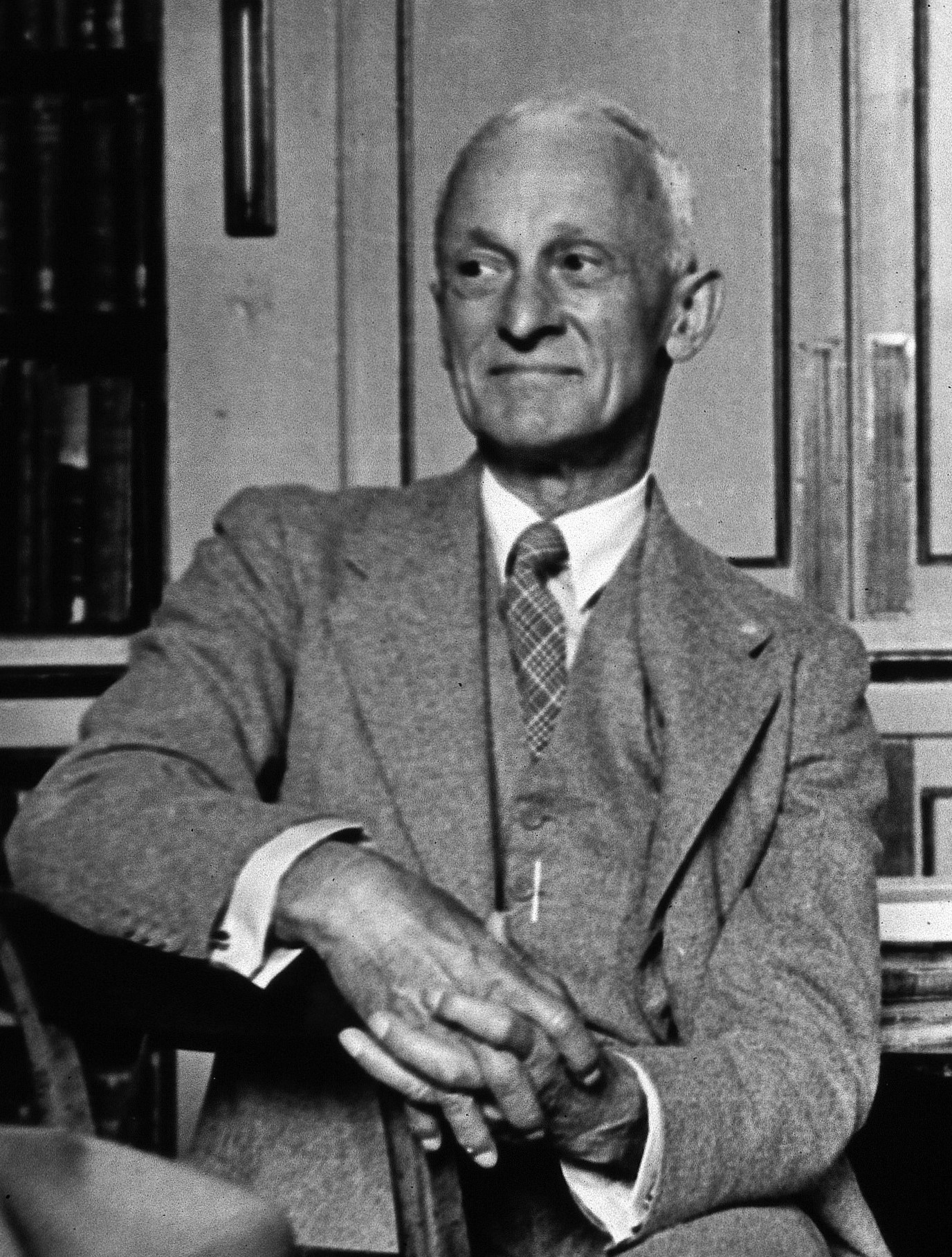
1902 CUSHING, Harvey Williams (1869 – 1939)
Some experimental and clinical observations concerning states of increased intracranial tension.
According to Theodore Janeway (No. 11572), Cushing was the first to recommend routine measurement of blood pressure during surgery using the Riva Rocci sphygmomanometer.(See No. 2804). Cushing visited Riva Rocci at Pa…
GMN 11573 · https://historyofmedicine.com/id/13772
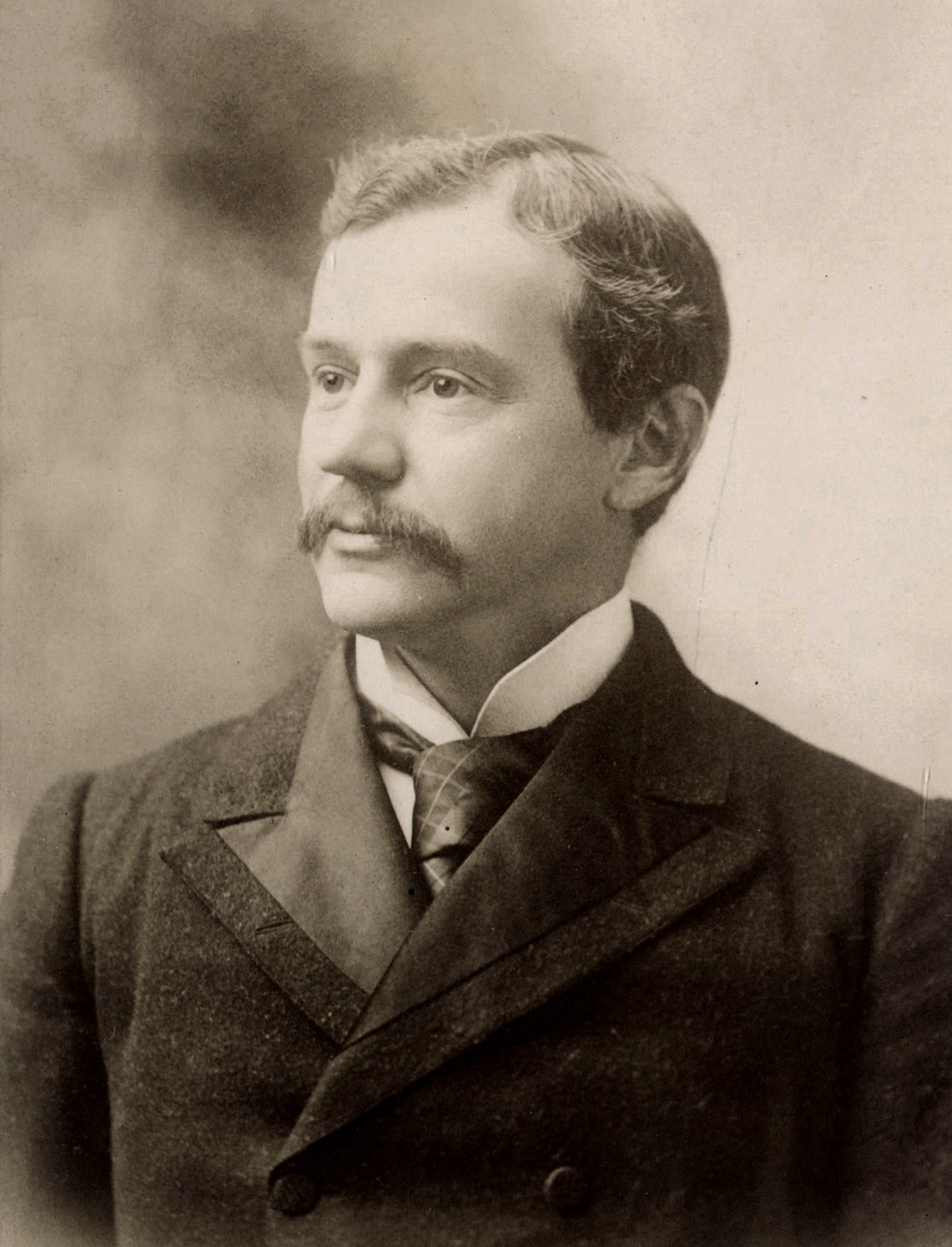
1903 KELLY, Howard Atwood (1858 – 1943)
Instruments for use through cylindrical rectal specula, with the patients in the knee-chest posture.
Various rectal and vesical specula were designed by Kelly.
GMN 3526 · https://historyofmedicine.com/id/4018
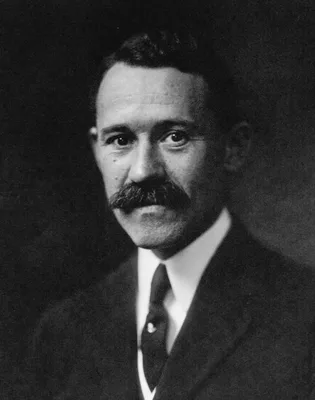
1904 JANEWAY, Theodore Caldwell (1872 – 1917)
The clinical study of blood-pressure. A guide to the use of the sphygmomanometer in medical, surgical and obstetrical practice, with a summary of the experimental and clinical facts relating to the blood-pressure in health and disease.
The earliest American monograph on hypertension and its detection. Digital facsimile from the Hathi Trust at this link.
GMN 11572 · https://historyofmedicine.com/id/13771
1905 KOROTKOV, Nikolai Sergeievich (1874 – 1920)
On methods of studying blood pressure.
Korotkov introduced the modern method of applying the stethoscope to the brachial artery during blood-pressure examination with Riva-Rocci’s sphygmomanometer, for the purpose of investigating the sounds made by the bl…
GMN 2818 · https://historyofmedicine.com/id/3498
1905 KUHN, Franz (1866 – 1929)
Perorale Tubagen mit und ohne Druck.
Kuhn introduced the intratracheal insufflation method of anesthetization about 1900; he used a flexible metal tube and a curved introducer. He also experimented with positive and negative pressure insufflation.
GMN 5693 · https://historyofmedicine.com/id/7432
1906 EINTHOVEN, Willem (1860 – 1927)
Het telecardiogram.
This paper includes the first published ECG tracing of atrial fibrillation. See W. Bruce Fye, "Tracing atrial fibrillation - 100 years," New Eng. J. Med., 355 (2006) 1412.
GMN 11589 · https://historyofmedicine.com/id/13788
1907 EINTHOVEN, Willem (1860 – 1927)
Die Registrierung der menschlichen Herztone mittels des Saitengalvanometers
Phonocardiography.
GMN 846 · https://historyofmedicine.com/id/634
1907 FELLNER, Bruno
Neuerung zur Messung des systolischen und diastolischen Druckes.
Fellner suggested the use of the stethoscope in the measurement of systolic and diastolic pressure.
GMN 2825 · https://historyofmedicine.com/id/3534
1907 JACKSON, Chevalier (1865 – 1958)
Tracheo-bronchoscopy, esophagoscopy and gastroscopy.
First textbook on endoscopy.
GMN 3337 · https://historyofmedicine.com/id/4599
1908 OMBRÉDANNE, Louis (1871 – 1956)
Un appareil pour l’anesthésie par l’éther.
Ombrédanne ether inhaler.
GMN 5693.1 · https://historyofmedicine.com/id/7433
1909 SAMOJLOFF, A.
Elektrokardiogramme.
This 37-page pamphlet was the earliest collection of information regarding electrocardiography. It contained "only single lead electrocardiograms, limited to mitral stenosis and hypertrophy of the right and left venti…
GMN 11680 · https://historyofmedicine.com/id/13881
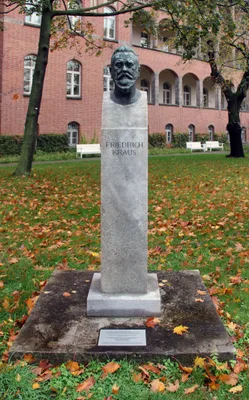
1910 KRAUS, Friedrich (1858 – 1936); NICOLAI, Georg Friedrich (1874 – 1964)
Das Elektrokardiogramm des gesunden and kranken Menschen.
The first comprehensive monograph on electrocardiography in any language.
GMN 11674 · https://historyofmedicine.com/id/13875
1911 ELSNER, Hans (1874 – )
Die Gastroskopie.
Elsner designed a straight gastroscope with a rubber tip and an optical system to be pushed into the outer tube, which had a lamp at its tip.
GMN 3535.1 · https://historyofmedicine.com/id/4035
1911 MCKESSON, Elmer Isaac (1881 – 1935)
Nitrous oxide-oxygen anaesthesia. With a description of a new apparatus.
Intermittent gas-oxygen machine.
GMN 5697 · https://historyofmedicine.com/id/7446
1912 BOOTHBY, Walter Meredith (1880 – 1953); COTTON, Frederick Jay (1869 – 1938)
Nitrous oxide-oxygen-ether anesthesia: notes on administration; a perfected apparatus.
Boothby and Cotton’s flowmeter.
GMN 5698 · https://historyofmedicine.com/id/7448
1913 KELLY, Sir Robert Ernest (1879 – 1944)
Intratracheal anaesthesia.
Kelly’s intratracheal ether apparatus.
GMN 5699.2 · https://historyofmedicine.com/id/7456
1913 LEWIS, Sir Thomas (1881 – 1945)
Clinical electrocardiography.
The first textbook of electrocardiography.
GMN 11679 · https://historyofmedicine.com/id/13880
1916 SHIPWAY, Sir Francis Edward (1875 – 1968)
The advantages of warm anaesthetic vapours, and an apparatus for their administration.
Shipway apparatus.
GMN 5699.3 · https://historyofmedicine.com/id/7458
1916 KIELLAND, Christian Caspar Gabriel (1871 – 1941)
Ueber die Anlegung der Zange am nicht rotierten Kopf mit Beschreibung eines neuen Zangenmodelles und einer neuen Anlegungsmethode.
Kielland forceps. English translation and historical background in E.P. Jones, Kielland’s forceps, London, 1952.
GMN 6219 · https://historyofmedicine.com/id/7638
1917 –1918 BOYLE, Henry Edmund Gaskin (1875 – 1941)
Nitrous oxide-oxygen-ether outfit.
Boyle’s continous-flow anesthetic machine.
GMN 5700 · https://historyofmedicine.com/id/7462
1920 MANN, Hubert (1891 – 1975)
A method of analyzing the electrocardiogram.
Mann developed the monocardiogram while a fourth-year medical student. This was the first vector loop and the beginning of modern vectorcardiography.
GMN 2853.1 · https://historyofmedicine.com/id/3639
1920 DELEE, Joseph Bolivar (1869 – 1942)
The prophylactic forceps operation.
DeLee's advocacy of prophylactic forceps delivery made forceps deliveries more common. It remains probably his most controversial contribution to obstetrics. "At a meeting of the American Gynecological Society in 1920…
GMN 12489 · https://historyofmedicine.com/id/14722
1922 SCHINDLER, Rudolf (1888 – 1968)
Probleme und Technik der Gastroskopie, mit der Beschreibung eines neuen Gastroskops.
Schindler made gastroscopy a “method”. See also his paper in the Münch, med. Wschr., 1922, 69, 535-37.
GMN 3545 · https://historyofmedicine.com/id/4052
1923 MCCARTHY, Joseph Francis (1874 – 1965)
A new type of observation and operating cysto-urethroscope.
McCarthy foroblique pan-endoscope.
GMN 4198.1 · https://historyofmedicine.com/id/6163
1927 BLUMGART, Hermann Ludwig (1895 – 1977); YENS, Otto C.
Studies on the velocity of blood flow: I. The method utilized.
Reports the first diagnostic procedure, done in 1925, using radioactive indicators on humans. "Less well recognized is the fact that Blumgart and his coworker Otto C. Yens, then a medical student, developed the first …
GMN 9335 · https://historyofmedicine.com/id/11517
1928 DALE, Sir Henry Hallett (1875 – 1968); SCHUSTER, Edgar Hermann Joseph (1899 – 1969)
A double perfusion-pump.
Mechanical heart.
GMN 856.1 · https://historyofmedicine.com/id/720
1929 DAS, Sir Kedarnath (1867 – 1936)
Obstetric forceps, its history and evolution.
GMN 6299.1 · https://historyofmedicine.com/id/8040
1932 SCHINDLER, Rudolf (1888 – 1968)
Ein völlig ungefährliches, flexibles Gastroskop.
Introduction of the flexible gastroscope.
GMN 3553 · https://historyofmedicine.com/id/4064
1935 LINDBERGH, Charles Augustus (1902 – 1974)
An apparatus for the culture of whole organs.
In 1931, the year before his son’s sensational kidnapping, the celebrity aviator began working with Alexis Carrel at the Rockefeller Institute on a perfusion pump which would allow the cultivation of whole organs in v…
GMN 858.1 · https://historyofmedicine.com/id/736
1937 MEYERHOF, Max (1874 – 1945); IBN ALĪ AL MAUSILĪ, 'Ammār (996 – 1020)
The cataract operations of 'Ammar Ibn Alī Al-Mausilī by Max Meyerhof.
Mausilī invented a hollow metallic syringe, which he applied through the sclerotic, and successfully extracted cataracts through suction.
GMN 9441 · https://historyofmedicine.com/id/11624
1938 MØLLER-CHRISTENSEN, Vilhelm (1903 – 1988)
The history of the forceps: An investigation on the occurrence, evolution, and use of the forceps from prehistoric times to the present (with a summary in Danish). Translated by William Ernest Calvert.
Not limited to the obstetric forceps.
GMN 2682.51 · https://historyofmedicine.com/id/3602
1939 GIBBON, John Heysham Jr. (1903 – 1973)
An oxygenator with a large surface–volume ratio.
First heart–lung machine used successfully on an animal.
GMN 3038.1 · https://historyofmedicine.com/id/3454
1947 HOWARD-JONES, Norman (1909 – 1985)
A critical study of the origins and early development of hypodermic medication.
GMN 2063 · https://historyofmedicine.com/id/2344
1947 RADCLIFFE, Walter
The secret instrument. The birth of the midwifery forceps.
Reprinted with No. 6311.5, San Francisco, Norman Publishing, 1989.
GMN 6311 · https://historyofmedicine.com/id/8054
1952 ZOLL, Paul Maurice (1911 – 1999)
Resuscitation of the heart in ventricular standstill by external electric stimulation.
External cardiac pacemaker. "The medical world took notice when Zoll announced in 1952 that he had successfully kept a patient alive through numerous episodes of ventricular standstill using a bedside device that deli…
GMN 2883 · https://historyofmedicine.com/id/4237
1954 GIBBON, John Heysham Jr. (1903 – 1973)
Application of a mechanical heart and lung apparatus to cardiac surgery.
First pump oxygenator used on humans. Performed on May 6, 1953, this was the first successful intracardiac operation in a patient with the use of total heart-lung bypass.
GMN 3047.5 · https://historyofmedicine.com/id/3564
1954 HOPKINS, Harold Horace (1918 – 1994); KAPANY, Narinder Singh (1926 – )
A flexible fibrescope, using static scanning.
GMN 3558.1 · https://historyofmedicine.com/id/4070
1955 LILLEHEI, Clarence Walton (1918 – 1999)
Controlled cross circulation for direct-vision intracardiac surgery; correction of ventricular septal defects, atrioventricularis communis, and tetralogy of Fallot.
Controlled cross circulation (human heart–lung “machine”) for intracardiac surgery.
GMN 3047.7 · https://historyofmedicine.com/id/3570
1955 KIRKLIN, John Webster (1917 – 2004); ET AL
Intracardiac surgery with the aid of a mechanical pump oxygenator system (Gibbon type): Report of eight cases.
Co-authored with JW Dushane, RT Patrick, DE Donald, PS Hetzel and EH Wood, "Kirklin refined the heart-lung machine (screen type) originally developed by Gibbon, to the point that it allowed the person to receive oxyge…
GMN 10995 · https://historyofmedicine.com/id/13191
1958 LILLEHEI, Clarence Walton (1918 – 1999); WEIRICH, William L. (1924 – 2014); GOTT, Vincent Lynn (1927 – )
The treatment of complete heart block by the combined use of a myocardial electrode and artificial pacemaker.
Order of authorship in the original publication: Weirich, Gott, Lillehei. Attachment of a wire to the ventricular epicardium, and bringing it out percutaneously to an external pacemaker. This was a key development lea…
GMN 3047.11 · https://historyofmedicine.com/id/3603
1958 HIRSCHOWITZ, Basil Isaac (1925 – 2013)
Demonstration of the new gastroscope, the “fiberscope”.
The Hirschowitz fiber optic endoscope, the "Fiberscope." In February 1957 Hirschowitz passed the first prototype instrument down his own throat and, a few days later, down that of a patient. Hirschowitz gave the first…
GMN 3558.3 · https://historyofmedicine.com/id/4072
1959 FURMAN, Seymour (1931 – 2006); ROBINSON, George (1922 – )
The use of intracardiac pacemaker in the correction of total heart block.
First use of pacemaker for Stokes–Adams syndrome, using dogs as subjects. External power source. See also Furman and Scawadel, John B., "An intracardiac pacemaker for Stokes–Adams seizures ," New Engl. J. Med.,1959, 2…
GMN 3047.10 · https://historyofmedicine.com/id/3591
1960 CHARDACK, William M. (1914 – 2006); GREATBATCH, Wilson (1919 – 2011); GAGE, Andrew A.
A transistorized, self-contained, implantable pacemaker for the long-term correction of complete heart block.
The first fully-implantable pacemaker.
GMN 3047.15 · https://historyofmedicine.com/id/3618
1960 ELMQVIST, Rune (1906 – 1996); SENNING, Åke (1915 – 2000)
An implantable pacemaker in the heart. IN: Medical electronics: Proceedings of the Second International Conference on Medical Electronics, Paris 24-27 June 1959. Edited by C. N. Smyth.
"This is the original report of the first fully implantable pacemaker that was designed by Elmqvist and surgically inserted under the skin of a patient in October 1958. It is an abstract of their presentation that sig…
GMN 11590 · https://historyofmedicine.com/id/13789
1962 GALLETTI, Pierre M. (1927 – 1997); BRECHER, Gerhard A.
Heart-lung bypass: Principles and techniques of extracorporeal circulation.
GMN 11602 · https://historyofmedicine.com/id/13802
1971 RUCKER, C. Wilbur (1900 – 1991)
A history of the ophthalmoscope.
GMN 6007.1 · https://historyofmedicine.com/id/7158
1971 HOGAN, Michael J. (1907 – 1976); ALVARADO, Jorge A.; WEDDELL, Joan Esperson
Histology of the human eye.
Hogan and Alvarado's work was the first book on histology of the eye to include electron microscopy. It also reproduced spectacular three-dimensional representations of ocular ultrastructures by Joan Esperson Weddell.
GMN 7405 · https://historyofmedicine.com/id/9577