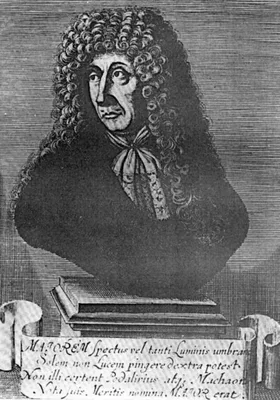
1667 MAJOR, Johann Daniel (1634 – 1693)
Chirurgia infusoria.
Major, the first Professor of Medicine at Kiel, was the first to make successful intravenous injections of drugs into the human body, in 1662. Sir Christopher Wren in 1656 had injected wine and ale into the veins of a…
GMN 1963 · https://historyofmedicine.com/id/3739
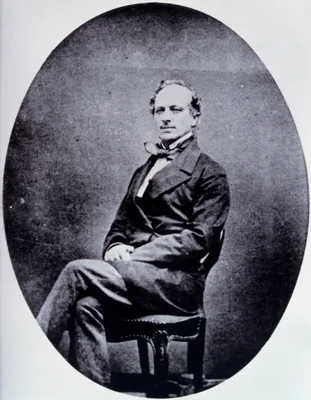
1845 RYND, Francis (1801 – 1861)
Neuralgia - introduction of fluid to the nerve.
Rynd, an Irish physician, invented the hollow needle used in hypodermic syringes. The description of his instrument is given in Dublin Quart. J. med. Sci., 1861, 32, 13.
GMN 1968 · https://historyofmedicine.com/id/3749
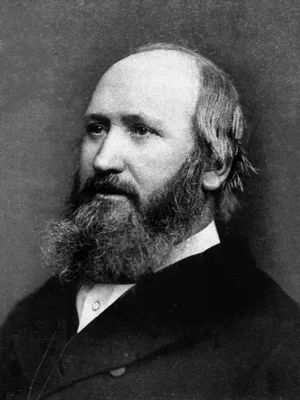
1855 WOOD, Alexander (1817 – 1884)
New method of treating neuralgia by the direct application of opiates to the painful joints.
Wood of Edinburgh was the first (1853) to employ hypodermic injection that used a true syringe and hollow needle as a therapeutic procedure. He referred to his invention as "subcutaneous" rather than hypodermic. See a…

GMN 1969 · https://historyofmedicine.com/id/3750
1867 ULLERSPERGER, Jean Baptiste
Prize essay. Ancient transfusion and infusion compared with modern transfusion, infusion, and hypodermic or subcutaneous injections. Translated by Charles F. Wittig.
A comprehensive review, for the time, of the historical literature on these subjects. Digital facsimile from Google Books at this link.
GMN 9869 · https://historyofmedicine.com/id/12057
1947 HOWARD-JONES, Norman (1909 – 1985)
A critical study of the origins and early development of hypodermic medication.
GMN 2063 · https://historyofmedicine.com/id/2344