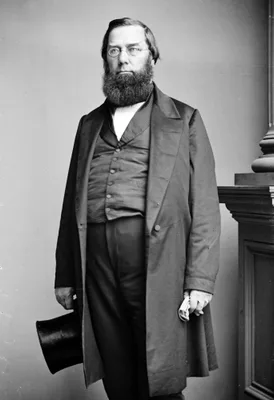
1864 MARSH, George Perkins (1801 – 1882)
Man and nature; or, physical geography as modified by human action.
“The fountainhead of the conservation movement” (Mumford). This is a comprehensive scientific account of humanity's enormous and often destructive impact on the physical world. Marsh warned of the dangers of the reckl…
GMN 145.59 · https://historyofmedicine.com/id/2482
1872 SMITH, Robert Angus (1817 – 1884)
Air and rain. The beginnings of a chemical climatology.
In this work on the industrial causes of pollution Smith coined the term acid rain. "The corrosive effect of polluted, acidic city air on limestone and marble was noted in the 17th century by John Evelyn, who remarked…
GMN 8972 · https://historyofmedicine.com/id/11151
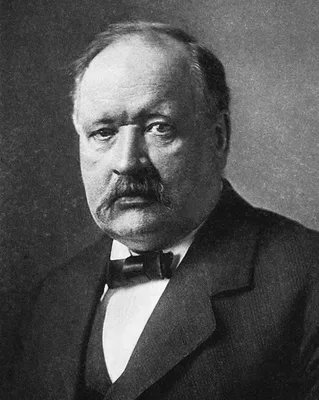
1907 ARRHENIUS, Svante August (1859 – 1927)
Das Werden der Welten. Mit Unterstützung des Verfassers aus dem schwedischen übersetzt von L. Bamberger.
In this work Arrhenius predicted the possibility of man-made global warming. His prediction that significant global warming would take ~3000 years to develop is now recognized as a substantial underestimate due in par…
GMN 8152 · https://historyofmedicine.com/id/10328
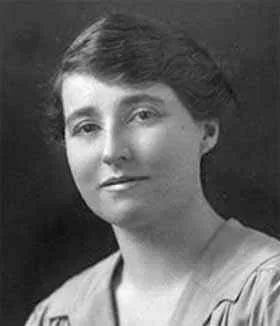
1923 ISSERLIS, Leon (1881 – 1966); WOOD, Frances Chick (1883 – 1919)
The relation between home conditions and the intelligence of school children. From data collected by the late Mrs. Frances Wood. Privy Council. Medical Report Council. Special reports series No. 74.
GMN 12588 · https://historyofmedicine.com/id/14827
1965 U.S. PRESIDENT'S SCIENCE ADVISORY COMMITTEE
Restoring the quality of our environment. Report of The Environmental Pollution Panel, President's Science Advisory Committee.
Digital facsimile available at this link.
GMN 7422 · https://historyofmedicine.com/id/9594
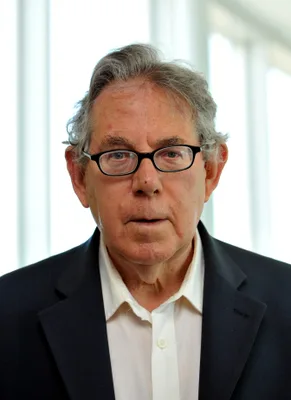
1970 CRUTZEN, Paul Jozef (1933 – )
The influence of nitrogen oxides on the atmospheric ozone content.
Crutzen showed that nitrous oxide impacts the ozone layer by pointing out "that emissions of nitrous oxide (N2O), a stable, long-lived gas produced by soil bacteria, from the Earth's surface could affect the amount of…
GMN 8156 · https://historyofmedicine.com/id/10332
1974 MOLINA-PASQUEL HENRÍQUEZ, Mario José (1943 – ); ROWLAND, Frank Sherwood (1927 – 2012)
Stratospheric sink for chlorofluoromethanes: chlorine atom-catalysed destruction of ozone.
Rowland and his post-doctoral student, Molina, suggested that long-lived organic halogen compounds, such as chlorofluorocarbons (CFCs), could reach the stratosphere where they would be dissociated by UV light, releasi…
GMN 8157 · https://historyofmedicine.com/id/10333
1985 FARMAN, Joseph Charles (1930 – 2013); GARDINER, Brian Gerard; SHANKLIN, Jonathan (1953 – )
Large losses of total ozone in Antarctica reveal seasonal Cl0x/Nox interaction.
Discovery of the Antarctic ozone hole. In December 2016 the full text of the paper was available from ciesin.org at this link.
GMN 8158 · https://historyofmedicine.com/id/10334
1992 BOWLER, Peter J. (1944 – )
The Norton history of the environmental sciences.
GMN 8054 · https://historyofmedicine.com/id/10230
1996 HIPPOCRATES, [Ἱπποκράτης; Hippocrates of Kos] (-460 – -370); JOUANNA, Jacques (1935 – )
Hippocrate, Oeuvres complètes, Tome II, 2ème partie: Airs, eaux, lieux. Texte établi, traduit et annoté par Jacques Jouanna. (Collection des universités de France).
GMN 10019 · https://historyofmedicine.com/id/12208
1998 FLEMING, James Rodger
Historical perspectives on climate change.
GMN 7717 · https://historyofmedicine.com/id/9889
2000 MCNEILL, John Robert (1954 – )
Something new under the sun: An environmental history of the twentieth-century world.
GMN 9392 · https://historyofmedicine.com/id/11575
2013 ABERTH, John (1963 – )
An environmental history of the Middle Ages: The crucible of nature.
GMN 7618 · https://historyofmedicine.com/id/9790
2014 WEXLER, Philip
History of toxicology and environmental health. Toxicology in antiquity. 2 vols. Edited by Philip Wexler.
GMN 8296 · https://historyofmedicine.com/id/10472

![HIPPOCRATES, [Ἱπποκράτης; Hippocrates of Kos] (-460 – -370)](/media/portraits/50)