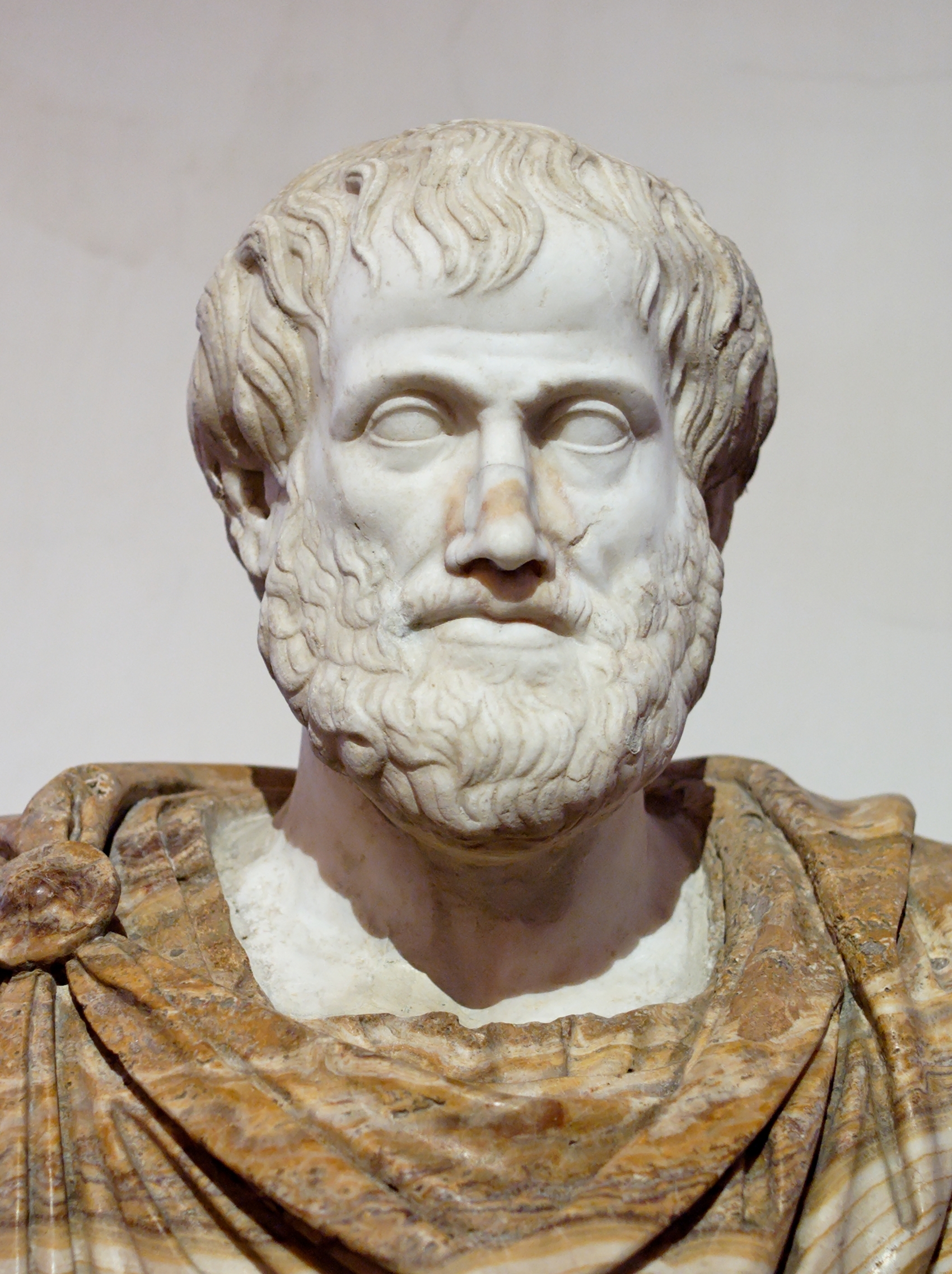
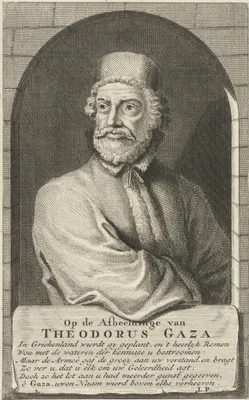
1476 ARISTOTLE (ἈΡΙΣΤΟΤΈΛΗΣ) (-384 – -322); PODOCATARO, Ludovico (Ludovicus Podocatharus) (1429 – 1504); GAZA, Theodorus (Θεόδωρος Γαζῆς) (1398 – 1475)
De animalibus. Translated by Theodorus Gaza. Edited by Ludovicus Podocarthus.
Includes Aristotle's De historia animalium, De partibus animalium, and De generatione animalium. Aristotle was the first scientist to gather empirical evidence about the biological world through observation. By his ca…
GMN 274 · https://historyofmedicine.com/id/14354
1479 ARISTOTLE (ἈΡΙΣΤΟΤΈΛΗΣ) (-384 – -322); WILLEM VAN MOERBEKE, (Gulielmus de Moerbecum; William of Moerbeke) (1215 – 1286); BOËTHIUS, Anicius Manlius Severinus (420 – 524); PORRÉE, Gilbert de la [Gilbert of Poitiers, Gilbertus Poretanus or Pictaviensis] (1085 – 1154); JACOBUS VENETICUS, [James of Venice, Giacomo da Venezia, Jacobus Veneticus Grecus, Jacobus de Venetiis] (1100 – 1165)
Opera. In four parts dated: I) 15 Sept. 1479; II) 13 Oct. 1479; III) 21 Oct. 1479; IV) 8 Nov. 1479. Contents: [I] Praedicamenta, De interpretatione, Analytica priora (Tr: Boethius). Add: Porphyrius: Isagoge in Aristotelis Praedicamenta (Tr: Boethius). Gilbertus Porretanus: Liber sex principiorum. Boethius: Divisiones. [II] Analytica posteriora (Tr: Jacobus Veneticus). [III] Sophistici elenchi, Topica (Tr: Boethius). [IV] Physica (Tr: Guilelmus de Moerbeka).
Aristotle, at one time tutor to Alexander the Great, was, among other things, the first observational biologist, and the founder of comparative anatomy. His views had a profound influence in determining the direction …
GMN 17 · https://historyofmedicine.com/id/39
1483 ARISTOTLE (ἈΡΙΣΤΟΤΈΛΗΣ) (-384 – -322); AVERROËS [IBN RUSHD (ARABIC: ابن رشد), FULL NAME ʾABŪ L-WALĪD MUḤAMMAD IBN ʾAḤMAD IBN RUŠD] (1126 – 1198); WILLEM VAN MOERBEKE, (Gulielmus de Moerbecum; William of Moerbeke) (1215 – 1286); BOËTHIUS, Anicius Manlius Severinus (420 – 524); JACOBUS VENETICUS, [James of Venice, Giacomo da Venezia, Jacobus Veneticus Grecus, Jacobus de Venetiis] (1100 – 1165); VERNIA, Nicoletto (1420 – 1499); SCOT, Michael [Michael Scotus] (1175 – 1232); DURANDUS DE ALVERNIA (1250 – ); PORPHYRIOS, [Porphyri; Πορφύριος] (234 – 305)
Opera. With the commentary of Averroes. Edited by Nicoletus Vernia. 8 parts.
First edition of the collected works of Aristotle with the commentaries of Averroes, by which Aristotle was mainly studied during the Middle Ages. The purpose of Vernia's edition was to provide an accurate edition of …
GMN 9399 · https://historyofmedicine.com/id/11582
1495 –1498 ARISTOTLE (ἈΡΙΣΤΟΤΈΛΗΣ) (-384 – -322); THEOPHRASTUS OF ERESOS (ΘΕΌΦΡΑΣΤΟΣ) (371 – 287); PORPHYRIOS, [Porphyri; Πορφύριος] (234 – 305); ALEXANDER OF APHRODISIAS, [ Ἀλέξανδρος ὁ Ἀφροδισιεύς] (170 – ); PHILO OF ALEXANDRIA, (Φίλων; Philo Judaeus)
Aristotle. [Opera omnia]. 5 vols.
Between November 1495 and June 1498 scholar printer Aldus Manutius (Teobaldo Mannucci) of Venice issued the first edition in the original Greek of Aristotle's Opera omnia. The set appeared in five thick quarto or smal…
GMN 8395 · https://historyofmedicine.com/id/10572
1525 THOMAEUS, Nicholas Leonicus (Niccolò Leonico Tomeo) (1456 – 1531)
Opuscula nuper in lucem aedita quorum nomina proxima habentur pagella.
Thomaeus's commentary on Aristotle's Mechanica includes an explanation of the action of a dental forceps illustrated with two small woodcut illustrations on page XXXXI. This was the first printed dental illustration. …
GMN 12773 · https://historyofmedicine.com/id/15019
1551 –1587 GESNER, Conrad [Konrad Gessner] (1516 – 1565)
Historia animalium. 5 vols.
Gesner's Historia animalium is considered one of the starting points of modern zoology; it contains 4,500 pages and nearly 1,000 woodcuts, some by Albrecht Dürer. The illustrations are the first original zoological il…
GMN 280 · https://historyofmedicine.com/id/8815
1590 ACOSTA, José de (1539 – 1600)
Historia natural y moral de las Indias.
One of the earliest detailed and realistic descriptions of the New World. Acosta hypothesized that the indigenous peoples of Latin America had migrated from Asia. He also divided the native peoples into three barbaria…
GMN 2244 · https://historyofmedicine.com/id/3843
1599 –1667 ALDROVANDI, Ulisse [ALDROVANDUS] (1522 – 1605)
Opera omnia. 13 vols.
Aldrovandi, first director of the botanical garden at Bologna, was a prolific writer. Some of his writings made their first appearance in print after his death. He designed them as a whole to form an enormous illustra…
GMN 290 · https://historyofmedicine.com/id/8831
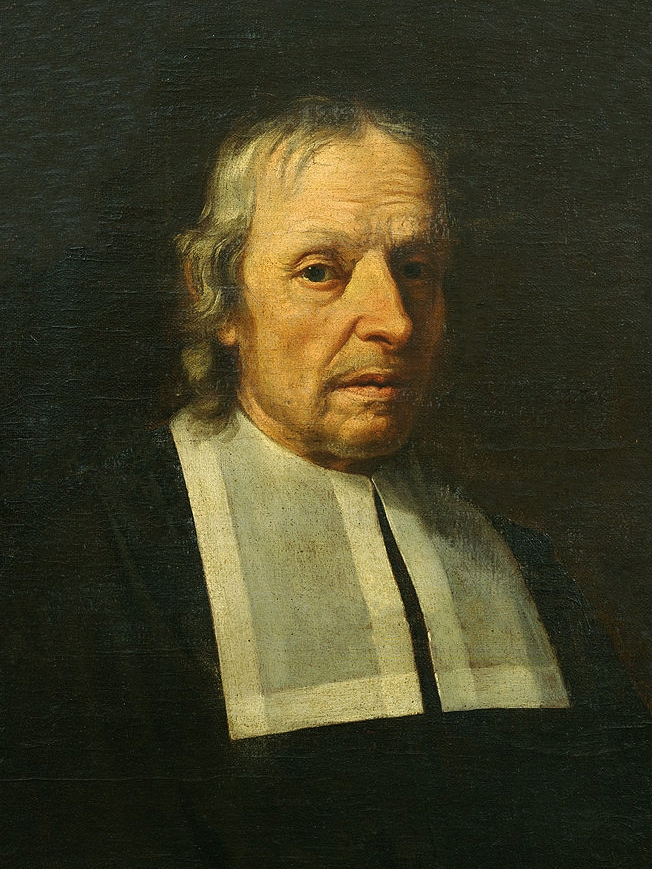
1644 ODIERNA, Giovanni Battista [Hodierna] (1597 – 1660)
l’Occhio della mosca In his: Opusculi…
The first microscopical section in biology is discussed and illustrated in Odierna’s study of the fly’s eye, which is also the first description of the faceted eye of an arthropod.
GMN 259.1 · https://historyofmedicine.com/id/8732
1656 BOYM, Michal Piotr (1612 – 1659)
Flora sinensis, fructus floresque humillime porrigens serenissimo et potentissimo Leopoldo Ignatio, Hungariae regi florentissimo, &c. Fructus saecul promittenti Augustissimos.
The first description published in Europe of an ecosystem of the Far East, including animals as well as plants, with particular attention to Chinese fruit bearing plants, and medicinal properties of Chinese plants. Di…
GMN 8591 · https://historyofmedicine.com/id/10768
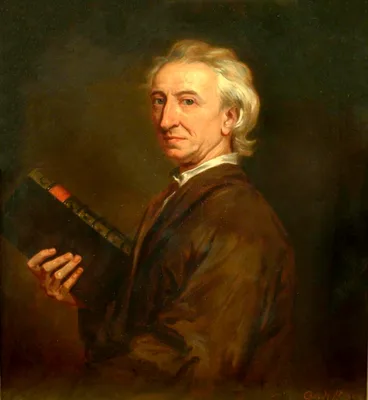
1661 EVELYN, John (1620 – 1706)
Fumifugium: or the inconveniencie of the aer and smoak of London dissipated. Together with some remedies humbly proposed.
A pioneering attack on air pollution caused by “the hellish and dismall cloud of sea-coal” which perpetually enveloped London. Of course, the problems Evelyn wrote about did not go away, and the work continued to be r…
GMN 145.5 · https://historyofmedicine.com/id/8791
1662 –1669 GOEDAERT, Jan [GOEDARTIUS] (1620 – 1668)
Metamorphosis naturalis, ofte historische beschryvinghe.... 3 vols.
Engraved frontispieces in Latin; text in Dutch. None of the volumes is dated. An edition in Latin, also undated, was issued by the same publisher in 3 vols. during the same years with the following title: Metamorphosi…
GMN 291 · https://historyofmedicine.com/id/8833
1664 EVELYN, John (1620 – 1706)
Sylva, or a discourse of forest-trees, and the preservation of timber in His Majesty’s dominions.
A protest against the careless destruction of England’s forests to fuel the furnaces of the glass and iron industries. The work was influential in establishing a much-needed program of reforestation that had a lasting…
GMN 145.51 · https://historyofmedicine.com/id/2427
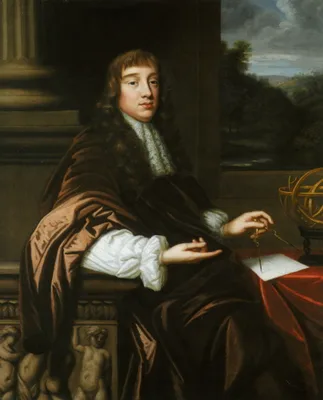
1665 HOOKE, Robert (1635 – 1703)
Micrographia, or some physiological descriptions of minute bodies made by magnifying glasses; with observations and inquiries thereupon.
Hooke, at one time research assistant to Robert Boyle, was one of the greatest inventive geniuses of all time. This was the first book devoted entirely to microscopical observations, and also the first book to pair it…
GMN 262 · https://historyofmedicine.com/id/8735
1668 REDI, Francesco (1626 – 1697)
Esperienze intorno alla generazione degl’insetti.
In the first scientific study of spontanteous generation Redi’s experiments dealt the first real blow to the ancient doctrine. In these experiments Redi made use of what we now term “controls”. English translation, 1909.
GMN 97 · https://historyofmedicine.com/id/1485
1669 MALPIGHI, Marcello (1628 – 1694)
Dissertatio epistolica de bombyce.
Malpighi’s work on the silkworm represents the first monograph on an invertebrate and records one of the most striking pieces of research work on his part. He dissected the silkworm under the microscope with great ski…
GMN 293 · https://historyofmedicine.com/id/8836
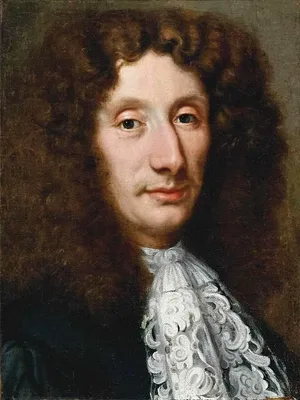
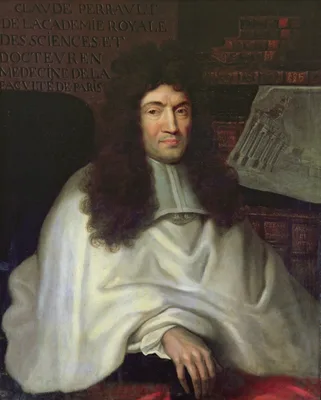
1671 –1676 PERRAULT, Claude (1613 – 1688)
Mémoires pour servir à l’histoire des animaux. 2 vols.
Perrault was the leader of a team of comparative anatomists that included Guichard Joseph Duverney, Jean Pecquet, Moyse Charas and Philippe de la Hire; they were often called the “Parisians” in contemporary literature…
GMN 295 · https://historyofmedicine.com/id/8840
1672 JOSSELYN, John (1630 – 1675)
New-Englands rarities discovered: in birds, beasts, fishes, serpents, and plants of that country. Together with the physical and chyrurgical remedies wherewith the natives constantly use to cure their distempers, wounds, and sores…
The first detailed account of the natural history and botany of North America, including the first extensive study of native North American medicine.
GMN 1826.1 · https://historyofmedicine.com/id/2138
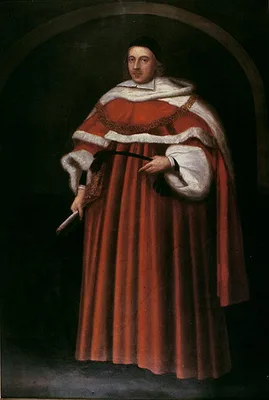
1677 HALE, Sir Matthew (1609 – 1676)
The primitive organization of mankind considered and examined according to the light of nature.
In response to Isaac de la Peyrere‘s theory of polygenesis, Hale, Chief Justice of the King’s Bench, advanced his own theory that the earth was not eternal, but rather had a spontaneous “beginning,” and defended “the …
GMN 215 · https://historyofmedicine.com/id/3967
1691 BONANNI, Filippo [BUONANNI] (1638 – 1723)
Observationes circa viventia, quae in rebus non viventibus reperiuntur. Cum micrographia curiosa siue Rerum minutissimarum obseruationibus, quæ ope microscopij recognitæ ad viuum exprimuntur. His accesserunt aliquot animalium testaceorum icones non antea in lucem editae. Omnia curiosorum naturæ exploratorum vtilitati & iucunditati expressa & oblata.
Illustrates several early microscopes, including the famous microscopes of the Bolognese Joseph Campani. Contradicting Redi, Bonanni tried to show that spontaneous generation was possible in animals "without blood and…
GMN 264 · https://historyofmedicine.com/id/8737
1712 RÉAUMUR, René Antoine Ferchault de (1683 – 1757)
Sur les diverses reproductions qui se font dans les écrevisses, les omars, les crabes....
Réaumur showed that crustaceans replace their lost limbs, a fact until then disputed.
GMN 301 · https://historyofmedicine.com/id/102
1725 MARSILI, Luigi Ferdinando [MARSIGLI] (1658 – 1730)
Histoire physique de la mer.
The first book devoted entirely to marine science and the first oceanographic study of a single region. Marsigli conducted an intensive investigation of the Gulf of Lyon in the south of France, taking soundings to obt…
GMN 11223 · https://historyofmedicine.com/id/13420
1733 VALLISNERI, Antonio [VALLISNIERI] (1661 – 1730)
Opere fisico-mediche stampate e manoscritte del kavalier Antonio Vallisneri; raccolte da Antonio suo Figliuolo, corredate d'una prefazione in genere sopra tutte, e d'una in particolare sopra il vocabolario della storia naturale. 3 vols.
Digital facsimile from the Hathi Trust at this link.
GMN 9361 · https://historyofmedicine.com/id/11544
1743 BAKER, Henry (1698 – 1774)
An attempt towards a natural history of the polype.
GMN 306 · https://historyofmedicine.com/id/109
1744 TREMBLEY, Abraham (1710 – 1784)
Mémoires, pour servir à l’histoire d’un genre de polypes d’eau douce, à bras en forme de cornes.
Trembley discovered the hydra and was the first to observe in it asexual reproduction, regeneration, and photosensitivity in an animal without eyes. His experiments were of great importance in the study of regeneratio…
GMN 307 · https://historyofmedicine.com/id/113
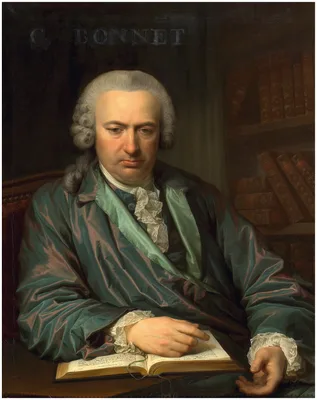
1745 BONNET, Charles (1720 – 1793)
Traité d’insectologie.
This pioneering work on experimental entomology incorporates Bonnet’s most important discovery–parthenogenetic reproduction–based on his study of aphids. Bonnet used the result of this and other discoveries as a basis…
GMN 308 · https://historyofmedicine.com/id/115
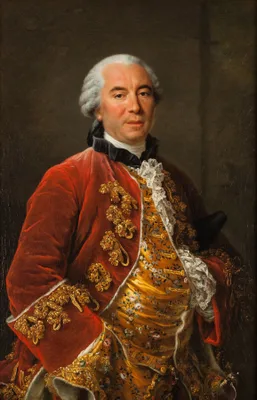
1749 –1789 BUFFON, Georges-Louis Leclerc, Comte de (1707 – 1788)
Histoire naturelle générale et particulière…. 44 vols., plus atlas.
This vast work is divided into seven parts. I: Histoire naturelle générale et particulière…15 vols., by Buffon and L.J.M. Daubenton (1749-67). II: Histoire naturelle des oiseaux. 9 vols., by Buffon, P. Guéneau de Mont…
GMN 324 · https://historyofmedicine.com/id/193
1755 ELLIS, John (1710 – 1776)
An essay towards the natural history of the corallines, and other marine productions of the like kind, commonly found on the coasts of Great Britain and Ireland. To which is added the description of a large marine polype taken near the North Pole, by the whale-fishers, in the summer 1753.
The first work to state the animal nature of corals, which had previously been regarded as marine plants. It has been asserted that although unsigned, some of the plates are after drawings by Ehret. Digital facsimile …
GMN 12706 · https://historyofmedicine.com/id/14951
1762 REDI, Francesco (1626 – 1697)
Opere. 7 vols.
Redi was a leading physician in Italy. He is best remembered for his experiments discrediting the theory of spontaneous generation and for his pioneer work in the field of parasitology (see No. 2448.1); see also the a…
GMN 65 · https://historyofmedicine.com/id/1177
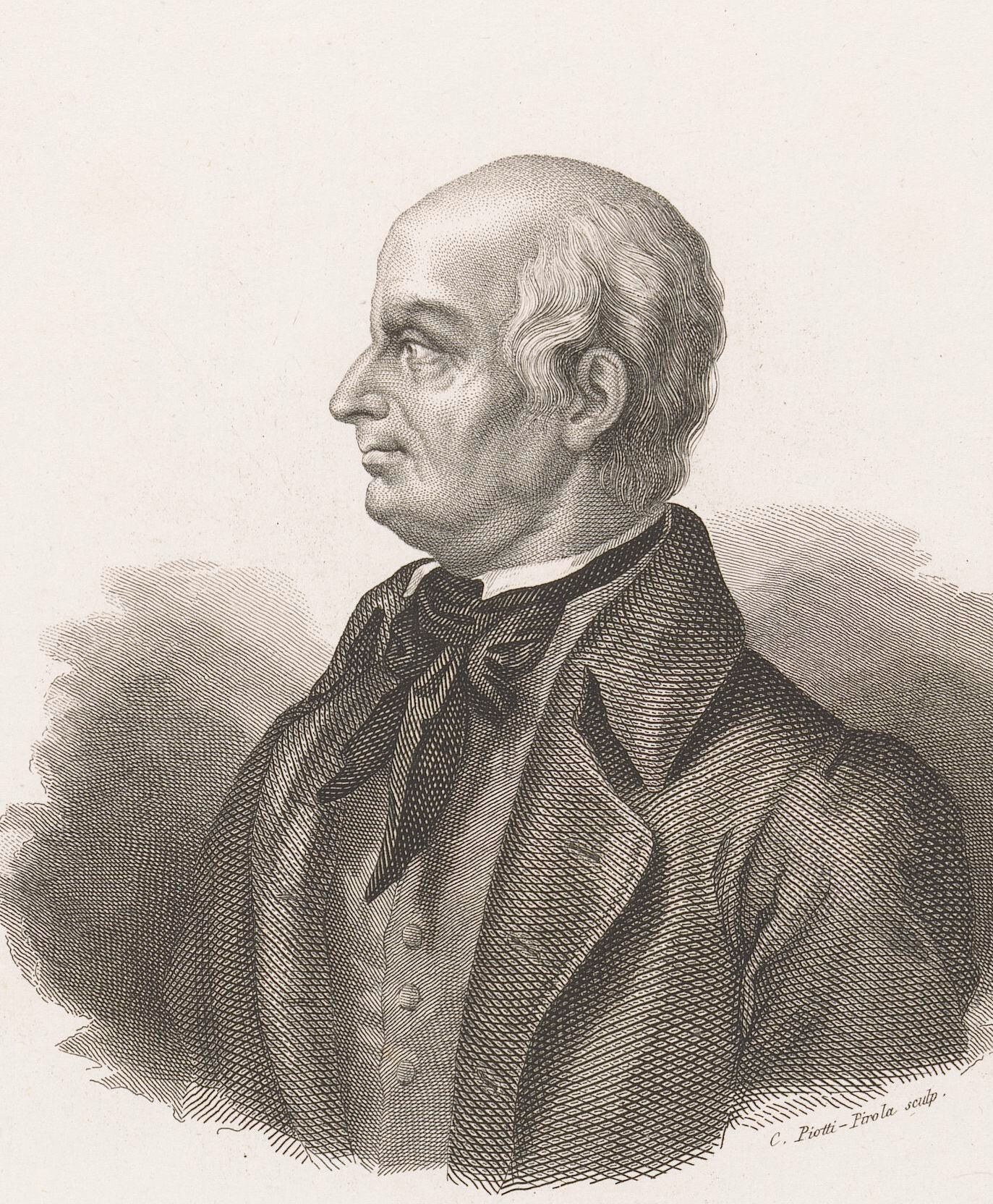
1765 SPALLANZANI, Lazzaro (1729 – 1799)
Saggio di osservazioni microscopiche concernenti il sistema della generazione dei Signori de Needham e Buffon. IN: Dissertazione due… pp. [2]-87.
Spallanzani, a believer in preformation theory, found that he could prevent contamination by microorganisms in strongly heated infusions protected from aerial contamination, but he observed that as soon as air was all…
GMN 100 · https://historyofmedicine.com/id/8786
1768 SPALLANZANI, Lazzaro (1729 – 1799)
Prodromo di un opera da imprimersi sopra le riproduzione animali.
In this preliminary to a larger work on regeneration which was never published, Spallanzani described regenerative capacities of remarkable complexity and repetitiveness in the land snail, salamander and toad and frog…
GMN 101 · https://historyofmedicine.com/id/1507
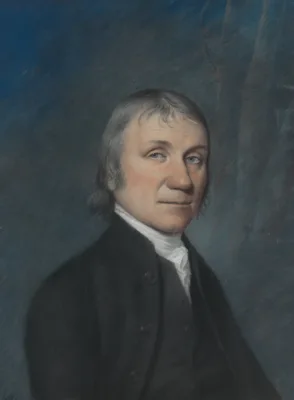
1772 PRIESTLEY, Joseph (1733 – 1804)
Observations on the different kinds of air.
The isolation of oxygen was first achieved by Priestley. He also demonstrated that plants immersed in water give off oxygen and that this gas is essential for animal life.
GMN 920 · https://historyofmedicine.com/id/116
1773 WALSH, John (1725 – 1795)
Of the electric property of the torpedo.
The first accurate study of the electrical organs of the torpedo fish were made by Walsh, who was given the Copley Medal of the Royal Society for his work on the subject. Walsh proved that the shock of the torpedo was…
GMN 589 · https://historyofmedicine.com/id/405
1776 SPALLANZANI, Lazzaro (1729 – 1799)
Opusculi di fisica animale e vegetabile. 2 vols.
Later refutation of the theory of spontaneous generation. Spallanzani’s conclusions were similar to those expressed by Pasteur nearly a century later. His collected works were published in Milan, 2 vols., 1932-33. Eng…
GMN 102 · https://historyofmedicine.com/id/1561
1779 INGEN-HOUSZ, Jan (1730 – 1799)
Experiments on vegetables, discovering their great power of purifying the common air in the sun-shine, and of injuring it in the shade at night. To which is joined, a new method of examining the accurate degree of salubrity of the atmosphere.
Discovery of photosynthesis. Ingen-Housz showed that the green parts of plants, when exposed to light, fix the free carbon dioxide of the atmosphere, but that in darkness plants have no such power. Thus he proved that…
GMN 103 · https://historyofmedicine.com/id/8969
1780 SPALLANZANI, Lazzaro (1729 – 1799)
Dissertazioni di fisica animale e vegetable. 2 vols.
In the first patrt of this work, Della digestione dissertazione prima Spallanzani confirmed earlier doctrines of the solvent property of the gastric juice and discovered the action of the saliva in digestion. He state…
GMN 981 · https://historyofmedicine.com/id/628
1787 DENMAN, Thomas (1733 – 1815)
A collection of engravings, tending to illustrate the generation and parturition of animals, and of the human species.
An idiosyncratic collection of rarely reproduced images with explanatory commentaries in English and French, concerning reproduction and obstetric complications in animals and humans. Topics include: The Funis of a nu…
GMN 12163 · https://historyofmedicine.com/id/14373
1788 HUTTON, James (1726 – 1797)
The theory of rain.
In this paper on the operation of the water-cycle in meteorology Hutton hypothesized that rain was caused by a mixture of air currents of differing temperatures, either saturated or nearly saturated with moisture. "Hi…
GMN 13593 · https://historyofmedicine.com/id/15872
1801 LAMARCK, Jean-Baptiste Pierre Antoine de Monet de (1744 – 1829)
Système des animaux sans vertèbres.
The “Discours d’ouverture” contains Lamarck’s first published statement of the theory of the inheritance of acquired characteristics. See No. 316.
GMN 215.5 · https://historyofmedicine.com/id/4028
1802 –1822 TREVIRANUS, Gottfried Reinhold (1776 – 1837)
Biologie: oder Philosophie der lebenden Natur für Naturforscher und Aerzte. 6 vols.
Simultaneously with Lamarck, Treviranus coined the term “biology” for the study of living things, and he was the first to use it in a book title. This massive work was a summary of all basic knowledge about the struct…
GMN 105.1 · https://historyofmedicine.com/id/1605
1802 RAUCH, François Antoine (1777 – 1837)
Harmonie hydro-végétale et météorologique, ou recherches sur les moyens de recréer avec nos forêts la force des températures et la régularité des saisons, par des plantations raisonnées. 2 vols.
Rauch was particularly concerned with deforestation, which not only affected the agriculture and scenery of the countryside, but also the whole ecological balance of crops, flora and fauna, and human interaction with …
GMN 7067 · https://historyofmedicine.com/id/9234
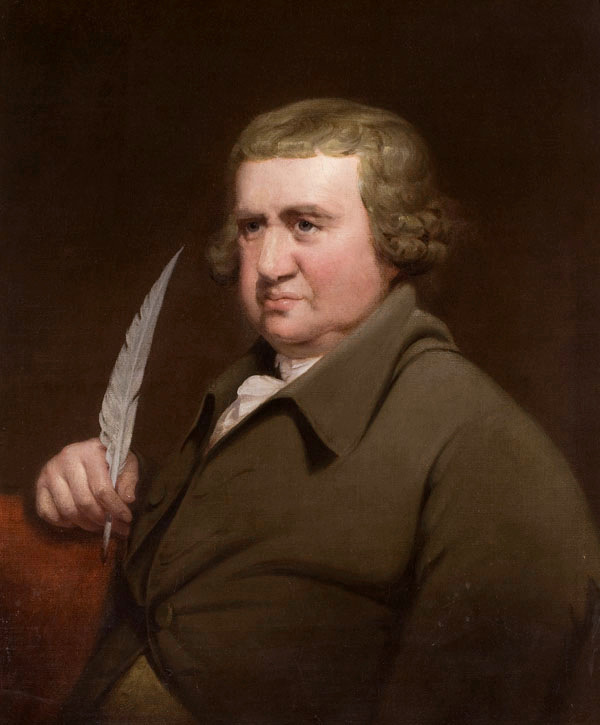
1803 DARWIN, Erasmus (1731 – 1802)
The temple of nature; or the origin of society. A poem, with philosophical notes.
Erasmus Darwin's last poem, which mainly expounds his theories of evolution. He traces the progress of life form its origin as microscopic specks in premeval seas to its culmination in a civilized human society. The f…
GMN 8922 · https://historyofmedicine.com/id/11100
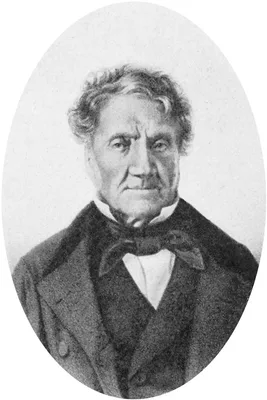
1804 SAUSSURE, Nicolas-Théodore de (1767 – 1845)
Recherches chimiques sur la végétation.
In this foundation work on phytochemistry, Saussure analysed the chief active components of plants, their synthesis and decomposition. He specified the relationships between vegetation and the environment. He showed t…
GMN 145.54 · https://historyofmedicine.com/id/2445
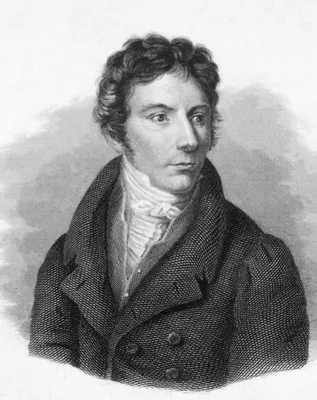
1805 OKEN, Lorenz (1779 – 1851)
Die Zeugung.
Oken maintained that all organic beings originate from, and consist of, cells, and that organisms are produced by an agglomeration of these cells.
GMN 106 · https://historyofmedicine.com/id/1610
1805 HUMBOLDT, Friedrich Wilhelm Heinrich Alexander von (1769 – 1859); BONPLAND, Aimé Jacques Alexandre (1773 – 1858)
Essai sur la géographie des plantes; accompagné d’un tableau physique des régions équinoxiales.
One of the first works on the geographical distribution of plants. Humboldt was a pioneer student of geographical–ecological plant associations. The sheets of this work were reissued as Vol. I of the authors' Voyage a…
GMN 145.55 · https://historyofmedicine.com/id/2459
1807 OKEN, Lorenz (1779 – 1851)
Ueber die Bedeutung der Schädelknochen.
Oken’s vertebral theory of the skull.
GMN 199 · https://historyofmedicine.com/id/3539
1807 –1834 HUMBOLDT, Friedrich Wilhelm Heinrich Alexander von (1769 – 1859); BONPLAND, Aimé Jacques Alexandre (1773 – 1858)
Voyage aux régions équinoxiales du nouveau continent, fait en 1799, 1800, 1801, 1802, 1803 et 1804. 34 vols.
In 1799 Humboldt and Bonpland embarked on a six-year tour of research through South America and Mexico, a trip which would afterwards be called, justifiably, "the scientific discovery of America." The two amassed exha…
GMN 7452 · https://historyofmedicine.com/id/9624
1809 LAMARCK, Jean-Baptiste Pierre Antoine de Monet de (1744 – 1829)
Philosophie zoologique. 2 vols.
Lamarck was one of the greatest of the comparative anatomists. This work is considered the greatest exposition of his argument that evolution occurred by the inheritance of characteristics acquired by animals as a res…
GMN 216 · https://historyofmedicine.com/id/4030
1815 –1822 LAMARCK, Jean-Baptiste Pierre Antoine de Monet de (1744 – 1829)
Histoire naturelle des animaux sans vertèbres ... précédée d'une introduction offrant la détermination des caractères essentiels de l'animal, sa distinction du végétal et des autres corps naturels, enfin, l'exposition des principes fondamentaux de la zoologie. 7 vols in 8.
An elaborate expansion of Lamarck’s one-volume work with the same title published in Paris, 1801 (No.215.5). As a systematist Lamarck made important contributions to biology. He separated spiders and crustaceans from …
GMN 316 · https://historyofmedicine.com/id/150
1817 CUVIER, Jean Léopold Chrétien Frédéric "Georges" (1769 – 1832)
Le règne animal. 4 vols.
Second edition in five vols., 1829–1830. After Cuvier's death 12 "disciples" of Cuvier brought out a third edition in 22 vols. from 1836 to 1849. The 12 "disciples" were Jean Victor Audouin (insects), Gerard Paul Desh…
GMN 327 · https://historyofmedicine.com/id/173

![SCOT, Michael [Michael Scotus] (1175 – 1232)](/media/portraits/12461)
![ODIERNA, Giovanni Battista [Hodierna] (1597 – 1660)](/media/portraits/9538)