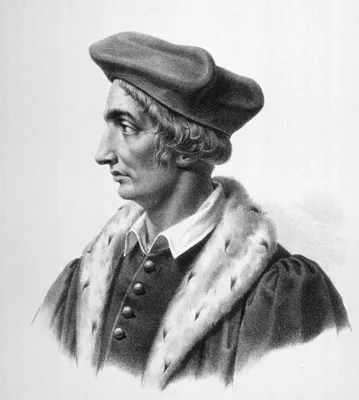
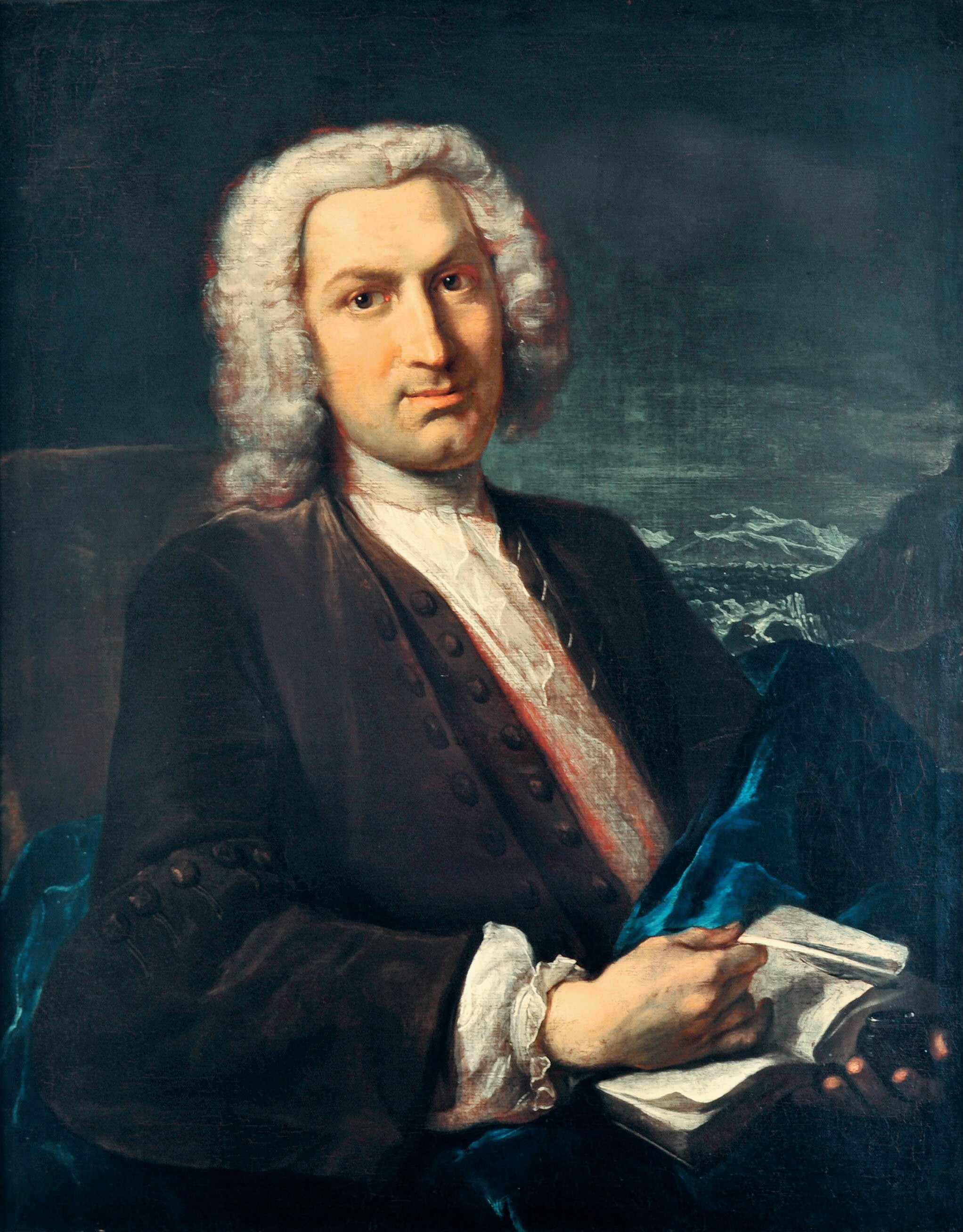
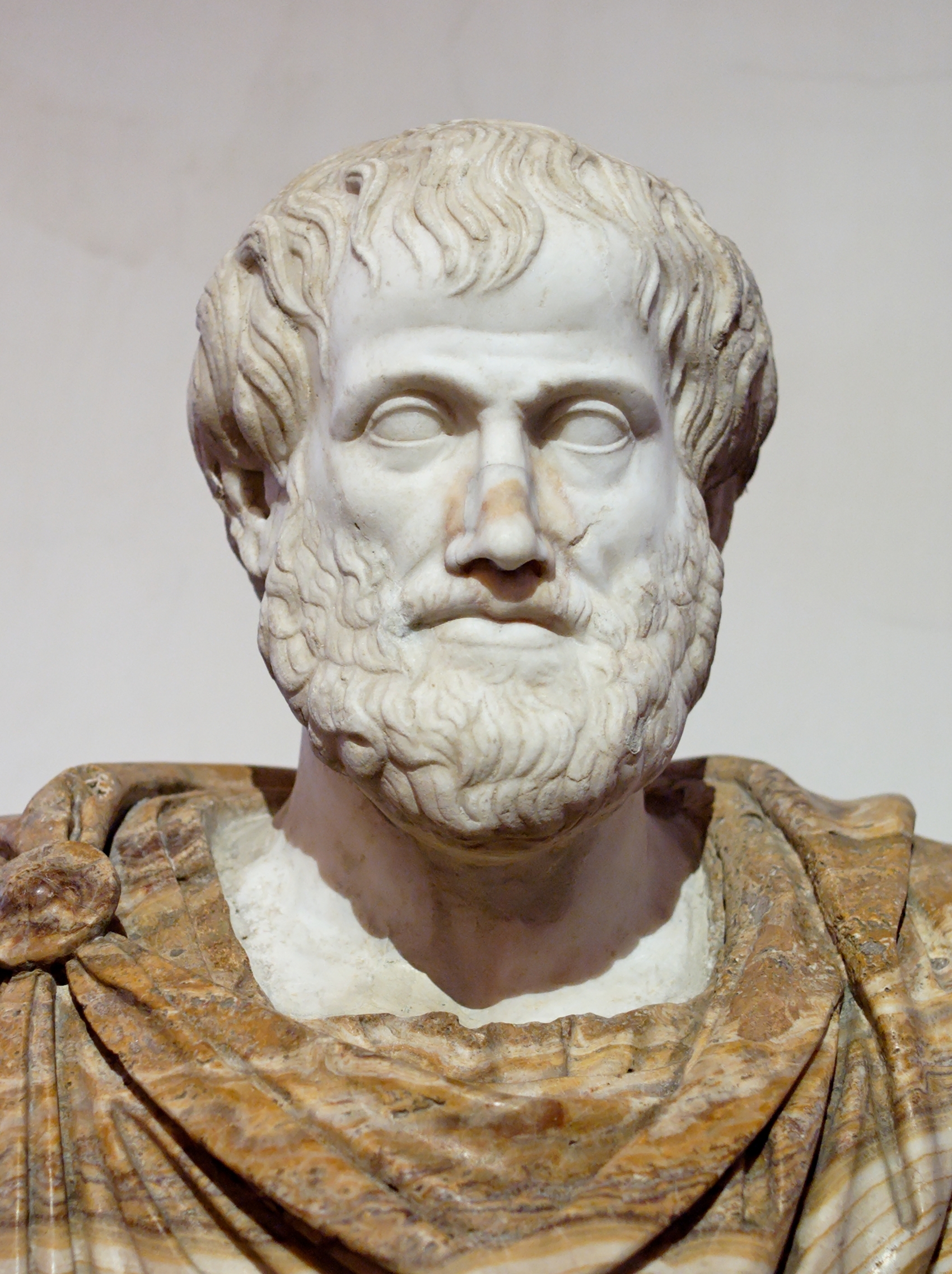
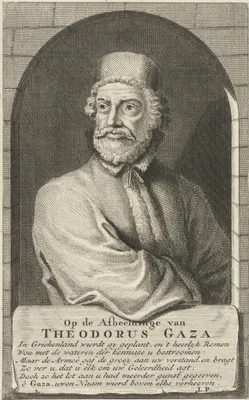
1476 ARISTOTLE (ἈΡΙΣΤΟΤΈΛΗΣ) (-384 – -322); PODOCATARO, Ludovico (Ludovicus Podocatharus) (1429 – 1504); GAZA, Theodorus (Θεόδωρος Γαζῆς) (1398 – 1475)
De animalibus. Translated by Theodorus Gaza. Edited by Ludovicus Podocarthus.
Includes Aristotle's De historia animalium, De partibus animalium, and De generatione animalium. Aristotle was the first scientist to gather empirical evidence about the biological world through observation. By his ca…
GMN 274 · https://historyofmedicine.com/id/14354
1477 SCOT, Michael [Michael Scotus] (1175 – 1232)
Liber phsionomiae [and other works].
"Composed between 1209 and 1226, the first of the two primary texts discusses human generation — anatomy, physiology, astrology, sexual behavior, conception and the health of the fetus. The second part, the Physiognom…
GMN 10725 · https://historyofmedicine.com/id/12919
1512 NEMESIUS (ΝΕΜΈΣΙΟΣ), Bishop of Emesa (350 – )
Divini Gregorii Nyssae episcopi qui fuit frater Basilii Magni libri octo. I. De homine. II. De anima. III. De elementis. IIII. De viribus animae. V. De voltario etinuoltario. VI. De fato. VII. De libero arbitrio. VIII. De prouidentia.
Nemesius’ De natura hominis, a physiological and psychological study of man, was highly esteemed during the Middle Ages. Nemesius, who wrote in the 4th century CE, was one of the first to propose that mental processes…
GMN 571 · https://historyofmedicine.com/id/339
1537 HIPPOCRATES, [Ἱπποκράτης; Hippocrates of Kos] (-460 – -370); THEOPHILUS PROTOSPATHARIUS, (Θεόφιλος Πρωτοσπαθάριος) (650 – ); GRASSI, Giunio Paolo (Iunius Paulus Crassus) ( – 1575)
De corporis humani fabrica libri quinque a Junio Paulo Crasso Patavino in latinam orationem conversi. [Cum] Hippocratis praeterea Coi de purgatoriis medicamentis libellus perutilis, ac desideratus ab eodem Jun. Paulo Cras. Latinitate donatus.
A Byzantine anatomical and physiological treatise almost entirely abridged from Galen's "De usu partium corporis humani," from which Theophilus now and then differed, and which he sometimes appears to have misundersto…
GMN 7145 · https://historyofmedicine.com/id/9312
1542 FERNEL, Jean François (1497 – 1558)
De naturali parte medicinae libri septem.
The earliest work devoted exclusively to physiology and the first to call the subject by that name. It was re-issued in 1554 as part of Fernel’s Medicina (No. 2271). Femel suggested that physicians should study the hu…
GMN 572 · https://historyofmedicine.com/id/333
1554 FERNEL, Jean François (1497 – 1558)
Medicina. 3 pts.
The first systematic treatise on pathology, which also introduced the names for the sciences of pathology and physiology. In the second part, entitled “Pathologia”, Fernel provided the first systematic essay on the su…
GMN 2271 · https://historyofmedicine.com/id/2838
1557 ACTUARIUS, Joannes Zacharias [Aktouarios] (1275 – 1330); GOUPYL, Jacques (Goupil) (1525 – 1564)
Περὶ ἐνεργειῶν καὶ παθῶν τοῦ ψυχικοὺ πνεύματος καὶ τῆς κατ' αὐτὸ διαίτης. Actuarii de actionibus & affectibus spritus animalis, eusque victu, Libri II. Nunc primum in lucem prodeunt, Jac. Goupyli beneficio, qui nobis eorum exemplum dedit.
Editio princeps of this physiological and physiological work in two books. Digital facsimile from Google Books at this link. A Latin translation by Julius Alexandrinus was published in 1547.
GMN 13203 · https://historyofmedicine.com/id/15464
1564 ARANZI, Giulio Cesare [ARANZIO; ARANTIUS] (1530 – 1589)
De humano foetu.
According to Charles Singer, Aranzi gave the first adequate printed account of the gravid uterus, and finally dispelled the idea of a human cotyledonous placenta. He gave by far the best description of fetal anatomy u…
GMN 464 · https://historyofmedicine.com/id/1246
1575 HUARTE Y NAVARRO, Juan [HUARTE DE SAN JUAN] (1529 – 1588)
Examen de ingenios para las ciencias.
Huarte was a distinguished Spanish physician and psychologist. His Examen, which gained for him a European reputation, was the first attempt to show the connection between psychology and physiology. English translatio…
GMN 4964 · https://historyofmedicine.com/id/6362
1587 ARANZI, Giulio Cesare [ARANZIO; ARANTIUS] (1530 – 1589)
De humano foetu liber tertio editus, ac recognitus. Eiusdem anatomicarum observationum liber: ac De tumoribus secundum locos affectos liber nunc primum editi.
First edition of Aranzi's Anatomicarum observationum published with the third edition of De humano foetu. In the Anatomicarum observationum Aranzi pointed out that the eye muscles arise from the margin of the optic ca…
GMN 7337 · https://historyofmedicine.com/id/9508
1603 SANTORIO, Santorio [SANCTORIUS] (1561 – 1636)
Methodi vitandorum errorum omnium, qui in arte medica…
First mention of Santorio’s pulse-clock (“pulsilogium”) and his scale. Through most of the 17th and 18th centuries Santorio’s name was linked with that of Harvey as the greatest figure in physiology and experimental m…
GMN 572.1 · https://historyofmedicine.com/id/364
1612 SANTORIO, Santorio [SANCTORIUS] (1561 – 1636)
Commentaria in artem medicinalem Galeni.
First printed mention of the air thermometer, an instrument that played a vital part in the creation of static medicine. This device was similar to Galileo’s open-air thermoscope, of which Santorio may have known, but…
GMN 572.2 · https://historyofmedicine.com/id/348
1614 SANTORIO, Santorio [SANCTORIUS] (1561 – 1636)
Ars…de statica medicina aphorismorum sectionibus septem comprehensa.
This collection of aphorisms is the work by which Santorio’s ideas became widely known. Santorio used a beam balance to measure metabolism. See also nos. 572.1 & 572.2. For description of his experiments, see No. 2668…
GMN 573 · https://historyofmedicine.com/id/349
1625 SANTORIO, Santorio [SANCTORIUS] (1561 – 1636)
Commentaria in primam fen primi libri canonis Avicennae.
The chief value of this work is in its cautious revelation of the principles of construction of various instruments that Santorio had invented, including a hygrometer, a pendulum for measuring pulse rate, a syringe fo…
GMN 2668 · https://historyofmedicine.com/id/3506
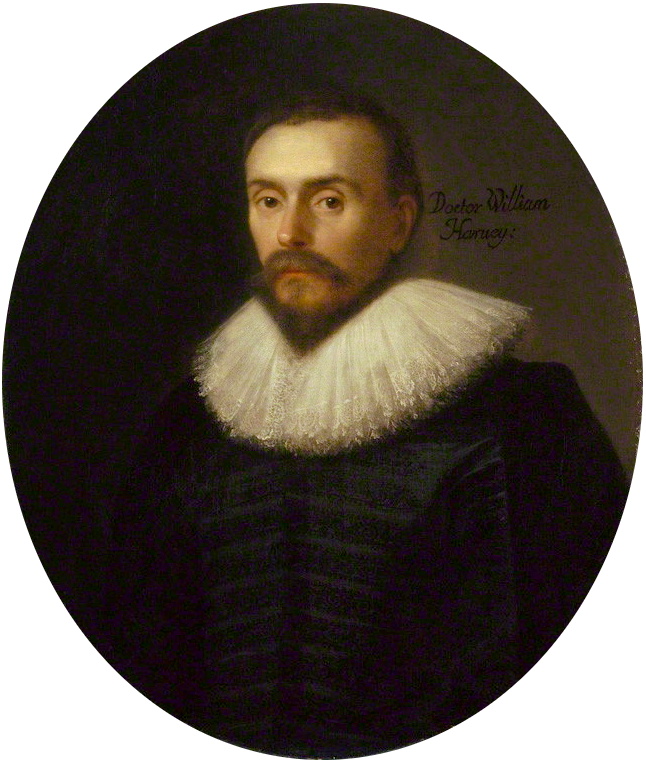
1628 HARVEY, William (1578 – 1657)
Exercitatio anatomica de motu cordis et sanguinis in animalibus.
Discovery and experimental proof of the circulation of the blood. Together with Vesalius’s Fabrica (1543), Harvey’s De motu cordus shares the honor as the greatest book in the history of medicine. Since antiquity, ide…
GMN 759 · https://historyofmedicine.com/id/1746
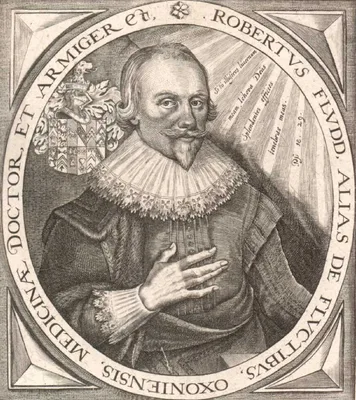
1629 –1631 FLUDD, Robert (1574 – 1637)
Integrum morborum mysterium, sive medicinæ catholicæ tomi primi tractatus secundus. [Pulsus seu nova et arcana pulsuum historia ... Hoc est, portionis tertiae pars tertia, de pulsuum scientia ... medicorum ... sive tomi primi tractatus secundi, sectio secunda, de morborum signis ... hoc est, divinatio per urinam.] In sectiones distributus duas : quorum ...
Fludd's Pulsus seu nova et arcana pulsuum historia contain's Fludd's chief medical writings. Dated 1629, but issued in this form, Fludd's Pulsus was the first published endorsement of Harvey's theory of the circulatio…
GMN 11597 · https://historyofmedicine.com/id/13796
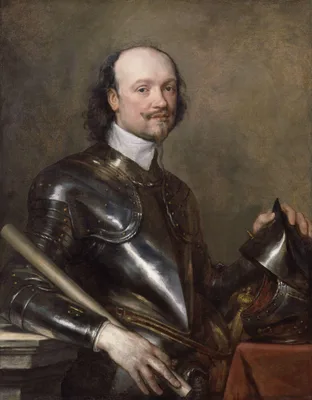
1644 DIGBY, Sir Kenelm (1603 – 1665)
Two treatises in the one of which the nature of bodies, in the other, the nature of mans soule is looked into in way of discovery of the immortality of reasonable soules.
"Digby's Two Treatises was intended to prove the immortality of the rational soul and its distinction from the material body, a dualistic view shared by many of his contemporaries. the work is noteworthy on several co…
GMN 11581 · https://historyofmedicine.com/id/13780
1645 SPIEGHEL, Adriaan van der [SPIGELIUS] (1578 – 1625); LINDEN, Johannes Antonides van der (1609 – 1664)
Opera quae extant omnia. Ex recension Joh. Antonidae vander Linden.
Spieghel succeeded Casseri in the chair of anatomy at Padua. This edition of his collected writings contains the second printing of the 97 copperplates first printed in Casseri’s Tabulae anatomicae (No. 381) plus 9 ex…
GMN 61.2 · https://historyofmedicine.com/id/8777
1649 HARVEY, William (1578 – 1657)
Exercitatio anatomica de circulatione sanguinis.
In this work Harvey first described the circulation of blood through the coronary arteries. Harvey also described experiments that he made to provide further support to his theory of the circulation since the publicat…
GMN 10658 · https://historyofmedicine.com/id/12851
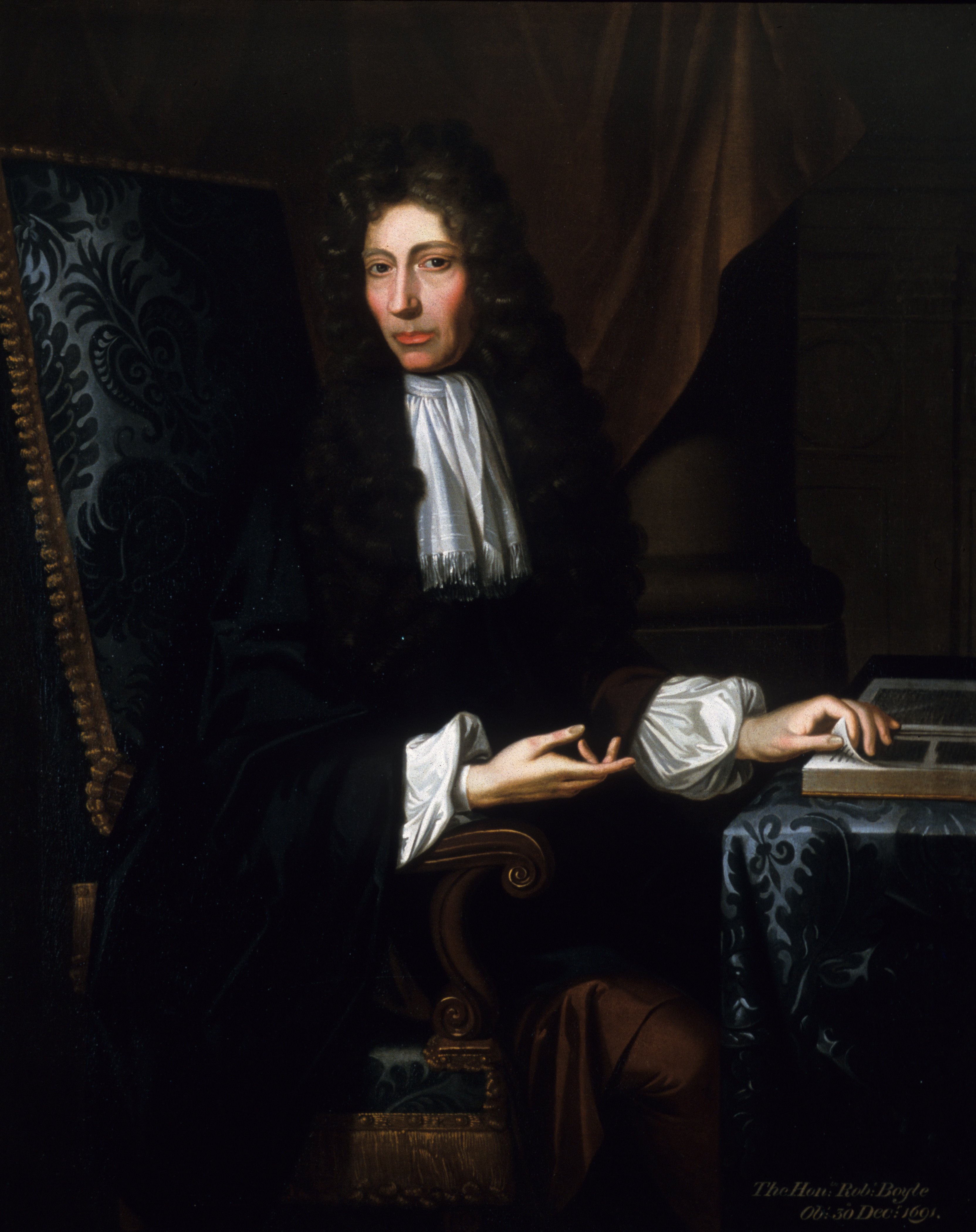
1660 BOYLE, Robert (1627 – 1691)
New experiments physico-mechanical touching the spring of the air.
Boyle showed the effects of the elasticity, compressibility, and weight of air. He investigated the function of air in respiration, combustion, and conveyance of sound. Most significantly Boyle demonstrated that air i…
GMN 914 · https://historyofmedicine.com/id/1092
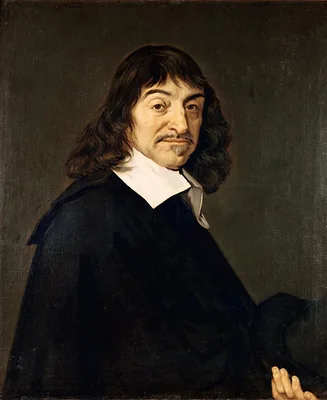
1662 DESCARTES, René (1596 – 1650)
De homine figuris et latinitate donatus a Florentio Schuyl.
Descartes considered the human body a material machine, directed by a rational soul located in the pineal body. This book was the first attempt to cover the whole field of “animal physiology”. The work is really a phy…
GMN 574 · https://historyofmedicine.com/id/352
1662 BOYLE, Robert (1627 – 1691)
A defence of the doctrine touching the spring and weight of the air.
Boyle’s law. The above pamphlet was appended to the second edition of Boyle’s The spring and weight of the air, 1662. The relevant passage is reproduced inj. F. Fulton’s Selected readings in the history of physiology,…
GMN 666 · https://historyofmedicine.com/id/543
1664 CROONE, William (1633 – 1684)
De ratione motus musculorum.
Croone accumulated a large fortune from his practice; with it his widow endowed the Croonian Lectures at the Royal College of Physicians, London. He believed muscular contraction to be brought about by the action of a…
GMN 575 · https://historyofmedicine.com/id/355
1664 STENO, Nicolas [Niels Steensen, Nicholaus Stenonis] (1638 – 1686)
De musculis et glandulis observationum specimen.
Stensen described the structure of muscles, the fibra motrix, confirming that contraction actually occurs in the muscle fibres, not in the tendon as Galen had thought. He attempted a geometrical description of muscle …
GMN 576 · https://historyofmedicine.com/id/360
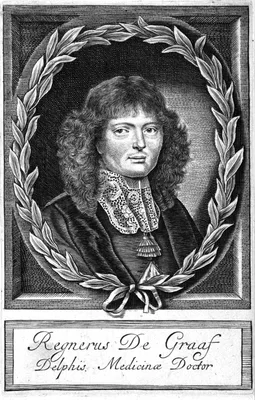
1664 GRAAF, Regnier de (1641 – 1673)
De succi pancreatici natura et usu exercitatio anatomico-medica.
De Graaf was an early investigator of the pancreatic secretion. He collected the pancreatic juice of dogs by means of artificial pancreatic fistulae, commenting on the small quantity of juice secreted and on its alkal…
GMN 974 · https://historyofmedicine.com/id/570
1667 STENO, Nicolas [Niels Steensen, Nicholaus Stenonis] (1638 – 1686)
Elementorum myologiae specimen.
In this work Stensen, in collaboration with the mathematician Vincenzio Viviani (1622-1703), a pupil of Galileo, developed a geometrical description of muscular contraction, and attempted to show theoretically that mu…
GMN 577 · https://historyofmedicine.com/id/358
1667 HOOKE, Robert (1635 – 1703)
An account of an experiment of preserving animals alive by blowing through their lungs with bellows.
By blowing air from a bellows over the exposed lungs of a dog, Hooke proved that respiratory motion is not necessary to maintain life, but that the essential feature of respiration lies in certain blood changes in the…
GMN 916 · https://historyofmedicine.com/id/1100
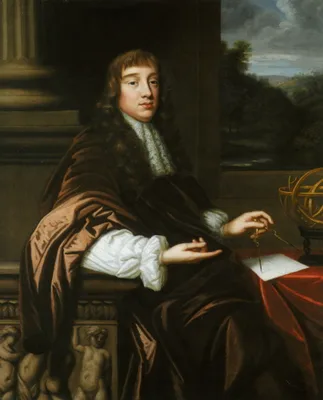
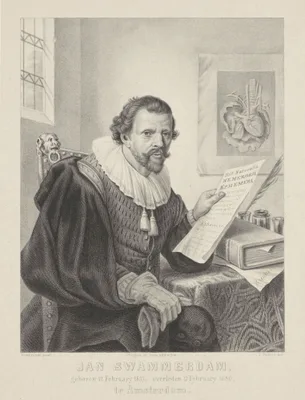
1667 –1673 BLASIUS, Gerard "Gerrit" Leendertszoon [Blaes] (162 – 1682); SWAMMERDAM, Jan (1637 – 1680); PRIVATE COLLEGE OF AMSTERDAM, (Collegium Privatum Amstelodamense)
Observationes anatomicae selectiores. [Part II: Observationum anatomicarum… pars altera]. 2 vols.
The only publications of one of the earliest scientific societies, active from 1664 to 1672. Founded by Gerard Blaes, and numbering Jan Swammerdam among its members, the college devoted itself to comparative anatomica…
GMN 292.1 · https://historyofmedicine.com/id/8835
1671 REDI, Francesco (1626 – 1697)
Esperienze intorno a diverse cose naturali…
Includes the first scientific study of an electric fish. While the torpedo’s peculiar properties had provoked scientific speculation since at least the time of Aristotle, Redi was the first to perform an actual dissec…
GMN 294.1 · https://historyofmedicine.com/id/8839
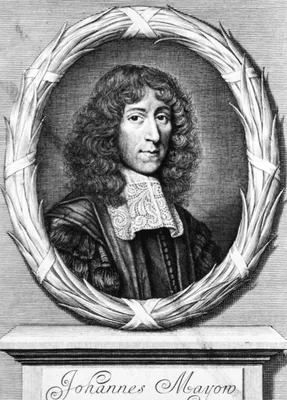
1674 MAYOW, John (1643 – 1679)
Tractatus quinque medico-physici.
Mayow was the first to locate the seat of animal heat in the muscles; he discovered the double articulation of the ribs with the spine and came near to discovering oxygen in his suggestion that the object of breathing…
GMN 2726.2 · https://historyofmedicine.com/id/366
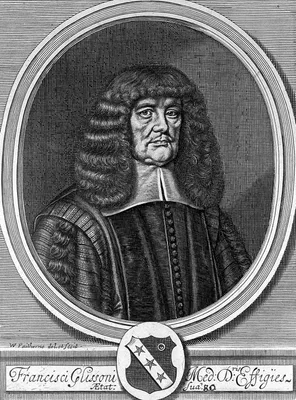
1677 GLISSON, Francis (1597 – 1677)
Tractatus de ventriculo et intestinis.
Glisson introduced the idea of irritability as a specific property of all human tissue, a hypothesis which had no effect upon contemporary physiology, but which was later demonstrated experimentally by Haller (No. 587).
GMN 579 · https://historyofmedicine.com/id/367
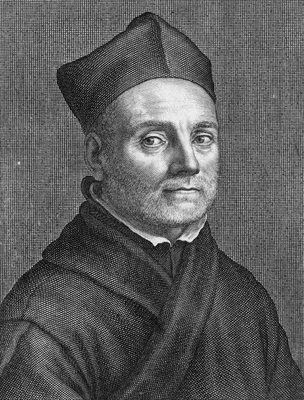
1680 KIRCHER, Athanasius (1602 – 1680)
Physiologia Kircheriana experimentalis.
Includes the first recorded experiment in hypnotism in animals.
GMN 580 · https://historyofmedicine.com/id/368
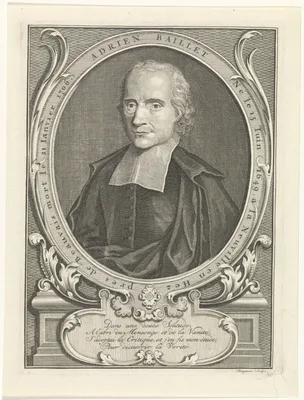
1691 DESCARTES, René (1596 – 1650); BAILLET, Adrien (1649 – 1706)
Le vie de monsieur Descartes. [par Adrien Baillet].
An early separately published biography of a contributor to the history of the life sciences. Digital facsimile from Google Books at this link.
GMN 12692 · https://historyofmedicine.com/id/14937
1700 MÉRY, Jean (1645 – 1722)
Observations sur la maniere de tailler dans les deux sexes pour l'extraction de la pierre, pratiqué par Frere Jacques. Nouveau system de la circulation du sang pour le trou ovale dans le foetus humain, avec les réponses aux objections qui ont été faites contre cette hypothese.
"Méry became closely associated with the comparative-anatomical work led by Claude Perrault and J.-G. Duverney. As a member of this group, Méry made contributions to their joint publications, in which each man’s speci…
GMN 11894 · https://historyofmedicine.com/id/14099
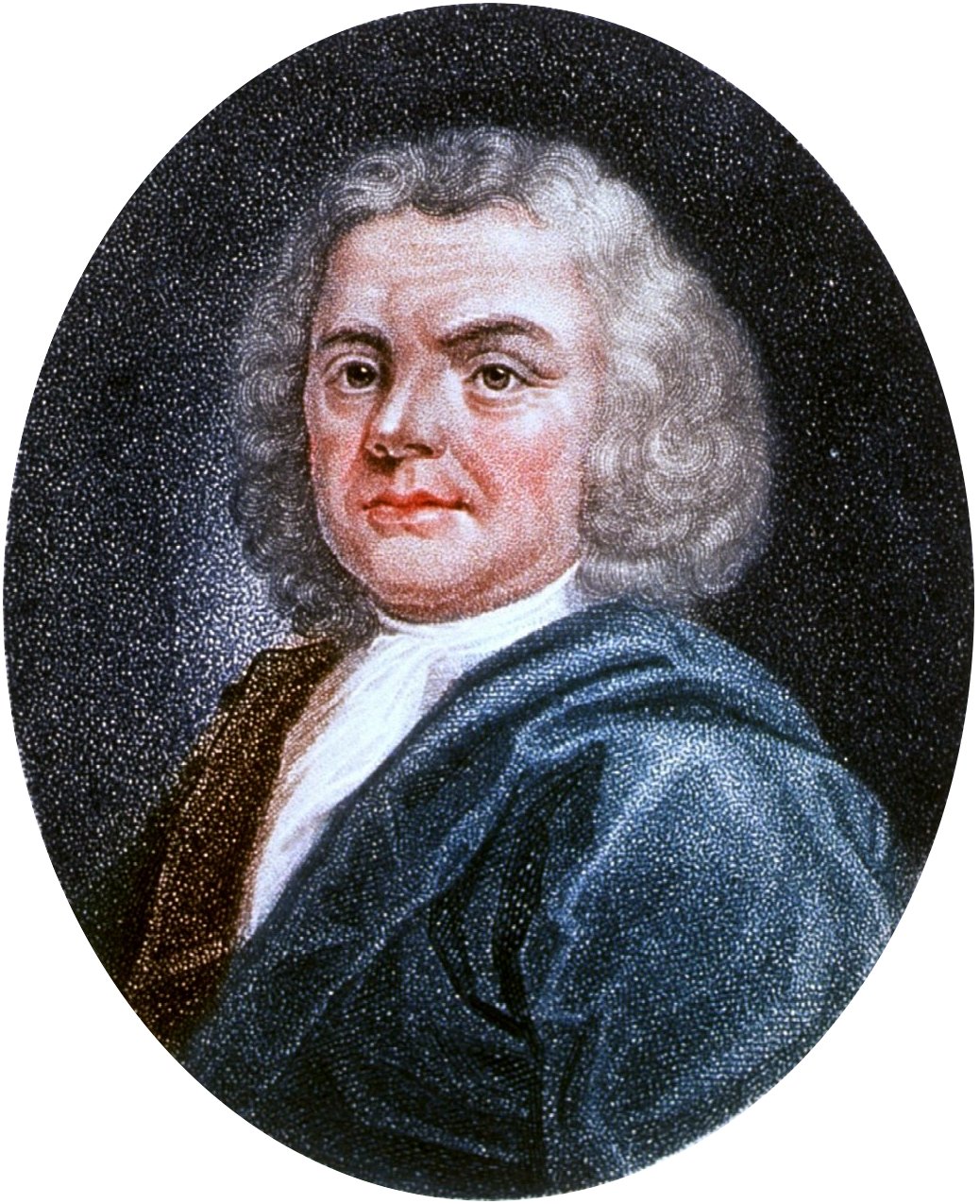
1708 BOERHAAVE, Herman (1668 – 1738)
Institutiones medicae in usus annuae exercitationis domesticos digestae.
Institutiones medicae, Boerhaave’s first book, represented lectures given by Boerhaave on June 23, 1701; it was soon being used in virtually every medical school in Europe, going though numerous authorized and unautho…
GMN 581 · https://historyofmedicine.com/id/369
1708 STAHL, Georg Ernst (1660 – 1734)
Theoria medica vera.
Stahl tried to explain vital phenomena by mystical means. He was the head of the so-called Animistic School which explained disease as caused by misdirected activities on the part of the soul. A three-volume German tr…
GMN 582 · https://historyofmedicine.com/id/370
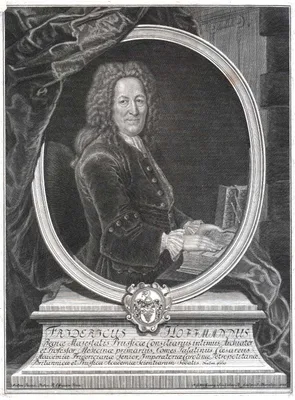
1718 HOFFMANN, Friedrich (1660 – 1742)
Fundamenta physiologiae.
Hoffmann was the first to perceive pathology as an aspect of physiology. His Fundamenta is an outstanding treatise on physiology. English translation with introduction by Lester S. King, London, 1971.
GMN 583 · https://historyofmedicine.com/id/371
1724 SERVETUS, Michael [Miguel Serveto Conesa; also known as Miguel Servet, Miguel Serveto, Revés, or Michel de Villeneuve] (1511 – 1553); ANONYMOUS
An impartial history of Michael Servetus, burnt alive at Geneva for heresie.
Authorship of this early English account of Servetus and his martyrdom for heresy has never been determined, according to Geoffrey Sill, "The authorship of An impartial history of Michael Servetus," Papers of the Bibl…
GMN 12698 · https://historyofmedicine.com/id/14943
1727 –1733 HALES, Stephen (1677 – 1761)
Vegetable staticks: Or, an account of some statical experiments on the sap in vegetables. Statical essays, containing haemastaticks. 2 vols.
Hales initiated a new stage in physiological experimentation with his "statical" methods, which were characterized by precise quantitative measurements, repetition and the used of controls, and were based on the assum…
GMN 765 · https://historyofmedicine.com/id/1752
1727 SALGADO CÉRON, Marcos José (1671 – 1740)
Cursus medicus Mexicanus juxtà sanguinis circulationem, & alia recentiorum inventa ad usum studentium....Paris prima physiologica [All Published]
The first textbook of physiology published in the Western hemisphere. Digital facsimile from Medical Heritage Library, Internet Archive at this link.
GMN 7362 · https://historyofmedicine.com/id/9534
1727 SERVETUS, Michael [Miguel Serveto Conesa; also known as Miguel Servet, Miguel Serveto, Revés, or Michel de Villeneuve] (1511 – 1553); MOSHEIM, Johann Lorenz von (1693 – 1755); ALLWOERDEN, Heinrich von (1703 – )
Historia Michaelis Serveti Quam praeside Io. Laur. Mosheimio...auctor Henricus ab Allwoerden.
An early biographical account of Servetus and his martyrdom for heresy, prepared under the direction of Johann Lorenz von Mosheim whose Kaisergeschichte (2 vols, 1746-48) initiated the modern, objective historiography…
GMN 12697 · https://historyofmedicine.com/id/14942
1732 BOERHAAVE, Herman (1668 – 1738)
Elementa chemiae. 2 vols.
Boerhaave was the first to separate out urea from urine, and to do so without adding chemical substances such as alcohol or nitric acid. He first published his method for isolating it in the above work. English transl…
GMN 666.1 · https://historyofmedicine.com/id/545
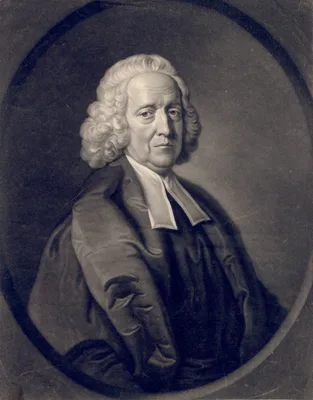
1738 STUART, Alexander (1673 – 1742)
Dissertatio de structura et motu musculari.
This was the text of the first Croonian Lecture at the Royal Society. In it Stuart promoted a strictly hydraulic iatromechanism as a theory of muscular motion. This work was translated into English in 1739. Digital fa…
GMN 11713 · https://historyofmedicine.com/id/13914
1740 –1753 HOFFMANN, Friedrich (1660 – 1742)
Opera omnia physico-medica. (Supplementum, etc) 9 vols.
Hoffmann of Halle was the most important of the Iatromechanists. He believed an ether-like “vital fluid” to be present in the nervous system and to act upon the muscles, giving them “tonus”.
GMN 72 · https://historyofmedicine.com/id/1277
1747 HALLER, Albrecht von (1708 – 1777)
Primae lineae physiologiae in usum praelectionum academicarum.
Haller was one of the most imposing figures in the whole of medicine, besides being a superb bibliographer and the founder of medical bibliography. As a physiologist he was the greatest of his time. Many apparently “n…
GMN 585 · https://historyofmedicine.com/id/372
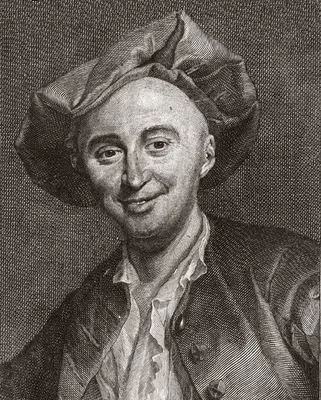
1748 LA METTRIE, Julien Offray de (1709 – 1751)
L’homme machine.
La Mettrie attempted among other things to prove the materialism of the soul. Because of his blatant and aggressive atheism, all of La Mettrie’s writings were placed on the Index and systematically burned. Owing to it…
GMN 586 · https://historyofmedicine.com/id/373
1753 TARIN, Pierre (1725 – 1761)
Dictionaire anatomique suivi d'une bibliothèque anatomique et physiologique.
An anatomical dictionary with most of the entries cross referenced to related structures, followed by a very extensive bibliography of anatomical and physiological works. Digital facsimile from Google Books at this link.
GMN 7800 · https://historyofmedicine.com/id/9972
1757 –1766 HALLER, Albrecht von (1708 – 1777)
Elementa physiologiae corporis humani. 8 vols.
Haller synthesized the whole physiological knowledge of his time. In the above, probably his greatest work, Haller included some anatomical descriptions which were most valuable. He is said to have written more than 1…
GMN 588 · https://historyofmedicine.com/id/401
1773 WALSH, John (1725 – 1795)
Of the electric property of the torpedo.
The first accurate study of the electrical organs of the torpedo fish were made by Walsh, who was given the Copley Medal of the Royal Society for his work on the subject. Walsh proved that the shock of the torpedo was…
GMN 589 · https://historyofmedicine.com/id/405
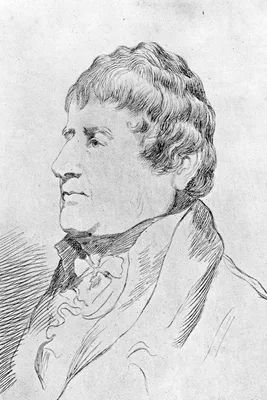
1775 BLAGDEN, Sir Charles (1748 – 1820)
Experiments and observations in an heated room.
First demonstration of the importance of perspiration in the maintenance of constant body temperature.
GMN 590 · https://historyofmedicine.com/id/374

![SCOT, Michael [Michael Scotus] (1175 – 1232)](/media/portraits/12461)
![HIPPOCRATES, [Ἱπποκράτης; Hippocrates of Kos] (-460 – -370)](/media/portraits/50)