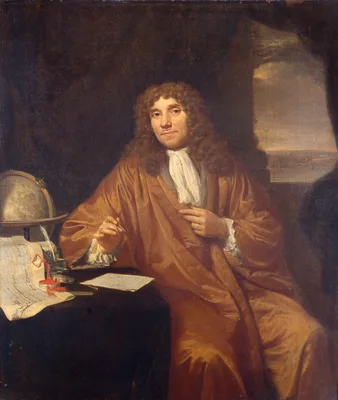
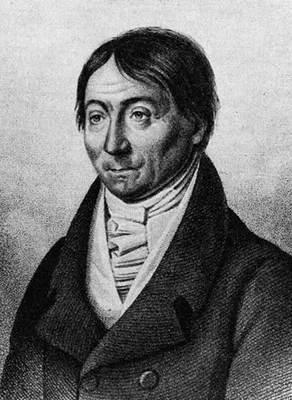
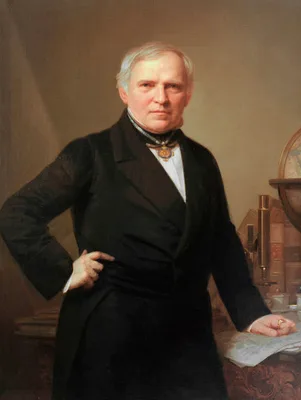
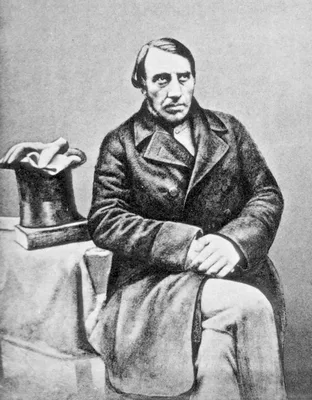
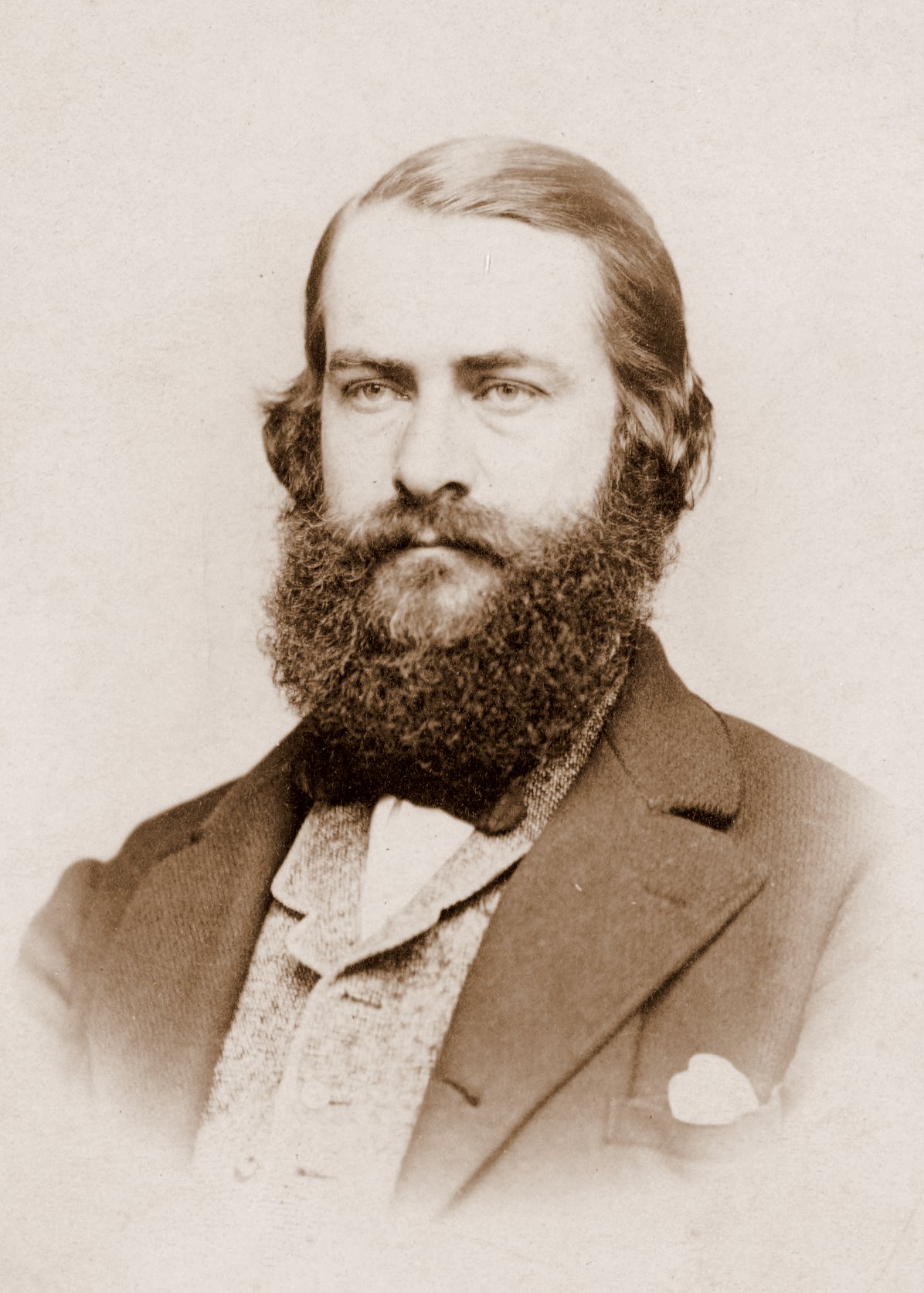
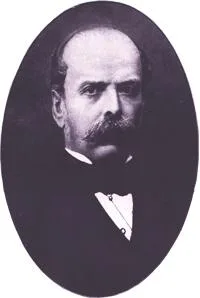
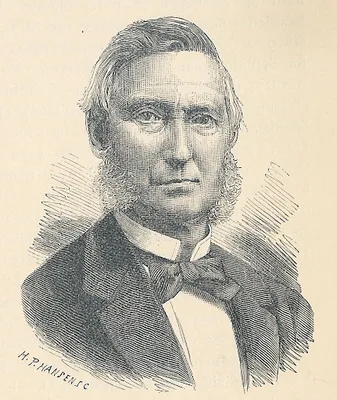
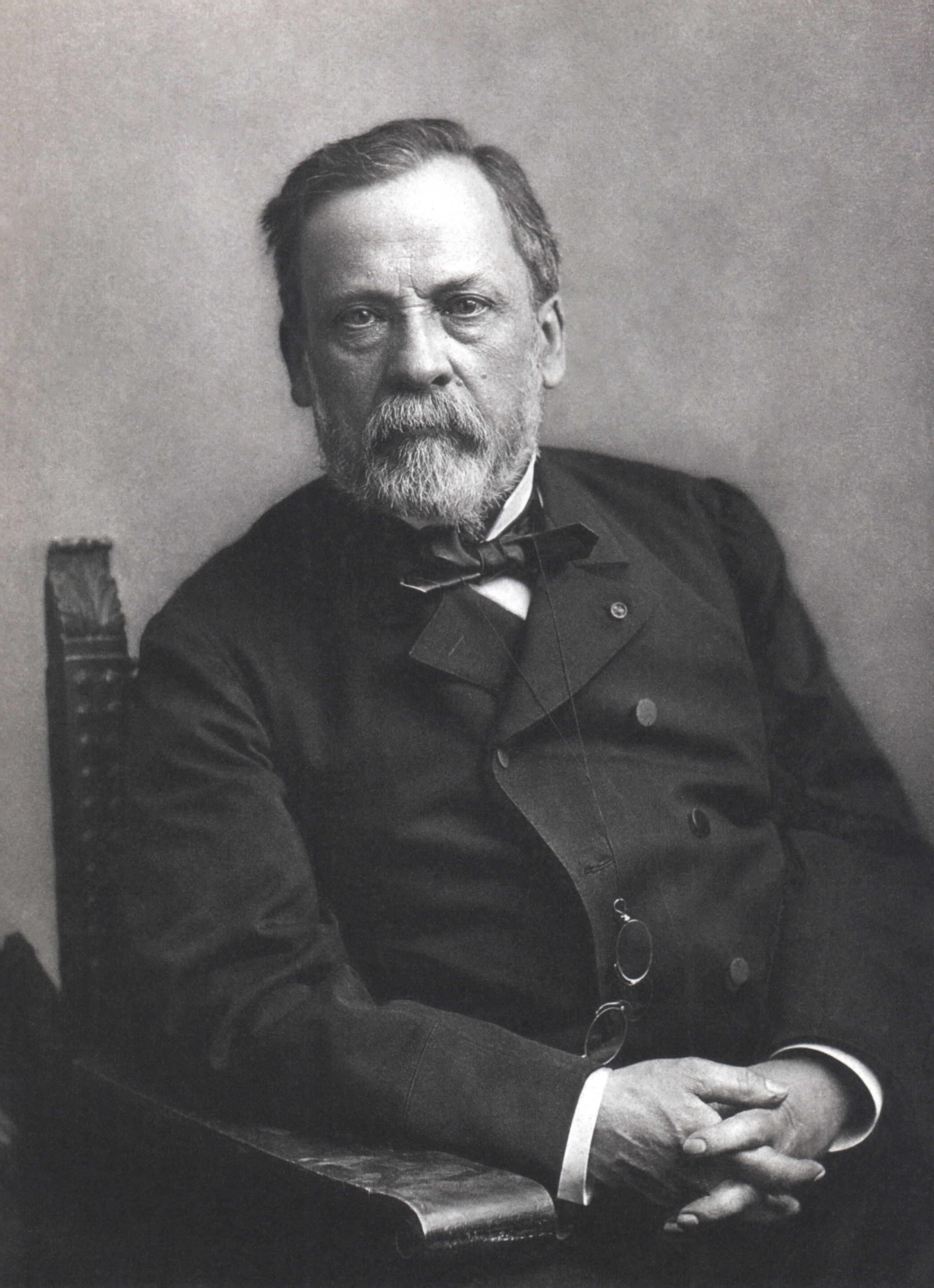
1653 HARTMAN [HARTMANNUS]
Thesis de carbunculo.
GMN 5160 · https://historyofmedicine.com/id/6222
1684 LEEUWENHOEK, Antonie van (1632 – 1723)
An abstract of a letter…Sep. 17, 1683. Containing some microscopical observations, about animals in the scurf of the teeth.
Records discovery of bacteria in the mouth, with the first illustrations of the basic types – what were much later called cocci (round or oval), bacilli (rod-shaped) and spiriillum (spiral) forms. Although Leeuwenhoek…
GMN 2464.1 · https://historyofmedicine.com/id/5444
1686 –1718 LEEUWENHOEK, Antonie van (1632 – 1723)
Ontledingen en ontdekkingen.... 6 vols.
Leeuwenhoek, one of the first and also one of the greatest of the microbiologists, communicated many of his discoveries to the Royal Society in London. This set is a collection in Dutch of many contributions that van …
GMN 265 · https://historyofmedicine.com/id/1222
1773 –1774 MÜLLER, Otto Friedrich (1730 – 1784)
Vermium terrestrium et fluviatilium, seu animalium infusoriorum, helminthecorum, et testaceorum non marinorum, succincta historia. 2 vols.
In this work Müller arranged the Infusoria into genera and species for the first time. Digital facsimile from the Biodiversity Heritage Library at this link.
GMN 11779 · https://historyofmedicine.com/id/13980
1778 GLEICHEN-RUSSWURM, Wilhelm Friedrich von (1717 – 1783)
Abhandlung fiber die Saamen- und Infusionsthierchen, und über die Erzeugung: nebst mikroskopischen Beobachtungen des Saamens der Thiere, und verschiedener Infusionen.
Gleichen was probably the first to attempt to stain bacteria; he used carmine and indigo.
GMN 2465 · https://historyofmedicine.com/id/3030
1786 MÜLLER, Otto Friedrich (1730 – 1784)
Animalcula infusoria fluviatilia et marina, quae detexit, systematice descripsit et ad vivum delineari.
Müller was the first to attempt a systematic classification of infusoria. He published several papers on the subject, the best being the above posthumous work. Muller described 8 species of the genus Vibrio (included …
GMN 2466 · https://historyofmedicine.com/id/3031
1809 LINK, Johann Heinrich Friedrich (1767 – 1851)
Observationes in Ordines plantarum naturales. Dissertatio prima complectens Anandrarum ordines Epiphytas, Mucedines, Gastromycos et Fungo.
Link described Polyangium, the first bacterium to be described that is still recognized today. Link also described Penicillium for the first time.
GMN 11403 · https://historyofmedicine.com/id/13602
1830 EHRENBERG, Christian Gottfried (1795 – 1876)
Organisation, Systematik und geographische Verhältniss der Infusionsthierchen. Zwei Vorträge, in der Akademie der Wissenschaften zu Berlin gehalten in den Jahren 1828 und 1830.
In this work Ehrenberg first published his classification of infusioria, including the naming of bacteria for the first time. The work published two papers based on his expeditions. The first, read on January 10, 1828…
GMN 11452 · https://historyofmedicine.com/id/13651
1837 RAYER, Pierre François Olive (1793 – 1867)
De la morve et du farcin chez l’homme.
In this treatise on glanders and farcy in man Rayer showed that glanders is contagious, but is not a form of tuberculosis. Rayer began the work with a thoroughly documented historical chapter. Digital facsimile of the…
GMN 5154 · https://historyofmedicine.com/id/6201
1838 EHRENBERG, Christian Gottfried (1795 – 1876)
Die Infusionsthierchen als vollkommene Organismen. 1 vol. and atlas of 64 hand-colored engraved plates.
In this monumental work in folio format Ehrenberg extended Otto Friedrich Müller’s bacteriological classification. Like Müller, he made no distinction between protozoa and bacteria, classing them both as infusoria. Hi…
GMN 111 · https://historyofmedicine.com/id/1664
1841 DUJARDIN, Félix (1801 – 1860)
Histoire naturelle des zoophytes.
Further modification of and improvements in the classification of bacteria.
GMN 2470 · https://historyofmedicine.com/id/3045
1842 GOODSIR, John (1814 – 1867)
History of a case in which a fluid periodically ejected from the stomach contained vegetable organisms of an undescribed form.
First description of Sarcina ventriculi, discovered by Goodsir.
GMN 2471 · https://historyofmedicine.com/id/3048
1848 –1849 LEIDY, Joseph (1823 – 1891)
On the existence of Entophyta in healthy animals, as a natural condition.
Discovery of the bacterial flora of the intestines.
GMN 3450 · https://historyofmedicine.com/id/5518
1850 RAYER, Pierre François Olive (1793 – 1867)
Inoculation du sang de rate.
Rayer inoculated sheep with blood of other sheep dead of anthrax. Microscopically he saw the anthrax bacillus in the blood of the inoculated sheep. Rayer was associated with Davaine, who later, in Bull. Acad. Méd., 18…
GMN 5163 · https://historyofmedicine.com/id/6231
1854 PACINI, Filippo (1812 – 1883)
Osservazioni microscopiche e deduzioni patologiche sul cholera asiatico.
Pacini described vibrios seen in the intestinal contents of cholera victims. He incriminated these vibrios as the pathogen in the disease, anticipating Koch (No. 5108) by 30 years. See N. Howard-Jones. Perspect. Biol.…
GMN 5106.1 · https://historyofmedicine.com/id/6043
1855 POLLENDER, Franz Aloys Antoine (1799 – 1879)
Mikroskopische und mikrochemische Untersuchung des Milzbrandblutes sowie über Wesen und Kurdes Milzbrandes.
Pollender discovered the B. anthracis in 1849, but did not record this fact until 1855. He gave a more exact account of the organism than did Rayer (No. 5163).
GMN 5164 · https://historyofmedicine.com/id/6234
1856 PANUM, Peter Ludvig (1820 – 1885)
Bidrag til Laeren om den saakaldte putride eller septiske Infection.
Panum was the first to investigate the chemical products of putrefaction. His work had great significance for the doctrine of putrid intoxication. An abstract of the above paper is in jb. in-u. ausländ. ges. Med., 185…
GMN 2534 · https://historyofmedicine.com/id/3520
1857 PASTEUR, Louis (1822 – 1895)
Mémoire sur la fermentation appelée lactique.
First demonstration of the connection between a specific fermentation and the activity of a specific living micro-organism. This paper is often considered the beginning of bacteriology as a modern science. The above w…
GMN 2472 · https://historyofmedicine.com/id/3052
1859 PASTEUR, Louis (1822 – 1895)
Nouveaux faits pour server à l’histoire de la levure lactique.
This and the preceding entry mark Pasteur’s commencement of the study of fermentation. This paper described Pasteur’s method of cultivating micro-organisms in a medium free of organic nitrogen to produce fermentations…
GMN 2473 · https://historyofmedicine.com/id/3059
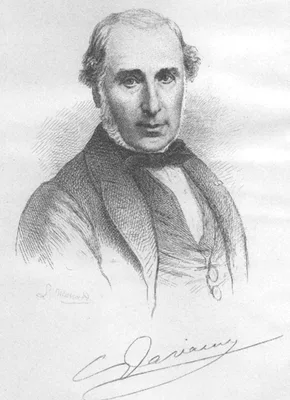
1863 DAVAINE, Casimir Joseph (1812 – 1882)
Recherches sur les infusoires du sang dans la maladie connue sous le nom de sang de rate.
Davaine showed that anthrax could be transmitted to sheep, horses, cattle, guinea-pigs, and mice, and that in such animals the bacilli did not appear in the blood until 4-5 hours before death.
GMN 5165 · https://historyofmedicine.com/id/6237
1865 DAVAINE, Casimir Joseph (1812 – 1882)
Recherches sur la nature et la constitution anatomique de la pustule maligne.
Davaine was the first conclusively to prove that a definite disease (anthrax) was due to a definite micro-organism (B. anthracis), and was thus one of the first to prove the germ theory of disease. He showed that the …
GMN 5166 · https://historyofmedicine.com/id/6239
1870 PASTEUR, Louis (1822 – 1895)
Études sur la maladie des vers à soie. 2 vols.
This work saved the French silk industry, which had been crippled by the disease pébrine. After three years of research on the problem, Pasteur was able to show that the disease known as pébrine was caused by a parasi…
GMN 2481 · https://historyofmedicine.com/id/3081
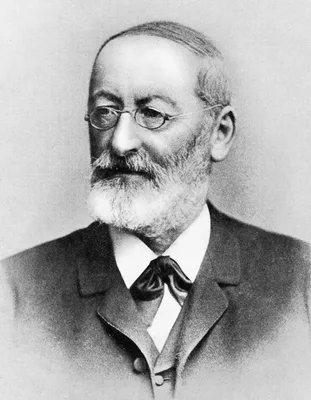
1871 WEIGERT, Carl (1845 – 1904)
Ueber Bakterien in der Pockenhaut.
Weigert was the first to stain bacteria. He introduced many of the best staining methods in use today. Weigert discovered bacteria in hemorrhagic smallpox. In the same paper is described how carmine will color cocci.
GMN 2482 · https://historyofmedicine.com/id/3084
1871 KLEBS, Theodor Albrecht Edwin (1834 – 1913)
Die Ursache der infectiösen Wundkrankheiten.
Klebs, Professor of Pathology at Berne, Würzburg, Prague, Zurich, and Chicago, preceded Koch in investigations of the pathology of traumatic infection. He found bacteria in gunshot wounds, granulation tissue, etc., an…
GMN 2535 · https://historyofmedicine.com/id/3522
1872 KLEBS, Theodor Albrecht Edwin (1834 – 1913)
Beiträge zur pathologischen Anatomie der Schusswunden.
Klebs filtered the discharges from gunshot wounds, found the filtrate to be non-infectious, and from that reasoned that traumatic septicemia is of bacterial origin. He was the first to filter bacteria and to experimen…
GMN 2173 · https://historyofmedicine.com/id/1207
1872 COHN, Ferdinand Julius (1828 – 1898)
Untersuchungen über Bacterien.
Cohn’s morphological classification of bacteria. He founded the Beiträge.
GMN 2483 · https://historyofmedicine.com/id/3087
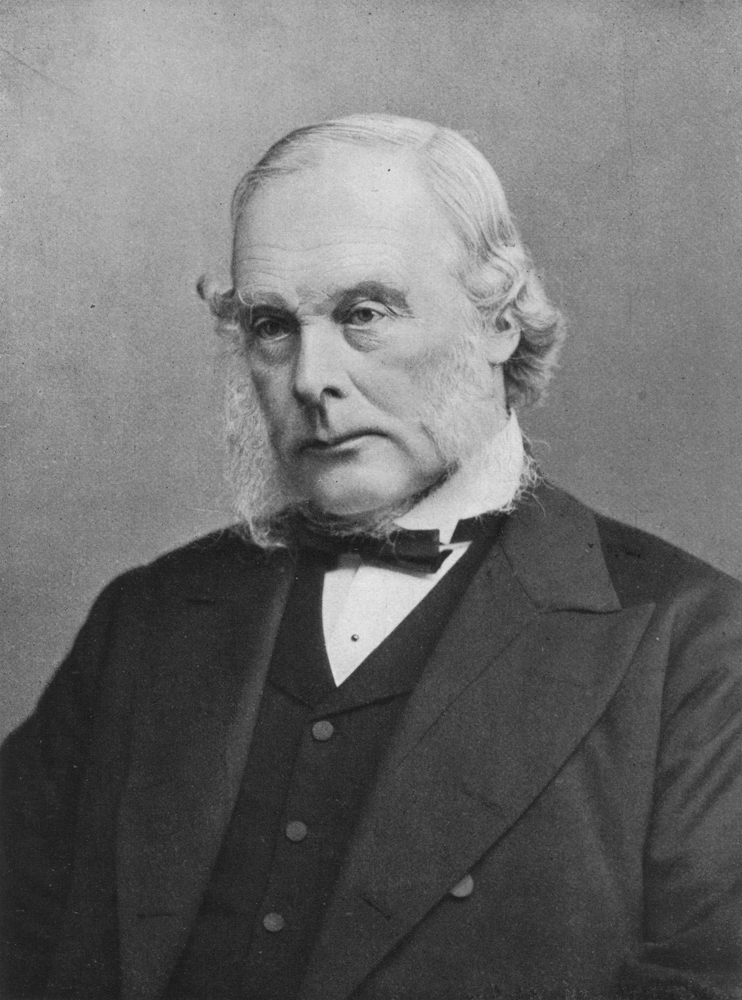
1873 LISTER, Joseph, 1st Baron Lister (1827 – 1912)
A further contribution to the natural history of bacteria and the germ theory of fermentative changes.
Isolation of Bacterium lactis, the specific micro-organism responsible for the lactic acid fermentation of milk.
GMN 2484 · https://historyofmedicine.com/id/3092
1873 OBERMEIER, Otto Hugo Franz (1843 – 1873)
Vorkommen feinster, eine Eigenbewegung zeigender Fäden im Blute von Recurrenskranken.
Discovery (in 1868) of Borrelia recurrentis, causative agent in relapsing fever.
GMN 5314 · https://historyofmedicine.com/id/6602
1874 HANSEN, Gerhard Henrik Armauer (1841 – 1912)
Indberetning til det Norske mediciniske Selskab i Christiania om en med understottelse af selskabet foretaghen reise for at anstille undersogelser angaende spedalskhedens arsager, tidels udforte sammen med forstander Hartwig.
Hansen discovered the leprosy bacillus on 28 February 1873. He had been stimulated by the previous work of Danielssen and Boeck, and his own demonstration of the leprosy bacillus is one of the earliest observations of…
GMN 2436 · https://historyofmedicine.com/id/2901
1874 BILLROTH, Christian Albert Theodor (1829 – 1894)
Untersuchungen über die Vegetationsformen von Coccobacteria septica und den Antheil, Welchen sie an der Enstehung und Verbreitung der accidentellen Wundkrankheiten Haben. Versuch einer wissenschaftlichen Kritik der verscheidenen Methoden antiseptischer Wundbehandlung.
Billroth provided the first account of streptocci wound infection, calling the bacteria Coccobacteria septica. When Billroth introduced antisepic techniques in his surgical practice the number of surgical patients wit…
GMN 12064 · https://historyofmedicine.com/id/14273
1876 TYNDALL, John (1820 – 1893)
The optical deportment of the atmosphere in relation to the phenomena of putrefaction and infection.
Tyndall observed the selective bacteria-inhibiting effect of Penicillium and the resistance of Ps. pyocyanea to it. See No. 2495.
GMN 1932 · https://historyofmedicine.com/id/2765
1876 WEIGERT, Carl (1845 – 1904)
Ueber eine Mykose bei einem neugeborenen Kinde (Bakterienfärbung mit Anilinfarben).
In this paper Weigert showed that methyl violet will reveal cocci in tissues.
GMN 2486 · https://historyofmedicine.com/id/3098
1876 KOCH, Robert Heinrich Hermann (1843 – 1910)
Die Aetiologie der Milzbrand-Krankheit, begründet auf die Entwicklungsgeschichte des Bacillus anthracis.
In 1876 Koch first obtained pure cultures of B. anthracis and described its complete life history. With Davaine (Nos. 5165-66) he did much to prove that infectious diseases are caused by living reproductive microorgan…
GMN 5167 · https://historyofmedicine.com/id/6243
1877 EHRLICH, Paul (1854 – 1915)
Beitrag zur Kenntnis der Anilinfärbungen und ihrer Verwendung in der mikroskopischen Technik.
Ehrlich’s first paper on the staining of specific granulation in white blood corpuscles by means of aniline dyes. His work immensely affected subsequent technical methods of staining.
GMN 2487 · https://historyofmedicine.com/id/3104
1877 KOCH, Robert Heinrich Hermann (1843 – 1910)
Verfahrungen zur Untersuchung, zum Conserviren und Photographiren der Bacterien.
Koch greatly improved staining methods; he laid the foundations of the technical procedures employed in bacteriology today. In the above paper he described his method of slide preparation, making films of bacteria on …
GMN 2488 · https://historyofmedicine.com/id/3111
1877 –1878 LISTER, Joseph, 1st Baron Lister (1827 – 1912)
On the lactic fermentation and its bearings on pathology.
Lister was the first to obtain a pure culture of a bacterium (Bact. lactis). Lister first presented the results of this research in an address to the Royal Society on December 18, 1877. Because of its historic signifi…
GMN 2489 · https://historyofmedicine.com/id/3115
1877 PASTEUR, Louis (1822 – 1895); JOUBERT, Jules François (1834 – 1910)
Charbon et septicémie.
Discovery of Vibrion septique (Cl. septicum), the first pathogenic anerobe to be found. Pasteur and Joubert were probably the first to realize the practical implications of antibiosis. They noted the antagonism betwee…
GMN 1932.1 · https://historyofmedicine.com/id/3134
1877 TYNDALL, John (1820 – 1893)
Fermentation and its bearings on the phenomena of disease.
See No. 2495.
GMN 2491 · https://historyofmedicine.com/id/3138
1877 PASTEUR, Louis (1822 – 1895); JOUBERT, Jules François (1834 – 1910)
Étude sur la maladie charbonneuse.
Pasteur confirmed Koch’s results regarding anthrax; with Joubert he carried the bacillus through 100 generations and succeeded in producing anthrax from the last, thus disposing of the idea of a separate virus.
GMN 5168 · https://historyofmedicine.com/id/6246
1877 BOLLINGER, Otto (1843 – 1909)
Ueber eine neue Pilzkrankheit beim Rinde.
First effective description of Actinomyces bovis.
GMN 5510 · https://historyofmedicine.com/id/6511
1878 MAGNIN, Antoine (1848 – 1926)
Les bactéries.
Translated into English by George M. Sternberg as The bacteria (Boston, 1880). Sternberg illustrated the American edition with 5 heliotype reproductions of his own photomicrographs.
GMN 2492 · https://historyofmedicine.com/id/3140
1878 ISRAEL, James Adolf (1848 – 1926)
Neue Beobachtungen auf dem Gebiete der Mykosen des Menschen.
Israel contributed an important early paper on the ray fungus Actinomyces. He included some drawings made by Langenbeck in 1845 and was the first to describe a human case of actinomycosis.
GMN 5511 · https://historyofmedicine.com/id/6512
1879 NEISSER, Albert Ludwig Siegmund (1855 – 1916)
Ueber eine der Gonorrhoe eigentümliche Micrococcusform.
Discovery of the gonococcus – causal organism in gonorrhoea.
GMN 5208 · https://historyofmedicine.com/id/7802
1879 PASTEUR, Louis (1822 – 1895)
Septicémie puerpérale.
Description of the streptococcus of puerperal sepsis.
GMN 6278 · https://historyofmedicine.com/id/7997
1880 PASTEUR, Louis (1822 – 1895)
De l’extension de la théorie des germes à l’étiologie de quelques maladies communes.
In this study of furunculosis (“boils”) and osteomyelitis Pasteur left the first recognizable descriptions of staphylococcus and streptococcus. The term streptococcus had been coined by Billroth in 1874; however, Past…
GMN 2492.1 · https://historyofmedicine.com/id/3143
1880 PASTEUR, Louis (1822 – 1895); CHAMBERLAND, Charles (1851 – 1908); ROUX, Pierre Paul Émile (1853 – 1933)
Sur l’étiologie du charbon.
First use of attenuated bacteria for therapeutic purposes. See also the same journal, 1881, 92, 1378-83.
GMN 5169 · https://historyofmedicine.com/id/6251
1880 PONFICK, Emil (1844 – 1913)
Ueber Actinomykose.
Ponfick recognized the causative role of Actinomyces in human actinomycosis; he established the identity of the human and animal forms of the disease. He published a book on the subject, Die Actinomykose des Menschen,…
GMN 5512 · https://historyofmedicine.com/id/6513
1880 EBERTH, Carl Joseph (1835 – 1926)
Die Organismen in den Organen bei Typhus abdominalis.
Salmonella typhi, causal organism of typhoid, was discovered by Eberth. Some European writers refer to the disease as “Eberth’s disease”.
GMN 5030 · https://historyofmedicine.com/id/6764
1880 LEISTIKOW, Leo (1847 – 1917)
Ueber Bacterien bei den venerischen Krankheiten.
Leistikow was first to report the cultivation of the gonococcus.
GMN 5209 · https://historyofmedicine.com/id/7804
1881 EHRLICH, Paul (1854 – 1915)
Ueber das Methylenblau und seine klinisch-bakterioskopische Verwerthung.
Introduction of methylene blue in bacteriological staining.
GMN 2493 · https://historyofmedicine.com/id/3148