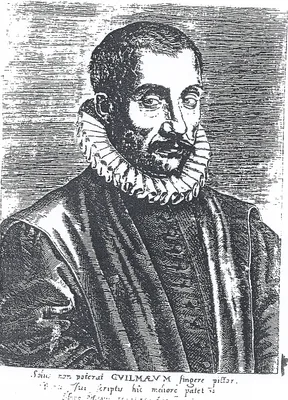
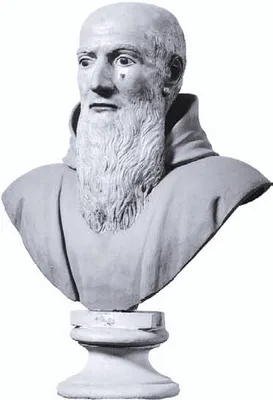
1465 SABUNCUOGLU (OTTOMAN TURKISH: شرف الدّین صابونجی اوغلی), Şerafeddin (1385 – 1468)
Cerrahiyyetu'l-Haniyye (Imperial Surgery)
In 1465, at the age of 80, Ottoman surgeon and physician Şerafeddin Sabuncuoğlu published in manuscript an illustrated atlas of surgery and dentistry. This was also the first medical textbook written in Turkish, proba…
GMN 6819 · https://historyofmedicine.com/id/8982
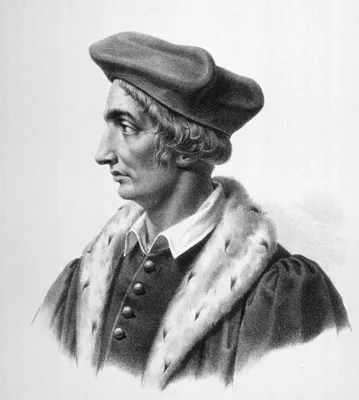
1474 SALICETO, Guglielmo da [WILLIAM OF SALICETO] (1210 – 1277)
La ciroxia vulgarmente fata.
Saliceto was Professor of Surgery at Bologna about 1268; his treatise on surgery, written about 1275, was the leading work on the subject in the 13th century. William broke with tradition by claiming that pus formatio…
GMN 5552 · https://historyofmedicine.com/id/6859
1476 SALICETO, Guglielmo da [WILLIAM OF SALICETO] (1210 – 1277)
Summa conservationis et curationis. Chirurgia.
Contains (Cap. cxl) his classic account of renal edema: De duritie in renibus, an English translation of which is in Major, Classic descriptions of disease, 3rd ed., 1945, p. 527. ISTC no. is00032000.
GMN 4204 · https://historyofmedicine.com/id/6214
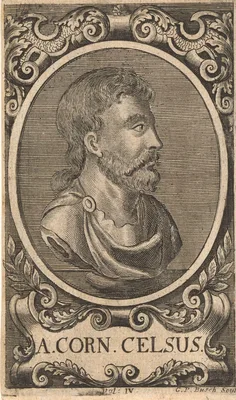
1478 CELSUS, Aulus Aurelius Cornelius (-25 – 50); FONTE, Bartolomeo della (Bartholomaeus Fontius) (1446 – 1513)
De medicina. Ed: Bartholomaeus Fontius.
De Medicina is the oldest Western medical document after the Hippocratic writings. Written about 30 CE, it remains the greatest medical treatise from ancient Rome, and the first Western history of medicine. Celsus’s s…
GMN 20 · https://historyofmedicine.com/id/4660
1478 GUY DE CHAULIAC, (Guido de Cauliaco) (1298 – 1368); PANIS, Nicolaus
Chirurgia [French]. Translated by Nicolaus Panis.
Guy de Chauliac studied medicine and surgery in Montpellier and Paris, and served as the personal physician to Popes Clement VI, Innocent VI and Urban V. His Chirurgia magna, written in the early 1360s, remained a sta…
GMN 3666.83 · https://historyofmedicine.com/id/5376
1490 AVENZOAR [IBN ZUHR (ARABIC: ابن زهر ] (1092 – 1162); AVERROËS [IBN RUSHD (ARABIC: ابن رشد), FULL NAME ʾABŪ L-WALĪD MUḤAMMAD IBN ʾAḤMAD IBN RUŠD] (1126 – 1198); PARAVICIUS, [Paravicinus, Patavinus] (1250 – ); JACOBUS HEBRAEUS (1250 – )
Liber Teisir, sive rectificatio medicationis et regiminis. Antidotarium. Translated from Arabic into Hebrew by Jacobus Hebraeus; into Latin by Paravicius. Add: Averroes: Colliget.
This is a Latin translation from a Hebrew version dating from 1280. Avenzoar, the greatest Muslim physician of the Western Caliphate, described the itch-mite, Sarcoptes scabiei, serous pericarditis, mediastinal absces…
GMN 47 · https://historyofmedicine.com/id/8768
1497 BRUNSCHWIG, Hieronymus [Brunschwygk, Braunschweig] (1450 – 1512)
Das ist das buch der Cirurgia
The first important printed surgical treatise in German. It combines a compilation of the ancient and medieval authorities with Brunschwig’s own extensive experience. It contains the first detailed account of gunshot …
GMN 5559 · https://historyofmedicine.com/id/6911
1498 GUY DE CHAULIAC, (Guido de Cauliaco) (1298 – 1368); ROGER OF SALERNO, (Rogerius Salernitanus, Frugard, Frugardi, Roggerio Frugardo, Rüdiger Frutgard, Roger of Parma) (1140 – 1195); LANFRANC OF MILAN, Guido [Lanfranchi, Lanfranco, Lanfrancus Mediolanensis] (1250 – 1306); BERTAPAGLIA, Leonardo (1380 – 1463); BRUNO DA LONGOBURGO (1200 – 1286); CASTELLI, Bonaventura (Bonaventura de Castello) (1300 – 1353); ROLANDO DA PARMA, (Rolandus Parmensis) (1220 – )
Chirurgia. Add: Brunus Longoburgensis: Chirurgia magna et minor; Bonaventura de Castello: Recepta aquae balnei de Porrecta; Theodoricus Cerviensis: Chirurgia; Rolandus: Libellus de chirurgia; Lanfrancus Mediolanensis: Chirurgia; Rogerius: Practica; Leonardus Bertapalia: Recollectae super quarto libro Avicennae.
This late 15th century edition of the surgery of Guy de Chauliac also contained the first printed editions of various lesser-known medieval surgeries such as those by Bruno da Longoburgo and Leonardo Bertapaglia. It a…
GMN 12925 · https://historyofmedicine.com/id/15172
1500 –1501 ABULCASIS (ABU AL-QASIM KHALAF IBN AL-ABBAS AL-ZAHRAWI; أبو القاسم خلف بن العباس الزهراوي), [Albucasis] (936 – 1013); GUY DE CHAULIAC, (Guido de Cauliaco) (1298 – 1368); GERARD OF CREMONA, (Gerardus Cremonensis) (1114 – 1187); IBN 'ISÃ AL-KAHHAL, Ali (Jesu Occulist) (980 – ); AMMAR AL MAWSILĪ, Abu'l -l Kāsim (1050 – ); MARROCHINUS, Dominicus ( – 1300); CANAMUSALI DE BALDACH (1220 – )
Chirurgia cum formis instrumentorum (Tr: Gerardus Cremonensis). IN: Guy de Chauliac: Chirurgia parva. Add: Albulcasis: Chirurgia cum formis instrumentorum. Jesus filius Hali: De oculis (Tr: Dominicus Marrochinus). Canamusali de Baldach: De oculis.
The surgical section of Albucasis’s Altasrif, the first rational, complete and illustrated treatise on surgery and surgical instruments. The author was an Arab Muslim physician and surgeon who lived in Al-Andalus. Dur…
GMN 3666.82 · https://historyofmedicine.com/id/5371
1510 BRUNO DA LONGOBURGO (1200 – 1286)
La cyrogia di Miastro Bruno: Expertissimo in quella. Tradutta in vulgare.
Bruno da Longoburgo studied surgery in Bologna or possibly Padua, and practiced in the latter city, where he helped found the University of Padua. His Chirurgia magna, completed in 1252, antedates those of Lanfranch, …
GMN 11034 · https://historyofmedicine.com/id/13230
1514 VIGO, Giovanni da (1460 – 1525)
Practica in arte chirurgica copiosa… continens novem libros.
The first complete system of surgery after that of Guy de Chauliac. In 1503 Vigo became the personal surgeon to Pope Julius II. His Practica in arte chirurgia copiosa was completed in 1514 and first published in Latin…
GMN 5559.1 · https://historyofmedicine.com/id/6916
1517 GERSDORFF, Hans von (1455 – 1529)
Feldtbuch der wundartzney.
Gersdorff performed nearly 200 amputations. He opposed Paré’s abandonment of boiling oil for the cauterization of wounds. The book contains some instructive pictures of early surgical procedures and includes the first…
GMN 5560 · https://historyofmedicine.com/id/6919
1525 BRUNSCHWIG, Hieronymus [Brunschwygk, Braunschweig] (1450 – 1512)
The noble experyence of the vertuous handywarke of surgeri.
This translation of Brunschwig’s surgery (No. 5559) includes the first anatomical text printed in English, a 13-page section with 4 woodcuts. Facsimile, Amsterdam, 1973.
GMN 368.01 · https://historyofmedicine.com/id/448
1528 PAUL OF AEGINA (ΠΑΥ͂ΛΟΣ ΑἸΓΙΝΉΤΗΣ; PAULUS AEGINETA) (625 – 690)
In principio singulorum librorum omnia indicantur, quae in eo libro continentur. [Title in Greek and Latin].
Paul of Aegiina was the most famous physician and surgeon in the Byzantine Empire during the seventh century, and probably thereafter. According to Eugene F. Rice, "Paulus Aegineta", Catalogus translationum et comment…
GMN 36 · https://historyofmedicine.com/id/8760
1530 GOEUROT, Jean (1500 – 1551)
Lentretenement de vie, summairement compose par maistre Jehan Goeurot docteur en medicine... Contenant les remedes de medicine & cyrurgie, contre toutes maladies survenantes quotidiannement es corps humains. Lesquelles il a approuvees, & en ce petit livre inserees a la requeste de madame, pour la sante utilite & proffit de tout le monde...Item une régime singulier contre peste approuve sur plusieurs. Item une table pour plus facilement trouver le contenu dudict livre.
Concerns medical and surgical treatment of the diseases of the head, ears, eyes, chest, heart, liver, and intestines, and plague. Also includes treatments for tooth aches, bad breath, and how to whiten teeth. The Lyon…
GMN 12774 · https://historyofmedicine.com/id/15020
1532 ABULCASIS (ABU AL-QASIM KHALAF IBN AL-ABBAS AL-ZAHRAWI; أبو القاسم خلف بن العباس الزهراوي), [Albucasis] (936 – 1013); PRISCIANUS, Theodorus [Θεόδωρος ὁ Πρισκιανός] ( – 375)
Octavii Horatiani reum medicarum Lib. Quatuor. I. Logicus, De curationibus omnium ferme morborum corporis humani, ad Euporistum. II. De acutis & chronicis passionibus, ad eundem. III. Gynecia, De mulierum accidentibus, & curis eorundem, ad Victoriam. IIII. De physica scientia, experimentorum liber, ad Eusebium filium. Albucasis. chirurgicorum omium primarii, lib. tres. I. De cauterio cum igne, & medicins acutis per singula corporis humani membra. Cum instrumentorum delimatione. II. De sectione & perforatione, phlebotomia, & ventosis. De vulternibus, & extractione sagittaru, & certeris similibus. Cum formis instrumentorum. III. De restuartione & curatione, dislocationis membrorum. Cum typis item instrumentorum.
In this, the first printed edition of Rerum medicarum libri quatuor by the late antique Byzantine physician Theodorus Priscianus, his work was misattributed to Octavianus Horatianus. Digital facsimile from Google Book…
GMN 9011 · https://historyofmedicine.com/id/11190
1536 PARACELSUS, [Philippus Aureolus Theophrastus Bombastus von Hohenheim] (1493 – 1541)
Grosse Wund Artzney von allen Wunden, Stich, Schüssz, Bränd, Bissz, Beynbrüch, und alles was die Wundartzney begreifft.
Paracelsus was a doctor, chemist, lecturer, and reformer. His novel doctrines gained him many followers. He expressed novel ideas for the treatment of wounds, disbelieving in the use of boiling oil for the purificatio…
GMN 5561 · https://historyofmedicine.com/id/6926
1540 BERIS, Johannes von [PARIS] (1400 – )
Eyn new Wund Artznei M. Johans von Parisijs. Wie mann alle wunden, sie seien gestochen, gehawen, geschossen mit pfeil oder lot gequetzt vnd gestossen [et]c. mit salben, pflastern vnnd wundttranck, durch den gantzen leip dess menschens, vom Kopff an biss auff die füss, heylen solein kurtzer, ordenlicher Bericht M. Johan von Parisiis jtzunt am newsten auss gangen.
Johannes von Beris (or Paris) lived in the mid-15th century near Metz, and is thus the earliest identifiable German surgeon, and the first to write about gunshot wounds and wound surgery. His work, which was first pub…
GMN 6959 · https://historyofmedicine.com/id/9124
1544 GUIDI, Guido [VIDIUS] (1508 – 1569)
Chirurgia e graeco in latinum conversa.
This elegantly printed and illustrated small folio included 210 text woodcuts, most probably after drawings by the school of Francesco Salviati (Francesco de'Rossi). It was issued from the press operated by Pierre Gau…
GMN 4406.1 · https://historyofmedicine.com/id/6142
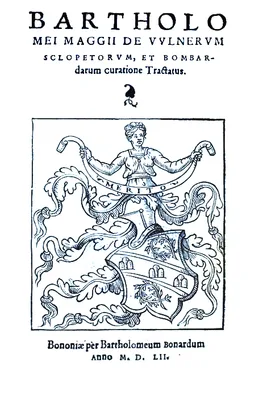
1552 MAGGI, Bartolomeo (1477 – 1552)
De vulnerum sclopetorum et bombardarum curatione tractatus.
In this very early work on gunshot wounds Maggi, Professor of Surgery at Bologna, showed that not all gunshot wounds suppurated and he discarded cauterization, treating such wounds with white of egg and salt water.
GMN 2139.1 · https://historyofmedicine.com/id/2714
1554 RUFUS OF EPHESUS, (Ῥοῦφος ὁ Ἐφέσιος) (60 – 100); GOUPYL, Jacques (Goupil) (1525 – 1564)
De vesicae renumque morbis. De purgantibus medicamentis. De partibus corporis humani...
First printed edition in Greek, edited by Jacques Goupyl. Rufus was a Greek physician who lived during the rule of Trajan. He wrote wrote treatises on dietetics, pathology, anatomy, and patient care. His De partibus c…
GMN 23 · https://historyofmedicine.com/id/41
1554 FERNEL, Jean François (1497 – 1558)
Medicina. 3 pts.
The first systematic treatise on pathology, which also introduced the names for the sciences of pathology and physiology. In the second part, entitled “Pathologia”, Fernel provided the first systematic essay on the su…
GMN 2271 · https://historyofmedicine.com/id/2838
1555 GESNER, Conrad [Konrad Gessner] (1516 – 1565)
De chirurgia scriptores optimi quique veteres et recentiores, plerique in Germania antehac non editi.
A collection made by Gesner of various surgical works by ancient and recent authors including M. A. Blondus, A. Bolognini, G. Dondi, A. Ferri, Galen, C. Gesner, J.Langius, B. Maggi, Marianus Sanctus, Oribasius, and J.…
GMN 5562 · https://historyofmedicine.com/id/6929
1556 FRANCO, Pierre (1500 – 1561)
Petit traité contenant une des parties principalles de chirurgie, laquelle les chirurgiens hernieres exercent.
Clifford Allbutt considered Franco the best lithotomist of the 16th century. His skill in extracting the stone by the perineal route was of a high order; in 1556 he introduced the operation of suprapubic cystotomy in …
GMN 3573 · https://historyofmedicine.com/id/5304
1561 FRANCO, Pierre (1500 – 1561)
Traité des hernies... et autres excellentes parties de chirurgie assavior de la pierre, des cataractes des yeux, & autres maladies...
Greatly expanded second edition, including Franco's operations for cataract and urinary calculi. Digital facsimile from BnF Gallica at this link.
GMN 3574 · https://historyofmedicine.com/id/4161
1561 PARÉ, Ambroise (1510 – 1590)
La méthode curative des playes, & fractures de la teste humaine.
Written after the death of Paré’s patient, Henri II, who was struck in the eye by the shaft of a lance at a tournament in celebration of the marriage of Philip, King of Spain, with Elizabeth of France. Paré discusses …
GMN 4850.3 · https://historyofmedicine.com/id/5583
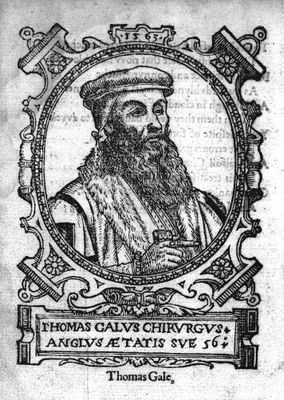
1563 GALE, Thomas (1507 – 1587)
An excellent treatise of wounds made with gonneshot.
Gale, a contemporary of Paré, was surgeon in Henry VIII’s army at Montreuil. His book supported the views of Paré regarding the treatment of gunshot wounds, denying the poisonous effect of bullets; Gale, however, appl…
GMN 2140 · https://historyofmedicine.com/id/2716
1563 WÜRTZ, Felix [WIRTZ] (1510 – 1590)
Practica der Wundartzney.
Würtz was a friend of Gessner and an admirer of Paracelsus; his book went through many editions and was translated into English, French, and Dutch. It describes the treatment of gunshot wounds, fractures, and dislocat…
GMN 5563 · https://historyofmedicine.com/id/6933
1564 PARÉ, Ambroise (1510 – 1590)
Dix livres de la chirurgie avec le magasin des instruments necessaires à icelle.
Paré’s first general treatise on surgery, and the most comprehensive of his treatises before his collected works (1575). Dix livres included Paré's first description of the use of the ligature in amputations, one of h…
GMN 3668.1 · https://historyofmedicine.com/id/6937
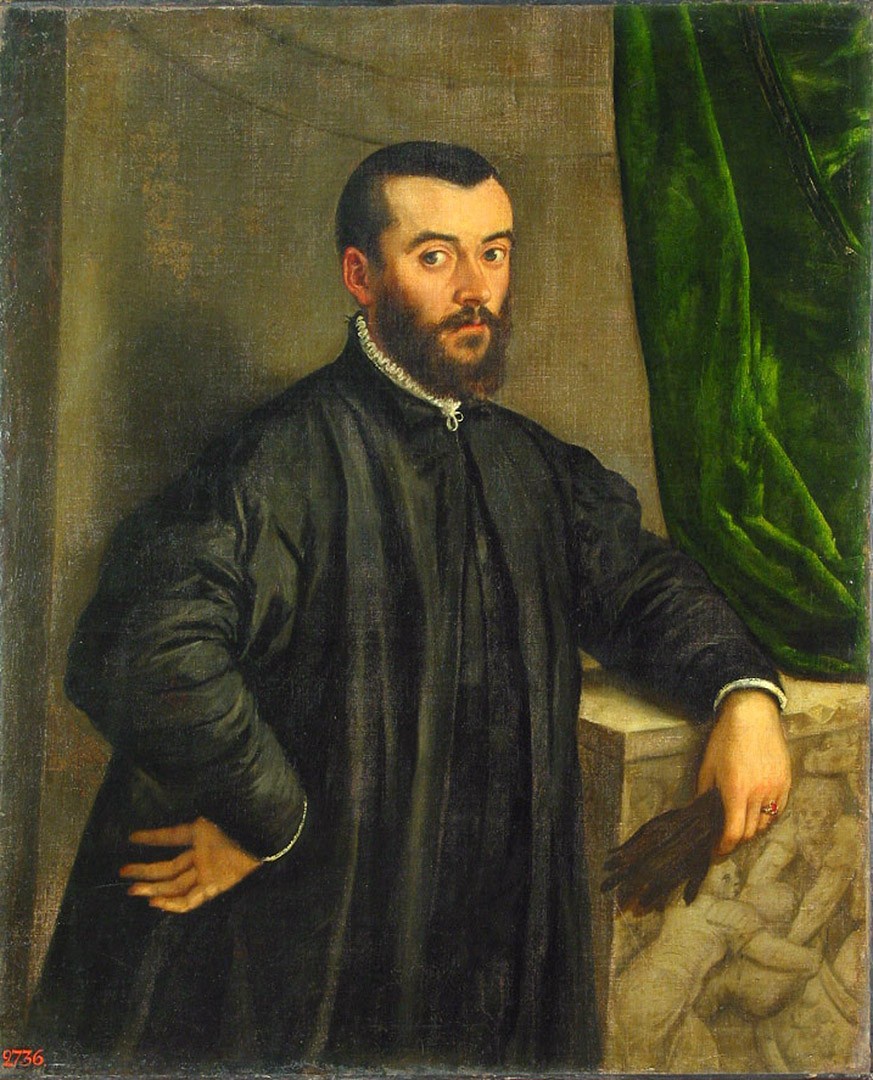
1568 VESALIUS, Andreas (1514 – 1564); INGRASSIA, Giovanni Filippo (Ioannis Philippi Ingrassiae) (1510 – 1580)
Pro magni, et illustr. Terraenovae Ducis fistula, ex levi axilla in thoracis concavum pervia, etc. In P. Ingrassia, Quaestio de purgatione per medicamentum
Vesalius’s consilium to Ingrassia, dated Madrid, 1562, in which he clearly described the operation for empyema (pp. 92-98). Although treatment of empyema by surgery was referred to in classical times, it became unfash…
GMN 3164 · https://historyofmedicine.com/id/4117
1569 DALÉCHAMPS, Jacques (1513 – 1588)
Chirurgie françoise, avec plusieurs figures des instrumens nécessaires pour l'opération manuelle.
Daléchamp, a pupil of Guillaume Rondelet, received his doctorate in medicine from the University of Montpellier in 1547; he settled in Lyons in 1552, where he remained for the rest of his life. His Chirurgie françoise…
GMN 13117 · https://historyofmedicine.com/id/15373
1573 PARÉ, Ambroise (1510 – 1590)
Deux livres de chirurgie. I. De la generation de l’homme… II. Des monstres tant terrestres que marins avec leurs portraits.
Many reports of real malformations are intermixed with mythical accounts. English translations, 1634, and later. Recent English translation, Chicago, University of Chicago Press, 1982. Digital facsimile of the 1573 ed…
GMN 534.51 · https://historyofmedicine.com/id/1798
1573 CROCE, Giovanni Andrea Della (1514 – 1575)
Chirurgiae Ioannis Andrea a Cruce, Veneti medici libri septem, Quamplurimis instrumentorum imaginibus arti chirurgicae opportunis suis locis exornati, theoricam, practicam ac verissimam experientiam continentes....
Croce improved the instruments for trephination, and published classic woodcuts depicting the operation, including the first illustration of a neurological surgery operation actually taking place. The work is also imp…
GMN 4850.4 · https://historyofmedicine.com/id/5586
1575 PARÉ, Ambroise (1510 – 1590)
Les oeuvres de M. Ambroise Paré.
Paré was the greatest of the army surgeons before Larrey. Born in poor circumstances, he became the most famous surgeon in France. He is particularly remembered for his abandonment of boiling oil and the cautery (No. …
GMN 5565 · https://historyofmedicine.com/id/6944
1578 LÓPEZ DE HINOJOSOS, Alonso (1535 – 1597)
Summa y recopilacion de cirugia, con un arte para sangrar, muy util y provechosa.
Second edition, Mexico, 1595: Summa y recopilacion de cirugia, con un arte para sangrar, y examen de barberos ... va añadido en esta segunda impresion el origen ... de las reumas. López de Hinojos was a barber-surge…
GMN 8023 · https://historyofmedicine.com/id/10199
1579 FARFAN, Agustin (1531 – 1604)
Tractado breve de anathomia y chirurgia.
Includes some of the first studies of the plants and botanic remedies of the New World. Second edition, Tractado breve de medicina (1592). This is an abridgement of manuscripts left in Mexico by Francisco Hernández. S…
GMN 1819.1 · https://historyofmedicine.com/id/2088
1580 BARBER-SURGEONS
Les statutz et ordonnances royalles faictes par les roys de France, sur l'estat de barbier-chirurgien part tout le royaume de France, et confirmé par le roy Henry III de ce nom, roy de France et de Pologne [Mai 1575-13 août 1578].
The first regulations for barber surgeons published in France. https://catalogue.bnf.fr/ark:/12148/cb338125216
GMN 13731 · https://historyofmedicine.com/id/16015
1583 BARTISCH, Georg (1535 – 1606)
̓Oφθαλμоδоύλεια das ist, Augendienst.
In this treatise on ophthalmic surgery Bartisch, who limited his practice to ophthalmology and hernia repair, left the first extensively illustrated account of any surgical specialty. Bartisch was a skilful operator a…
GMN 5817 · https://historyofmedicine.com/id/7024
1588 HIPPOCRATES, [Ἱπποκράτης; Hippocrates of Kos] (-460 – -370); JOHN OF ARDERNE (1307 – 1380); ARCEO, Francisco (1493 – 1571); READ, John (1550 – )
A most excellent and compendious method of curing woundes in the head, and in other partes of the body: With other precepts of the same arte, practised and written by that famous man Franciscus Arceus ... and translated into English by Iohn Read, chirurgion: Whereunto is added the exact cure of the caruncle, never before set foorth in the English toung: With a treatise of the fistulae in the fundament, and other places of the body, translated out of Iohannes Ardern: And also the discription of the emplaister called Dia Chalciteos, with its use and vertues: With an apt table for the better finding of the perticular matters, contayned in this present worke.
This translation by surgeon John Read contains the first printing of John of Arderne's writings on his operation for the cure of anal fistula, written originally about 1376. At one time John of Arderne practiced at Ne…
GMN 3416 · https://historyofmedicine.com/id/10207
1589 –1591 PARACELSUS, [Philippus Aureolus Theophrastus Bombastus von Hohenheim] (1493 – 1541); HUSER, Johannes (1545 – 1604)
Der Bücher und Schriften des Edlen, Hochgelehrten und Bewehrten Philosophi und Medici, Philipi Thephrasti Bombast von Hohen hem, Paracelsi genannt. Edited by Johannes Huser. 10 vols.
First edition of Paracelsus's collected works. Though all the autographs of Paracelsus's writings were later lost, Huber, who was born shortly after Paracelsus's death, was able to collect a great number of autographs…
GMN 8466 · https://historyofmedicine.com/id/10643
1593 FABRY VON HILDEN, Wilhelm (Fabricius Hildanus) (1560 – 1624)
De gangraena et sphacelo.
Fabricius, the “Father of German Surgery”, was the first to advocate the amputation above the gangrenous or injured part. He is accredited with the first amputation of the thigh. In his work he makes no reference to P…
GMN 5566 · https://historyofmedicine.com/id/6948
1594 GUILLEMEAU, Jacques (1550 – 1613)
La chirurgie françoise recueillie des antiens médecins et chirurgiens.
Guillemeau was Paré’s son-in-law. His splendidly illustrated work is of special importance for dentistry and for surgery for cleft lip. It describes pyorrhea alveolaris for the first time and is also the first work to…
GMN 3669 · https://historyofmedicine.com/id/5428
1596 LOWE, Peter (1560 – 1610)
A discourse on the whole art of chyrurgerie.
The first systematic work on the whole subject of surgery written in England. Lowe was the founder of the Faculty of Physicians and Surgeons of Glasgow. This was the first medical organization in Great Britain to incl…
GMN 5567 · https://historyofmedicine.com/id/6956
1606 –1641 FABRY VON HILDEN, Wilhelm (Fabricius Hildanus) (1560 – 1624)
Observationum et curationum chirurgicarum centuriae. 6 vols.
Fabricius’s most important work; it was the best collection of case-records available for many years. Among other things, Fabricius used a magnet to extract an iron splinter from the eye – an idea suggested to him by …
GMN 5570 · https://historyofmedicine.com/id/6969
1610 UFFENBACH, Peter (1566 – 1635)
Thesaurus chirurgiae.
An anthology of 16th century writers; a good summary of the surgical knowledge of that period.
GMN 5568 · https://historyofmedicine.com/id/6960
1616 MAGATI, Cesare (1579 – 1647)
De rara medicatione vulnerum.
Like Paré, Magati believed that gunshot wounds were not in themselves poisonous. He suggested a bandage moistened with plain water in place of the various salves then in vogue.
GMN 2143 · https://historyofmedicine.com/id/2724
1626 MALFI, Tiberio
Barbiere di Tiberio Malfi da Monte Sarchio Barbiere, e consule dell’arte in Napoli Libri Tre. Ne qualisi ragiona dell’eccellenza dell’Arte, e de’ suoi precetti. Delle Vene, e regole d’aprirle.
Published when barbers saw their work increasingly competed with by professional surgeons, Malfi’s book stresses medical knowledge of barbers and their expertise in performing medical procedures. It is Illustrated wit…
GMN 12781 · https://historyofmedicine.com/id/15027
1632 SEVERINO, Marco Aurelio [SEVERINUS] (1580 – 1656)
De recondita abscessuum natura.
The first textbook of surgical pathology. It treats of all kinds of swelling under the term “abscess” and describes neoplasms of the genital organs and sarcoma of bones. Tumors of the breast are classified into four g…
GMN 2273 · https://historyofmedicine.com/id/2841
1632 D'AMATO, Cintio
Nuoua, et vtilissima prattica di tutto quello ch'al diligète barbiero s'appartiene: E particolarmente del cauar sangue ....
An extensively llustrated manual published specifically for barber surgeons, published in the vernacular, and instructing them in the art of bloodletting and phlebotomy, embalming dead bodies, curing headaches, and va…
GMN 12780 · https://historyofmedicine.com/id/15026
1646 FABRY VON HILDEN, Wilhelm (Fabricius Hildanus) (1560 – 1624)
Opera quae extant omnia, partim ante hac excusa, partim nunc recens in lucem edita; omnia abo authore recognita...aucta.
The collected works of the “father of German surgery”. Digital facsimile from the Bayerische StaatsBiliothek at this link. German translation: Wund-Artzney, gantzes Werck und aller Bücher, so viel deren vorhanden, wel…
GMN 60.1 · https://historyofmedicine.com/id/971

![SALICETO, Guglielmo da [WILLIAM OF SALICETO] (1210 – 1277)](/media/portraits/6798)
![HIPPOCRATES, [Ἱπποκράτης; Hippocrates of Kos] (-460 – -370)](/media/portraits/50)