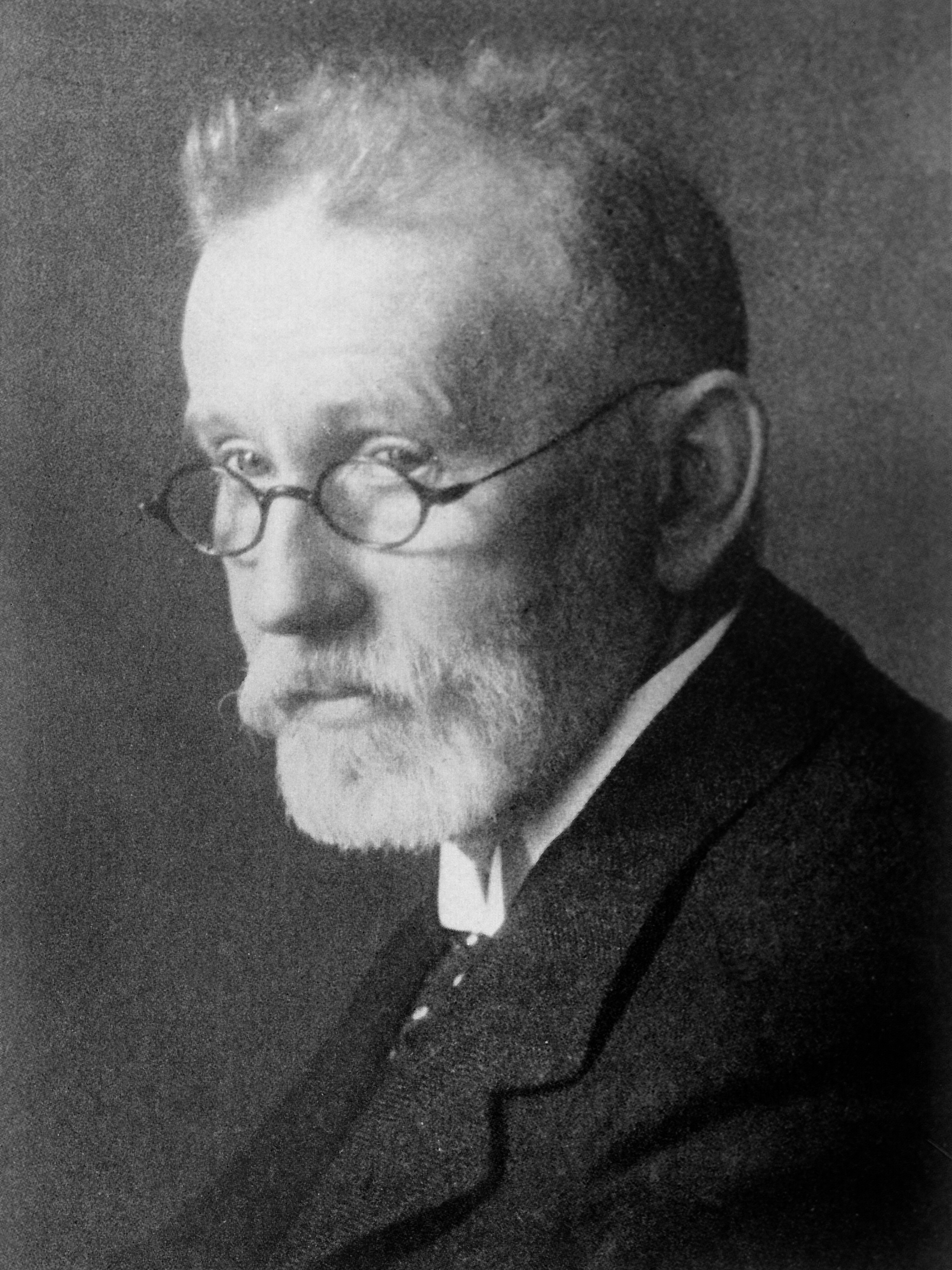
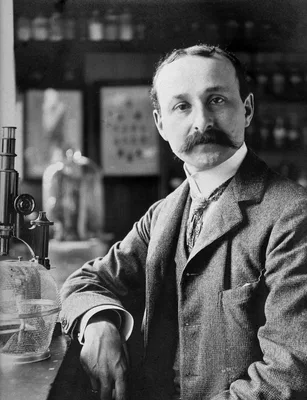
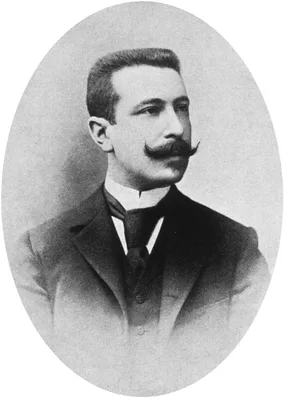
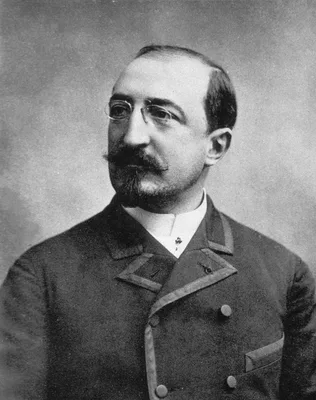
1715 PILARINO, Giacomo [PYLARINI] (1659 – 1718)
Nova et tuta variolas excitandi per transplantationem methodus; nuper inventa & in usum tracta: Qua rite peracta, immunia in posterum praeservantur ab huiusmodi contagio corpora.
Inoculation was practiced in ancient times. In 1701 Pilarino inoculated three children at Constantinople with smallpox virus. He is credited with the “medical” discovery of variolation, and is thus the first immunolog…
GMN 5409.1 · https://historyofmedicine.com/id/7266
1766 RHAZES [MUHAMMAD IBN ZAKARIYĀ AL-RĀZĪ (PERSIAN: محمد زکریای رازی ] (854 – 925); CHANNING, John (1703 – 1775)
De variolis et morbillis commentarius.
The first medical description of smallpox was written by Rhazes, about the year 910… The above work is the first edition of the Arabic text with a parallel Latin translation by the English pharmacist and scholar, John…
GMN 2527.99 · https://historyofmedicine.com/id/3481
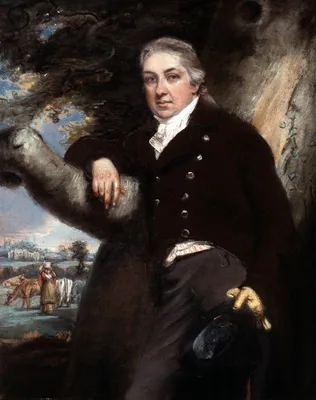
1798 JENNER, Edward (1749 – 1823)
An inquiry into the causes and effects of the variolae vaccinae.
Jenner established the fact that a “vaccination” or inoculation with vaccinia (cowpox) lymph matter protects against smallpox. He performed his first vaccination on May 14, 1796. The above work, describing 23 successf…
GMN 2529.3 · https://historyofmedicine.com/id/7353
1800 –1802 WATERHOUSE, Benjamin (1754 – 1846)
A prospect of exterminating the small-pox, being the history of the variolae vaccinae, or kine-pox, commonly called the cow-pox; as it has appeared in England: With an account of a series of inoculations performed for the kine-pox in Massachusetts. [Part II:] A prospect of exterminating the small pox part II, being a continuation of a narrative of facts concerning the progress of the new inoculation in America; together with practical observations on the local appearance, symptoms, and mode of treating the variola vaccina, or kine pock; including some letters to the author, from distinguished characters, on the subject of this benign remedy, now passing with a rapid step through all ranks of society in Europe and America.
Waterhouse introduced Jennerian vaccination into the U.S.A. He vaccinated his own child as his first case. See J. B. Blake, Benjamin Waterhouse and the introduction of vaccination. A reappraisal. Philadelphia, 1957. D…
GMN 5424 · https://historyofmedicine.com/id/7359
1802 COXE, John Redman (1773 – 1864)
Practical observations on vaccination: or inoculation for the cow pock.
Coxe did much to destroy ignorant prejudice against vaccination; he was the first in Philadelphia to practice it. Like Waterhouse, he inoculated his own child as his first case.
GMN 5425 · https://historyofmedicine.com/id/7362
1806 DUVILLARD, Emmanuel Etienne (1755 – 1832)
Analyse et tableaux de l’influence de la petite vérole sur la mortalité à chaque âge, et de celle qu’un préservatif tel que la vaccine peut avoir sur la population et la longevité.
Duvillard showed statistically the effect of smallpox vaccination on the mortality rate. Digital facsimile from Google Books at this link.
GMN 1695 · https://historyofmedicine.com/id/2441
1822 GASPARD, Marie Humbert Bernard (1788 – 1871)
Mémoire physiologique sur les maladies purulentes et putrides, sur la vaccine, etc.
Gaspard was one of the first to make experimental studies on pyemia following the injection of putrid fluids. He experimented on dogs, sheep, foxes, and pigs, injecting putrid infusions pus, vaccine, lymph, blood, bil…
GMN 2530 · https://historyofmedicine.com/id/3663
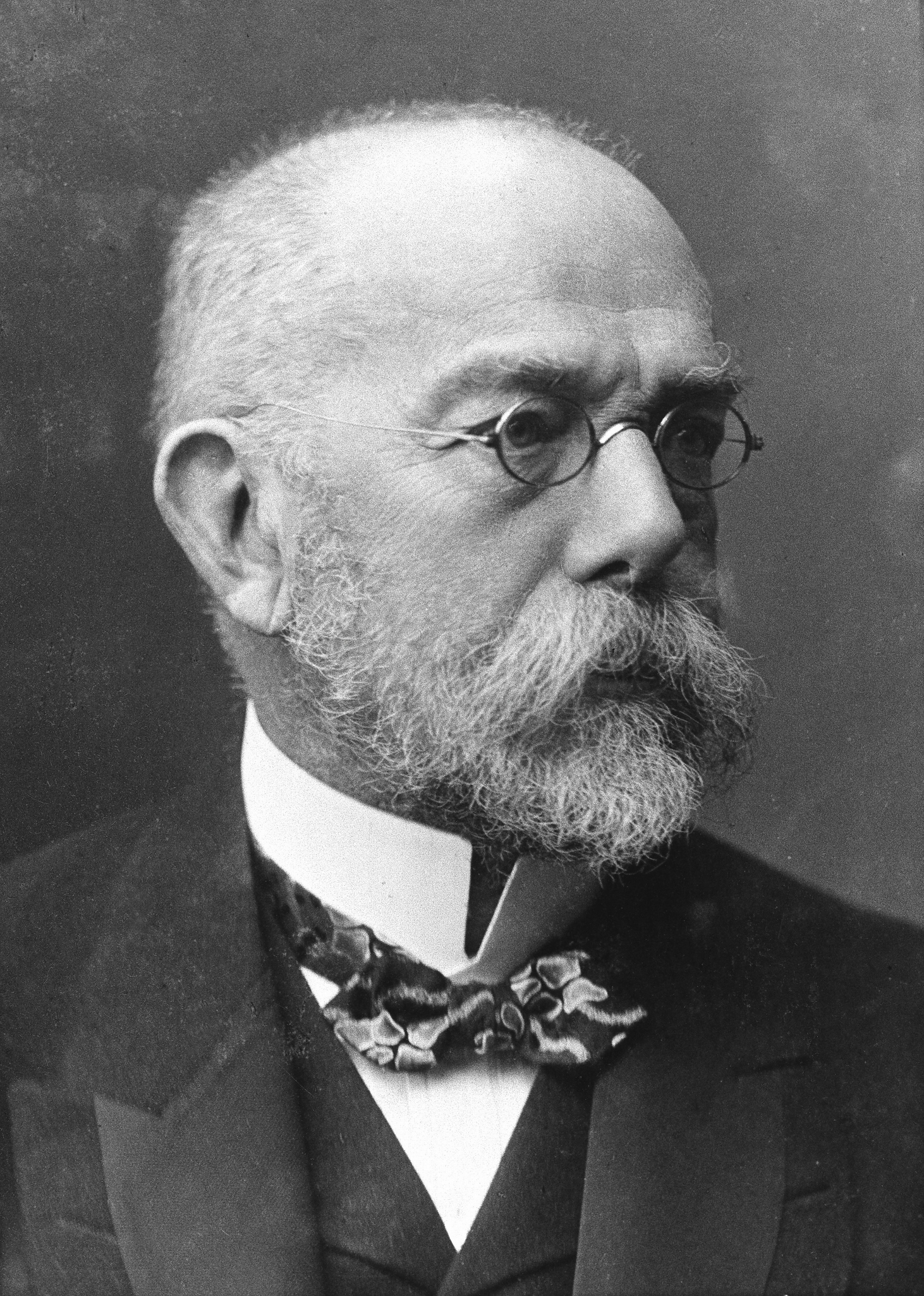
1878 KOCH, Robert Heinrich Hermann (1843 – 1910)
Untersuchungen über die Aetiologie der Wundinfectionskrankheiten.
Koch’s epochal work on the etiology of traumatic infectious disease established his reputation. He inoculated animals with material from various sources and produced six types of infection, each due to microorganisms.…
GMN 2536 · https://historyofmedicine.com/id/3524
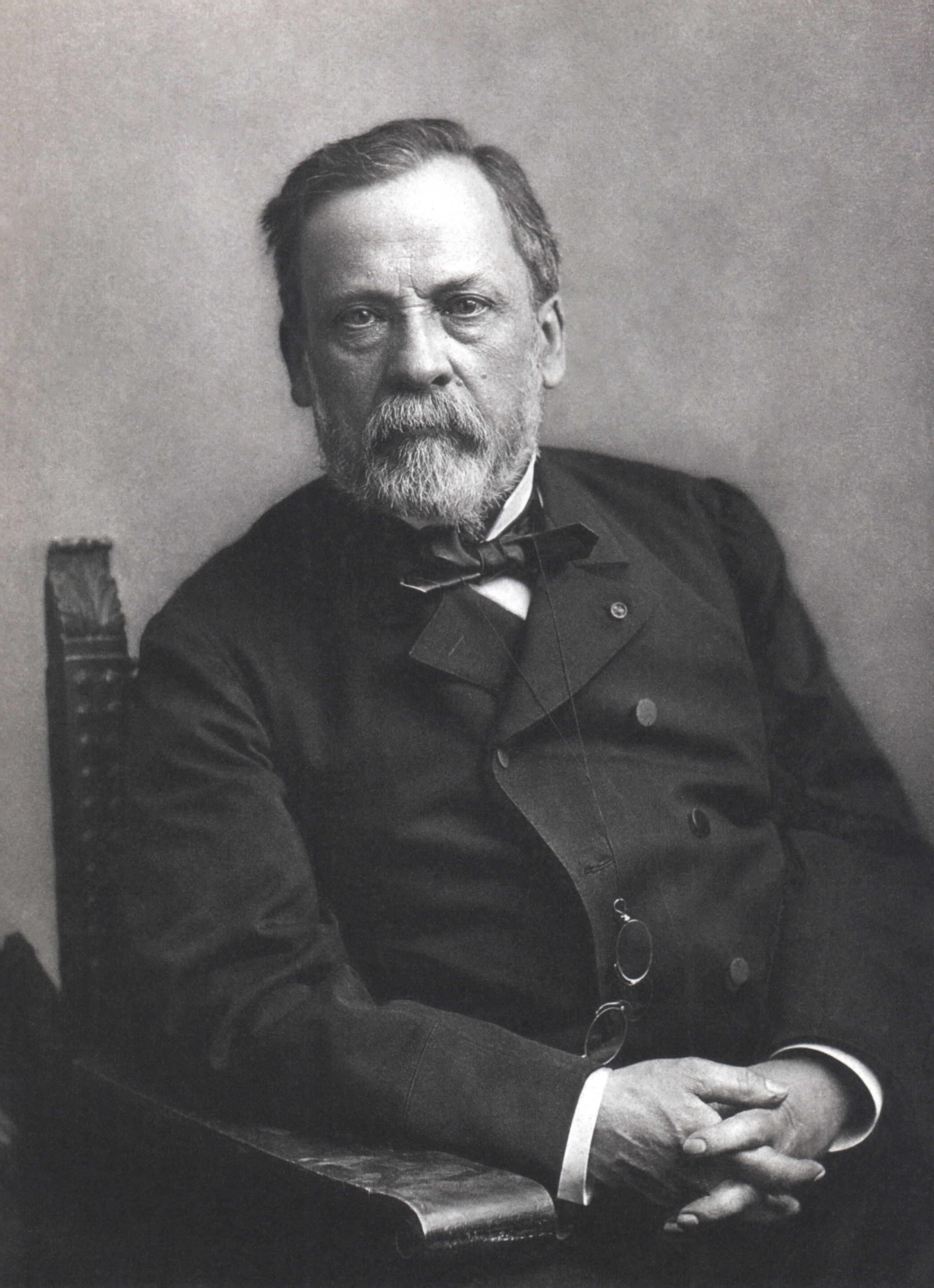
1880 PASTEUR, Louis (1822 – 1895)
Sur les maladies virulentes, et en particulier sur la maladie appelée vulgairement choléra des poules.
This paper marked the beginning of Pasteur’s work on the attenuation of the infective organism. Noting that fowls inoculated with an attenuated form of the chicken cholera bacterium acquired immunity, he developed the…
GMN 2537 · https://historyofmedicine.com/id/3526
1880 PASTEUR, Louis (1822 – 1895); CHAMBERLAND, Charles (1851 – 1908); ROUX, Pierre Paul Émile (1853 – 1933)
Sur l’étiologie du charbon.
First use of attenuated bacteria for therapeutic purposes. See also the same journal, 1881, 92, 1378-83.
GMN 5169 · https://historyofmedicine.com/id/6251
1881 GALTIER, Pierre-Victor (1846 – 1908)
Les injections de virus rabique dans le torrent circulatoire ne provoquent pas l’éclosion de la rage et semblant conférer l’immunité. La rage peut être transmise par l’ingestion de la matiére rabique.
Galtier immunized sheep by inoculating rabid saliva in the veins; this did not produce the disease and protected the animals from a further inoculation. His work aroused the interest of Pasteur.
GMN 5481.3 · https://historyofmedicine.com/id/6378
1883 PASTEUR, Louis (1822 – 1895); CHAMBERLAND, Charles (1851 – 1908); ROUX, Pierre Paul Émile (1853 – 1933); THUILLIER, Louis (1856 – 1883)
De l'Atténuation des virus, avec la collaboration de MM. Chamberland, Roux et Thuillier. Quatrième Congrès international d'hygiène et de démographie. Séance du 5 Septembre 1882.
In his seminal 1880 paper, Sur les maladies virulentes, et en particulier sur la maladie appelée vulgairement choléra des poules, GM-2537, Pasteur developed the idea of a protective inoculation by attenuated living cu…
GMN 14211 · https://historyofmedicine.com/id/16527
1884 METCHNIKOFF, Élie [MECHNIKOV] (1845 – 1916)
Über eine Sprosspilzkrankheit der Daphnien. Beitrag zur Lehre über den Kampf der Phagocyten gegen Krankheitserreger.
Metchnikoff originated the theory of phagocytosis. He described phagocytes in leucocytes and showed their function as scavengers. Abridged English translation in Bibel, Milestones in immunology (1988).
GMN 2538 · https://historyofmedicine.com/id/3529
1884 –1886 SMITH, Theobald (1859 – 1934); SALMON, Daniel Elmer (1850 – 1914)
On a new method of producing immunity from contagious diseases.
Smith found that dead virus can induce immunity against the living virulent virus. Although Smith made the discovery on his own, his supervisor, D.E. Salmon, usurped credit. See Bibel, Milestones in immunology (1988) …
GMN 2539 · https://historyofmedicine.com/id/3540
1885 EHRLICH, Paul (1854 – 1915)
Das Sauerstoff-Bedürfniss des Organismus. Eine farbenanalytische Studie.
Includes the first statement of Ehrlich’s “side-chain” theory.
GMN 2540 · https://historyofmedicine.com/id/3547
1885 PASTEUR, Louis (1822 – 1895)
Méthode pour prévenir la rage après morsure.
Pasteur’s papers describing his rabies vaccine, and the results he attained with it gave further proof of the value of attenuated virus as a protective inoculum against infective diseases in man and animals. This is c…
GMN 2541 · https://historyofmedicine.com/id/3549
1887 PASTEUR, Louis (1822 – 1895); SUZOR, Renaud
Hydrophobia: An account of M. Pasteur's system containing a translation of all his communications on the subject, the technique of his method, and the latest statistical results
The author, qualified M.D. in both Edinburgh and Paris, characterized himself on the title page of this work as "Commissioned by the Government of the Colony of Mauritius to study M. Pasteur's new treatment in Paris."…
GMN 12039 · https://historyofmedicine.com/id/14247
1888 NUTTALL, George Henry Falkiner (1862 – 1937)
Experimente über die bacterienfeindlichen Einflüsse des thierischen Körpers.
Working with the defibrinated blood of certain animals, Nuttall was the first to describe the bactericidal action of blood. Abridged English translation in Bibel, Milestones in immunology (1988).
GMN 2542 · https://historyofmedicine.com/id/3553
1888 WIDAL, Georges-Fernand Isidor (1862 – 1929); CHANTEMESSE, André (1851 – 1919)
De l’immunité contre le virus de la fièvre typhoöde conférée par des substances solubles.
Experimental antityphoid inoculation.
GMN 5034 · https://historyofmedicine.com/id/5758
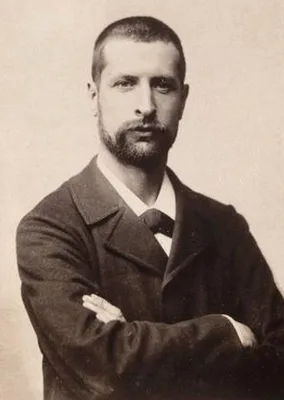
1888 –1889 YERSIN, Alexandre Émile Jean (1863 – 1943); ROUX, Pierre Paul Émile (1853 – 1933)
Contribution a l’étude de la diphtérie.
Confirmation of the work of Loeffler and demonstration of the exotoxin. This work is the starting point of the development of an immunizing serum.
GMN 5059 · https://historyofmedicine.com/id/5867
1889 BUCHNER, Hans Ernst August (1850 – 1902)
Ueber die bakterientödtende Wirkung des zellenfreien Blutserums.
Following Nuttall’s work, Buchner discovered a substance in blood serum that was capable of destroying bacteria. He called the substance "alexin". He demonstrated that the bactericidal power of defibrinated blood was …
GMN 2543 · https://historyofmedicine.com/id/3558
1890 KOCH, Robert Heinrich Hermann (1843 – 1910)
Weitere Mittheilungen über ein Heilmittel gegen Tuberkulose.
In 1890, Koch announced the discovery of tuberculin, a substance derived from tubercle bacilli, which he thought was capable of arresting bacterial development in-vitro and in animals. This news gave rise to tremendou…
GMN 2332 · https://historyofmedicine.com/id/3068
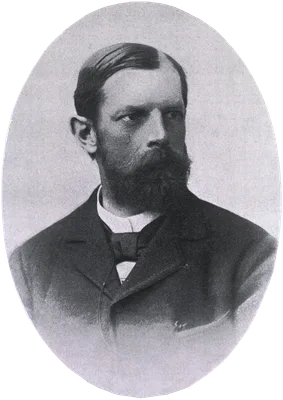
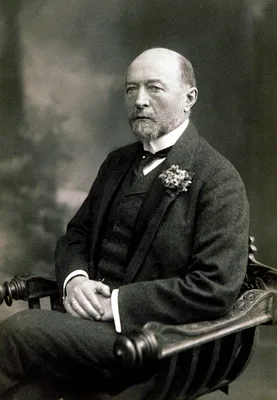
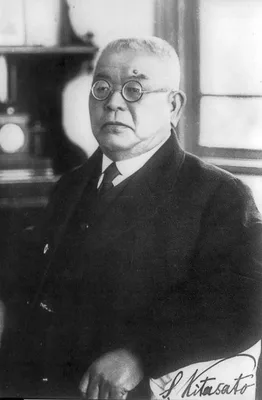
1890 BEHRING, Emil Adolf von (1854 – 1917); KITASATO, Shibasaburō (1852 – 1931)
Ueber das Zustandekommen der Diphtherie-Immunität und der Tetanus-Immunität bei Thieren.
Antitoxins and their immunizing powers were discovered when Behring and Kitasato published their paper dealing with immunity to tetanus and diphtheria. This work laid the foundation of all future treatment with antito…
GMN 2544 · https://historyofmedicine.com/id/3562
1890 FRAENKEL, Carl (1861 – 1915)
Immunisirungsversuche bei Diphtherie.
Artificial immunity to diphtheria produced in guinea-pigs by injection of attenuated cultures of the bacillus. Fraenkel's account appeared one day before the paper of Behring and Kitasato. Behring, Die Geschichte der …
GMN 5060.1 · https://historyofmedicine.com/id/5886
1892 METCHNIKOFF, Élie [MECHNIKOV] (1845 – 1916)
Leçons sur la pathologie comparée de l'inflammation, faites à l'institut Pasteur en Avril et Mai 1891.
Metchnikoff delivered his classic lectures on inflammation in French at the Pasteur Institute. They were translated into Russian as Lektsii o sravnitelnoi patologii vospaleniy, and published in St. Petersburg by K. L.…
GMN 2307 · https://historyofmedicine.com/id/2952
1892 STERNBERG, George Miller (1838 – 1915)
Practical results of bacteriological researches.
Sternberg demonstrated that the serum of an animal recovered from vaccinia possesses the property of neutralizing the activity of the causative virus. His test was readily adaptable for use in various host-systems.
GMN 2545.1 · https://historyofmedicine.com/id/3581
1892 HAFFKINE, Waldemar Mordecai Wolff (1860 – 1930)
Le choléra asiatique chez le cobaye.
Haffkine’s vaccine against cholera was the first to meet with any success.
GMN 5109 · https://historyofmedicine.com/id/6050
1893 –1915 BEHRING, Emil Adolf von (1854 – 1917)
Gesammelte Abhandlungen zur ätiologischen Therapie von ansteckenden Krankheiten. 2 vols.
Digital facsimile from the Internet Archive at this link.
GMN 2545 · https://historyofmedicine.com/id/3576
1893 BEHRING, Emil Adolf von (1854 – 1917)
Die Behandlung der Diphtherie mit Diphtherieheilserum.
In 1890 Behring and Kitasato discovered the diphtheria and tetanus antitoxins (see No. 5060). The above papers deal more fully with the use of the diphtheria antitoxin.
GMN 5062 · https://historyofmedicine.com/id/5891
1894 CALMETTE, Léon Charles Albert (1863 – 1933)
Contribution à l’étude du vénin des serpents.
Calmette carried out extensive investigations on the immunization of animals to venoms. He obtained antivenom sera with therapeutic properties.
GMN 2107 · https://historyofmedicine.com/id/2609
1894 PFEIFFER, Richard Friedrich Johannes (1858 – 1945); ISAYEV, Vasily Isayevich (1854 – 1911)
Ueber die specifische Bedeutung der Choleraimmunität (Bakteriolyse).
Pfeiffer and Isayev recorded the occurrence of bacteriolysis in cholera vibrios under certain conditions: immune bacteriolysis, “Pfeiffer’s phenomenon”. Abridged English translation of second part in Bibel, Milestones…
GMN 2546 · https://historyofmedicine.com/id/3588
1894 ROUX, Pierre Paul Émile (1853 – 1933); MARTIN, André Louis François Justin (1853 – 1921)
Contribution à l’étude de la diphtérie (sérum thérapie).
Roux and Martin demonstrated the value of Behring’s specific antitoxin in the treatment of human diphtheria, and showed how it could be produced on a large scale.
GMN 5063 · https://historyofmedicine.com/id/5893
1895 FRASER, Sir Thomas Richard (1841 – 1919)
On the rendering of animals immune against the venom of the cobra and other serpents; and on the antidotal properties of the blood serum of the immunised animals.
Fraser investigated the possibilities of immunization against cobra venom and obtained “antivenene”, an antivenom serum.
GMN 2108 · https://historyofmedicine.com/id/2610
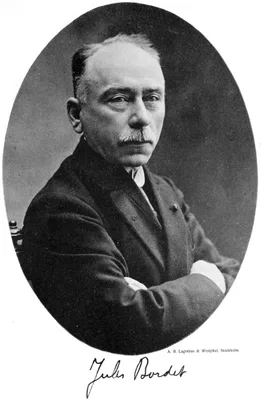
1895 BORDET, Jules Jean Baptiste Vincent (1870 – 1961)
Contribution à l’ étude du sérum chez les animaux vaccinés.
In Bordet’s classic paper on the properties of the sera of immunized animals he showed that two different substances (now known as sensitizing antibody and complement) are involved in the phenomenon of bacteriolysis. …
GMN 2547 · https://historyofmedicine.com/id/3592
1895 METCHNIKOFF, Élie [MECHNIKOV] (1845 – 1916)
Sur la destruction extracellulaire des bactéries dans l’organisme.
See No. 2538
GMN 2548 · https://historyofmedicine.com/id/3597
1895 YERSIN, Alexandre Émile Jean (1863 – 1943); CALMETTE, Léon Charles Albert (1863 – 1933); BORREL, Amédée (1867 – 1936)
La peste bubonique. By Alexandre Yersin with L.C.A. Calmette and A. Borrel.
Successful inoculation of animals with anti-plague vaccine.
GMN 5127 · https://historyofmedicine.com/id/6116
1895 SCLAVO, Achille (1861 – 1930)
Sulla preparazione del siero anti-carbonchioso.
Specific anti-anthrax serum. German translation in Zbl. Bakt., 1895, 1 Abt., 18, 744-45.
GMN 5170 · https://historyofmedicine.com/id/6253
1896 DURHAM, Herbert Edward (1866 – 1945); GRUBER, Max von (1853 – 1927)
Eine neue Methode zur raschen Erkennung des Choleravibrio und des Typhusbacillus.
The discovery of bacterial agglutination. Gruber and Durham discovered the agglutinating action of the serum of typhoid patients upon the typhoid bacillus. First briefly reported by Durham: On a special action of seru…
GMN 2549 · https://historyofmedicine.com/id/3604
1896 WIDAL, Georges-Fernand Isidor (1862 – 1929); SICARD, Arthur
Recherches de la réaction agglutinante dans le sang et le sérum desséchés des typhiques et dans la sérosité des vesicatoires.
Developing the work of Gruber and Durham, Widal noted that a patient’s serum could be tested with bacteria of known type and his disease identified by this means. They demonstrated specific agglutinins in the blood of…
GMN 2550 · https://historyofmedicine.com/id/3664
1896 KOLLE, Wilhelm (1868 – 1935)
Zur aktiven Immunisierung des Menschen gegen Cholera.
Kolle introduced the killed cholera vaccine.
GMN 5111 · https://historyofmedicine.com/id/6059
1897 KOCH, Robert Heinrich Hermann (1843 – 1910)
Ueber neue Tuberkulinpräparate.
Koch’s new tuberculin (Tuberculin R).
GMN 2333 · https://historyofmedicine.com/id/3070
1897 KRAUS, Rudolf (1868 – 1932)
Über specifische Reactionen im keimfreien Filtraten aus Cholera, Typhus und Pestbouillonculturen, erzeugt durch homologes Serum.
The precipitin reaction, employed for the qualitative identification of antigens and antibodies. English translation in Bibel, Milestones in immunology,(1988) pp. 265-68.
GMN 2550.1 · https://historyofmedicine.com/id/3665
1897 EHRLICH, Paul (1854 – 1915)
Die Wertbestimmung des Diphtherieheilserums.
Ehrlich improved Behring’s diphtheria antitoxin through quantitative titration and established an international standard for this and other antitoxins. This was the beginning of the concept of biological standardizati…
GMN 5064 · https://historyofmedicine.com/id/5894
1898 ARLOING, Saturnin (1846 – 1911)
Sur l’obtention de cultures et d’émulsions homogènes du bacille de la tuberculose humaine en milieu liquide et “sur une variété mobile de ce bacille”.
Sero-agglutination for the diagnosis of tubercle bacillus.
GMN 2334 · https://historyofmedicine.com/id/3072
1898 BORDET, Jules Jean Baptiste Vincent (1870 – 1961)
Sur l’agglutination et la dissolution des globules rouges par le sérum d’animaux injectés de sang défibriné.
Bordet’s important work on immune hemolysis turned the attention of many investigators towards the subject. English translation in J. Bordet et al., Studies in immunity, New York, 1909, p. 134.
GMN 2551 · https://historyofmedicine.com/id/3666
1899 COPEMAN, Sydney Arthur Monckton (1862 – 1947)
Vaccination, its natural history and pathology.
Milroy Lectures, Royal College of Physicians, 1898. Copeman’s bacteriological studies permanently determined the validity of vaccination as a preventive of smallpox.
GMN 5429 · https://historyofmedicine.com/id/7383
1900 BORDET, Jules Jean Baptiste Vincent (1870 – 1961)
Les sérums hémolytiques, leurs antitoxines et les théories des serums cytolytiques.
English translation in T. Bordet et al., Studies in immunity, New York, 1909, p. 186.
GMN 2552 · https://historyofmedicine.com/id/3667
1900 WRIGHT, Sir Almroth Edward (1861 – 1947); LEISHMAN, Sir William Boog (1865 – 1926)
Remarks on the results which have been obtained by the antityphoid inoculations.
The active inoculation of man against typhoid was first performed by Wright in 1896. For a preliminary note see Lancet, 1896, 2, 807.
GMN 5039 · https://historyofmedicine.com/id/5789
1900 EHRLICH, Paul (1854 – 1915)
The Croonian lecture. -- On immunity with special reference to cell life.
Ehrlich's "lock and key" theory of antibody antigen relationship, or interaction, in which the toxin molecule (i.e the antigen) binds to the cell receptor, and then the antibody binds in a lock and key manner to the t…
GMN 14167 · https://historyofmedicine.com/id/16482
1901 BORDET, Jules Jean Baptiste Vincent (1870 – 1961); GENGOU, Octave (1875 – 1957)
Sur l’existence de substances sensibilisatrices dans la plupart des sérums antimicrobiens.
The Bordet–Gengou complement-fixation reaction is the basis of many tests for infection, notably the Wassermann test for syphilis, and reactions for gonococcus infection, glanders, hydatid disease. English translation…
GMN 2553 · https://historyofmedicine.com/id/3668