1456
Aderlasskalender.
The Aderlasskalender for the year 1457, also known as the Laxierkalender, was issued in Mainz, printed in the type of the 36-line Bible, presumably in 1456. It survives in only one incomplete copy in the Bibliothèque …
GMN 6818 · https://historyofmedicine.com/id/8981
1467 MAURUS, Rabanus [Hrabanus; Rhabanus] (780 – 856)
De sermonum proprietate sive Opus de universo.
Also known as De rerum naturis. This dictionary or encyclopedia is the earliest known printed book to include a section dealing with medicine, and this brief section, Book 18, Chap. V concerning medicine and diseases,…
GMN 2190 · https://historyofmedicine.com/id/1380
1482 AVERROËS [IBN RUSHD (ARABIC: ابن رشد), FULL NAME ʾABŪ L-WALĪD MUḤAMMAD IBN ʾAḤMAD IBN RUŠD] (1126 – 1198)
Colliget.
The Kitab-al-Kullyat or Colliget (Book of Universals) was an “attempt to found a system of medicine upon the neo-Platonic modification of Aristotle’s philosophy” (Garrison, p. 132). Averroës was the greatest Arab comm…
GMN 48 · https://historyofmedicine.com/id/8769
1486 RHAZES [MUHAMMAD IBN ZAKARIYĀ AL-RĀZĪ (PERSIAN: محمد زکریای رازی ] (854 – 925); FERAGIUS SALERNITANUS; BUGATUS, Joannes
Rhazes: Liber Elhavi sive Ars medicinae. Translated by Feragius Salernitanus. Edited by Joannes Bugatus.
The Al-Hawi, or Continens, a great encyclopedia of medicine. The above first Latin translation by Feragius Salernitanus is the largest and heaviest of the medical incunabula. The original manuscript was in Arabic. IST…
GMN 40 · https://historyofmedicine.com/id/8762
1490 AVENZOAR [IBN ZUHR (ARABIC: ابن زهر ] (1092 – 1162); AVERROËS [IBN RUSHD (ARABIC: ابن رشد), FULL NAME ʾABŪ L-WALĪD MUḤAMMAD IBN ʾAḤMAD IBN RUŠD] (1126 – 1198); PARAVICIUS, [Paravicinus, Patavinus] (1250 – ); JACOBUS HEBRAEUS (1250 – )
Liber Teisir, sive rectificatio medicationis et regiminis. Antidotarium. Translated from Arabic into Hebrew by Jacobus Hebraeus; into Latin by Paravicius. Add: Averroes: Colliget.
This is a Latin translation from a Hebrew version dating from 1280. Avenzoar, the greatest Muslim physician of the Western Caliphate, described the itch-mite, Sarcoptes scabiei, serous pericarditis, mediastinal absces…
GMN 47 · https://historyofmedicine.com/id/8768
c. 1490 LYDGATE, John (1370 – 1451)
Governayle of helthe. Add: John Lydgate, Medicina stomachi.
Though it's exact publication date is uncertain, this is the first medical publication issued in English by William Caxton, the first English printer, who set up the first English press in Westminster Abbey. Only two …
GMN 13042 · https://historyofmedicine.com/id/15292
1492 JOHN OF GADDESDEN (1280 – 1361); SCYLLACIUS, Nicolaus (1464 – )
Rosa anglica practica medicinae. Ed: Nicolaus Scyllacius.
The first printed medical book of an Englishman. John of Gaddesden was a prebendary of St. Paul’s Cathedral and physician to Edward II. The work, to quote Garrison, “consists mainly of Arabist quackeries and countrysi…
GMN 2191 · https://historyofmedicine.com/id/1384
1500 GALEN, [Κλαύδιος Γαληνός; Galen of Pergamon] (129 – 216); MAIMONIDES, (Moses ben Maimon; מֹשֶׁה בֶּן־מַימוֹן; Mōšeh bēn-Maymōn; موسى بن ميمون Mūsā bin Maymūn) (1135 – 1204); AVENZOAR [IBN ZUHR (ARABIC: ابن زهر ] (1092 – 1162); MESUE, Yuhanna ibn Masawaih (يوحنا بن ماسويه) (777 – 857)
Aphorismi secundum doctrinam Galeni. Add: Johannes Damascenus [Mesue?]: Aphorismi. Hippocrates: Secreta; Prognosticatio secundum lunam; Capsula eburnea; De humana natura; De aere et aqua et regionibus; De pharmaciis; De insomniis. Avenzohar: De curatione lapidis.
An edition of the Latin translation of Maimonides’ Aphorismi (first published, Venice, 1489), together with a compilation of the works of Mesue, Avenzoar, Galen, etc. Page for page reprint, Venice, 1508. See No. 6495.…
GMN 53 · https://historyofmedicine.com/id/8772
1528 PAUL OF AEGINA (ΠΑΥ͂ΛΟΣ ΑἸΓΙΝΉΤΗΣ; PAULUS AEGINETA) (625 – 690)
In principio singulorum librorum omnia indicantur, quae in eo libro continentur. [Title in Greek and Latin].
Paul of Aegiina was the most famous physician and surgeon in the Byzantine Empire during the seventh century, and probably thereafter. According to Eugene F. Rice, "Paulus Aegineta", Catalogus translationum et comment…
GMN 36 · https://historyofmedicine.com/id/8760
1536 CONSTANTINE THE AFRICAN (CONSTANTINUS AFRICANUS) (1015 – 1087); PETRUS HISPANUS, Pope John XXI (Pedro Hispano; Peter of Spain) (1226 – 1277); ISAAC JUDAEUS [ABU YA'QUB ISHAQ IBN SULAIMAN AL ISRA’ILI’], (Isaac Israeli ben Solomon) (832 – 932); TURINI, Andrea (Andreas Turinus) (1473 – 1543)
Omnia opera Ysaac in hoc volumini contenta: cum quibusdam alijs opusculis: Liber de definitionibus. Liber de elementis. Liber dietaru[m] vniversalium: cum co[m]me[n]to Petri Hispani. Liber dietarum particularium ... Liber de vrinis cum commento eiusdem. Liber de febribus. Pantechni decem libri theorices: et decem practices: cum tractatu de gradibus medicinarum Constantini. Viaticum Ysaac quod constantinus sibi attribuit. Liber de oculis Constantini. Liber des stomacho Constantini. Liber virtutum de simplici medicina Constantini. Compendium megatechni Galeni a Constantino compositum ; Cum tabula [et] repertorio omnium operum et questionum in co[m]mentis contentarum. Edited by Andreas Turinus.
Constantine was a Muslim from North Africa who converted to Christianity. His writings were first published with those of Isaac Judaeus in the above edition which includes many separate texts. Many of the writings of …
GMN 46 · https://historyofmedicine.com/id/8767
1547
Medici antiqui omnes, qui latinis literis diversorum morborum genera et remedia persecuti sunt.
MEDICI ANTIQUI OMNES
Contains selections from the writings of Celsus, Plinius Secundus, Soranus, Apuleius, Barbarus, Musa, Priscianus, Trotula, Macer, Caelius Aurelianus, Marcellus Empiricus, Scribonius Largus, Serenus Samonicus, Strabus …
GMN 54 · https://historyofmedicine.com/id/8773
1562 BULLEIN, William (1515 – 1576)
Bullein's bulwarke of defẽce againste all sicknes, sornes, and woundes that dooe daily assaulte mankinde, which bulwarke is kepte with Hillarius the Gardiner, Health the Phisician, with their chyrurgian to helpe the wounded soldiors. Gathered and practised frō the moste worthie learned, both old and newe: to the greate comforte of mankinde. Doen by Williyam Bulleyn, and ended this Marche, Anno Salutis 1562.
A work of medical humanism written while Bullein and his wife were in prison for debts. Bullein was the only writer of medical works in English in the sixteenth century to employ the dialogue form, allowing the physic…
GMN 14123 · https://historyofmedicine.com/id/16434
1601 ALPINI, Prospero [ALPINUS] (1553 – 1617)
De praesagienda vita et morte aegrotantium.
A classical work on prognosis. English translation, London, 1746.
GMN 2194 · https://historyofmedicine.com/id/1452
1602 –1603 PLATER, Felix [PLATTER] (1536 – 1614)
Praxeos seu de cognoscendis, praedicendis, praecavendis, curandisque affectibus homini incommodantibus. 2 vols.
The first attempt at a classification of diseases according to symptoms. Over a period of 50 years Platter dissected more than 300 bodies and made many observations of value to pathological anatomy.
GMN 2195 · https://historyofmedicine.com/id/1459
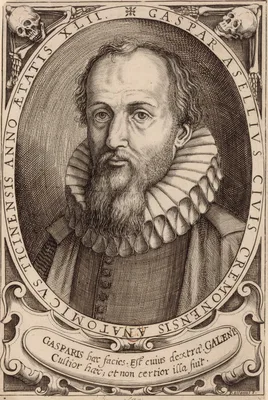
1627 ASELLI, Gaspare (1581 – 1626)
De lactibus sive lacteis venis.
Records the discovery of the lacteal vessels. While performing vivisection on a dog that had recently fed, Aselli noticed a network of vessels in the mesentery and along the peritoneal surface of the intestine. The ve…
GMN 1094 · https://historyofmedicine.com/id/916
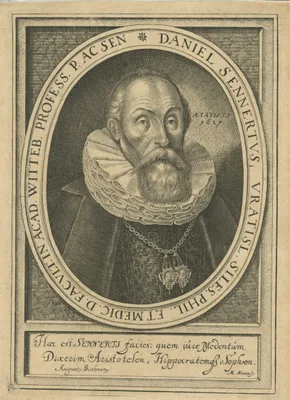
1627 SENNERT, Daniel (1572 – 1637)
De febribus libri iv. Accessit ad calcem; ejusdem de dysenteria tractatus.
An important monograph on fevers.
GMN 2196 · https://historyofmedicine.com/id/1464
1642 RENAUDOT, Théophraste (1586 – 1653)
La presence des absens; ou facile moyen de rendre présent au médecin l'estat d'un malade absent. Dressé par les docteurs en médecine consultans charitablement à Paris pour les pauvres malades.
Renaudot, physician, philanthropist and journalist, published this self-diagnostic handbook so that charity patients could communicate with their physicians by correspondence. Digital facsimile from biusante.paris.des…
GMN 8956 · https://historyofmedicine.com/id/11135
1671 –1674 LE BÖE, Franz de [FRANCISCUS SYLVIUS] (1614 – 1672)
Praxeos medicae idea nova. 4 vols.
Sylvius was a supporter of the Iatrochemical School. At Leiden he established the first university chemical laboratory in Europe. His extensive treatise on the diseases of children was first published as volume 4 of t…
GMN 2197 · https://historyofmedicine.com/id/1514
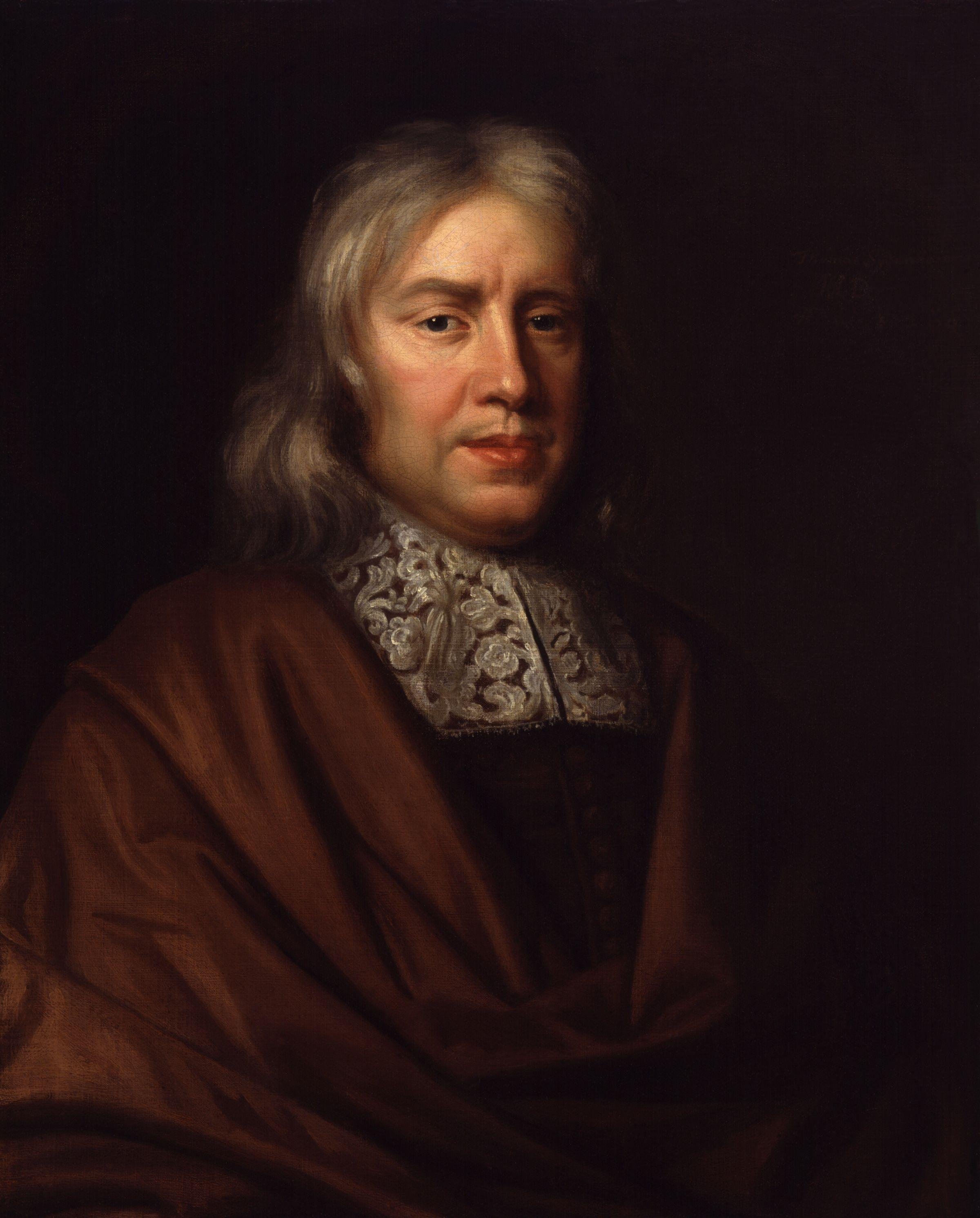
1676 SYDENHAM, Thomas (1624 – 1689)
Observationes medicae circa morborum acutorum historiamet curationem.
Sydenham recorded significant observations on dysentery, scarlet fever (p. 387), scarlatina, measles and other conditions. He stressed the clinical study of medicine and kept careful case records. Includes (pp. 272-80…
GMN 2198 · https://historyofmedicine.com/id/1522
1682 BONET, Théophile (1620 – 1689)
Mercurius compitalitius, sive, Index medico-practicus.per decisiones, cautiones, animadversiones, castigationes & observationes in sugulis affectibus praeter naturam et praesidiis medicis, deaeteticis, cheirurgicis & pharmaceuticis... Accessit appendix de medici munere.
Discusses 63 topics on medical ethics and decorum, patient behavior, medical diagnosis, prognosis, and practice guidelines, including how to relate to the patient in all matters, including extreme old age and death. "…
GMN 10017 · https://historyofmedicine.com/id/12206
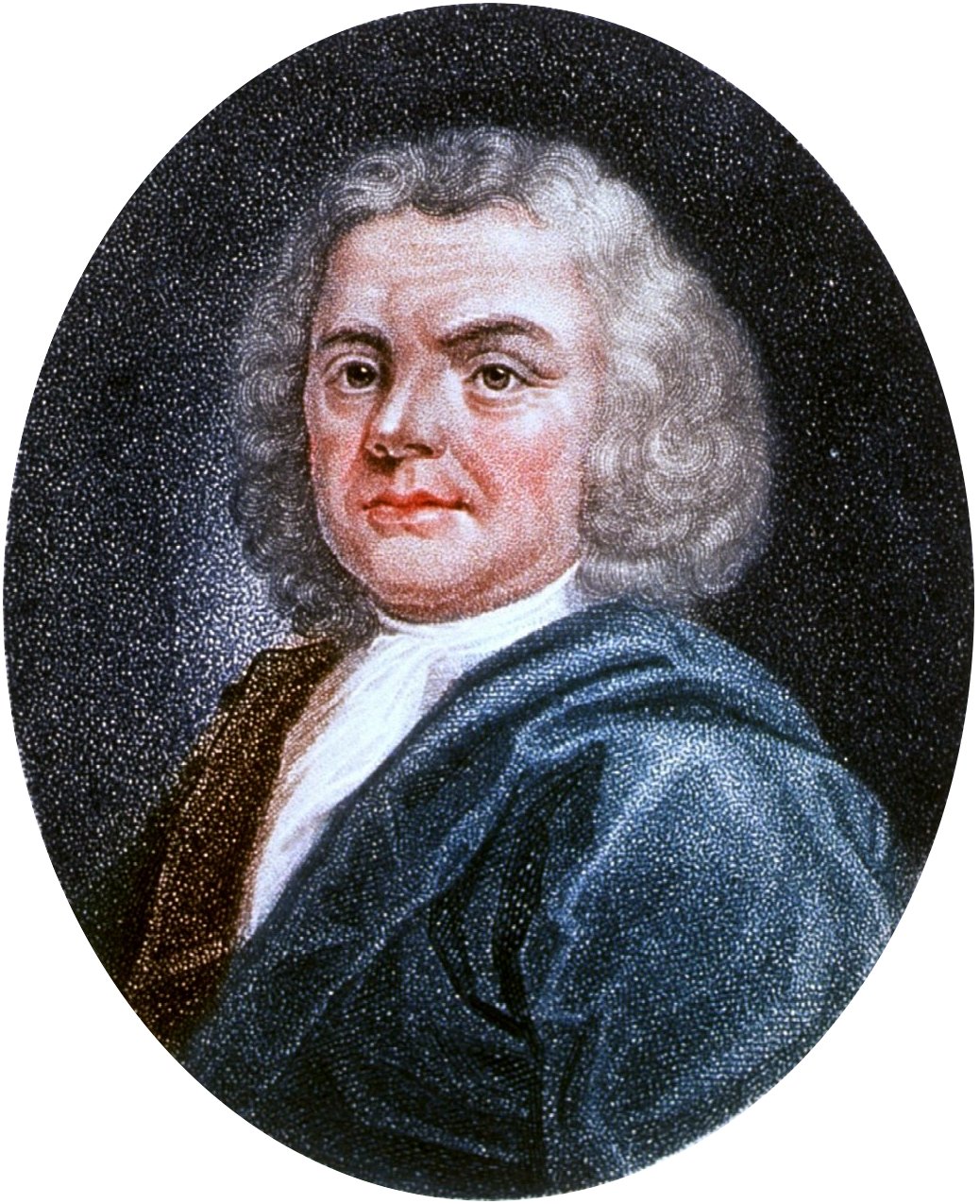
1708 BOERHAAVE, Herman (1668 – 1738)
Institutiones medicae in usus annuae exercitationis domesticos digestae.
Institutiones medicae, Boerhaave’s first book, represented lectures given by Boerhaave on June 23, 1701; it was soon being used in virtually every medical school in Europe, going though numerous authorized and unautho…
GMN 581 · https://historyofmedicine.com/id/369
1708 STAHL, Georg Ernst (1660 – 1734)
Theoria medica vera.
Stahl tried to explain vital phenomena by mystical means. He was the head of the so-called Animistic School which explained disease as caused by misdirected activities on the part of the soul. A three-volume German tr…
GMN 582 · https://historyofmedicine.com/id/370
1709 BOERHAAVE, Herman (1668 – 1738)
Aphorismi de cognoscendis et curandis morbis.
The Aphorisms represent one of Boerhaave’s best and most influential works. English translation, 1715.
GMN 2199 · https://historyofmedicine.com/id/1539
1726 BOERHAAVE, Herman (1668 – 1738)
Methodus discendi medicinam.
During 1710 Boerhaave lectured on the Methodus discendi medicinam. In 1726 the first edition was published from notes taken at his lectures but without his permission. Lindeboom, Bibliographia Boerhaaviana (1959) No. …
GMN 6746 · https://historyofmedicine.com/id/8143
1731 CLIFTON, Francis ( – 1836)
Tabular observations recommended as the plainest and surest way of practising and improving physick. In a letter to a friend.
Clifton argued that physicians should base their judgments about the effects of treatments on a sufficient number of their own observations, or trusted observations by other physicians, rather than on the correlation …
GMN 9461 · https://historyofmedicine.com/id/11644
1732 CLIFTON, Francis ( – 1836)
The state of physick, ancient and modern, briefly considered: with a plan for the improvement of it.
Instead of assessing the efficacy of therapies by their correlation with theories, Clifton argued that physicians should base their judgments about the effects of treatments on a sufficient number of their own observa…
GMN 9460 · https://historyofmedicine.com/id/11643
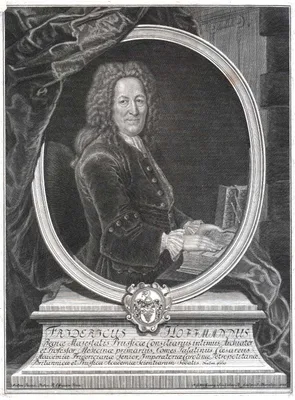
1740 –1753 HOFFMANN, Friedrich (1660 – 1742)
Opera omnia physico-medica. (Supplementum, etc) 9 vols.
Hoffmann of Halle was the most important of the Iatromechanists. He believed an ether-like “vital fluid” to be present in the nervous system and to act upon the muscles, giving them “tonus”.
GMN 72 · https://historyofmedicine.com/id/1277
1742 –1776 SWIETEN, Gerard L. B. van (1700 – 1772)
Commentaria in Hermanni Boerhaave aphorismos, de cognoscendis et curandis morbis. 6 vols.
A pupil of Boerhaave, van Swieten transplanted the latter’s method of teaching to Vienna and founded the Vienna School of Medicine. He spent many years on the preparation of his great Commentaria. English translation,…
GMN 2200 · https://historyofmedicine.com/id/1604
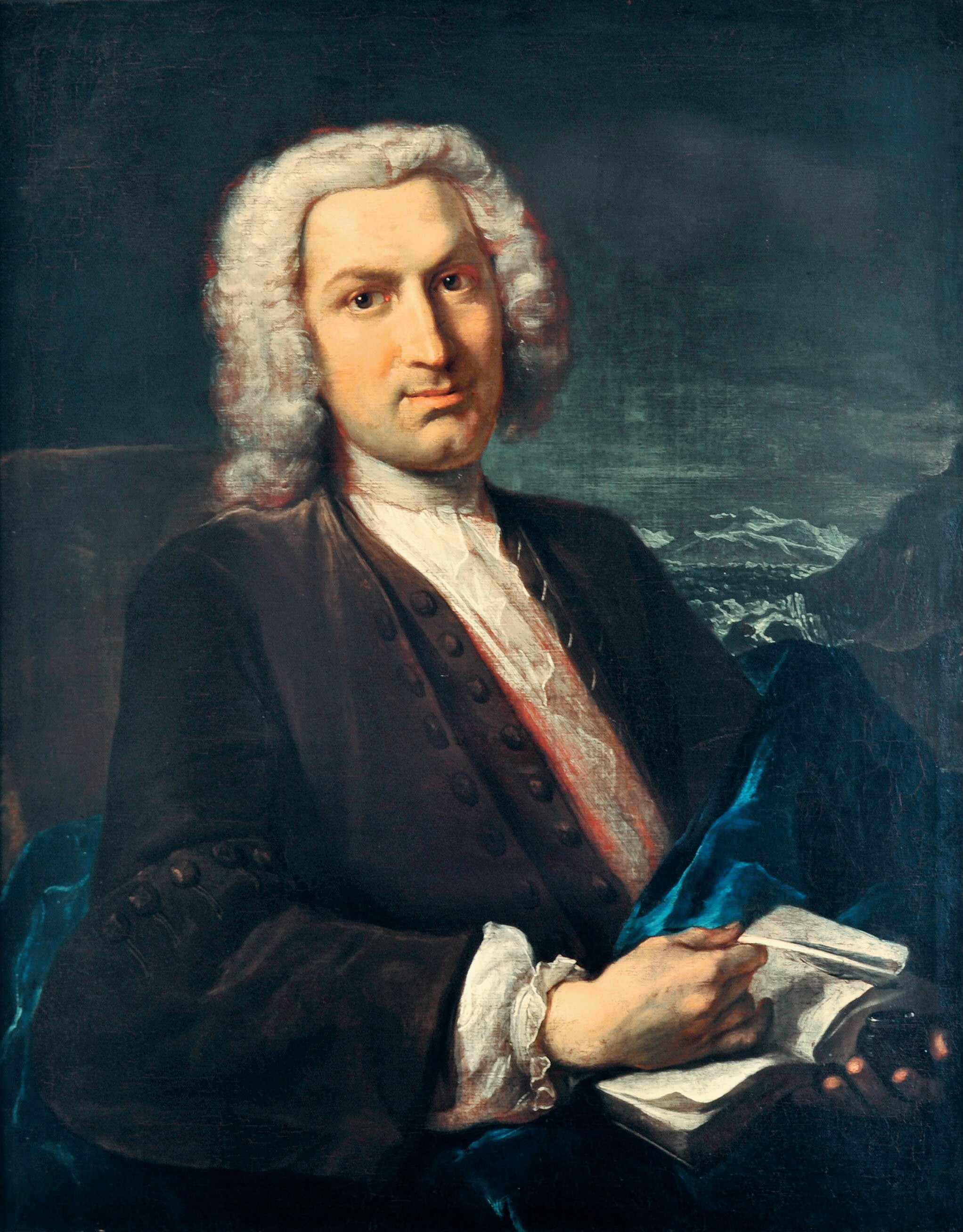
1756 HALLER, Albrecht von (1708 – 1777)
Deux mémoires sur le mouvement du sang, et sur les effets de la saignée, fondés sur des experiences faites sur des animaux.
In these memoirs Haller described the results of 235 vivisections. Haller has been called "the founder of modern haemodynamics." "The myogenic theory of the heartbeat can be traced to Haller, who concluded on the basi…
GMN 11607 · https://historyofmedicine.com/id/13807
1760 STÖRCK, Anton von (1731 – 1803)
An essay on the medicinal nature of hemlock.
"Störck is remembered for his clinical research of various herbs, and their associated toxicity and medicinal properties. His studies are considered to be the pioneering work of experimental pharmacology and his metho…
GMN 9902 · https://historyofmedicine.com/id/12090
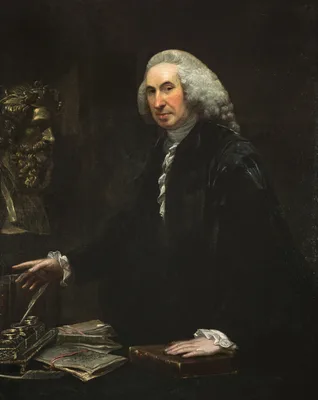
1769 CULLEN, William (1710 – 1790)
Synopsis nosologiae methodicae.
This work made Cullen’s reputation. In it he divided diseases into fevers, neurosis, cachexias and local disorders. Cullen was the foremost British clinical teacher of his time, one of the first to give clinical lectu…
GMN 2204 · https://historyofmedicine.com/id/1618
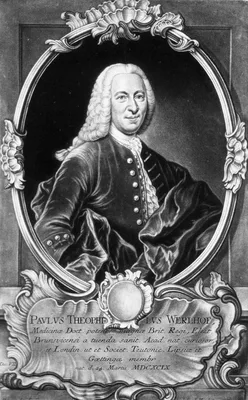
1775 –1776 WERLHOF, Paul Gottlieb (1699 – 1767)
Opera medica. 3 vols.
Werlhof, a contemporary and friend of Haller, is remembered for his classic description of purpura haemorrhagica (see No. 3052). He was Court physician at Hannover.
GMN 75 · https://historyofmedicine.com/id/1292
1786 STOLL, Maximilian (1742 – 1788)
Aphorismi de cognoscendis et curandis febribus.
Stoll was one of the few physicians of the Viennese school who supported Auenbrugger's views on percussion. In this treatise on fevers Stoll referred favorably to the practice, and it is thought that Corvisart became …
GMN 11711 · https://historyofmedicine.com/id/13912
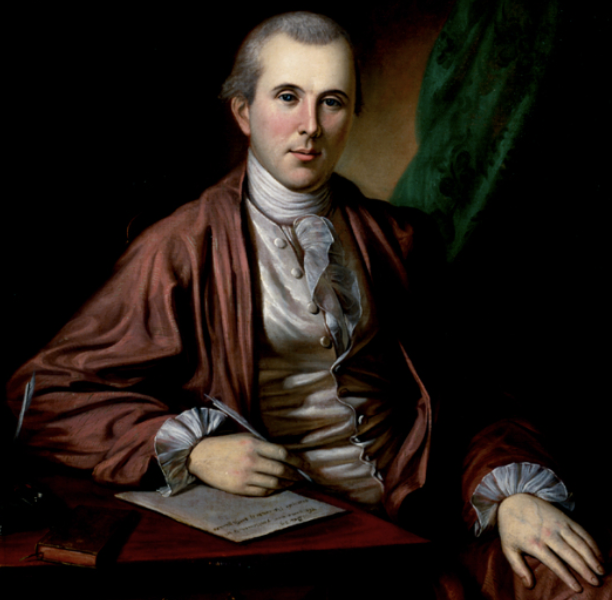
1789 –1793 RUSH, Benjamin (1745 – 1813)
Medical inquiries and observations. 2 vols.
Rush was considered the ablest American clinician of his time. He was a friend of Benjamin Franklin and one of the signers of the Declaration of Independence. His many writings are distinguished for their classical st…
GMN 80 · https://historyofmedicine.com/id/1374
1802 HEBERDEN, William Sr. (1710 – 1801)
Commentarii de morborum historia et curatione.
Samuel Johnson called Heberden “the last of our learned physicians”. The above work included all his important papers, which had earned him his great reputation, and which are dealt with elsewhere in this database (se…
GMN 2207 · https://historyofmedicine.com/id/3677
1812 –1822 SOCIÉTÉ DE MÉDECINS ET DE CHIRURGIENS
Dictionnaire des sciences médicales par un Société de médecins et de chirurgiens. 60 vols.
GMN 2208 · https://historyofmedicine.com/id/1659
1827 JAMESON, Horatio Gates (1788 – 1855)
Observations upon traumatic haemorrhage, illustrated by experiments upon living animals.
Jameson was surgeon to Baltimore Hospital for 20 years. This essay described some of the earliest multiple animal experiments used in American medical research.
GMN 5589 · https://historyofmedicine.com/id/7041
1835 BIGELOW, Jacob (1786 – 1879)
A discourse on self-limited diseases.
Bigelow was attached to the Massachusetts General Hospital. The above “did more than any other work or essay in our own language to rescue the practice of medicine from the slavery of the drugging system which was par…
GMN 2212 · https://historyofmedicine.com/id/1693
1836 –1838 MAGENDIE, François (1783 – 1855)
Leçons sur les phénomènes physiques de la vie. 4 vols.
Magendie, pioneer experimental physiologist, regarded pathology as only a modification of physiology, “medicine the physiology of the sick man”. By him clinical medicine was reconstructed on physiological lines.
GMN 2217 · https://historyofmedicine.com/id/1712
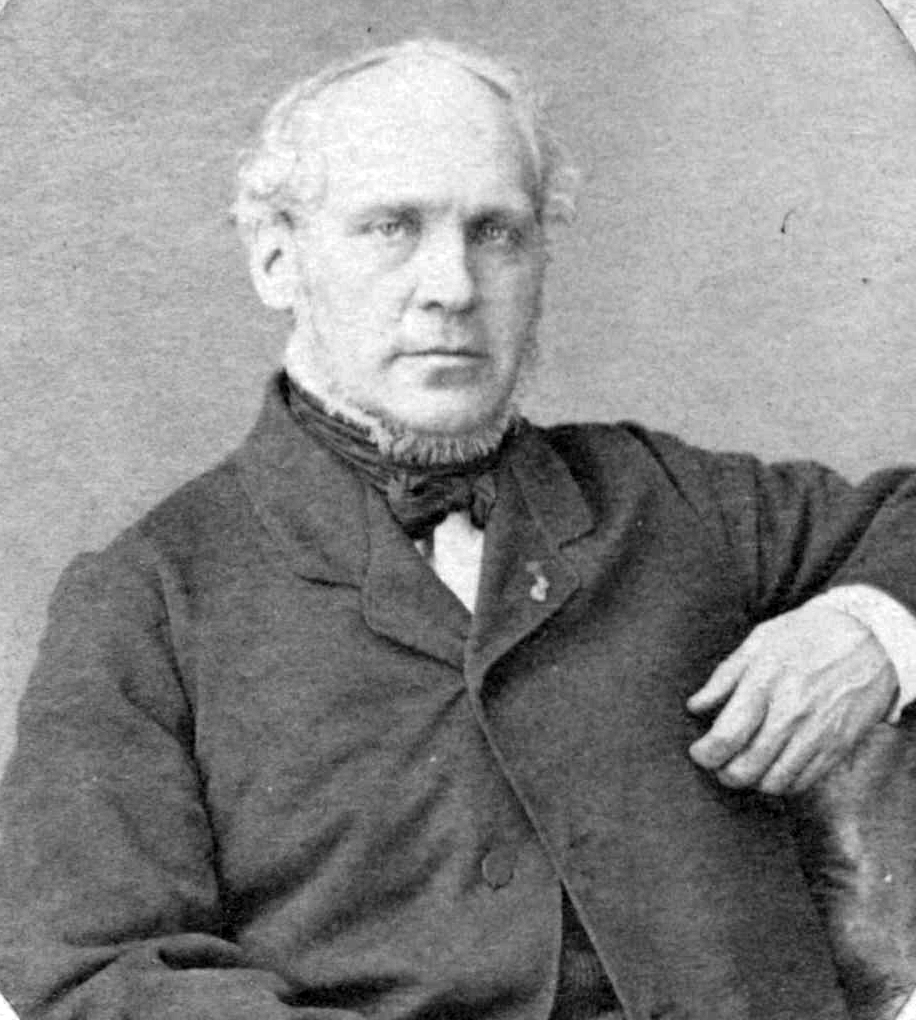
1837 STOKES, William (1804 – 1878)
A treatise on the diagnosis and treatment of diseases of the chest.
Stokes, most prominent of the Irish school of medicine, established his reputation by his book on diseases of the chest. Important among its contents are his discovery of a stage of pneumonia prior to that described b…
GMN 2213 · https://historyofmedicine.com/id/1697
1838 ANONYMOUS
Botica general de los remedios esperimentados. Que á beneficio del público se reimprime por su original en Cadiz, en Sonoma, de la alta California: Por M. G. V.
The first medical book printed in California, a small 23-page pamphlet of folk or popular medicine. It was printed by Agustín V. Zamorano, the first printer in Alta California under Mexican rule before the region beca…
GMN 10402 · https://historyofmedicine.com/id/12595
1839 ADDISON, Thomas (1793 – 1860); BRIGHT, Richard (1789 – 1858)
Elements of the practice of medicine. Vol. 1. (All Published.)
Originally issued in three parts from 1836 to 1839 when the authors were joint lecturers on medicine at Guy’s Hospital.
GMN 2215 · https://historyofmedicine.com/id/1710
1839 –1861 HIPPOCRATES, [Ἱπποκράτης; Hippocrates of Kos] (-460 – -370); LITTRÉ, Émile Maximilien Paul (1801 – 1881)
Oeuvres complètes d’Hippocrate. Traduction nouvelle avec le texte grec en regard, collationné sur les manuscrits et toutes les éditions: Accompagnée d'une introduction de commentaires médicaux, de variantes et de notes philologiques; suivie d'une table générale des matières par É[mile] Littré. 10 vols.
The above bilingual edition was the result of 22 years of continuous labor, remains the most significant edition overall. For a detailed bibliography of modern editions and translations see Paul Potter, Short handbook…
GMN 13 · https://historyofmedicine.com/id/4475
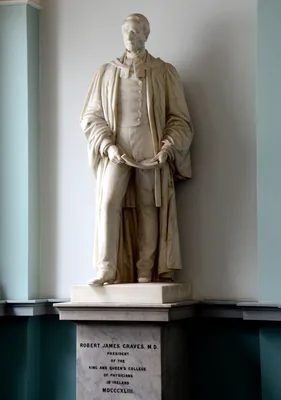
1843 GRAVES, Robert James (1796 – 1853)
A system of clinical medicine.
Graves was one of the founders of the Irish school of medicine and one of the most important figures in Irish medicine at the middle of the 19th century. Second edition of the book (as Clinical lectures on the practic…
GMN 2218 · https://historyofmedicine.com/id/1714
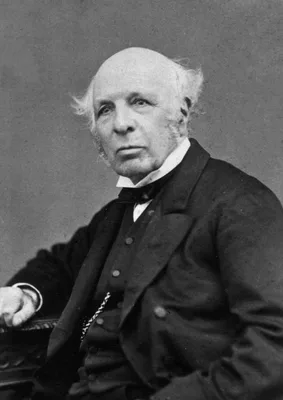
1843 WATSON, Sir Thomas (1792 – 1882)
Lectures on the principles and practice of physic. 2 vols.
First published in the Medical Times & Gazette, 1840-42, Watson’s famous lectures appeared in book form and formed the most important treatise of medicine for a quarter-century. Watson wrote in a fine style, and his b…
GMN 2219 · https://historyofmedicine.com/id/1717
1844 –1850 SUŚRUTA, (Sushruta); HESSLER, Franz (1799 – 1890)
Suśrutas. Áyruvédas. Id est medicinae systema a venerabili d'hanvantare demonstratum a Suśruta discipulo compositum. Nunc primum ex Sanksríta in Latinum sermonem vertit, introductionem, annotationes et rerum indicem adjecit Dr. Franciscus Hessler. 3 vols.
First translation of the Suśruta Samhitā into Latin, and the first publication of this text in the West. Suśruta is said to have lived in the 6th or 5th centuries, BCE. The principal medical contribution of the ancien…
GMN 11 · https://historyofmedicine.com/id/35
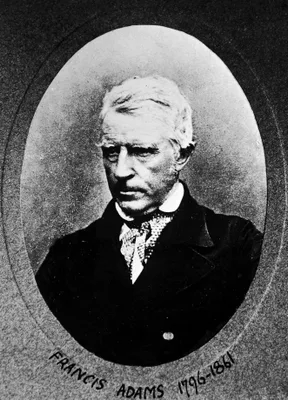
1849 HIPPOCRATES, [Ἱπποκράτης; Hippocrates of Kos] (-460 – -370); ADAMS, Francis (1796 – 1861)
The genuine works of Hippocrates. Translated from the Greek with a preliminary discourse and annotations by Francis Adams. 2 vols.
Francis Adams, surgeon of Banchory, Scotland, prepared this partial translation to acquaint his contemporaries with “the opinions of an author, whom I verily believe to be the highest exemplar of professional excellen…
GMN 14 · https://historyofmedicine.com/id/914
1851 –1876 DAREMBERG, Charles Victor (1817 – 1872); ORIBASIUS (ὈΡΕΙΒΆΣΙΟΣ), [Oreibasius] (320 – 403); BUSSEMAKER, Ulco Cats (1810 – 1865); MOLINIER, Auguste (1851 – 1904)
Oeuvres d’Oribase, texte grec, en grande partie inédit…traduit pour la première fois en français; par les Drs. Bussemaker et Daremberg. 6 vols.
Oribasius was a compiler of existing knowledge rather than an original writer. His output was immense; he compiled the Synagoge, an encyclopedic digest of medicine, hygiene, therapeutics, and surgery from Hippocrates …
GMN 31 · https://historyofmedicine.com/id/8755
1856 ARETAEUS OF CAPPADOCIA, (Ἀρεταῖος Καππάδοκος) (80 – 140); ADAMS, Francis (1796 – 1861)
Тα ∑ωζομενα. The extant works of Aretaeus, the Cappadocian. Edited and translated by Francis Adams.
Aretaeus left many fine descriptions of disease; in fact Garrison ranks him second only to Hippocrates in this respect. In the printed editions of this bibliography, before the present online version, the Adams editio…
GMN 22 · https://historyofmedicine.com/id/8934
1859 –1864 STAHL, Georg Ernst (1660 – 1734)
Oeuvres médico-philosophiques et pratiques. 6 vols.
Stahl was responsible for the re-introduction of the idea of a “sensitive soul”, propounded by van Helmont. The Stahlian “animism” considered the body to be composed of passive or “dead” substance, which became animat…
GMN 70 · https://historyofmedicine.com/id/1258

![GALEN, [Κλαύδιος Γαληνός; Galen of Pergamon] (129 – 216)](/media/portraits/21)
![HIPPOCRATES, [Ἱπποκράτης; Hippocrates of Kos] (-460 – -370)](/media/portraits/50)