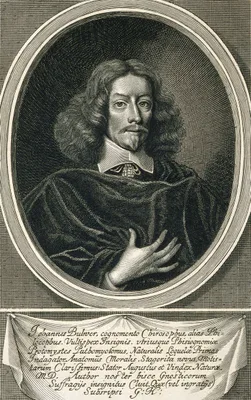
1648 BULWER, John (1606 – 1656)
Philocophus: or the deafe and dumbe mans friend.
"Bulmer promoted what we would call today 'central nervous system plasticity,' in describing how one sense could take over the duties of another. This is well illustrated in the frontispiece of this work, which is the…
GMN 7230 · https://historyofmedicine.com/id/9399
1669 HOLDER, William (1616 – 1698)
Elements of speech, an essay of inquiry into the natural production of letters; with an appendix concerning persons deaf and dumb.
Includes a section on the education of deaf-mutes. Paracusis is described in the Appendix, p. 166.
GMN 3349 · https://historyofmedicine.com/id/4705
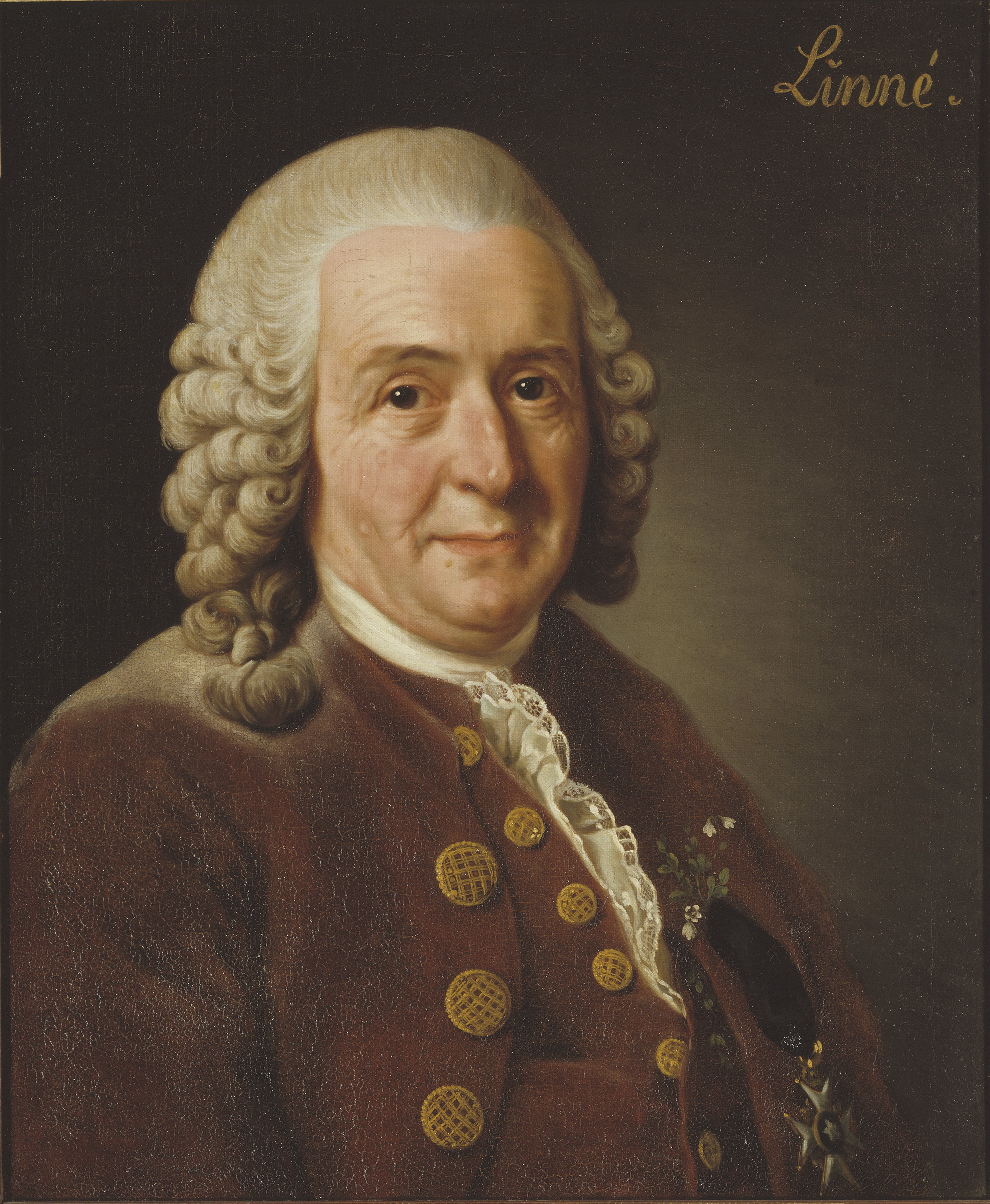
1745 LINNAEUS, Carl (Linné) (1707 – 1778)
Glömska af alla substantiva och i synnerhet namn.
Aphasia first described. Facsimile reproduction and English translation by H. R. Viets, Bull. Hist. Med., 1943, 13, 328-33.
GMN 4616 · https://historyofmedicine.com/id/646
1781 KRATZENSTEIN, Christian Gottlieb (1723 – 1795)
Tentamen resolvendi problema ab Academia Scientiarum Imperial Petropoitana ad annum 1780 public propositum. 1) Qualis fit natura et character sonorum litterarum vocalium a, e, i, o, u tam insigniter inter se diversorum. 2) Annon construi qutans instrumenta ordini tuiborum organicorum, sub termino vocis humane noto, similia, quae literarum vaclium a, e, i, o, u sonos exprimant.
In the first part of this work Kratzenstein described how the vowels could be produced in the vocal tract. In the second part he described the construction of a new kind of organ with pipes for each of the vowels. Eac…
GMN 13253 · https://historyofmedicine.com/id/15518
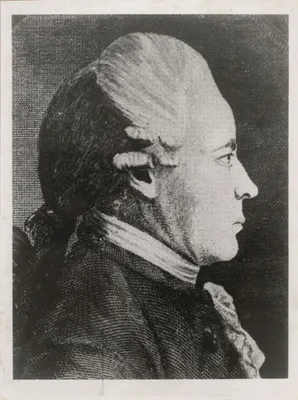
1791 KEMPELEN, Johann Wolfgang Ritter von (1734 – 1804)
Mechanismus der menschlichen Sprache nebst Beschreibung seiner sprechenden Maschine.
Kempelen built the first successful speech synthesizer that produced not only some speech sounds, but also whole words and short sentences. His final version of the machine, which differs slightly from the version sho…
GMN 13254 · https://historyofmedicine.com/id/15519
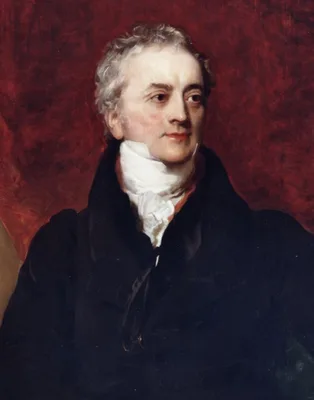
1796 YOUNG, Thomas (1773 – 1829)
De corporis humani viribus conservatricibus dissertatio.
Young's thesis for his medical degree from Göttingen on the conservation of strength in the human body, which also contains, on the final four pages, the only extant fragment of Young's brief thesis on the human voice…
GMN 13243 · https://historyofmedicine.com/id/15508
1806 SOEMMERRING, Samuel Thomas von (1755 – 1830)
Abbildungen der menschlichen Organe des Geschmackes und der Stimme.
GMN 1455 · https://historyofmedicine.com/id/2350
1810 THELWALL, John (1764 – 1834)
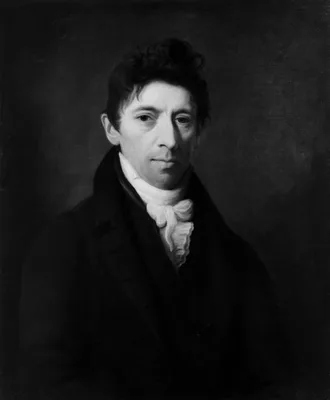
A letter to Henry Cline, Esq. on imperfect developements (sic) of the faculties mental and moral, as well as constitutional and organic; and on on the treatment of impediments of speech.
The first book on mental deficiency. Thelwall recognized that sensory deprivation could be a cause of apparent mental defect through his work with handicapped children. He established criteria for distinguishing betwe…
GMN 4969.2 · https://historyofmedicine.com/id/6384
1825 BOUILLAUD, Jean Baptiste (1796 – 1881)
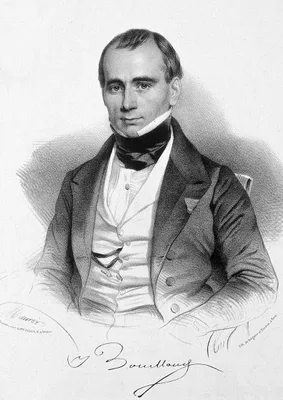
Recherches cliniques propres à démontrer que la perte de la parole correspond à la lésion des lobules antérieurs du cerveau.
Classic account of aphasia. Bouillaud was the first to suggest that injuries of the frontal lobe were a cause of aphasia.
GMN 4618 · https://historyofmedicine.com/id/651
1827 RUSH, James (1786 – 1869)
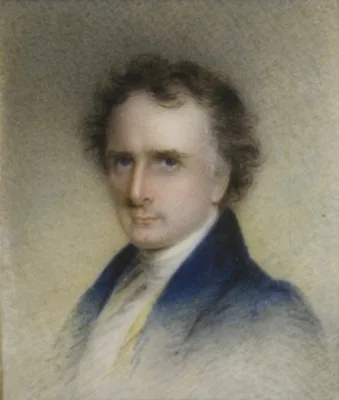
The philosophy of the human voice: Embracing its physiological history; together with a system of principles by which criticism in the art of elocution may be rendered intelligible, and instruction, definite and comprehensive. To which is added a brief analysis of song and recitative.
“With over 30 diagrams and charts, including myriad musical notations to show the pitch and duration of syllables, the text offers a systematic notation for the description of speech sounds, followed by a detailed tre…
GMN 13241 · https://historyofmedicine.com/id/15506
1839 MÜLLER, Johannes Peter (1801 – 1858)
Ueber die Compensation der physischen Kräfte am menschlichen Stimmorgan, mit Bemerkungen über die Stimme der Säugethiere, Vögel und Amphibien.
GMN 1458 · https://historyofmedicine.com/id/2371
1856 BRÜCKE, Ernst Wilhelm von (1819 – 1892)
Grundzüge der Physiologie und Systematik der Sprachlaute für Linguisten und Taubstummenlehrer.
GMN 1461 · https://historyofmedicine.com/id/2389
1857 MERKEL, Carl Ludwig (1812 – 1876)
Anatomie und Physiologie des menschlichen Stimm- und Sprach-Organs (Anthropophonik).
GMN 1462 · https://historyofmedicine.com/id/2392
1857 HUNT, James (1833 – 1869)
A treatise on the cure of stammering, with a general account of the various systems for the cure of impediments in speech and a notice of the life of the late Thomas Hunt.
GMN 14187 · https://historyofmedicine.com/id/16503
1861 BROCA, Pierre Paul (1824 – 1880)
Perte de la parole; ramollissement chronique et destruction partielle du lobe antérieur gauche du cerveau.
Broca localized the speech center in the left frontal lobe. He asserted that aphasia was associated with a lesion on the left third frontal convolution of the brain – “Broca’s center”. He was preceded in this discover…
GMN 4619 · https://historyofmedicine.com/id/653
1861 BROCA, Pierre Paul (1824 – 1880)
Remarques sur le siège de la faculté du langage articulé, suivie d’une observation d’aphémie (perte de la parole).
Broca claimed the third left frontal convolution of the brain as the center of articulate speech – a point now disputed. He was first to trephine for a cerebral abscess diagnosed by this theory of localization of func…
GMN 1400 · https://historyofmedicine.com/id/2005
1861 HUNT, James (1833 – 1869)
Stammering and stuttering, their nature and treatment.
GMN 14188 · https://historyofmedicine.com/id/16504
1864 JACKSON, John Hughlings (1835 – 1911)
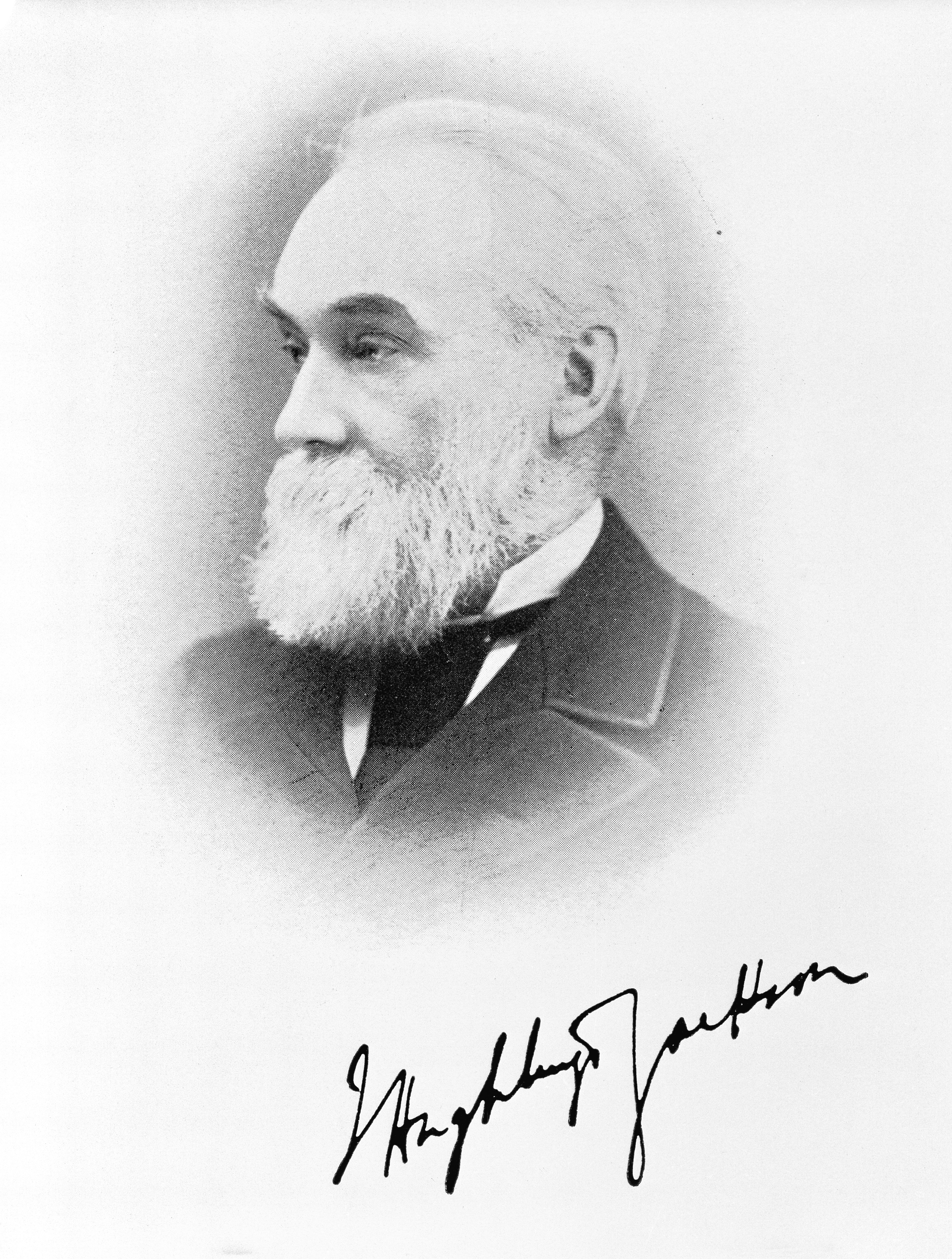
Loss of speech: its association with valvular disease of the heart, and with hemiplegia on the right side. Defects of smell. Defects of speech in chorea. Arterial regions in epilepsy.
Jackson studied aphasia for 30 years. He emphasized its psychological aspects and laid the foundation for present knowledge of the condition, but he was ahead of his time and the value of his work was not recognized f…
GMN 4620 · https://historyofmedicine.com/id/658
1866 FALRET, Jules (1824 – 1902)
Aphasie, aphémie, alalie.
Includes a history of aphasia.
GMN 4621.1 · https://historyofmedicine.com/id/8861
1869 BASTIAN, Henry Charlton (1837 – 1915)
On the various forms of loss of speech in cerebral disease.
Bastian’s first important paper on aphasia. His axiom “We think in words” explains his whole work on the subject. See also his later paper on pp. 470-92 of the same volume.
GMN 4622 · https://historyofmedicine.com/id/663
1870 DONDERS, Frans Cornelis (1818 – 1889)
De physiologie der spraakklanken.
Donders’s most important work was performed in the field of ophthalmology, but he wrote a classic treatise on the physiology of speech. Also published in Onderzoekingen gedaan in het Physiologisch Laboratoriumder Utre…
GMN 1467 · https://historyofmedicine.com/id/2416
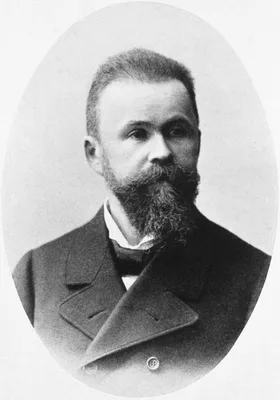
1874 WERNICKE, Carl (1848 – 1905)
Der aphasische Symptomencomplex.
Sensory aphasia (“Wernicke’s aphasia”). Wernicke did important work on the localization of aphasia; he included in his book accounts of alexia and agraphia. English translation in Boston Studies in the Philosophy of S…
GMN 4623 · https://historyofmedicine.com/id/665
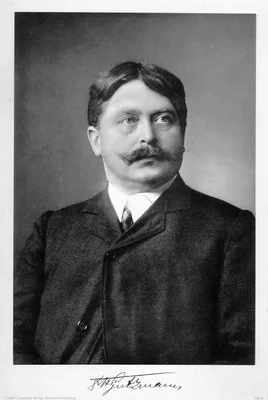
1877 KUSSMAUL, Adolf (1822 – 1902)
Die Störungen der Sprache.
Kussmaul termed aphasia “word-blindness”. The book was issued as a supplement to vol. 12 of Ziemssen’s Handbuch der speciellen Pathologie und Therapie. English translation in Ziemssen’s Cyclopedia of the practice of m…
GMN 4624 · https://historyofmedicine.com/id/670
1885 LICHTHEIM, Ludwig (1845 – 1928)
Ueber Aphasie.
“Lichtheim’s disease”– subcortical sensory aphasia. Lichtheim noted that although the patient could not speak, he was able to indicate with his fingers the number of syllables in the word of which he was thinking (“Li…
GMN 4626 · https://historyofmedicine.com/id/677
1890 –1930 HENSCHEN, Salomon Eberhard (1847 – 1930)
Klinische und anatomische Beiträge zur Pathologie des Gehirns. 8 pts. in 10 vols.
An important summary of the knowledge concerning aphasia appears in vols. 5-7.
GMN 4632 · https://historyofmedicine.com/id/8862
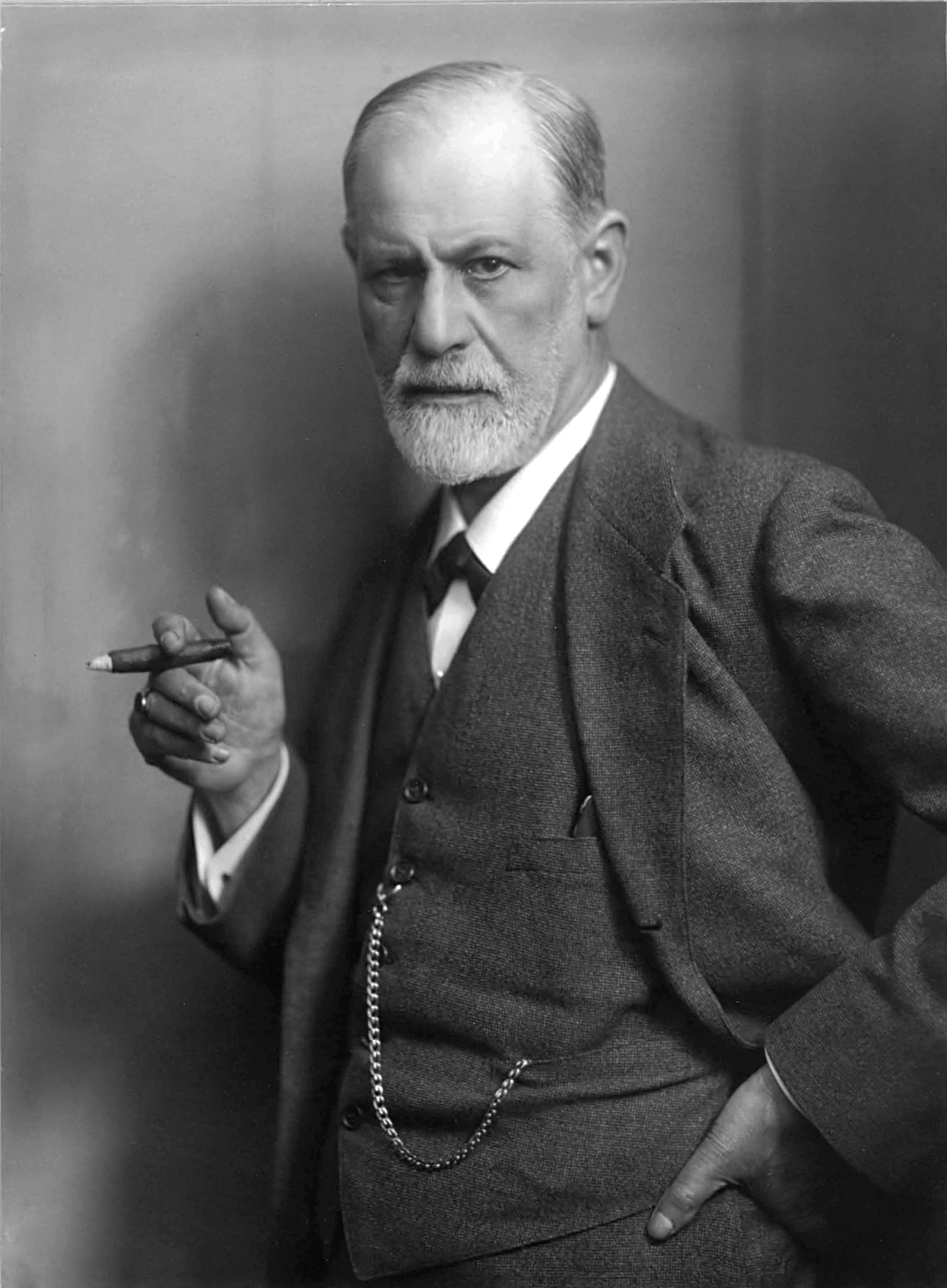
1891 FREUD, Sigmund (1856 – 1939)
Zur Auffassung der Aphasien.
Freud refuted the Wernicke–Lichtheim doctrine (Nos. 4623 & 4626) that the losses of function in aphasia were due to lesions to anatomically circumscribed centers corresponding to the various functions involved in lang…
GMN 4627.1 · https://historyofmedicine.com/id/682
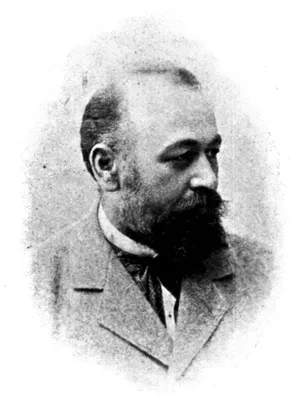
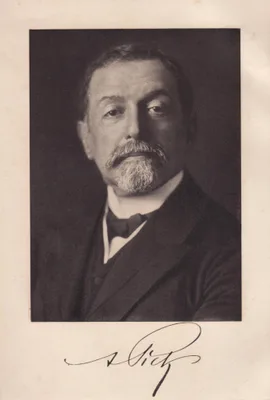
1892 PICK, Arnold (1851 – 1924)
Ueber die Beziehungen der senilen Hirnatrophie zur Aphasie.
“Pick’s disease” – circumscribed atrophy of the brain with the development of aphasia and presenile dementia.
GMN 4707 · https://historyofmedicine.com/id/1135
1894 GUTZMANN, Hermann Senior (1865 – 1922)
Des Kindes Sprache und Sprachfehler.
Hermann Gutzmann Sr. founded phoniatrics as a medical specialty. Digital facsimile from Google Books at this link.
GMN 13235 · https://historyofmedicine.com/id/15500
1897 –1901 ROUSSELOT, Jean-Pierre (1846 – 1924)
Principes de la phonétique expérimentale. 2 vols.
Rousselot is considered the founder of experimental phonetics, both theoretical and applied.
GMN 13232 · https://historyofmedicine.com/id/15496
1898 BASTIAN, Henry Charlton (1837 – 1915)
A treatise on aphasia and other speech defects.
Bastian localized the auditory and visual centers, and he described word-blindness and word-deafness. (See also No. 4622.)
GMN 4629 · https://historyofmedicine.com/id/686
1906 MARIE, Pierre (1853 – 1940)
Révision de la question de l’aphasie; la troisième circonvolution frontale gauche ne joue aucun rôle spécial dans la fonction du langage.
Marie disputed Broca’s claim that the third left frontal convolution of the brain is the speech center. He classified aphasia into three groups: anarthria (defects of articulation), Broca’s (motor) aphasia, and Wernic…
GMN 4630 · https://historyofmedicine.com/id/688
1926 HEAD, Sir Henry (1861 – 1940)
Aphasia and kindred disorders of speech. 2 vols.
Head’s theory of aphasia conceived the condition as being “a disorder of symbolic formulation and expression”.
GMN 4633 · https://historyofmedicine.com/id/693
1930 PAGET, Sir Richard Arthur Surtees (1869 – 1955)
Human speech. Some observations, experiments, and conclusions as to the nature, origin, purpose and possible improvement of human speech.
Paget believed that speech originated in the "pantomimic action" of the lips and tongue related to the speaker's senses and emotions. This led to his central thesis that hand signs and gestures were the original form …
GMN 13255 · https://historyofmedicine.com/id/15520
1959 PENFIELD, Wilder Graves (1891 – 1976); ROBERTS, Lamar (1919 – 1978)
Speech and brain mechanisms.
GMN 13242 · https://historyofmedicine.com/id/15507
1968 ELDRIDGE, Margaret
A history of the treatment of speech disorders.
GMN 5019.7 · https://historyofmedicine.com/id/6650
1977 BRONSTEIN, Arthur J. (1914 – 2010); RAPHAEL, Lawrence J. (1938 – ); STEVENS, Cj
Biographical dictionary of the phonetic sciences.
GMN 13246 · https://historyofmedicine.com/id/15511
1980 O'NEILL, Ynez Viole
Speech and speech disorders in Western thought before 1600.
GMN 13228 · https://historyofmedicine.com/id/15492
1980 ROCKEY, Denise
Speech disorder in nineteenth century Britain. The history of stuttering.
GMN 14186 · https://historyofmedicine.com/id/16502
1989 GRIEGER, Wingolf
Führer durch die Schausammlung Phonetisches Institut
GMN 13245 · https://historyofmedicine.com/id/15510
1994 ELING, Paulus Alphons Theresia Maria (Paul) (1951 – )
Reader in the history of aphasia from [Franz] Gall to [Norman] Geschwind. Edited by Paul Eling.
GMN 12638 · https://historyofmedicine.com/id/14879
1997 WOLLOCK, Jeffrey L.
The noblest animate motion: Speech, physiology and medicine in pre-Cartesian linguistic thought.
GMN 13229 · https://historyofmedicine.com/id/15493
2001 –2011 DUCHAN, Judy
A History of Speech - Language Pathology.
https://www.acsu.buffalo.edu/~duchan/new_history/overview.html "Organization of the website "The website is divided into six historical periods: History of the ancients: 3000 BC to 500 AD Middle ages: 400 to 1500 AD E…
GMN 13227 · https://historyofmedicine.com/id/15491
2008 TESAK, Juergen; CODE, Chris
Milestones in the history of aphasia: Theories and protagonists.
GMN 11792 · https://historyofmedicine.com/id/13994
2012 MEHNERT, Dieter
Historische phonetische Geräte. Katalog der historischen akustisch-phonetischen Sammlung (HAPS) der Technischen Universität Dresden. Erster Teil.
GMN 13244 · https://historyofmedicine.com/id/15509
2013 LEVELT, Willem Johannes Maria (1938 – )
A history of psycholinguistics: The Pre-Chomsky Era.
GMN 13230 · https://historyofmedicine.com/id/15494