1472 ARISTOTLE (ἈΡΙΣΤΟΤΈΛΗΣ) (-384 – -322); AVERROËS [IBN RUSHD (ARABIC: ابن رشد), FULL NAME ʾABŪ L-WALĪD MUḤAMMAD IBN ʾAḤMAD IBN RUŠD] (1126 – 1198)
Aristotle's De anima with the commentary of Averroes.
"Each paragraph of the text of Aristotle is printed in a new and an old translation, and is followed by the commentary of Averroes on the latter (BMC)" (ISTC No. IDia00969000). Because of the supreme position of Arist…
GMN 9400 · https://historyofmedicine.com/id/11583
1479 ARISTOTLE (ἈΡΙΣΤΟΤΈΛΗΣ) (-384 – -322); WILLEM VAN MOERBEKE, (Gulielmus de Moerbecum; William of Moerbeke) (1215 – 1286); BOËTHIUS, Anicius Manlius Severinus (420 – 524); PORRÉE, Gilbert de la [Gilbert of Poitiers, Gilbertus Poretanus or Pictaviensis] (1085 – 1154); JACOBUS VENETICUS, [James of Venice, Giacomo da Venezia, Jacobus Veneticus Grecus, Jacobus de Venetiis] (1100 – 1165)
Opera. In four parts dated: I) 15 Sept. 1479; II) 13 Oct. 1479; III) 21 Oct. 1479; IV) 8 Nov. 1479. Contents: [I] Praedicamenta, De interpretatione, Analytica priora (Tr: Boethius). Add: Porphyrius: Isagoge in Aristotelis Praedicamenta (Tr: Boethius). Gilbertus Porretanus: Liber sex principiorum. Boethius: Divisiones. [II] Analytica posteriora (Tr: Jacobus Veneticus). [III] Sophistici elenchi, Topica (Tr: Boethius). [IV] Physica (Tr: Guilelmus de Moerbeka).
Aristotle, at one time tutor to Alexander the Great, was, among other things, the first observational biologist, and the founder of comparative anatomy. His views had a profound influence in determining the direction …
GMN 17 · https://historyofmedicine.com/id/39
1483 ARISTOTLE (ἈΡΙΣΤΟΤΈΛΗΣ) (-384 – -322); AVERROËS [IBN RUSHD (ARABIC: ابن رشد), FULL NAME ʾABŪ L-WALĪD MUḤAMMAD IBN ʾAḤMAD IBN RUŠD] (1126 – 1198); WILLEM VAN MOERBEKE, (Gulielmus de Moerbecum; William of Moerbeke) (1215 – 1286); BOËTHIUS, Anicius Manlius Severinus (420 – 524); JACOBUS VENETICUS, [James of Venice, Giacomo da Venezia, Jacobus Veneticus Grecus, Jacobus de Venetiis] (1100 – 1165); VERNIA, Nicoletto (1420 – 1499); SCOT, Michael [Michael Scotus] (1175 – 1232); DURANDUS DE ALVERNIA (1250 – ); PORPHYRIOS, [Porphyri; Πορφύριος] (234 – 305)
Opera. With the commentary of Averroes. Edited by Nicoletus Vernia. 8 parts.
First edition of the collected works of Aristotle with the commentaries of Averroes, by which Aristotle was mainly studied during the Middle Ages. The purpose of Vernia's edition was to provide an accurate edition of …
GMN 9399 · https://historyofmedicine.com/id/11582
1491 CARRARA, Giovanni Michele Alberto da [Johannes Michael Alberti] (1438 – 1490)
De omnibus ingeniis augendae memoriae.
An early work on memory disorders and aids to memory. ISTC no. ia00210000. Digital facsimile from the Bayerische Staatsbibliothek at this link.
GMN 4511.01 · https://historyofmedicine.com/id/357
1492 IBN AL'ABBAS AL MAJUSI, Ali (Haly Abbas) (930 – 994); STEPHEN OF ANTIOCH, (Stephen of Pisa); VITALIS, Antonius
Liber medicinae, sive Regalis dispositio. Tr: Stephanus Antiochenus. Ed: Antonius Vitalis.
The Almaleki, or Liber regius, of Haly Abbas was the leading treatise on medicine for a hundred years, when it was displaced by Avicenna’s Canon. This was the only edition printed in the 15th century. ISTC No. ih00003…
GMN 42 · https://historyofmedicine.com/id/8763
1495 –1498 ARISTOTLE (ἈΡΙΣΤΟΤΈΛΗΣ) (-384 – -322); THEOPHRASTUS OF ERESOS (ΘΕΌΦΡΑΣΤΟΣ) (371 – 287); PORPHYRIOS, [Porphyri; Πορφύριος] (234 – 305); ALEXANDER OF APHRODISIAS, [ Ἀλέξανδρος ὁ Ἀφροδισιεύς] (170 – ); PHILO OF ALEXANDRIA, (Φίλων; Philo Judaeus)
Aristotle. [Opera omnia]. 5 vols.
Between November 1495 and June 1498 scholar printer Aldus Manutius (Teobaldo Mannucci) of Venice issued the first edition in the original Greek of Aristotle's Opera omnia. The set appeared in five thick quarto or smal…
GMN 8395 · https://historyofmedicine.com/id/10572
1512 NEMESIUS (ΝΕΜΈΣΙΟΣ), Bishop of Emesa (350 – )
Divini Gregorii Nyssae episcopi qui fuit frater Basilii Magni libri octo. I. De homine. II. De anima. III. De elementis. IIII. De viribus animae. V. De voltario etinuoltario. VI. De fato. VII. De libero arbitrio. VIII. De prouidentia.
Nemesius’ De natura hominis, a physiological and psychological study of man, was highly esteemed during the Middle Ages. Nemesius, who wrote in the 4th century CE, was one of the first to propose that mental processes…
GMN 571 · https://historyofmedicine.com/id/339
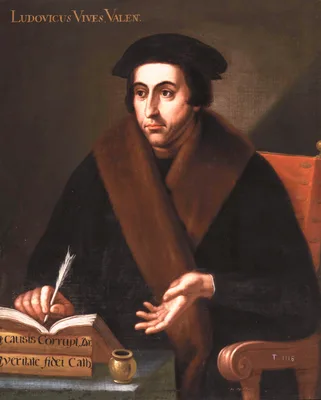
1538 VIVES, Juan Luis (1492 – 1540)
De anima et vita libri tres.
Vives anticipated Bacon and Descartes in developing an empirical psychology in which the mind was to be studied both through introspection and observation of others. From his exhaustive analysis of memory he developed…
GMN 4963.2 · https://historyofmedicine.com/id/6360
1557 ACTUARIUS, Joannes Zacharias [Aktouarios] (1275 – 1330); GOUPYL, Jacques (Goupil) (1525 – 1564)
Περὶ ἐνεργειῶν καὶ παθῶν τοῦ ψυχικοὺ πνεύματος καὶ τῆς κατ' αὐτὸ διαίτης. Actuarii de actionibus & affectibus spritus animalis, eusque victu, Libri II. Nunc primum in lucem prodeunt, Jac. Goupyli beneficio, qui nobis eorum exemplum dedit.
Editio princeps of this physiological and physiological work in two books. Digital facsimile from Google Books at this link. A Latin translation by Julius Alexandrinus was published in 1547.
GMN 13203 · https://historyofmedicine.com/id/15464
1575 HUARTE Y NAVARRO, Juan [HUARTE DE SAN JUAN] (1529 – 1588)
Examen de ingenios para las ciencias.
Huarte was a distinguished Spanish physician and psychologist. His Examen, which gained for him a European reputation, was the first attempt to show the connection between psychology and physiology. English translatio…
GMN 4964 · https://historyofmedicine.com/id/6362
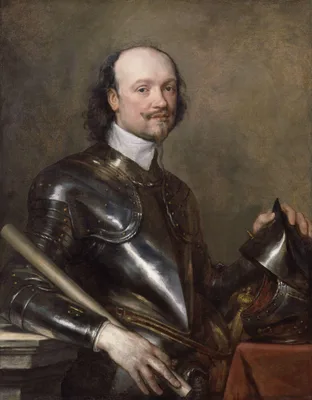
1644 DIGBY, Sir Kenelm (1603 – 1665)
Two treatises in the one of which the nature of bodies, in the other, the nature of mans soule is looked into in way of discovery of the immortality of reasonable soules.
"Digby's Two Treatises was intended to prove the immortality of the rational soul and its distinction from the material body, a dualistic view shared by many of his contemporaries. the work is noteworthy on several co…
GMN 11581 · https://historyofmedicine.com/id/13780
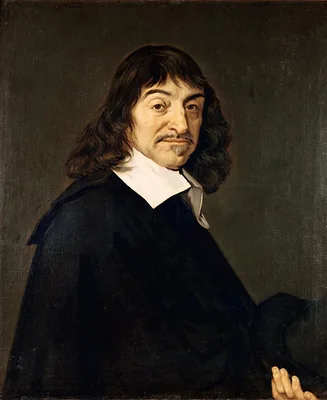
1649 DESCARTES, René (1596 – 1650)
Des passions de l’âme.
Descartes believed the soul to be a definite entity, giving rise to thoughts, feelings, and acts of volition. He was one of the first to regard the brain as an organ integrating the functions of mind and body. English…
GMN 4965 · https://historyofmedicine.com/id/6365
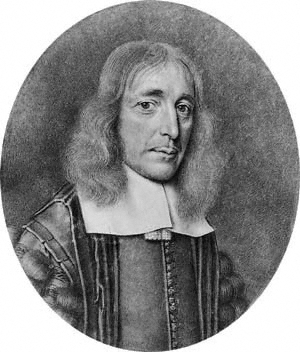
1672 WILLIS, Thomas (1621 – 1675)
De anima brutorum
Chap. XIV is devoted to the sense of hearing; in it Willis described the “paracusis of Willis” (p. 73). English translation, 1683. A probable description of myasthenia gravis is given in Pars. 2, Cap. IX. In Pars 2, C…
GMN 1544 · https://historyofmedicine.com/id/3644
1690 LOCKE, John (1632 – 1704)
An essay concerning humane understanding.
Locke, a physician, laid the foundation of modern psychology. For two centuries the principles laid down by him were unquestioned. The writing of the Essay occupied him on and off for twenty years.
GMN 4967 · https://historyofmedicine.com/id/6374
1754 BONNOT DE CONDILLAC, Étienne (1715 – 1780)
Traité des sensations. 2 vols.
Condillac considered that we perceive only what our senses supply in the form of sensations: the “real being” of things is beyond us. English translation, London, 1930.
GMN 4968 · https://historyofmedicine.com/id/6377
1772 LAVATER, Johann Caspar (1741 – 1801)
Von der Physiognomik.
Lavater was the last of the descriptive physiognomists. He expanded the above work into Physiognomische Fragmente zur Beförderung der Menschenkenntnis und Menschenliebe, 1775-78. This was translated into English by H.…
GMN 154 · https://historyofmedicine.com/id/2771
1798 KANT, Immanuel (1724 – 1804)
Anthropologie in pragmatischer Hinsicht abgefasst.
Kant attempted a classification of mental diseases.
GMN 4969 · https://historyofmedicine.com/id/6380
1798 CRICHTON, Alexander (1763 – 1856)
An inquiry into the nature and origin of mental derangement: comprehending a concise system of the physiology and pathology of the human mind, and a history of the passions and their effects. 2 vols.
In chapter 2 of vol. 1, pp. 254-90, “On Attention and its Diseases” Crichton described a mental state much like the inattentive subtype of Attention Deficit Hyperactivity Disorder (ADHD). He did not mention any sympto…
GMN 7978 · https://historyofmedicine.com/id/10154
1800 HAYGARTH, John (1740 – 1827)
Of the imagination, as a cause and as a cure of disorders of the body; exemplified by fictitious tractors, and epidemical convulsions. Read to the Literary and Philosophical Society of Bath.
The first clinical demonstration of the placebo effect, specifically in the context of Perkins' metallic tractors. Haygarth demonstrated the placebo effect caused by the tractors by obtaining the same results with woo…
GMN 7749 · https://historyofmedicine.com/id/9921
1801 ITARD, Jean Marie Gaspard (1774 – 1838)
De l’éducation d’un homme sauvage, ou des premier développemens physiques et moraux du jeune sauvage de l’Aveyron.
A pupil of Pinel, Itard pioneered in the attempt to educate a young “wild boy” who had lived since infancy entirely apart from human contact. In adapting the methods of teaching deaf-mutes to his extraordinary pupil, …
GMN 4969.1 · https://historyofmedicine.com/id/6381
1802 CABANIS, Pierre Jean Georges (1757 – 1808)
Rapports du physique et du moral de l'homme. 2 vols.
Digital facsimile from Google Books at this link.
GMN 13620 · https://historyofmedicine.com/id/15900
1810 THELWALL, John (1764 – 1834)
A letter to Henry Cline, Esq. on imperfect developements (sic) of the faculties mental and moral, as well as constitutional and organic; and on on the treatment of impediments of speech.
The first book on mental deficiency. Thelwall recognized that sensory deprivation could be a cause of apparent mental defect through his work with handicapped children. He established criteria for distinguishing betwe…
GMN 4969.2 · https://historyofmedicine.com/id/6384
1817 GROHMANN, Johann Christian August (1769 – 1847)
Ideen zu einer Geschichte der Entwicklung des kindlichen Alters. Psychologische Untersuchungen.
Perhaps the oldest separate work on the psychological development of children, written five years after Grohmann published a work on the education of children. Digital facsimile from Google Books at this link.
GMN 10747 · https://historyofmedicine.com/id/12943
1826 MÜLLER, Johannes Peter (1801 – 1858)
Ueber die phantastischen Gesichtserscheinungen.
Müller’s early studies on specific nerve energies are included in the above work. Later he stated, in his Handbuch der Physiologie, Coblenz, 1840, 2, 258, his law of specific nerve energies – each nerve of special sen…
GMN 1456 · https://historyofmedicine.com/id/2355
1830 NEWHAM, William (1790 – 1865)
Essay on superstition; being an inquiry into the effects of physical influence on the mind, in the production of dreams, visions, ghosts, and other supernatural appearances.
In this conceptual anticipation of later ideas in psychopharmacology Newnham argued that dreams, visions, apparitions and other apparently spiritual manifestations, whether good or bad, arose from physiological rather…
GMN 12104 · https://historyofmedicine.com/id/14313
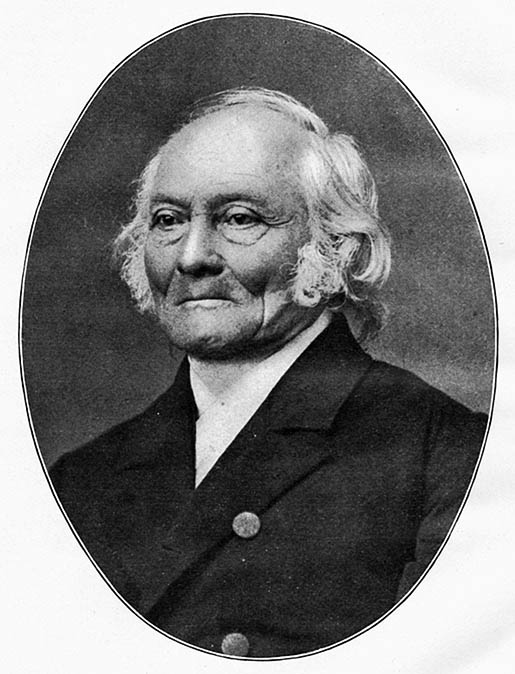
1834 WEBER, Ernst Heinrich (1795 – 1878)
De pulsu, resorptione, auditu et tactu. Annotationes anatomicae et physiologicae.
Includes Weber’s law on the relationship between stimulus and sensation. English translation of De tactu, New York Academic Press, 1978. Weber's hearing test is on p.41.
GMN 1457 · https://historyofmedicine.com/id/2367
1846 WEBER, Ernst Heinrich (1795 – 1878)
Der Tastsinn und das Gemeingefühl. In: Wagner’s Handwörterbuch der Physiologie, Braunschweig, 3, Abt. 2, 481-588.
English translation of Tastsinn, Academic Press, 1978.
GMN 1459 · https://historyofmedicine.com/id/2379
1851 LÖBISCH, Johann Elias
Entwicklungsgeschichte der Seele der Kindes.
Digital facsimile from Bayerische StaatsBibliothek at this link.
GMN 10748 · https://historyofmedicine.com/id/12944
1852 LOTZE, Rudolf Hermann (1817 – 1881)
Medicinische Psychologie, oder Physiologie der Seele.
Lotze was a pioneer in the investigation of unconscious and subconscious states.
GMN 4970 · https://historyofmedicine.com/id/6386
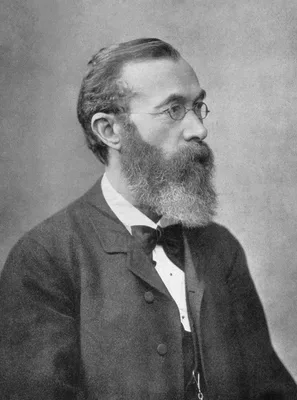
1858 WUNDT, Wilhelm Maximilian (1832 – 1920)
Beiträge zur Theorie der Sinneswahrnehmung.
Sensory perception. Wundt was one of the founders of experimental psychology.
GMN 1463 · https://historyofmedicine.com/id/2398
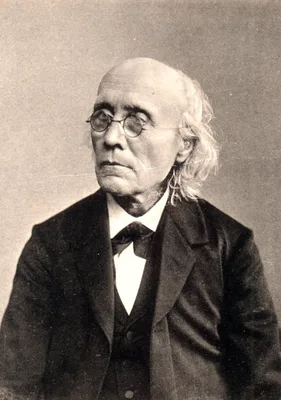
1859 FECHNER, Gustav Theodor (1801 – 1887)
Ueber ein wichtiges psychophysisches Grundgesetz und dessen Beziehung zur Schätzung der Sterngrössen.
Fechner–Weber law on stimulus and sensation. See also Nos. 1457 & 4972.
GMN 1464 · https://historyofmedicine.com/id/2401
1860 FECHNER, Gustav Theodor (1801 – 1887)
Elemente der Psychophysik. 2 vols.
The first treatise on the subject. Fechner applied the laws of mathematical physics to the physiology of sensation. He discussed the functional relations of the dependence between mind and body and investigated the cu…
GMN 4972 · https://historyofmedicine.com/id/6387
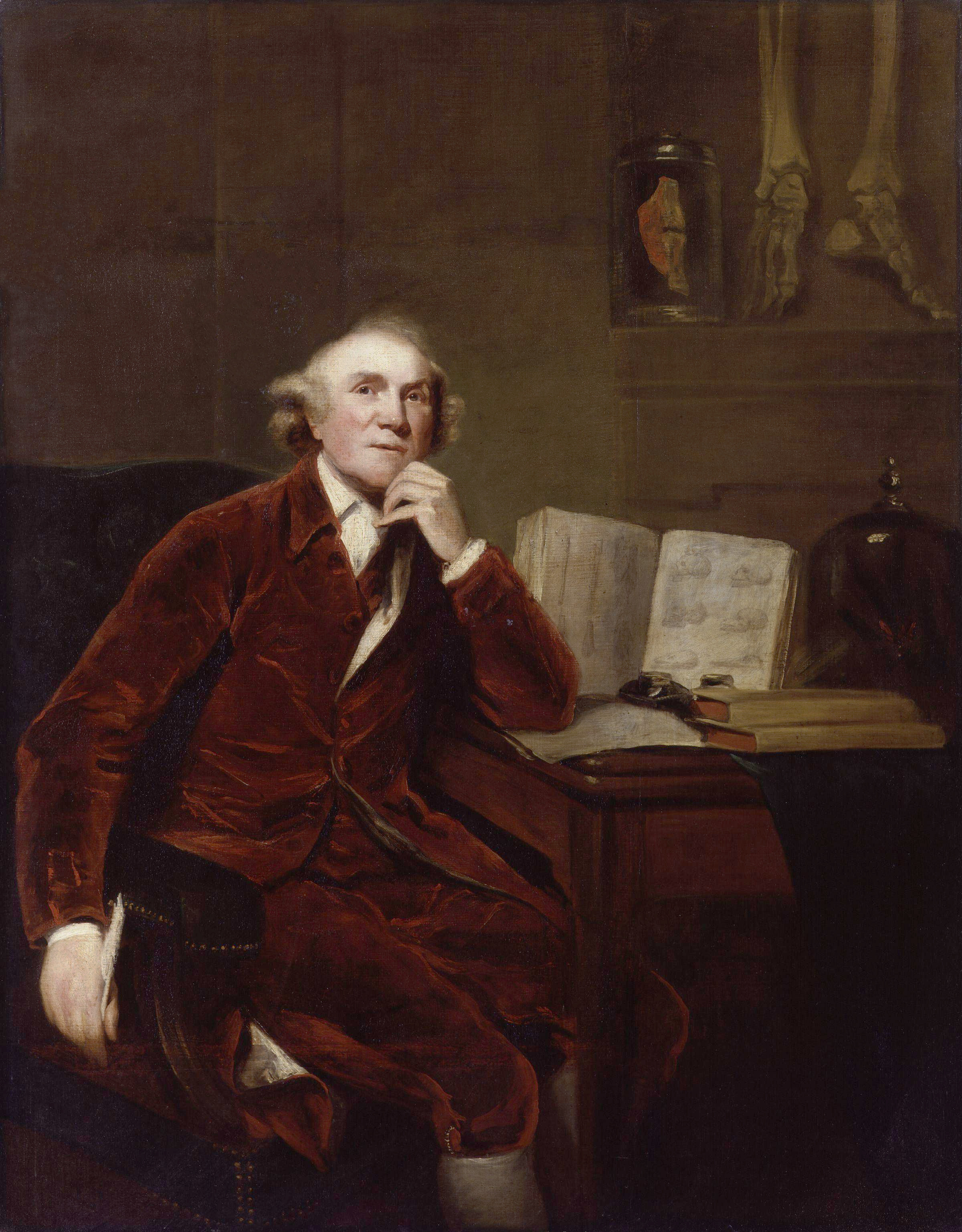
1861 HUNTER, John (1728 – 1793); OWEN, Sir Richard (1804 – 1892)
Essays and observations on natural history, anatomy, physiology, psychology, and geology by John Hunter, F.R.S. Being his posthumous papers on those subjects, arranged and revised, with notes; to which are added the introductory lectures on the Hunterian collection of fossil remains delivered in the theatre of the Royal College of Surgeons of England, March 8th, 10th and 12th, 1855 by Richard Owen .... 2 vols.
Digital facsimiles from the Hathi Trust at this link.
GMN 7608 · https://historyofmedicine.com/id/9780
1862 DUCHENNE DE BOULOGNE, Guillaume Benjamin Armand (1806 – 1875)
Mécanisme de la physionomie humaine, ou analyse électro-physiologique de l’expression des passions applicable à la pratique des arts plastiques. Premier fascicule. [All published]. 1 volume of text plus atlas of photographs by Duchenne.
Duchenne studied the mechanism of facial expression during emotion; his atlas of photographs was the first medical book illustrated with photographs of living subjects. Darwin reproduced a number of his photographs in…
GMN 4973 · https://historyofmedicine.com/id/6392
1865 SPENCER, Herbert (1820 – 1903)
Principles of psychology.
"Spencer's second book, Principles of Psychology, published in 1855, explored a physiological basis for psychology, and was the fruit of his friendship with Evans and Lewes. The book was founded on the fundamental ass…
GMN 13516 · https://historyofmedicine.com/id/15791
1867 BUCKNILL, Sir John Charles (1817 – 1897)
The mad folk of Shakespeare. 2nd ed.
First published as The psychology of Shakespeare, London, 1859.
GMN 5001 · https://historyofmedicine.com/id/6552
1868 DONDERS, Frans Cornelis (1818 – 1889)
Die Schnelligkeit psychischer Prozesse.
Donders was the first to measure the reaction-time of a psychical process.
GMN 4974 · https://historyofmedicine.com/id/6394
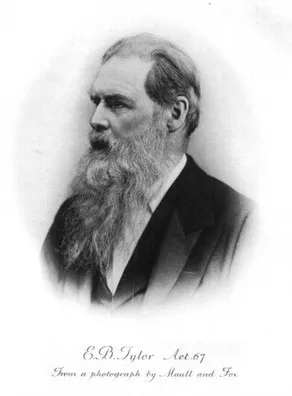
1871 TYLOR, Sir Edward Burnett (1832 – 1917)
Primitive culture: Researches into the development of mythology, philosophy, religion, art, and custom. 2 vols.
The standard work on primitive religion for many years. Tylor approached his subject from the point of view of psychology, exploring the nature of belief in spirits, omens, magic, etc. His work has important ties with…
GMN 172 · https://historyofmedicine.com/id/3280
1872 –1875 HERING, Karl Ewald Konstantin (1834 – 1918)
Zur Lehre vom Lichtsinne. 6 parts.
Hering’s theory of color sense. First edition in book form (Vienna, 1878). Hering expanded this work in Grundzüge der Lehre vom Lichtsinn (1905-11; 1920) English translation of that expanded work by Leo M. Hurvich and…
GMN 1515 · https://historyofmedicine.com/id/2615
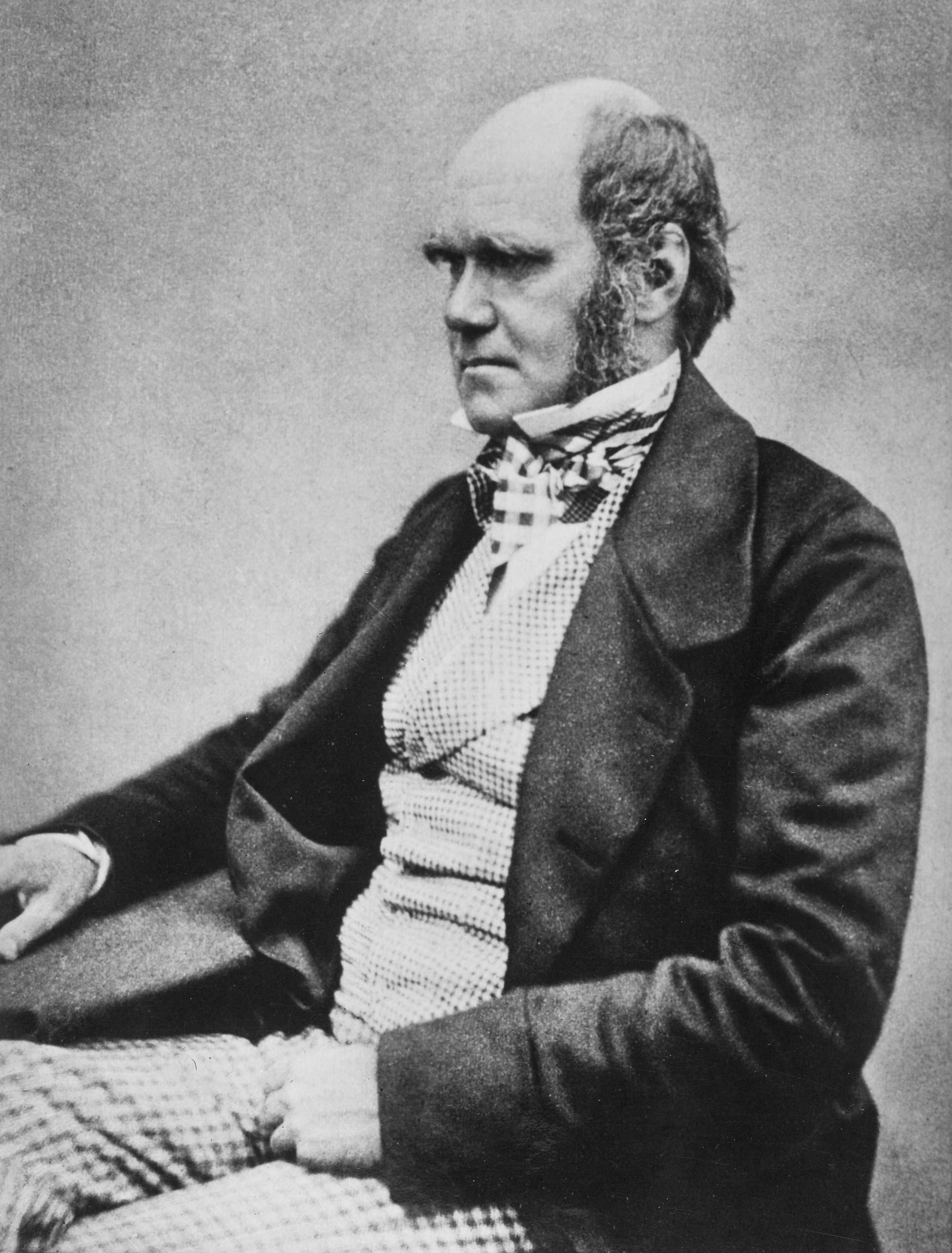
1872 DARWIN, Charles Robert (1809 – 1882)
The expression of the emotions in man and animals.
Darwin examined the causes, physiological and psychological, of all the fundamental emotions in man and animals. He concluded that “the chief expressive actions exhibited by man and by the lower animals are now innate…
GMN 4975 · https://historyofmedicine.com/id/6395
1873 –1874 WUNDT, Wilhelm Maximilian (1832 – 1920)
Grundzüge der physiologischen Psychologie. 2 pts.
Wundt made experimental investigations of normal individual reactions, reflex responses, and general behavior, and interpreted them in terms of neural mechanisms. He was the founder of experimental psychology, and his…
GMN 4976 · https://historyofmedicine.com/id/6396
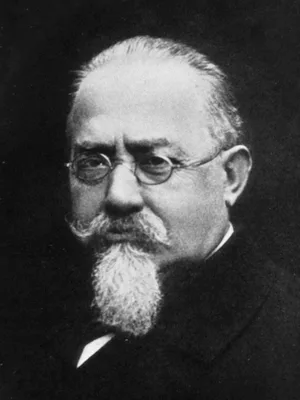
1876 LOMBROSO, Cesare (1836 – 1909)
L’uomo delinquente, studiato in rapporto alla antropologia, alla medicina legale ed alle discipline carcerarie.
Lombroso inaugurated the doctrine of a “criminal type”. His systematic studies showed that in general the criminal population exhibits a higher percentage of physical, nervous and mental anomalies than the normal popu…
GMN 174 · https://historyofmedicine.com/id/3316
1877 DARWIN, Charles Robert (1809 – 1882)
A biographical sketch of an infant.
The first significant paper on child psychology, written from Darwin's personal notes of his observations of the development of his first born son, William Erasmus. The text is available from Darwin Online at this link.
GMN 9481 · https://historyofmedicine.com/id/11665
1877 –1882 PLATEAU, Joseph Antoine Ferdinand (1801 – 1883)
Bibliographie analytique des principaux phénomènes subjectifs de la vision, depuis les temps anciens jusqu'a la fin du XVIIIe siècle, suivie d'une bibliographie simple pour la partie écoulée du siècle actuel.
Première section: Persistance des impressions sur la rétine. Deuxième section: couleurs accidentelles ordinaires du succession. Troisième section: images qui succèdent à la contemplation d'objets brillants. Quatrième …
GMN 9640 · https://historyofmedicine.com/id/11827
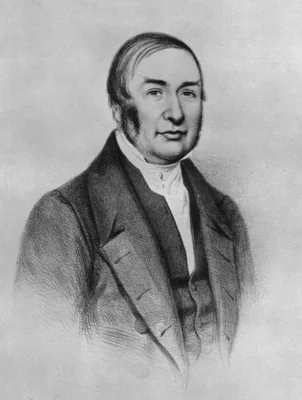
1881 PREYER, William Thierry (1841 – 1897); BRAID, James (1795 – 1860)
Die Entdeckung des Hypnotismus: nebst einer ungedruckten Original-Abhandlung von [James] Braid in deutscher Übersetzung.
A translation into German by Preyer of a previously unpublished work on the history of hypnosis by James Braid.
GMN 5002 · https://historyofmedicine.com/id/6556
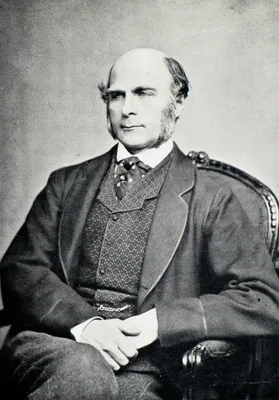
1883 GALTON, Sir Francis (1822 – 1911)
Inquiries into human faculty and its development.
Galton, cousin of Charles Darwin, founded the science of Eugenics. In his important Inquiries he showed mathematically “the results of his experiments on the relations between the powers of visual imagery and of abstr…
GMN 230 · https://historyofmedicine.com/id/8330
1883 ROMANES, George John (1848 – 1894); DARWIN, Charles Robert (1809 – 1882)
Mental evolution in animals. With a posthumous essay on instinct by Charles Darwin.
Includes the first editon of Darwin's most significant contribution to psychology. This was part of Chapter 10 of Darwin's unpublished "big book" on the origin of species. Romanes attempted, with Darwin, to develop a …
GMN 7945 · https://historyofmedicine.com/id/10120
1885 GOLDSCHEIDER, Johannes Karl August Eugen Alfred (1858 – 1935)
Neue Thatsachen über die Hautsinnesnerven.
Goldscheider recorded important investigations on the nerves conveying the sensation of temperature and on the nerves of cutaneous sensation
GMN 1470 · https://historyofmedicine.com/id/2431
1885 EBBINGHAUS, Hermann (1850 – 1909)
Über das Gedachtnis: Untersuchungen zur experimentellen Psychologie.
Ebbinghaus conducted a series of experiments on memory and forgetting using himself as subject. Out of this came concepts such as the learning curve and the forgetting curve, and the serial position effect. Digital fa…
GMN 13153 · https://historyofmedicine.com/id/15412
1886 MACH, Ernst Waldfried Josef Wenzel (1838 – 1916)
Beiträge zur Analyse der Empfindungen.
Translated into English by C. M .Williams and Sydney Waterlow as The Analysis of Sensations (1897). Revised and supplemented from the Fifth German edition by Sydney Waterlow (1914). Digital facsimile of the 1886 editi…
GMN 10450 · https://historyofmedicine.com/id/12643

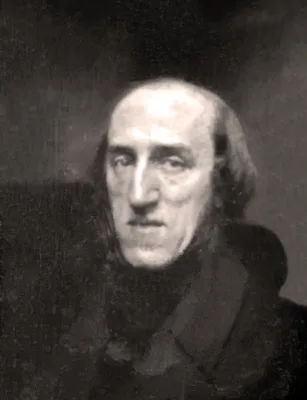
![SCOT, Michael [Michael Scotus] (1175 – 1232)](/media/portraits/12461)