1800 HAYGARTH, John (1740 – 1827)
Of the imagination, as a cause and as a cure of disorders of the body; exemplified by fictitious tractors, and epidemical convulsions. Read to the Literary and Philosophical Society of Bath.
The first clinical demonstration of the placebo effect, specifically in the context of Perkins' metallic tractors. Haygarth demonstrated the placebo effect caused by the tractors by obtaining the same results with woo…
GMN 7749 · https://historyofmedicine.com/id/9921
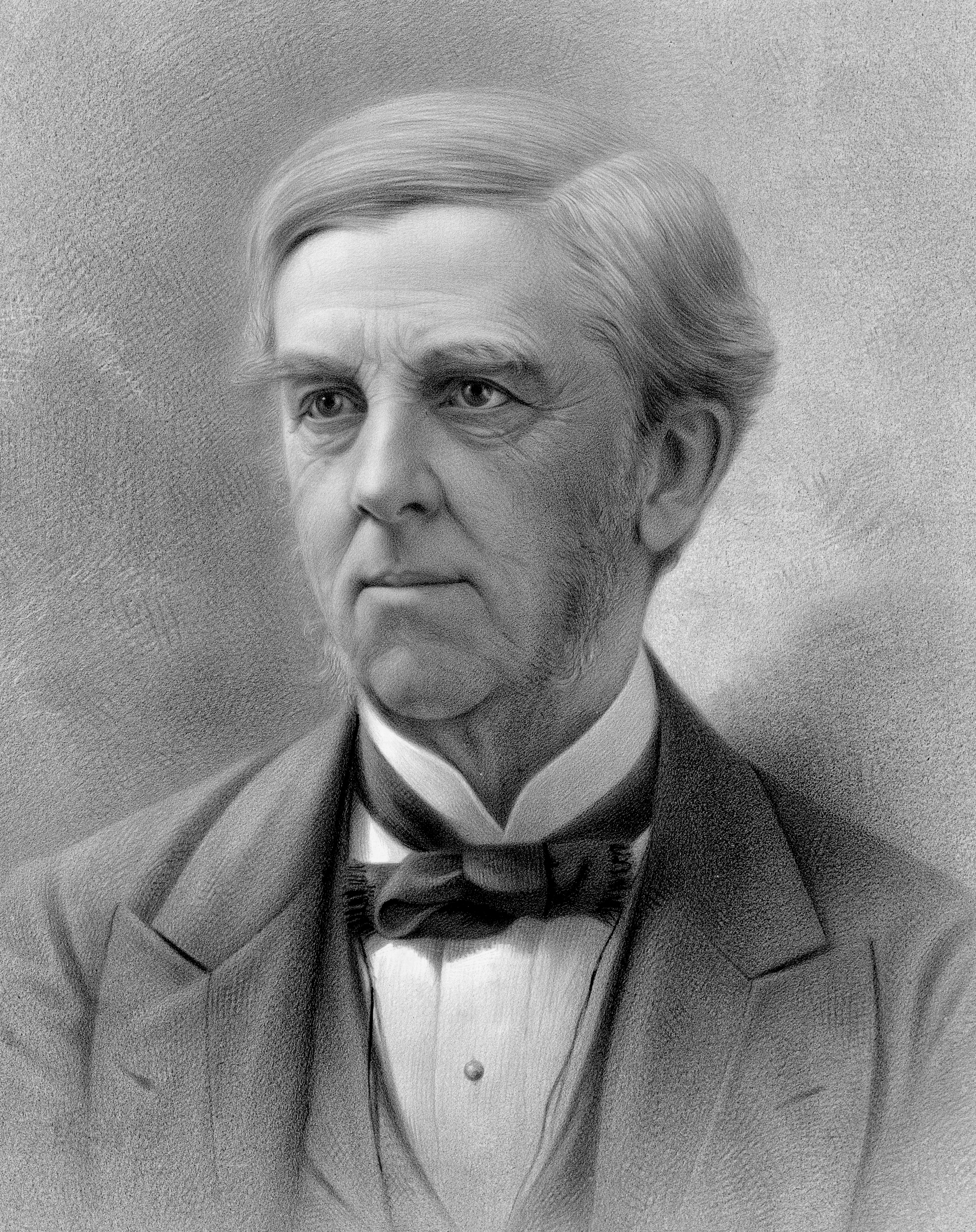
1842 HOLMES, Oliver Wendell Sr. (1809 – 1894)
Homoeópathy, and its kindred delusions; Two lectures delivered before the Boston Society for the Diffusion of Useful Knowledge.
Digital facsimile from the Internet Archive at this link.
GMN 11260 · https://historyofmedicine.com/id/13457
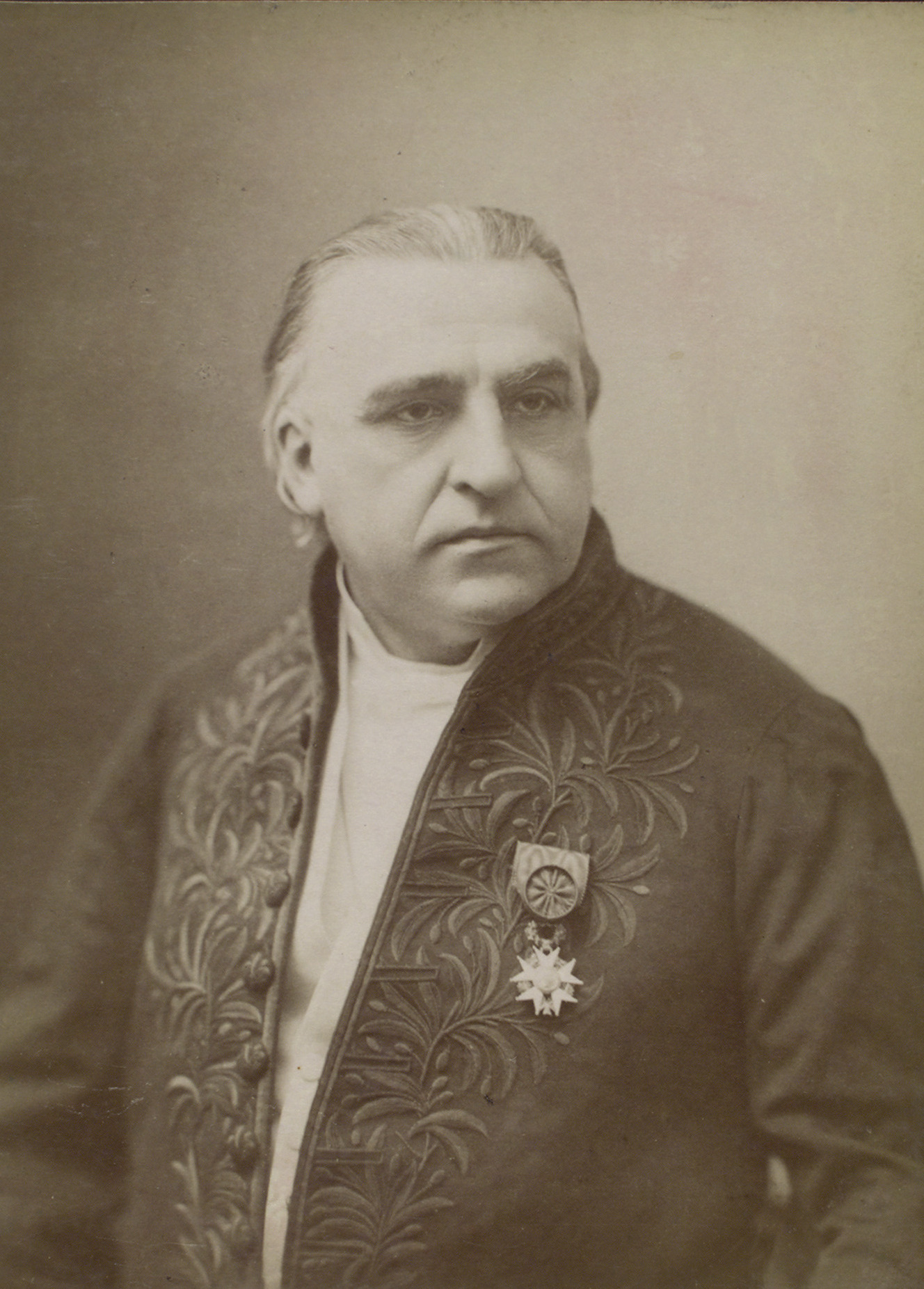
1897 CHARCOT, Jean Martin (1825 – 1893)
La foi qui guérit.
As one of his last works Charcot published this 38-page pamphlet on faith healing.
GMN 11127 · https://historyofmedicine.com/id/13323
1922 COUÉ DE LA CHATAIGNERAIE, Émile [Coué] (1857 – 1926)
La maîtrise de soi-même par l'autosuggestion consciente.
English translation as Self-mastery through conscious autosuggestion, New York: Markan Publishing Co., 1922. Digital facsimile of the English translation from the Internet Archive at this link.
GMN 9413 · https://historyofmedicine.com/id/11596
1950 WOLF, Stewart George Jr. (1914 – 2005)
Effects of suggestion and conditioning on the action of chemical agents in human subjects--the pharmacology of placebos.
Digital facsimile from PubMedCentral at this link.
GMN 13474 · https://historyofmedicine.com/id/15748
1961 KENNEDY, Walter P.
The nocebo reaction.
Kennedy coined the term nocebo in this paper.
GMN 9414 · https://historyofmedicine.com/id/11597
1992 SHORTER, Edward (1941 – )
From paralysis to fatigue: A history of psychosomatic illness in the modern era.
GMN 9781 · https://historyofmedicine.com/id/11969
1997 SHAPIRO, Arthur K. (1923 – 1995); SHAPIRO, Elaine (1925 – 2014)
The powerful placebo: From ancient priest to modern physician.
GMN 9463 · https://historyofmedicine.com/id/11646
2002 MOERMAN, Daniel Ellis (1941 – )
Meaning, medicine and the "placebo effect".
"Moerman places the words "Placebo effect" in quotations because he believes that the placebo effect should be redefined. A placebo, he explains is inert. It has no causal effect. A more appropriate definition of the …
GMN 10194 · https://historyofmedicine.com/id/12383
2014 HALLER, John S. Jr. (1940 – )
Shadow medicine: The placebo in conventional and alternative therapies.
GMN 9412 · https://historyofmedicine.com/id/11595