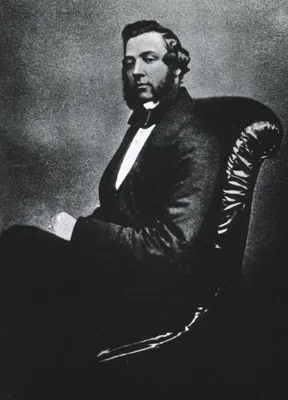
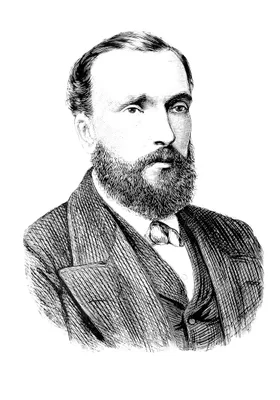
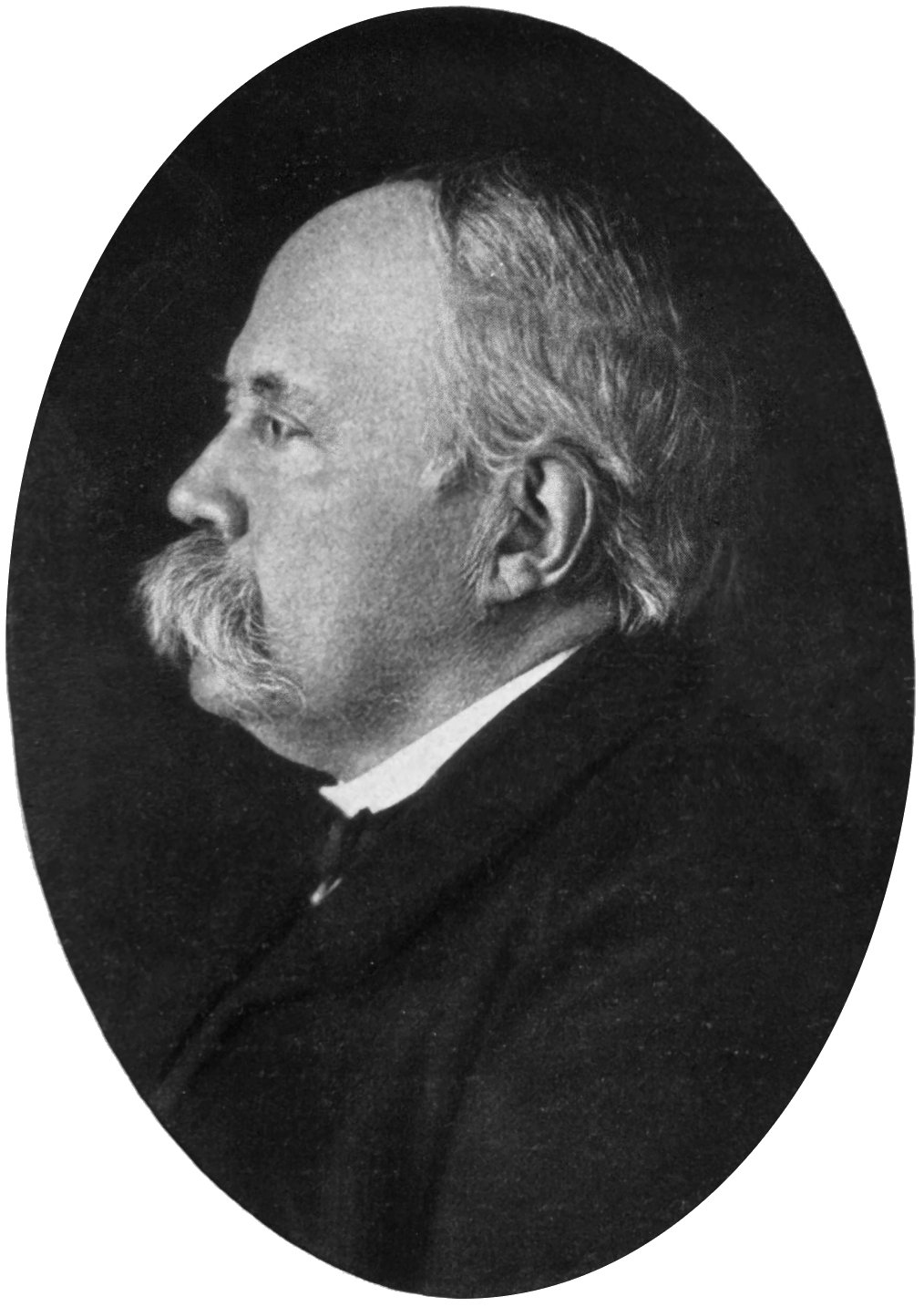
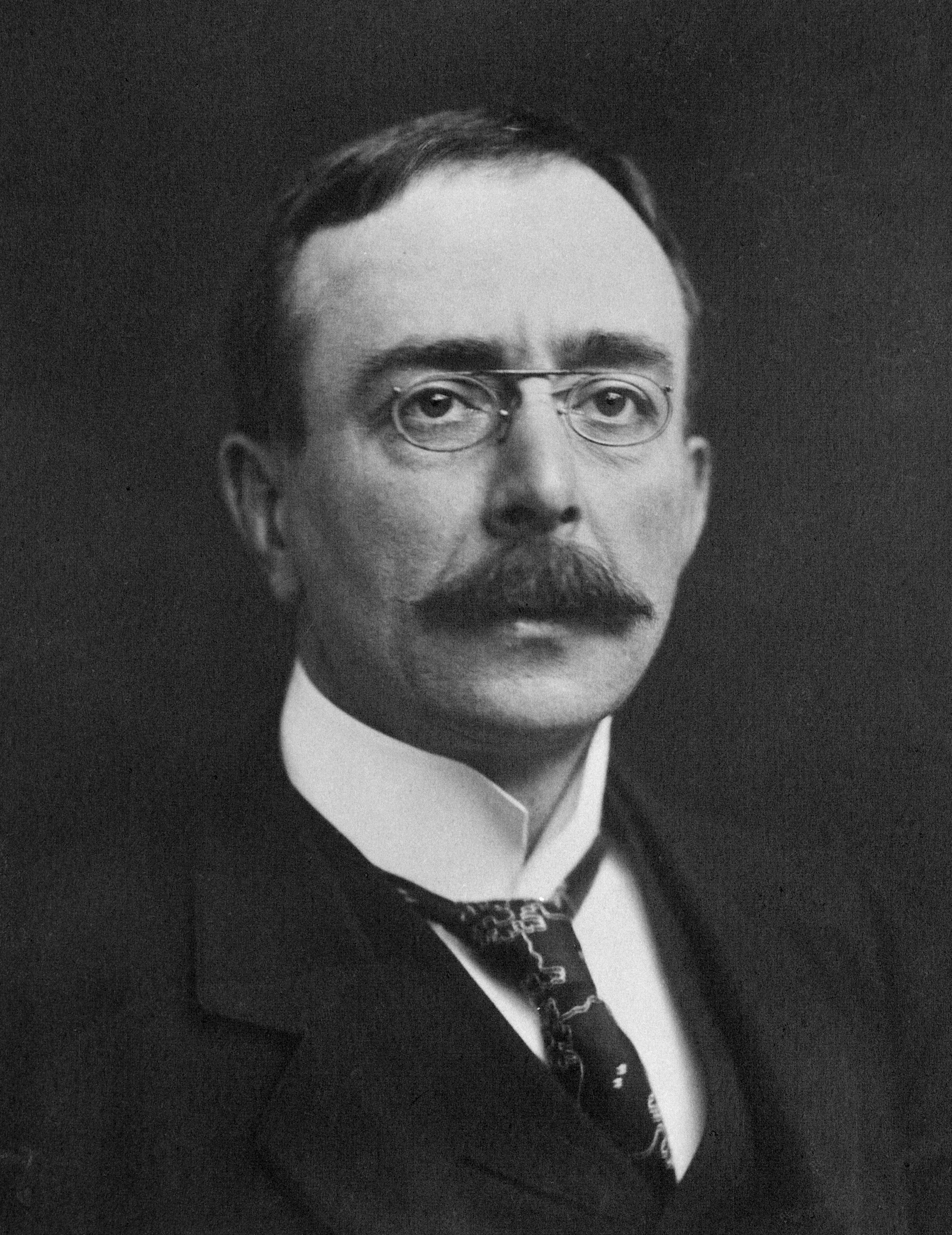
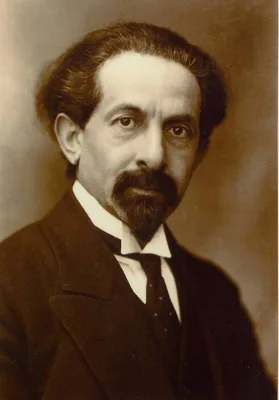
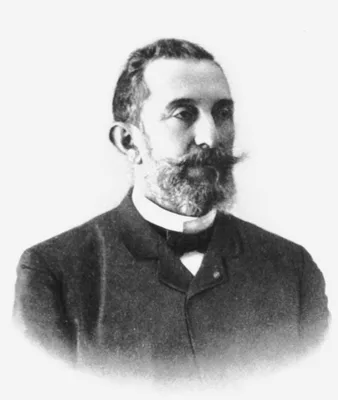
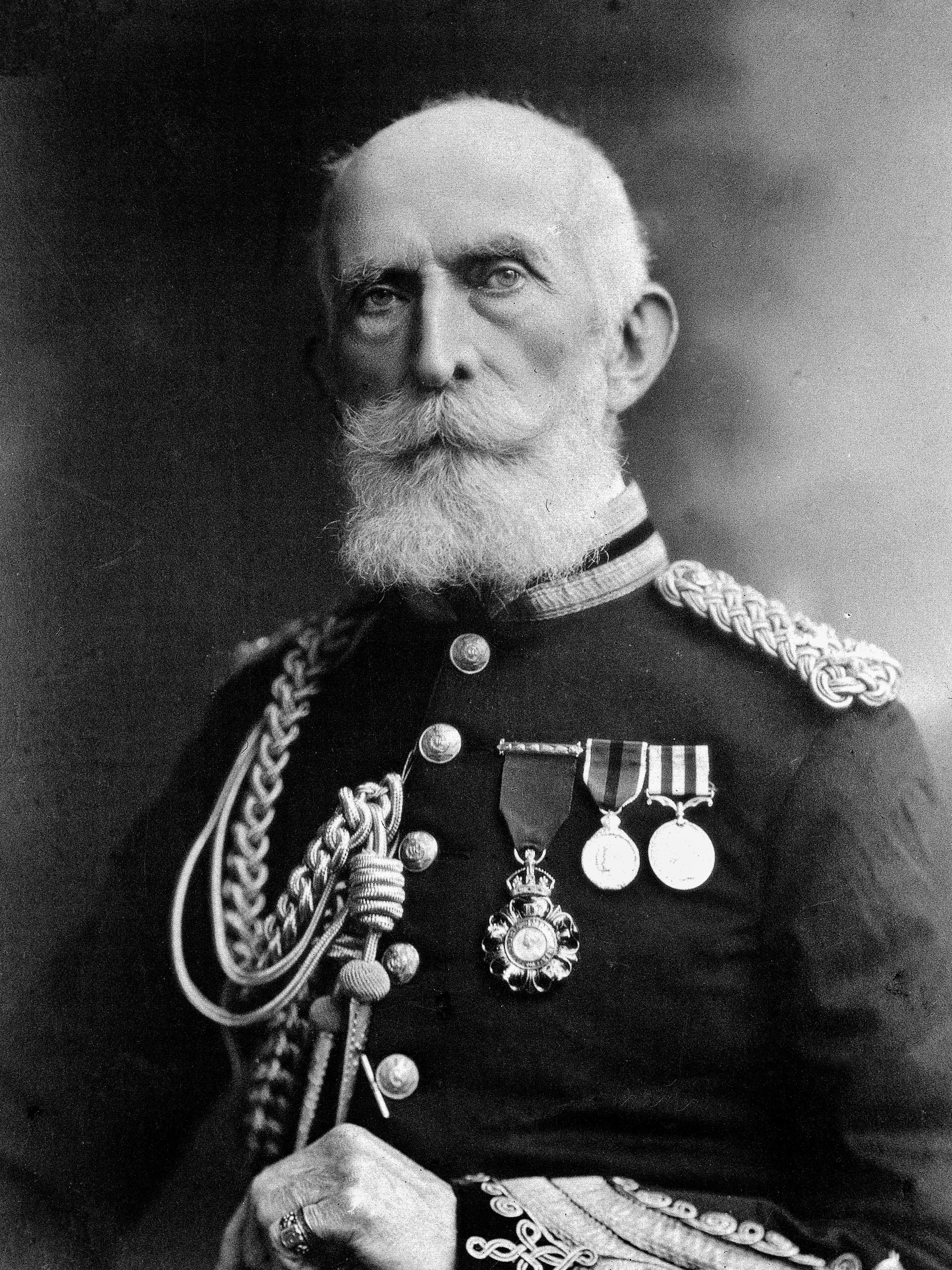
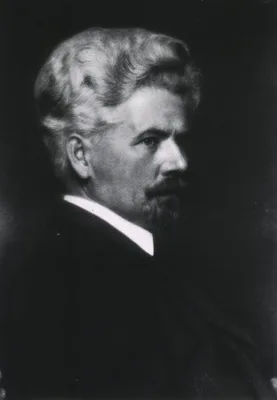
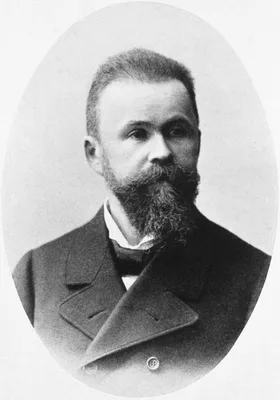
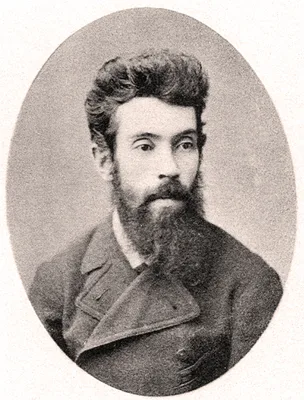
1884 THUDICHUM, Johann Ludwig Wilhelm (1829 – 1901)
A treatise on the chemical constitution of the brain.
Thudichum, a German emigré, discovered cephalins and myelins in brain tissue. An enlarged German edition of his book was published at Tübingen, 1901. See biography by D. L. Drabkin, 1958, which includes an annotated b…
GMN 1415.1 · https://historyofmedicine.com/id/2101
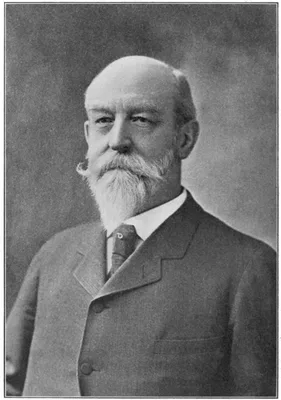
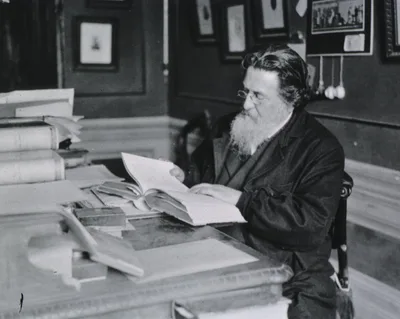
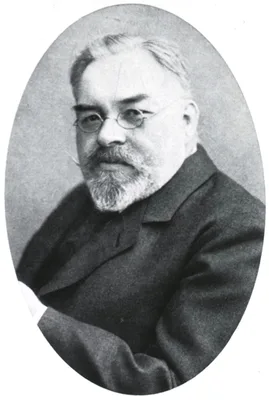
1884 VVEDENSKII, Nikolai Evgenevich [WEDENSKII, Wedensky (1852 – 1922)
Wie rasch ermüdet der Nerv?
Although Bernstein considered that nerve could be exhausted, Vvedenskii was able, in this paper, to show that such is not the case. Further proof was supplied by Bowditch (No. 1281). Digital facsimile of Vvedenskii's …
GMN 1280 · https://historyofmedicine.com/id/2287
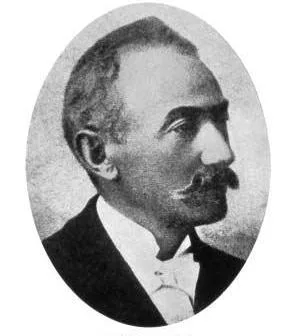
1885 LISSAUER, Heinrich (1861 – 1891)
Beitrag zur pathologischen Anatomie der Tabes dorsalis und zum Faserverlauf in menschlichen Rückenmark.
“Lissauer’s tract”, the marginal tract in the spinal cord.
GMN 1366 · https://historyofmedicine.com/id/1699
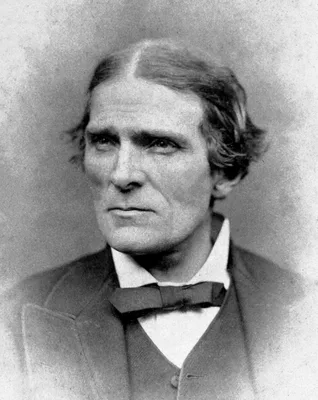
1885 BOWDITCH, Henry Pickering (1840 – 1911)
Note on the nature of nerve-force.
GMN 1281 · https://historyofmedicine.com/id/2296
1885 MARCHI, Vittorio (1851 – 1908); ALGERI, Giovanni
Sulle degenerazioni descendenti consecutive a lesioni sperimentale in diverse zone della corteccia cerebrale.
Marchi’s stain, osmic acid, for degenerating myelin sheaths.
GMN 1283 · https://historyofmedicine.com/id/2305
1885 GOLDSCHEIDER, Johannes Karl August Eugen Alfred (1858 – 1935)
Neue Thatsachen über die Hautsinnesnerven.
Goldscheider recorded important investigations on the nerves conveying the sensation of temperature and on the nerves of cutaneous sensation
GMN 1470 · https://historyofmedicine.com/id/2431
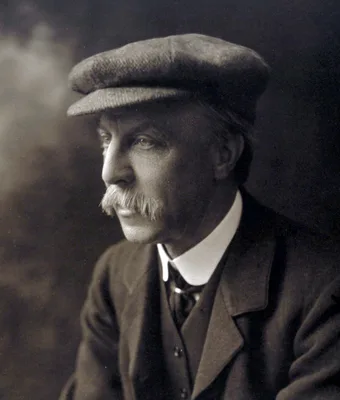
1886 GASKELL, Walter Holbrook (1847 – 1914)
On the structure, distribution, and function of the nerves which innervate the visceral and vascular system.
Gaskell established the origin of the preganglionic neurons (white rami).
GMN 1329 · https://historyofmedicine.com/id/1356
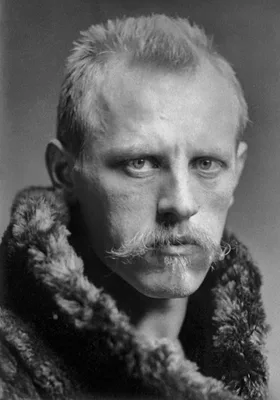
1886 NANSEN, Fridtjof (1861 – 1930)
The structure and combination of the histological elements of the central nervous system.
Nansen, better known for his Arctic explorations, was the first to point out that the posterior root fibers divide on entering the spinal cord into ascending and descending branches. Digital facsimile from the Hathi T…
GMN 1368 · https://historyofmedicine.com/id/1715
1886 GOLGI, Camillo (1844 – 1926)
Sulla fina anatomia degli organi centrali del sistema nervoso.
Golgi’s histological studies made a clear conception of the nervous system possible for the first time. He demonstrated the existence of multipolar nerve-cells (Golgi cells) by means of his silver nitrate stain, and d…
GMN 1416 · https://historyofmedicine.com/id/2103
1887 HIS, Wilhelm Sr. (1831 – 1904)
Zur Geschichte der menschlichen Rückenmarkes und der Nervenwurzeln.
This is generally considered the first clear statement that nerve cells in the brain might be independent units rather than forming an anastomotic network—as Gerlach, Golgi, and most others believed—although there are…
GMN 1368.1 · https://historyofmedicine.com/id/1720
1887 FOREL, Auguste Henri (1848 – 1931)
Einige hirnanatomische Betrachtungen und Ergebnisse.
Independently of His, Forel formulated the neuron theory.
GMN 1368.2 · https://historyofmedicine.com/id/1722
1887 HORSLEY, Sir Victor Alexander Haden (1857 – 1916); BEEVOR, Charles Edward (1854 – 1907)
A minute analysis (experimental) of the various movements produced by stimulating in the monkey different regions of the cortical centre for the upper limb, as defined by Professor Ferrier.
Beevor, physician to the National Hospital, Queen Square, London, collaborated with Horsley in an important series of investigations of the localization of cerebral function.
GMN 1416.1 · https://historyofmedicine.com/id/2106
1887 FRANÇOIS-FRANCK, Charles-Émile (1849 – 1921)
Leçons sur les fonctions motrices du cerveau.
François-Franck’s studies on the excitability of the cerebral cortex and the localization of function followed work in collaboration with Pitres; Charcot wrote the preface. See also No. 1423.
GMN 1417 · https://historyofmedicine.com/id/2109
1887 WESTPHAL, Carl Friedrich Otto (1833 – 1890)
Ueber einen Fall von chronischer progressiver Lähmung der Augenmuskeln (Ophthalmoplegia externa) nebst Beschreibung von Ganglien-zellengruppen im Bereiche des Oculomotoriuskems.
“Westphal’s nucleus” – for accommodation – in the third cranial nerve. Called also “Edinger’s nucleus” (see the same journal, 1885, 16, 858-89).
GMN 1418 · https://historyofmedicine.com/id/2112
1887 KORSAKOFF, Sergei Sergeievich (1853 – 1900)
Disturbance of psychic activity in alcoholic paralysis.
“Korsakoff’s psychosis” or syndrome – alcoholic polyneuritis with loss and falsification of memory. A second paper on the subject in Ezhened. klin. Gaz., 1889, 9, 85, 115, 136, is translated into English in Neurology,…
GMN 4945 · https://historyofmedicine.com/id/6233
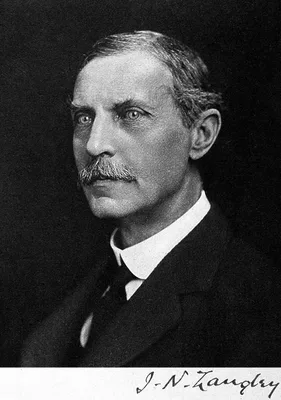
1889 LANGLEY, John Newport (1852 – 1925); DICKINSON, William Lee (1862 – 1904)
On the local paralysis of peripheral ganglia, and on the connexion of different classes of nerve fibres with them.
Langley and Dickinson studied the effect of nicotine on nerve fibers, and were able by this means to make a thorough investigation of the distribution of nerve fibers.
GMN 1329.1 · https://historyofmedicine.com/id/1372
1889 SHARPEY-SCHAFER, Sir Edward Albert (1850 – 1935); HORSLEY, Sir Victor Alexander Haden (1857 – 1916)
A record of experiments upon the functions of the cerebral cortex.
A detailed analysis, by means of faradic stimulation, of the motor responses of the cerebral cortex, internal capsule, and spinal cord of higher primates.
GMN 1419 · https://historyofmedicine.com/id/2115
1889 VAN GIESON, Ira Thompson (1865 – 1913)
Laboratory notes of technical methods for the nervous system.
Van Gieson’s acid fuchsin and picric acid stain for nerve tissue.
GMN 1419.1 · https://historyofmedicine.com/id/2120
1890 BASTIAN, Henry Charlton (1837 – 1915)
On the symptomatology of total transverse lesions of the spinal cord, with special reference to the condition of the various reflexes.
“Bastian’s law”, transverse lesion of the cord above the lumbar enlargement results in the abolition of the tendon reflexes of the lower extremities.
GMN 4577 · https://historyofmedicine.com/id/447
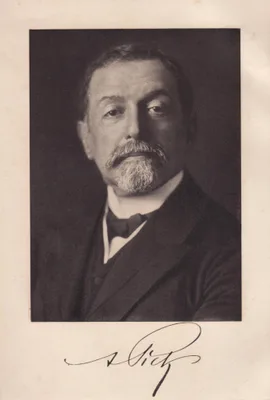
1890 PICK, Arnold (1851 – 1924)
Ueber ein abnormes Faserbündel der menschlichen Medulla oblongata.
“Pick’s bundle” of nerve fibres in the medulla oblongata.
GMN 1420 · https://historyofmedicine.com/id/2126
1890 BOWDITCH, Henry Pickering (1840 – 1911)
Ueber den Nachweis der Unermüdlichkeit des Säugethiernerven.
Bowditch demonstrated the indefatigability of nerve (“Bowditch’s law”).
GMN 1282 · https://historyofmedicine.com/id/2300
1890 BURDON-SANDERSON, Sir John Scott (1828 – 1905)
Photographic determination of the time-relations of the changes which take place in muscle during the period of so-called ‘latent stimulation.’
Measurement by means of photography, of the speed of the nervous impulse.
GMN 1284 · https://historyofmedicine.com/id/2307
1890 TARCHANOFF, Ivan Romanovich [TARKHANOFF] (1848 – 1909)
Ueber die galvanischen Erscheinungen in der Haut des Menschen bei Reizungen der Sinnesorgane und bei verschiedenen Formen der psychischen Thätigkeit.
Psycho-galvanic reflex described.
GMN 1471 · https://historyofmedicine.com/id/2434
1891 WALDEYER-HARTZ, Heinrich Wilhelm Gottfried von (1836 – 1921)
Ueber einige neuere Forschungen im Gebiete der Anatomie des Centralnervensystems.
A statement of the neuron theory, to which Waldeyer gave the name.
GMN 1369 · https://historyofmedicine.com/id/1725
1891 HORSLEY, Sir Victor Alexander Haden (1857 – 1916); GOTCH, Francis (1853 – 1913)
On the mammalian nervous system, its functions, and their localisation determined by an electrical method.
Gotch and Horsley showed that electric currents are produced in the mammalian brain, and they recorded them with the string galvanometer of the capillary electrometer. Their work led eventually to the development of t…
GMN 1420.1 · https://historyofmedicine.com/id/2137
1891 LUCIANI, Luigi (1840 – 1919)
Il cervelletto. Nuovi studi di fisiologia normale e patologica.
Luciani succeeded in keeping dogs alive after total extirpation of the cerebellum, and initiated the modern study of cerebellar function. Digital facsimile from Google Books at this link.
GMN 1421 · https://historyofmedicine.com/id/2144
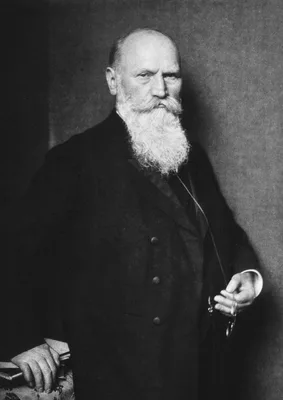
1892 GOLTZ, Friedrich Leopold (1834 – 1902)
Der Hund ohne Grosshirn.
Goltz was able to keep dogs alive for eight months after he had performed subtotal decerebration. He found them incapable of purposive movements but able to walk with adequate co-ordination. Frontal decortication caus…
GMN 1370 · https://historyofmedicine.com/id/1726
1892 NISSL, Franz (1860 – 1919)
Ueber die Veranderungen der Ganglienzellen am Fascialiskern des Kaninchens nach Ausreissung der Nerven.
GMN 1286 · https://historyofmedicine.com/id/2312
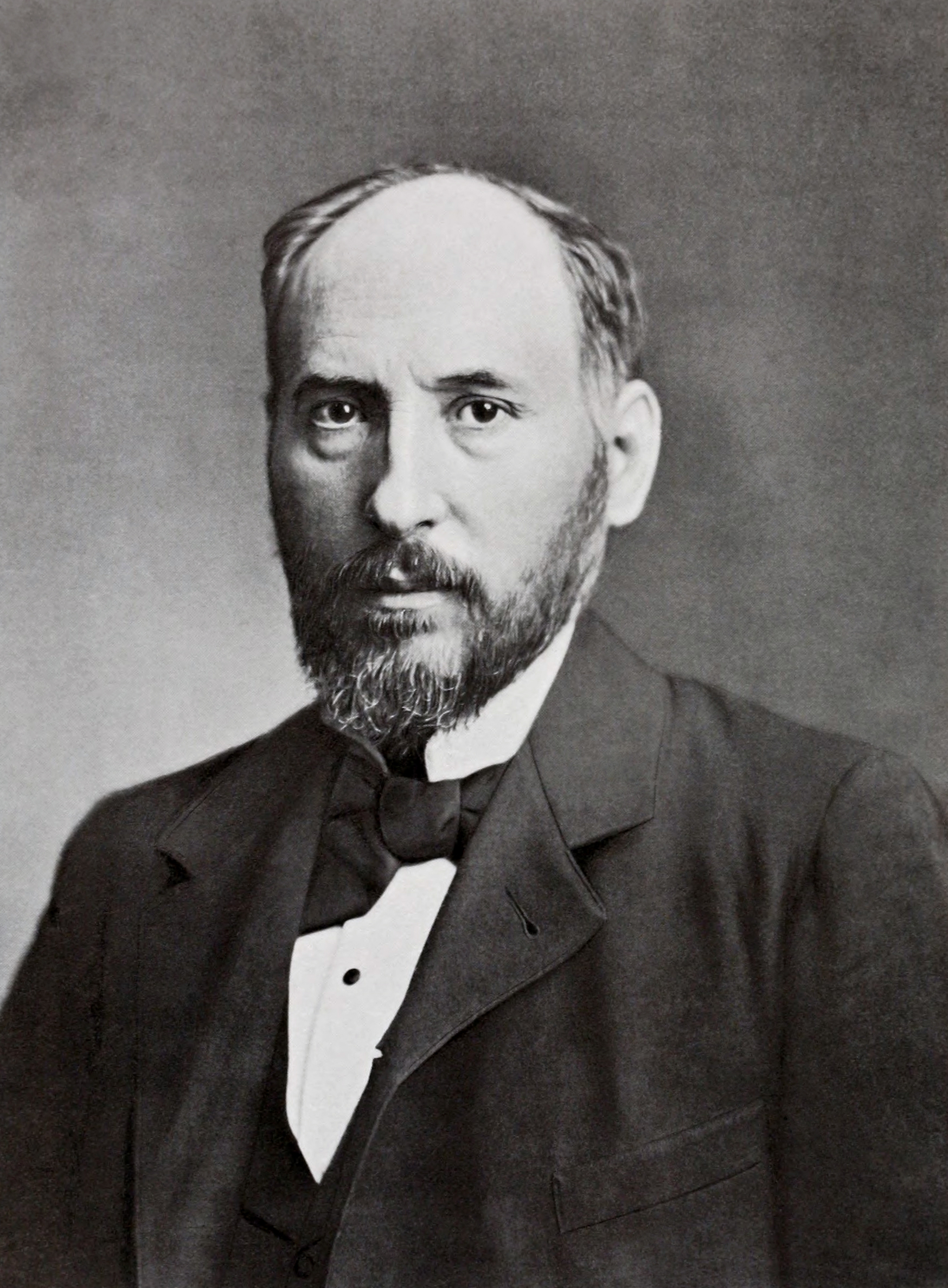
1892 CAJAL, Santiago Ramón y (1852 – 1934)
Nuevo concepto de la histologia de los centros nerviosos.
Ramón y Cajal, son of a struggling Aragonese doctor, lived to become one of the greatest of all histologists. He devised many staining methods for nervous tissue and did work of fundamental importance to neuroanatomy.…
GMN 1287 · https://historyofmedicine.com/id/2315
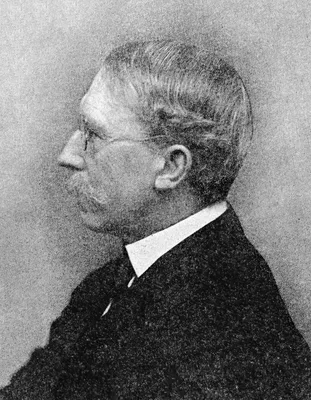
1892 SHERRINGTON, Sir Charles Scott (1857 – 1952)
Notes on the arrangement of some motor fibres in the lumbo-sacral plexus.
An analysis of the distribution of the ventral nerve roots. Sherrington showed the association of the lateral horn cells with the sympathetic outflow.
GMN 1288 · https://historyofmedicine.com/id/2319
1893 SHERRINGTON, Sir Charles Scott (1857 – 1952)
Further experimental note on the correlation of antagonistic muscles.
The first of Sherrington’s papers investigating reciprocal innervation of muscles.
GMN 1288.1 · https://historyofmedicine.com/id/2320
1894 FLATAU, Edward (1869 – 1932)
Atlas des menschlichen Gehirns und des Faserverlaufes.
Flatau’s law—“the greater the length of the fibers in the spinal cord the closer they are situated to the periphery”.
GMN 1372 · https://historyofmedicine.com/id/1775
1894 NISSL, Franz (1860 – 1919)
Ueber den sogenannten Granula der Nervenzellen.
“Nissl’s granules”.
GMN 1422 · https://historyofmedicine.com/id/2147
1894 LENHOSSÉK, Mihály (1863 – 1937)
Beiträge zur Histologie des Nervensystems und der Sinnesorgane.
GMN 1289 · https://historyofmedicine.com/id/2322
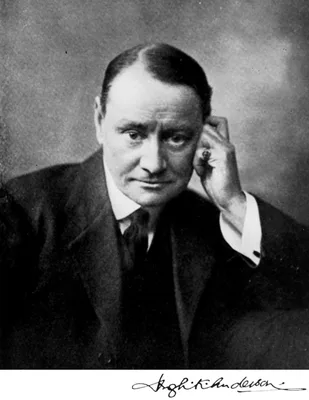
1894 LANGLEY, John Newport (1852 – 1925); ANDERSON, Sir Hugh Kerr (1865 – 1928)
On reflex action from sympathetic ganglia.
GMN 1290 · https://historyofmedicine.com/id/2325
1894 NISSL, Franz (1860 – 1919)
Ueber eine neue Untersuchungsmethode des Centralorgans speciell zur Feststellung der Localisation der Nervenzellen.
Nissl’s stain.
GMN 1291 · https://historyofmedicine.com/id/2327
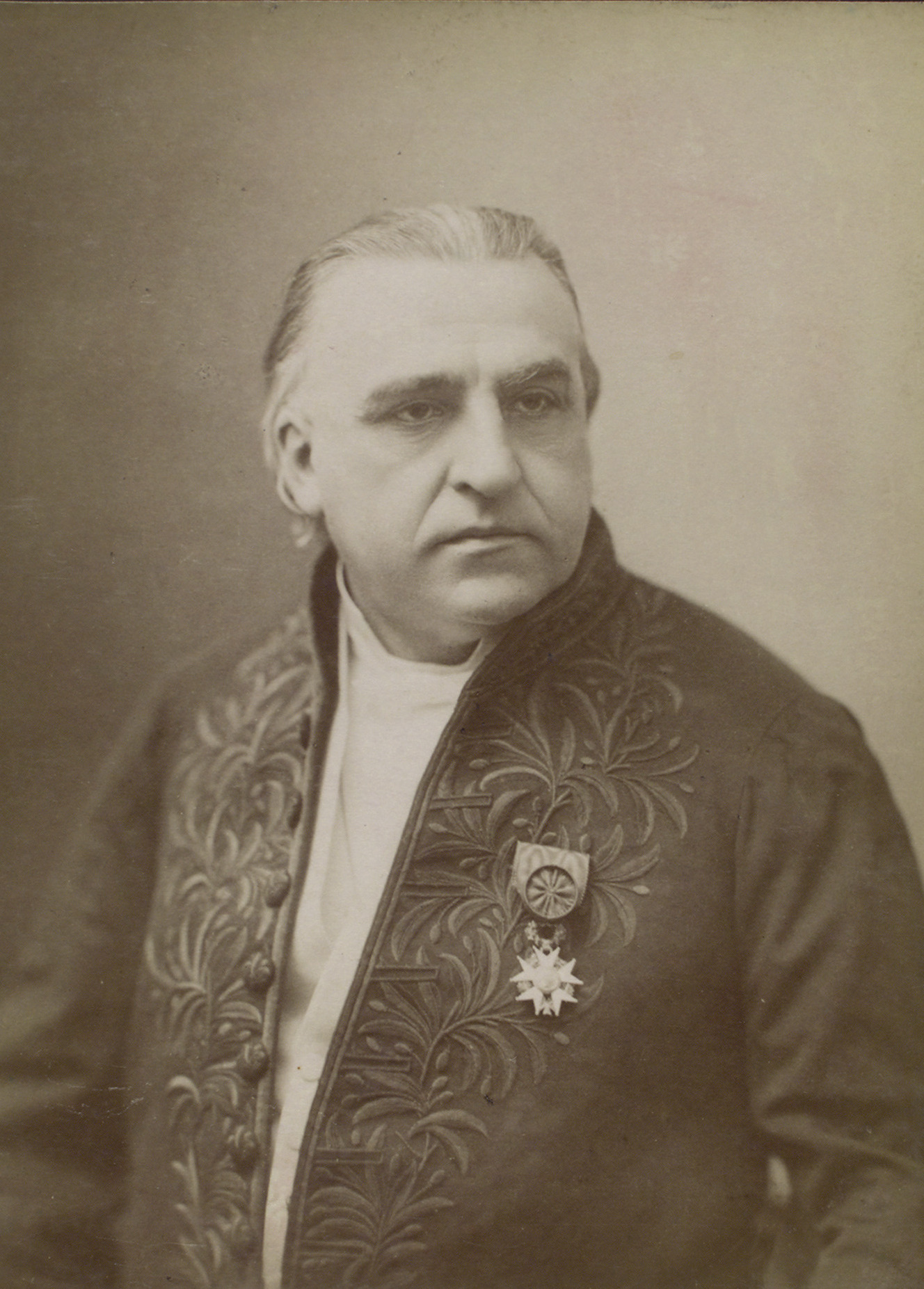
1895 CHARCOT, Jean Martin (1825 – 1893); PITRES, Albert (1848 – 1928)
Les centres moteurs corticaux chez l’homme.
Three papers by Charcot and Pitres in 1877, 1878, and 1883 left no doubt as to the existence of cortical motor centres in man. These were later published in book form (above).
GMN 1423 · https://historyofmedicine.com/id/2152
1895 –1901 DEJERINE, Joseph Jules (1849 – 1917); DEJERINE-KLUMPKE, Augusta (1859 – 1927)
Anatomie des centres nerveux. 2 vols.
Classic summary of neuroanatomy at the end of the nineteenth century—comprehensive, beautifully illustrated, and scholarly. It is a goldmine of historical information with an outstanding bibliography.
GMN 1424 · https://historyofmedicine.com/id/2158
1895 DONALDSON, Henry Herbert (1857 – 1938)
The growth of the brain.
GMN 1425 · https://historyofmedicine.com/id/2162
1896 GOLTZ, Friedrich Leopold (1834 – 1902); EWALD, Ernst Julius Richard (1855 – 1921)
Der Hund mit verkürtzen Rückenmark.
Goltz and Ewald succeeded in impregnating a bitch after its spinal cord had been severed.
GMN 1371 · https://historyofmedicine.com/id/1728
1896 RETZIUS, Magnus Gustaf (1842 – 1919)
Das Menschenhirn. Studien in der makroskopischen Morphologie. 2 vols.
Retzius studied a large series of subprimate, simian, and human brains, and clarified some of the more difficult problems of cerebral morphology.
GMN 1426 · https://historyofmedicine.com/id/2176
1897 NEUBURGER, Max (1868 – 1955)
Die historische Entwicklung der experimentellen Gehirn- und Rückenmarksphysiologie vor Flourens.
Unsurpassed coverage of the experimental physiology of the brain and spinal cord up to the work of Flourens. The best edition is the extensively annotated English translation as The historical development of experimen…
GMN 1574 · https://historyofmedicine.com/id/1319
1897 BETHE, Albrecht (1872 – 1954)
Ueber die Primitivfibrillen in den Ganglienzellen von Menschen und andern Wirbelthieren.
GMN 1330 · https://historyofmedicine.com/id/1376
1897 –1903 WERNICKE, Carl (1848 – 1905)
Atlas des Gehirns: Schnitte durch das menschliche Gehirn in photographischen Originalen. 3 Abteilungen in 4 Bänden.
Abt. 1: 32 Frontalschnitte durch eine Grosshirnhemisphäre / hergestellt und erl. von Dr. Ernst Hahn und Dr. Heinrich Sachs (1897) Breslau : Verl. der Königlichen psychiatrischen Klinik, in Comm. bei Schletter [1] Bl.,…
GMN 1427 · https://historyofmedicine.com/id/2179
1898 DOGIEL, Alexander Stanislovich (1852 – 1922)
Die sensiblen Nervenendigungen im Herzen und in den Blutgefässen der Säugethiere.
“Dogiel’s end-bulbs” – sensory nerve-endings.
GMN 1292 · https://historyofmedicine.com/id/2329
1899 SOURY, Jules (1842 – 1915)
Le système nerveux centrale structure et fonctions. Histoire critique des théories et des doctrines. 2 vols.
Massive history of the anatomy and physiology of the nervous system from ancient Greece to the end of the 19th century, limited in its historical analysis. The second volume is a survey of end of 19th century opinions…
GMN 1574.1 · https://historyofmedicine.com/id/1323
1899 DOGIEL, Alexander Stanislovich (1852 – 1922)
Ueber den Bau der Ganglien in den Geflechten des Darmes und der Gallenblase des Menschen und der Säugethiere.
Classification of the neurones of spinal and other ganglia.
GMN 1293 · https://historyofmedicine.com/id/2333
1899 –1904 CAJAL, Santiago Ramón y (1852 – 1934)
Textura del sistema nervioso del hombre y de los vertebrados. 2 vols. in 3.
From publication in fascicules, 1897-1904 (vol. 1 in 3 pts., vol. 2 in 4 pts.) This monumental work set out the cytological and histological foundations of modern neurology. Ramón y Cajal’s research confirmed the neur…
GMN 1293.1 · https://historyofmedicine.com/id/2335
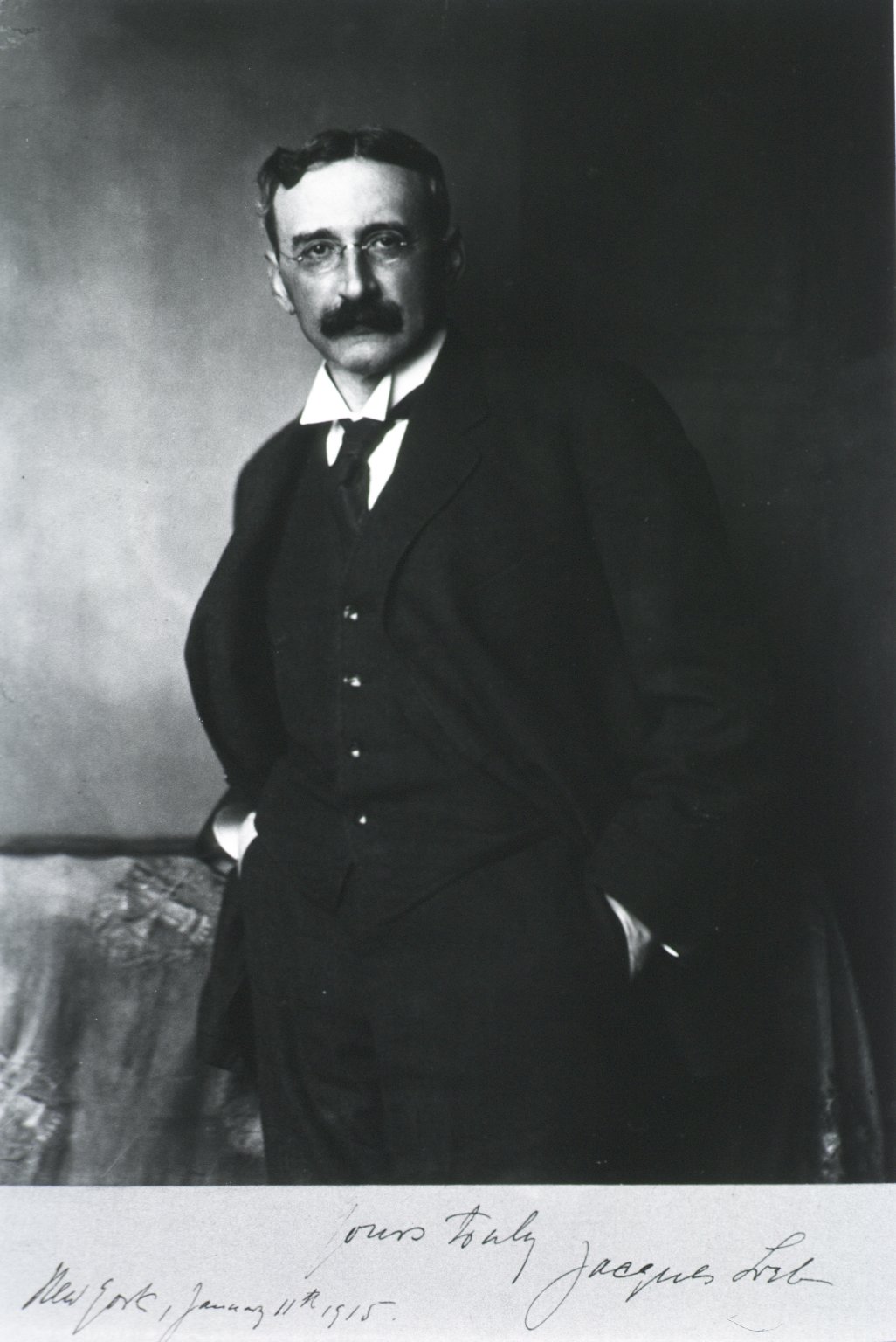
1899 LOEB, Jacques (1859 – 1924)
Einleitung in die vergleichende Gehirnphysiologie und vergleichende Psychologie.
GMN 1428 · https://historyofmedicine.com/id/2633
1901 CAJAL, Santiago Ramón y (1852 – 1934)
Estructura dela corteza cerebral olfativa del hombre y mamíferos.
Ramón y Cajal’s descriptions of the limbic cortex are still the most authoritative. The above work and three shorter papers in the same volume were translated by L.M. Kraft as Studies on the cerebral cortex, London, 1…
GMN 1428.1 · https://historyofmedicine.com/id/2186