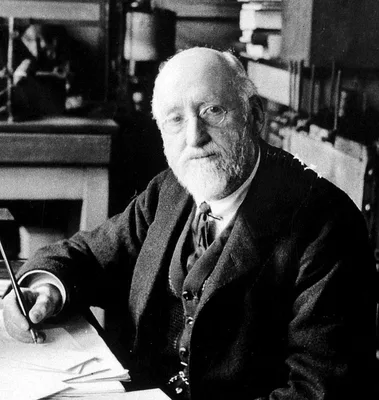
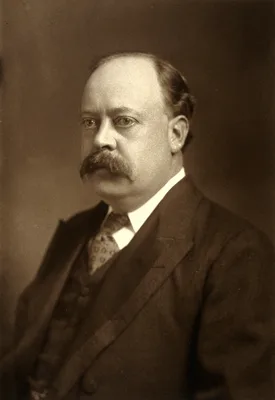
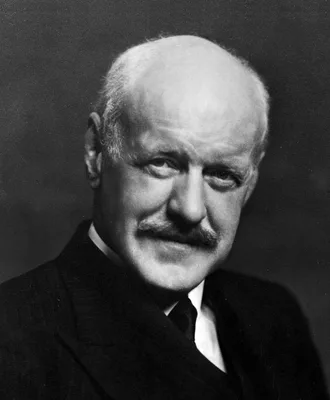
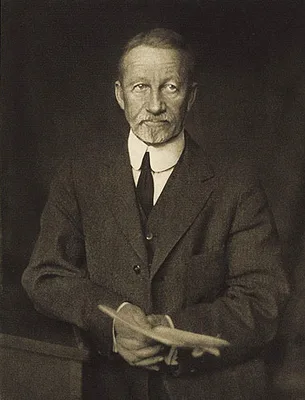
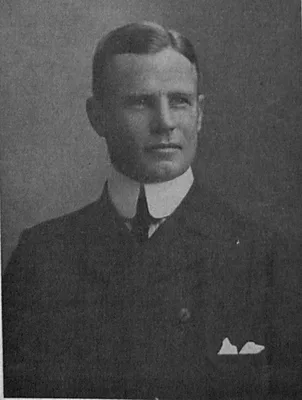
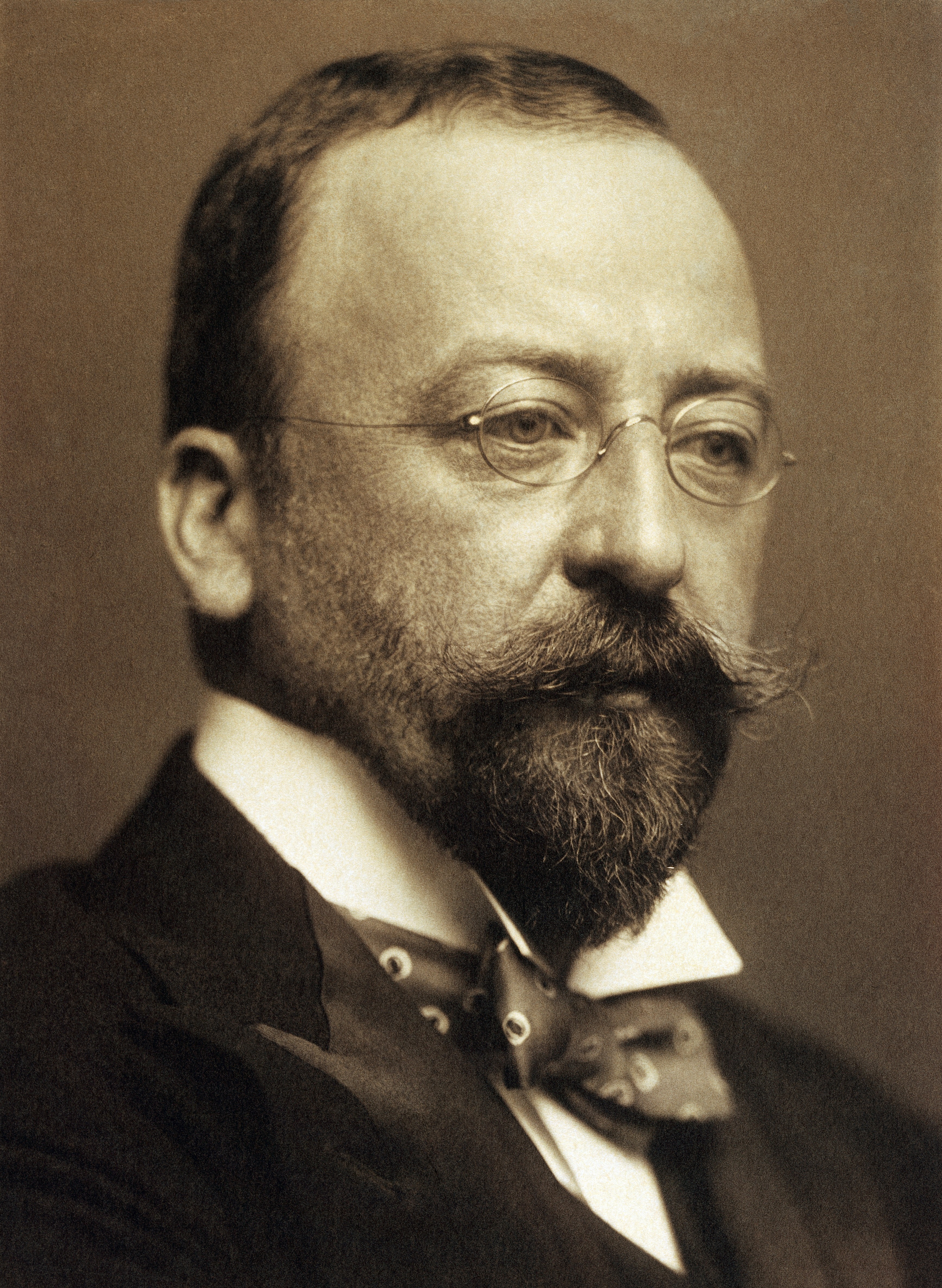
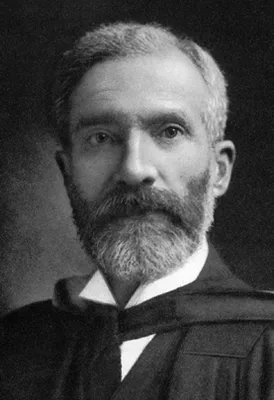
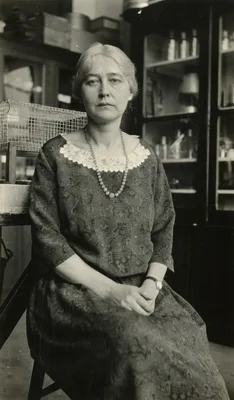
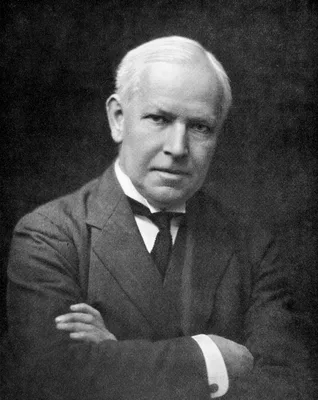
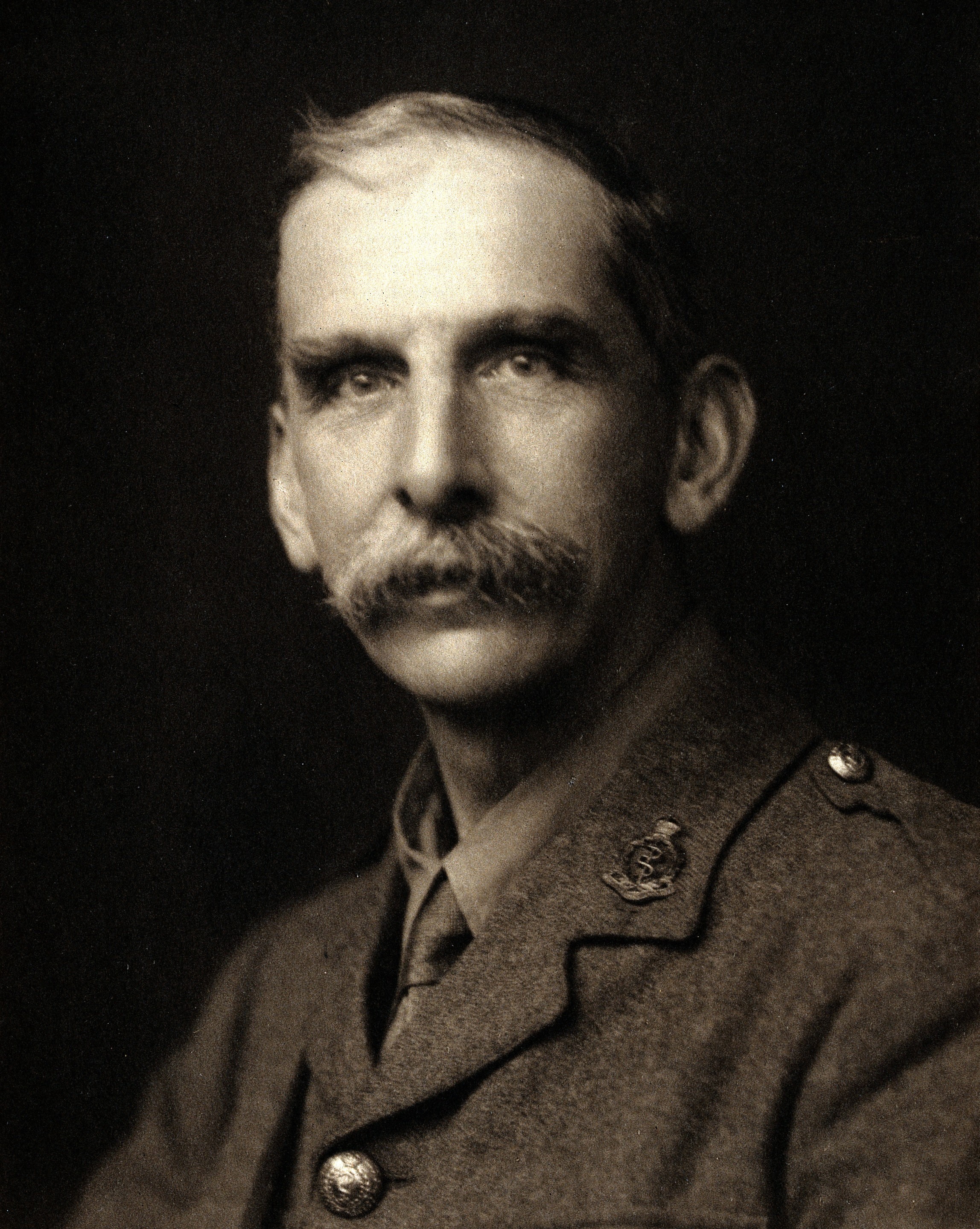
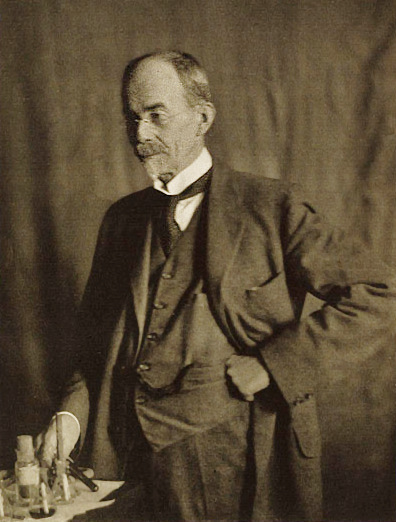
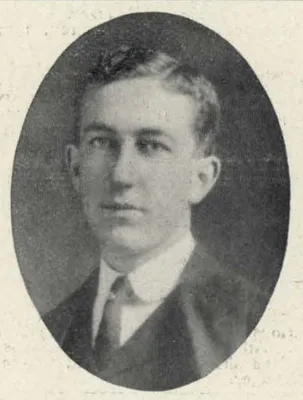
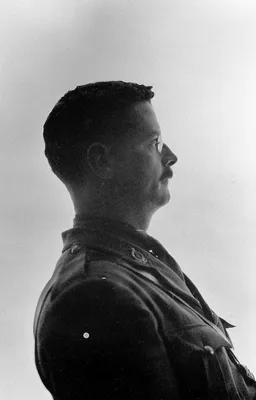
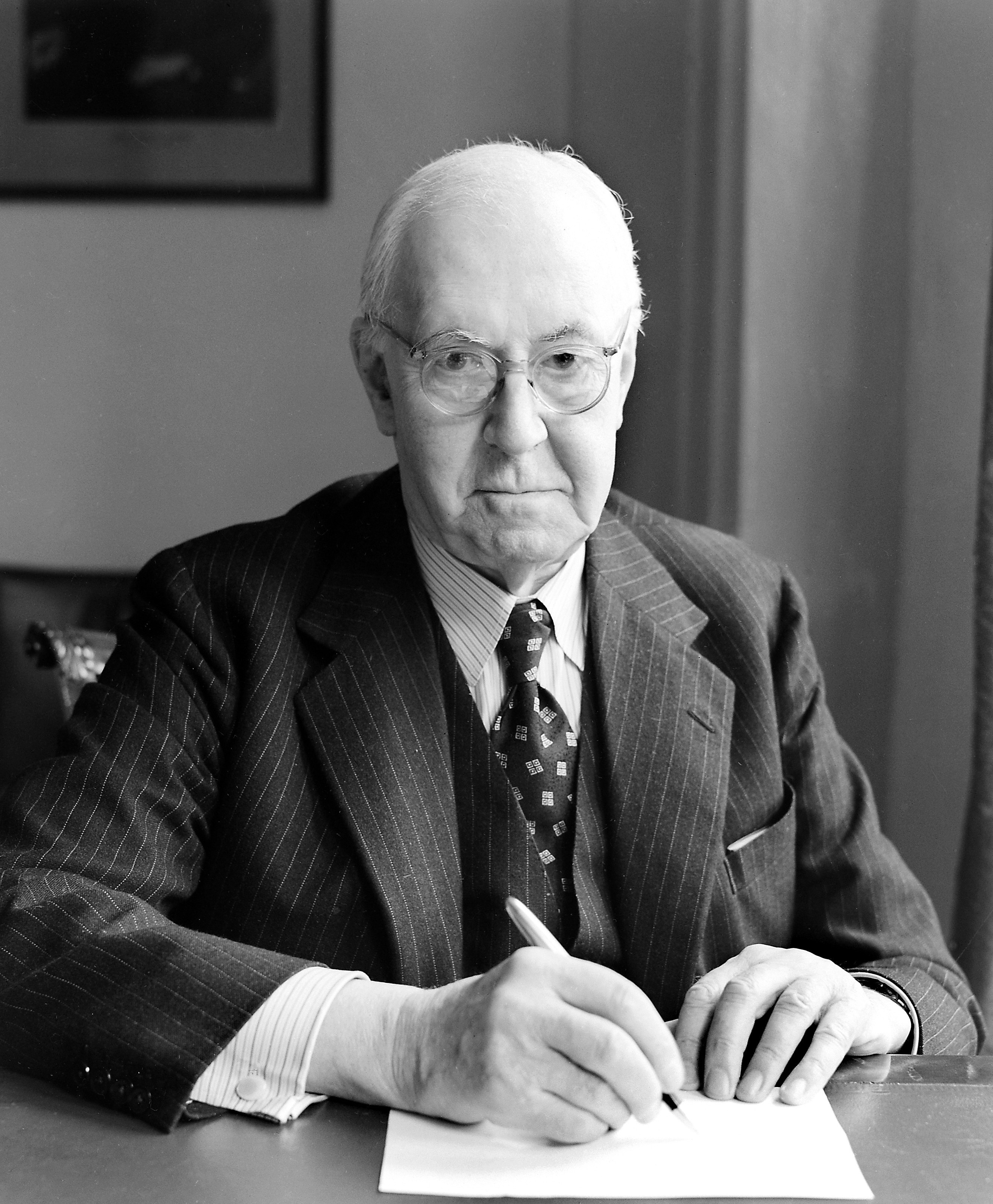
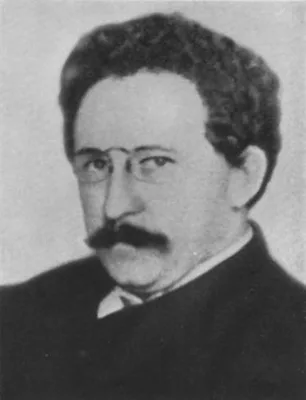
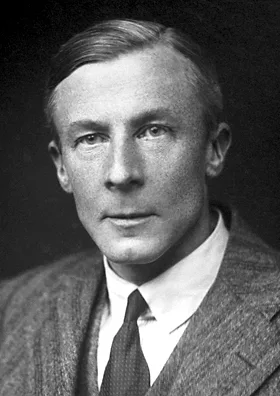
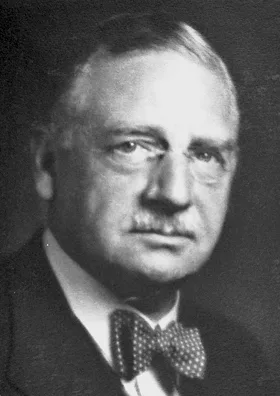
1901 BAYLISS, Sir William Maddock (1860 – 1924)
On the origin from the spinal cord of the vaso-dilator fibres of the hindlimb, and on the nature of these fibres.
GMN 1294 · https://historyofmedicine.com/id/2346
1901 HALLIBURTON, William Dobinson (1860 – 1931)
The Croonian Lectures on the chemical side of nervous activity. Delivered before the Royal College of Physicians of London, in June, 1901.
First edition in book form, expanded from the journal publications, London: Bale, 1901. Digital facsimile of the book-form edition from the Internet Archive at this link.
GMN 1295 · https://historyofmedicine.com/id/2352
1902 KIENBÖCK, Robert (1871 – 1953)
Kritik der sogenannten “traumatischen Syringomyelie”.
Traumatic cavity formation in the spinal cord, so well described by Kienböck, is known as “Kienböck’s disease”.
GMN 4591 · https://historyofmedicine.com/id/477
1902 BAYLISS, Sir William Maddock (1860 – 1924)
Further researches on antidromic nerve-impulses.
GMN 1373 · https://historyofmedicine.com/id/1776
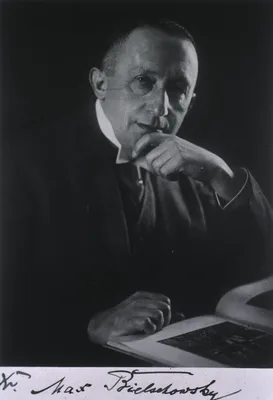
1902 BIELSCHOWSKY, Max (1869 – 1940)
Die Silberimprägnation der Axencylinder.
Bielschowsky’s method of silver staining of nerve fibers. Further paper in the same journal, 1903, 22, 997-1006.
GMN 1296 · https://historyofmedicine.com/id/2356
1903 VOGT, Oskar (1870 – 1959)
Zur anatomischen Gliederung des Cortex cerebri.
GMN 1429 · https://historyofmedicine.com/id/2190
1903 HERRING, Percy Theodore (1872 – 1967)
The spinal origin of the cervical sympathetic nerve.
Section of the white rami caused retrograde degeneration of the lateral column cells.
GMN 1297 · https://historyofmedicine.com/id/2359
1904 ELLIOTT, Thomas Renton (1877 – 1961)
On the action of adrenalin.
The first intimation of the chemical mediation of nerve impulses was given in Elliott’s suggestion that when a sympathetic nerve impulse arrives at a smooth-muscle cell it liberates adrenaline, which acts as a chemica…
GMN 1336 · https://historyofmedicine.com/id/1440
1905 –1906 HOWELL, William Henry (1860 – 1945)
Vagus inhibition of the heart in its relation to the inorganic salts of the blood.
Howell suggested that nerve impulses act indirectly by increasing the amount of diffusible potassium compounds in the heart tissue.
GMN 1337 · https://historyofmedicine.com/id/1446
1905 CAMPBELL, Alfred Walter (1868 – 1937)
Histological studies on the localisation of cerebral function.
The precentral area of the cerebral cortex is known as “Campbell’s area”. Campbell and Brodmann were pioneers in the study of the architectonics of the cerebral cortex, or cerebral cytoarchitecture. Digital facsimile …
GMN 1430 · https://historyofmedicine.com/id/2195
1905 HEAD, Sir Henry (1861 – 1940); SHERREN, James (1872 – 1945); RIVERS, William Halse Rivers (1864 – 1922)
The afferent nervous system from a new aspect.
This paper opened up a new field in the study of the sensory functions of the skin, and the theories put forward in it dominated neurological thought until 1940.
GMN 1298 · https://historyofmedicine.com/id/2364
1905 HEAD, Sir Henry (1861 – 1940); SHERREN, James (1872 – 1945)
The consequences of injury to the peripheral nerves in man.
GMN 1299 · https://historyofmedicine.com/id/2365
1906 HUNT, Reid (1870 – 1948); TAVEAU, René de Mortemer (1876 – )
On the physiological action of certain cholin derivatives and new methods for detecting cholin.
Discovery of the remarkable hypotensive effect of acetylcholine.
GMN 1338 · https://historyofmedicine.com/id/1457
1906 HEAD, Sir Henry (1861 – 1940); THOMPSON, Harold Theodore (1878 – 1935)
The grouping of afferent impulses within the spinal cord.
GMN 1374 · https://historyofmedicine.com/id/1777
1906 DEJERINE, Joseph Jules (1849 – 1917); ROUSSY, Gustave (1874 – 1948)
Le syndrome thalamique.
The “thalamic syndrome”, investigations of the effect of localized thalamic injury.
GMN 1431 · https://historyofmedicine.com/id/2203
1906 SHERRINGTON, Sir Charles Scott (1857 – 1952)
The integrative action of the nervous system.
Sherrington insisted that the essential function of the nervous system was the co-ordination of activities of the various parts of the organism. His work on the nervous system, especially his experimental studies of r…
GMN 1432 · https://historyofmedicine.com/id/2209
1906 MACALLUM, Archibald Byron (1858 – 1934); MENTEN, Maud Lenore (1879 – 1960)
On the distribution of chlorides in nerve cells and fibres.
GMN 1300 · https://historyofmedicine.com/id/2370
1906 SHERRINGTON, Sir Charles Scott (1857 – 1952)
On the proprio-ceptive system, especially in its reflex aspect.
Sherrington investigated and explained the proprioceptive system.
GMN 1300.1 · https://historyofmedicine.com/id/2372
1907 SMITH, Sir Grafton Elliot (1871 – 1937)
A new topographical survey of the human cerebral cortex, being an account of the distribution of the anatomically distinct cortical areas and their relationship to the cerebral sulci.
Elliot Smith, Professor of Anatomy at Cairo, Manchester, and University College, London, initiated modern studies of cerebral function with his work on the cortical pattern of the human brain. He identified 50 areas.
GMN 1433 · https://historyofmedicine.com/id/2220
1908 –1909 DIXON, Walter Ernest (1871 – 1931); HAMILL, Philip (1883 – 1959)
The mode of action of specific substances with special reference to secretin.
These workers drew attention to the similarity between the effects of nerve stimulation and certain drugs, especially muscarine, on the heart.
GMN 1339 · https://historyofmedicine.com/id/1461
1908 BRODMANN, Korbinian (1868 – 1918)
Beiträge zur histologischen Lokalisation der Grosshirnrinde. VI. Die Cortexgliederung des Menschen.
“Brodmann’s areas”, the occipital and pre-occipital area of the cerebral cortex.
GMN 1434 · https://historyofmedicine.com/id/2222
1908 HORSLEY, Sir Victor Alexander Haden (1857 – 1916); CLARKE, Robert Henry (1850 – 1926)
The structure and functions of the cerebellum examined by a new method.
Stereotactic apparatus for the accurate location of electrodes in the brain. The apparatus devised by Horsley and Clarke opened the way to stereotactic surgery of the brain.
GMN 1435.1 · https://historyofmedicine.com/id/2230
1908 DOGIEL, Alexander Stanislovich (1852 – 1922)
Der Bau der Spinalganglien des Menschen und der Säugetiere.
GMN 1301 · https://historyofmedicine.com/id/2376
1908 HEAD, Sir Henry (1861 – 1940); RIVERS, William Halse Rivers (1864 – 1922)
A human experiment in nerve division.
Head submitted to the division of his own left radial and external cutaneous nerves. His subsequent study of the loss and restoration of sensation thus brought about, led to a reclassification of the sensory pathways.…
GMN 1302 · https://historyofmedicine.com/id/2380
1909 MONAKOW, Constantin von (1853 – 1930)
Der rote Kern, die Haube und die Regio hypothalamica bei einigen Säugetieren und beim Menschen.
“Monakow’s bundle”, the rubrospinal tract.
GMN 1375 · https://historyofmedicine.com/id/1778
1909 BRODMANN, Korbinian (1868 – 1918)
Vergleichende Lokalisationslehre der Grosshirnrinde in ihren Prinzipien dargestellt auf Grund des Zellenbaues.
Brodmann was a pioneer in the study of cytoarchitectonics, and this work forms the basis for localization of function in the cerebral cortex. Brodmann's "areas" are used to designate cortical function regions. Brodman…
GMN 1435 · https://historyofmedicine.com/id/2226
1909 KARPLUS, Johann Paul (1866 – 1936); KREIDL, Alois (1864 – 1928)
Gehirn und Sympathicus.
First experimental studies on hypothalmic function
GMN 1436 · https://historyofmedicine.com/id/2233
1909 SACHS, Ernest (1879 – 1958)
On the structure and functional relations of the optic thalamus.
GMN 1437 · https://historyofmedicine.com/id/2234
1910 ABEL, John Jacob (1857 – 1938); BARBOUR, Henry Gray (1886 – 1943)
Tetanic convulsions in frogs produced by acid fuchsin, and their relation to the problem of inhibition in the central nervous system.
GMN 1438 · https://historyofmedicine.com/id/2235
1910 MALONE, Edward Fall (1880 – )
Über die kerne des menschlichen diencephalon.
"Malone was a strict adherent to the cytoarchitectonic method, and ascribed similar function to neurons with similar shape in different parts of the nervous system. He named the nucleus reuniens (thalamus) here, and a…
GMN 7344 · https://historyofmedicine.com/id/9516
1911 HEAD, Sir Henry (1861 – 1940); HOLMES, Sir Gordon Morgan (1876 – 1965)
Sensory disturbances from cerebral lesions.
First systematic account of the functions of the thalamus and its relationship to the cerebral cortex. Reprinted in No. 1304.
GMN 1438.1 · https://historyofmedicine.com/id/2236
1911 MESTREZAT, William (1883 – 1928)
Le liquide céphalo-rachidien normal et pathologique, valeur clinique de l’examen chimique: Syndromes humoraux dans les diverses affections
Mestrezat gave the first exact description of the chemical constitution of the cerebrospinal fluid. Also published at Paris, Maloine, 1912. Digital facsimile of the 1912 edition from the Internet Archive at this link.
GMN 4596 · https://historyofmedicine.com/id/8924
1913 TASHIRO, Shiro (1882 – 1963)
Carbon dioxide production from nerve fibres when resting and when stimulated; a contribution to the chemical basis of irritability.
Tashiro showed that the production of the nervous impulse depends on the metabolic activity of the nerve fiber.
GMN 1302.1 · https://historyofmedicine.com/id/2381
c. 1914 DALE, Sir Henry Hallett (1875 – 1968)
The action of certain esters and ethers of choline, and their relation to muscarine.
Demonstration of the inhibitory action of acetylcholine on the heart. In 1936 Dale shared the Nobel Prize in Physiology or Medicine with Otto Loewi (No. 1343) "for their studies in the chemical mediation of nervous im…
GMN 1340 · https://historyofmedicine.com/id/1465
1914 EWINS, Arthur James (1882 – 1957)
Acetylcholine, a new active principle of ergot.
Isolation of acetylcholine in ergot.
GMN 1341 · https://historyofmedicine.com/id/1470
1914 MONAKOW, Constantin von (1853 – 1930)
Die Lokalisation im Grosshirn und der Abbau der Funktion durch kortikale Herde.
A monumental work on cerebral localization.
GMN 1438.2 · https://historyofmedicine.com/id/2237
1914 WEED, Lewis Hill (1886 – 1952)
Studies on cerebro-spinal fluid. III. The pathways of escape from the subarachnoid spaces with particular reference to the arachnoid villi.
Weed mapped out the pathways of the circulation of the cerebrospinal fluid. He described the pathways in this paper with 40 pages of text and 5 plates. This was the third of his four-part series of papers entitled Stu…
GMN 1439 · https://historyofmedicine.com/id/2238
1916 QUECKENSTEDT, Hans Heinrich Georg (1876 – 1918)
Zur Diagnose der Rückenmarkskompression.
“Queckenstedt’s test” for determining patency of the spinal subarachnoid space.
GMN 4600 · https://historyofmedicine.com/id/490
1916 GASKELL, Walter Holbrook (1847 – 1914)
The involuntary nervous system. Part 1.
This book sums up the life work of Gaskell, who laid the histological foundation of the modern study of the autonomic nervous system. No more published.
GMN 1331 · https://historyofmedicine.com/id/1424
1917 HEAD, Sir Henry (1861 – 1940); RIDDOCH, George (1888 – 1947)
The automatic bladder, excessive sweating and some other reflex conditions, in gross injuries of the spinal cord.
Classic studies on “spinal man”. Republished in book form, 1918.
GMN 1376 · https://historyofmedicine.com/id/1779
1917 RIDDOCH, George (1888 – 1947)
The reflex functions of the completely divided spinal cord in man, compared with those associated with less severe lesions.
Riddoch described in detail the results of complete transection of the spinal cord in man. With Head (see No. 1376) he made one of the most painstaking investigations of this subject.
GMN 1377 · https://historyofmedicine.com/id/1780
1917 WEED, Lewis Hill (1886 – 1952)
The development of the cerebro-spinal spaces in pig and man.
GMN 1440 · https://historyofmedicine.com/id/2239
1917 ADRIAN, Edgar Douglas (1889 – 1977); LUCAS, Keith (1879 – 1916)
The conduction of the nervous impulse.
Gotch (No. 1420.1), Adrian, and Keith Lucas made important discoveries concerning the “all-or-nothing” responses of individual nerve fibers. Their work is summarized in the above monograph. Digital facsimile from the …
GMN 1303 · https://historyofmedicine.com/id/2385
1918 HUNT, Reid (1870 – 1948)
Vasodilator reactions.
Showed that tissues are more sensitive to acetylcholine after treatment with eserine (physostigmine).
GMN 1342 · https://historyofmedicine.com/id/1475
1920 HEAD, Sir Henry (1861 – 1940); THOMPSON, Harold Theodore (1878 – 1935); RIDDOCH, George (1888 – 1947); HOLMES, Sir Gordon Morgan (1876 – 1965); SHERREN, James (1872 – 1945); RIVERS, William Halse Rivers (1864 – 1922)
Studies in neurology. By Henry Head in conjunction with W.H.R. Rivers, James Sherren, Gordon Holmes, Theodore Thompson, George Riddoch. 2 vols.
Reprint, with modifications and additions, of seven papers published in the journal Brain between 1905 and 1918. Digital facsimile from the Internet Archive at this link.
GMN 1304 · https://historyofmedicine.com/id/1126
1920 –1921 ARIENS KAPPERS, Cornelius Ubbo (1877 – 1946)
Die vergleichende Anatomie des Nervensystems der Wirbeltiere und des Menschen. 2 vols.
Ariëns Kappers was Professor of Neuroanatomy at Amsterdam. See also No. 14229.
GMN 1247 · https://historyofmedicine.com/id/2063
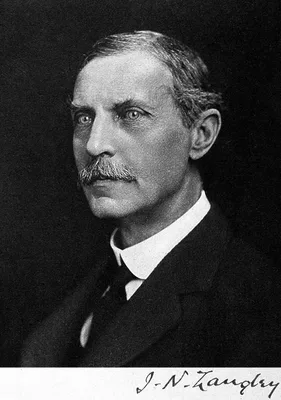
1921 LANGLEY, John Newport (1852 – 1925)
The autonomic nervous system.
Langley divided the autonomic nervous system into (1) the orthosympathetic, and (2) the parasympathetic; he defined it as an efferent system.
GMN 1332 · https://historyofmedicine.com/id/1426
1921 –1922 LOEWI, Otto (1873 – 1961)
Ueber humorale Uebertragbarkeit der Herznervenwirkung.
Loewi’s important experiments firmly established the theory of chemical intermediaries in nervous reactions. In 1936 Loewi shared the Nobel Prize in Physiology or Medicine with Dale "for discoveries related to chemica…
GMN 1343 · https://historyofmedicine.com/id/1486
1921 TILNEY, Frederick (1875 – 1938); RILEY, Henry Alsop (1887 – 1966)
The form and functions of the central nervous system.
GMN 1441 · https://historyofmedicine.com/id/2240
1924 HERING, Heinrich Ewald (1866 – 1948)
Die Aenderung der Herzschlagzahl durch Aenderung des arteriellen Blutdruckes erfolgt aus reflektorischem Wege; gleichzeitig eine Mitteilung über die Funktion des Sinus caroticus, beziehungsweise der Sinusnerven.
First description of the structure and function of the sinus nerve and the reflex character of carotid pressure.
GMN 795 · https://historyofmedicine.com/id/572