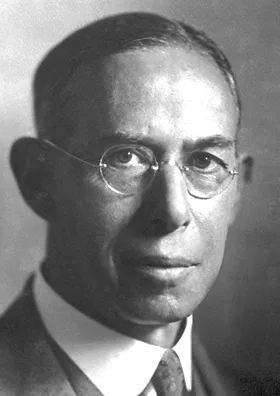
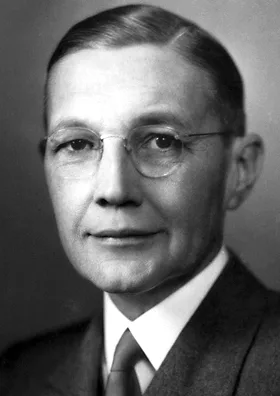
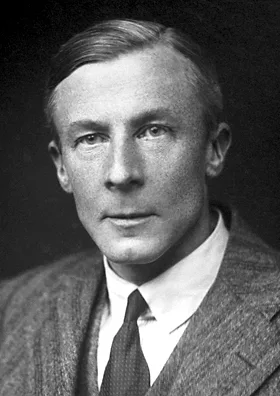
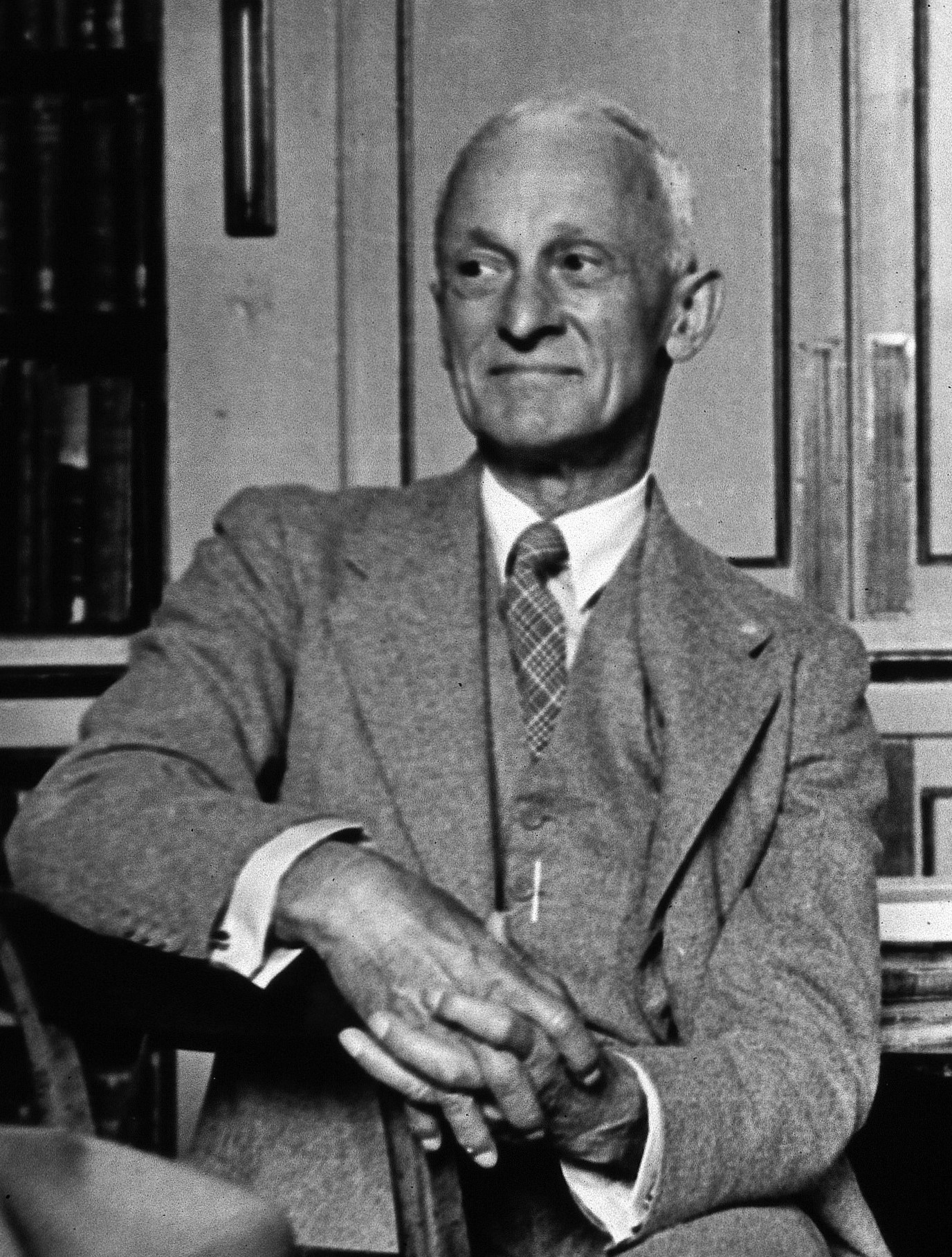
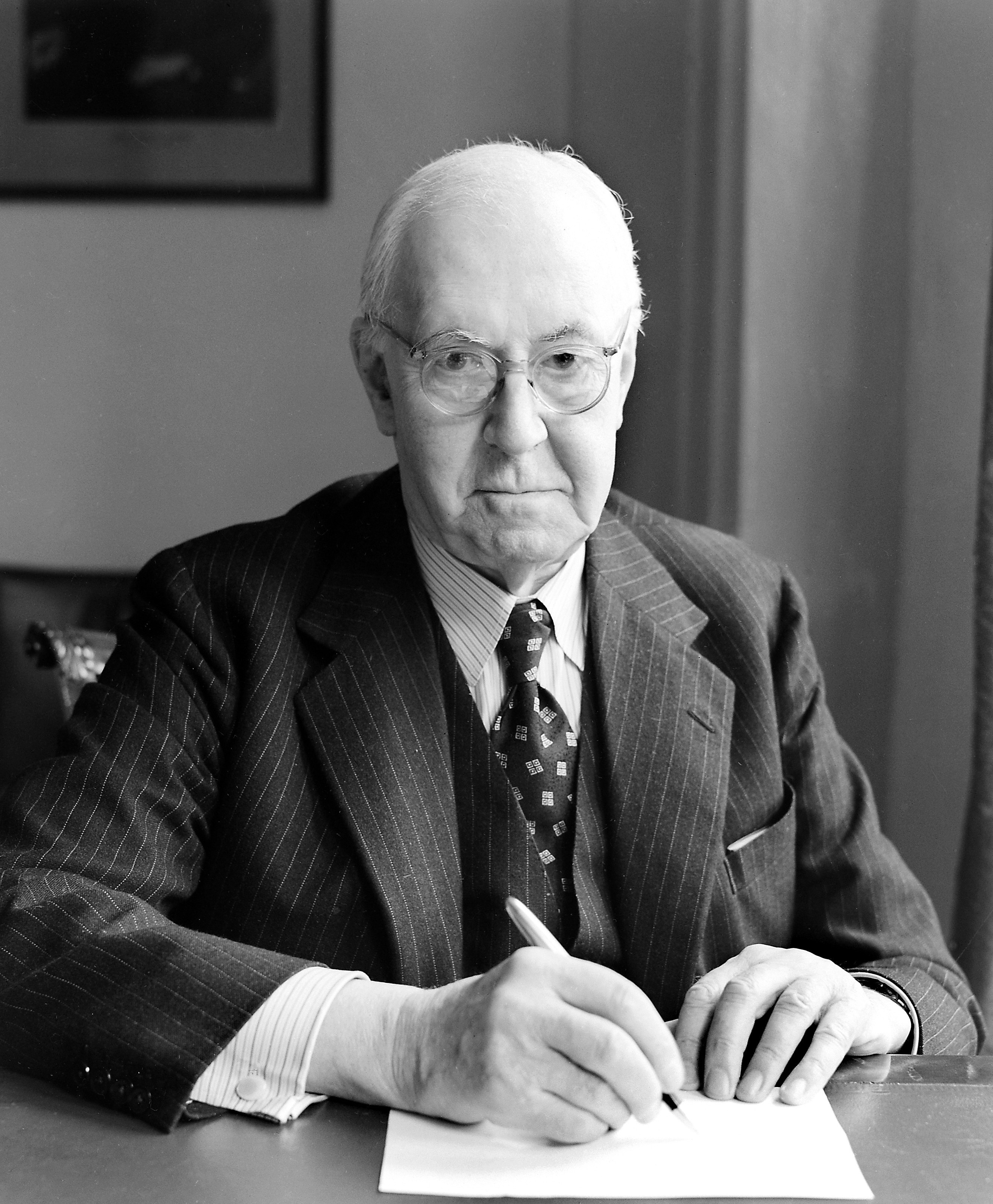
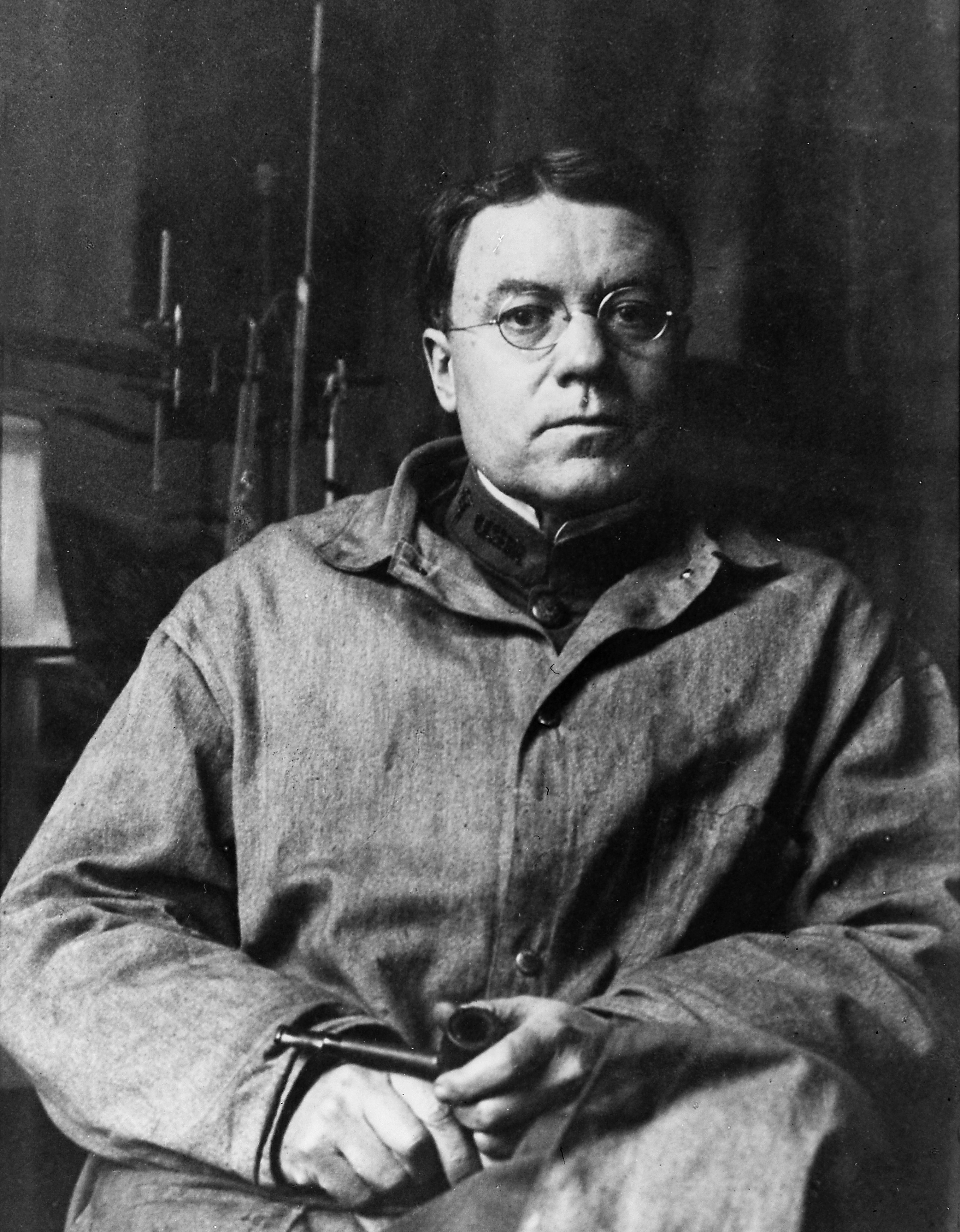
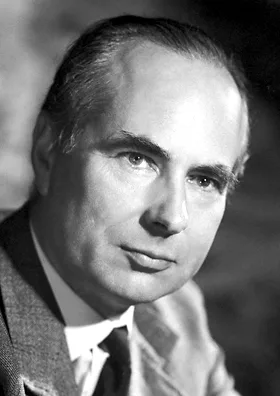
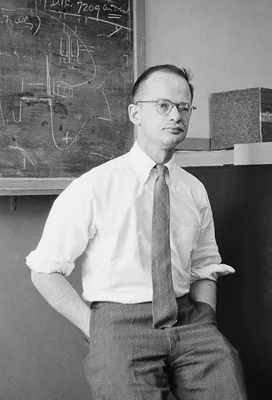
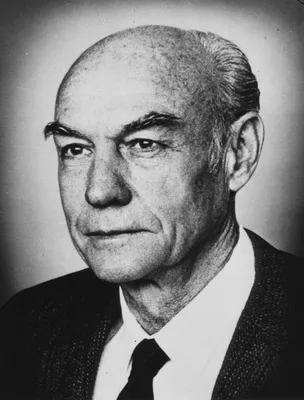
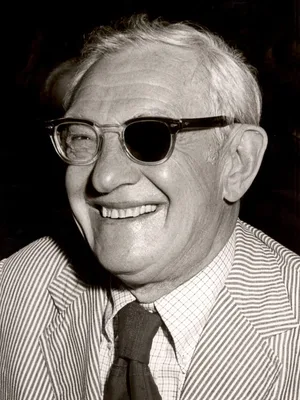
1924 ERLANGER, Joseph (1874 – 1965); GASSER, Herbert Spencer (1888 – 1963)
The compound nature of the action current of nerve as disclosed by the cathode ray oscillograph.
In 1944 Erlanger and Gasser shared the Nobel Prize in Physiology or Medicine "for their discoveries regarding the highly differentiated functions of single nerve fibers."
GMN 1305 · https://historyofmedicine.com/id/1130
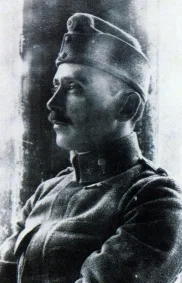
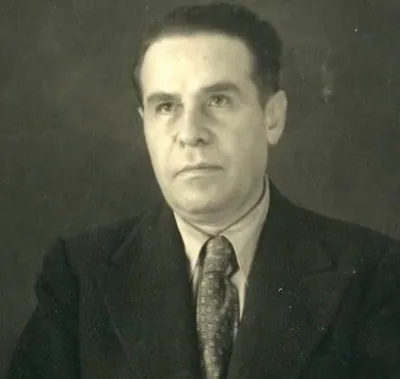
1924 KATO, Genichi (1890 – 1979)
The theory of decrementless conduction in narcotised region of nerve.
Kato made valuable investigations on nerve conduction. A second volume, Further studies, appeared in 1926.
GMN 1306 · https://historyofmedicine.com/id/1137
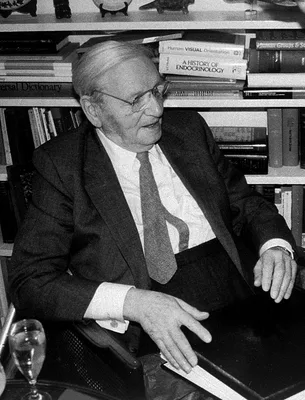
1924 DUSSER DE BARENNE, Johannes Gregorius (1885 – 1940)
Experimental researches on sensory localization in the cerebral cortex of the monkey (Macacus).
Dusser de Barenne demonstrated the major functional subdivisions of the sensory cortex.
GMN 1442 · https://historyofmedicine.com/id/2241
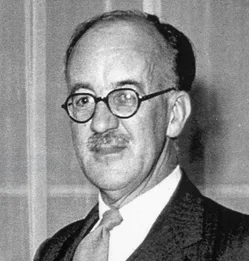
1924 LIDDELL, Edward George Tandy (1895 – 1981); SHERRINGTON, Sir Charles Scott (1857 – 1952)
Reflexes in response to stretch (myotatic reflexes).
This investigation of the stretch reflex was of value in elucidating muscle tone and posture.
GMN 1443 · https://historyofmedicine.com/id/2242
1924 LOEWI, Otto (1873 – 1961); NAVRATIL, E
Ueber humorale Uebertragbarkeit der Herznervenwirkung
Established the presence of cholinesterase and that in vitro eserine inhibited this esterase.
GMN 1344 · https://historyofmedicine.com/id/8641
1925 ECONOMO, Constantin von (1876 – 1931); KOSKINAS, Georg N. (1885 – 1975)
Die Cytoarchitektonik der Hirnrinde des erwachsenen Menschen. 1 vol. and atlas.
This work consisted of textbook of more than 800 pages and an atlas with 112 large-sized microphotographic plates of the cortex. The textbook contained detailed descriptions of their studies and an introduction to the…
GMN 1444 · https://historyofmedicine.com/id/2243
1926 ADRIAN, Edgar Douglas (1889 – 1977); ZOTTERMAN, Yngve (1898 – 1982)
The impulses produced by sensory nerve-endings. Part 2. The response of a single end-organ.
The observations of Adrian and Zotterman on the response of single sensory end-organs to a natural stimulus led them to formulate their conception of “adaptation” of receptors to stimuli.
GMN 1307 · https://historyofmedicine.com/id/1141
1926 CUSHING, Harvey Williams (1869 – 1939)
Studies in intracranial physiology & surgery. The third circulation. The hypophysis. The gliomas. The Cameron Prize Lectures delivered at the University of Edinburgh October 19, 20, 22, 1925.
This series of three lectures was an analytical review by Cushing of the three main categories of scientific work that he had accomplished during the previous 25 years. Remarkably, Cushing completed this review and de…
GMN 14313 · https://historyofmedicine.com/id/16638
1928 ADRIAN, Edgar Douglas (1889 – 1977)
The basis of sensation. The action of the sense organs.
In 1932 Adrian shared the Nobel Prize in Physiology or Medicine with Charles Scott Sherrington "for their discoveries about the function of neurons." See also Nos. 1307, 1528, and 1303.
GMN 1308 · https://historyofmedicine.com/id/1144
1928 GAGEL, Otto (1899 – )
Zur Histologie und Topographie der vegetativen Zentren im Rückenmark.
Study of the cells of origin of the white rami.
GMN 1333 · https://historyofmedicine.com/id/1427
1929 DALE, Sir Henry Hallett (1875 – 1968); DUDLEY, Harold Ward (1887 – 1935)
The presence of histamine and acetylcholine in the spleen of the ox and the horse.
Isolation of acetylcholine from ox and horse spleen.
GMN 1345 · https://historyofmedicine.com/id/1518
1929 BERGER, Johannes (“Hans”) (1873 – 1941)
Über das Elektrenkephalogramm des Menschen.
First recording of human brain activity, which Berger called electroencephalography. Berger actually recorded his first EEG in 1924, but did not publish the technique until 1929. He showed that the electrical activity…
GMN 1446 · https://historyofmedicine.com/id/2245
1929 LASHLEY, Karl Spencer (1890 – 1958)
Brain mechanisms and intelligence: a quantitative study of injuries to the brain.
Lashley related nervous function and behavior with well-defined areas of the brain, particularly in connection with cerebral lesions.
GMN 1446.1 · https://historyofmedicine.com/id/2246
1930 FEARING, Franklin (1892 – 1962)
Reflex action. A study in the history of physiological psychology.
Reprinted, New York, Hafner, 1964.
GMN 1577 · https://historyofmedicine.com/id/1334
1931 MÜLLER, Ludwig Robert (1870 – 1962)
Lebensnerven und Lebenstriebe. 3te. Aufl.
GMN 1309 · https://historyofmedicine.com/id/1150
1931 CANNON, Walter Bradford (1871 – 1945); BACQ, Zénon (1903 – 1983)
Studies on conditions of activity in endocrine organs. xxvi. A hormone produced by sympathetic action on smooth muscle.
Cannon and Bacq suggested the name “sympathin” for a substance which they considered to be liberated into the blood stream following nerve stimulation and which acted in the same manner as sympathetic impulses. See al…
GMN 1346 · https://historyofmedicine.com/id/1524
1931 ENGELHART, Erich
Der humorale Wirkungsmechanismus der Oculomotoriusreizung.
GMN 1347 · https://historyofmedicine.com/id/1529
1932 GIBBS, Owen Stanley (1898 – ); SZELÖCZEY, J
Die humorale Übertragung der Chorda tympani-Reizung.
Production of acetylcholine on stimulation of the chorda tympani nerve.
GMN 1348 · https://historyofmedicine.com/id/1534
1932 KELLER, Allen Dudley (1901 – ); HARE, William Kenrick (1908 – )
The hypothalamus and heat regulation.
Location of the heat-regulating center in the hypothalamus.
GMN 1446.2 · https://historyofmedicine.com/id/2247
1932 CLARK, Sir Wilfrid Edward Le Gros (1895 – 1971)
The structure and connections of the thalamus.
GMN 1448 · https://historyofmedicine.com/id/2249
1933 BAIN, William Alexander (1905 – 1971)
The mode of action of vasodilator and vasoconstrictor nerves.
GMN 1349 · https://historyofmedicine.com/id/1537
1933 CANNON, Walter Bradford (1871 – 1945); ROSENBLUETH, Arturo Stearns (1900 – 1970)
Studies on conditions of activity in endocrine organs, xxix. Sympathin E and sympathin I.
Adrenaline and sympathin were suggested to be unidentical substances, and Cannon and Rosenblueth proposed the terms “sympathin E” and “sympathin I”.
GMN 1350 · https://historyofmedicine.com/id/1543
1933 KIBJAKOW, A. W.
Ueber humorale Uebertragung der Erregung von einem Neuron suf das andere.
Kibjakow showed that some substance in a muscle perfusate is able to contract muscle during stimulation of nerve.
GMN 1351 · https://historyofmedicine.com/id/1547
1933 FOERSTER, Otfrid (1873 – 1941)
The dermatomes in man.
GMN 1377.1 · https://historyofmedicine.com/id/1781
1934 FELDBERG, Wilhelm Siegmund (1900 – 1993); GADDUM, Sir John Henry (1900 – 1965)
The chemical transmitter at synapses in a sympathetic ganglion.
These workers produced evidence that a chemical agent (acetylcholine) appears in the transfer of nerve impulses from neuron to neuron in sympathetic ganglia.
GMN 1352 · https://historyofmedicine.com/id/1551
1934 ADRIAN, Edgar Douglas (1889 – 1977); MATTHEWS, Sir Bryan Harold Cabot (1906 – 1986)
The interpretation of potential waves in the cortex.
Confirmation of Berger’s findings (No. 1446). See also Brain, 1934, 57, 355-85.
GMN 1447 · https://historyofmedicine.com/id/2248
1936 YOUNG, John Zachary (1907 – 1997)
The structure of nerve fibres in cephalopods and crustacea.
Young’s discovery of the giant nerve fibers of the squid (squid giant axon) Loglio forbesi made possible the study of the electrical phenomena of the nervous impulse in the interior as well as on the surface of a nerv…
GMN 1309.1 · https://historyofmedicine.com/id/1152
1936 DALE, Sir Henry Hallett (1875 – 1968); FELDBERG, Wilhelm Siegmund (1900 – 1993); BROWN, Sir George Lindor (1903 – 1971)
Reactions of the normal mammalian muscle to acetylcholine and to eserine.
GMN 1353 · https://historyofmedicine.com/id/1557
1936 CLARK, Sir Wilfrid Edward Le Gros (1895 – 1971)
The topography and homologies of the hypothalamic nuclei in man.
GMN 1449 · https://historyofmedicine.com/id/2311
1936 FOERSTER, Otfrid (1873 – 1941)
The motor cortex in man in the light of Hughlings Jackson’s doctrines.
In this Hughlings Jackson Lecture, Foerster published his famous cytoarchitectonic map of the human cerebral cortex.
GMN 1450 · https://historyofmedicine.com/id/2318
1936 LOEWI, Otto (1873 – 1961)
Quantitative und qualitative Untersuchungen über den Sympathicusstoff*. Zugleich XIV. Mitteilung über humorale Übertragung der Herznervenwirkung Ausgeführt mit Unterstützung der -Stiftung.
In this paper Loewi proved that the cardioexcitatory neurotransmitter of the sympathetic nerves is adrenaline, or actually noradrenaline.
GMN 7346 · https://historyofmedicine.com/id/9518
1936 KENNARD, Margaret Alice (1899 – 1975)
Age and other factors in motor recovery from precentral lesions in monkeys.
This was the first of a series of papers by Kennard that led to what became known as the Kennard Principle, which posits a negative linear relationship between age of a brain lesion and the recovery outcome. The earli…
GMN 14286 · https://historyofmedicine.com/id/16609
1937 –1938 KIRKMAN, Hadley (1901 – 1997); SEVERINGHAUS, Aura Edward (1894 – 1979)
A review of the Golgi apparatus.
GMN 1310 · https://historyofmedicine.com/id/1159
1937 CANNON, Walter Bradford (1871 – 1945); ROSENBLUETH, Arturo Stearns (1900 – 1970)
Autonomic neuro-effector systems.
The authors hypothesized the existence of two sympathins, one excitatory and the other inhibitory, now known as epinephrine and norepinephrine. See Nos. 1144 & 1350.
GMN 1354 · https://historyofmedicine.com/id/1566
1938 FULTON, John Farquhar (1899 – 1960)
Physiology of the nervous system.
Includes excellent bibliography.
GMN 1248 · https://historyofmedicine.com/id/2067
1938 WALKER, Arthur Earl (1907 – 1995)
The primate thalamus.
GMN 1451 · https://historyofmedicine.com/id/2321
1939 HODGKIN, Sir Alan Lloyd (1914 – 1998); HUXLEY, Sir Andrew Fielding (1917 – 2012)
Action potentials recorded from inside a nerve fibre.
Hodgkin and Huxley were the first to succeed in inserting electrodes into a living giant nerve fiber and to measure directly the action potential within it. In 1963 Hodgkin and Huxley shared the Nobel Prize in Physiol…
GMN 1310.1 · https://historyofmedicine.com/id/1165
1939 YOUNG, John Zachary (1907 – 1997)
Fused neurons and synaptic contacts in the giant nerve fibers of cephalopods.
Young discovered the squid giant synapse, a chemical synapse found in squid, and the largest chemical junction in nature.
GMN 7158 · https://historyofmedicine.com/id/9325
1943 MCCULLOCH, Warren Sturgis (1898 – 1969); PITTS, Walter Harry Jr. (1923 – 1969)
A logical calculus of the ideas immanent in nervous activity.
This paper described the McCulloch-Pitts neuron, the first mathematical model of a neural network. Digital text available at this link.
GMN 7357 · https://historyofmedicine.com/id/9529
1946 EULER, Ulf Svante Hansson von (1905 – 1983)
A specific sympathomimetic ergone in adrenergic nerve fibres (sympathin) and its relations to adrenaline and nor-adrenaline.
Noradrenaline shown to be the predominant transmitter of the effects of sympathetic nerve impulses. In 1970 Euler shared the Nobel Prize in Physiology or Medicine with Katz and Axelrod "for their discoveries concernin…
GMN 1354.1 · https://historyofmedicine.com/id/1612
1948 HESS, Walter Rudolf (1881 – 1973)
Die funktionelle Organisation des vegetativen Nervensystems.
In 1949 Hess shared the Nobel Prize in Physiology or Medicine with Egas Moniz in 1949 “for his discovery of the functional organization of the interbrain as a coordinator of the activities of the internal organs.”
GMN 1451.1 · https://historyofmedicine.com/id/2324
1948 WIENER, Norbert (1894 – 1964)
Cybernetics: or control and communication in the animal and the machine.
Foundation of "the science of control and communication theory, named ‘cybernetics’ by Wiener, from the Greek word ‘kubernetes’ or steersman. Automation, information feedback, regulators in engineering and biology, an…
GMN 4991.1 · https://historyofmedicine.com/id/6492
1949 HEBB, Donald Olding (1904 – 1985)
The organization of behavior: A neuropsychological theory.
Hebb connected the biological function of the brain as an organ together with the higher function of the mind. He studied how the function of neurons contributed to psychological processes such as learning. In this wo…
GMN 12735 · https://historyofmedicine.com/id/14981
1952 KATZ, Sir Bernard (1911 – 2003)
Different forms of signalling employed by the nervous system.
In 1970 Katz shared the Nobel Prize in Physiology or Medicine with Ulf von Euler and J. Axelrod "for their discoveries concerning the humoral transmitters in the nerve terminals and the mechanism for their storage, re…
GMN 1354.2 · https://historyofmedicine.com/id/1619
1953 CRITCHLEY, MacDonald (1900 – 1997)
The parietal lobes.
Defines for the first time the various functions of the parietal lobes.
GMN 4615.3 · https://historyofmedicine.com/id/644
1959 HUBEL, David Hunter (1926 – 2013); WIESEL, Torsten Nils (1924 – )
Receptive fields of single neurones in the cat's striate cortex.
Also: Hubel & Wiesel, Receptive fields, binocular interaction and functional architecture in the cat's visual cortex, J. Physiol., 160, 1962, 106-154. In 1981 Hubel and Wiesel shared half of the Nobel Prize in Physiol…
GMN 14242 · https://historyofmedicine.com/id/16561
1961 YOUNG, Morris Nathan (1909 – 2002)
Bibliography of memory.
The most complete bibliography to date on this subject. Regarding Young, see the unusually interesting obituary in The New York Times at this link.
GMN 6945 · https://historyofmedicine.com/id/9110
1961 SPERRY, Roger Wolcott (1913 – 1994)
Cerebral organization and behavior: The split brain behaves in many respects like two separate brains, providing new research possibilities.
Sperry and colleagues, including Michael Gazzaniga, conducted extensive experiments on an epileptic patient who had had his corpus collosum, the "bridge" between the left and right hemispheres of the brain, split so t…
GMN 9648 · https://historyofmedicine.com/id/11835
1961 AXELROD, Julius (1912 – 2004); HERTTING, Georg (1925 – 2014)
Fate of tritiated noradrenaline at the sympathetic nerve endings.
Using electron microscopy and tritiated norepinephrine, the authors discovered the area in the nerve endings in which the catecholamines were concentrated, and also observed enhanced radioactive catecholamine release …
GMN 14281 · https://historyofmedicine.com/id/16604
1962 LURIA, Aleksandr Romanovich (Алекса́ндр Рома́нович Лу́рия) (1902 – 1977)
Высшие корковые функции и их нарушение при локальных поражениях мозга.
First English translation: Higher cortical functions in man. New York: Basic Books, 1966.
GMN 7207 · https://historyofmedicine.com/id/9374