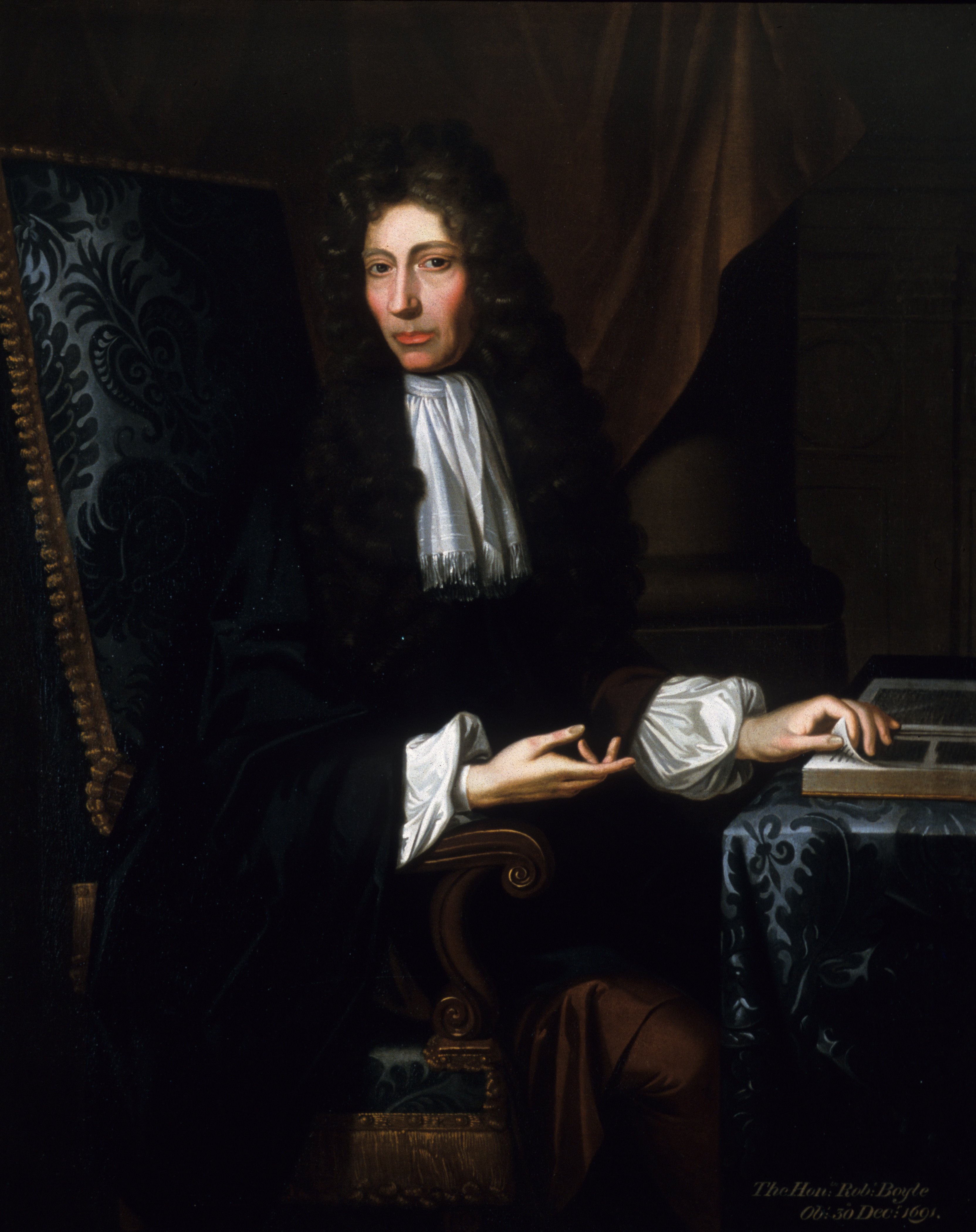
1685 BOYLE, Robert (1627 – 1691)
Of the reconcileableness of specifick medicines to the corpuscular philosophy to which is annexed a discourse about the advantages of the use of simple medicines.
In this work on drug action or pharmacodynamics Boyle argued that remedies composed of only one or two ingredients were preferable to more complex drugs for two reasons. First, because the patient would experience few…
GMN 11557 · https://historyofmedicine.com/id/13756
1687 BLÉGNY, Nicolas de (1652 – 1722)
Le bon usage du the, du caffe, et du chocolat pour la preservation & pour la guerison des maladies.
Digital facsimile from Biodiversity Heritage Library at this link.
GMN 13624 · https://historyofmedicine.com/id/15904
1688 HELVÉTIUS, Jean-Adrien (1661 – 1727)
Remèdes contre les cours de ventre.
"The remedy here treated of is ipecacuanha: although its antidysenteric virtues had previously been made known in 1649 by the writings of Piso and Marggraf [No. 2263.1] it was left to Helvetius, about forty years subs…
GMN 7955 · https://historyofmedicine.com/id/10130
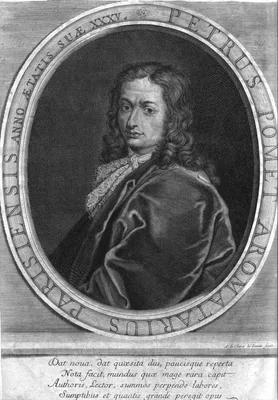
1694 POMET, Pierre (1658 – 1699)
Histoire générale des drogues….
Pomet became chief druggist to Louis XIV. His work was considered the most complete materia medica of the time. It also covered non-botanical drugs. Digital facsimile from bibdigital.rjb.csic.es at this link. English …
GMN 1827.1 · https://historyofmedicine.com/id/2148
1694 ROSA, João Ferreira da (Ferreyra da Rosa)
Trattado unico da constituiçam pestilencial de Pernambuco, offerecido a ElRey N.S. por ser servido ordenar por seu Governador aos Medicos da America, que assistem aonde ha este contagio, que o compusessem para se conferirem pelos Coripheos da Medicina aos dictames com que he trattada esta pestilencial febre.
The first scientific description of yellow fever in Brazil by the first European physician to treat the disease in Brazil, and perhaps in all of Latin America. It includes the description of the first autopsy of a yel…
GMN 8930 · https://historyofmedicine.com/id/11108
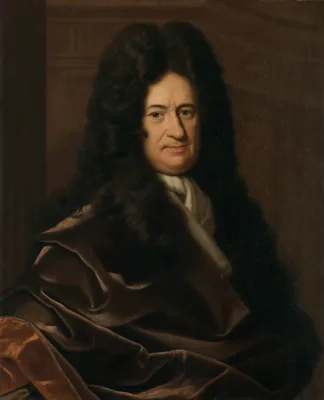
1696 LEIBNIZ, Gottfried Wilhelm (1646 – 1716)
G[othofredi]. G[uillelmi]. L[eibnitii]. Relatio ad inclytam Societatem Leopoldinam Naturae Curiosorum, de novo antidysenterico Americano magnis successibus comprobato.
This study of the ipecacuanha root and its effects as a emetic, nauseant, expectorant and dispahoretic, Leibniz issued on what he called "the new American antidysentery drug" after reading about the root in Piso and M…
GMN 14002 · https://historyofmedicine.com/id/16307
1698 VALENTINI, Michael Bernhard (1657 – 1729)
De ipecacuanha novo Gallorum antidysenterico. Resp. C[hristophe] F[riedrich] Kneussel.
There is evidence that amoebic dysentery was known to Hippocrates. The history of treatment begins with the use of ipecacuanha, the dried root of Cephaelis ipecacuanha, a plant from Brazil. This was first mentioned as…
GMN 5181 · https://historyofmedicine.com/id/6300
1699 GARTH, Samuel (1661 – 1719)
The dispensary: A poem. In six cantos.
An aggressive criticism of quack medicines, apothecaries who produced them, and physicians who prescribed them.
GMN 7965 · https://historyofmedicine.com/id/10141
1700 JONES, John [English] (1645 – 1709)
The mysteries of opium revealed.
Includes the earliest English description of drug addiction, and withdrawal. Jones attempted to use wine as a partial substitute until withdrawal was complete.
GMN 2070.1 · https://historyofmedicine.com/id/2498
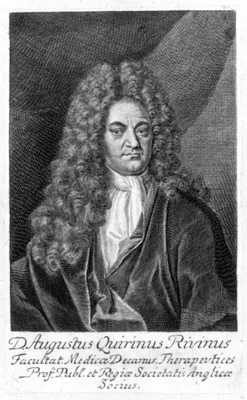
1701 RIVINUS, Augustus Quirinus (August Bachmann) (1652 – 1723)
Censura medicamentorum officinalium.
A list of officially recognized drugs, with a classification of useless and undesirable ones. Rivinus also noted incompatibles. Digital facsimile from Google Books at this link.
GMN 1828 · https://historyofmedicine.com/id/2150
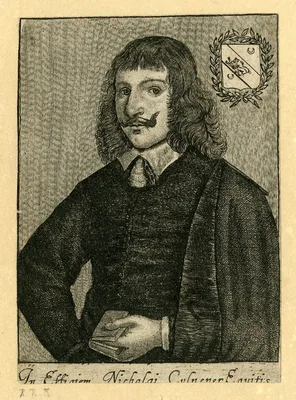
1708 CULPEPER, Nicholas (1616 – 1654)
The English physician.
This reprint of Culpeper’s popular work on herbal remedies was the first medical book (94pp.) printed in North America.
GMN 1828.1 · https://historyofmedicine.com/id/2155
1710 BOERHAAVE, Herman (1668 – 1738)
Index plantarum, quae in Horto Academico Lugduno Batavo reperiuntur.
Upon his appointment as professor of medicine and botany at Leiden University in 1709, Boerhaave became head of the botanical garden, a laboratory for materia medica. He published his first catalogue of plants in the …
GMN 11628 · https://historyofmedicine.com/id/13828
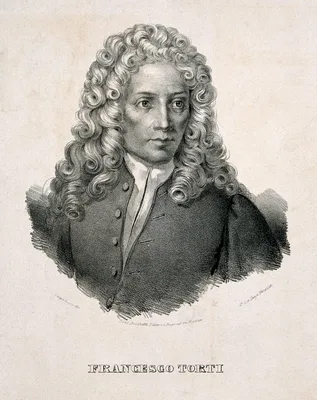
1712 TORTI, Francesco (1658 – 1741)
Therapeutice specialis ad febres quasdam pemiciosas, inopinato, ac repente lethales, una vera china china, peculiare methodo ministrata, sanabiles
Torti’s work finally established the specific nature of cinchona bark. His demonstration of its effectiveness in periodic over continuous fevers finally overthrew the doctrine of the common origin of all fevers. He is…
GMN 5231 · https://historyofmedicine.com/id/7866
1720 CULPEPER, Nicholas (1616 – 1654)
Pharmacopoeia Londinensis; or the London dispensatory…
The first herbal printed in North America, and the first full-length medical book published in North America. From the 1653 London edition.
GMN 1828.2 · https://historyofmedicine.com/id/2160
1721 GIBSON, William (1680 – 1750)
The farriers dispensatory, in three parts. Containing I. A description of the medicinal simples, commonly made use of in the diseases of horses, with their virtues and manner of operation, distributed into proper classes, &c. II. The preparations of simples, vegetable, animal and mineral ; with an explanation of the most usual terms, both in the chymical and galenical pharmacy. III. A number of useful compositions and receipts suited to the cure of all diseases, never before published; as also those of greatest account from Solleysell, Ruini, Blundevill, and other most celebrated authors, digested under their proper heads of powders, balls, drinks, ointments, charges, &c. The proper Method of compounding and making them, with many other useful observations and improvements tending to their right administration. To which is also added, a compleat index of all the medicines contained in the book, whether simple or compound, with a table of diseases pointing to the remedies proper in each malady.
GMN 13695 · https://historyofmedicine.com/id/15977
1721 BRADLEY, Richard (1688 – 1732)
The virtue and use of coffee, with regard to the plague, and other infectious distempers: containing the most remarkable observations of the greatest men in Europe concerning it ... To which is prefix'd an exact figure of the tree, flower, and fruit taken from the life.
Digital facsimile from wellcomecollection.org at this link.
GMN 13879 · https://historyofmedicine.com/id/16169
1730 SHORT, Thomas (1690 – 1772)
A dissertation upon tea, explaining its nature and properties by many new experiments; and demonstrating from philosophical principles, the various effects it has on different constitutions. To which is added the natural history of tea; and a detection of the several frauds used in preparing it. Also a discourse on the virtues of sage and water, and an enquiry into the reasons why the same food is not equally agreeable to all constitutions....
Digital facsimile from wellcomecollection.org at this link.
GMN 13626 · https://historyofmedicine.com/id/15906
1734 TENNENT, John (1700 – 1760)
Every man his own doctor: or, The poor planter's physician. Prescribing plain and easy means for persons to cure themselves of all, or most of the distempers, incident to this climate, and with very little charge, the medicines being chiefly of the growth and production of this country.
The first medical hand-book for lay persons written and published in America. It is probable that this book was first published in 1734, though the earliest recorded copy or copies appear to be the "second edition" wi…
GMN 9675 · https://historyofmedicine.com/id/11862
1739 GAUB, Hieronymous David (1705 – 1780)
Libellus de methodo concinnandi formulas medicamentorum.
A treatise on prescriptions. Gaub was professor of chemistry at Leiden.
GMN 1830 · https://historyofmedicine.com/id/2167
1739 CERVI, José (1663 – 1748); RODRÍGUEZ, Miguel Francisco
Pharmacopoeia Matritensis, Regii, ac Supremi Hispaniarum protomedicatus auctoritate, jussu atque auspiciis nunc primum elaborata.
The first national pharmacopoeia issued in Spain, also controlling drug preparation and use for the Spanish empire. It included botanical, mineral and animal substances, and substances obtained from the Spanish empire…
GMN 11613 · https://historyofmedicine.com/id/13813
1740 SÉGUIER, Jean-François (1703 – 1784)
Bibliotheca botanica sive catalogus auctorum et librorum omnium qui de re botanica, de medicamentis ex vegetabilibus paratis, de re rustica, & de horticultura tractant. Accessit bibliotheca botanica Jo. Ant. Bumaldi seu potius O. Montalbani.
Organized in three parts: floras, medical botany, and horticultural and agricultural works. Séguier includes books, pamphlets, and references in the periodical literature. "The entries for the publications contain usu…
GMN 8856 · https://historyofmedicine.com/id/11034
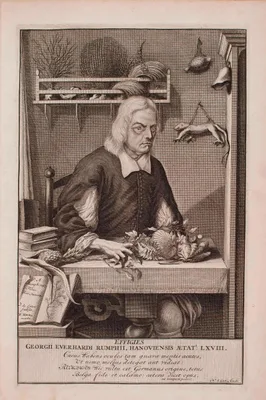
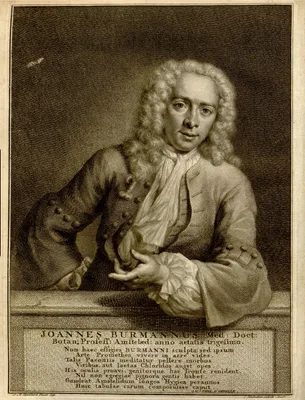
1741 –1750 RUMPHIUS, Georg Eberhard (1627 – 1702); BURMAN, Johannes (1707 – 1780)
Het Amboinsche Kruidboek . . . Herbarium Amboinense . . . nunc primum in lucem edidit & in Latinum semonem vertit Joannes Burmannus. 6 vols.
Het Amboinsche kruidboek or Herbarium Amboinense, a catalogue of the plants of Ambon in the Maluku Islands of Indonesia, by Georg Eberhard Rumphius, a German-born soldier and botanist employed by the Dutch East India …
GMN 6837 · https://historyofmedicine.com/id/9001
1745 HEBERDEN, William Sr. (1710 – 1801)
Aνтιθηεριακά. An essay on mithridatium and theriaka.
Heberden’s first printed work. His criticism of current superstitions conceming these two concoctions resulted ultimately in their removal from the pharmacopoeia. No publisher's name appears on the title page. Digital…
GMN 1831 · https://historyofmedicine.com/id/2168
1746 SHORT, Thomas (1690 – 1772)
Medicina Britannica; or, a treatise on such physical plants as are generally to be found in the fields or gardens of Great-Britain: Containing a particular account of their nature, virtues, and uses. Together with the observations of the most learned physicians, as well ancient as modern, communicated to the late ingenious Mr. Ray, and the learned Dr. Sim. Pauli. Adapted more especially to the occasions of those, whose condition or situation of life deprives them, in a great measure, of the helps of the learned. To which are added, three indexes: The first containing the England and Latin names of the plants treated of: The second of the diseases, and their remedies: The third to the notes.
Short focused his book on the medical uses of plants readily available in England. Many of the plants recommended in the traditional herbal literature were difficult to find in England. Digital facsimile from the Biod…
GMN 8869 · https://historyofmedicine.com/id/11047
1746 BUNON, Robert (1702 – 1748)
Experiences et demonstrations faites à l'Hôpital de la Salpêtriere, & à S. Côme en présence de l'Académie Royale de Chirurgie. Pour servir de suite & de preuves a l'Essai sur les maladies des dents, & c. Et une pharmacie odontalogique, ou Traité des médicamens, simples & composés propres aux maladies des dents, & des différentes parties de la bouche, à l'usage des dentistes.
In this follow-up to his book published in 1743 Bunon proved the assertions of his earlier Essai through a series of dental researches conducted on patients at the Salpêtrière and at the hospital of St. Côme--the firs…
GMN 12928 · https://historyofmedicine.com/id/15175
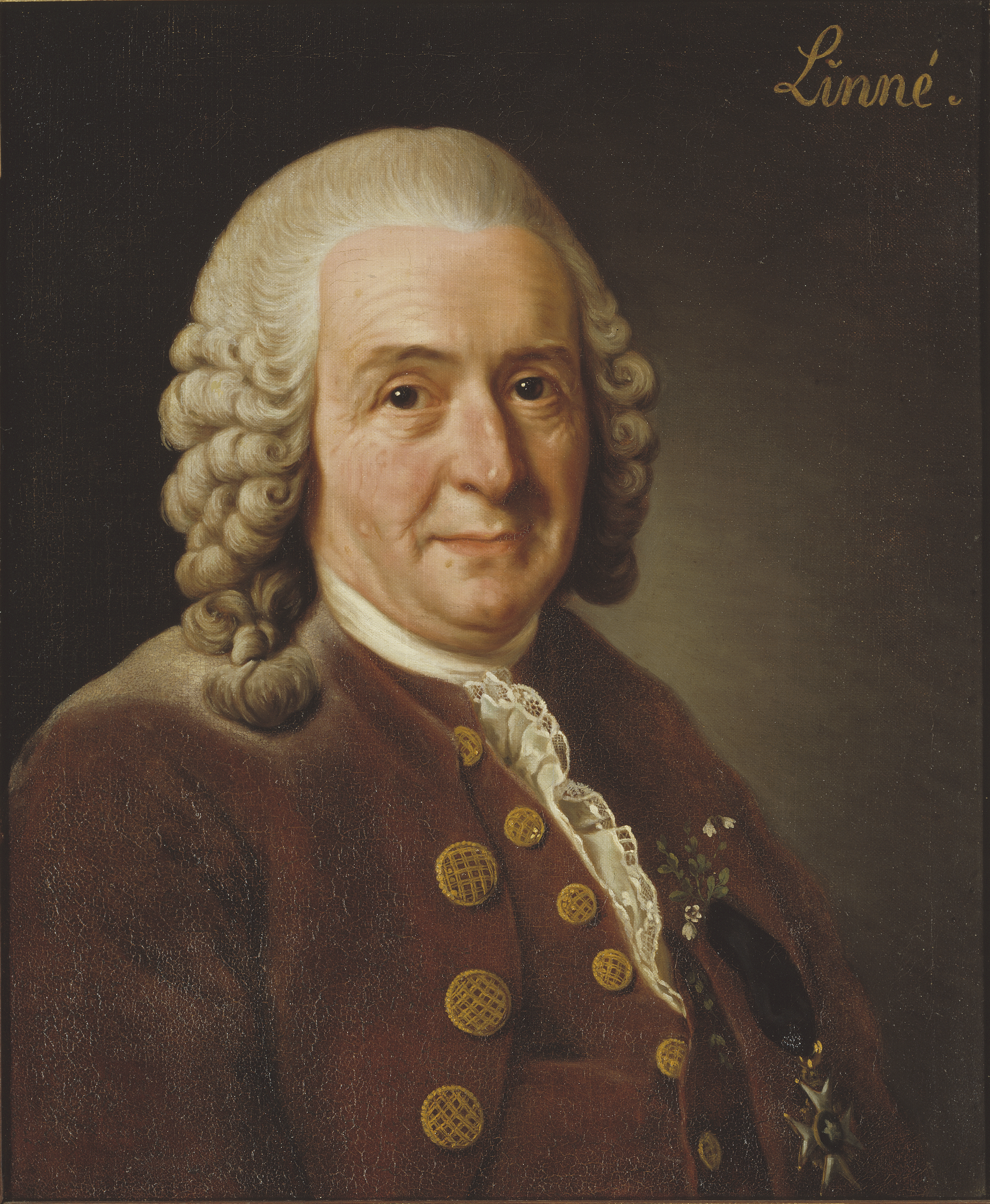
1749 LINNAEUS, Carl (Linné) (1707 – 1778)
Materia medica, liber I: De plantis.
Linnaeus’s physician’s reference on pharmacology. Linnaeus classified medicinal plants according to his botanical system and described the therapeutic value of the drugs derived from each plant. He was instrumental in…
GMN 7597 · https://historyofmedicine.com/id/9769
1751 BARTRAM, John (1699 – 1777)
Descriptions, virtues, and uses of sundry plants of these northern parts of America, and particularly of the newly discovered Indian cure for the venereal disease.
Bartram founded one of the first botanical gardens in America (at Kingsessing). Linnaeus referred to him as the “greatest natural botanist in the world”. A few copies of this 7-page work printed by Benjamin Franklin w…
GMN 1832 · https://historyofmedicine.com/id/2171
1752 KNOLL, Johann Christian Friedrich (1726 – 1757)
Sendschreiben von den Wirkungen des Kafeetranks.
Discussing the consumption and reception of coffee from Britain to Turkey, Knoll dismissed criticisms of coffee, including that it reduced beauty and virility, or that it was contrary to Islam, instead promoting the m…
GMN 11719 · https://historyofmedicine.com/id/13920
1760 STÖRCK, Anton von (1731 – 1803)
An essay on the medicinal nature of hemlock.
"Störck is remembered for his clinical research of various herbs, and their associated toxicity and medicinal properties. His studies are considered to be the pioneering work of experimental pharmacology and his metho…
GMN 9902 · https://historyofmedicine.com/id/12090
1761 HILL, (Sir) John (1714 – 1775)
Cautions against the immoderate use of snuff. Founded on the known qualities of the tobacco Plant; and the effects it must produce when this way taken Into the body: And by instances of persons who have perished miserably of diseases, occasioned, or rendered incurable by its use,
First clinical report (pp. 30-31) of an association between tobacco and cancer, in this case “polypusses” of the nose caused by taking snuff. Hill was a distinguished botanist and apothecary, although regarded by some…
GMN 2607.1 · https://historyofmedicine.com/id/3063
1763 STONE, Edward (1702 – 1768)
An account of the success of the bark of the willow in the cure of agues.
Stone, a vicar from Chipping Norton, Oxfordshire, discovered that the bark of the willow tree (active ingredient: salicylic acid) was effective in reducing a fever. This was the first report in the scientific literatu…
GMN 6970 · https://historyofmedicine.com/id/9135
1764 GRAINGER, James (1721 – 1766)
An essay on the more common West-India diseases and the remedies which that country itself produces: To which are added some hints on the management, &c. of negroes.
Though the title suggests tropical medicine in general, this work mainly concerns the selection and medical care of slaves. Digital facsimile of the second edition (Edinburgh, 1802) expanded "with practical notes and …
GMN 9509 · https://historyofmedicine.com/id/11694
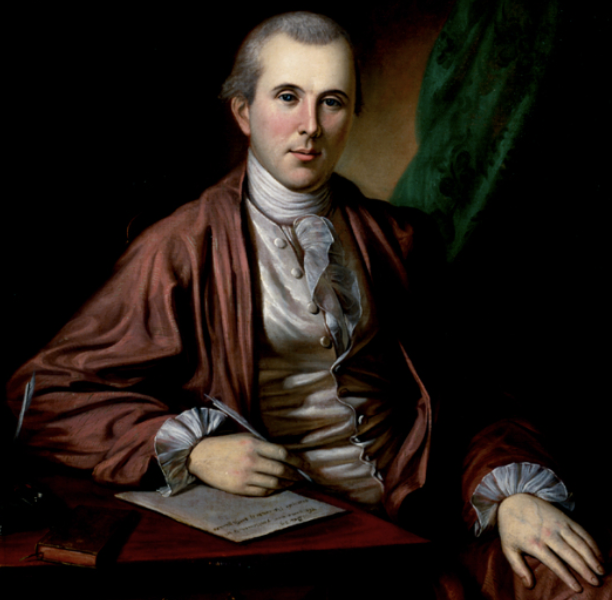
1770 RUSH, Benjamin (1745 – 1813)
Syllabus of a course of lectures on chemistry.
Rush inaugurated the first regular course of lectures on chemistry taught in America, at the College of Philadelphia. Includes much on pharmaceutical chemistry. Facsimile reprint with an introduction by L. H. Butterfi…
GMN 9204 · https://historyofmedicine.com/id/11385
1770 POUPPÉ DESPORTES, Jean-Baptiste-René (1704 – 1748)
Histoire des maladies de S. Domingue. 3 vols. Title of vol. 3: Traité ou abregé des plantes usuelles de S. Dominique.
Posthmously published; vol. 1 contains a life of the author. Digital facsimile from Google Books at this link.
GMN 9913 · https://historyofmedicine.com/id/12101
1770 ALSTON, Charles (1683 – 1760); HOPE, John (1725 – 1786)
Lectures on the materia medica: Containing the natural history of drugs, their virtues and doses: Also directions for the study of the materia medica; and an appendix on the method of prescribing. Published from the manuscript of the late Dr. Charles Alston...by John Hope. 2 vols.
Digital facsimile from the Internet Archive at this link.
GMN 12733 · https://historyofmedicine.com/id/14979
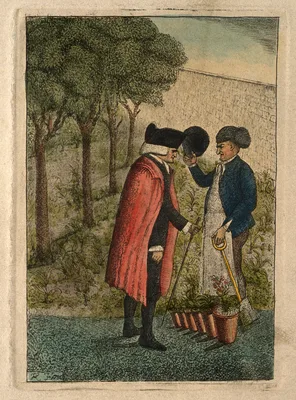
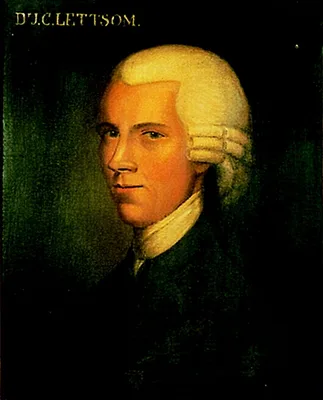
1772 LETTSOM, John Coakley (1744 – 1815)
The natural history of the tea-tree, with observations on the medical qualities of tea, and effects of tea-drinking.
Digital facsimile from Google Books at this link.
GMN 13627 · https://historyofmedicine.com/id/15907
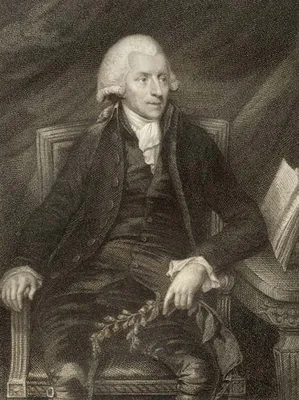
1776 WITHERING, William (1741 – 1799)
A botanical arrangement of all the vegetables naturally growing in Great Britain, with descriptions of the genera and species, according to the system of the celebrated Linnaeus. Being an attempt to render them familiar to those who are unacquainted with the learned languages. Under each species are added, the most remarkable varieties, the natural places of growth, the duration, the time of flowering, the peculiarities of structure, the common English names; the names of Gerard, Parkinson, Ray and Bauhine. The uses as medicines, or as poisons; as food for men, for brutes, and for insects. With their application in oeconomy and in the arts. With an easy introduction to the study of botany. Shewing the method of investigating plants, and directions how to dry and preserve specimens. The whole illustrated by copper plates and a copious glossary. 2 vols.
The first flora of Great Britain using Linnean binomial nomenclature, and the first complete scientific classification and description of British plants in the English language. Withering included much information on …
GMN 1833.1 · https://historyofmedicine.com/id/2178
1776 STÖRCK, Anton von (1731 – 1803)
Medicinisch-praktischer Unterricht für die Feld- und Landwundärzte der österreichischen Staaten. 2 vols. [& Supplement:] Die in dem medicinisch-praktischen Unterrichte für die Feld-und Landwundärzte vorkommende Arzneymittel.
This work on "Practical medical lessons for field and land surgeons of the Austrian states," includes a 91-page appendix containing 319 recommended pharmaceuticals for the treatments described in the text. The formula…
GMN 13549 · https://historyofmedicine.com/id/15826
1778 BROWN, William (1752 – 1792)
Pharmacopoeia simpliciorum et efficaciorum.
The first original pharmacopeia published in the USA. Reproduced in facsimile, with translation, in The Badger Pharmacist, 1938. No. 22-25.
GMN 1834 · https://historyofmedicine.com/id/2180
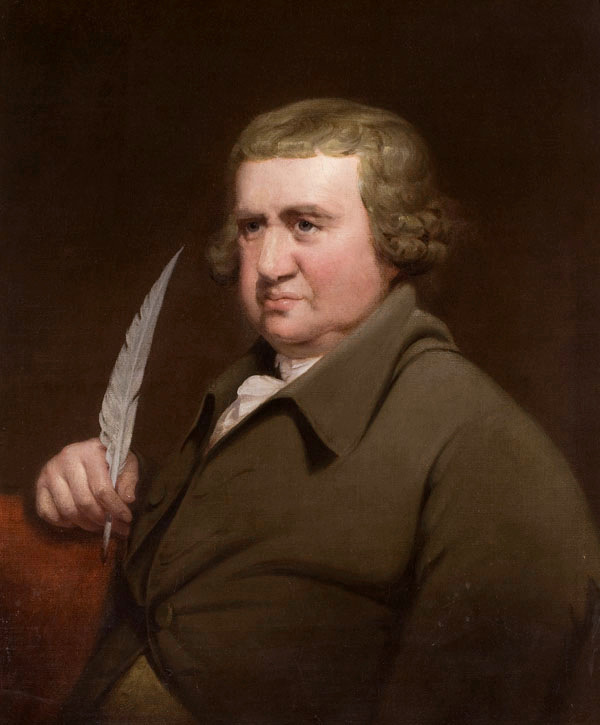
1780 DARWIN, Erasmus (1731 – 1802)
Experiments establishing a criterion between mucaginous and purulent matter. An an account of the retrograde motions of the absorbent vessels of animal bodies in some diseases.
Includes the first description of the value of digitalis in the treatment of patients with heart failure, with discussion of several successful cases. Digital facsimile from Google Books at this link. Darwin and Withe…
GMN 8589 · https://historyofmedicine.com/id/10766
1781 BUC'HOZ, Pierre-Joseph (1731 – 1807)
Herbier ou collection des plantes médicinales de la Chine: D'après un manuscrit peint et unique qui se trouve dans la Bibliothèque de l'Empereur de la Chine, pour servir suitte [sic] à la collection des fleurs qui se cultivent dans les Jardins de la Chine et de l'Europe.
Digital facsimile from Google Books at this link.
GMN 13004 · https://historyofmedicine.com/id/15254
1782 PERCIVAL, Thomas (1740 – 1804)
Observations on the medical uses of the oleum jecoris aselli, or cod liver oil, in the chronic rheumatism, and other painful disorders.
First record of the clinical use of cod liver oil in England.
GMN 1835 · https://historyofmedicine.com/id/2181
1785 WITHERING, William (1741 – 1799)
An account of the foxglove, and some of its medical uses.
Before publication of Withering's book digitalis was a widely used folk remedy, occasionally mentioned in the literature. Withering established the correct dosages, and the action of digitalis in edema and on the hear…
GMN 1836 · https://historyofmedicine.com/id/8650
1787 SCHOEPFF, Johann David (1752 – 1800)
Materia medica Americana, potissimum regni vegetabilis.
Schoepff came to America in 1777 as a surgeon with the Hessian troops employed by the British Forces. He returned to Germany in 1784 and compiled the first full American materia medica, describing about 400 plants, in…
GMN 1837 · https://historyofmedicine.com/id/2194
1789 CULLEN, William (1710 – 1790)
A treatise of the materia medica. 2 vols.
An expansion of Cullen’s “Lectures on materia medica”, 1773.
GMN 1838 · https://historyofmedicine.com/id/2199
1790 –1794 WOODVILLE, William (1752 – 1805)
Medical botany, containing systematic and general descriptions, with plates, of all the medicinal plants, indigenous and exotic, comprehended in the catalogues of the materia medica, as published by the Royal Colleges of Physicians of London and Edinburgh: Accompanied with a circumstantial detail of their medicinal effects, and of the diseases in which they have been most successfully employed. 3 vols. & Supplement.
Issued in numbers from 1790-1795, this is the first edition in book form. This work, which underwent several later editions, remained the standard work on the plants of the British pharmacopoeia until the 1880s. Digit…
GMN 1838.1 · https://historyofmedicine.com/id/2205
1790 ADAIR, James Makittrick (1728 – 1802)
Essays on fashionable diseases. The dangerous effects of hot and crouded rooms. The cloathing of invalids. Lady and gentlemen doctors. And on quacks and quackery. With the genuine patent prescriptions of Dr. James's fever power, Tickell's aetherial spirit, & Godbold's balsam, taken from the Rolls in Chancery, and under the seal of the proper officers; and also the ingredients and compostion of many of the most celebrated quack nostrums, as analized by several of the best chemists in Europe. By James M. Adair, Formerly M.D.... With a dedication to Philip Thicknesse ... To which is added a dramatic dialogue. Published for the benefit of the tin-miners in Cornwal
An attack on quack medicines, etc. with one of the most verbose title pages of the 18th century. Digital facsimile from the Internet Archive at this link.
GMN 10002 · https://historyofmedicine.com/id/12191
1790 BAUMES, Jean Baptiste Timothée (1756 – 1828)
De l'usage du quinquina dans les fièvres rémittentes. Mémoire qui a remporté en 1785, au jugement de la Societé Royale de Médecine de Paris.
Digital facsimile from Biodiversity Heritage Library at this link.
GMN 13623 · https://historyofmedicine.com/id/15903
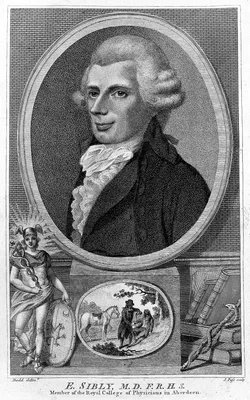
1790 CULPEPER, Nicholas (1616 – 1654); SIBLY, Ebenezer (1751 – 1799)
Culpeper's English physician; and complete herbal. To which are now first added upwards of one hundred additional herbs, with a display of their medicinal and occult properties, physically applied to the cure of all disorders incident to mankind. To which are annexed rules for compounding medicine according to the true system of nature, forming a complete family dispensatory and natural system of physic. Beautified and enriched with engravings of upwards of four hundred and fifty different plants, and a set of anatomical figures....
Digital facsimile from Biodiversity Heritage Library at this link.
GMN 13699 · https://historyofmedicine.com/id/15981
1792 LÓPEZ, Hipólito Ruiz (1754 – 1816)
Quinología o Tratado del árbol de la quina ó cascarilla:con su descripción y la de otras especies de quinos nuevamente descubiertas en el Perú....
Ruiz, a Spanish pharmacist and botanist, was appointed director of the Expedición Botánica al Virreinato del Perú, during which he traveled extensively through Chile and Peru along with botanists José Pavón and Joseph…
GMN 13323 · https://historyofmedicine.com/id/15590