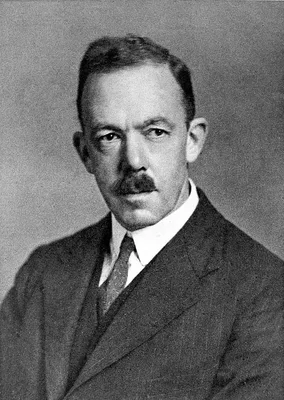
1685 BOYLE, Robert (1627 – 1691)
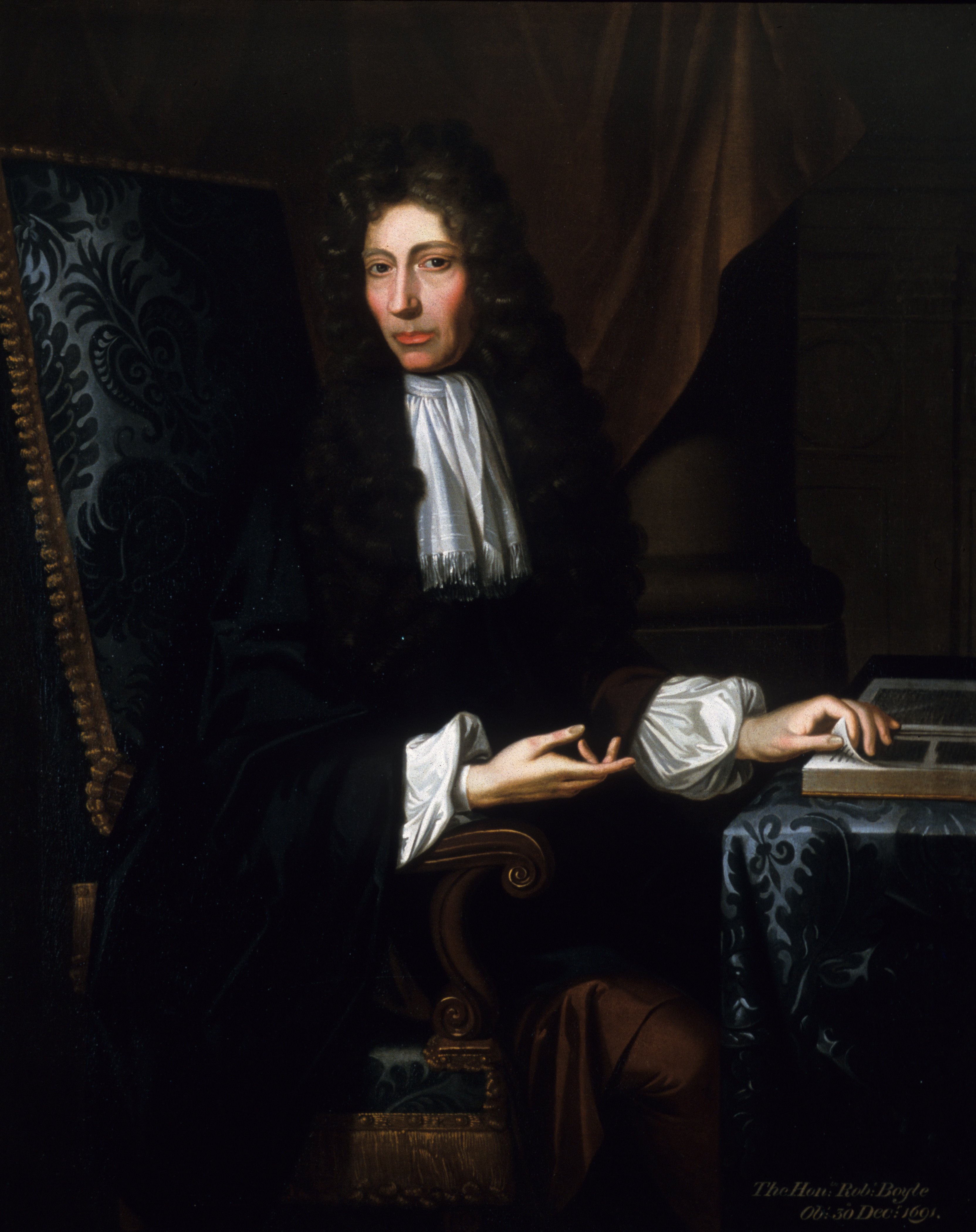
Of the reconcileableness of specifick medicines to the corpuscular philosophy to which is annexed a discourse about the advantages of the use of simple medicines.
In this work on drug action or pharmacodynamics Boyle argued that remedies composed of only one or two ingredients were preferable to more complex drugs for two reasons. First, because the patient would experience few…
GMN 11557 · https://historyofmedicine.com/id/13756
1839 –1840 PEREIRA, Jonathan (1804 – 1853)
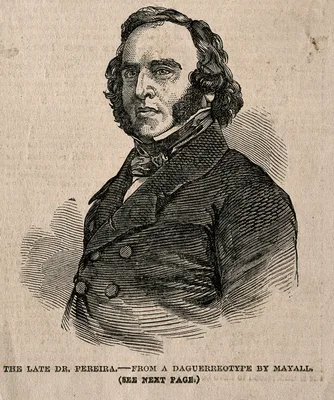
The elements of materia medica, comprehending the natural history, preparation, properties, composition, effects and uses of medicines. 2 vols.
The first great English work on the subject, widely published and used in England and America. Pereira was Professor of Materia Medica at the School of Pharmacy set up by the Pharmaceutical Society of Great Britain. D…
GMN 1856 · https://historyofmedicine.com/id/2375
1868 –1869 FRASER, Sir Thomas Richard (1841 – 1919); BROWN, Alexander Crum (1838 – 1922)
On the connection between chemical constitution and physiological action.
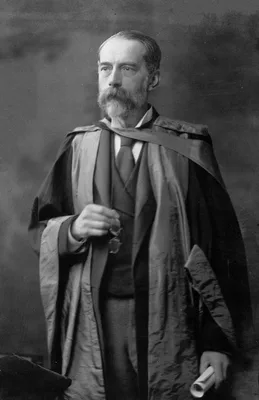
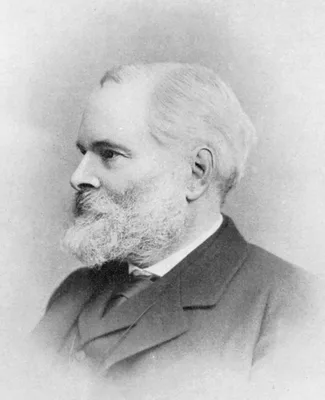
Brown and Fraser were the first to investigate the relationship between the chemical constitution of substances and their action upon the body. "Although Crum Brown apparently never contemplated the practice of medici…
GMN 1867 · https://historyofmedicine.com/id/2446
1878 OTT, Isaac (1847 – 1916)
The action of medicines.
Ott founded experimental pharmacology in America; his book was the first written by an American on the action of medicines.
GMN 11696 · https://historyofmedicine.com/id/13897
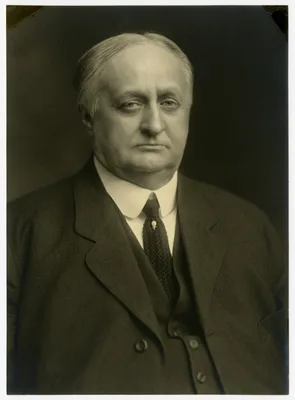
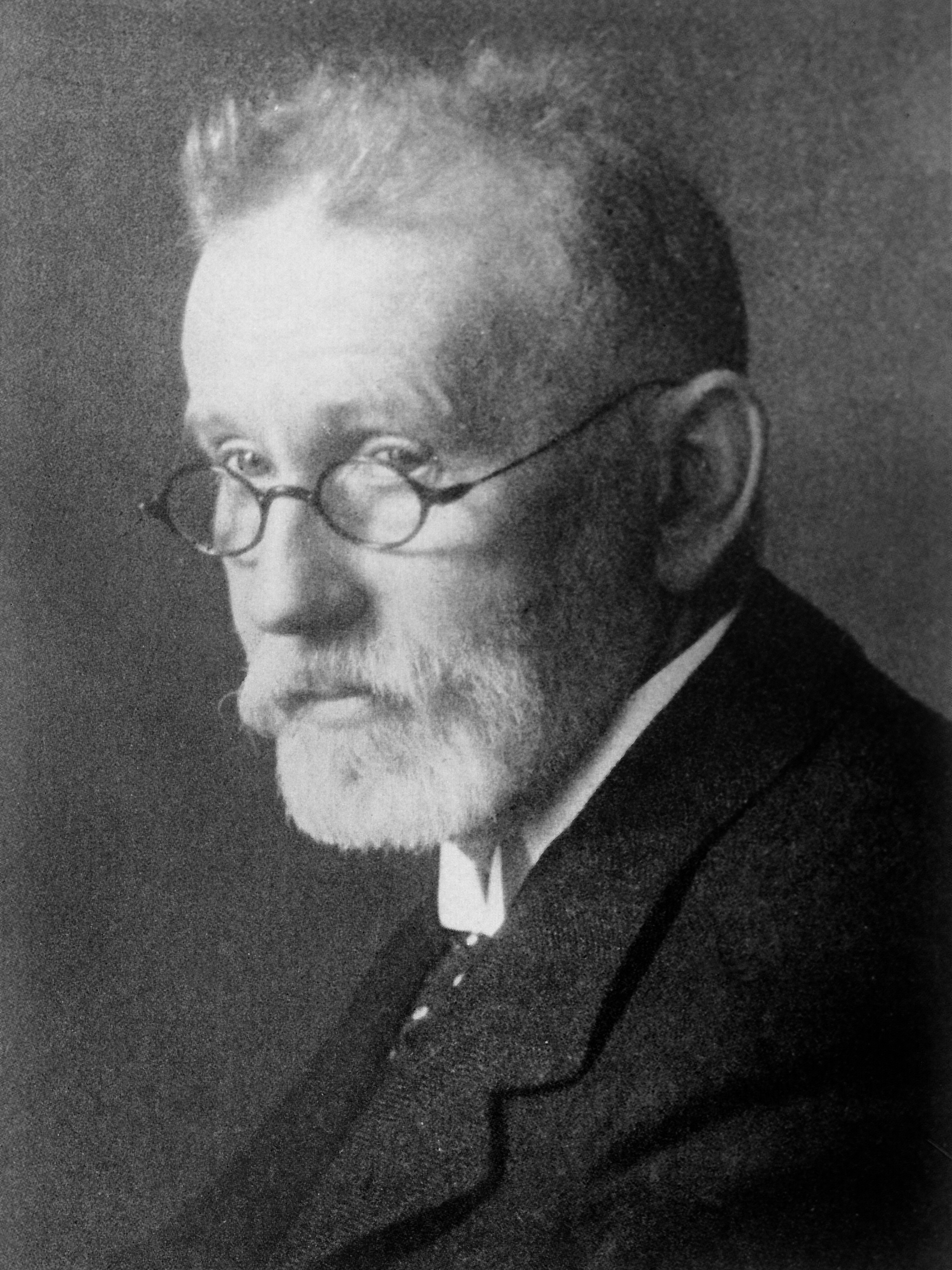
c. 1902 EHRLICH, Paul (1854 – 1915)
Ueber die Beziehungen von chemischer Constitution. Vertheilung und pharmakologischer Wirkung: Vortrag, gehalten im Verein für Innere Medicin am 12. December 1898.
In this speech Ehrlich explained how the molecular structure of a drug can define its action and function. It represents his first attempts at modifying the molecular structure of a compound in order to tailor the in …
GMN 12437 · https://historyofmedicine.com/id/14669
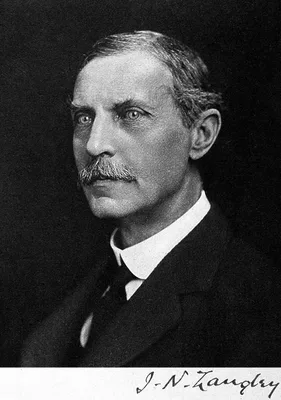
1905 LANGLEY, John Newport (1852 – 1925)
On the reaction of cells and of nerve-endings to certain poisons, chiefly as regards the reaction of striated muscle to nicotine and to curari.
Langley introduced the concept of a receptor substance present in the biological object with which a drug has to interact in order to exert its biological effect. Digital facsimile from PubMedCentral at this link.
GMN 1893.2 · https://historyofmedicine.com/id/2538
1926 GADDUM, Sir John Henry (1900 – 1965)
The action of adrenalin and ergotamine on the uterus of the rabbit.
Gaddum produced concentration-effect curves of antagonistic drugs, showing the dose-ratio linearly related to antagonistic concentration. See also No. 1925.1
GMN 1917 · https://historyofmedicine.com/id/2686
1933 CLARK, Alfred Joseph (1885 – 1941)
The mode of action of drugs on cells.
GMN 1924 · https://historyofmedicine.com/id/2709
1934 ÅGREN, Karl Gunnar (1907 – 1982)
Ueber die pharmakodynamischen Wirkungen und chemischen Eigenschaften des Secretins.
Preparation of crystalline secretin.
GMN 1039 · https://historyofmedicine.com/id/1024
1937 GADDUM, Sir John Henry (1900 – 1965)
The quantitative effect of antagonistic drugs
Gaddum was the first to formulate the theory of competitive drug antagonism. See also No. 1917.
GMN 1925.1 · https://historyofmedicine.com/id/2720
2019 ZIMMERMANN, Michael B.; SIMMERMAN-KOGADEEVA, Maria; WEGMANN, Rebekka; ET AL
Mapping human microbiome drug metabolism by gut bacteria and their genes.
Order of authorship in the original publication: Zimmermann, Simmerman-Kogadeeva, Wegmann....The authors looked at 271 drugs and 68 different species from the main taxonomic microbiome groups. Of the 271 drugs, 176 un…
GMN 11482 · https://historyofmedicine.com/id/13681