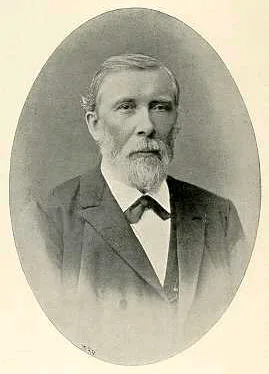
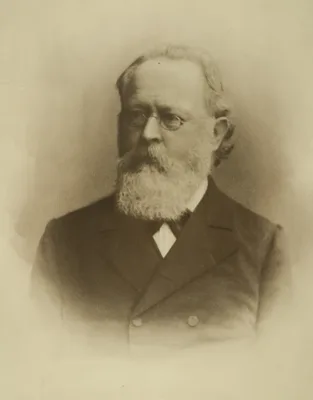
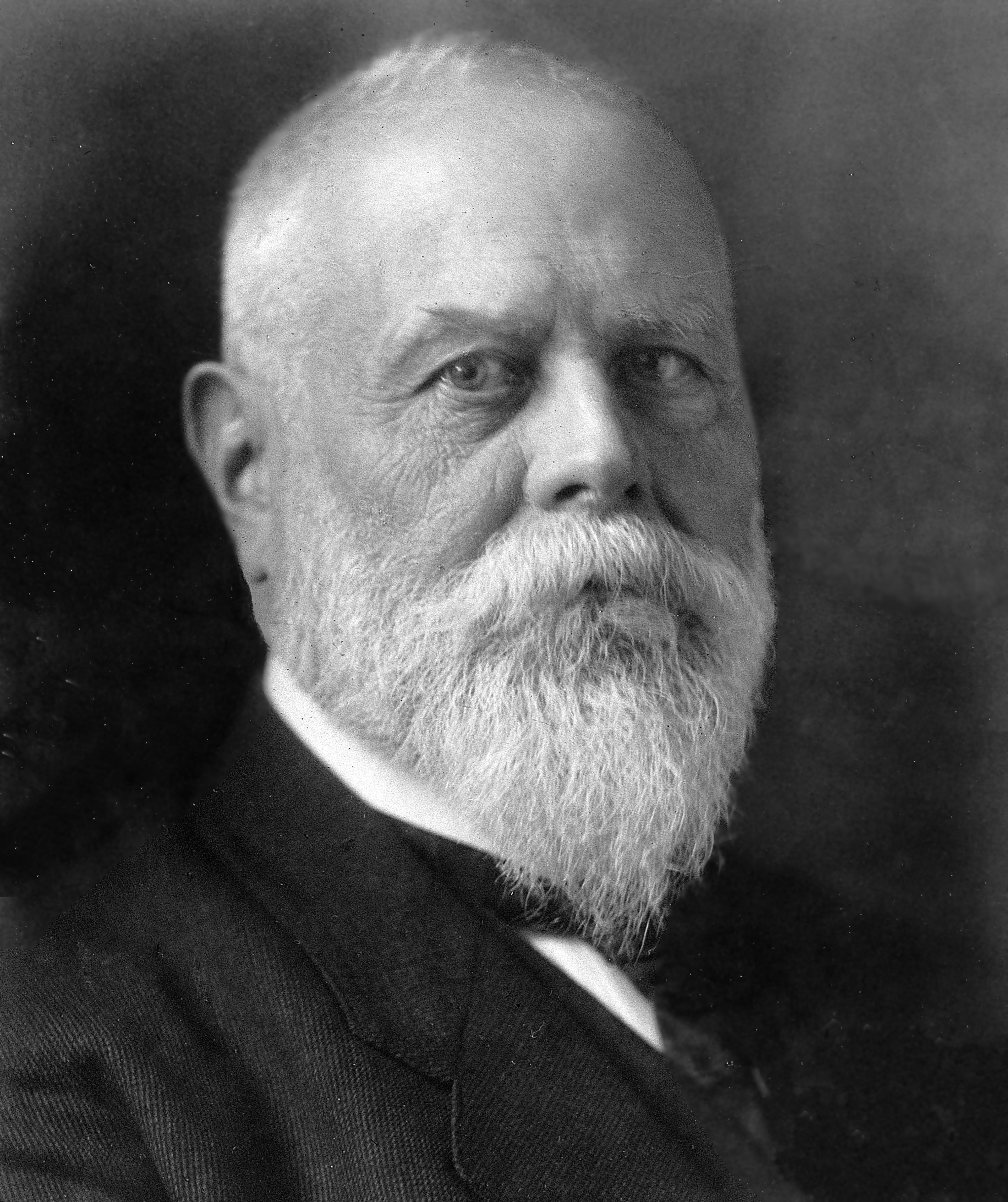
1867 ZENKER, Friedrich Albert von (1825 – 1898)
Ueber Staubinhalationskrankheiten der Lungen.
Zenker described siderosis and suggested the term “pneumonokoniosis” as a suitable general title for diseases due to inhaled dust.
GMN 2125.1 · https://historyofmedicine.com/id/2649
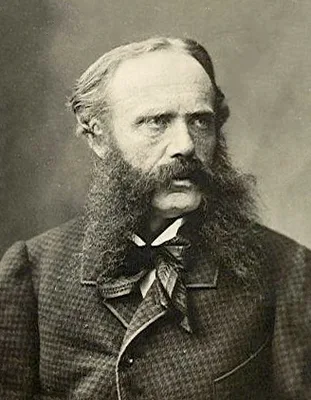
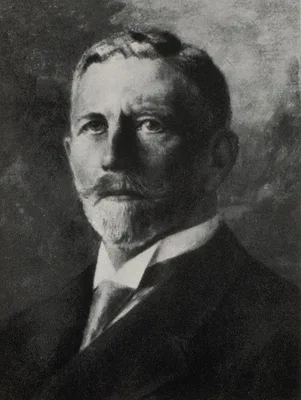
1871 –1878 HIRT, Ludwig (1844 – 1907)
Die Krankheiten der Arbeiter. Beiträge zur Förderung der öffentlichen Gesundheitspflege. Erste Abtheilung. Dien inneren Krankheiten der Arbeiter. Erster Theil. Die Staubinhalations-Krankheiten und die von ihnen besonders heimgesuchten Gewerbe und Fabrikbetriebe (1871). Theil. II. Die in Folge der Einathmung von Gasen und Dämpfen entstandenen Krankheiten ("Gasinhalations - Krankheiten") und die von ihnen besonders heimgesuchten Gewerbe- und Fabrikbetriebe (1873). Theil III. Die in Folge der Beschäftigung mit giftigen Stoffen entstandenen Krankheiten ("Gewerbliche Vergiftungen") und die von ihnen besonders heimgesuchten Gewerbe- und Fabrikbetriebe (1875). Theil IV. Die Krankheiten der Arbeiter. Abt. II. Die äusseren (chirurgischen) Krankheiten der Arbeiter (1878). 4 vols.
Hirt was the leading German writer on occupational medicine in the second half of the 19th century. Digital facsimile from the Internet Archive at this link.
GMN 2127 · https://historyofmedicine.com/id/2655
1871 JAMINET, Alphonse
Physical effects of compressed air, and of the causes of pathological symptoms produced on man, by increased atmospheric pressure employed for the sinking of piers, in the construction of the Illinois and St. Louis Bridge over the Mississippi River at St. Louis, Missouri.
Study of caisson disease and its treatement resulting from experience in treating workmen constructing the Eads Bridge, which opened in 1874. Digital facsimile from the Internet Archive at this link.
GMN 10483 · https://historyofmedicine.com/id/12676
1872 SMITH, Robert Angus (1817 – 1884)
Air and rain. The beginnings of a chemical climatology.
In this work on the industrial causes of pollution Smith coined the term acid rain. "The corrosive effect of polluted, acidic city air on limestone and marble was noted in the 17th century by John Evelyn, who remarked…
GMN 8972 · https://historyofmedicine.com/id/11151
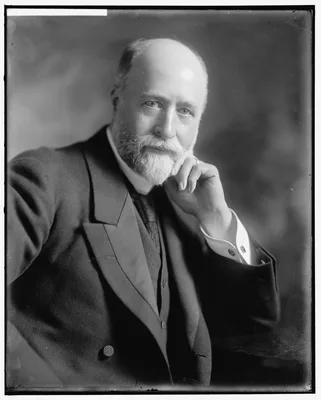
1873 SMITH, Andrew Heermance (1837 – 1910)
The effects of high atmospheric pressure, including the caisson disease.
Classic study of caisson disease. Smith was "Late Surgeon to the New York Bridge Co. (Caisson Work)", treating workmen who built the Brooklyn Bridge. The Eads Bridge (St. Louis) and the Brooklyn Bridge (New York City)…
GMN 10482 · https://historyofmedicine.com/id/12675
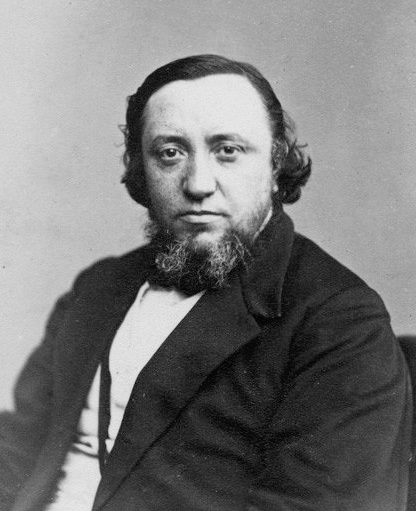
1875 VOLKMANN, Richard von (1830 – 1889)
Beiträge zur Chirurgie, anschliessend an einen Bericht über die Thätigkeit der chirurgischen Universitäts-Klinik zu Halle im Jahre 1873.
Contains (pp. 370-81) first description of industrial tar and paraffin cancer.
GMN 2126 · https://historyofmedicine.com/id/2651
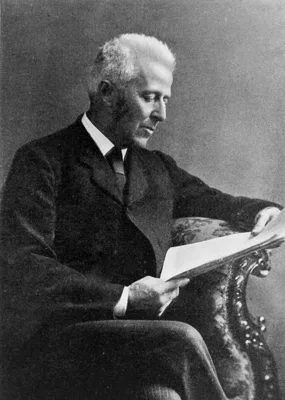
1876 BELL, Joseph (1837 – 1911)
Paraffin epithelioma of the scrotum.
Shale oil shown to be a cause of skin cancer. A teacher of Sir Arthur Conan Doyle, Bell was the model for the character of Sherlock Holmes.
GMN 2127.1 · https://historyofmedicine.com/id/2657
1876 –1877 HOLMGREN, Alarik Frithiof (1831 – 1897)
Om färgblindheten i dess förhallande till jernvägstrafiken och sjöväsendet.
A serious railway accident in Sweden in 1875 was believed by Holmgren to be due to color-blindness, and resulted in the above important paper dealing with the condition and its relation to railway and maritime traffic…
GMN 5916 · https://historyofmedicine.com/id/6815
1876 RICHARDSON, Sir Benjamin Ward (1828 – 1896)
Diseases of modern life.
Digital facsimile from the Internet Archive at this link.
GMN 9527 · https://historyofmedicine.com/id/11713
1879 RICHARDSON, Sir Benjamin Ward (1828 – 1896)
On health and occupation. Manuals of Health. Published under the direction of the Committee of General Literature and Education appointed by the Society for Promoting Christian Knowledge.
Digital facsimile from the Internet Archive at this link.
GMN 10397 · https://historyofmedicine.com/id/12590
1882 CHOQUET, Eduard
Hygiène professionnelle. Le compositeur typographe.
A 21-page pamphlet of the diseases and hygiene of typographers; chiefly diseases related to their exposure to lead through their hands and breathing in of of lead particles in the air as a result of poor ventilation. …
GMN 13120 · https://historyofmedicine.com/id/15376
1885 ARNOLD, Julius (1835 – 1915)
Untersuchungen über staubinhalation und staubmetastase.
On the effects of dust inhalation. Digital facsimile from the Internet Archive at this link.
GMN 10383 · https://historyofmedicine.com/id/12575
1886 POINCARÉ, Émile Léon (1828 – 1892)
Traité d'hygiène industrielle, à l'usage des médecins et des membres des conseils d'hygiène.
Poincaré reviewed 105 industries. He was the father of mathematician Henri Poincaré. Digital facsimile from BnFgallica at this link.
GMN 11163 · https://historyofmedicine.com/id/13360
1889 DEJERINE-KLUMPKE, Augusta (1859 – 1927)
Des polynévrites en général et des paralysies et atrophies saturnines en particulier.
Madame Dejerine-Klumpke, famous neurologist, contributed an important work on lead palsies.
GMN 2100 · https://historyofmedicine.com/id/2596
1892 ARLIDGE, John Thomas (1822 – 1899)
The hygiene, diseases, and mortality of occupations.
Remarkably comprehensive discussion, with an innovative classification, of a very wide range of occupations. Digital facsimile from the Internet Archive at this link.
GMN 7614 · https://historyofmedicine.com/id/9786
1895 REHN, Ludwig (1849 – 1930)
Blasengeschwülste bei Fuchsin-Arbeitem.
Rehn noted the frequent appearance of papilloma and carcinoma of the bladder among men employed in the aniline dye industry.
GMN 2128.1 · https://historyofmedicine.com/id/2659
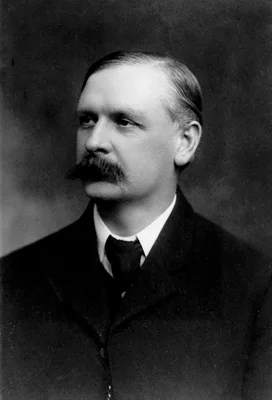
1902 OLIVER, Sir Thomas (1853 – 1942)
Dangerous trades: the historical, social, and legal aspects of industrial occupations as affecting health, by a number of experts.
A collective work edited by Oliver. Digital fascimile from the Internet Archive at this link.
GMN 2129 · https://historyofmedicine.com/id/2663
1903 JELLINEK, Stefan (1871 – 1968)
Elektropathologie. Die Erkrankungen durch Blitzschlag und elektrischen Starkstrom in klinischer und forensischer Darstellung.
A pioneering study of diseases and death caused by lightning and electricity. Jellinek specialized in the study of electrical accidents and their prevention. Digital facsimile from Google Books at this link.
GMN 6877 · https://historyofmedicine.com/id/9041
1907 MURRAY, Hubert Montague (1855 – 1907)
In Report of the Departmental Committee on Compensation for Industrial Diseases. Cd. 3495 and 3496.
The first reported case of asbestosis was observed by Murray at Charing Cross Hospital, London, in 1899 and reported to the Committee (Report, p. 14: Minutes of Evidence, p. 127) in 1907.
GMN 2130 · https://historyofmedicine.com/id/2665
1908 OLIVER, Sir Thomas (1853 – 1942)
Diseases of occupation from the legislative, social, and medical points of view.
Digital facsimile from Google Books at this link.
GMN 10392 · https://historyofmedicine.com/id/12585
1912 HILL, Sir Leonard Erskine (1866 – 1952)
Caisson sickness, and the physiology of work in compressed air.
GMN 2131 · https://historyofmedicine.com/id/2666
1912 BAYON, Henry Peter George (1876 – 1952)
Epithelial proliferation induced by the injection of gasworks tar.
Experimental production of cancer by the injection of tar as a byproduct of the manufacture of coal gas.
GMN 2639 · https://historyofmedicine.com/id/3247
1912 LEGGE, Sir Thomas Morison (1863 – 1932); GOADBY, Sir Kenneth Weldon (1873 – 1958)
Lead poisoning and lead absorption.
GMN 2101 · https://historyofmedicine.com/id/8943
1912 BERTILLON, Jacques (1851 – 1922)
On mortality and the causes of death according to occupations. IN: Transactions of the 15th International Congress on Hygiene Demography, pp. 336-339.
Bertillon, brother of Alphonse Bertillon, was Chief of Statistical Services for the city of Paris. His classification of diseases was based on the principle, adopted by Farr, of distinguishing between general diseases…
GMN 8407 · https://historyofmedicine.com/id/10584
1912 LLEWELLYN, T. Lister
The causes and prevention of miners' nystagmus.
Abstract "Miners' nystagmus is an occupational neurosis which is confined to workers in coal mines. The chief symptom and physical sign is a rotatory oscillation of the eyeballs, which prevents the miner from accurate…
GMN 12589 · https://historyofmedicine.com/id/14829
1914 THOMPSON, William Gilman (1856 – 1927)
The occupational diseases: Their causation, symptoms, treatment and prevention.
The first general treatise on occupational medicine published in the United States. Digital facsimile from Google Books at this link.
GMN 10731 · https://historyofmedicine.com/id/12925
1915 HAYHURST, Emery Roe (1880 – 1961)
A survey of industrial health-hazards and occupational diseases in Ohio.
Digital facsimile from the Internet Archive at this link.
GMN 10473 · https://historyofmedicine.com/id/12666
1916 YAMAGIWA, Katsusaburo (1863 – 1930); ICHIKAWA, Koichi (1888 – 1948)
Ueber die künstliche Erzeugung von Karzinom.
First experimental production of tar cancer in rabbits by painting with tar products. This was the first proof of chemical carcinogenesis.
GMN 2643 · https://historyofmedicine.com/id/3273
1917 HAMILTON, Alice (1869 – 1970); VERRILL, Charles H.
Hygiene of the printing trades.
Industrial Accidents and Hygiene Series: No. 12. Probably the earliest specific study of the hygiene and diseases of workers in the U.S. printing industry. Digital facsimile from Google Books at this link.
GMN 7615 · https://historyofmedicine.com/id/9787
1919 MOCK, Harry Edgar (1880 – 1959)
Industrial medicine and surgery.
GMN 2132 · https://historyofmedicine.com/id/2668
1921 VERNON, Horace Middleton (1870 – 1951)
Industrial fatigue and efficiency.
GMN 2133 · https://historyofmedicine.com/id/2669
1922 –1933 SUDHOFF, Karl Friedrich Jakob (1853 – 1938); PARACELSUS, [Philippus Aureolus Theophrastus Bombastus von Hohenheim] (1493 – 1541); MATTHIESSEN, Wilhelm (1891 – 1965)
Paracelsus: Sämtliche Werke…Herausg. von K. Sudhoff und W. Mathiessen. 14 vols.
Paracelsus was first to write on miners’ diseases, the first to establish the relationship between cretinism and endemic goitre and to note the geographic differences in diseases. Sudhoff was the author of what remain…
GMN 57 · https://historyofmedicine.com/id/8775
1925 HAMILTON, Alice (1869 – 1970)
Industrial poisons in the United States.
GMN 2134 · https://historyofmedicine.com/id/2670
1925 MARTLAND, Harrison Stanford (1883 – 1954)
Some unrecognized dangers in the use and handling of radioactive substances.
From autopsies on several young women who had painted radium dials, and ingested large cumulative doses by licking their brushes, Martland, medical examiner of Essex County, New Jersey, provided evidence that ingestio…
GMN 7785 · https://historyofmedicine.com/id/9957
1926 BUER, M. C.
Health, wealth and population in the early days of the industrial revolution.
Chapters on water supply, 18th physicians and pioneers of public health, the hospital and dispensary movement, general hygiene and midwifery, rickets and scurvy, antiseptics, smallpox, anti-typhus campaign, malaria, etc.
GMN 10467 · https://historyofmedicine.com/id/12660
1926 GRIFFITH, Grosvenor Talbot (1899 – 1981)
Population problems of the age of Malthus.
Includes chapters on birth and marriage rates relating to conditions of employment, also the influence of the Poor Laws on these rates. Other chapters concern agriculture and food and health of towns and factores, and…
GMN 10468 · https://historyofmedicine.com/id/12661
1928 SEILER, Henry Edmund (1899 – 1978)
A case of pneumoconiosis. Result of the inhalation of asbestos dust.
Seiler established an unequivocal relationship between asbestos and pulmonary fibrosis.
GMN 2134.1 · https://historyofmedicine.com/id/2671
1932 BREZINA, Ernst (1874 – )
Die gewerblichen Vergiftungen und ihre Bekämpfung.
GMN 2135 · https://historyofmedicine.com/id/2672
1932 JELLINEK, Stefan (1871 – 1968)
Elektrische Verletzungen. Klinik und Histopathologie.
Jellinek specialized in the study of injuries and deaths caused by electricity, and their prevention.
GMN 2257 · https://historyofmedicine.com/id/2797
1934 LEGGE, Sir Thomas Morison (1863 – 1932)
Industrial maladies.
Legge was the first Medical Inspector of Factories and Workshops in the United Kingdom, appointed in 1898.
GMN 10391 · https://historyofmedicine.com/id/12584
1935 MCLACHLAN, Norman William (1888 – )
Noise: A comprehensive survey from every point of view.
Chapter 1: General considerations: behaviour of the ear. Chapter 10: Physiological and psychological effects of noise.
GMN 7476 · https://historyofmedicine.com/id/9648
1936 DRINKER, Philip (1894 – 1972); HATCH, Theodore
Industrial dust: Hygienic significance, measurement and control.
Includes information on asbestosis.
GMN 11821 · https://historyofmedicine.com/id/14023
1937 CRONIN, Archibald Joseph (1896 – 1981)
The Citadel.
This novel was "groundbreaking with its treatment of the contentious theme of medical ethics. It has been credited with laying the foundation in Great Britain for the introduction of the NHS a decade later.[1] "For hi…
GMN 10198 · https://historyofmedicine.com/id/12387
1943 ROSEN, George (1910 – 1977)
The history of miners’ diseases. A medical and social interpretation.
GMN 2136 · https://historyofmedicine.com/id/2677
1943 HAMILTON, Alice (1869 – 1970)
Exploring the dangerous trades: The autobiography of Alice Hamilton.
Digital facsimile from the Internet Archive at this link.
GMN 8590 · https://historyofmedicine.com/id/10767
1948 RONCHESE, Francesco (1892 – 1976)
Occupational marks and other physical signs. A guide to personal identification.
Calluses, other dermatological and physical signs of professions and occupations illustrated and described, with an annotated bibliography that includes some historical references.
GMN 2135.1 · https://historyofmedicine.com/id/2674
1948 TELEKY, Ludwig (1872 – 1957)
History of factory and mine hygiene.
GMN 2137 · https://historyofmedicine.com/id/2679
1953 CAPLAN, Anthony
Certain unusual radiological appearances in the chest of coal-miners suffering from rheumatoid arthritis.
Caplan's syndrome, originally identified in coal miners with progressive massive fibrosis. It is a combination of rheumatoid arthritis (RA) and pneumoconiosis that manifests as intrapulmonary nodules, which appear hom…
GMN 11839 · https://historyofmedicine.com/id/14043
1954 TEXON, Meyer (1910 – 2006)
Heart disease and industry with particular reference to workmen's compensation cases.
"The first monograph on the subject" (W. Bruce Fye).
GMN 11714 · https://historyofmedicine.com/id/13915
1955 HUNTER, Donald (1898 – 1978)
The diseases of occupations.
A classic textbook on the subject with valuable historical chapters and references. Hunter put the text through six editions to 1978. The work was rewritten as Hunter’s Diseases of occupations, ed. by P.A.B. Raffle, W…
GMN 2137.01 · https://historyofmedicine.com/id/2681