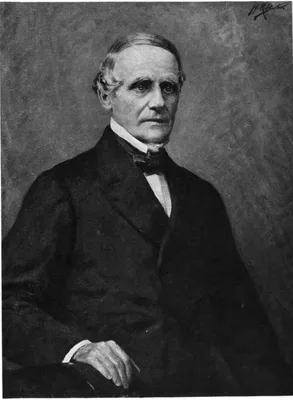
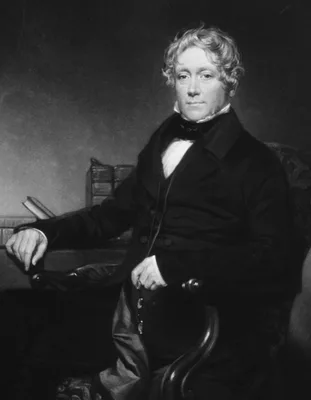
1838 ESQUIROL, Jean Étienne Dominique (1772 – 1840)
Des maladies mentales. 2 vols. and atlas.
Esquirol succeeded Pinel at the Salpêtrière, and was the first lecturer on psychiatry. After Pinel he was a founder of the French School. This is the first modern textbook on psychiatry. It is notable for its striking…
GMN 4798 · https://historyofmedicine.com/id/6144
1838 RAY, Isaac (1807 – 1881)
A treatise on the medical jurisprudence of insanity.
The first authoritative and comprehensive treatise in English on forensic psychiatry. Ray became the most influential American writer on forensic psychiatry in the 19th century. He put the above work through five edit…
GMN 1739 · https://historyofmedicine.com/id/6161
1840 WINSLOW, Forbes Benignus (1810 – 1874)
The anatomy of suicide.
An effort to demonstrate that most suicides are not criminal but are victims of mental disease. Digital facsimile from Google Books at this link.
GMN 13249 · https://historyofmedicine.com/id/15514
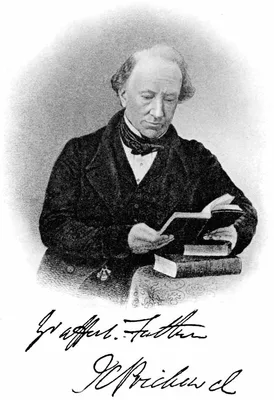
1842 PRICHARD, James Cowles (1786 – 1848)
On the different forms of insanity in relation to jurisprudence, designed for the use of persons concerned in legal questions regarding unsoundness of mind.
In this book Prichard presented his arguments for introducing the concept of diminished responsibility and irresistable impulse into the legal precedents. Hunter & McAlpine, 836-42. Digital facsimile from the Wellcome…
GMN 13121 · https://historyofmedicine.com/id/15377
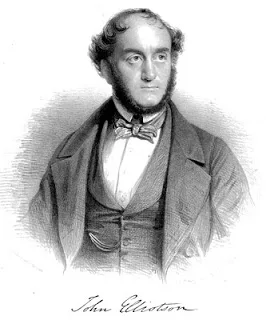
1843 –1856 ELLIOTSON, John (1791 – 1868); ESDAILE, James (1808 – 1859)
The Zoist: A journal of cerebral physiology & mesmerism, and their applications to human welfare. Edited by John Elliotson. 13 vols.
The most comprehensive source about British mesmerism of the period, and an invaluable reference for contemporary ideas and developments not only in mesmerism (hypnosis) but also in phrenology, neurology and psychiatr…
GMN 9256 · https://historyofmedicine.com/id/11438
1843 WINSLOW, Forbes Benignus (1810 – 1874)
The plea of insanity in criminal cases.
One of the first attempts to outline criteria through which to determine the legitimacy of an insanity plea. The was resolved later in 1843 with the establishment of the M'Naghten Rules, (McNaghten) which this work un…
GMN 13250 · https://historyofmedicine.com/id/15515
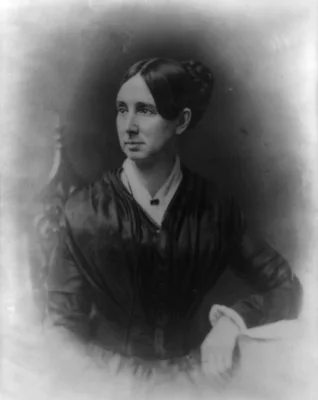
1843 DIX, Dorothea Lynde (1802 – 1887)
Memorial. To the Legislature of Massachusetts.
Dorothea Dix played an instrumental role in the founding or expansion of more than 30 hospitals for the treatment of the mentally ill in various U.S. states. This was probably the first of her many publications advoca…
GMN 13612 · https://historyofmedicine.com/id/15892
1844 WIGAN, Arthur Ladbroke (1785 – 1847)
A new view of insanity: The duality of the mind proved by the structure, functions and diseases of the brain and by the phenomena of mental derangement and shown to be essential to moral responsibility. With an appendix: 1. On the influence of religion on insanity. 2. Conjectures on the nature of the mental operations. 3. On the management of lunatic asylums.
"From the seventeenth century there were shifts in some of the basic assumptions about how the brain and mind functioned, and there are some useful markers along the way to an era of more systematic studies. Descartes…
GMN 11646 · https://historyofmedicine.com/id/13847
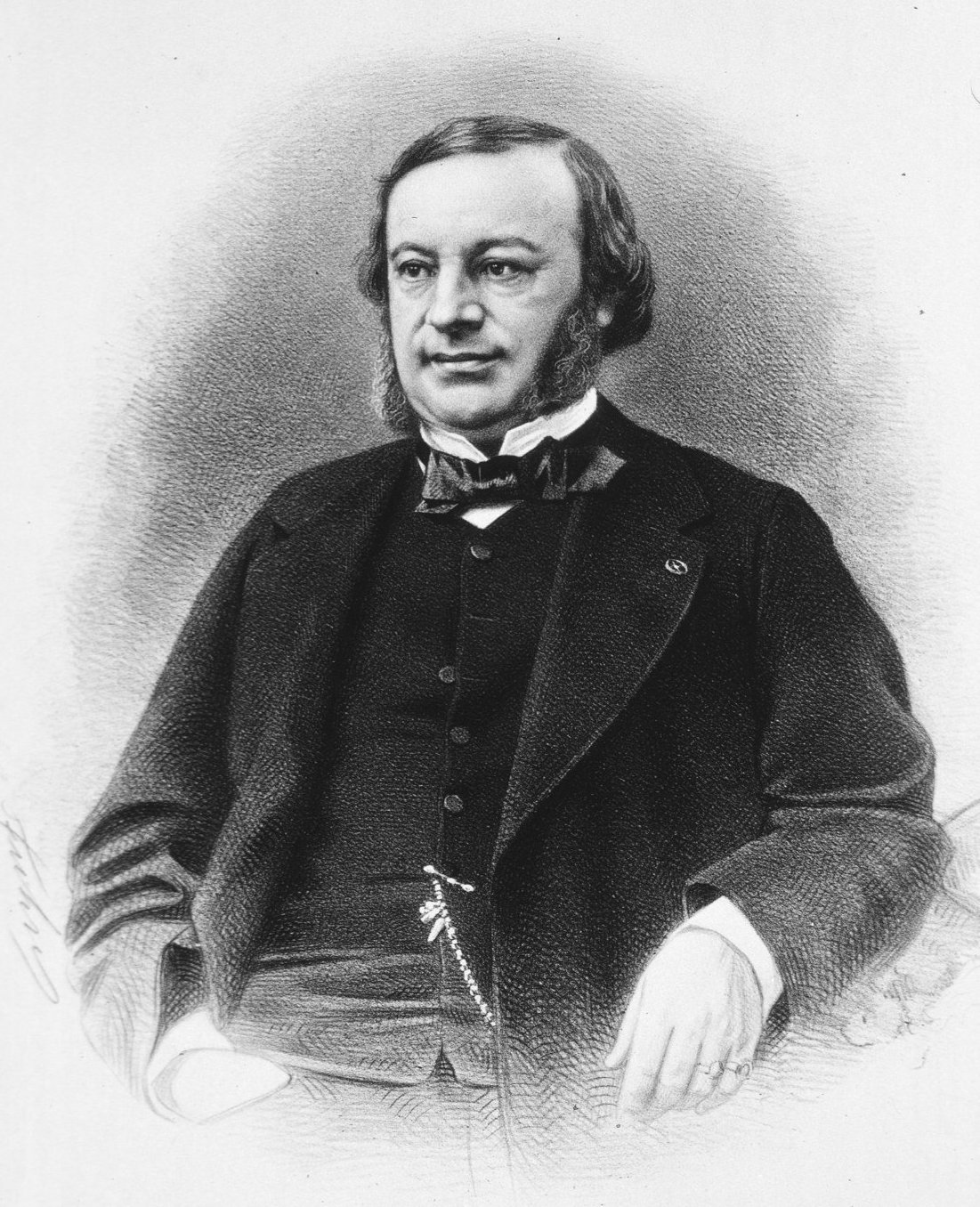
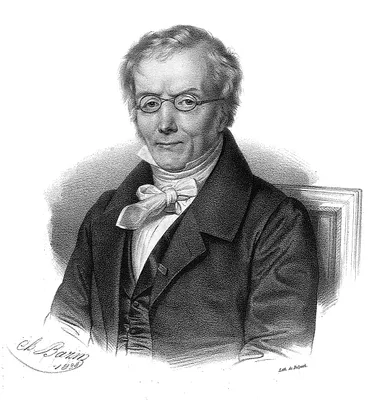
1845 MOREAU, Jacques-Joseph [Moreau de Tours] (1804 – 1884)
Du hachische et de l’aliénation mentale: Études psychologiques.
Moreau's experments may have been the first medical experiments with a psychotropic agent in the treatment of mental illness. English translation by G. J. Barnett as Hashish and mental illness (New York: Raven Press, …
GMN 2077.2 · https://historyofmedicine.com/id/2551
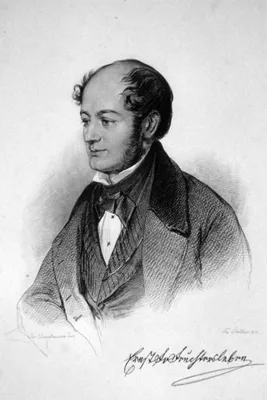
1845 FEUCHTERSLEBEN, Baron Ernest von (1806 – 1849)
Lehrbuch der ärztlichen Seelenkunde.
Feuchtersleben introduced the terms psychosis, psychiatrics, and psychopathology. The book includes a short history of psychiatry. English translation, Sydenham Society, 1847.
GMN 4929.1 · https://historyofmedicine.com/id/6164
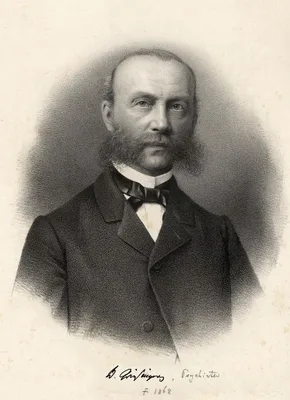
1845 GRIESINGER, Wilhelm (1817 – 1868)
Die Pathologie und Therapie der psychischen Krankheiten.
Griesinger put an end to the moralistic theory of insanity as advanced by Heinroth. He was the first in Germany to abandon violence in the treatment of the insane; his book remained an authority on the subject for 30 …
GMN 4930 · https://historyofmedicine.com/id/6167
1845 BRIERRE DE BOISMONT, Alexandre-Jacques-François (Brière de Boismont) (1797 – 1881)
Des hallucinations, ou histoire raisonnée des apparitions, des visions, des songes, de l'extase, du magnétisme et du somnambulisme.
This study underwent at least three editions in French and also appeared in several English translations, the first of which appears to have been translated anonymously and publlished in Philadelphia in 1853 from the …
GMN 10459 · https://historyofmedicine.com/id/12652
1852 LASÈGUE, Ernest Charles (1816 – 1883)
Du délire des persécutions.
“Lasègue’s disease” – persecution mania.
GMN 4931 · https://historyofmedicine.com/id/6168
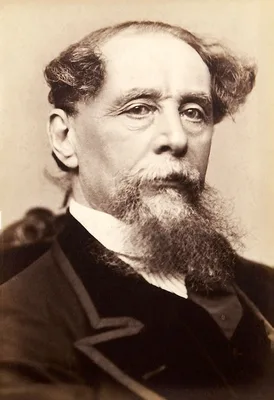
1852 DICKENS, Charles John Huffam (1812 – 1870)
A curious dance round a curious tree.
Dickens' account of his visit on the day after Christmas, 1851 to the wards at St. Luke's Hospital for Lunatics, founded in 1751 to provide free care to the impoverished and incurable mentally ill. "The inhabitants of…
GMN 12047 · https://historyofmedicine.com/id/14255
1853 –1854 FALRET, Jean Pierre (1794 – 1870)
Mémoire sur la folie circulaire.
Circular (manic-depressive) insanity first described.
GMN 4932 · https://historyofmedicine.com/id/6170
1854 KIRKBRIDE, Thomas Story (1809 – 1883)
On the construction, organization and general arrangements of hospitals for the insane.
Digital facsimile from Google Books at this link.
GMN 9116 · https://historyofmedicine.com/id/11295
1856 CONOLLY, John (1794 – 1866)
The treatment of the insane without mechanical restraints.
As early as 1839, Conolly treated the insane without any form of restraint at Hanwell Asylum, now St. Bernard’s Hospital. Facsimile reprint with introduction by R. Hunter and I. Macalpine, London, Dawsons, 1973. Digit…
GMN 4933 · https://historyofmedicine.com/id/6173
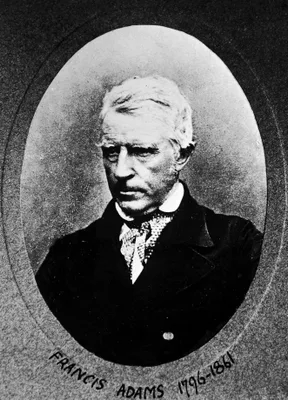
1856 ARETAEUS OF CAPPADOCIA, (Ἀρεταῖος Καππάδοκος) (80 – 140); ADAMS, Francis (1796 – 1861)
Тα ∑ωζομενα. The extant works of Aretaeus, the Cappadocian. Edited and translated by Francis Adams.
Aretaeus left many fine descriptions of disease; in fact Garrison ranks him second only to Hippocrates in this respect. In the printed editions of this bibliography, before the present online version, the Adams editio…
GMN 22 · https://historyofmedicine.com/id/8934
1856 BRIERRE DE BOISMONT, Alexandre-Jacques-François (Brière de Boismont) (1797 – 1881)
Du suicide et de la folie suicide, considérés dans leur rapports avec la statistique, la médecine et la philosophie.
Pioneering monograph on this subject. Digital facsimile from the Internet Archive at this link.
GMN 10458 · https://historyofmedicine.com/id/12651
1857 MOREL, Bénédict Augustin (1809 – 1873)
Traité des dégénérescences physiques, intellectuelles et morales de l’espèce humaine. 1 vol. and atlas.
The main support for the theory of mental illness as regression which dominated psychiatric practice for several decades. Morel described and illustrated the nature, causes, and signs of human degeneration. He focused…
GMN 4933.1 · https://historyofmedicine.com/id/6176
1857 TARDIEU, Auguste Ambroise (1818 – 1879)
Étude médico-légale sur les attentats aux moeurs.
“Extrait des Annales d’hygiène publique et de médicine légale, 2e série, tome VIII." Tardieu divided his book on "sexual crimes" into three parts: the first deals with indecent exposures, the second with rape, and the…
GMN 8891 · https://historyofmedicine.com/id/11069
1858 BUCKNILL, Sir John Charles (1817 – 1897); TUKE, Daniel Hack (1827 – 1895)
A manual of psychological medicine.
Bucknill and Tuke were both distinguished neurologists, and advocates of no restraint in the institutional treatment of mental patients. Their book was for many years the standard English work on psychological medicin…
GMN 4934 · https://historyofmedicine.com/id/6180
1858 MARCÉ, Louis Victor (1828 – 1864)
Traité de la folie des femmes enceintes, des nouvelles accouchées et des nourrices et considérations médico-légales qui se rattachent à ce sujet.
The first work on psychiatric illnesses of women during and after pregnancy. Marcé provided extensive clinical descriptions of syndromes, with 79 case examples, and summarized etiological theories and treatments chara…
GMN 11133 · https://historyofmedicine.com/id/13329
1859 BRIQUET, Paul (1796 – 1881)
Traité clinique et thérapeutique de l’hystérie.
Includes, p. 297, first description of ataxia analgica hysterica (“Briquet’s ataxia”), and p. 475, hysterical paralysis of the diaphragm with dyspnoea and aphonia (“Briquet’s syndrome”).
GMN 4842 · https://historyofmedicine.com/id/3616
1860 TARDIEU, Auguste Ambroise (1818 – 1879)
Etude médico-légale sur les sévices et mauvais traitements exercés sur des enfants.
The first medical-legal study of child abuse, including sexual abuse, incest, and the "battered child" syndrome. Tardieu described 32 cases in detail, 18 of which resulted in death. Digital facsimile from Google Books…
GMN 8890 · https://historyofmedicine.com/id/11068
1863 CONOLLY, John (1794 – 1866)
A study of Hamlet.
The first psychiatric study of Hamlet. Digital facsimile from the Internet Archive at this link.
GMN 6615.1 · https://historyofmedicine.com/id/7671
1866 LIÉBEAULT, Ambrose-Auguste (1823 – 1904)
Le sommeil et les états analogues considérés sur au point du vue de I’action du moral et de physique.
The substitution of psychotherapy for hypnotic suggestion starts with the work of Liébeault. Digital facsimile from Google Books at this link.
GMN 4994 · https://historyofmedicine.com/id/6528
1866 DUREAU, Alexis (1831 – 1904)
Notes bibliographiques pour servir à l'histoire du magnétisme animal: Analyse de tous les livres, brochures, articles de journaux publiés sur le magnétisme animal, en France et à l'étranger, à partir de 1766 jusqu'en 1866.
Later issue: Paris: chez l'auteur, Joubert, 1869.
GMN 7378 · https://historyofmedicine.com/id/9550
1866 WINSLOW, Forbes Benignus (1810 – 1874)
On uncontrollable drunkenness considered as a form of mental disorder. With suggestions for its treatment, and the organization of sanitoria for dipsomanics.
Digital facsimile from Google Books at this link.
GMN 13251 · https://historyofmedicine.com/id/15516
1867 THUDICHUM, Johann Ludwig Wilhelm (1829 – 1901)
On researches intended to promote an improved chemical identification of diseases.
Discovery of the first porphyrin, hematoporphyrin (p. 227). Hematoporphyrin has also been used as an antidepressant and antipsychotic since the 1920s,
GMN 3914.1 · https://historyofmedicine.com/id/5328
1869 LIEBREICH, Oscar (1839 – 1908)
Das Chloral, ein neues Hypnoticum.
Demonstration of the value of chloral hydrate as a hypnotic. See also his monograph Das Chloralhydrat, Berlin, 1869.
GMN 1869 · https://historyofmedicine.com/id/2453
1869 BEARD, George Miller (1838 – 1883)
Neurasthenia, or nervous exhaustion.
“Beard’s disease” (neurasthenia) first described. See also No. 4846.
GMN 4843 · https://historyofmedicine.com/id/3619
1869 WESTPHAL, Carl Friedrich Otto (1833 – 1890)
Die Konträre Sexualempfindung.
The first "scientific" paper on homosexuality. In this paper the psychiatrist Westphal described two cases at length: "The first was of a young woman who from her earliest years liked to dress as a boy and engage in b…
GMN 7076 · https://historyofmedicine.com/id/9243
1870 MYERS, Arthur Bowen Richards (1838 – 1921)
On the etiology and prevalence of diseases of the heart among soldiers.
First description of “Da Costa’s syndrome” – the “effort syndrome” of Sir Thomas Lewis.
GMN 2768 · https://historyofmedicine.com/id/4701
1871 –1872 WESTPHAL, Carl Friedrich Otto (1833 – 1890)
Die Agoraphobie, eine neuropathische Erscheinung.
First description of agoraphobia
GMN 4844 · https://historyofmedicine.com/id/3623
1871 DA COSTA, Jacob Mendes (1833 – 1900)
On irritable heart; a clinical study of a form of functional cardiac disorder and its consequences.
“Da Costa’s syndrome.” This was first described by Myers (No. 2768) and is now known as “effort syndrome,” “soldier’s heart,” “disordered action of the heart.” More recently it has been considered an early recognition…
GMN 2770 · https://historyofmedicine.com/id/4707
1872 –1887 CHARCOT, Jean Martin (1825 – 1893)
Leçons sur les maladies du système nerveux faites à La Salpêtrière. 3 vols.
Charcot’s pioneering research on the application of hypnosis to the psychoneuroses brought this subject to the attention of the scientific community.
GMN 4995 · https://historyofmedicine.com/id/6530
1872 TUKE, Daniel Hack (1827 – 1895)
Illustrations of the influence of the mind upon the body in health and disease, designed to elucidate the action of the imagination.
Digital facsimile from the Hathi Trust at this link.
GMN 12187 · https://historyofmedicine.com/id/14397
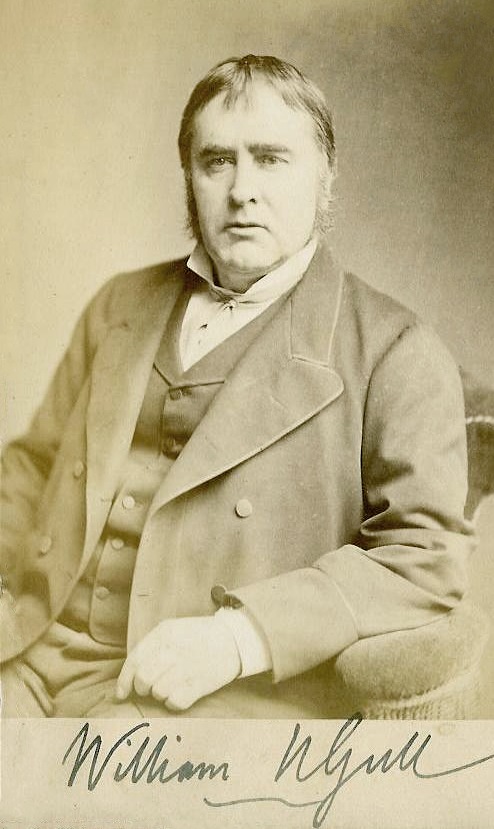
1874 GULL, Sir William Withey (1816 – 1890)
Anorexia nervosa (apepsia hysterica, anorexia hysterica).
Classic description of anorexia nervosa.
GMN 4845 · https://historyofmedicine.com/id/3625
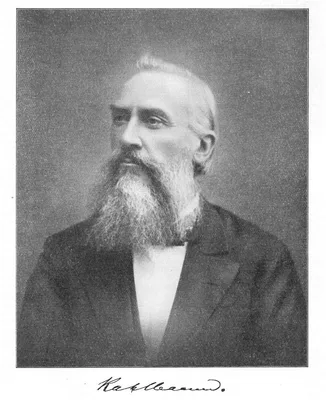
1874 KAHLBAUM, Karl Ludwig (1828 – 1899)
Die Katatonie oder das Spannungsirresein, Eine klinische Form psychischer Krankheit.
In 1869 Kahlbaum suggested catatonia as a separate disease entity and in 1874 his classic monograph appeared. English translation, Baltimore, 1973. Digital facsimile of the 1874 edition from wellcomecollection.org at …
GMN 4938 · https://historyofmedicine.com/id/6190
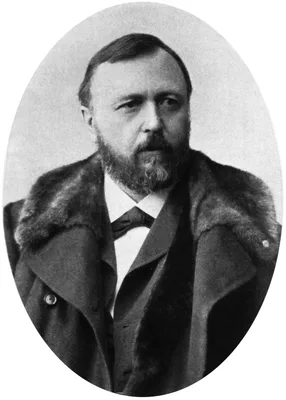
1875 KRAFFT-EBING, Richard Freiherr von (1840 – 1902)
Lehrbuch der gerichtlichen Psychopathologie.
GMN 1748 · https://historyofmedicine.com/id/3117
1876 –1880 CHARCOT, Jean Martin (1825 – 1893); BOURNEVILLE, Désiré-Magloire (1840 – 1909); REGNARD, Paul-Marie-Léon (1850 – 1927)
Iconographie photographique de la Salpêtrière. Service de M. Charcot. 3 vols.
A photographic atlas devoted to cases of hysteria and epilepsy, with case histories; the third volume includes discussions of hypnotism, somnambulism and magnetism. Bourneville was Charcot’s assistant at the Salpêtriè…
GMN 4558.1 · https://historyofmedicine.com/id/8918
1876 DAGONET, Henri (1823 – 1902)
Nouveau traité élémentaire et pratique des maladies mentales. Suivi de considérations pratiques sur l'administration des asiles d'aliénés.
The first psychiatric textbook to utilize photographic illustrations of patients. This was the second edition of Dagonet's Traité élémentaire et pratique des maladies mentales (1862). The second edition included 8 Woo…
GMN 13103 · https://historyofmedicine.com/id/15356
1879 KRAFFT-EBING, Richard Freiherr von (1840 – 1902)
Lehrbuch der Psychiatrie auf klinischer Grundlage.
English translation, Philadelphia, 1905.
GMN 4940 · https://historyofmedicine.com/id/6202
1879 HAMMOND, William Alexander (1828 – 1900)
Fasting girls: their physiology and pathology.
Digital facsimile from Google Books at this link.
GMN 14295 · https://historyofmedicine.com/id/16619
1880 BEARD, George Miller (1838 – 1883)
A practical treatise on nervous exhaustion (neurasthenia).
GMN 4846 · https://historyofmedicine.com/id/3627
1881 PREYER, William Thierry (1841 – 1897); BRAID, James (1795 – 1860)
Die Entdeckung des Hypnotismus: nebst einer ungedruckten Original-Abhandlung von [James] Braid in deutscher Übersetzung.
A translation into German by Preyer of a previously unpublished work on the history of hypnosis by James Braid.
GMN 5002 · https://historyofmedicine.com/id/6556
1882 TUKE, Daniel Hack (1827 – 1895)
Chapters in the history of the insane in the British Isles.
GMN 5003 · https://historyofmedicine.com/id/6560
1882 MOREAU, Paul [Moreau de Tours] (1844 – 1908)
De l’homicide commis par les enfants.
Digital facsimile from BnFgallica at this link.
GMN 11160 · https://historyofmedicine.com/id/13357
1883 KRAEPELIN, Emil (1856 – 1926)
Compendium der Psychiatrie.
Later editions of this book were called Lehrbuch. The sixth edition is notable in that in it manic-depressive psychoses were first mentioned as such. Ninth edition in 1927. Kraepelin, Professor of Psychiatry successiv…
GMN 4941 · https://historyofmedicine.com/id/6216

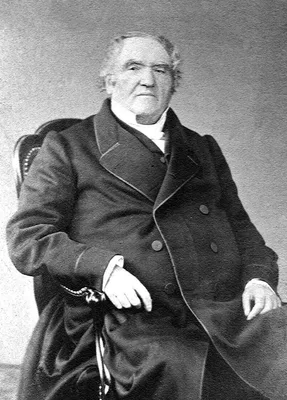
![MOREAU, Jacques-Joseph [Moreau de Tours] (1804 – 1884)](/media/portraits/2779)