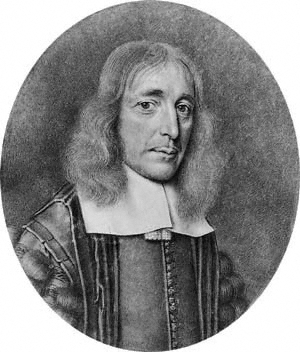
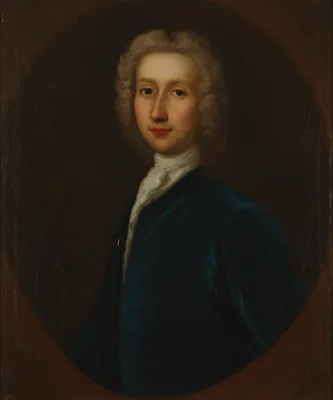
1603 JORDEN, Edward (1569 – 1633)
A brief discourse of a disease called the suffocation of the mother. Written uppon occasion which hath beene of late taken thereby, to suspect possession of an evill spirit, or some such like supernaturall power. Wherin is declared that divers strange actions and passions of the body of man, which the common opinion, are imputed to the Divell, have their true naturall causes, and do accompanie this disease.
Jorden was the first English physician who viewed women accused of witchcraft as unfortunate persons suffering from some medical condition. "Asserting that there were natural causes for their afflictions, Jorden often…
GMN 13553 · https://historyofmedicine.com/id/15830
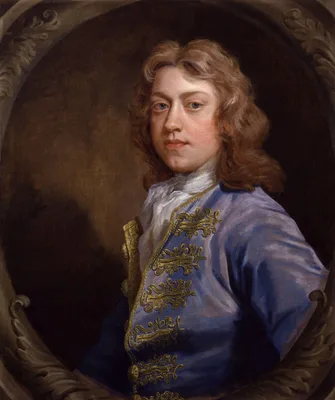
1670 WILLIS, Thomas (1621 – 1675)
Affectionum quae dicuntur hystericae e hypochondriacae pathologia spasmodica vindicata…
In this treatise on hysteria and hypochondria, Willis showed that hysteria was a nervous disease and not a uterine disorder as had been traditionally believed. He compared hysteria in women to hypochondria in men. He …
GMN 4839 · https://historyofmedicine.com/id/3606
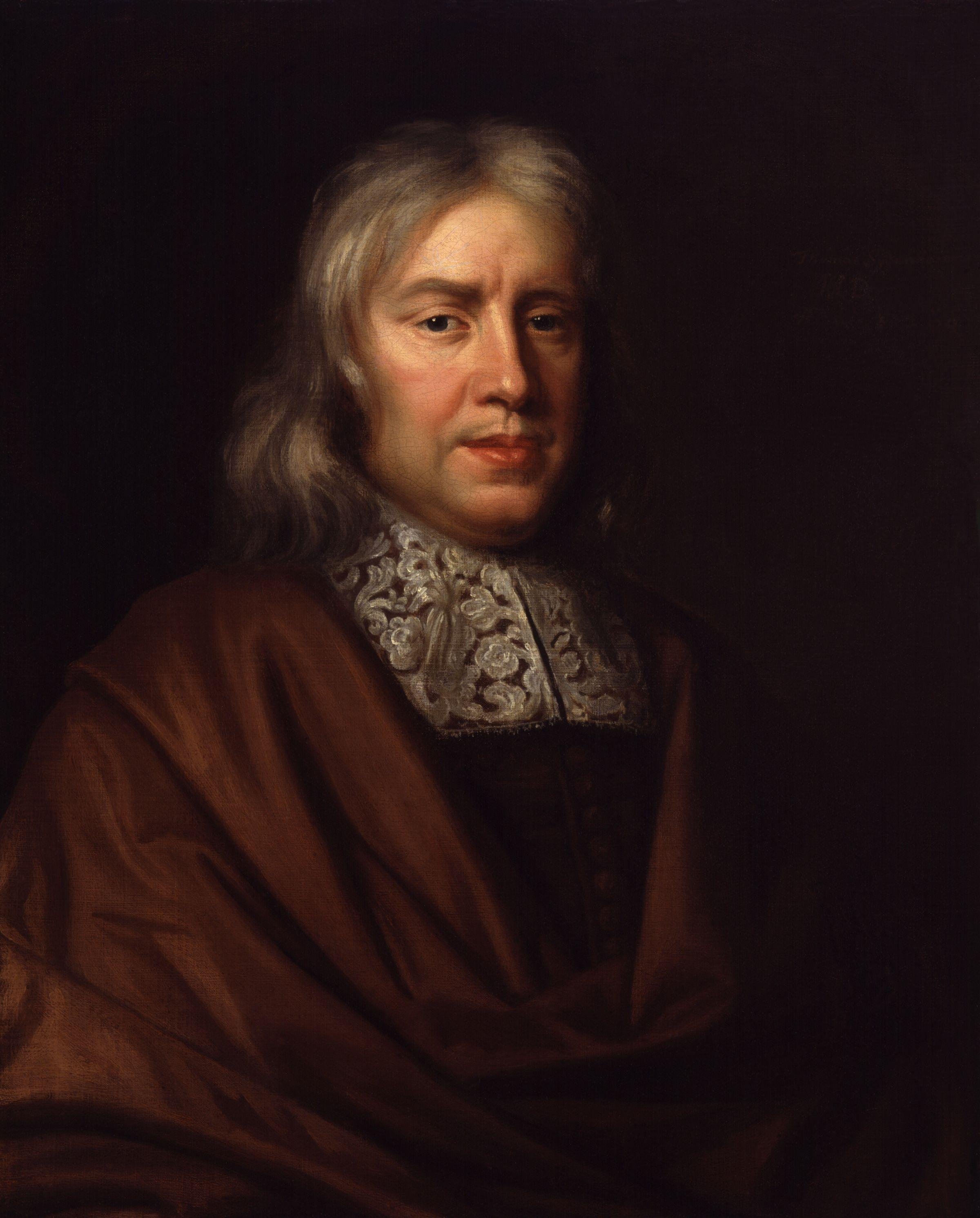
1682 SYDENHAM, Thomas (1624 – 1689)
Dissertatio epistolaris . . . de observationibus nuperis circa curationem variolarum confluentium nec non de affectione hysterica.
"Sydenham so precisely describes the symptoms of hysteria that even today little can be added to what he said. He maintained that is was the most common chronic disease, and he recognized that in spite of the fact tha…
GMN 9198 · https://historyofmedicine.com/id/11379
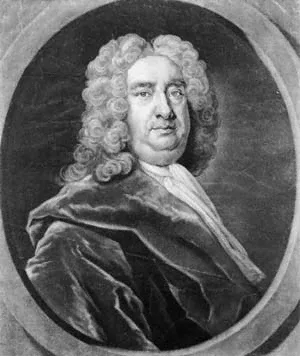
1722 MANDEVILLE, Bernard de (1670 – 1733)
A treatise of the hypochondriack and hysterick passions.
Probably the first psychiatric self-help book. Hunter and Macalpine call Mandeville's work "the first book on minor mental maladies `writ by way of Information to Patients' rather than `to teach other Practitioners' .…
GMN 10703 · https://historyofmedicine.com/id/12896
1733 CHEYNE, George (1671 – 1743)
The English malady; or, a treatise of nervous diseases of all kinds.
Cheyne attributed hypochondria (“Cheyne’s disease”) to the moisture of the air and variability of the weather in the British Isles. Cheyne himself suffered from this disease and the work includes a careful account of …
GMN 4840 · https://historyofmedicine.com/id/3610
1765 WHYTT, Robert (1714 – 1766)
Observations on the nature, causes, and cure of those disorders which have been commonly called nervous hypochondriac, or hysteric, to which are prefixed some remarks on the sympathy of the nerves.
“First important English work on neurology after Willis” (Garrison).
GMN 4841 · https://historyofmedicine.com/id/3614
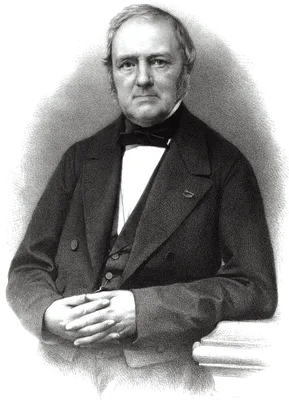
1859 BRIQUET, Paul (1796 – 1881)
Traité clinique et thérapeutique de l’hystérie.
Includes, p. 297, first description of ataxia analgica hysterica (“Briquet’s ataxia”), and p. 475, hysterical paralysis of the diaphragm with dyspnoea and aphonia (“Briquet’s syndrome”).
GMN 4842 · https://historyofmedicine.com/id/3616
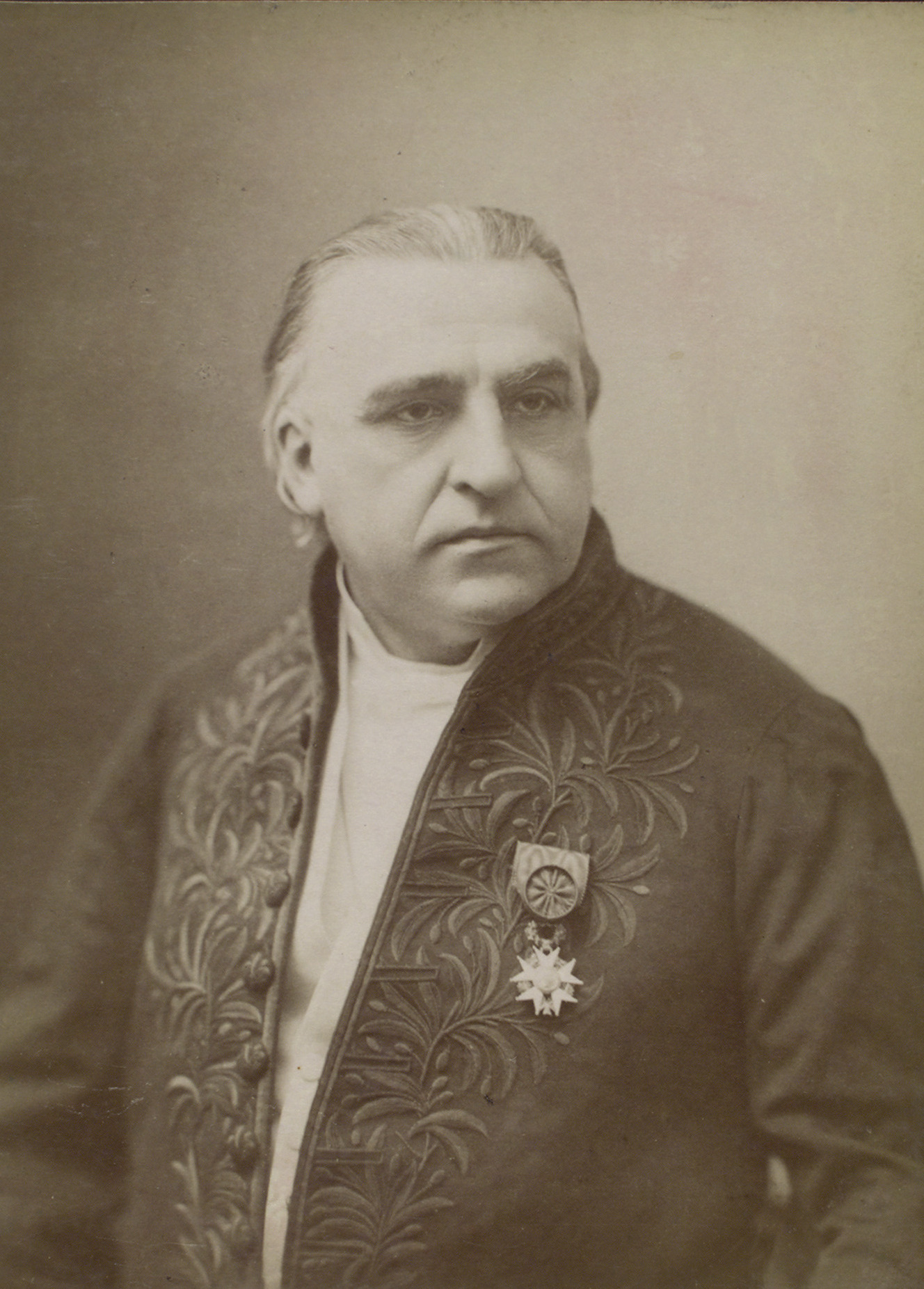
1876 –1880 CHARCOT, Jean Martin (1825 – 1893); BOURNEVILLE, Désiré-Magloire (1840 – 1909); REGNARD, Paul-Marie-Léon (1850 – 1927)
Iconographie photographique de la Salpêtrière. Service de M. Charcot. 3 vols.
A photographic atlas devoted to cases of hysteria and epilepsy, with case histories; the third volume includes discussions of hypnotism, somnambulism and magnetism. Bourneville was Charcot’s assistant at the Salpêtriè…
GMN 4558.1 · https://historyofmedicine.com/id/8918
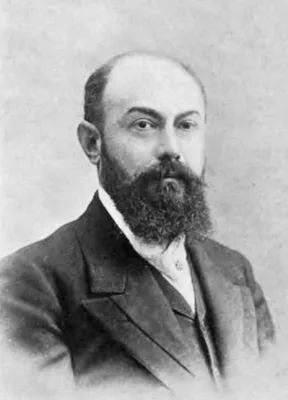
1889 JANET, Pierre Marie Félix (1859 – 1947)
L’Automatisme psychologique.
Janet argued that “hysterical symptoms are due to subconscious fixed ideas that have been isolated and usually forgotten. Split off from consciousness – ‘dissociated’ – they embody painful experiences, but become auto…
GMN 4976.1 · https://historyofmedicine.com/id/6397
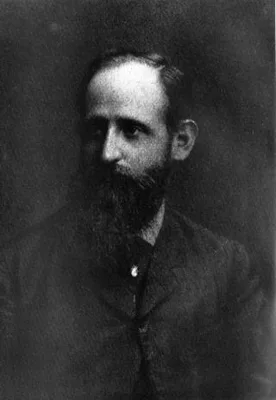
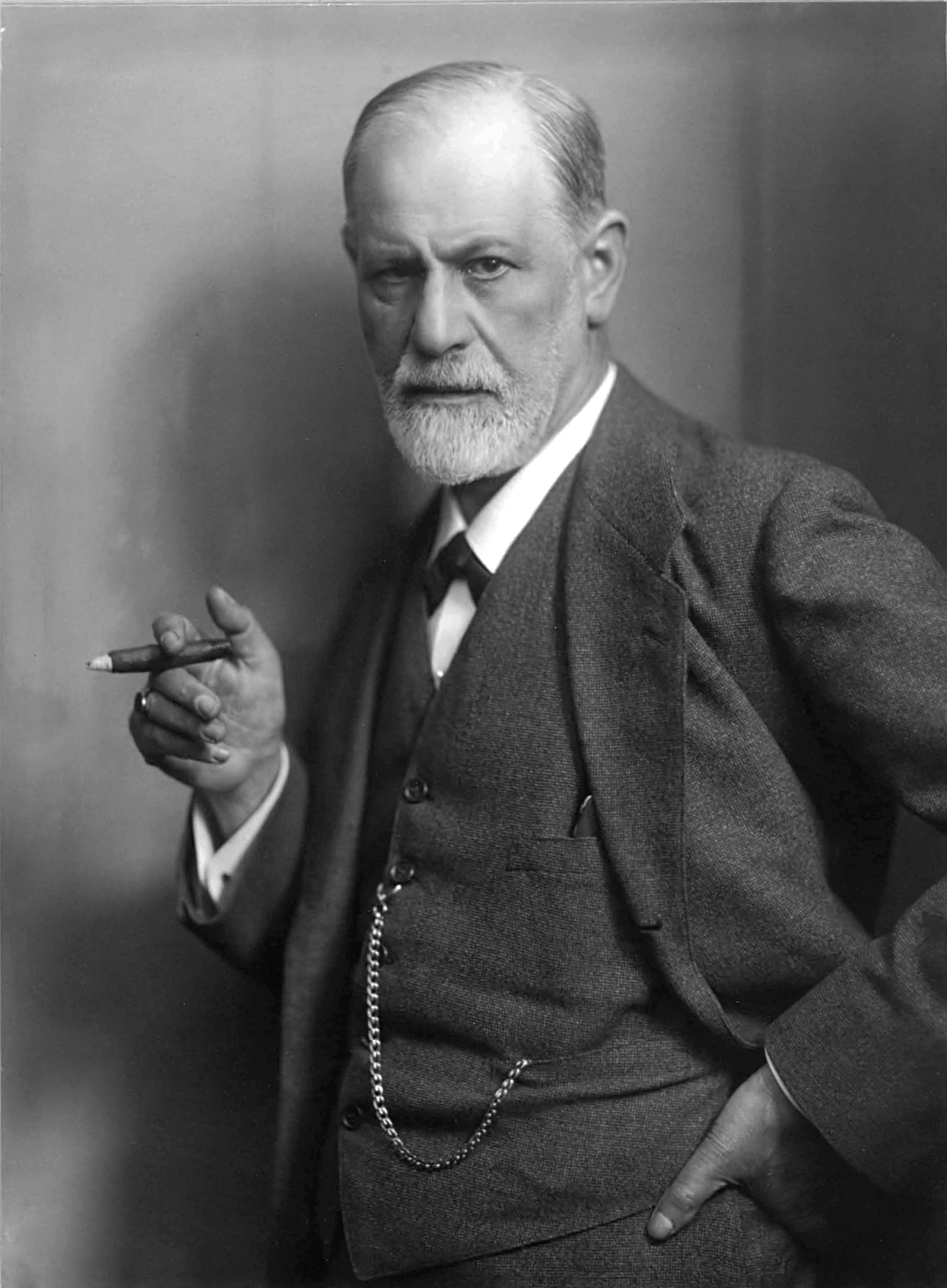
1893 BREUER, Josef (1842 – 1925); FREUD, Sigmund (1856 – 1939)
Über den psychischen Mechanismus hysterischer Phänomene. (Vorläufige Mittheilung.)
The preliminary announcement of the results of the collaboration that was the starting point of psychoanalysis. It described work begun several years previously. See No. 4978.
GMN 4977.3 · https://historyofmedicine.com/id/6399
1895 BREUER, Josef (1842 – 1925); FREUD, Sigmund (1856 – 1939)
Studien über Hysterie.
The foundation of psychoanalysis. Using what they called the cathartic method, in which hysterical patients were made to describe the manifestations of their symptoms in detail, with or without hypnosis, Breuer and Fr…
GMN 4978 · https://historyofmedicine.com/id/6401
1991 MACDONALD, Michael P.
Witchcraft and hysteria in Elizabethan London: Edward Jorden and the Mary Glover case.
GMN 13556 · https://historyofmedicine.com/id/15833
2001 MAINES, Rachel P. (1950 – )
The technology of orgasm: "Hysteria," the vibrator, and women's sexual satisfaction.
GMN 10417 · https://historyofmedicine.com/id/12610
2004 DIDI-HUBERMAN, Georges (1953 – )
Invention of hysteria: Charcot and the Photographic Iconography of the Salpêtrière.
See No. 4558.1
GMN 8068 · https://historyofmedicine.com/id/10244
2015 ARNAUD, Sabine
L'invention de l'hystérie au temps des lumières (1670–1820).
Translated into English as On hysteria: The invention of a medical category between 1670 and 1820 (Chicago: University of Chicago Press, 2015).
GMN 10424 · https://historyofmedicine.com/id/12617
2019 CHARCOT, Jean Martin (1825 – 1893); GELFAND, Toby (1942 – )
Charcot's studies on hysteria: Five case histories, 1870-1893.
GMN 11453 · https://historyofmedicine.com/id/13652