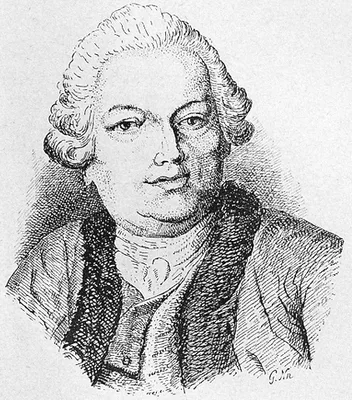
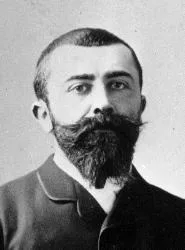
1714 COGROSSI, Carlo Francesco (1682 – 1769)
Nuovo idea del male contagioso de’ buoi.
In this study of an epizootic Cogrossi formulated much of the modern theory of infection. He speculated that infection might occur at the microscopic level, and argued that infected individuals should be isolated and …
GMN 2529.2 · https://historyofmedicine.com/id/3502
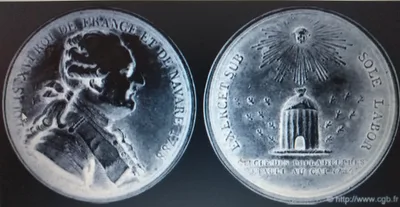
1788 ARTHAUD, Charles (1748 – 1791); CERCLE DES PHILADELPHES
Recherches, mémoires et observations sur les maladies épizootiques de Saint-Dominique, recueillis & publiés par le Cercle des Philadelphes du Cap-François.
The Cercle des Philadelphes, of which Charles Arthaud was president, was an academic scientific society in Saint-Domingue, in existence between 1784 and 1791. It was the most prominent academic society in the Americas…
GMN 9896 · https://historyofmedicine.com/id/12084
1802 VILLALBA, Joaquín de (1752 – 1807)
Epidemiologia española o historia cronológica de las pestes, contagios, epidemias y epizootias que han acaecido en España: Desde la venida de los cartagineses hasta el año 1801.... 2 vols.
A chronological history of epidemics (plagues, contagions and epizootics) occurring in Spain to the end of the 18th century. Digital facsimile from Google Books at this link.
GMN 1676 · https://historyofmedicine.com/id/2341
1805 BOURGELAT, Claude (1712 – 1779); GROGNIER, Louis-Furcy (1774 – 1837)
Notice historique et raisonnée sur C. Bourgelat, fondateur des ecoles vétérinaires; où l’on trouve un aperçu statistique sur cet établissement. Par L. F. Grognier.
Bourgelat, a French lawyer, observed that certain diseases were devastating French herds, and forsaking his law practice, devoted his time to seeking out a remedy for the epizootic (rinderpest). In the process Bourgel…
GMN 10155 · https://historyofmedicine.com/id/12344
1866 GAMGEE, John (1831 – 1894)
The cattle plague; with office reports of the International Veterinary Comgresses, held in Hamburg, 1863, and in Vienna, 1865.
"Druing the cattle plague crisis of 1865-66, Gamgee was one of the prtincipal witnesses called to give evidence by the Cattle Plague Commissioners and amongst the first to recommend a policy of restriction of movement…
GMN 11761 · https://historyofmedicine.com/id/13962
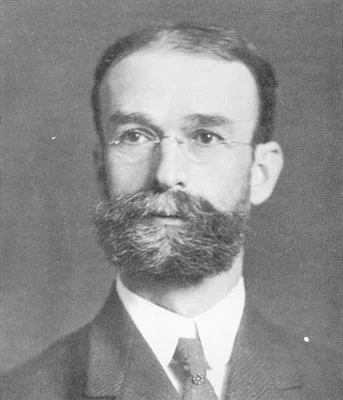
1886 SMITH, Theobald (1859 – 1934); SALMON, Daniel Elmer (1850 – 1914)
The bacterium of swine-plague.
Discovery of Salmonella choleraesuis. The Salmonellae tribe was named after Salmon, even though the discovery was made by Smith. See Bibel, Milestones in immunology (1988) 31-32.
GMN 2505 · https://historyofmedicine.com/id/3214
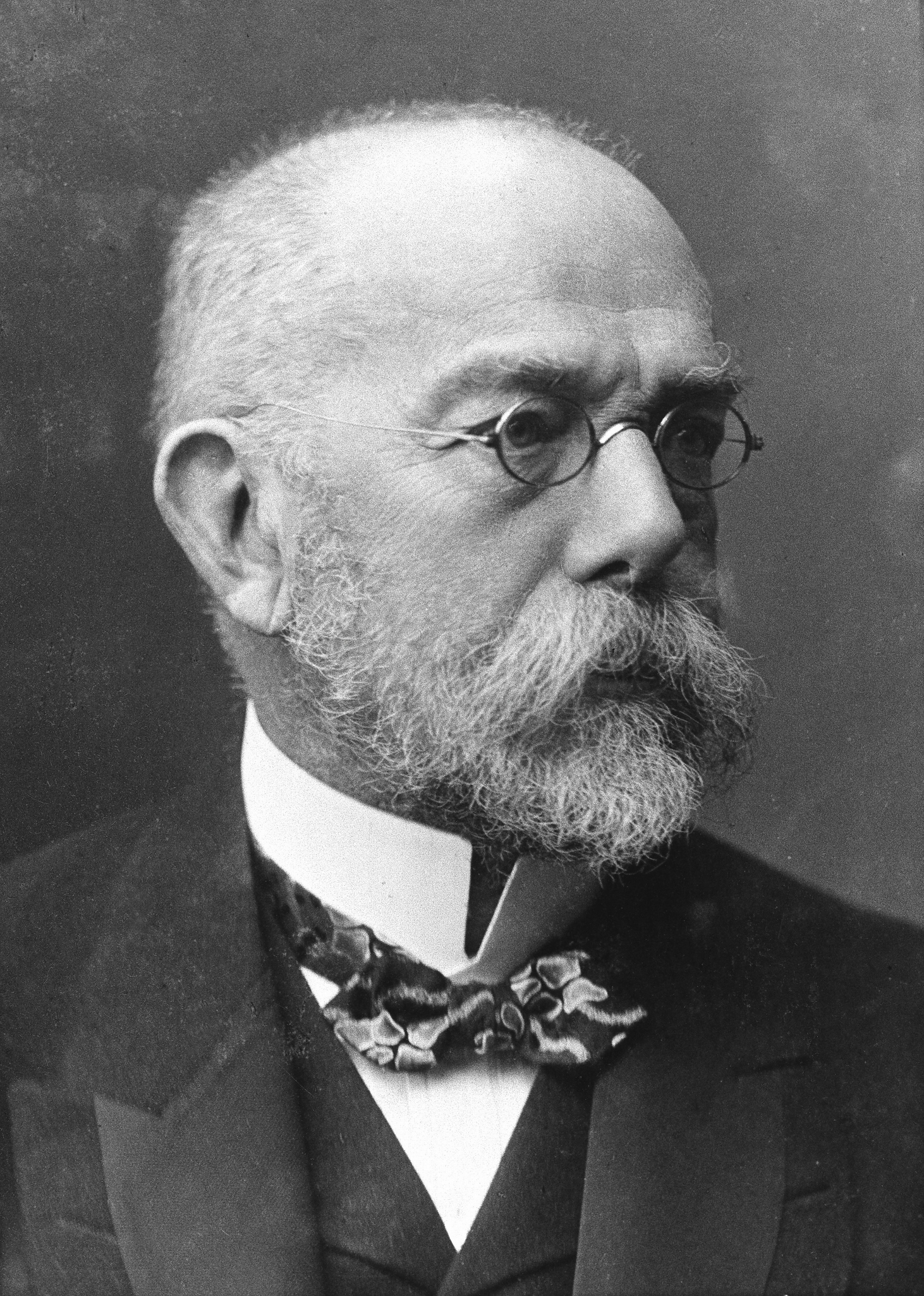
1898 KOCH, Robert Heinrich Hermann (1843 – 1910)
Reise-Bericht über Rinderpest, Bubonenpest in Indien und Afrika, Tsetse-oder Surrakrankheit, Texasfieber, tropische Malaria, Schwarzwasserfieber.
GMN 2457 · https://historyofmedicine.com/id/2986
1898 ROUX, Pierre Paul Émile (1853 – 1933); NOCARD, Edmond Isidore Etienne (1850 – 1903)
Le microbe de la péripneumonie.
Discovery of the causal organism of bovine pleuropneumonia, also known as lung plague. Nocard and Roux considered it a filterable virus but now known to be a mycoplasma.
GMN 3182 · https://historyofmedicine.com/id/4195
1908 UHLENHUTH, Paul Theodor (1870 – 1957); HUBENER, Erich August (1870 – )
Weitere Mitteilungen über Schweinepest mit besonderer Berücksichtigung der Bakteriologie der Hogcholeragruppe.
First description of Salmonella paratyphi C.
GMN 5041 · https://historyofmedicine.com/id/5815
1921 MONTGOMERY, R. Eustace
On a form of swine fever occurring in British East Africa (Kenya Colony).
First description of African Swine Fever. Montgomery was "Veterinary Adviser to the Government of Uganda, formerly Veterinary Pathologist to the East Africa Protectorate."
GMN 11762 · https://historyofmedicine.com/id/13963
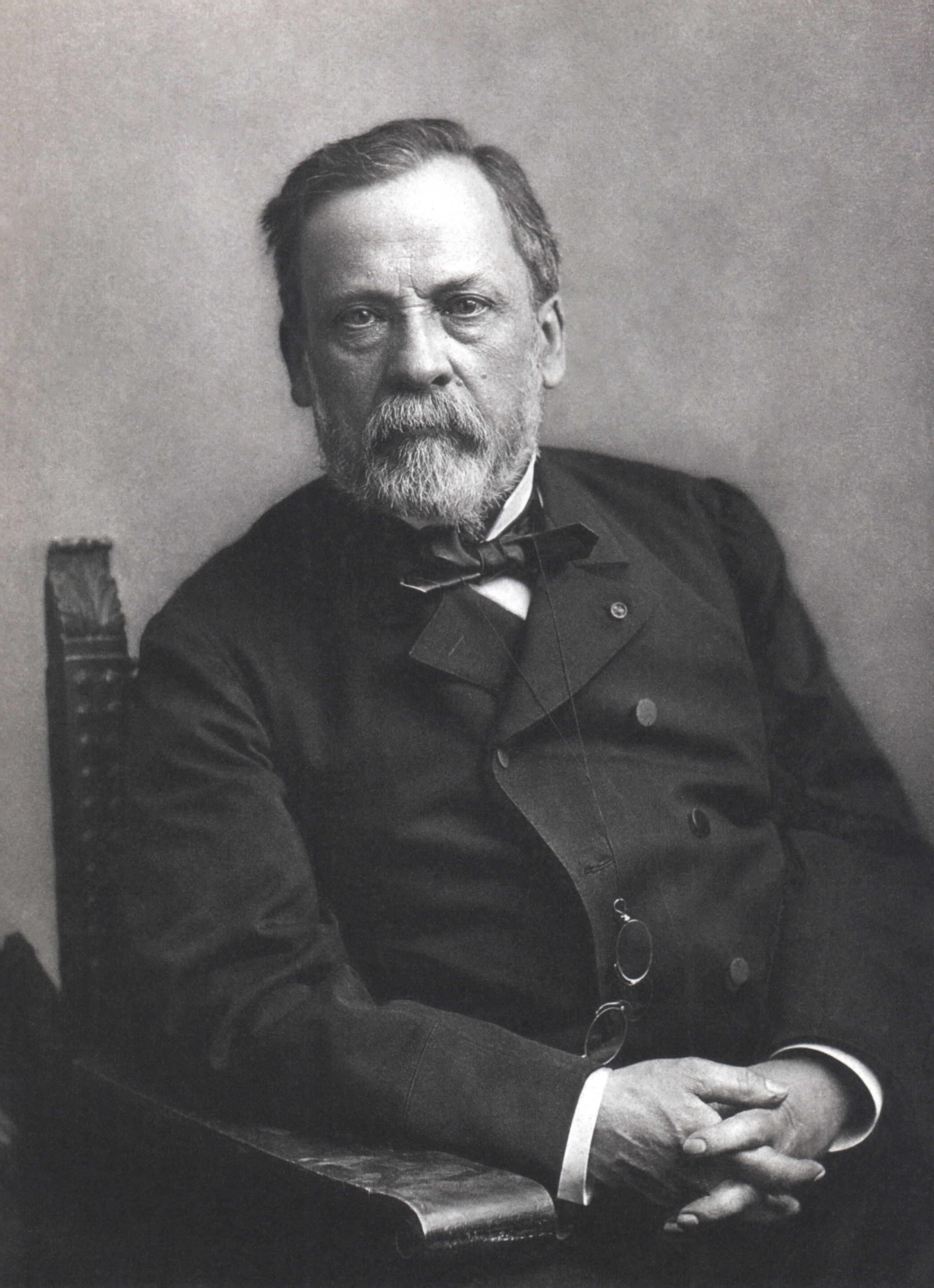
1968 PASTEUR, Louis (1822 – 1895); THUILLIER, Louis (1856 – 1883); FRANK, Robert M.; WROTNOWSKA, Denise
Correspondence of Pasteur & Thuillier concerning anthrax and swine fever vaccinations. Translated and edited by Robert M. Frank and Denise Wrotnowska. Preface by Louis Pasteur Vallery-Radot.
Edition and translation of about 60 letters mostly between Pasteur and his protegé Louis Thuillier in the Reynolds Historical Library at the University of Alabama. During the period involved in this correspondence "Th…
GMN 12038 · https://historyofmedicine.com/id/14246
2003 SPINAGE, Clive A.
Cattle plague: A history.
"Cattle Plague: A History is the most comprehensive general study of the history of cattle plague or rinderpest yet attempted, of which there has not been a book in English since 1866. With its stranglehold on the eco…
GMN 11755 · https://historyofmedicine.com/id/13955