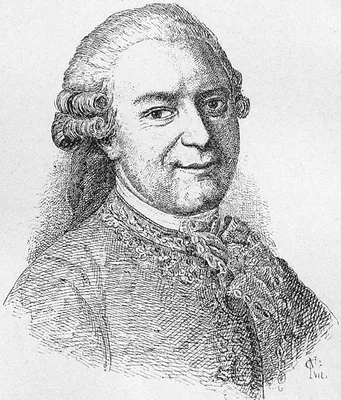
1782 CHABERT, Philibert (1737 – 1814)
Traité des maladies vermineuses dans les animaux.
Includes two plates printed in color by Edouard Dagoty. These were not included in later editions. Digital facsimile of th 1782 edition from the Internet Archive at this link; of the 1787 edition at this link.
GMN 8040 · https://historyofmedicine.com/id/10216
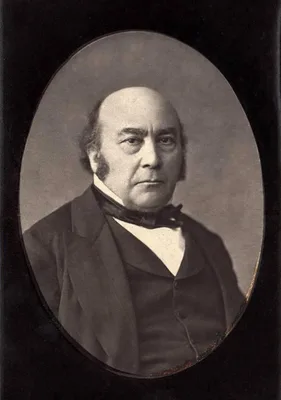
1843 GRUBY, David (1810 – 1898)
Recherches et observations sur une nouvelle espèce d’hématozoaire, Trypanosoma sanguinis.
Gruby discovered trypanosomes in the frog. He first suggested the name “trypanosome” to describe the parasite.
GMN 5268 · https://historyofmedicine.com/id/8569
1885 DANILEVSKI, Vasili Iakovlevich (1852 – 1934)
Zur Parasitologie des Blutes.
Discovery of malaria parasites in birds. See also Ann. Inst. Pasteur, 1890, 4, 427-31.
GMN 5238.1 · https://historyofmedicine.com/id/7893
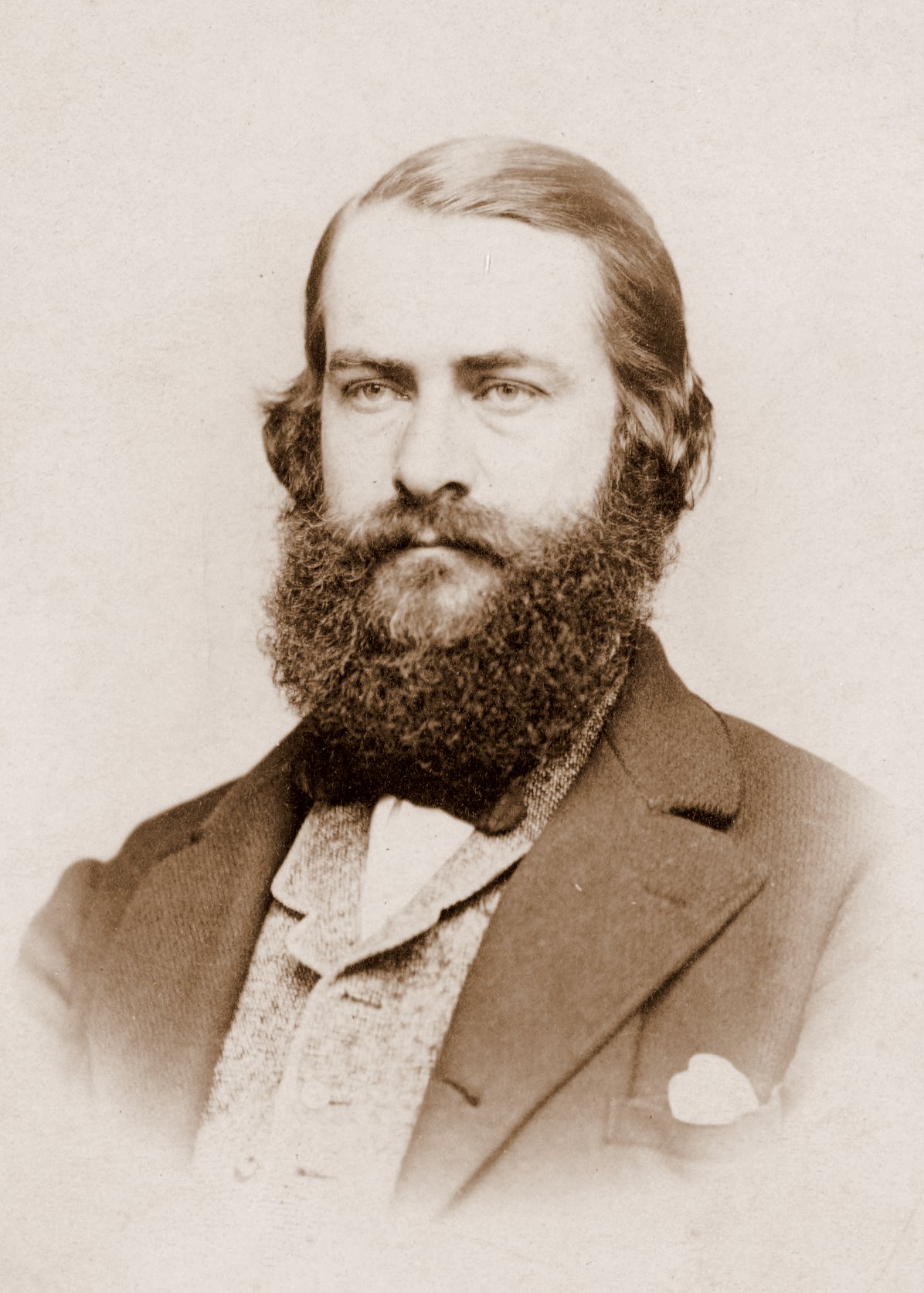
1886 LEIDY, Joseph (1823 – 1891)
Remarks on parasites and scorpions.
Leidy found the hookworm in the cat and suggested that it might also be found in man as a cause of pernicious anemia.
GMN 5359 · https://historyofmedicine.com/id/6959
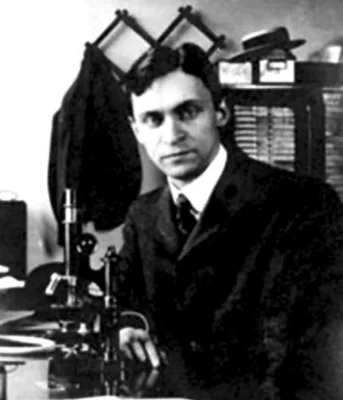
1898 OPIE, Eugene Lindsay (1873 – 1971)
On the haemocytozoa of birds.
Demonstration of sexual conjugation in the malaria parasite. See also No. 5250.
GMN 5249 · https://historyofmedicine.com/id/7906
1898 MACCALLUM, William George (1874 – 1944)
Notes on the pathological changes in the organs of birds infected with haemocytozoa.
MacCallum and Opie discovered the sexual phase of malaria parasites.
GMN 5250 · https://historyofmedicine.com/id/7907
1898 ROSS, Sir Ronald (1857 – 1932)
The rôle of the mosquito in the evolution of the malarial parasite.
Ross provided the last link in the chain demonstrating the complete life-cycle of the parasite of bird malaria. He found that mosquitoes which had fed on malaria-infected birds, and which had allowed the parasites to …
GMN 5251 · https://historyofmedicine.com/id/7908
1908 PLIMMER, Henry George (1856 – 1918); THOMSON, John D.
Further results of the experimental treatment of trypanosomiasis in rats.
Trial of antimony in the treatment of trypanosomiasis.
GMN 5282 · https://historyofmedicine.com/id/6343
1938 JAMES, Sydney Price (1870 – 1946); TAIT, P
Exo-erythrocytic schizogony in Plasmodium gallinaceum Brumpt, 1935.
The term “exo-erythrocytic stage” introduced to describe the unpigmented schizonts found in tissue cells. The parasite Plasmodium gallincaceum described by Alexandre Joseph Emile Brumpt causes malaria in poultry.
GMN 5258 · https://historyofmedicine.com/id/8541
1940 MUDROW, Lilly (1908 – 1957)
Klinische und parasitologische Befunde und chemotherapeutische Ergebnisse bei der Hühnermalaria.
Discovery of the developmental forms of P. gallinaceum in the incubation period.
GMN 5259 · https://historyofmedicine.com/id/8542
1940 SHORTT, Henry Edward (1887 – 1987); ET AL
The form of Plasmodium, gallinaceum present in the incubation period of the infection.
Independently of Mudrow, H. E. Shortt, K. P. Menon, and P. V. Seetharama Iyer found pre-erythrocytic forms of P. gallinaceum in the tissues.
GMN 5259.1 · https://historyofmedicine.com/id/8543
1944 HUFF, Clay G. (1900 – ); COULSTON, Frederick (1914 – 2003)
The development of Plasmodium gallinaceum from sporozoite to erythrocytic trophozoite.
First detailed account of the full cycle of development of the avian malaria parasite P. gallinaceum.
GMN 5259.2 · https://historyofmedicine.com/id/8544
1948 SHORTT, Henry Edward (1887 – 1987); ET AL
The pre-erythrocytic stage of mammalian malaria.
Demonstration of the pre-erythrocytic stage of P. cynomolgi in the monkey. With P. C. C. Garnham and B. Malamos. Preliminary communication in Nature (Lond.), 1948, 161, 126.
GMN 5262 · https://historyofmedicine.com/id/8549