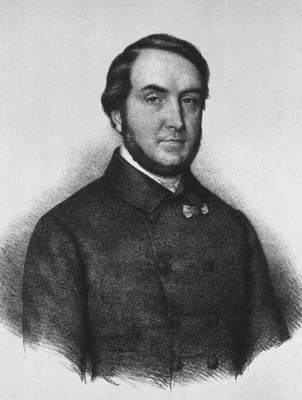
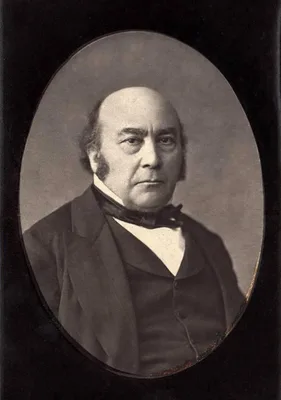
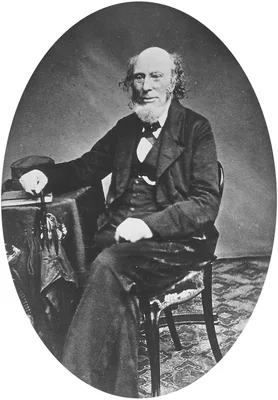
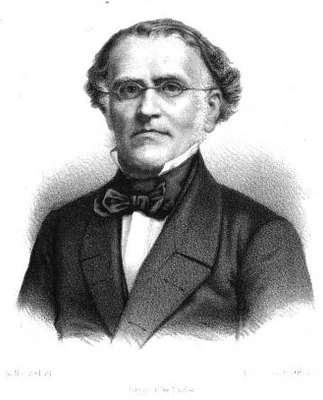
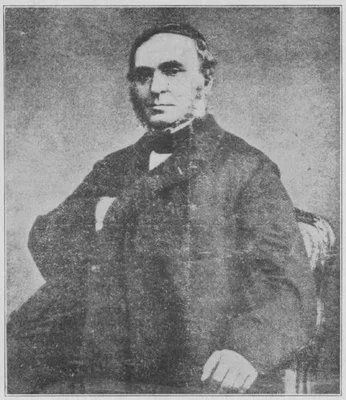
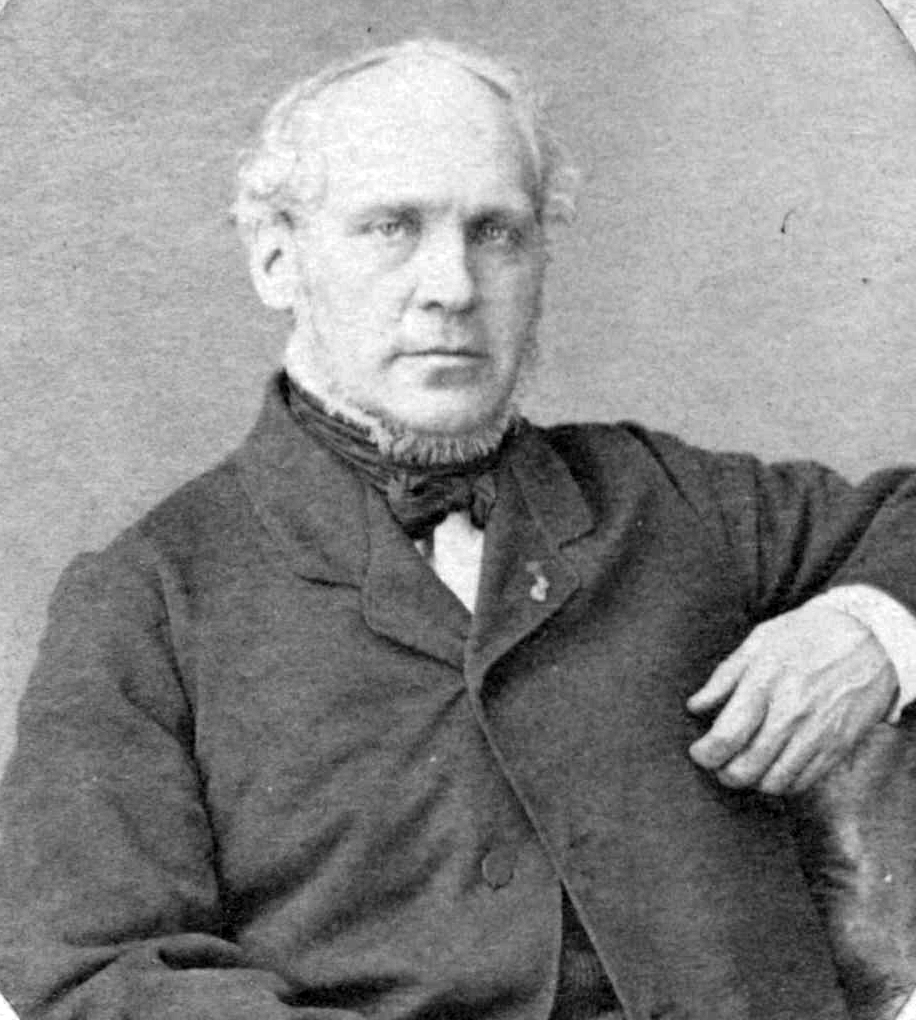
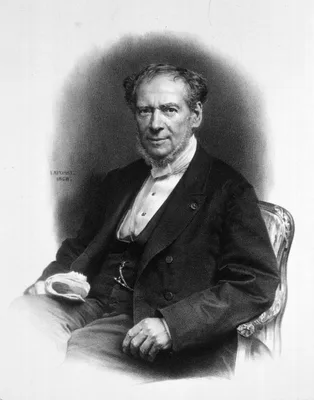
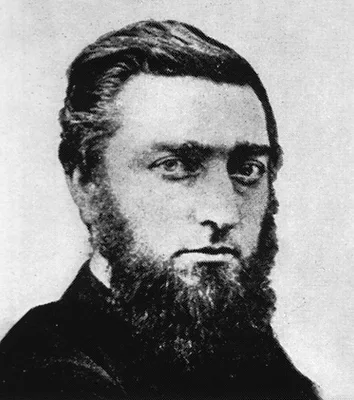
1838 CAZENAVE, Pierre Louis Alphée (1795 – 1877); SCHEDEL, Henry Edward (1804 – 1856)
Abrégé pratique des maladies de la peau. 3me. éd.
Laurent Théodore Biett (1781-1840), was a pupil of Alibert, Willan, and Bateman. His classic description of lupus erythematoides migrans (“Biett’s disease”) occurs on pp. 11 and 415 of the above work.
GMN 4028 · https://historyofmedicine.com/id/5305
1839 SCHÖNLEIN, Johann Lucas (1793 – 1864)
Zur Pathogenie der Impetigines.
The discovery of a fungus as the cause of favus (Achorion schönleinii). Schönlein communicated this important discovery in a letter of less than 200 words and one illustration. It represents the first conspicuous step…
GMN 4029 · https://historyofmedicine.com/id/5312
1841 GRUBY, David (1810 – 1898)
Mémoire sur une végétation qui constitue la vraie teigne.
Independently of Schönlein (No. 4029) Gruby discovered the achorion of favus, describing it definitely as the cause of the disease, a point about which Schönlein was in doubt.
GMN 4030 · https://historyofmedicine.com/id/5317
1841 HENDERSON, William (1810 – 1872)
Notice of the molluscum contagiosum.
See No. 4032.
GMN 4031 · https://historyofmedicine.com/id/5320
1841 PATERSON, Robert (1814 – 1889)
Cases and observations on the molluscum contagiosum of Bateman, with an account of the minute structure of the tumours.
Henderson and Paterson described the inclusion body of molluscum contagiosum, “Henderson–Paterson body”.
GMN 4032 · https://historyofmedicine.com/id/5324
1841 WILLIS, Robert (1799 – 1878)
Illustrations of cutaneous disease: A series of delineations of the affections of the skin in their more interesting and frequent forms.
Large folio, with 94 hand-colored lithographed plates by Archibald Henning (1805-64).
GMN 7478 · https://historyofmedicine.com/id/9650
1842 BOECK, Carl Wilhelm (1808 – 1875)
Om den spedalske sygdom. Elephantiasis graecorum.
Boeck, eminent Norwegian dermatologist and syphilologist, was the first to describe Norwegian itch, scabies crustosa (“Boeck’s scabies”).
GMN 4033 · https://historyofmedicine.com/id/5327
1842 GRUBY, David (1810 – 1898)
Sur une espèce de mentagre contagieuse résultant du développement d’un nouveau cryptogame dans la racine des poils de la barbe de l’homme.
First accurate description of Trichophyton mentagrophytes, the fungus responsible for sycosis barbae. English translation of this and Gruby’s other five papers read to l’Académie des Sciences in Zakon & Benedek, David…
GMN 4034 · https://historyofmedicine.com/id/5330
1843 GRUBY, David (1810 – 1898)
Recherches sur la nature, le siège et le développement du Porrigo decalvans ou phytoalopécie.
First accurate description of Microsporon audouini, the fungus of Willan’s porrigo decalvans, tinea tonsurans, “Gruby’s disease”.
GMN 4035 · https://historyofmedicine.com/id/5333
1844 GRUBY, David (1810 – 1898)
Recherches surles cryptogames qui constituent la maladie contagieuse du cuir chevelu décrite sous le nom de Teigne tondante (Mahon). Herpes tonsurans (Cazenave).
Gruby discovered a fungus, Trichophyton tonsurans, in ringworm of the scalp.
GMN 4036 · https://historyofmedicine.com/id/5335
1844 CAZENAVE, Pierre Louis Alphée (1795 – 1877)
Pemphigus chronique, générale; forme rare de pemphigus foliacé; mort: autopsie; altération du foie.
First description of pemphigus foliaceus, “Cazenave’s disease”. The article is unsigned.
GMN 4037 · https://historyofmedicine.com/id/5337
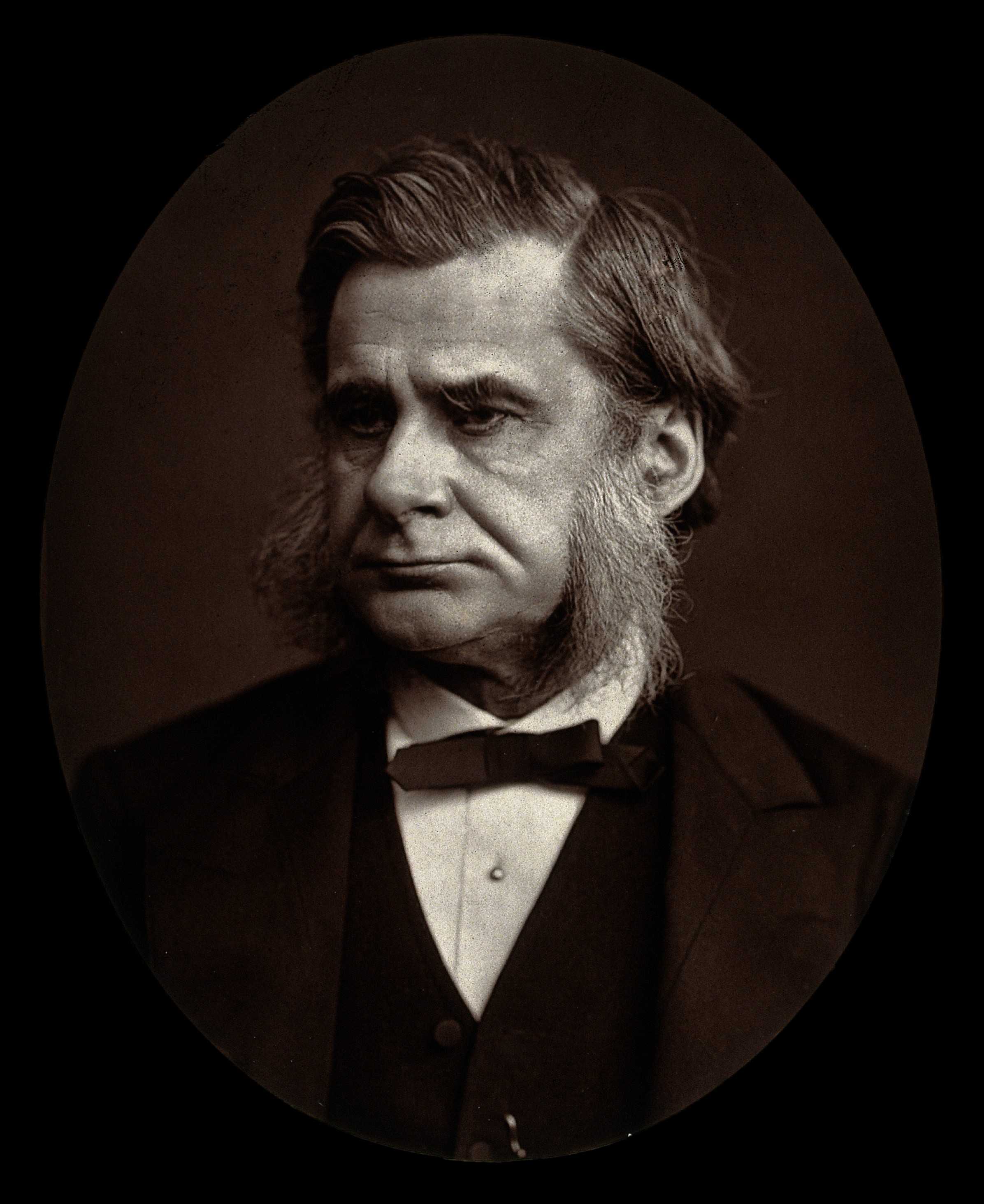
1845 HUXLEY, Thomas Henry (1825 – 1895)
On a hitherto undescribed structure in the human hair sheath.
“Huxley’s layer” and “membrane” of the root sheath of hair follicles.
GMN 412 · https://historyofmedicine.com/id/935
1845 HEBRA, Ferdinand Karl Franz Schwarzmann, Ritter von (1816 – 1880)
Versuch einer auf pathologische Anatomie gegründeten Eintheilung der Hautkrankheiten.
Hebra’s classification of skin diseases was based upon their pathological anatomy.
GMN 3991 · https://historyofmedicine.com/id/5026
1845 WORCESTER, Noah (1812 – 1847)
A synopsis of the symptoms, diagnosis, and treatment of the more common and important diseases of the skin.
First comprehensive American work on dermatology.
GMN 3991.1 · https://historyofmedicine.com/id/5032
1846 EICHSTEDT, Carl Ferdinand (1816 – 1892)
Ueber die Krätzmilben des Menschen, ihre Entwicklung und ihr Verhältniss zur Krätze.
GMN 4038 · https://historyofmedicine.com/id/5340
1846 EICHSTEDT, Carl Ferdinand (1816 – 1892)
Pilzbildung in der Pityriasis versicolor.
Eichstedt discovered Pityrosporum orbiculare, fungus of pityriasis versicolor (“Eichstedt’s disease”).
GMN 4039 · https://historyofmedicine.com/id/5344
1847 DANIELSSEN, Daniel Cornelius (1815 – 1894); BOECK, Carl Wilhelm (1808 – 1875)
Om spedalskhed. Udgivet efter Foranstaltning af den Kongelige Norske Regjerings Department for det Indre. 1 vol. and atlas.
First modern description of leprosy (“Danielssen-Boeck disease’’). Danielssen, physician to the leprosy hospital at Bergen, was the founder of scientific leprology. The extremely rare Atlas consists of 24 plates and t…
GMN 2434 · https://historyofmedicine.com/id/2894
1848 SIMON, Gustav (1824 – 1876)
Die Hautkrankheiten durch anatomische Untersuchungen erläutert.
The first textbook of dermatopathology. "Simon dated the preface of his book April 1st, 1848 and wrote (p. vi and vii) that much has been achieved by meticulous clinical description of diseases of the skin but now att…
GMN 7314 · https://historyofmedicine.com/id/9484
1848 BÄRENSPRUNG, Friedrich Wilhelm Felix von (1822 – 1864)
Beiträge zur Anatomie und Pathologie der menschlichen Haut.
Digital facsimile from the Hathi Trust at this link.
GMN 7318 · https://historyofmedicine.com/id/9488
1849 SMITH, Robert William (1807 – 1873)
A treatise on the pathology, diagnosis, and treatment of neuroma.
Smith’s large and beautifully illustrated atlas contains the first clear description and illustration of neurofibromatosis, published 33 years before von Recklinghausen’s account of the disorder (see No. 4566). This d…
GMN 4529 · https://historyofmedicine.com/id/391
1850 CAZENAVE, Pierre Louis Alphée (1795 – 1877)
Des principales formes du lupus et de son traitement.
Lupus erythematosus – “Cazenave’s disease”.
GMN 4040 · https://historyofmedicine.com/id/5348
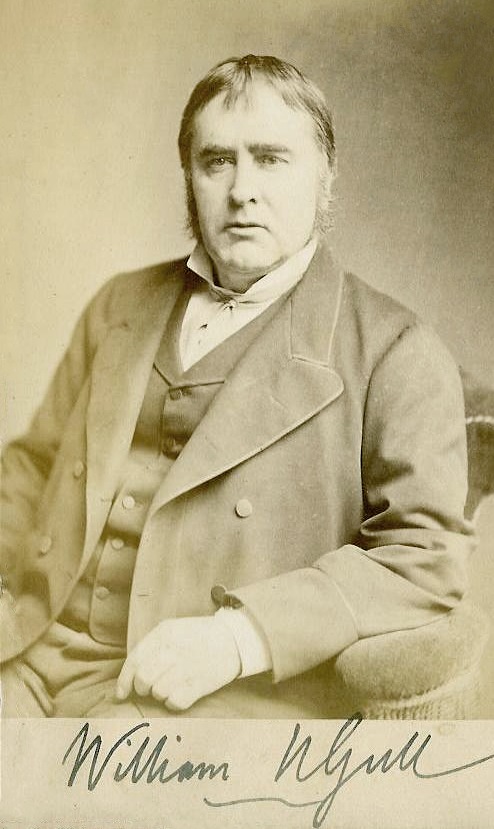
1851 ADDISON, Thomas (1793 – 1860); GULL, Sir William Withey (1816 – 1890)
On a certain affection of the skin, vitiligoidea: α Plana, β tuberosa.
In their classic account of xanthoma multiplex, Addison and Gull believed they were describing a new disease, but Rayer had been the first to mention it. (See No. 3989; see also the later paper by Gull, Guy’s Hosp. Re…
GMN 4041 · https://historyofmedicine.com/id/5352
1852 WAGNER, Rudolf Friedrich Johann Heinrich (Rudolph) (1805 – 1864); MEISSNER, Georg (1829 – 1903)
Ueber das Vorhandensein bisher unbekannter eigenghümlicher Tastkörperchen (Corpuscula tactus) in den Gefühlswärzchen dermenschlichen Haut, und über die End-Ausbreitung sensitiver Nerven.
First published account of the tactile nerve endings – “Wagner’s corpuscles”.
GMN 1460 · https://historyofmedicine.com/id/2386
1852 HANNOVER, Adolph (1814 – 1894)
Om epithelioma, en særegen Svulst, som man hidtil i Almindelighed har anseet for Kræft.
Hannover coined the word “epithelioma.” He did not recognize its malignant character but maintained that metastases were produced by cancer cells arriving by way of the blood stream. Translated into German as Das Epit…
GMN 2615 · https://historyofmedicine.com/id/3119
1852 BASSEREAU, Léon (1811 – 1888)
Traité des affections de la peau symptomatiques de la syphilis.
Bassereau defined chancroid clearly for the first time.
GMN 5203 · https://historyofmedicine.com/id/7793
1853 BAZIN, Pierre Antoine Ernest (1807 – 1878)
Recherches sur la nature et le traitement des teignes.
Bazin proved the fungal origin of favus and tinea; this was the first work to incorporate mycotic skin diseases into dermatological literature. Digital facsimile from BnF Gallica at this link.
GMN 7313 · https://historyofmedicine.com/id/9483
1854 ADDISON, Thomas (1793 – 1860)
On the keloid of Alibert, and on true keloid.
Addison described two forms of keloid, that described by Alibert, and the “true keloid” (the skin disease morphoea, “Addison’s keloid”).
GMN 4042 · https://historyofmedicine.com/id/5354
1854 BÄRENSPRUNG, Friedrich Wilhelm Felix von (1822 – 1864)
Ueber die Folge und den Verlauf epidermischer Krankheiten.
First description of tinea cruris (eczema marginatum, “Bärensprung’s disease”).
GMN 4043 · https://historyofmedicine.com/id/5359
1854 ROGER OF SALERNO, (Rogerius Salernitanus, Frugard, Frugardi, Roggerio Frugardo, Rüdiger Frutgard, Roger of Parma) (1140 – 1195); DAREMBERG, Charles Victor (1817 – 1872)
Glossulae quatuor magistrorum super chirurgiam Rogerii et Rolandi nunc primum ad fidem codicis Mazarinei edidit
In Roger of Salerno's Practica chirurgiae, which appeared about 1180, end-to-end suture is described, as is the value of mercurial inunction in chronic skin diseases; in his recommendation of seaweed for the treatment…
GMN 5551 · https://historyofmedicine.com/id/6850
1855 WILSON, Sir William James Erasmus (1809 – 1884); BAGG, William (1803 – 1869)
Portraits of diseases of the skin.
Wilson's atlas, with 48 plates drawn and engraved by the medical artist, William Bagg, was the first English large folio atlas of dermatology in the style of similar folios issued in France by Alibert and Cazenave. Th…
GMN 9921 · https://historyofmedicine.com/id/12109
1856 –1876 HEITZMANN, Carl (1836 – 1896); HEBRA, Ferdinand Karl Franz Schwarzmann, Ritter von (1816 – 1880); ELFINGER, Anton (1821 – 1864)
Atlas der Hautkrankheiten. 10 parts.
Hebra's work includes 104 spectacular folio-sized chromolithographed plates reproducing paintings by Anton Elfinger and Carl Heitzmann.
GMN 3992 · https://historyofmedicine.com/id/5035
1856 CAZENAVE, Pierre Louis Alphée (1795 – 1877)
Leçons sur les maladies de la peau.
Cazenave was among the first to classify skin diseases on an anatomical basis. He founded the first journal devoted entirely to dermatology (Annales des maladies de la peau et de la syphilis). This large folio atlas i…
GMN 3992.1 · https://historyofmedicine.com/id/5040
1856 DEVERGIE, Marie-Guillaume-Alphonse (1798 – 1879)
Pityriasis pilaris, maladie de peau non décrite par les dermatologistes.
Devergie is remembered for his clear description of pityriasis rubra pilaris, (“Devergie’s disease”). He was the first to demonstrate the presence of a fungus in eczema marginatum.
GMN 4044 · https://historyofmedicine.com/id/5364
1857 HEBRA, Ferdinand Karl Franz Schwarzmann, Ritter von (1816 – 1880)
Lichen exsudativus ruber.
First description of this condition (“Hebra’s pityriasis”).
GMN 4045 · https://historyofmedicine.com/id/5367
1857 –1858 LE ROY DE MÉRICOURT, Alfred (1825 – 1901)
Sur la coloration partielle en noir ou en bleu de la peau chez les femmes.
Chromidrosis first described.
GMN 4046 · https://historyofmedicine.com/id/5374
1858 SALAZAR, Tomas (1830 – 1917)
Historia de la verrugas.
Verruga peruana.
GMN 5525 · https://historyofmedicine.com/id/6611
1860 GIBERT, Camille Melchior (1797 – 1866)
Traité pratique des maladies de la peau. 3 éd., 2 vols.
Gibert’s name is associated with pityriasis rosea, which he first established as a definite clinical entity. His complete and accurate description of this condition is on page 402 of vol. 1 of the above work.
GMN 4048 · https://historyofmedicine.com/id/5382
1860 HEBRA, Ferdinand Karl Franz Schwarzmann, Ritter von (1816 – 1880)
Das umschriebene Eczem. Eczema marginatum. In Virchow’s Handbuch der spec. Path. u. Therap., 3, 1 Abt., 361-63.
Complete description of tinea cruris (eczema marginatum), first described by Bärensprung in 1854.
GMN 4049 · https://historyofmedicine.com/id/5390
1860 LUTZ, Henri Charles
De l’hypertrophie générale du système sébacé.
First description of keratosis follicularis.
GMN 4050 · https://historyofmedicine.com/id/5392
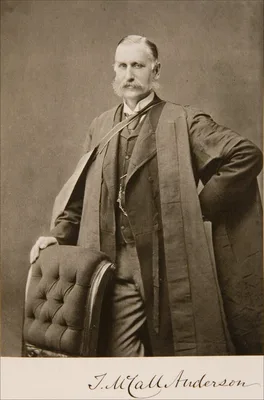
1861 ANDERSON, Sir Thomas McCall (1836 – 1908)
On the parasitic affections of the skin.
Anderson was Professor of Clinical Medicine at Glasgow. Digital facsimile of the second edition (1868) from the Internet Archive at this link.
GMN 3993 · https://historyofmedicine.com/id/5044
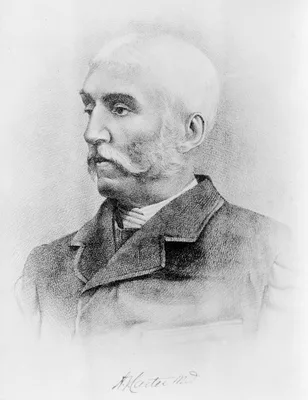
1861 CARTER, Henry Vandyke (1831 – 1897)
On a new and striking form of fungus disease, principally affecting the foot, and prevailing endemically in many parts of India.
First modern description of mycetoma of the foot – “Madura foot”, “Carter’s mycetoma”. It was mentioned by E. Kaempfer in his Amoenitates exoticae, Lemgo, 1712, p. 561. Colebrook at the Madura Dispensary is said to ha…
GMN 4047 · https://historyofmedicine.com/id/5379
1861 BAZIN, Pierre Antoine Ernest (1807 – 1878)
Leçons théoriques et cliniques sur la scrofule considérée en elle-même et dans ses rapports avec la syphilis, la dartre et l'arthritis. 2me édition.
Erythema induratum scrophulosorum (“Bazin’s disease”) first described.
GMN 4051 · https://historyofmedicine.com/id/5399
1861 WILKS, Sir Samuel (1824 – 1911)
A peculiar atrophy of the skin (Lineae atrophicae).
First description of lineae atrophicae.
GMN 4052 · https://historyofmedicine.com/id/5403
1861 –1862 BÄRENSPRUNG, Friedrich Wilhelm Felix von (1822 – 1864)
Die Gürtelkrankheit.
Herpes zoster first ascribed to a lesion of the spinal ganglia.
GMN 4640 · https://historyofmedicine.com/id/8866
1862 WILKS, Sir Samuel (1824 – 1911)
Disease of the skin produced by post mortem examinations, or verruca necrogenica.
Description of dissecting-room warts (verrucae necrogenicae),tuberculosis verrucosa cutis (also known as Lupus verrucosus, Prosector's wart, and "Warty tuberculosis"[ the cutaneous tuberculosis of Laennec, sometimes c…
GMN 4053 · https://historyofmedicine.com/id/5407
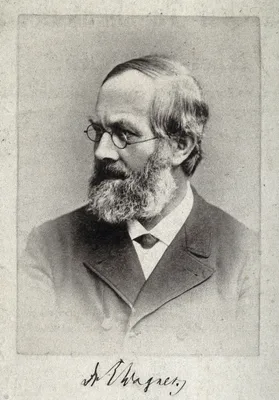
1863 WAGNER, Ernst Leberecht (1829 – 1888)
Fall einer selten Muskelkrankheit.
First recorded case of dermatomyositis, now regarded as a connective tissue disease.
GMN 4054 · https://historyofmedicine.com/id/5409
1864 FOX, William Tilbury (1836 – 1879)
On impetigo contagiosa, or porrigo.
“Impetigo of Tilbury Fox”, impetigo contagiosa, first described.
GMN 4055 · https://historyofmedicine.com/id/5411
1865 THIERSCH, Carl (1822 – 1895)
Der Epithelialkrebs namentlich der Haut. 1 vol. and atlas.
Thiersch, Professor of Surgery at Erlangen, and inventor of the method of skin grafting which bears his name, also made an important contribution to the knowledge of the histogenesis of cancer. He disproved Virchow’s …
GMN 2618 · https://historyofmedicine.com/id/3131
1865 PRUNER, Franz Ignaz [PRUNER-BEY] (1808 – 1882)
De la chevelure comme caractéristique des races humaines.
Pruner-Bey did the first important work on the classification of races according to texture and shape in section of hair. Digital facsimile from Persee.fr at this link.
GMN 168 · https://historyofmedicine.com/id/3249
1865 SQUIRE, Alexander John Balmanno (1836 – 1908)
Photographs (coloured from life) of the diseases of the skin.
The first dermatologic publication illustrated with photographs.
GMN 6873 · https://historyofmedicine.com/id/9037