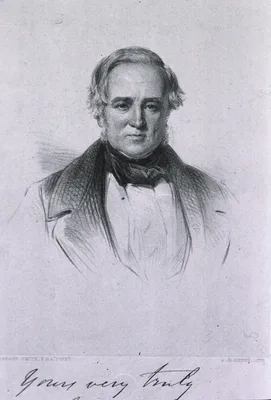
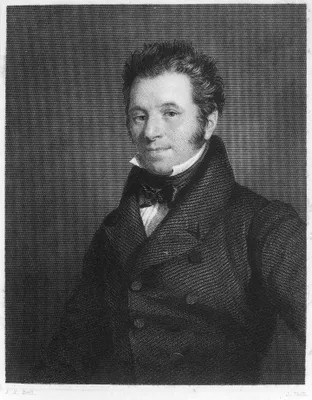
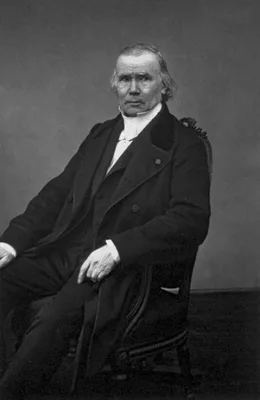
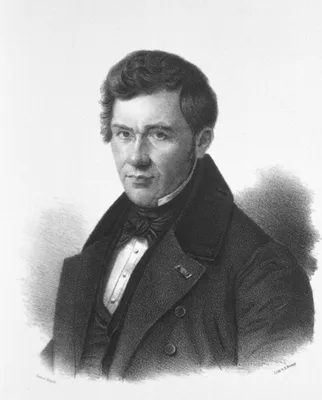
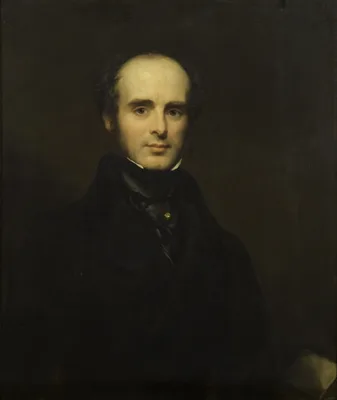
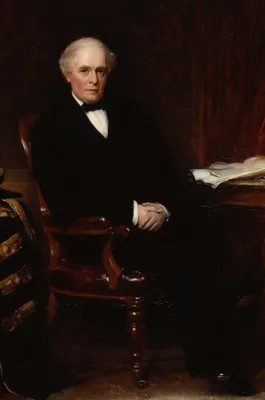
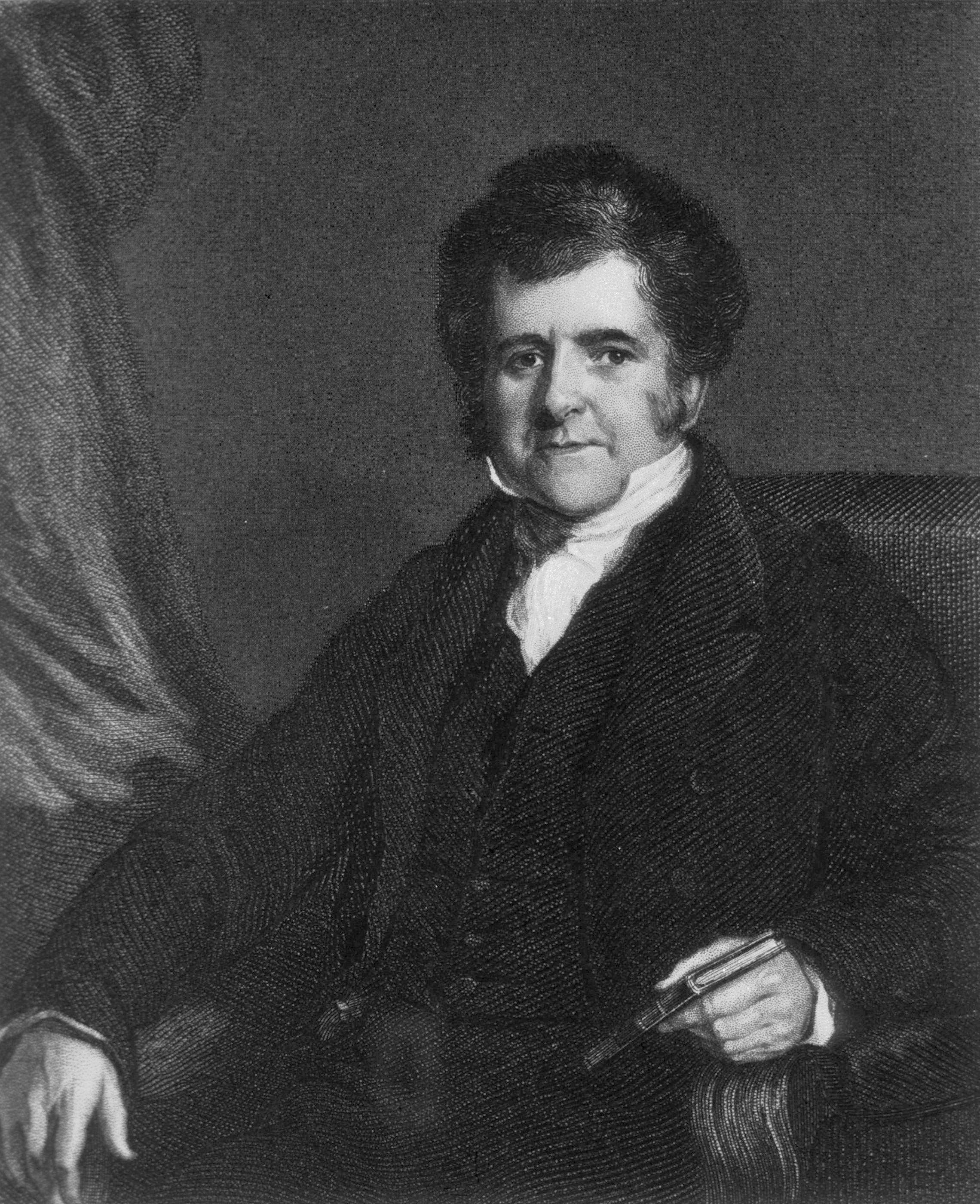
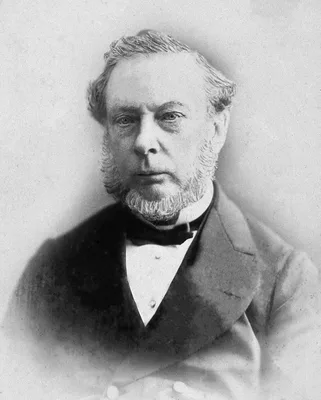
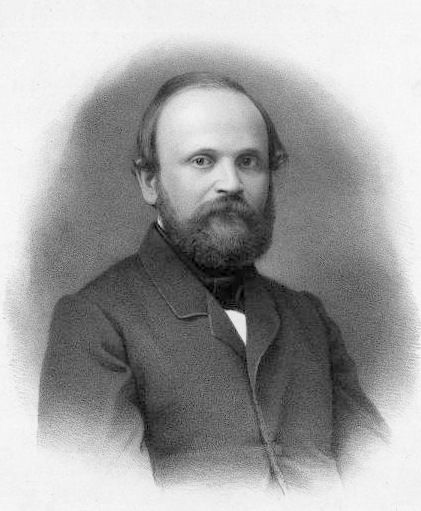
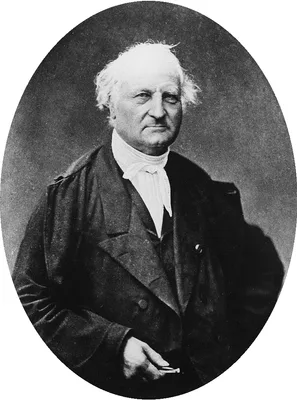
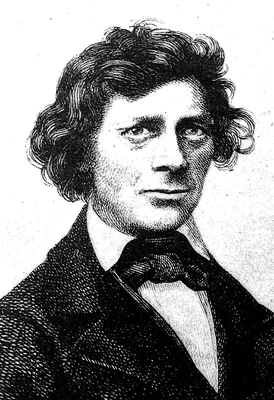
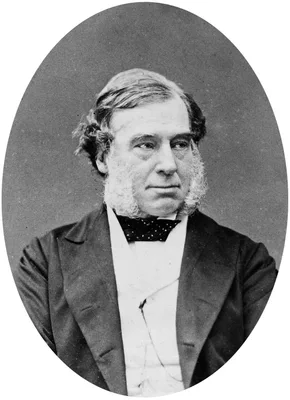
1826 PORTER, William Henry (1790 – 1861)
Observations on the surgical pathology of the larynx and trachea.
Porter was Professor of Surgery at the Royal College of Surgeons in Ireland. The above includes a description of “Porter’s sign”, tracheal tugging in aortic aneurysm.
GMN 3254 · https://historyofmedicine.com/id/3920
1827 ADAMS, Robert (1791 – 1875)
Cases of diseases of the heart, accompanied by pathological observations.
On p. 396 commences a classic account of heart block with syncopal attacks, the first complete description of this condition. Following the paper by Stokes (No. 2756) the eponym “Stokes–Adams syndrome” was employed to…
GMN 2745 · https://historyofmedicine.com/id/4604
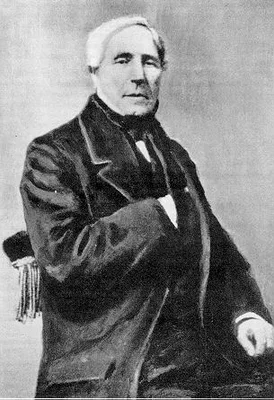
1828 POISEUILLE, Jean Léonard Marie (1799 – 1869)
Recherches sur la force du coeur aortique.
Poiseuille was the first after Stephen Hales to make any important addition to the knowledge of the physiology of circulation. In his graduation thesis, above, he described a “hemodynamometer” invented by himself and …
GMN 767 · https://historyofmedicine.com/id/2024
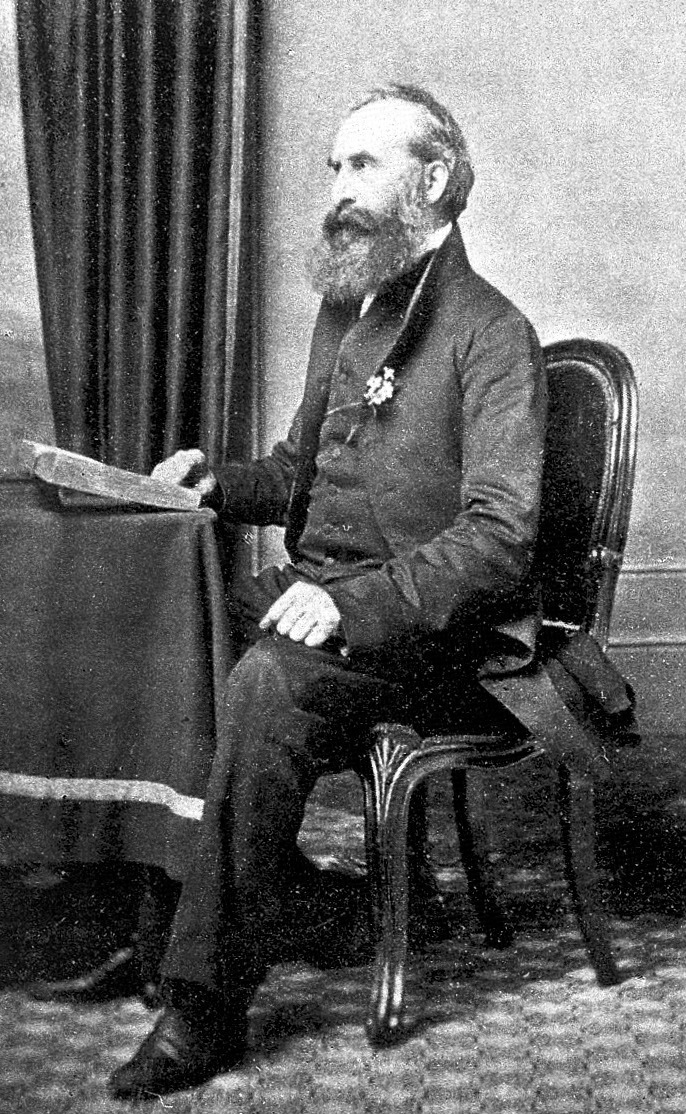
1828 –1829 HODGKIN, Thomas (1798 – 1866)
On the retroversion of the valves of the aorta.
Aortic insufficiency is usually associated with the name of Corrigan, but Hodgkin’s account antedates Corrigan by three years.
GMN 2746 · https://historyofmedicine.com/id/4611
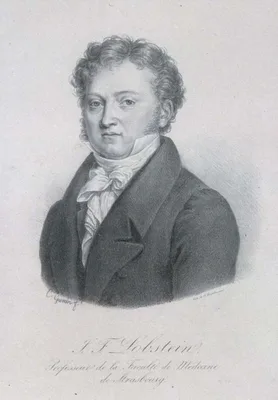
1829 –1833 LOBSTEIN, Jean Georges Chrétien Frédéric Martin (1777 – 1835)
Traité d’anatomie pathologique. 2 vols. and atlas.
Includes a historical review of the subject from the time of the Ancient Egyptians to Corvisart, and a summary of the advances in pathology during the preceding 50 years. Vol. 2, pp. 553-600 deals with diseases of the…
GMN 2288 · https://historyofmedicine.com/id/2915
1831 HALL, Marshall (1790 – 1857)
A critical and experimental essay on the circulation of the blood.
Marshall Hall clearly distinguished arterioles and venules from capillaries, and he described arteriovenous shunts.
GMN 768.1 · https://historyofmedicine.com/id/1757
1831 VELPEAU, Alfred Armand Louis Marie (1795 – 1867)
Mémoire sur la piqûre ou l’acupuncture des artères dans le traitement des anévrismes.
First attempt at operative treatment of aneurysm.
GMN 2977 · https://historyofmedicine.com/id/5123
1831 HECKER, Justus Friedrich Karl (1795 – 1850)
Die Lehre vom Kreislauf vom Harvey. Eine historische Abhandlungen.
Perhaps the earliest essay by a professional historian on the pre-Harveian history of the circulation. Digital facsimile from Google Books at this link.
GMN 12346 · https://historyofmedicine.com/id/14570
1832 HOPE, James (1801 – 1841)
A treatise on the diseases of the heart and great vessels.
Hope did much to advance the knowledge of heart murmurs, valvular disease, and aneurysm; he described the second sound of the left side of the sternum in mitral stenosis as “altered” – losing its short, flat clear sou…
GMN 2747 · https://historyofmedicine.com/id/4618
1832 CORRIGAN, Sir Dominic John (1802 – 1880)
On permanent patency of the mouth of the aorta, or inadequacy of the aortic valves.
In his wonderfully clear account of aortic insufficiency, Corrigan described the “water-hammer pulse” now commonly known as “Corrigan’s pulse.” He recognized that the hypertrophy of the heart present in this condition…
GMN 2748 · https://historyofmedicine.com/id/4623
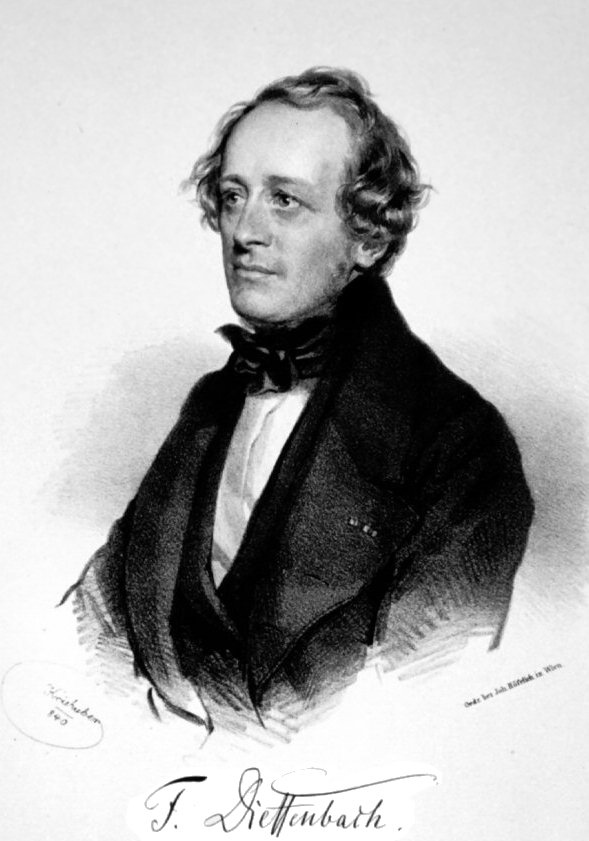
1832 DIEFFENBACH, Johann Friedrich (1792 – 1847)
Physiologisch-chirurgische Beobachtungen bei Cholera-Kranken.
First recorded example of cardiac catheterization, performed during an unsuccessful attempt to obtain blood from a patient suffering from cholera (p. 100). Second edition as separate pamphlet with a new Foreward, Güst…
GMN 2748.1 · https://historyofmedicine.com/id/4628
1834 HÉRISSON, Jules
Le sphygmomètre; instrument qui traduit à l’oeil toute l’action des artères.
Hérisson invented an instrument for recording blood pressure. Translated into English as The sphygmometer, an instrument which renders the action of the arteries apparent to the eye. A memoir... with an improvement of…
GMN 2748.2 · https://historyofmedicine.com/id/4630
1834 COXE, John Redman (1773 – 1864)
An inquiry into the claims of Doctor William Harvey to the discovery of the circulation of the blood; with a more equitable retrospect of that event. To which is added an introductory lecture delivered on the third of November, 18929, in vindication of Hippocrates from sundry charges of ignorance preferred against him by the late professor Rush.
Perhaps the earliest American monograph on the history of circulation. Keynes characterized this volume as "an elaborate and very learned attempt to belittle Harvey's achievement" Keynes, Life of William Harvey, p. 42…
GMN 12395 · https://historyofmedicine.com/id/14623
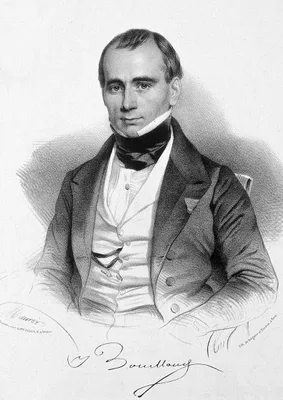
1835 BOUILLAUD, Jean Baptiste (1796 – 1881)
Traité cliniques des maladies du coeur. 2 vols.
Bouillaud applied Laennec's technique of auscultation to diseases of the heart. Vol. 2, page 238: “Bouillaud’s disease” – rheumatic endocarditis. Although not first to note the cardiac manifestations of acute rheumati…
GMN 2749 · https://historyofmedicine.com/id/4633
1836 BOUILLAUD, Jean Baptiste (1796 – 1881)
Nouvelles recherches sur le rhumatisme articulaire en général, et spécialement sur la loi de coincidence de la péricardite et de l'endocardite avec cette maladie, ainsi que sur l'efficacité de la formule des émissions sanguines coup sur coup dans son traitement.
"In this volume he [Bouillaud] irrevocably established the etiologic relationship between rheumatic fever and heart disease. Early reports on this relationship had been contributed by Pitcairn, Jenner, and Wells, but …
GMN 11556 · https://historyofmedicine.com/id/13755
1837 ŠKODA, Josef (1805 – 1881)
Ueber den Herzstoss und die durch die Herzbewegungen verursachten Töne.
Skoda’s theory of the heart beat.
GMN 804 · https://historyofmedicine.com/id/172
1837 SOBERNHEIM, Joseph Friedrich (1803 – 1846)
Akute idiopathische Herzentzündung. In his: Praktische Diagnostik, pp. 118-20
Sobernheim first used the term “myocarditis.”
GMN 2750 · https://historyofmedicine.com/id/4637
1837 –1841 PIROGOV, Nikolai Ivanovich (Pirogoff) (1810 – 1881)
Anatomia chirurgica truncorum arteriarum nec non fasciarum fibrosarum.
An atlas of arterial stems and fasciae. Translated into German as Chirurgische anatomie der Arterienstamme und Fascien neu Bearbeitet von Julius Szymanowski. Leipzig und Heidelberg: C. F. Winter, 1850. Digital facsimi…
GMN 11697 · https://historyofmedicine.com/id/13898
1839 PURKYNĔ, Jan Evangelista [PURKINJE] (1787 – 1869)
Nowe spostrzezenia i badainia w przedmiocie fizyologii i drobnowidzowéj anatomii.
The “Purkinjĕ fibres”; identification of the conductor system of the heart. Reprinted in his Opera omnia, 1939, 3, 52-63. German version in Arch. Anat. Physiol, wiss. Med., 1845, 281-95; English translation by W. W. G…
GMN 805 · https://historyofmedicine.com/id/177
1839 MAGENDIE, François (1783 – 1855)
Lectures on the blood, and on the changes which it undergoes during disease: Delivered at the College of France in 1837-8.
Pp. 244-49: Magendie showed that secondary or subsequent injections of egg/albumin caused death in rabbits who had tolerated an initial injection. This was the first experiment in anaphylaxis, though Jenner in 1798 ha…
GMN 2585 · https://historyofmedicine.com/id/4372
1839 MERCIER, Louis-Auguste (1811 – 1882)
Rétrécissement avec oblitération presque complète de la portion thoracique de l’aorte.
Diagnosis of coarctation of aorta during life. Translation in Amer. J. Cardiol, 1965, 16, 253-55.
GMN 2750.1 · https://historyofmedicine.com/id/4639
1839 PIGEAUX, Antoine Louis Jules (1807 – )
Traité pratique des maladies du coeur.
GMN 2751 · https://historyofmedicine.com/id/4640
1839 AMUSSAT, Jean Zuléma (1796 – 1856)
Recherches sur l'introduction accidentelle de l'air dans les veines, et particulièrement sur cette question: L'air en s'Introduisant spontanément par une veine blessée pendant une opération chirurgicale, peut-il causer subitement la mort?
Amussat was one of the first to draw attention to the risks of the introduction of venous air embolism in surgery. Before the introduction of anesthesia surgery was particularly rapid by necessity, and veins were ofte…
GMN 11546 · https://historyofmedicine.com/id/13745
1839 BRIGHT, Richard (1789 – 1858)
Cases of spasmodic disease accompanying affections of the pericardium.
Digital facsimile of the separate offprint from wellcomecollection.org at this link.
GMN 12222 · https://historyofmedicine.com/id/14434
1840 BOUILLAUD, Jean Baptiste (1796 – 1881)
Traité clinique du rhumatisme articulaire.
Extension of Bouillaud’s work on the coincidence of heart disease and acute rheumatism. He regarded fever as the effect of endocarditis (see also No. 2749).
GMN 4494 · https://historyofmedicine.com/id/93
1840 POISEUILLE, Jean Léonard Marie (1799 – 1869)
Recherches expèrimentales sur le mouvement des liquides dans les tubes de très petits diamètres.
Poiseuille’s law of the flow of liquids in tubes – fundamental in blood viscosimetry. Abstract; complete monograph in Mém. Acad. roy. Sci. (Paris), 1846, 9, 433-544. First book-form edition, Paris, 1844.
GMN 768 · https://historyofmedicine.com/id/1756
1841 HENLE, Friedrich Gustav Jakob (1809 – 1885)
Allgemeine Anatomie. Lehre von den Mischungs- und Formbestandtheilen des menschlichen Körpers.
Many of the histological discoveries of Henle are described in the above. He classified tissues histologically. In the section on Gefässnerven (pp. 510, 690) Henle demonstrated the presence of smooth muscle in the end…
GMN 543 · https://historyofmedicine.com/id/268
1842 CHEEVERS, Norman (1818 – 1886)
Observations on the diseases of the orifice and valves of the aorta.
First clear account of chronic constrictive pericarditis.
GMN 2752 · https://historyofmedicine.com/id/4643
1843 BARLOW, George Hilaro (1806 – 1866); REES, George Owen (1813 – 1889)
Account of observations… on patients whose urine was albuminous.
An early description of a case of subacute bacterial endocarditis is reported on pp. 227-32 (Case 8).
GMN 2753 · https://historyofmedicine.com/id/4645
1843 FAUVEL, Sulpice Antoine (1813 – 1884)
Mémoire sur les signes stethoscopiques du rétrécissement de l’orifice auriculo-ventriculaire gauches du coeur.
First description of the presystolic murmur in mitral stenosis. Partial English translation in No. 2241.
GMN 2754 · https://historyofmedicine.com/id/4647
1843 PEACOCK, Thomas Bevill (1812 – 1882)
Cases.
An important account of dissecting aneurysm. Peacock collected all previously published cases and added a few of his own to a total of 19.
GMN 2977.1 · https://historyofmedicine.com/id/5129
1844 REMAK, Robert (1815 – 1865)
Neurologische Erlauterungen.
Remak was first to describe the intrinsic ganglia of the heart.
GMN 806 · https://historyofmedicine.com/id/569
1844 BALARD, Antoine Jérôme (1802 – 1876)
Mémoire sur l’alcool amylique.
Discovery of amyl nitrite.
GMN 1859 · https://historyofmedicine.com/id/2387
1844 BRICHETEAU, Isidore (1789 – 1861)
Observation d’hydropneumopéricarde accompagnée d’un bruit de fluctuation perceptible à l’oreille.
First adequate description of pneumopericardium.
GMN 2755 · https://historyofmedicine.com/id/4649
1845 WEBER, Eduard Friedrich Wilhelm (1806 – 1871); WEBER, Ernst Heinrich (1795 – 1878)
Experimenta, quibus probatur nervos vagos rotatione machinae galvanomagneticae irritatos, motum cordis retardare et adeo intercipare.
The discovery of the inhibitory power of the vagus. Also published in Wagner’s Handwörterbuch der Physiologie, 1846, 3, 45-51. Partial translation in J. F. Fulton’s Selected readings in the history of physiology, 2nd …
GMN 807 · https://historyofmedicine.com/id/183
1846 WILD, F
Ueber die peristaltische Bewegung des Oesophagus, nebst einigen Bemerkungen über diejenigen des Darms.
Includes (pp. 76-77) a description of what is probably the first perfusion of the isolated heart.
GMN 808 · https://historyofmedicine.com/id/191
1846 LATHAM, Peter Mere (1789 – 1875)
Lectures on subjects connected with clinical medicine, comprising disease of the heart. Second edition, 2 vols.
Includes (vol. 2, pp. 373-79) a classic description of coronary thrombosis, although not using the term. The patient was Thomas Arnold, the educationist, and the report was signed by Joseph Hodgson and by S. Bucknill,…
GMN 2755.1 · https://historyofmedicine.com/id/4655
1846 STOKES, William (1804 – 1878)
Observations on some cases of permanently slow pulse.
Stokes’s celebrated account of heart block with syncopal attacks – the Stokes–Adams syndrome (see also No. 2745). Stokes was most interested in the diagnostic value of this condition. The paper is reprinted in Med. Cl…
GMN 2756 · https://historyofmedicine.com/id/4658
1846 BRODIE, Sir Benjamin Collins (1783 – 1862)
Lectures illustrative of various subjects in pathology and surgery.
Page 361 contains the first description of intermittent claudication in man. This was first reported (in the horse) by “Boullay” [?J. Bouley] in Arch. gén. Méd.,1831, 27, 425. P. 186: Brodie's test for insufficiency o…
GMN 2902 · https://historyofmedicine.com/id/4851
1846 BURROWS, Sir George (1801 – 1887)
On the disorders of the cerebral circulation; and on the connection between affections of the brain and diseases of the heart.
"Burrows was the first to indicate that the effects of cerebral anemia could be produced not only by obvious anemia itself, but also from a fall in blood pressure. He carried out some of the earliest studies of the ph…
GMN 11558 · https://historyofmedicine.com/id/13757
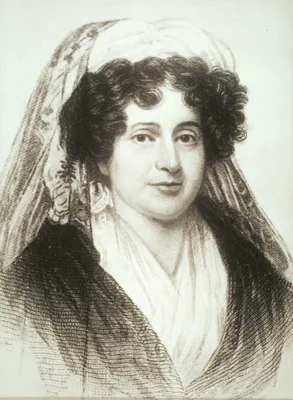
1846 WILLARD, Emma (1787 – 1870)
A treatise on the motive powers which produce the circulation of the blood.
The author was an American women's rights activist and educator rather than a physician or physiologist. Digital facsimile from U.S. National Library of Medicine at this link.
GMN 11734 · https://historyofmedicine.com/id/13935
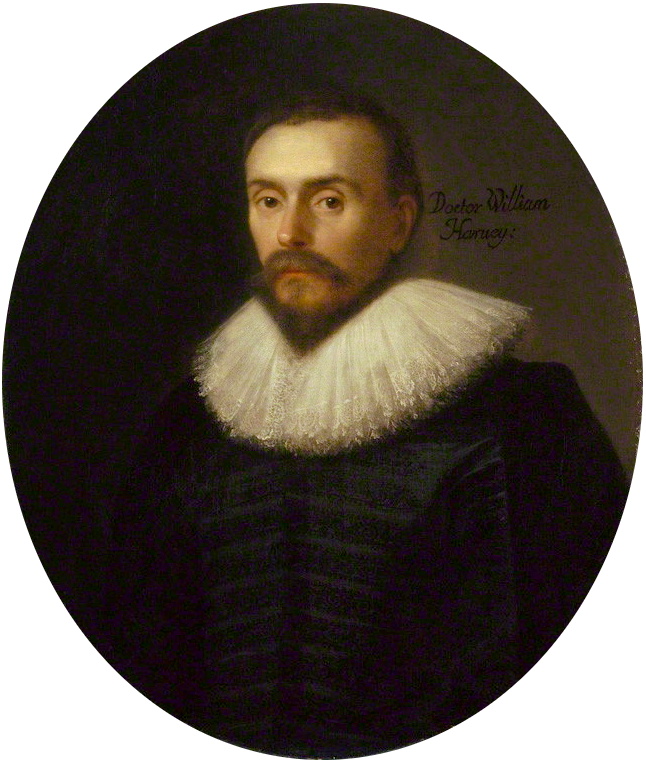
1847 HARVEY, William (1578 – 1657); WILLIS, Robert (1799 – 1878)
The works of William Harvey. Translated from the Latin, with a life of the author by Robert Willis.
See Sir Geoffrey Keynes’s Life of William Harvey, Oxford, 1966, (2nd printing, with corrections, 1978) and his Bibliography of the writings of William Harvey, 3rd ed., revised by Gweneth Whitteridge and Christine Engl…
GMN 61.1 · https://historyofmedicine.com/id/981
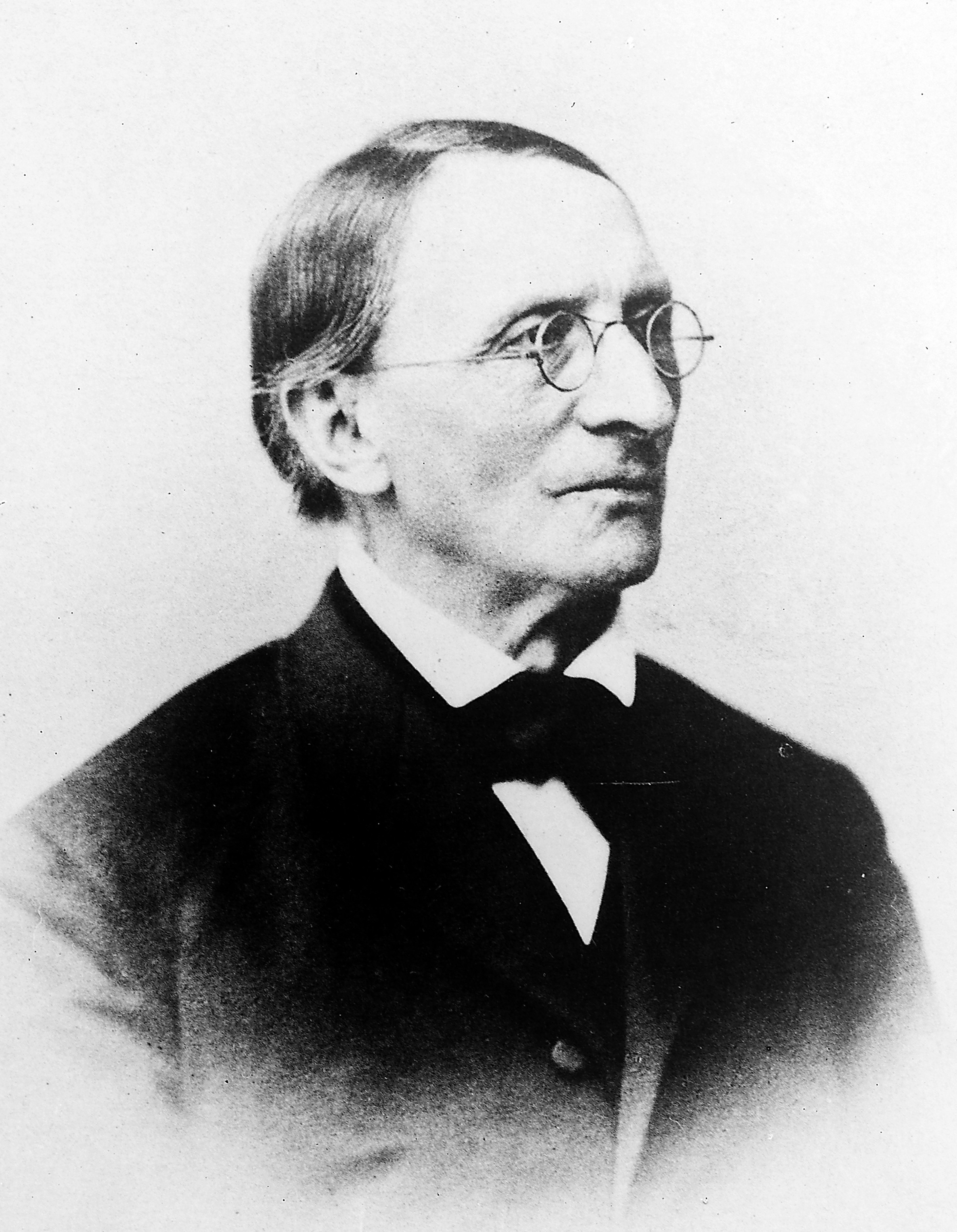
1847 LUDWIG, Carl Friedrich Wilhelm (1816 – 1895)
Beiträge zur Kenntniss des Einflusses der Respirationsbewegungen auf den Blutlauf im Aortensystem.
Ludwig changed Poiseuille’s hemodynamometer into the kymograph by the addition of a float and caused this float to write on a recording cylinder. Abridged English translation in Ruskin (No. 3160.1).
GMN 770 · https://historyofmedicine.com/id/1758
1847 VIRCHOW, Rudolf Ludwig Karl (1821 – 1902)
Ueber die acute Entzündung der Arterien.
GMN 2903 · https://historyofmedicine.com/id/4853
1847 BELLINGHAM, O’Bryen (1805 – 1857)
Observations on aneurism, and its treatment by compression.
Bellingham introduced the “Dublin method” of treating aneurysm by slow compression.
GMN 2978 · https://historyofmedicine.com/id/5133
1848 LUDWIG, Carl Friedrich Wilhelm (1816 – 1895)
Über die Herznerven des Frosches.
GMN 809 · https://historyofmedicine.com/id/196
1848 DONDERS, Frans Cornelis (1818 – 1889); JANSEN, Jan Hissink (1816 – 1885)
Untersuchungen über die Natur der krankhaften Veränderungen der Arterienwände, die als Ursachen der spontanen Aneurysmen zu betrachten sind.
GMN 2979 · https://historyofmedicine.com/id/5140
1850 HOFFA, Moritz (1816 – 1895)
Einige neue Versuche über Herzbewegung.
Experimental ventricular fibrillation.
GMN 810 · https://historyofmedicine.com/id/199
1850 VOLKMANN, Alfred Wilhelm (1800 – 1877)
Die Hämodynamik nach Versuchen.
GMN 771 · https://historyofmedicine.com/id/1759
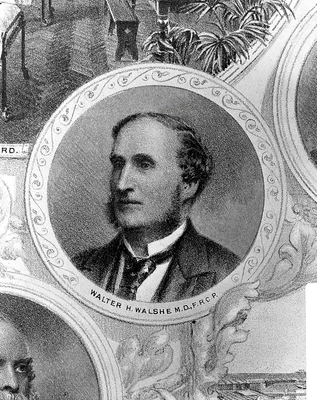
1851 WALSHE, Walter Hayle (1812 – 1892)
A practical treatise on the diseases of the lungs and heart, including the principles of physical diagnosis.
Walshe, physician to University College Hospital, London, was one of the first to recognize the presystolic character of the direct mitral murmur in mitral stenosis.
GMN 2757 · https://historyofmedicine.com/id/4661