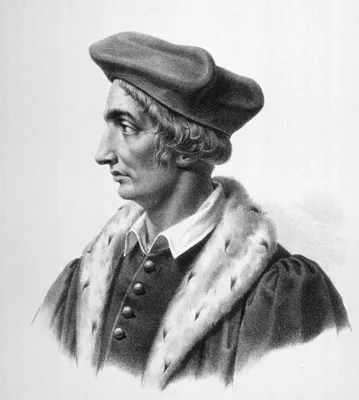
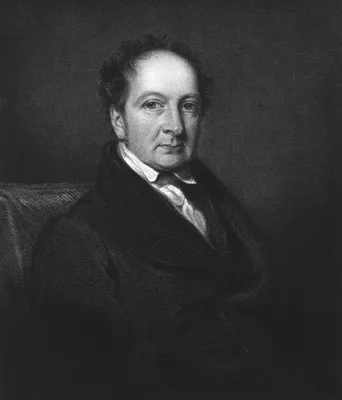
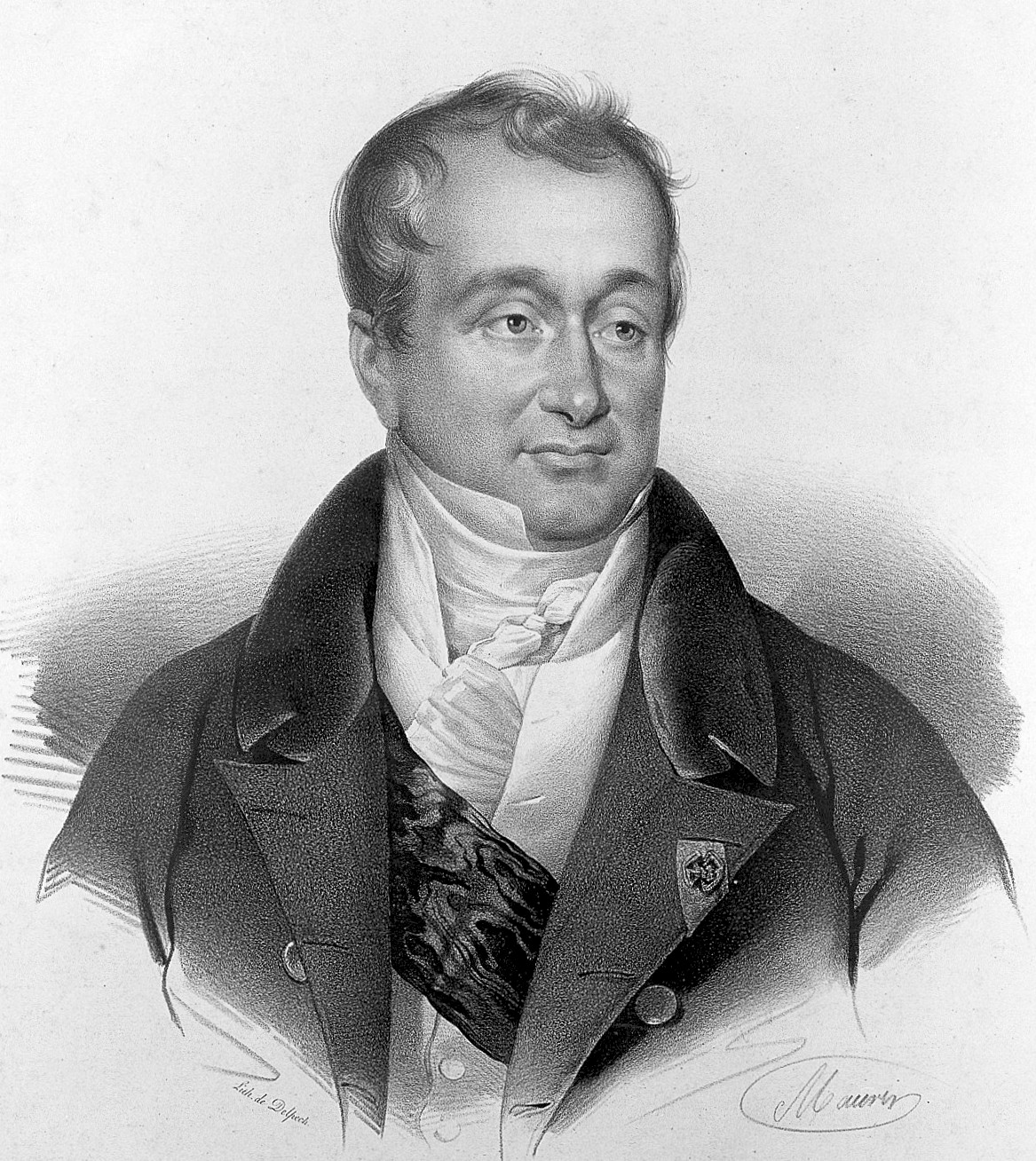
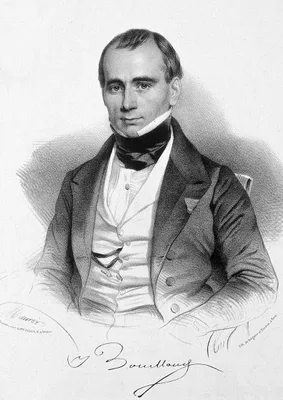
1554 FERNEL, Jean François (1497 – 1558)
Medicina. 3 pts.
The first systematic treatise on pathology, which also introduced the names for the sciences of pathology and physiology. In the second part, entitled “Pathologia”, Fernel provided the first systematic essay on the su…
GMN 2271 · https://historyofmedicine.com/id/2838
1582 RAUWOLF, Leonhard (1535 – 1596)
Aigentlich Beschreibung der Raiss, so er vor diser Zeit gegen Auffgang inn die Morgenländer, fürnemlich Syriam, Iudaeam, Arabiam, Mesopotamiam, Babyloniam, Assyriam, Armeniam etc....
Rauwolf provided the first modern descriptions of the flora of the area east of the Levantine coast. He was also the first to describe the riparian flora of the Euphrates, and the first European to publish an account …
GMN 7327 · https://historyofmedicine.com/id/9498
1587 RUDIUS, Eustachius (1551 – 1611)
De virtutibus et viciis cordis libri tres. Primus agit de virtutibus & functionibus cordis. Secundus de palpitatione cordis. Tertius de syncope.
The earliest separate treatise on cardiac physiology and pathology. Digital facsimile from Google Books at this link.
GMN 10660 · https://historyofmedicine.com/id/12853
1603 SASSONIA, Ercole [HERCULES DE SAXONIA] (1551 – 1607)
De pulsibus libri tres nunc primum in lucem editi.
Sassonia emphasized the importance of the pulse in diagnosis, and provided the first recorded description of heart block. Pages 57-61 contain graphic representations of the pulse using dashes of unequal length. Digita…
GMN 2726 · https://historyofmedicine.com/id/4465
1624 SAPORTA, Antoine de ( – 1573); GRAS, Henri ( – 1665)
De tumoribus praeter naturam libri quinque. Ex instructissima Bibliotheca Ranchiniana eruti, & publici iuris facti, cura & studio Henric Gras...Accessit Ioannis Saportae Tractatus de lue venerea.
IN 1554 Saporta gave the earliest description of an aortic aneurysm. Many years after Saporta's death Henri Gras of Lyon discovered the manuscript of Saporta's book, and edited it for publication. Digital facsimile fr…
GMN 2971 · https://historyofmedicine.com/id/5080
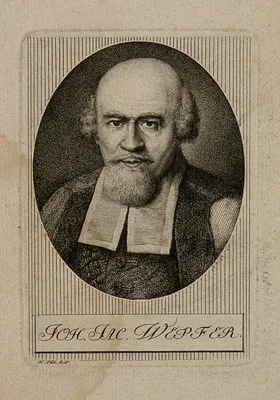
1658 WEPFER, Johann Jacob (1620 – 1695)
Observationes anatomicae, ex cadaveribus eorum, quos sustulit apoplexia.
Wepfer showed apoplexy to be a result of hemorrhage into the brain. He described four cases, with clinical and post mortem findings. He preceded Willis (No. 1378) in describing the “circle of Willis”. Partial English …
GMN 2703 · https://historyofmedicine.com/id/359
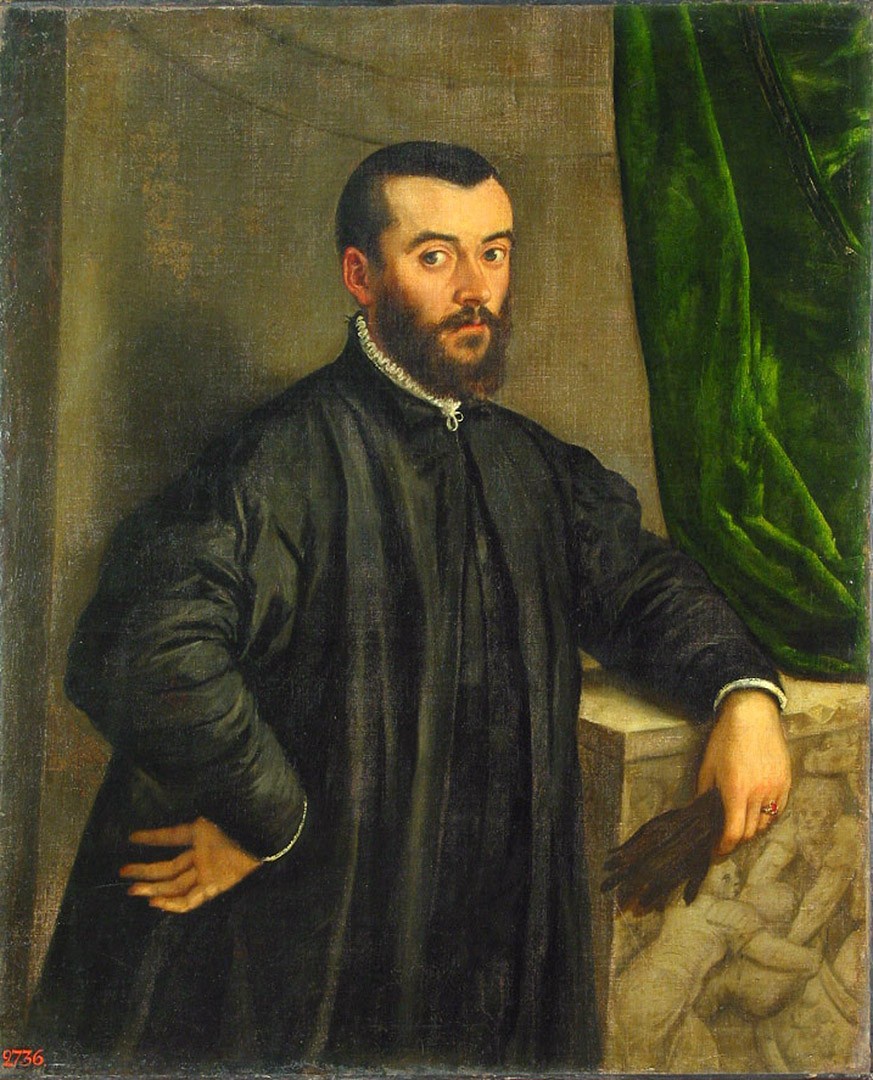
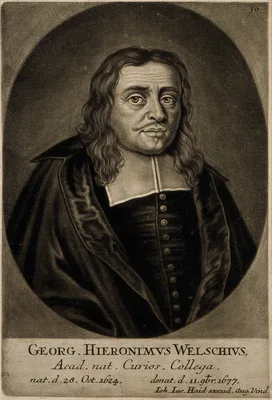
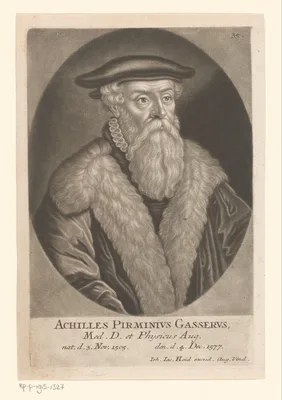
1667 VESALIUS, Andreas (1514 – 1564); WELSCH, Georg Hieronymous (Velschius) (1624 – 1677); GASSER, Achilles Pirmin (1505 – 1577); RUMLER, Johannes Udalricus
Vesalius: Una cum D. Bartholomaei Velseri literis, Tuas, doctissime et mihi amicissime D. Achilles, accepi.... IN: Welsch, G. H., Sylloge curationum et observationum medicinalum centurias vi complectens (J. U. Rumler, Observationes medicae e bibliotheca Georgi Hieronymi Velschii, cum eius dem notis LXXXXI, p. 47).
In 1555 Vesalius was the first to diagnose an aneurysm of the thoracic and abdominal aorta in a living person. Vesalius wrote this consilium to Achilles Pirmin Gasser on July 18, 1557; it was not published until more …
GMN 2972 · https://historyofmedicine.com/id/5096
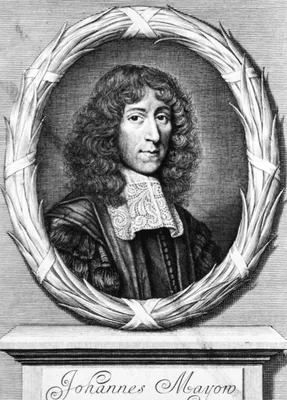
1674 MAYOW, John (1643 – 1679)
Tractatus quinque medico-physici.
Mayow was the first to locate the seat of animal heat in the muscles; he discovered the double articulation of the ribs with the spine and came near to discovering oxygen in his suggestion that the object of breathing…
GMN 2726.2 · https://historyofmedicine.com/id/366
1674 RIVIÈRE, Lazare [RIVERIUS] (1589 – 1655)
Opera medica universa.
Riverius was the first to note aortic stenosis (p. 638 of the above).
GMN 2727 · https://historyofmedicine.com/id/4479
1691 GERBEC, Marko [GERZEBIUS] (1658 – 1718)
Pulsus mira inconstantia.
First reported case of temporary cardiac arrest with syncopal attacks, the syndrome to which the names of Stokes (No. 2756) and Adams (No. 2745) were later attached.
GMN 2728 · https://historyofmedicine.com/id/4482
1698 CHIRAC, Pierre (1657 – 1732)
De motu cordis adversaria analytica.
In this pioneering experimental study of coronary function, describing the first experimental tying of a coronary vessel, Chirac demonstrated that cardiac arrest occurs in response to coronary ligation. “A special pos…
GMN 10657 · https://historyofmedicine.com/id/12850
1705 VIEUSSENS, Raymond (1641 – 1715)
Novum vasorum corporis humani systema.
Vieussens was among the first to describe the morbid changes in mitral stenosis, the throbbing pulse in aortic insufficiency, and the first correctly to describe the structure of the left ventricle, the course of the …
GMN 2729 · https://historyofmedicine.com/id/4484
1706 COWPER, William (1666 – 1709)
Of ossifications or petrifications in the coats of arteries, particularly in the valves of the great artery.
First description of aortic insufficiency. Reproduced in Willius & Keys: Cardiac classics, 1941, pp. 109-14.
GMN 2730 · https://historyofmedicine.com/id/4488
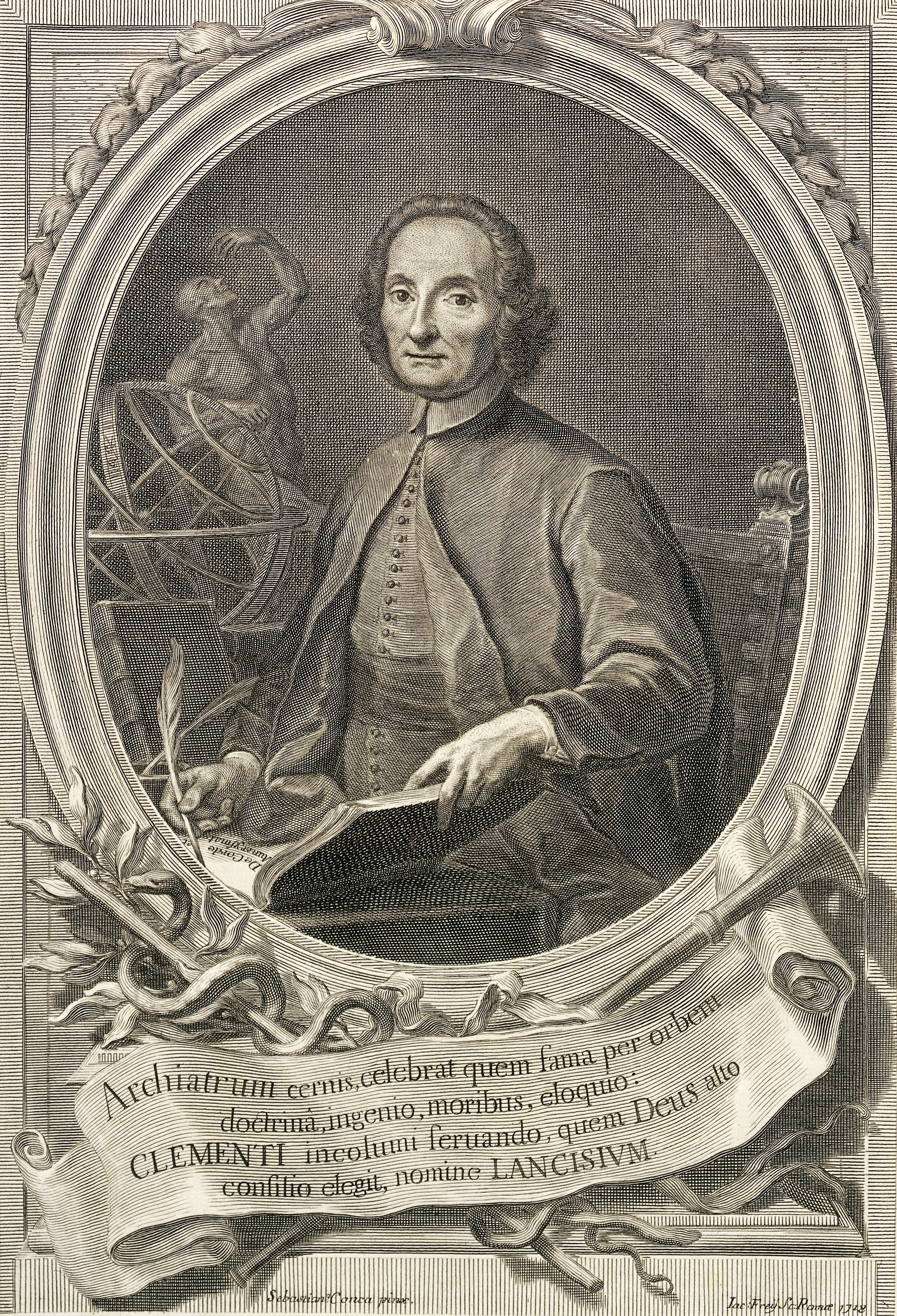
1707 LANCISI, Giovanni Maria (1654 – 1720)
De subitaneis mortibus libri duo.
In the above work Lancisi noted cardiac hypertrophy and dilatation as causes of sudden death. He was the first to describe valvular vegetation, and his book gives a classification of the cardiac diseases then recogniz…
GMN 2731 · https://historyofmedicine.com/id/4492
1715 VIEUSSENS, Raymond (1641 – 1715)
Traité nouveau de la structure et des causes du mouvement naturel du coeur. IN: Oeuvres françoises de M. Vieussens dédiées a nosseigneurs des états de la province de Languedoc.
The first work on cardiac anatomy and pathology. Vieussens was the first to describe the course of the coronary arteries and the coronary sinus. He also described collateral vessels connecting the left anterior descen…
GMN 7247 · https://historyofmedicine.com/id/9416
1718 LANCISI, Giovanni Maria (1654 – 1720); ASSALTI, Pietro (1680 – 1728)
Jo. Mariae Lancisii archiatri pontificii. Opera quae hactenus prodierunt omnia; dissertationibus nonnullis adhuc dum ineditis locupletata, & ab ipso auctore, recognita atque emendata. Collegit, ac in ordinem digessit Petrus Assaltus. 2 vols.
Lancisi's collected works edited by Pietro Assalti. Lancisi was the first to describe cardiac syphilis; he was also notable as an epidemiologist, with a clear insight into the theory of contagion. He was physician to …
GMN 71 · https://historyofmedicine.com/id/1266
1728 LANCISI, Giovanni Maria (1654 – 1720)
De motu cordis et aneurysmatibus.
Lancisi noted the frequency of cardiac aneurysm and showed the importance of syphilis, asthma, palpitation, violent emotions, and excess as causes of aneurysms. He was the first to describe cardiovascular syphilis. La…
GMN 2973 · https://historyofmedicine.com/id/5101
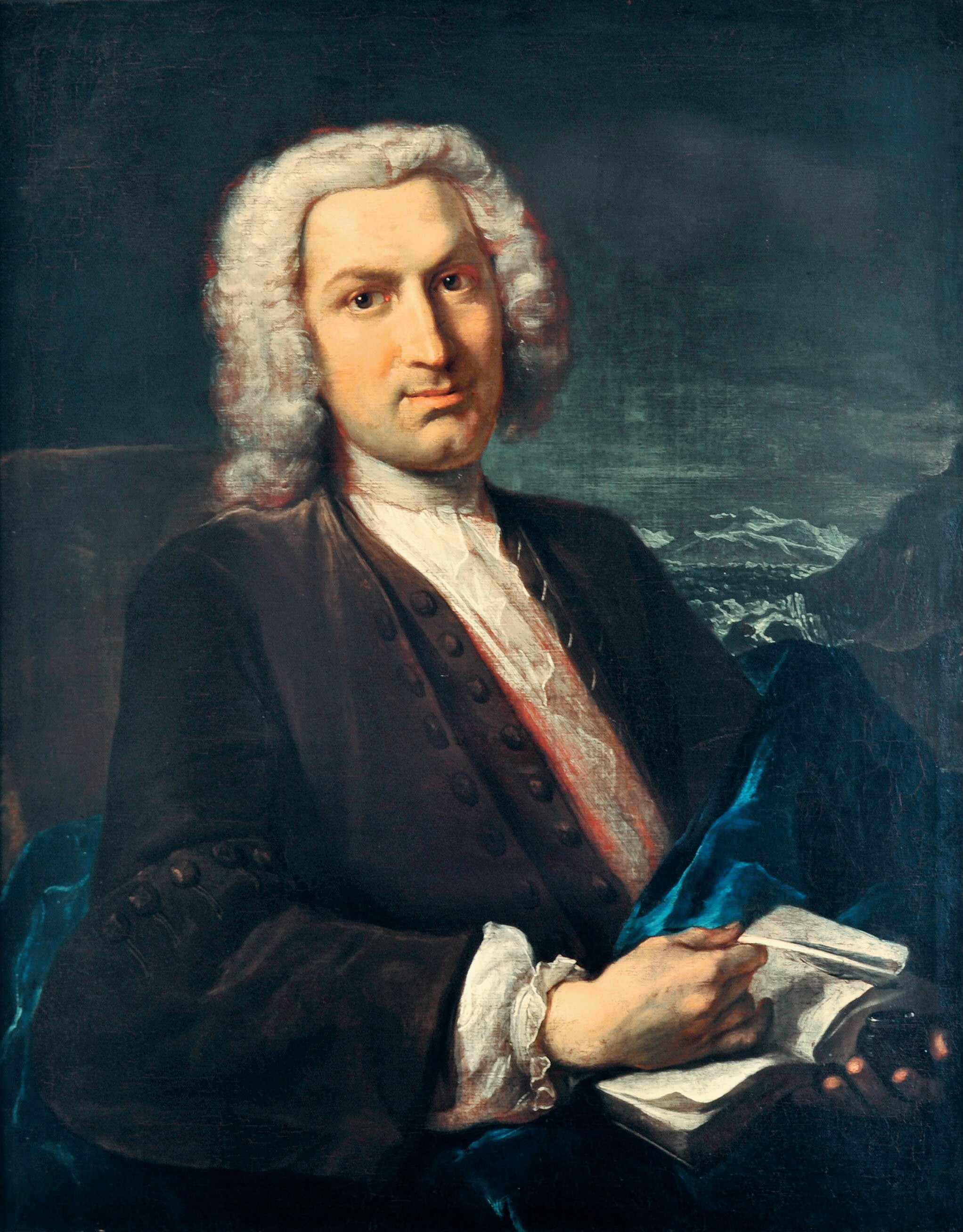
1749 HALLER, Albrecht von (1708 – 1777)
De aortae venaeque cavae gravioribus quibusdam morbis.
GMN 2732 · https://historyofmedicine.com/id/4501
1749 SÉNAC, Jean Baptiste (1693 – 1770)
Traité de la structure du coeur, de son action, et de ses maladies. 2 vols.
Senac’s valuable treatise on the heart added much to the knowledge of the anatomy and diseases of that organ; he mentioned the leucocytes, which he considered to belong to the chyle, and he described pericarditis. Sen…
GMN 2733 · https://historyofmedicine.com/id/4505
1757 HUNTER, William (1718 – 1783)
The history of an aneurysm of the aorta, with some remarks on aneurysms in general.
First recorded case of arteriovenous aneurysm.
GMN 2974 · https://historyofmedicine.com/id/5106
1759 HYDE, Edward, Earl of Clarendon (1609 – 1674)
The life of Edward, Earl of Clarendon: Lord High Chancellor of England and Chancellor of the University of Oxford. Containing, I. An Account of the chancellor's life from his birth to the restoration in 1660. II. A Continuation of the same, and of his history of the grand rebellion, from the restoration to his banishment in 1667. Written by himself. Printed from his original manuscripts, given to the University of Oxford by the Heirs of the late Earl of Clarendon. 3 vols.
From the description given by the Earl of Clarendon in his autobiography, on vol. 1, p. 16, his father, Henry Hyde, almost certainly suffered from, and died of, angina pectoris. If this is really so, it is the first r…
GMN 2884 · https://historyofmedicine.com/id/4294
1761 MORGAGNI, Giovanni Battista (1682 – 1771)
De sedibus, et causis morborum per anatomen indagatis libri quinque. 2 vols.
Morgagni was the founder of modern pathological anatomy. The work was completed in Morgagni’s 79th year and consists of a series of 70 letters reporting about 700 cases and necropsies. As best he could, he correlated …
GMN 2276 · https://historyofmedicine.com/id/2846
1762 NICHOLLS, Frank (1699 – 1778)
Observations concerning the body of his late Majesty, October 26, 1760.
Nicholls was the first to describe dissecting aneurysm of the aorta, the patient being King George II, to whom he was physician from 1753-60. Nicholls was also the first to give a correct description of the mode of pr…
GMN 2734.1 · https://historyofmedicine.com/id/4518
1768 ROUGNON DE MAGNY, Nicolas François (1727 – 1799)
Lettre de M. Rougnon à M. Lorry, touchant les causes de la mort de feu Monsieur Charles, ancien capitaine de cavalerie, arrivé à Besançon le 23 février 1768.
Osler, Allbutt, and several other authorities believe this to be the description of an authentic case of angina, thus preceding Heberden’s classic account. Other eminent authorities consider the patient to have suffer…
GMN 2886 · https://historyofmedicine.com/id/4305
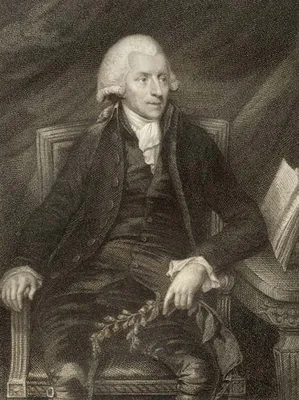
1772 HEBERDEN, William Sr. (1710 – 1801)
Some account of a disorder of the breast.
This classic description of angina pectoris is the substance of a paper read on July 21, 1768. Although descriptions of angina are to be found in the works of earlier writers, these mention only dyspnoea in their case…
GMN 2887 · https://historyofmedicine.com/id/4309
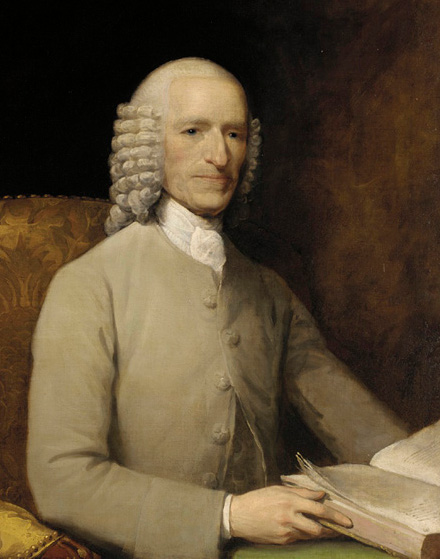
1776 FOTHERGILL, John (1712 – 1780)
Case of an angina pectoris, with remarks. Farther account of the angina pectoris.
Fothergill was "the first physician to suspect on clinical grounds that the heart might be affected in this condition [angina pectoris] and he was the first to record abnormalities of the myocardium and coronary arter…
GMN 11600 · https://historyofmedicine.com/id/13799
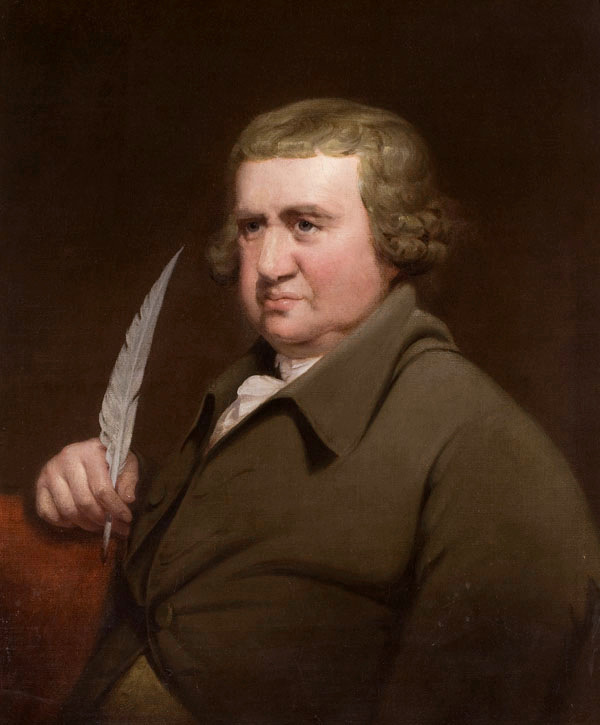
1780 DARWIN, Erasmus (1731 – 1802)
Experiments establishing a criterion between mucaginous and purulent matter. An an account of the retrograde motions of the absorbent vessels of animal bodies in some diseases.
Includes the first description of the value of digitalis in the treatment of patients with heart failure, with discussion of several successful cases. Digital facsimile from Google Books at this link. Darwin and Withe…
GMN 8589 · https://historyofmedicine.com/id/10766
1781 FOTHERGILL, John (1712 – 1780); ELLIOT, John (1747 – 1787)
A complete collection of the medical and philosophical works of John Fothergill. With an account of his life; and occasional notes, by John Elliot.
Digital facsimile from Google Books at this link.
GMN 11601 · https://historyofmedicine.com/id/13800
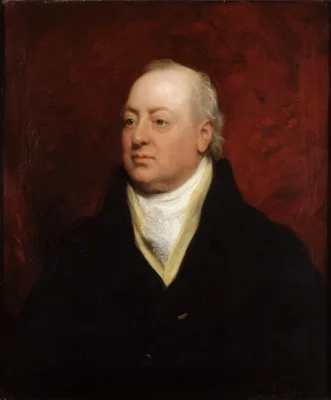
1785 WITHERING, William (1741 – 1799)
An account of the foxglove, and some of its medical uses.
Before publication of Withering's book digitalis was a widely used folk remedy, occasionally mentioned in the literature. Withering established the correct dosages, and the action of digitalis in edema and on the hear…
GMN 1836 · https://historyofmedicine.com/id/8650
1786 HOME, Sir Everard (1756 – 1832)
An account of Mr. Hunter’s method of performing the operation for the popliteal aneurism.
First description of John Hunter’s method of treating popliteal aneurysm. This consisted in a single ligature of the artery at a distance high in the healthy tissues. Recorded by his brother-in law. See also Trans. So…
GMN 2925 · https://historyofmedicine.com/id/4935
1790 KAST, Thomas (1755 – 1820)
An account of an aneurism in the thigh, perfectly cured by the operation.
The first femoral ligation reported in America, and the first paper on a surgical topic to be published in an American medical periodical.
GMN 2925.1 · https://historyofmedicine.com/id/4938
1793 SPENS, Thomas (1764 – 1842)
History of a case in which there took place a remarkable slowness of the pulse.
Morgagni described a case of “epilepsy with slow pulse” (see No. 2734), but Adams has been given the credit for reporting the first clear case of heart block (No. 2745). There is no doubt that Spens reported such a ca…
GMN 2735 · https://historyofmedicine.com/id/4539
1797 BAILLIE, Matthew (1761 – 1823)
The morbid anatomy of some of the most important parts of the human body. 2nd ed.
First clinical description of chronic obstructive pulmonary emphysema. The lung on which Baillie performed an autopsy before describing this condition is said to have been that of Samuel Johnson. P. 46: Baillie sugges…
GMN 2736 · https://historyofmedicine.com/id/4126
1799 PARRY, Caleb Hillier (1755 – 1822)
An inquiry into the symptoms and causes of the syncope anginosa commonly called angina pectoris.
This was a paper read before the Gloucester Medical Society in 1788, but not published until 1799. Largely confirming the earlier work of Heberden on the condition, Parry stated his conclusion that disease of the coro…
GMN 2888 · https://historyofmedicine.com/id/4318
1799 FERRIAR, John (1761 – 1815)
An essay on the medical properties of the digitalis purpurea or foxglove.
"John Ferriar...published the first monograph on digitalis after William Withering (1785). Ferriar was the first to suggest that digitalis was beneficial in dropsy (severe congestive heart failure), in part because it…
GMN 11592 · https://historyofmedicine.com/id/13791
1802 HEBERDEN, William Sr. (1710 – 1801)
Commentarii de morborum historia et curatione.
Samuel Johnson called Heberden “the last of our learned physicians”. The above work included all his important papers, which had earned him his great reputation, and which are dealt with elsewhere in this database (se…
GMN 2207 · https://historyofmedicine.com/id/3677
1804 SCARPA, Antonio (1752 – 1832)
Sull’aneurisma: riflessioni ed osservazioni anatomico-chirurgiche.
Scarpa distinguished true from false aneurysms. He introduced the concept of arteriosclerosis. English translations, Edinburgh, 1808 and 1819. Digital facsimile from Heidelberg University Library at this link.
GMN 2975 · https://historyofmedicine.com/id/5112
1806 CORVISART DES MAREST, Jean Nicolas (1755 – 1821)
Essai sur les maladies et les lésions organiques du coeur et des gros vaisseaux.
Corvisart really created cardiac symptomatology and made possible the differentiation between cardiac and pulmonary disorders. He was first to explain heart failure mechanically and to describe the dyspnoea of effort.…
GMN 2737 · https://historyofmedicine.com/id/4558
1809 DUNDAS, David
An account of a peculiar disease of the heart.
Account of nine cases of rheumatic endocarditis.
GMN 2739 · https://historyofmedicine.com/id/4574
1809 BURNS, Allan (1781 – 1813)
Observations on some of the most frequent and important diseases of the heart.
Burns described endocarditis and reported three cases of mitral stenosis. He recognized the thrill present in the latter condition and seems to have understood the mechanism of a cardiac murmur. He also described unil…
GMN 2738 · https://historyofmedicine.com/id/8654
1809 WARREN, John Collins (1778 – 1856)
Cases of organic diseases of the heart. With dissections and some remarks intended to point out the distinctive symptoms of these diseases.
The first monograph on heart disease written and published in the United States. Digital text from Project Gutenberg at this link.
GMN 10602 · https://historyofmedicine.com/id/12795
1812 WELLS, William Charles (1757 – 1817)
On rheumatism of the heart.
David Pitcairn is accredited with the first reference to rheumatism as a cause of cardiac disease, in a lecture given in 1788. Jenner read a paper on the same subject in 1789, but the first clinical report on the subj…
GMN 2740 · https://historyofmedicine.com/id/4578
1813 BLACKALL, John (1771 – 1860)
Observations on the nature and cure of dropsies.
Blackall predated Bright in detecting albuminuria in association with edema. His book, of which the second edition is more important than the first, includes reports on cases of angina pectoris.
GMN 2209 · https://historyofmedicine.com/id/1673
1814 –1817 KREYSIG, Friedrich Ludwig (1770 – 1839)
Die Krankheiten des Herzens. 3 vols. in 4.
From 1800 until Laennec's discovery of auscultation, there were only four major text-books on heart disease, that of Burns in England, of Corvsart in France, Testa in Italy, and Kreysig in Germany. It has its strong p…
GMN 11675 · https://historyofmedicine.com/id/13876
1815 HODGSON, Joseph (1788 – 1869)
A treatise on the diseases of arteries and veins. 1 vol. and atlas.
Includes the best illustrations of aneurysms and of aortic valvular endocarditis so far published, and the first description on non-sacculated dilatation of the aortic arch (“Hodgson’s disease”).
GMN 2741 · https://historyofmedicine.com/id/4588
1817 ROSTAN, Léon (1790 – 1866)
Mémoire sur cette question de l’asthme des vieillards: est-il une affection nerveuse?
Rostan gave an early description of cardiac (“Rostan’s”) asthma.
GMN 2744 · https://historyofmedicine.com/id/4601
1818 CHEYNE, John (1777 – 1836)
A case of apoplexy in which the fleshy part of the heart was converted into fat.
First accurate description of the condition which later became known as “Cheyne–Stokes respiration.” Reprinted in F. A. Willius & T. E. Keys: Cardiac classics, 1941, pp. 317-20.
GMN 2743 · https://historyofmedicine.com/id/4594
1818 DUPUYTREN, Guillaume, Le Baron (1777 – 1835)
Anéurisme à l’artère poplitée par la compression.
Dupuytren was the first successfully to treat aneurysm by compression.
GMN 2976 · https://historyofmedicine.com/id/5119
1823 BOUILLAUD, Jean Baptiste (1796 – 1881)
Observations sur l’état des veines dans les infiltrations des membres.
Description of venous obstruction and edema.
GMN 3057 · https://historyofmedicine.com/id/3694
1825 PARRY, Caleb Hillier (1755 – 1822); PARRY, Charles Henry (1779 – 1860)
Collections from the unpublished writings of the late Caleb Hillier Parry. 3 vols.
Includes Parry’s interesting description of eight cases of exophthalmic goitre, the first of which was observed in 1786, and his notes on four cases of angina pectoris. Parry's paper, "Enlargement of the thyroid gland…
GMN 2210 · https://historyofmedicine.com/id/1678