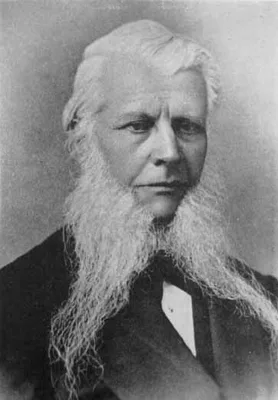
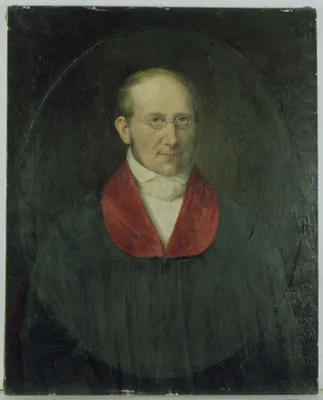
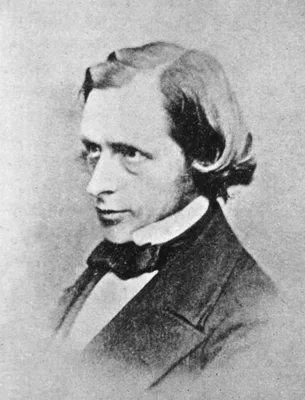
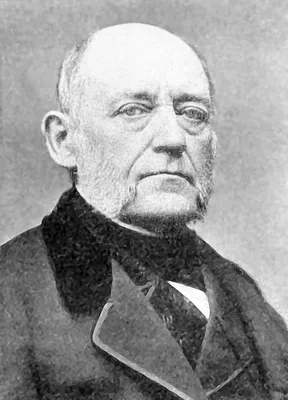
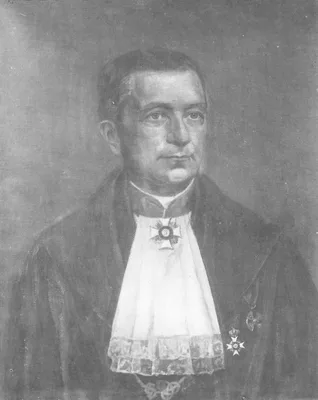
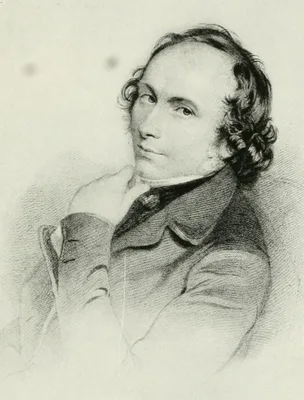
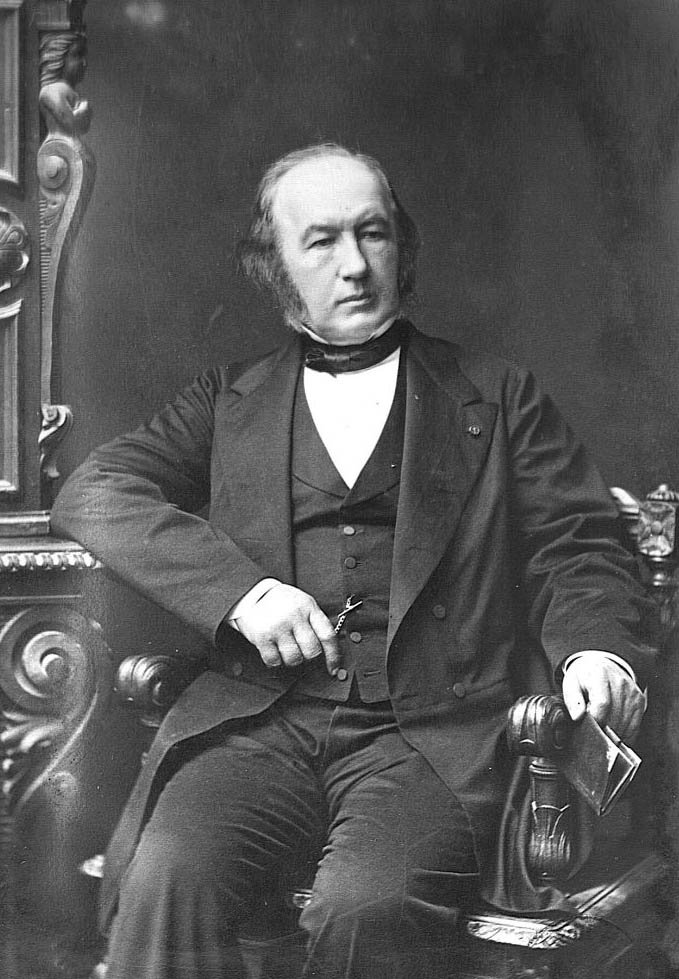
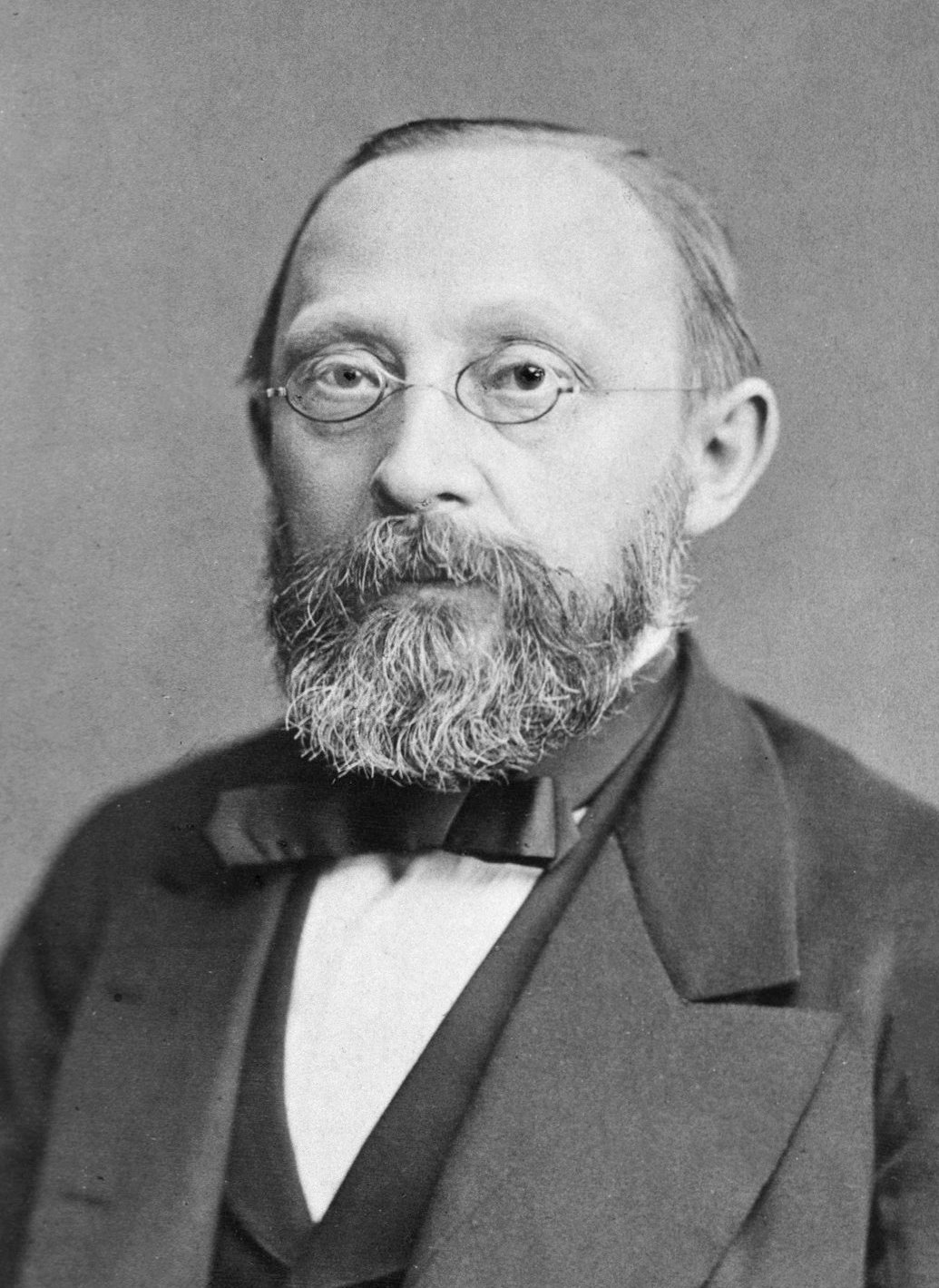
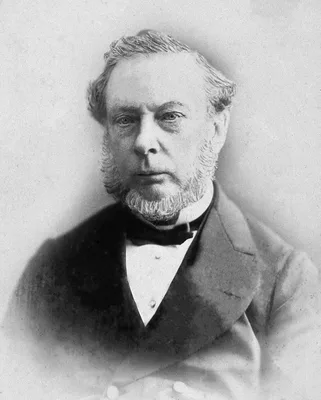
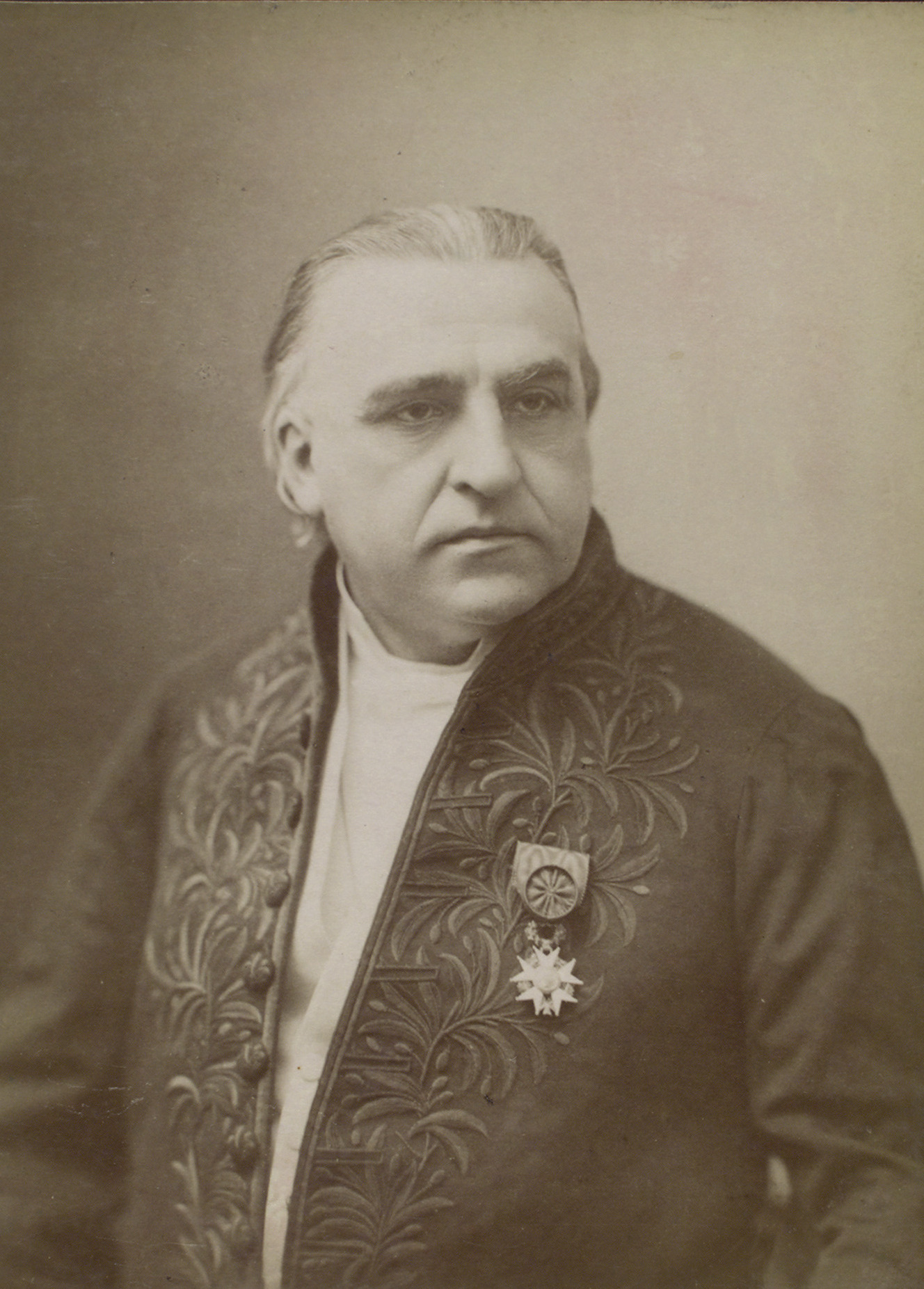
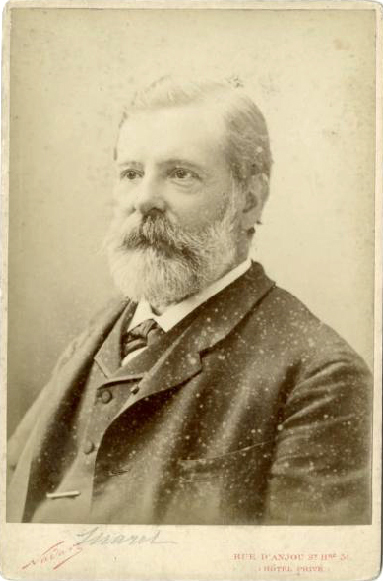
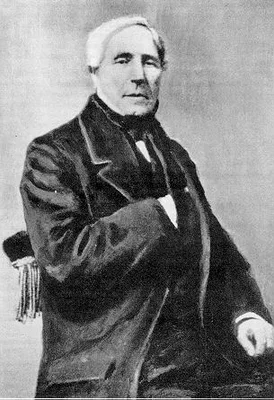
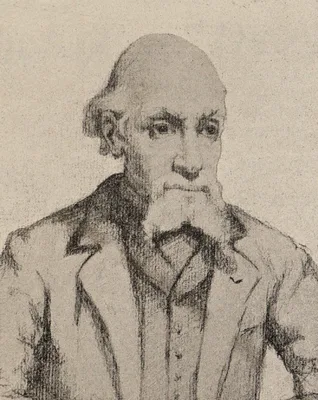
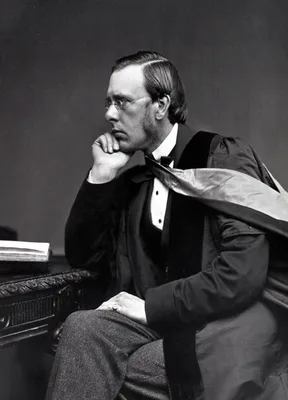
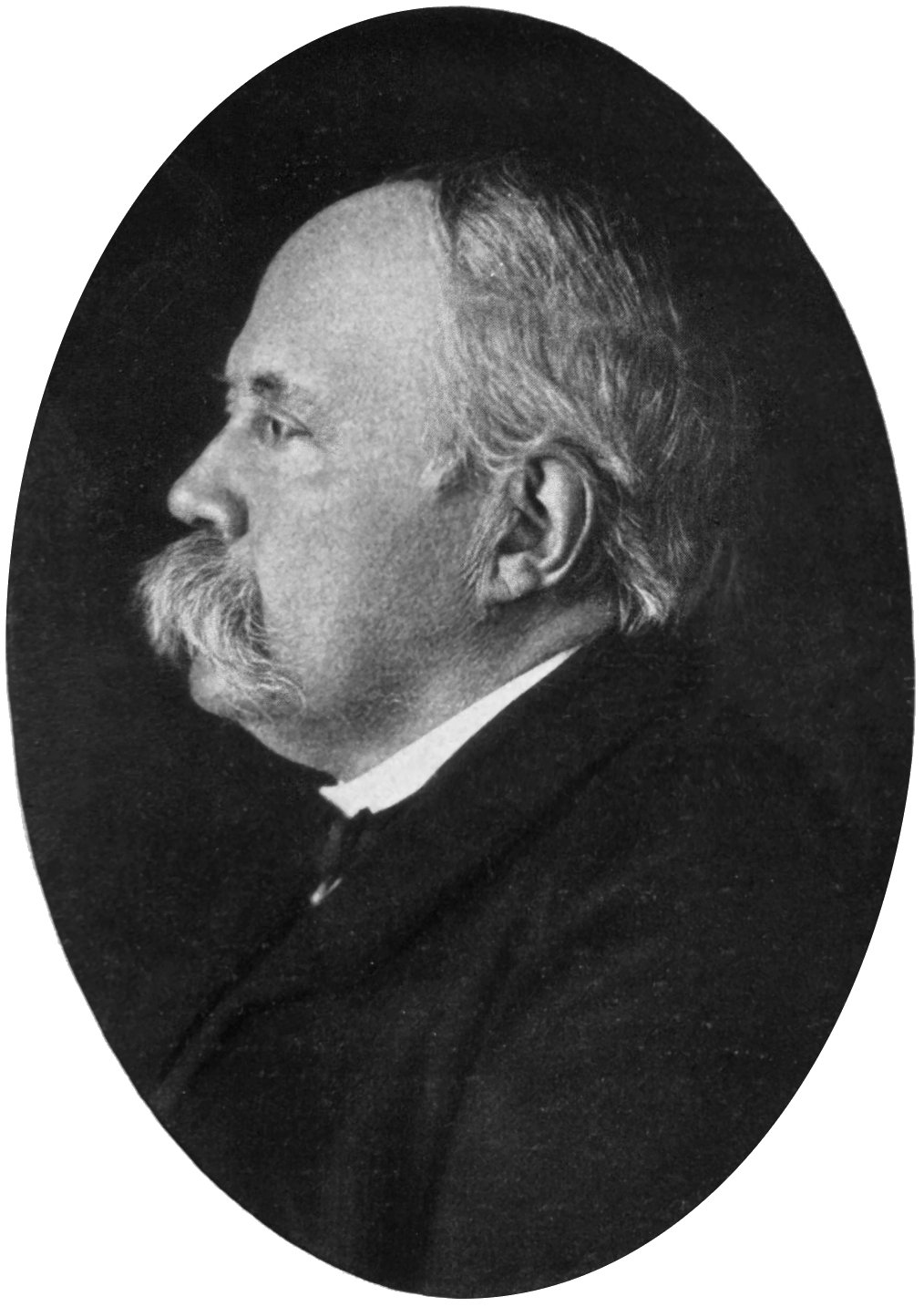
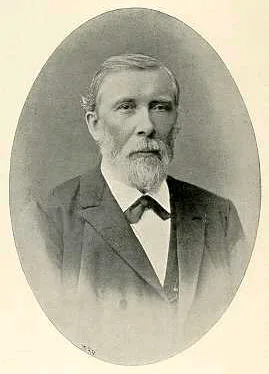
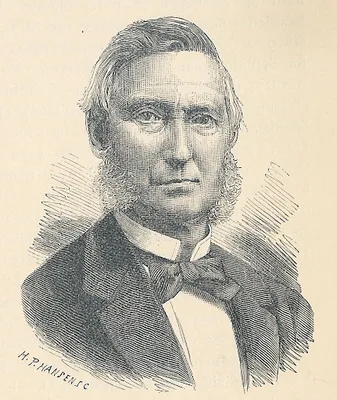
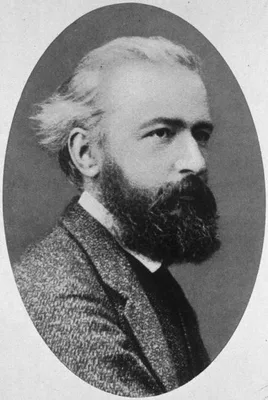
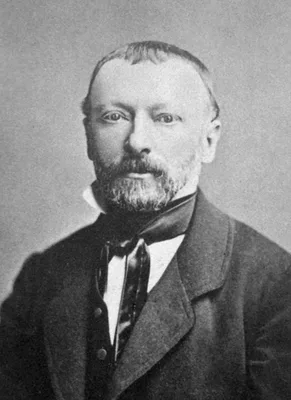
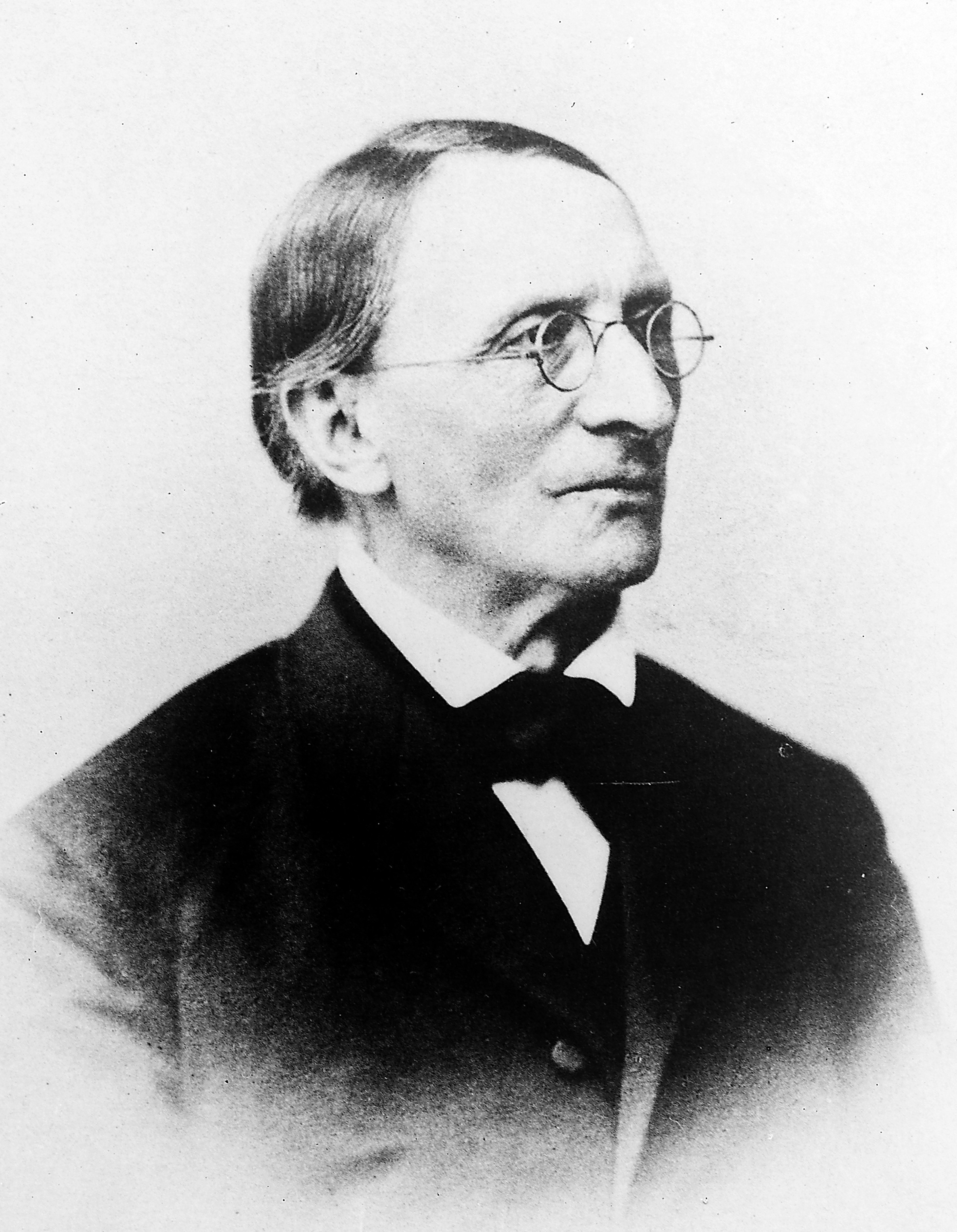
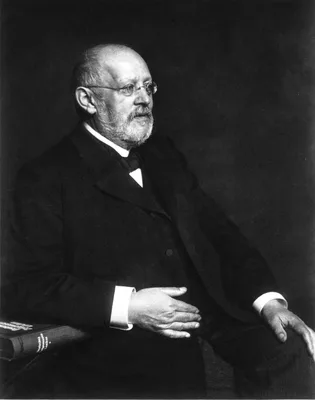
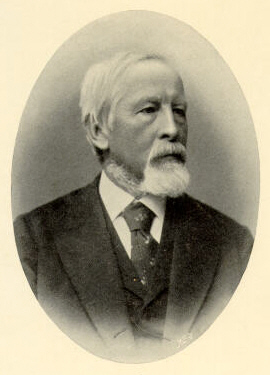
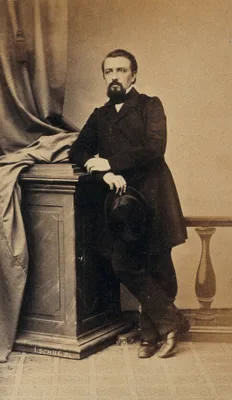
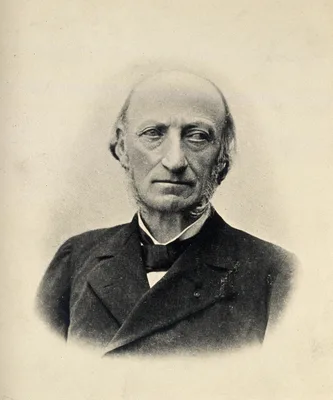
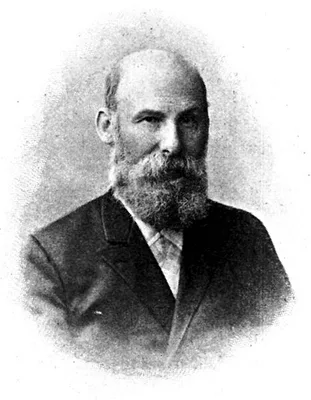
1852 BIDDER, Friedrich Karl Heinrich von (1810 – 1894)
Ueber functionell verschiedene und räumlich getrennte Nervencentra im Froschherzen.
Discovery of the ganglion cells at the auriculo-ventricular junction, “Bidder’s ganglion”.
GMN 811 · https://historyofmedicine.com/id/203
1852 STANNIUS, Hermann Friedrich (1808 – 1883)
Zwei Reihen physiologischer Versuche.
Stannius initiated research on the physiology of the conduction system of the heart. He illustrated vagal inhibition of the heart beat and indicated the existence of the pacemaker of the heart. Stannius also showed th…
GMN 812 · https://historyofmedicine.com/id/206
1852 KIRKES, William Senhouse (1823 – 1864)
On some of the principal effects resulting from the detachment of fibrinous deposits from the interior of the heart, and their mixture with the circulating blood.
A classic description of embolism resulting from intracardiac coagula. Reprinted in Willius & Keys: Cardiac classics, 1941, pp. 474-82.
GMN 2758 · https://historyofmedicine.com/id/4670
1852 ROKITANSKY, Carl Freiherr von (1804 – 1878)
Ueber einige der wichtigsen Krankheiten der Arterien.
One of Rokitansky’s best works. He described atheroma and calcification in the intima of arteries, and various congenital malformations. Rokitansky "is credited with the initial case report of polyarteritis nodosa in …
GMN 2904 · https://historyofmedicine.com/id/4855
1854 VIERORDT, Karl von (1818 – 1884)
Die bildliche Darstellung des menschlichen Arterienpulses.
Vierordt invented a sphygmograph which acted on the principle that indirect estimation of blood-pressure could be accomplished by measuring the counter-pressure necessary to obliterate the arterial pulsation. This was…
GMN 2759 · https://historyofmedicine.com/id/1760
1854 STOKES, William (1804 – 1878)
The diseases of the heart and aorta.
On pp. 320-27 is to be found Stokes’s account of fatty degeneration of the heart, in which he so well described the periodic form of respiration now known as “Cheyne–Stokes breathing.” Stokes also gave the first descr…
GMN 2760 · https://historyofmedicine.com/id/4678
1854 BERNARD, Claude (1813 – 1878); ATLEE, Walter Franklin (1828 – 1910)
Notes of M. Bernard's lectures on the blood; with an appendix by Walter F. Atlee.
This record of Bernard's actual lectures contains the first published description of Bernard's technique of right and left heart cathererization, a technique that Bernard invented. The appendix includes notes of lectu…
GMN 11549 · https://historyofmedicine.com/id/13748
1854 FLOURENS, Marie Jean Pierre (1794 – 1867)
Histoire de la découverte de la circulation du sang.
Digital facsimile from the Hathi Trust at this link. Revised edition, 1857, of which a digital facsimile is also available from the Hathi Trust at this link. Translated into English by J. C. Reeve as A history of the …
GMN 12342 · https://historyofmedicine.com/id/14566
1855 –1856 BERNARD, Claude (1813 – 1878)
Leçons de physiologie expérimentale appliquée à la médecine. 2 vols.
Claude Bernard made strenuous efforts to introduce experimental methods into physiology. The above includes his classic work on the function of the liver, pancreas, and gastric glands. Vol. 1, p. 126: Catheterization …
GMN 615 · https://historyofmedicine.com/id/493
1856 KÖLLIKER, Rudolph Albert von (1817 – 1905); MÜLLER, Heinrich (1820 – 1864)
Nachweis der negativen Schwankung des Muskelstroms am natürlich sich contrahirenden Muskel.
Kölliker and Müller were the first to measure action currents from cardiac muscle.
GMN 618 · https://historyofmedicine.com/id/501
1856 FAIVRE, Jean
Études expérimentales sur les lésions organiques du coeur.
Faivre made the first accurate estimation of the blood-pressure in man, by connecting the artery with a mercury manometer and making direct readings. These investigations were important, since they established normal …
GMN 773 · https://historyofmedicine.com/id/1761
1856 VIRCHOW, Rudolf Ludwig Karl (1821 – 1902)
Thrombose und Embolie. Gefässentzündung und septische Infektion. In his Gesammelte Abhandlungen zur wissenschaftlichen Medicin.
Reprints of papers published between 1846 and 1853. Virchow gave the first clear description of thrombosis and embolism (see especially Beitr. exp. Path.,1846, 2,227-380). This work was translated into English by A. C…
GMN 3006 · https://historyofmedicine.com/id/5356
1858 BERNARD, Claude (1813 – 1878)
De l’influence de deux ordres de nerfs qui déterminent les variations de couleur du sang veineux dans les organes glondulaires.
Discovery of the vasoconstrictor and vasodilator nerves and description of their function of regulating the blood supply to the different parts of the body.
GMN 774 · https://historyofmedicine.com/id/1762
1858 VIERORDT, Karl von (1818 – 1884)
Die Erscheinungen und Gesetze der Stromgeschwindigkeiten des Blutes.
Vierordt estimated, by means of a “hemotachometer” of his own invention, the rate of the blood flow in various arteries, and also the influence of the blood volume, pulse rate and respiratory rate upon it.
GMN 775 · https://historyofmedicine.com/id/1886
1858 PEACOCK, Thomas Bevill (1812 – 1882)
On malformations, etc., of the human heart.
Includes an account of the “tetralogy of Fallot” (see No. 2792). Peacock’s book was “the first comprehensive study covering the whole field” (Maude Abbott). Reprinted, Boston, Mass., 1973.
GMN 2761 · https://historyofmedicine.com/id/4681
1859 GROUX, Eugène Alexandre (1833 – 1878); UPHAM, Jabez Baxter (1820 – 1902)
Fissura sterni congenita. New observations and experiments made in Amerika [sic] and Great Britain with illustrations of the case and instruments.
Records first use of telegraphy to record and measure the heart beat and pulse, written and published by the patient, who lived to the age of 45. This was done in Boston with an instrument placed against Groux’s chest…
GMN 812.2 · https://historyofmedicine.com/id/213
1859 MALMSTEN, Pehr Henrik (1811 – 1883); DÜBEN, Gustav Wilhelm Johann (1822 – 1892)
Fall af ruptura cordis.
An important account of myocardial infarction, with a histological finding of myocardial necrosis. Abbreviated translation, in German, in Acta med. scand., 1930, 73, 448-50.
GMN 2761.1 · https://historyofmedicine.com/id/4683
1859 CHARCOT, Jean Martin (1825 – 1893)
Sur la claudication intermittente.
Charcot was among the first to report intermittent claudication in man.
GMN 2905 · https://historyofmedicine.com/id/4858
1859 FLINT (ELDER), Austin (1812 – 1886)
A practical treatise on diseases, pathology, and treatment of diseases of the heart.
The first major American textbook on cardiology. Digital facsimile from the Hathi Trust at this link.
GMN 7935 · https://historyofmedicine.com/id/10109
1860 MAREY, Étienne Jules (1830 – 1904)
Recherches sur le pouls au moyen d’un nouvel appareil enregistreur le sphygmographe.
Invention of the modern sphygmograph. Also published in C.R. Acad. Sci. (Paris), 1860, 51, 281-309. Preliminary paper in same journal, 1860, 50, 634-37.
GMN 776 · https://historyofmedicine.com/id/1763
1860 POISEUILLE, Jean Léonard Marie (1799 – 1869)
Sur la pression du sang dans le système artériel.
GMN 777 · https://historyofmedicine.com/id/1764
1861 MAREY, Étienne Jules (1830 – 1904)
Loi qui préside à la fréquence des battements du coeur.
Marey’s law of the heart. Marey was the first to realize the relationship between the blood pressure and the heart rate.
GMN 813 · https://historyofmedicine.com/id/216
1861 DUROZIEZ, Paul Louis (1826 – 1897)
Du double souffle intermittent crural, comme signe de l’insuffisance aortique.
The double intermittent murmur over the femoral arteries, diagnostic of aortic insufficiency, has become known as “Duroziez’s sign.” Partial English translation in No. 2241.
GMN 2762 · https://historyofmedicine.com/id/4685
1861 GAIRDNER, Sir William Tennant (1824 – 1907)
Short account of cardiac murmurs.
The murmur which Fauvel (No. 2754) had called “presystolic” was described by Gairdner, who called it “auricular-systolic.” This paper is important as being largely responsible for the recognition in Britain of the pre…
GMN 2763 · https://historyofmedicine.com/id/4687
1862 GOLTZ, Friedrich Leopold (1834 – 1902)
Ueber Reflexionen von und zum Herzen (Klopfversuch).
Rapidly-repeated blows on the belly of a frog caused cessation of the heart-beat, which Goltz concluded was brought about by reflex inhibition through the vagus, an important contribution to the knowledge of the mecha…
GMN 814 · https://historyofmedicine.com/id/221
1862 RAYNAUD, Maurice (1834 – 1881)
De l’asphyxie locale et de la gangrène symétrique des extrémités.
First description of “Raynaud’s disease.” Raynaud was the first to describe this disorder, which causes extreme constriction of the peripheral blood vessels resulting in discoloration of the fingers, toes and sometime…
GMN 2704 · https://historyofmedicine.com/id/4418
1862 FLINT (ELDER), Austin (1812 – 1886)
On cardiac murmurs.
First description of the “Austin Flint murmur,” present at the apex beat in aortic regurgitation. Reprinted in Med. Classics, 1940, 4, 864-900.
GMN 2764 · https://historyofmedicine.com/id/4689
1862 ZENKER, Friedrich Albert von (1825 – 1898)
Beiträge zur normalen und pathologischen Anatomie der Lungen.
First description of pulmonary fat embolism in man.
GMN 3007 · https://historyofmedicine.com/id/5361
1862 PANUM, Peter Ludvig (1820 – 1885)
Experimentelle Beiträge zur Lehre von der Embolie.
Experimental study of the effects of ligation of coronary vessels.
GMN 3008 · https://historyofmedicine.com/id/5365
1863 BEZOLD, Albert von (1836 – 1868)
Untersuchungen über die Innervation des Herzens
Discovery of the accelerator or excitatory nerve fibres of the heart (pp. 191-232), “Bezold’s ganglia”.
GMN 815 · https://historyofmedicine.com/id/226
1863 MAREY, Étienne Jules (1830 – 1904); CHAUVEAU, Jean Baptiste Auguste (1827 – 1917)
Appareils et expériences cardiographiques.
First direct records of the heart impulse by means of a “cardiac sound” and the sphygmograph – recording tambours, which wrote on a moving drum covered with smoked paper.
GMN 816 · https://historyofmedicine.com/id/235
1863 MAREY, Étienne Jules (1830 – 1904)
Physiologie médicale de la circulation du sang basée sur l'étude graphique des mouvements du coeur et du pouls artériel avec application aux maladies du l'appareil circulatoire.
Marey first recorded atrial fibrillation in this work work in which he used pulse tracings to establish the interelationship of heart rate and blood pressure. The work also includes the first detailed description of t…
GMN 11690 · https://historyofmedicine.com/id/13891
1864 MOORE, Charles Hewitt (1821 – 1870); MURCHISON, Charles (1830 – 1879)
On a new method of procuring the consolidation of fibrin in certain incurable aneurisms.
Moore and Murchison introduced the method of treating aneurysm by passing wire into the aneurysmal sac.
GMN 2980 · https://historyofmedicine.com/id/5146
1865 –1866 CZERMAK, Johann Nepomuk (1828 – 1873)
Ueber mechanische Vagus-Reizung beim Menschen.
“Czermak’s vagus pressure”. Czermak found that mechanical pressure on a spot of the carotid triangle in the neck produced lowering of the heart rate.
GMN 817 · https://historyofmedicine.com/id/237
1865 TRAUBE, Ludwig (1818 – 1876)
Ueber periodische Thätigkeits-Aeusserungen des vasomotorischen und Hemmungs-Nervencentrums.
First description of the rhythmic variations in tone of the vasoconstrictor center (Traube-Hering waves).
GMN 818 · https://historyofmedicine.com/id/240
1865 LUDWIG, Carl Friedrich Wilhelm (1816 – 1895)
Die physiologischen Leistungen des Blutdrucks.
Ludwig’s inaugural address at Leipzig, in which he introduced the idea of keeping alive excised portions of organs by means of artificial circulation, or perfusion. He suggested that the blood-pressure had a stimulati…
GMN 778 · https://historyofmedicine.com/id/1765
1865 LEE, Robert (1793 – 1867)
History of the discoveries of the circulation of the blood, of the ganglia and nerves, and of the action of the heart.
Lee, an obstetrician, published one of the earliest studies of the history of the circulation of the blood in English. Digital facsimile from Google Books at this link.
GMN 12357 · https://historyofmedicine.com/id/14581
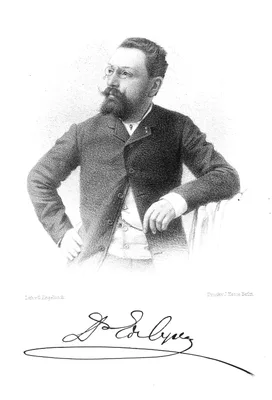
1866 EBSTEIN, Wilhelm (1836 – 1912)
Ueber einen sehr seltenen Fall von Insufficienz der Valvula tricuspidalis, bedingt durch eine angeborene hochgradige Missbildung derselben.
“Ebstein’s anomaly,” a congenital abnormality of the tricuspid valve. Translation in Amer. J. Cardiol, 1968, 22, 867-72.
GMN 2764.1 · https://historyofmedicine.com/id/4693
1866 KUSSMAUL, Adolf (1822 – 1902); MAIER, Rudolf Robert (1824 – 1888)
Ueber eine bisher noch nicht beschriebene eigenthümliche Arterienerkrankung (Periarteritis nodosa), die mit Morbus Brightii und rapid fortschreitender allgemeiner Muskellähmung einhergeht.
First description of periarteritis nodosa.
GMN 2906 · https://historyofmedicine.com/id/4861
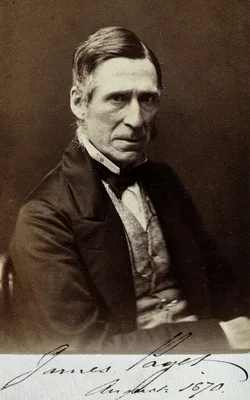
1866 PAGET, Sir James (1814 – 1899)
On gouty and some other forms of phlebitis
Paget-Schroetter syndrome, venous obstruction in the upper extremity.
GMN 2996 · https://historyofmedicine.com/id/5298
1866 MARTÍNEZ DE ANGUIANO, Pedro (1827 – 1903)
Recopilación histórico-bibliográfica de la circulación de la sangre en el hombre y los animales.
Digital facsimile from bdh-rd.bne.es at this link.
GMN 12358 · https://historyofmedicine.com/id/14582
1867 LUDWIG, Carl Friedrich Wilhelm (1816 – 1895); CYON, Elias von (Elie de Cyon; Ilya Fadeyevich Tsion) (1842 – 1912)
Die Reflexe eines der sensiblen Nerven des Herzens auf die motorischen der Blutgefässe.
Discovery of the vasomotor reflexes.
GMN 819 · https://historyofmedicine.com/id/244
1867 BRUNTON, Sir Thomas Lauder (1844 – 1916)
On the use of nitrite of amyl in angina pectoris.
Lauder Brunton was responsible for the introduction of amyl nitrite for the alleviation of angina. Reprinted in F. A. Willius & T. E. Keys: Cardiac classics, 1941, pp. 561-64.
GMN 2890 · https://historyofmedicine.com/id/4329
1867 NOTHNAGEL, Carl Wilhelm Hermann (1841 – 1905)
Angina pectoris vasomotoria.
Nothnagel, himself a victim of angina, described the vasomotor form of the disease.
GMN 2891 · https://historyofmedicine.com/id/4335
1867 FRIEDREICH, Nikolaus (1825 – 1882)
Krankheiten des Herzens. 2te. Aufl.
First appeared in Virchow’s Handbuch der speciellen Pathologie und Therapie, Erlangen, 1854, 5, 1 Abt., 385-530.
GMN 2765 · https://historyofmedicine.com/id/4695
1867 POTAIN, Pierre Charles Édouard (1825 – 1901)
Des mouvements et des bruits qui se passent dans les veines jugulaires.
Classic account of the movements and murmurs in the jugular veins, important in the diagnosis of heart diseases. Potain’s writings were models of clarity and style. A translation of this paper is to be found in Williu…
GMN 2766 · https://historyofmedicine.com/id/4697
1867 WOOSTER, David (1825 – 1894)
Diseases of the heart: Their diagnosis and treatment.
The first medical book, as distinct from a pamphlet, that was written and published in California. See Shapiro, "California's 'first' medical book. David Wooster's Diseases of the heart (1867)," Calif. Med., 108 (1968…
GMN 10603 · https://historyofmedicine.com/id/12796
1868 BERNSTEIN, Julius (1839 – 1917)
Über den zeitlichen Verlauf der negativen Schwankung des Nervenstroms.
Bernstein introduced the differential rheotome, and the first electrocardiograms were obtained with it by Marchand in 1877 (No. 823.1).
GMN 819.1 · https://historyofmedicine.com/id/247
1868 DOGIEL, Jan (1830 – 1905)
Die Ausmessung der strömenden Blutvolumina.
Invention of the Stromuhr, for measurement of the velocity of the blood. Dogiel was a pupil of Ludwig.
GMN 779 · https://historyofmedicine.com/id/1766
1868 RASMUSSEN, Fritz Valdemar (1833 – 1877)
Om Haemoptyse navnlig den lethale, i anatomisk og klinisk Henseende.
Tuberculous aneurysm of the lung (“Rasmussen’s aneurysm”). English translation in Edinb.med.J.,1868, 14,385-401, 486-503; 1869, 15,97-104, 228-36.
GMN 2981 · https://historyofmedicine.com/id/5154