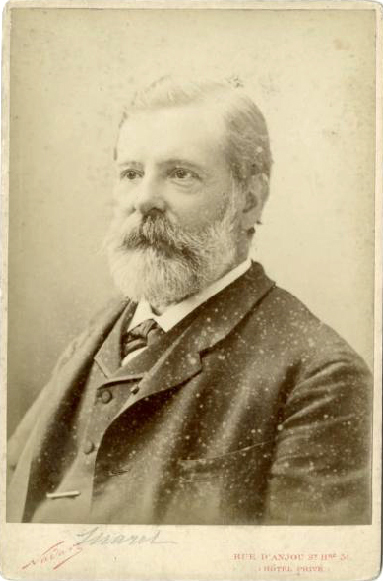
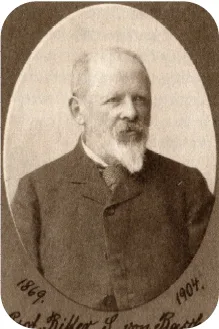
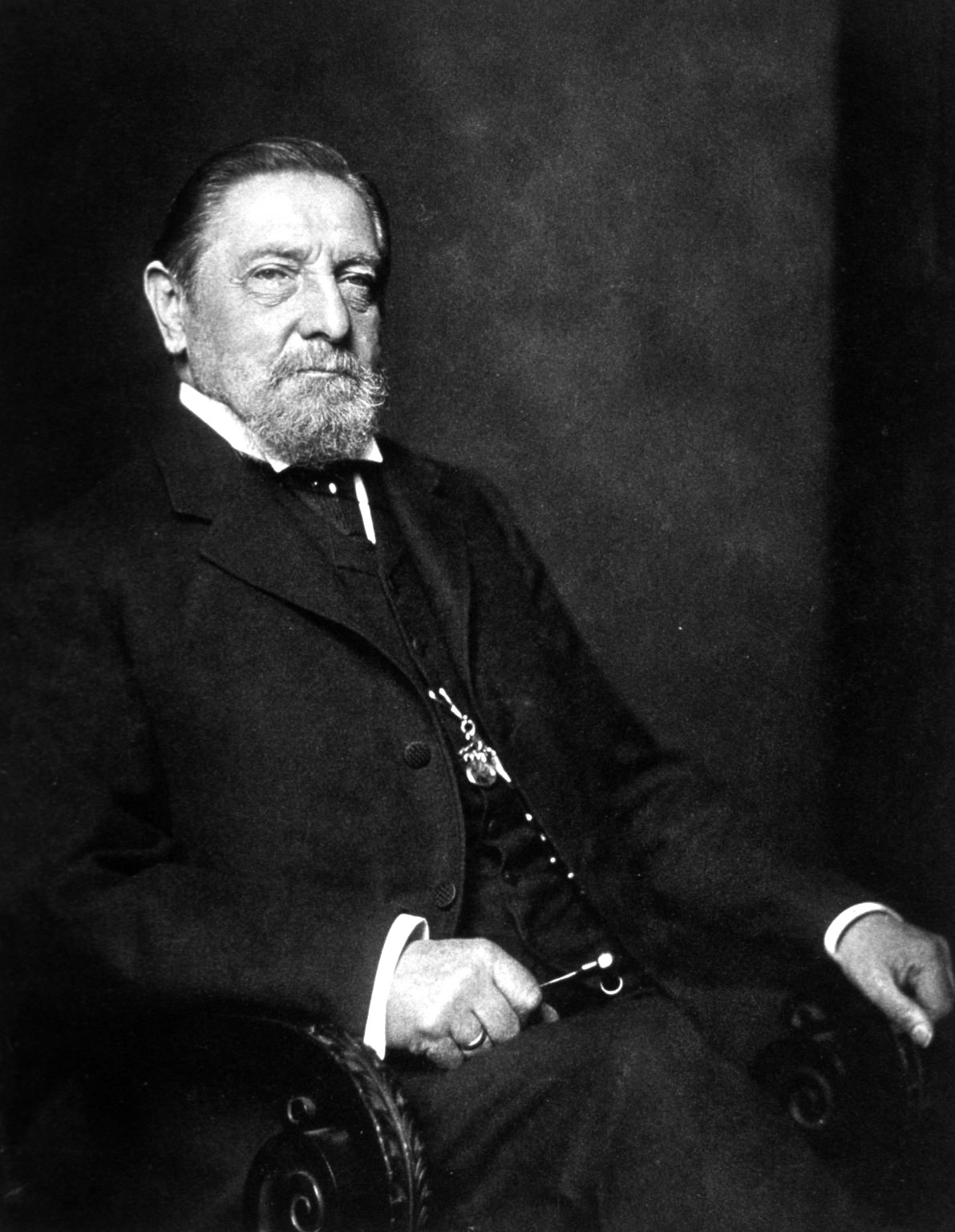
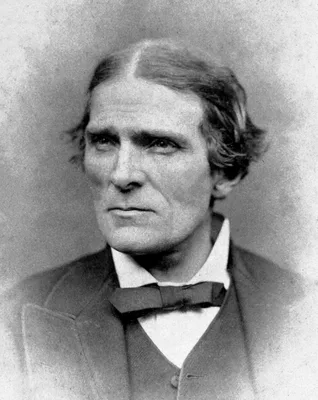
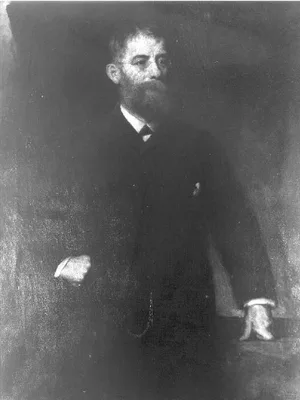
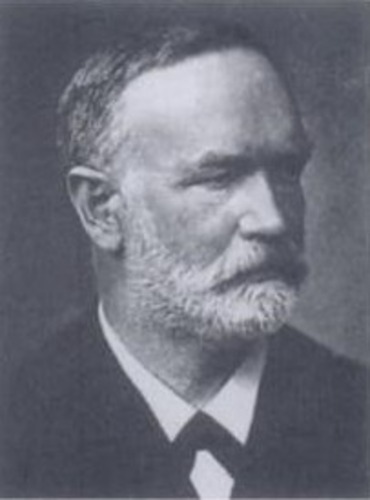
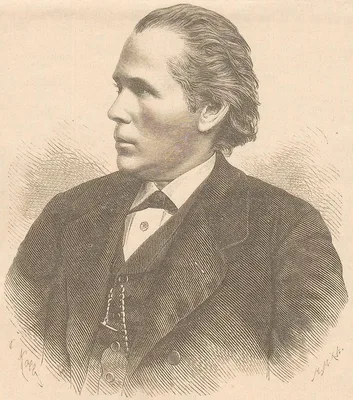
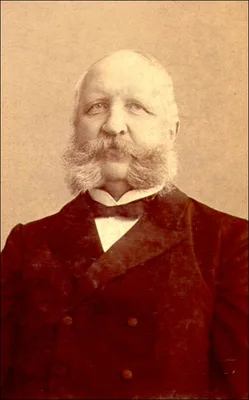
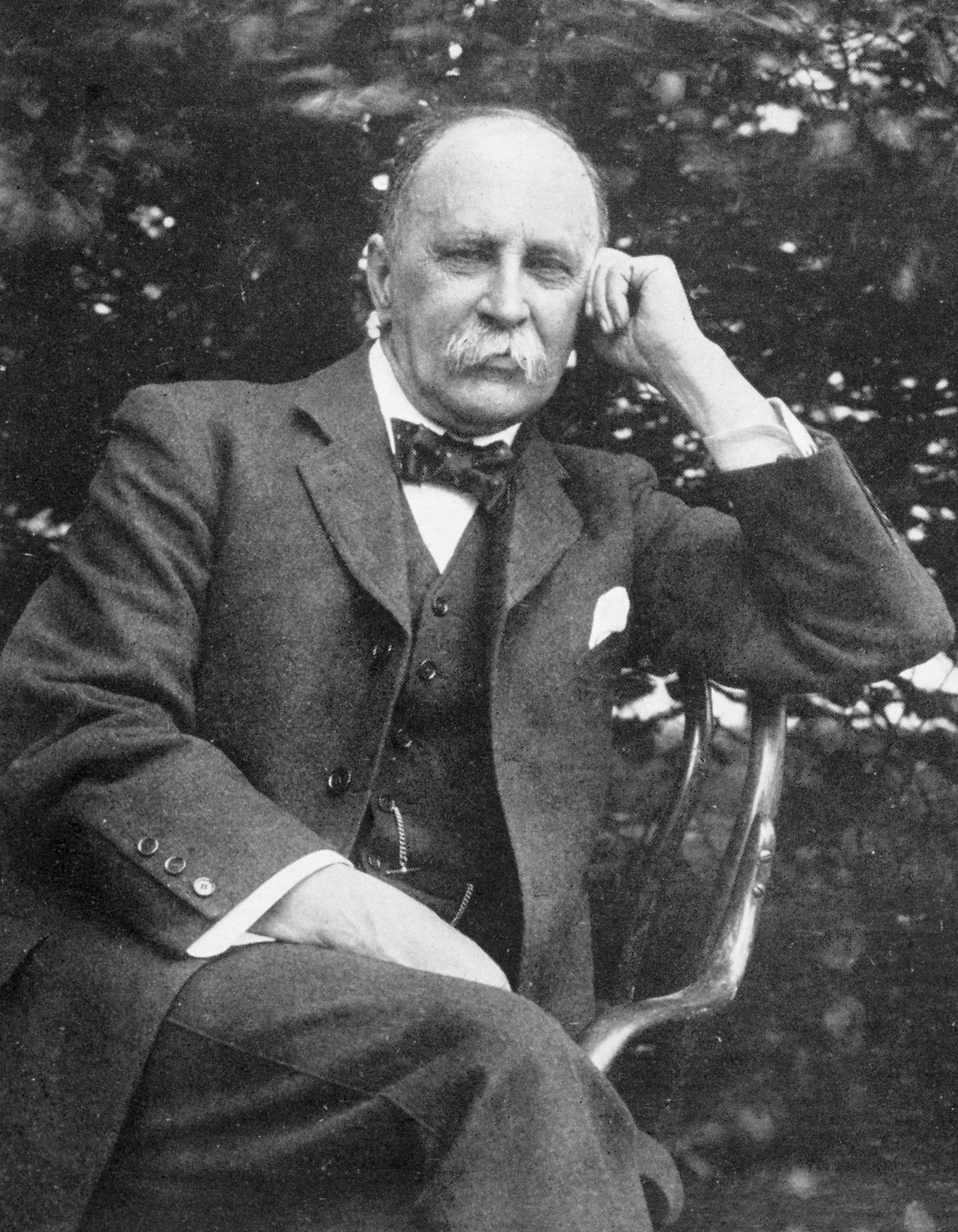
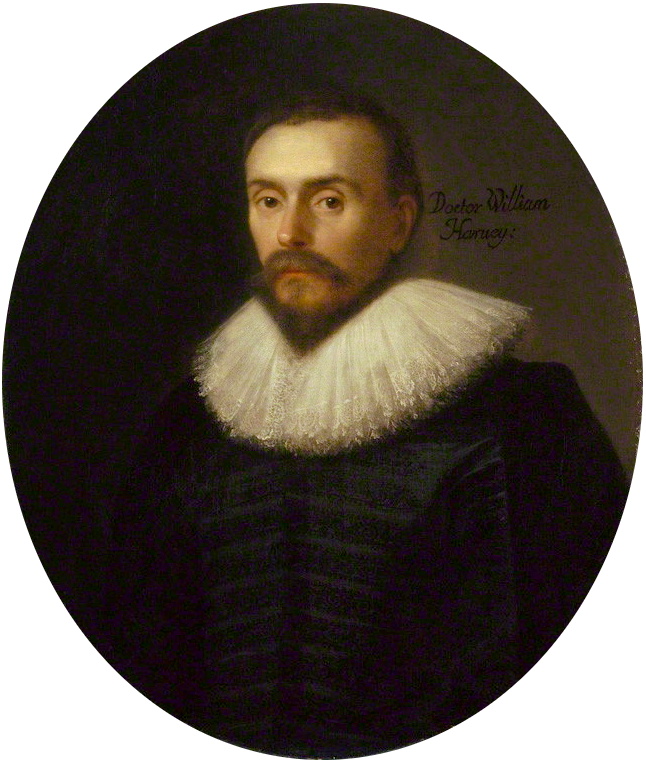
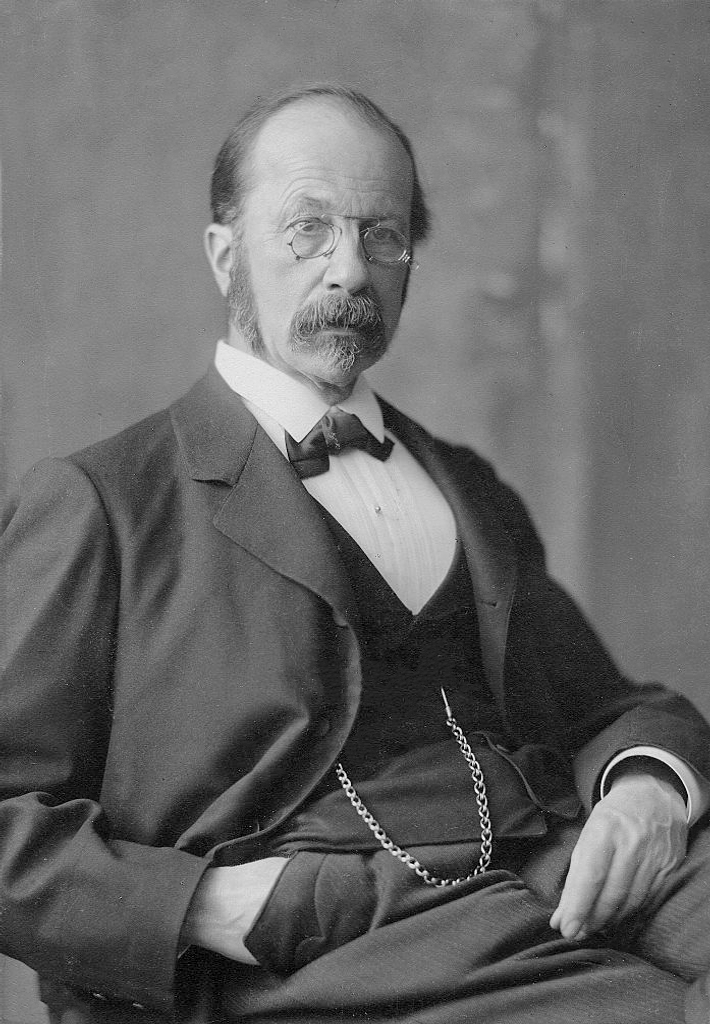
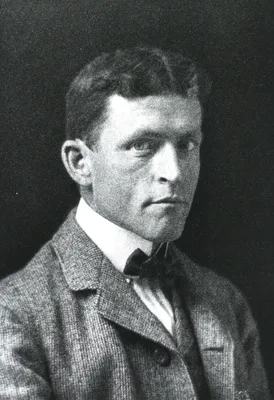
1881 MARTIN, Henry Newell (1848 – 1896)
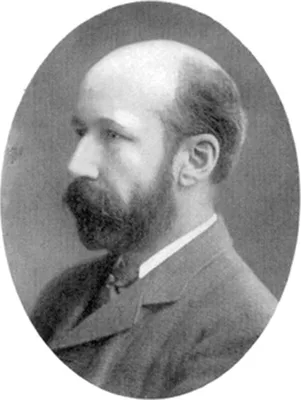
On a method of isolating the mammalian heart.
Martin devised a form of perfusion of the isolated mammalian heart – one of the greatest single contributions ever to come from an American physiological laboratory. This made possible his later work on the heart. See…
GMN 827 · https://historyofmedicine.com/id/295
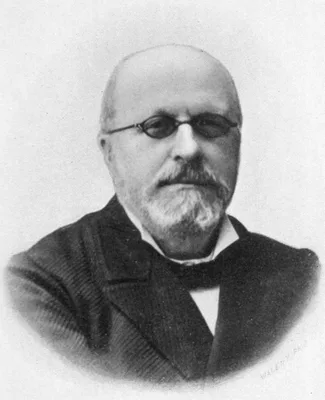
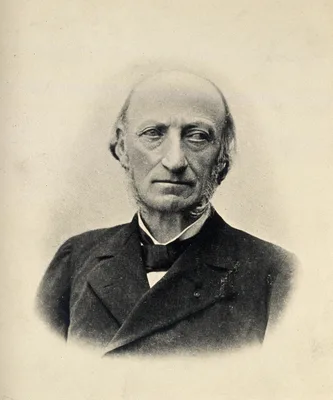
1881 MAREY, Étienne Jules (1830 – 1904)
La circulation du sang à l’état physiologique et dans les maladies.
GMN 783 · https://historyofmedicine.com/id/1769
1881 BASCH, Samuel Siegfried Karl von (1837 – 1905)
Ueber die Messung des Blutdrucks am Menschen.
Basch’s important modifications of the methods of blood-pressure recording mark the beginning of clinical sphygmomanometry. English translation in Ruskin (No. 3160.1).
GMN 2784 · https://historyofmedicine.com/id/3383
1881 CONCATO, Luigi Maria (1825 – 1882)
Sulla poliorromennite scrofolosa, otisi delle sierose.
“Concato’s disease” – inflammation of the serous membranes. Involvement of the pericardium was later described by Pick (No. 2803).
GMN 2785 · https://historyofmedicine.com/id/3385
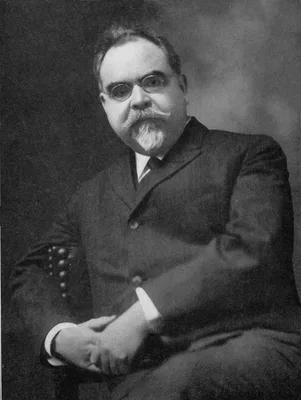
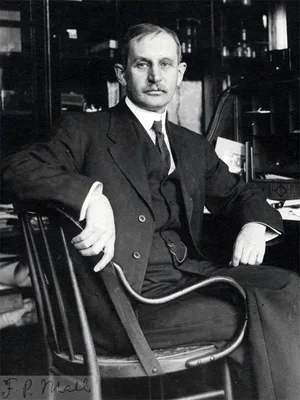
1882 MARTIN, Henry Newell (1848 – 1896)
Observations on the direct influence of variations of arterial pressure upon the rate of beat of the mammalian heart.
GMN 828 · https://historyofmedicine.com/id/302
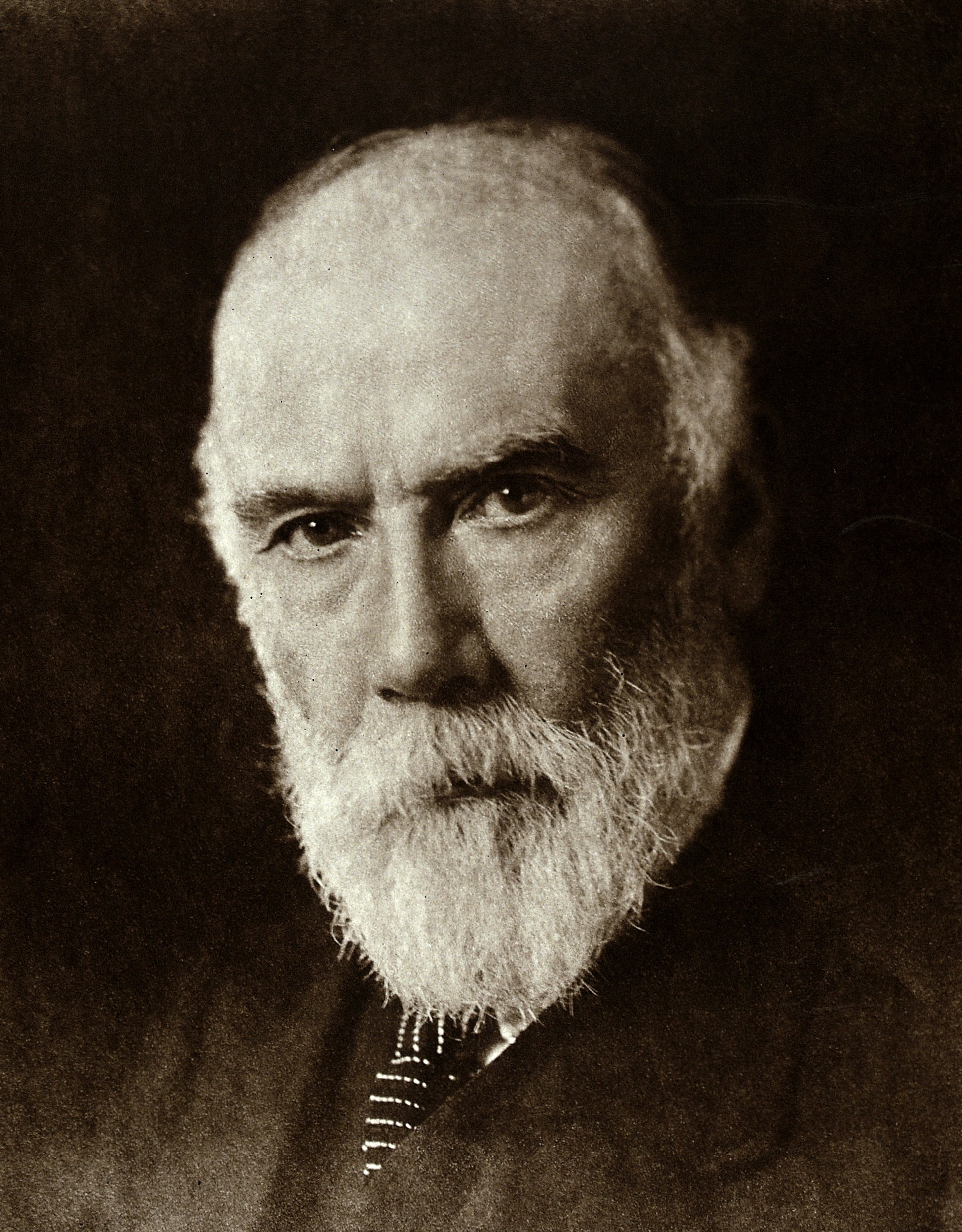
1882 GASKELL, Walter Holbrook (1847 – 1914)
On the rhythm of the heart of the frog, and on the nature of the action of the vagus nerve.
Croonian Lectures, 1881. Gaskell’s classical memoir on the muscles and nerves of the heart included a description of “Gaskell’s nerves”, the accelerator nerves of the heart. He showed that the motor impulses from the …
GMN 829 · https://historyofmedicine.com/id/309
1882 LEYDEN, Ernst Viktor von (1832 – 1910)
Ueber Fettherz.
Fatty infiltration of the heart first described.
GMN 2786 · https://historyofmedicine.com/id/3388
1882 –1883 WINSLOW, Ralph (1868 – 1924)
"A study of the malformations, variations, and anomalies of the circulatory apparatus in man," with a brief consideration of some of the principles governing their production.
A pioneering study of the embryology of the cardiovascular system and its relationship to congenital heart disease.
GMN 11737 · https://historyofmedicine.com/id/13938
1882 MARTIN, Henry Newell (1848 – 1896); SEDGWICK, William Thompson (1855 – 1921)
Observations on the mean pressure and the characters of the pulse wave in the coronary arteries of the heart.
GMN 12264 · https://historyofmedicine.com/id/14481
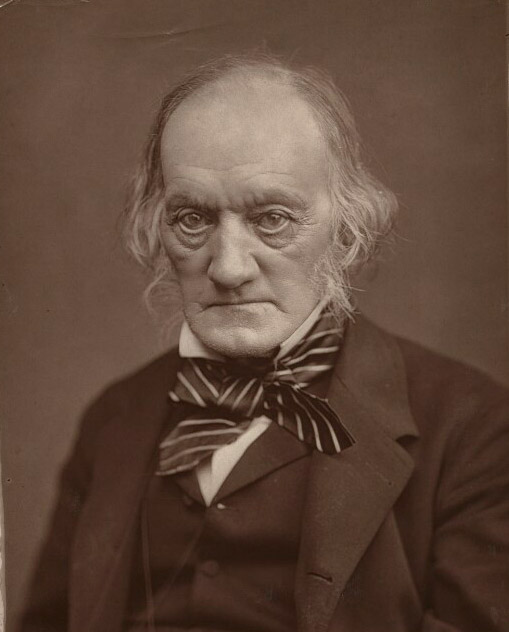
1882 OWEN, Sir Richard (1804 – 1892)
Experimental physiology: Its benefits to mankind, with an address on unveiling the statue of William Harvey at Folkestone 6th August 1881.
A little-known historical work on the history of physiology and the history of medicine by Owen, who, even though he was trained in medicine, most often wrote on topics in comparative anatomy, zoology, paleontology an…
GMN 14028 · https://historyofmedicine.com/id/16335
1883 –1884 GASKELL, Walter Holbrook (1847 – 1914)
On the innervation of the heart, with special reference to the heart of the tortoise.
Gaskell showed that the efferent vasoconstrictor fibers of the heart originated from the lateral horn of the spinal cord.
GMN 830 · https://historyofmedicine.com/id/312
1883 –1884 BURDON-SANDERSON, Sir John Scott (1828 – 1905); PAGE, Frederick James Montague (1848 – 1907)
On the electrical phemomena of the excitatory process in the heart of the frog and of the tortoise, as investigated photographically.
See No. 824. This paper contains several tracings of the heart's electrical activity recorded with a capillary electrometer, the earliest graphic recorder of bioelectric signals. These were the "first undistorted trac…
GMN 831 · https://historyofmedicine.com/id/318
1883 MARTIN, Henry Newell (1848 – 1896)
The direct influence of gradual variations of temperature upon the rate of beat of the dog’s heart.
Martin was among the first to study the effect of temperature changes upon the isolated heart.
GMN 832 · https://historyofmedicine.com/id/328
1883 SCHMIEDEBERG, Johann Ernst Oswald (1838 – 1921)
Grundriss der Arzneimittellehre.
Schmiedeberg, leading German pharmacologist, was professor at Dorpat and Strasburg. Among his many valuable investigations may be mentioned his study of the effect of drugs on the circulation.
GMN 1875 · https://historyofmedicine.com/id/2490
1883 PETER, Charles Félix Michel (1824 – 1893)
Traité clinique des maladies du coeur et de la crosse de l’aorte.
GMN 2788 · https://historyofmedicine.com/id/3391
1883 PAUL, Constantin Charles Theodore (1833 – 1896)
Diagnostic et traitement des maladies du coeur.
English translation, 1884.
GMN 2789 · https://historyofmedicine.com/id/3393
1884 DALTON, John Call (1825 – 1889)
Doctrines of the circulation.
GMN 1572 · https://historyofmedicine.com/id/1302
1884 –1889 BRAUNE, Christian Wilhelm (1831 – 1892)
Das Venensystem des menschlichen Körpers. 2 pts. and atlas.
Like Braune’s other anatomical works, this is notable for its excellent illustrations.
GMN 784 · https://historyofmedicine.com/id/1770
1884 OERTEL, Max Joseph (1835 – 1934)
Therapie der Kreislauf-Störungen.
English translation in von Ziemssen’s Handbook of general therapeutics, Vol. 7, London, 1887.
GMN 2708 · https://historyofmedicine.com/id/4424
1884 LEYDEN, Ernst Viktor von (1832 – 1910)
Ueber die Sclerose der coronar-Arterien und die davon abhängigen Krankheitszustände.
A comprehensive account of the schlerosis of the coronary arteries and the morbid states arising from them, including a historical review of the problems.
GMN 2907.1 · https://historyofmedicine.com/id/4867
1884 ROSE, Edmund (1836 – 1914)
Hertztamponade: Ein Beitrag zur Herzchirurgie.
Rose coined the term "Herztomponade" translated as "cardiac tamponade." He "described the pathophysiology of cardiac tamponade and recorded 23 case histories of ruptured or wounded hearts, several of which did not cau…
GMN 12279 · https://historyofmedicine.com/id/14498
1885 BRUNTON, Sir Thomas Lauder (1844 – 1916)
A text-book of pharmacology, therapeutics and materia medica.
Brunton was physician to St. Bartholomew’s Hospital and an eminent pharmacologist. He is notable for his introduction of amyl nitrite in the treatment of angina pectoris and for a vast amount of other work concerning …
GMN 1881 · https://historyofmedicine.com/id/2519
1885 OSLER, Sir William (1849 – 1919)
The Gulstonian Lectures, on malignant endocarditis.
First comprehensive description of subacute bacterial endocarditis.
GMN 2790 · https://historyofmedicine.com/id/3396
1886 HARVEY, William (1578 – 1657)
Praelectiones anatomiae universalis.
Facsimile reproduction with transliteration of Harvey’s manuscript notes for a Lumleian Lecture, 1616. These show that at that date Harvey had already completed his demonstration of the circulation of the blood. Engli…
GMN 758 · https://historyofmedicine.com/id/1745
1886 VVEDENSKII, Nikolai Evgenevich [WEDENSKII, Wedensky (1852 – 1922)
Über die Beziehung zwischen Reizung und Erregung im Tetanus.
One mechanism that has been implicated in the origin of arrhythmias is the Wedensky effect. This was first described in neuromuscular studies by Wedensky as a prolonged lowered threshold of excitability induced by a s…
GMN 12293 · https://historyofmedicine.com/id/14514
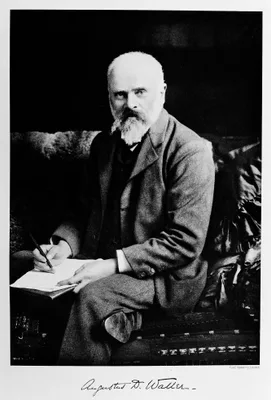
1887 WALLER, Augustus Désiré (1856 – 1922)
A demonstration on man of electromotive changes accompanying the heart’s beat.
Waller was first to use electrodes and leads in demonstrating the action currents of the heart, avoiding the necessity of opening the chest of laboratory animals and preparing the way for present-day clinical electroc…
GMN 833 · https://historyofmedicine.com/id/329
1887 MACWILLIAM, John Alexander (1857 – 1937)
Fibrillar contraction of the heart.
MacWilliam discovered that fibrillar contraction of the heart is due to “a rapid succession of incoordinated peristaltic contractions.” He clearly described auricular and ventricular fibrillation, and showed that vent…
GMN 2791 · https://historyofmedicine.com/id/3398
1887 HUCHARD, Henri (1844 – 1910)
L’artério-sclérose subaiguë dans ses rapports avec les spasmes vasculaires et son traitement par la trinitrine (nitroglycérine).
“Huchard’s disease” – continued hypertension causing arteriosclerosis. Huchard did much to develop the knowledge concerning arteriosclerosis and summarized his work in a classic monograph published in 1909.
GMN 2908 · https://historyofmedicine.com/id/4869
1887 EPPINGER, Hans, senior (1846 – 1916)
Pathogenese (Histogenese und Aetiologie) der Aneurysmen einschliesslich des Aneurysma equi verminosum.
GMN 2984 · https://historyofmedicine.com/id/5167
1888 FALLOT, Étienne Louis Arthur (1850 – 1911)
Contribution à l’anatomie pathologique de la maladie bleu (cyanose cardiaque).
The “tetralogy of Fallot.” He gave an important, but not the first, account of this condition (see Nos. 2726.1 & 2761). Abstract translation in Willius & Keys, Cardiac classics, 1941, pp. 689-90.
GMN 2792 · https://historyofmedicine.com/id/3401
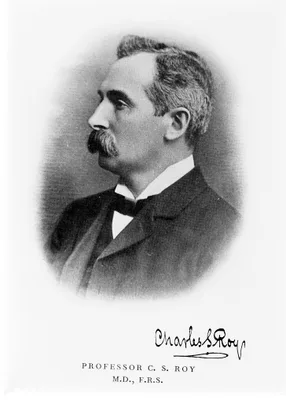
1888 ROY, Charles Smart (1854 – 1897); ADAMI, John George (1862 – 1926)
Remarks on failure of the heart from overstrain.
Important experimental work on cardiac overstrain was carried out by Roy and Adami who considered that mechanical overstrain caused chronic thickening of the cardiac valves.
GMN 2793 · https://historyofmedicine.com/id/3405
1888 –1889 STEELL, Graham (1851 – 1942)
The murmur of high-pressure in the pulmonary artery.
First description of the pulmonary diastolic murmur – the “Graham Steell murmur.” Reproduced in Willius & Keys, Cardiac Classics, 1941, pp. 680-85.
GMN 2794 · https://historyofmedicine.com/id/3408
1888 MATAS, Rudolph (1860 – 1957)
Traumatic aneurism of the left brachial artery. Failure of direct and indirect pressure; ligation of the artery immediately above tumor; return of pulsation on the tenth day; ligation immediately below tumor; failure to arrest pulsation; incision and partial excision of sac; recovery.
First aneurysmorrhaphy, April 6, 1888. See also Trans. Amer. surg.Ass.,1902, 20,396-434.
GMN 2985 · https://historyofmedicine.com/id/5171
1889 BOUVERET, Léon (1851 – 1929)
De la tachycardie essentielle paroxystique.
Bouveret introduced the term “Paroxysmal tachycardia”. Partial English translation in No. 2241.
GMN 2795 · https://historyofmedicine.com/id/3411
1889 HUCHARD, Henri (1844 – 1910)
Maladies du coeur et des vaisseaux.
In his important monograph on disorders of the cardiovascular system, Huchard was apparently the first to use the designation “Stokes–Adams disease”.
GMN 2796 · https://historyofmedicine.com/id/3413
1889 MACWILLIAM, John Alexander (1857 – 1937)
Cardiac failure and sudden death from ventricular fibrillation.
First description of a case of death from ventricular fibrillation.
GMN 2797 · https://historyofmedicine.com/id/3417
1889 POTAIN, Pierre Charles Édouard (1825 – 1901)
Du sphygmomanomètre et de la mésure de la pression artérielle chez l’homme à l’état normale et pathologique.
Potain devised a simple portable air sphygmomanometer for blood-pressure estimation.
GMN 2798 · https://historyofmedicine.com/id/3419
1889 MACWILLIAM, John Alexander (1857 – 1937)
Electrical stimulation of the heart in man.
MacWilliams described experiments in which application of an electrical impulse to the human heart in asystole caused a ventricular contraction, and that a heart rhythm of 60–70 beats per minute could be evoked by imp…
GMN 7996 · https://historyofmedicine.com/id/10172
1889 MACWILLIAM, John Alexander (1857 – 1937)
Cardiac failure and sudden death.
"Physiologists and physicians had proposed various theories to explain transient and fatal cardiac standstill in animals and humans who were apparently healthy. MacWilliam defined two distinct mechanisms depending on …
GMN 12267 · https://historyofmedicine.com/id/14484
1891 JASSINOWSKY, Alexander (1864 – )
Ein Beitrag zur Lehre von der Gefässnaht.
Jassinowsky experimented with arterial sutures on animals. His thesis, Die Arteriennaht: Eine experimentell-chirurgische Studie, Dorpat, 1889, was an experimental-surgical study of the subject.
GMN 2908.1 · https://historyofmedicine.com/id/4871
1892 MACKENZIE, Sir James (1853 – 1925)
Pulsation in the veins, with the description of a method for graphically recording them.
The phlebograph, which developed into the polygraph. With it Mackenzie obtained simultaneous tracings of the pulsations of the jugular vein and radial artery.
GMN 834 · https://historyofmedicine.com/id/331
1892 ROY, Charles Smart (1854 – 1897); ADAMI, John George (1862 – 1926)
Contributions to the physiology and pathology of the mammalian heart.
GMN 835 · https://historyofmedicine.com/id/334
1892 MALL, Franklin Paine (1862 – 1917)
Der Einfluss der Systems der Vena portae auf die Vertheilung des Blutes.
Translated into English as "The contraction of the vena portae and its influence upon the circulation," Johns Hopkins Hospital Reports, I (1896) 111-157. Digital facsimile of the English translation from Google Books …
GMN 785 · https://historyofmedicine.com/id/1771
1893 KENT, Albert Frank Stanley (1863 – 1958)
Researches on the structure and function of the mammalian heart.
Kent also discovered the atrioventricular bundle (“bundle of Kent”), a narrow band of muscle between the auricles and ventricles of the heart. Its purpose is to act as a bridge for contractile impulses between the aur…
GMN 837 · https://historyofmedicine.com/id/580
1893 HIS, Wilhelm Sr. (1831 – 1904)
Die Thätigkeit des embryonalen Herzens und deren Bedeutung für die Lehre von der Herzbewegung beim Erwachsenen.
His described the atrioventricular bundle which was later named after him. English translation in F. A. Willius and T. E. Keys, Cardiac classics, 1941, p. 695.
GMN 836 · https://historyofmedicine.com/id/610
1893 PORTER, William Townsend (1862 – 1949)
On the results of ligation of the coronary arteries.
“Following coronary ligation Porter noted that the procedure frequently resulted in fibrillary contractions of the heart and sudden death. However, death did not always occur and this led him to conclude that Cohnheim…
GMN 786 · https://historyofmedicine.com/id/1772
1893 TIGERSTEDT, Robert Adolf Armand (1853 – 1923)
Lehrbuch der Physiologie des Kreislaufes.
GMN 787 · https://historyofmedicine.com/id/1773
1893 –1897 ROSENBACH, Ottomar (1851 – 1907)
Die Krankheiten des Herzens und ihre Behandlung.
GMN 2799 · https://historyofmedicine.com/id/3421
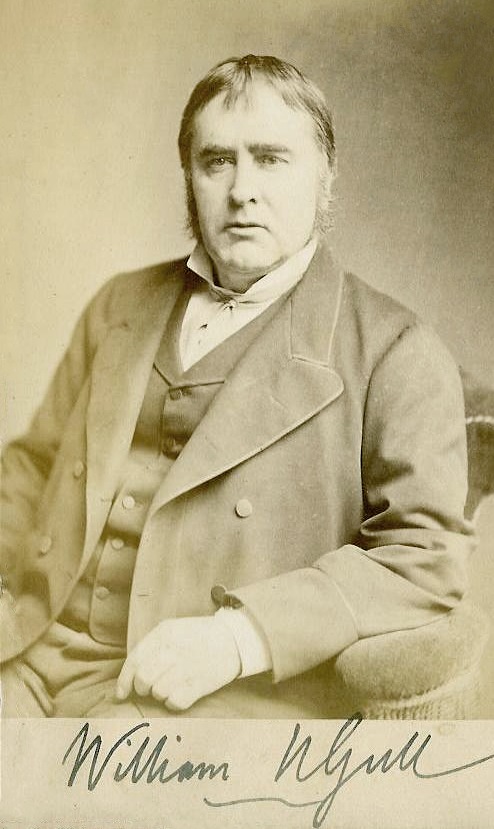
1894 –1896 GULL, Sir William Withey (1816 – 1890)
A collection of the published writings. 2 vols.
Gull, one of the best clinicians of his time, spent most of his working life at Guy’s Hospital. He described the spinal lesion of tabes and left an important account of aneurysm. His best works are his description of …
GMN 2232 · https://historyofmedicine.com/id/3794
1895 BROADBENT, Walter (1868 – 1951)
An unpublished physical sign.
“Broadbent’s sign” – recession of the intercostal spaces as a sign of adherent pericardium.
GMN 2800 · https://historyofmedicine.com/id/3424