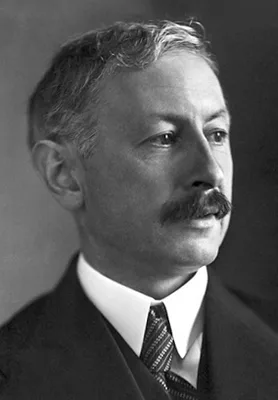
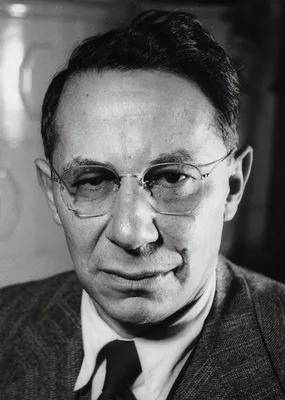
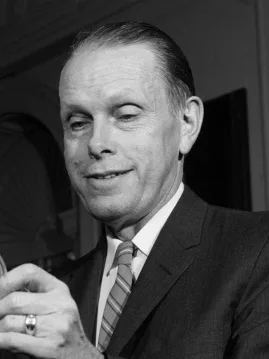
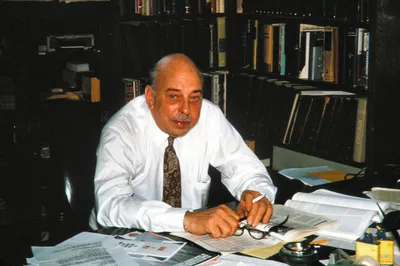
1816 –1817 MAGENDIE, François (1783 – 1855)
Précis élémentaire de physiologie. 2 vols.
The first modern physiology textbook, in which doctrine gave way to simple, precise descriptions of experimental facts. Vol. 2 contains Magendie’s classic demonstration of the importance of nitrogenous food, or protei…
GMN 1041.1 · https://historyofmedicine.com/id/1048
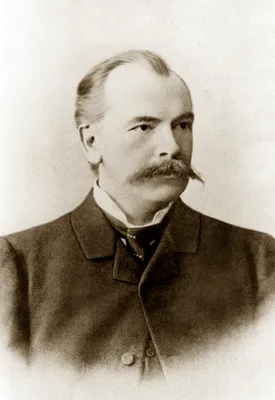
1881 LUNIN, Nikolai Ivanovich (1853 – 1937)
Ueber die Bedeutung der anorganischen Salze für die Ernährung des Thiers.
Working in Bunge’s laboratory, Lunin prepared synthetic milk diets and showed that they lacked an unknown factor necessary for animal growth, and that animals cannot live on a chemically pure (i.e. vitamin-free) diet.…
GMN 1042 · https://historyofmedicine.com/id/1052
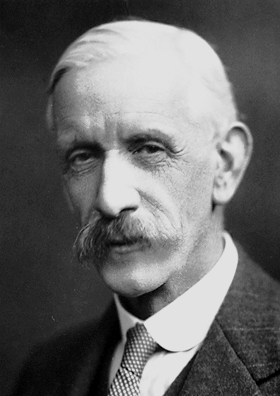
1906 HOPKINS, Sir Frederick Gowland (1861 – 1947)
The analyst and the medical man.
Hopkins predicted the existence of vitamins as early as 1906. He fed animals a diet of zein which failed to maintain growth; however, the animals grew at once when casein was substituted. He concluded that “in the org…
GMN 1044 · https://historyofmedicine.com/id/1057
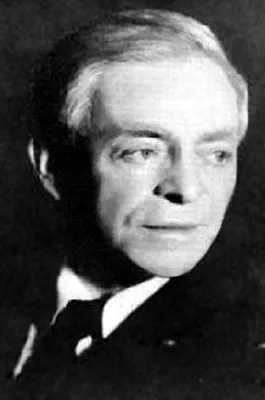
1909 STEPP, Wilhelm Otto (1882 – 1963)
Versuche über Fütterung mit lipoidfreier Nahrung.
Stepp discovered that removal of fat from the diet greatly reduced its nutritive value, but that substitution of pure fats did not replace the deficiency. He thus discovered the existence of fat-soluble vitamins, with…
GMN 1046 · https://historyofmedicine.com/id/1061
1911 –1912 FUNK, Casimir (1884 – 1967)
On the chemical nature of the substance which cures polyneuritis in birds induced by a diet of polished rice.
One of the earliest attempts to isolate what later became known as vitamin B1.See No. 1051. Funk determined the chemical nature of the substance in rice polishings which could cure beriberi.
GMN 1047 · https://historyofmedicine.com/id/582
1912 HOPKINS, Sir Frederick Gowland (1861 – 1947)
Feeding experiments illustrating the importance of accessory factors in normal dietaries.
In 1929 Hopkins shared the Nobel Prize in Physiology or Medicine with Eijkman "for his discovery of the growth-stimulating vitamins."
GMN 1048 · https://historyofmedicine.com/id/589
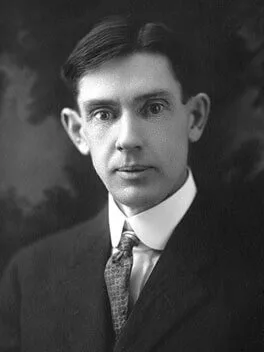
1913 MCCOLLUM, Elmer Verner (1879 – 1967); DAVIS, Marguerite (1887 – 1967)
The necessity of certain lipids in the diet during growth.
Discovery of “fat-soluble A” (vitamin A). See also J. biol. Chem., 1915, 23,181-246, in which the same authors showed the necessity in diet for at least two factors – “fat-soluble A” and “water-soluble B”.
GMN 1049 · https://historyofmedicine.com/id/594
1913 OSBORNE, Thomas Burr (1859 – 1929); MENDEL, Lafayette Benedict (1872 – 1935)
The relation of growth to the chemical constituents of the diet.
Like McCollum and Davis, Osborne and Mendel showed the necessity in diet of a factor which was later to be known as vitamin A.
GMN 1050 · https://historyofmedicine.com/id/599
1914 FUNK, Casimir (1884 – 1967)
Die Vitamine
A pioneer work in the study of vitamins. Much of the previous literature is reviewed. Funk introduced the term “vitamine”, later changed to “vitamin”. In 1912 (J. State Med., 20, 341) he postulated his theory of the e…
GMN 1051 · https://historyofmedicine.com/id/607
1919 DRUMMOND, Sir Jack Cecil (1891 – 1952)
Note on the role of the antiscorbutic factor in nutrition.
In 1920 Drummond suggested the term “vitamin”.
GMN 1053 · https://historyofmedicine.com/id/616
1921 STEENBOCK, Harry (1886 – 1967); ET AL
Fat-soluble vitamine. VII. The fat-soluble vitamine and yellow pigmentation in animal fats with some observations on its stability to saponification.
Separation of vitamin A from vitamin D. With M. Sell and M. Van R. Buell.
GMN 1054 · https://historyofmedicine.com/id/635
1922 MCCOLLUM, Elmer Verner (1879 – 1967); ET AL
Studies on experimental rickets. XXI. An experimental demonstration of the existence of a vitamin which promotes calcium deposition.
Discovery of vitamin D. with N. Simmonds, J. E. Becker, and P. G. Shipley.
GMN 1054.1 · https://historyofmedicine.com/id/637
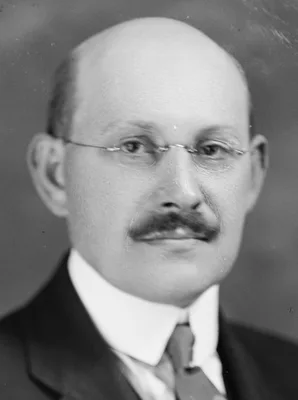
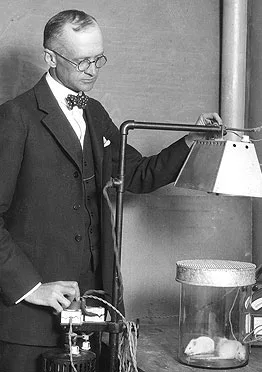
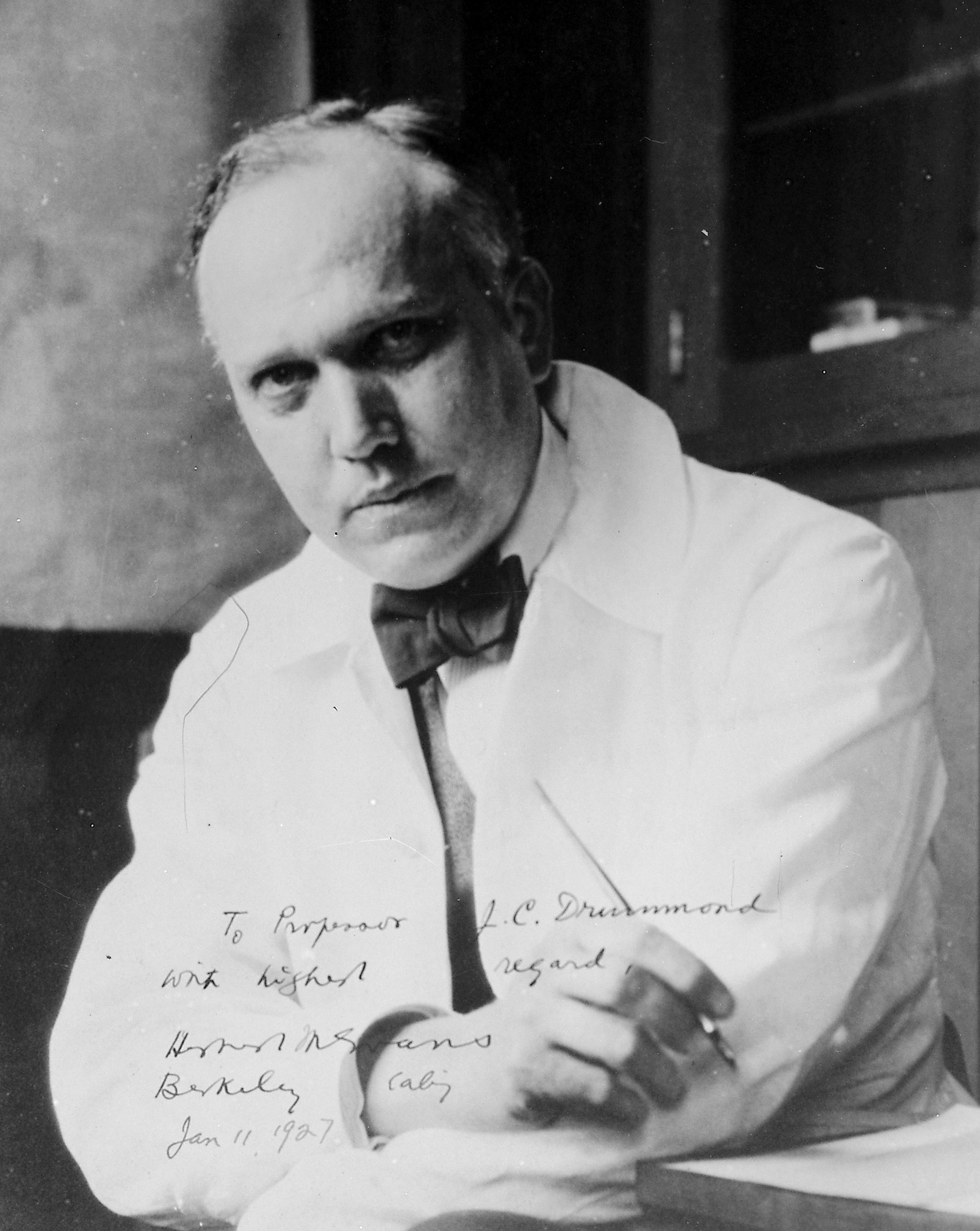
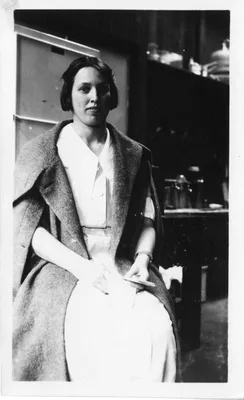
1922 EVANS, Herbert McLean (1882 – 1971); BISHOP, Katharine Scott (1889 – 1976)
On the existence of a hitherto unrecognized dietary factor essential for reproduction.
Discovery of vitamin E. See also their later paper in J. Amer. med. Ass.,1923, 81, 889-92.
GMN 1055 · https://historyofmedicine.com/id/641
1925 STEENBOCK, Harry (1886 – 1967); ET AL
Fat-soluble vitamin. XXVI. Antirachitic property of milk and its increase by direct irradiation and by irradiation of the animal.
Demonstration that the therapeutic properties of ultra-violet light could be effectively stored in foods and later released after consumption. With E. B. Hart, C. A. Hoppert, and A. Black.
GMN 1056 · https://historyofmedicine.com/id/652
1926 ROSENHEIM, Sigmund Otto (1871 – 1955); WEBSTER, Thomas Arthur
The anti-rachitic properties of irradiated sterols.
Proof that the irradiation of ergosterol formed vitamin D.
GMN 1058.1 · https://historyofmedicine.com/id/669
1927 STEPP, Wilhelm Otto (1882 – 1963); GYÖRGY, Paul (1893 – 1976)
Avitaminosen und verwandte Krankheitszustände. Edited by W. Stepp and P. György.
Digital facsimile from Google Books at this link.
GMN 3706 · https://historyofmedicine.com/id/4453
1928 SZENT-GYÖRGYI, Albert (1893 – 1987)
Observations on the function of peroxidase systems and the chemistry of the adrenal cortex. Description of a new carbohydrate derivative.
Isolation of vitamin C, ascorbic acid. In 1937 Szent-Györgyi was awarded the Nobel Prize in Physiology or Medicine "for his discoveries in connexion with the biological combustion process with special reference to vit…
GMN 1059 · https://historyofmedicine.com/id/676
1928 WILLIAMS, Robert Runnels (1886 – 1965); WATERMAN, Robert Edward (1899 – 1987)
The tripartite nature of vitamin B.
Vitamin B3.
GMN 1060 · https://historyofmedicine.com/id/681
1929 BOURDILLON, Robert Benedict (1889 – 1971); ET AL
The absorption spectrum of vitamin D.
See No. 1065. With C. Fischmann, R. G. C. Jenkins, and T. A. Webster.
GMN 1061 · https://historyofmedicine.com/id/687
1929 DAM, Carl Pieter Henrik (1895 – 1976)
Cholesterinstoffwechsel in Hühnereiern und Hühnchen.
In 1943 Dam shared the Nobel Prize with Doisy "for discovery of vitamin K, the blood coagulating factor."
GMN 1062 · https://historyofmedicine.com/id/690
1930 BURR, George Oswald (1896 – 1992); BURR, Mildred M.
On the nature and rôle of the fatty acids essential in nutrition.
Demonstration of the need of the body for certain unsaturated fatty acids (vitamin F).
GMN 1063 · https://historyofmedicine.com/id/694
1930 CARTER, Cyril William (1898 – ); ET AL
Maintenance nutrition in the adult pigeon and its relation to torulin (vitamin B1).
Discovery of vitamin B5, probably identical with nicotinic acid. With H. W. Kinnersley and R. A. Peters.
GMN 1064 · https://historyofmedicine.com/id/700
1931 BOURDILLON, Robert Benedict (1889 – 1971); ET AL
The quantitative estimation of vitamin D by radiography.
Medical Research Council Special Report No. 158. R. B. Bourdillon, H. M. Bruce, C. Fischmann, R. G. C. Jenkins, and T. A. Webster isolated from irradiated ergosterol a crystalline compound, calciferol, which, weight f…
GMN 1065 · https://historyofmedicine.com/id/703
1931 BROWNING, Ethel (1891 – 1969)
The vitamins.
GMN 1066 · https://historyofmedicine.com/id/704
1931 KARRER, Paul (1889 – 1971); MORF, R.; SCHÖPP, K.
Zur Kenntnis des Vitamins-A aus Fischtranen.
In 1930 Karrer established the correct formula for carotene (the chief precursor of vitamin A), the first demonstration of the chemical structure of a vitamin. Shortly thereafter, he was able to determine the formula …
GMN 14238 · https://historyofmedicine.com/id/16557
1932 ASKEW, Frederic Anderton; ET AL
Crystalline vitamin D.
Written with R. B. Bourdillon, H. M. Bruce, R. K. Callow, J. St. L. Philpot, and T. A. Webster.
GMN 1067 · https://historyofmedicine.com/id/708
1932 SALMONSEN, Ella Maud (1885 – 1971)
Bibliographical survey of vitamins 1650-1930, with a section on patents by M. H. Wodlinger.
GMN 1092.5 · https://historyofmedicine.com/id/882
1933 REICHSTEIN, Tadeusz (1897 – 1996); ET AL
Synthese der d- und l-Ascorbinsäure (C-Vitamin).
T. Reichstein, A. Grüssner, and R. Oppenauer synthesized vitamin C.
GMN 1068 · https://historyofmedicine.com/id/711
1933 WILLIAMS, Roger John (1893 – 1988); ET AL
“Pantothenic acid”, a growth determinant of universal biological occurrence.
Discovery of pantothenic acid (vitamin B3). with C. M. Lyman, G. H. Goodyear, J. H. Truesdail, and D. Holaday.
GMN 1068.1 · https://historyofmedicine.com/id/722
1933 HAWORTH, Sir Walter Norman (1883 – 1950); HIRST, Sir Edmund Langley (1898 – 1975)
Synthesis of ascorbic acid.
Haworth and Hirst successfully synthesized vitamin C in the laboratory. This was the first vitamin to be artificially produced. Their breakthrough made it possible for vitamin C, or ascorbic acid as Haworth called it,…
GMN 14280 · https://historyofmedicine.com/id/16602
1934 ELLINGER, Philipp (1887 – 1952); KOSCHARA, Walter (1904 – 1945)
The lyochromes: a new group of animal pigments.
Chemical formula of riboflavine (vitamin B2).
GMN 1069 · https://historyofmedicine.com/id/728
1934 EVANS, Herbert McLean (1882 – 1971); LEPKOVSKY, Samuel (1899 – 1984); MURPHY, Elizabeth A.
Vital need of the body for certain unsaturated fatty acids.
Isolation of vitamin F (linolenic acid).
GMN 1070 · https://historyofmedicine.com/id/733
1936 EVANS, Herbert McLean (1882 – 1971); EMERSON, Oliver H.; EMERSON, Gladys Luwina Anderson (1903 – 1984)
The isolation from wheat-germ oil of an alcohol, α-tocopherol, having the properties of vitamin E.
Isolation of vitamin E, named by Herbert M. Evans.
GMN 1071 · https://historyofmedicine.com/id/737
1936 KÖGL, Fritz (1897 – 1954); TÖNNIS, Benno
Über das Bios-Problem. Darstellung von krystallisiertem Biotin aus Eigelb.
Isolation of biotin (vitamin H).
GMN 1071.1 · https://historyofmedicine.com/id/746
1936 SZENT-GYÖRGYI, Albert (1893 – 1987); RUSZNYAK, Stephan (1886 – 1974)
Vitamin P: Flavonols as vitamins.
Discovery of vitamin P (“citrin”).
GMN 1072 · https://historyofmedicine.com/id/751
1936 WILLIAMS, Robert Runnels (1886 – 1965); CLINE, Joseph Kalman (1908 – )
Synthesis of vitamin B1.
Synthesis of aneurine.
GMN 1073 · https://historyofmedicine.com/id/756
1937 HOLMES, Harry Nicholls (1879 – 1958); CORBET, Ruth E.
A crystalline vitamin A concentration.
GMN 1074 · https://historyofmedicine.com/id/761
1937 KOEHN, Carl James (1910 – 1989); ELVEHJEM, Conrad Arnold (1901 – 1962)
Further studies on the concentration of the antipellagra factor.
Chicken pellagra factor.
GMN 1076 · https://historyofmedicine.com/id/773
1937 TODD, Alexander Robertus Baron Todd (1909 – 1997); ET AL
Studies on vitamin E. The isolation of β-tocopherol from wheat germ oil.
With F. Bergel and T. S. Work.
GMN 1075 · https://historyofmedicine.com/id/1118
1938 ELVEHJEM, Conrad Arnold (1901 – 1962); ET AL
The isolation and identification of the anti-black tongue factor.
Isolation of nicotinic acid, the pellagra-preventing factor (Vitamin B3). With R. J. Madden, F. N. Strong, and D. W. Woolley.
GMN 1077 · https://historyofmedicine.com/id/779
1938 HARRIS, Leslie Julius (1898 – 1973)
Vitamins and vitamin deficiencies. Vol. 1.
GMN 1078 · https://historyofmedicine.com/id/804
1938 KARRER, Paul (1889 – 1971); ET AL
α-Tocopherol.
P. Karrer, H. Fritzsche, B. H. Ringier, and H. Salomon synthesized vitamin E (α-tocopherol).
GMN 1079 · https://historyofmedicine.com/id/807
1939 DAM, Carl Pieter Henrik (1895 – 1976); ET AL
Isolierung des Vitamins K in hochgereinigter Form.
Isolation of vitamin K1 from alfalfa. It was isolated independently by R. W. McKee and his co-workers, J. Amer. chem. Soc., 1939, 61, 1295.
GMN 1080 · https://historyofmedicine.com/id/809
1939 BINKLEY, Stephen Bennett (1910 – 1987); DOISY, Edward Adelbert (1883 – 1986); MACCORQUODALE, Donald William (1898 – 1986); THAYER, Sidney A.
The isolation of vitamin K1.
Order of authorship in the original publication: Binkley, MacCorquodale, Thayer, Doisy. In 1943 Doisy received half of the Nobel Prize in Physiology or Medicine "for his discovery of the chemical nature of vitamin K."…
GMN 1081 · https://historyofmedicine.com/id/812
1939 FIESER, Louis Frederick (1899 – 1977)
Synthesis of vitamin K1.
GMN 1083 · https://historyofmedicine.com/id/828
1940 BINKLEY, Stephen Bennett (1910 – 1987); DOISY, Edward Adelbert (1883 – 1986); THAYER, Sidney A.
The constitution of vitamin K2.
Structural formula of vitamin K2.
GMN 1082 · https://historyofmedicine.com/id/823
1940 VIGNEAUD, Vincent du (1901 – 1978); ET AL
A further note on the identity of vitamin H with biotin.
Isolation of β-biotin (formerly known as vitamin H). With D. B. Melville, P. György, and C. S. Rose.
GMN 1085 · https://historyofmedicine.com/id/836
1940 HOGAN, Albert Garland (1884 – 1961); PARROTT, Ernest Milford (1903 – 1994)
Anemia in chicks caused by a vitamin deficiency.
Isolation of vitamin Bc (folic acid, pteroylglutamic acid). Preliminary communication in J. biol. Chem., 1939, 128, xlvi-xlvii.
GMN 1086 · https://historyofmedicine.com/id/841
1941 ANSBACHER, Stefan (1905 – )
p-Aminobenzoic acid, a vitamin.
Recognition of β-amenobenzoic acid as a member of the vitamin-B complex.
GMN 1084 · https://historyofmedicine.com/id/831
1942 WAWRA, Cecil Z. (1915 – 1994); WEBB, John Leyden (1914 – 1966)
The isolation of a new oxidation-reduction enzyme from lemon peel (vitamin P).
Isolation of vitamin P (hespendin chalcone).
GMN 1087 · https://historyofmedicine.com/id/849