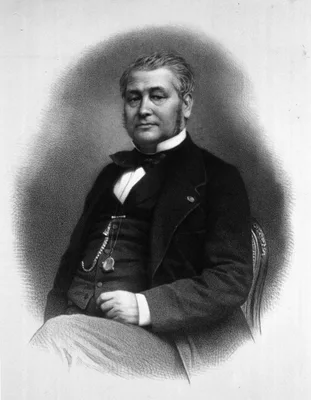
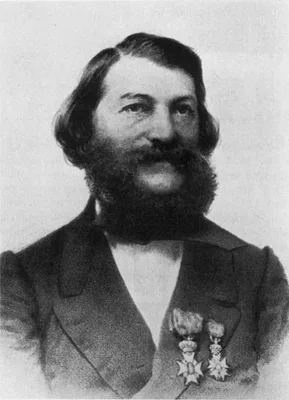
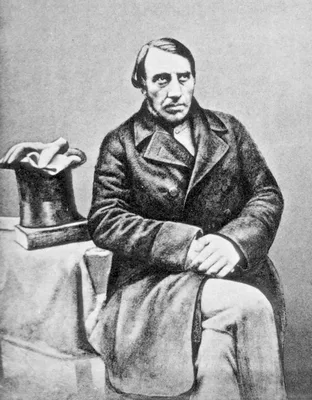
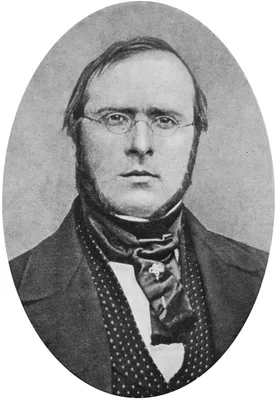
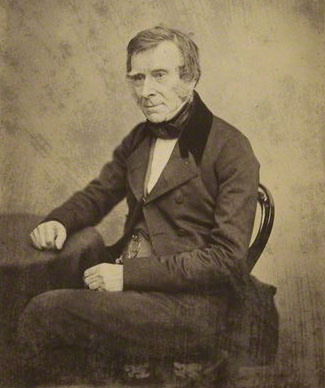
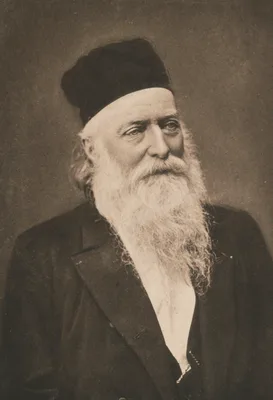
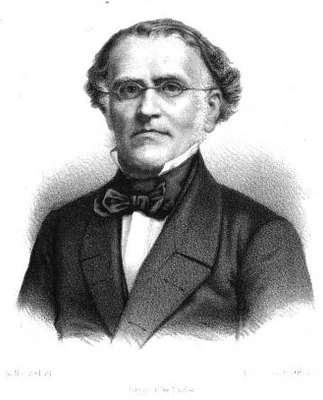
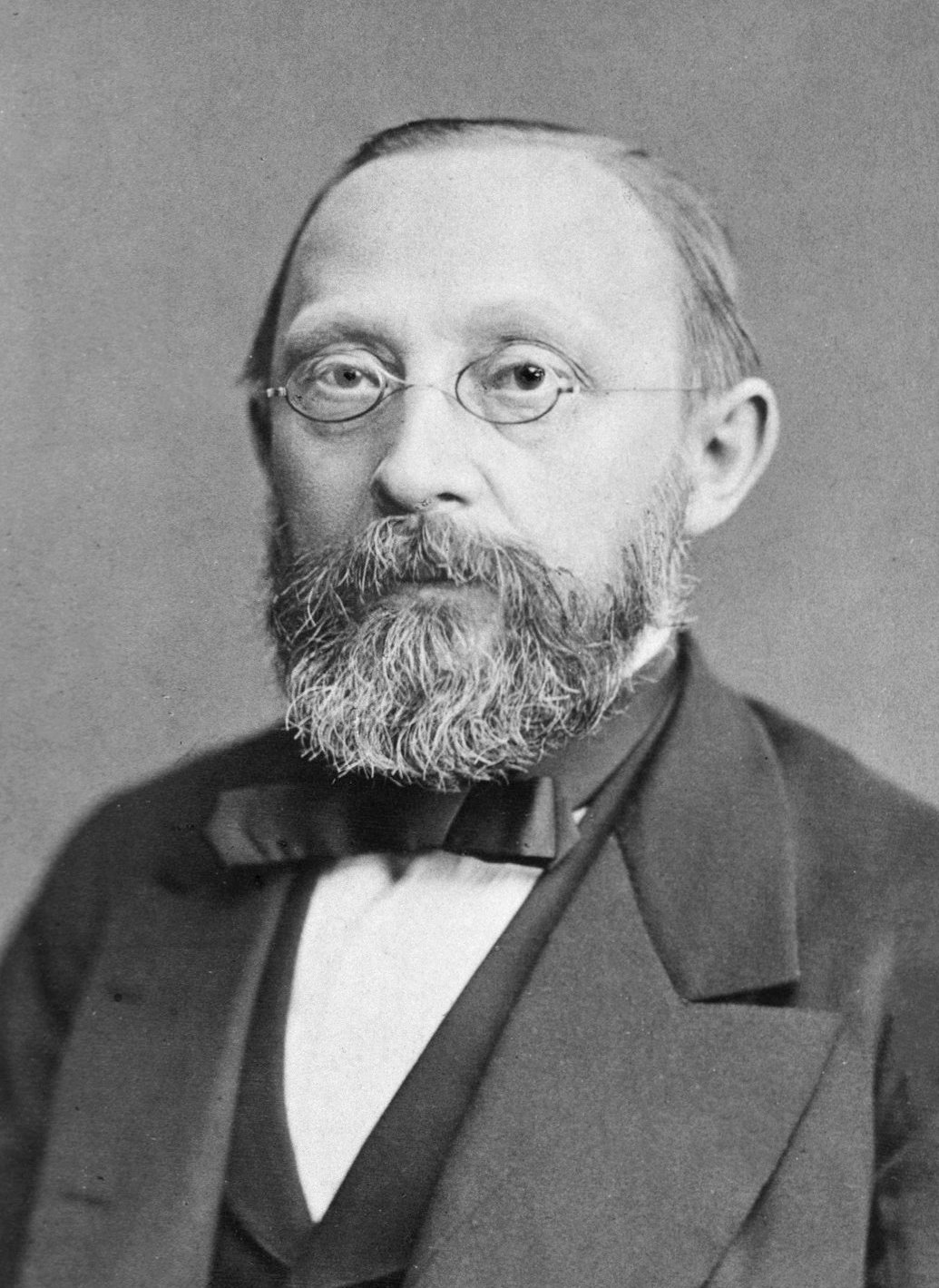
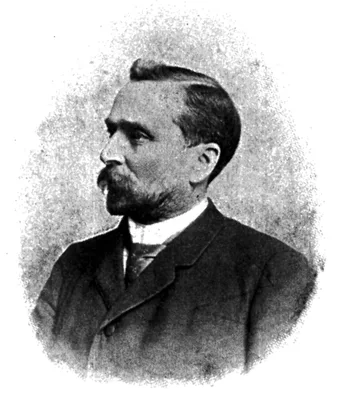
1834 GRANVILLE, Augustus Bozzi (1783 – 1872)
Graphic illustrations of abortion and the diseases of menstruation. Consisting of twelve plates from drawings engraved on stone, and coloured by Mr. J. Perry, and two copperplates from the Philosophical transactions, coloured by the same artist. The whole representing forty-five specimens of aborted ova and adventitious productions of the uterus, with preliminary observations, explanations of the figures, and remarks anatomical and physiological.
Concerns miscarriage and aberrant gestation rather than removal or expulsion of embryo or fetus. Digital facsimile from wellcomecollection.org at this link.
GMN 14017 · https://historyofmedicine.com/id/16324
1835 –1837 HUNTER, John (1728 – 1793)
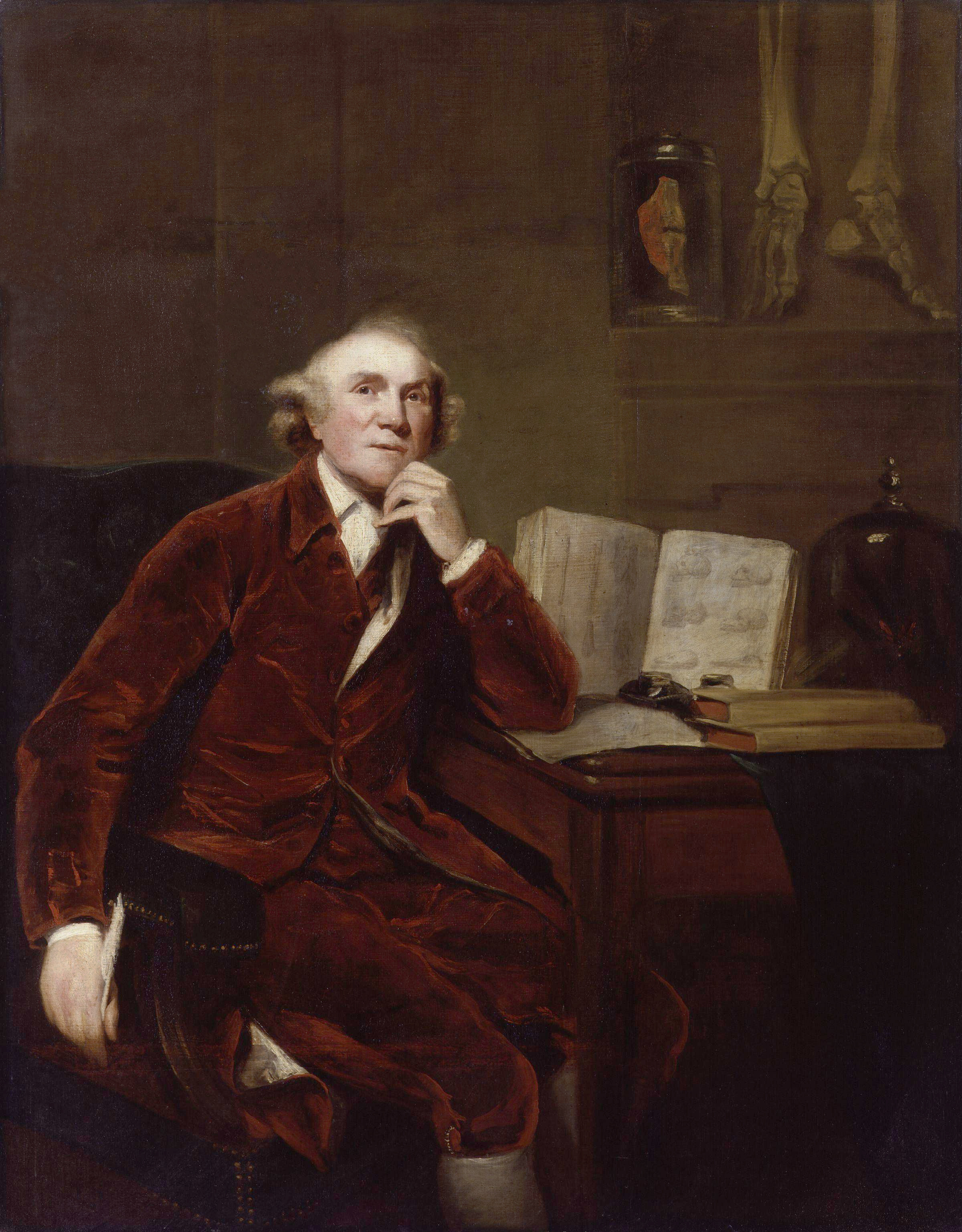
The works of John Hunter. With notes. Edited by J.F. Palmer. 4 vols. and atlas.
Hunter gave a great impetus to the study of morbid anatomy; he was the veritable founder of experimental and surgical pathology. He was responsible for the commencement of some of the greatest medical museums; the Hun…
GMN 78 · https://historyofmedicine.com/id/1314
1836 HODGKIN, Thomas (1798 – 1866)
Lectures on the morbid anatomy of the serous and mucous membranes. 2 vols.
Important work which stimulated the study of tissue pathology in England. Hodgkin was the first in England to give a regular lecture course in morbid anatomy, which he began at Guy’s in 1827. Vol. 2, pt. 2 was never p…
GMN 2290 · https://historyofmedicine.com/id/2918
1838 CARSWELL, Sir Robert (1793 – 1857)
Illustrations of the elementary forms of disease.
Carswell was Professor of Morbid Anatomy at University College, London, and one of the leading English pathologists of his day. A fine artist, he personally painted 2,000 water-colours of pathological specimens. His g…
GMN 2291 · https://historyofmedicine.com/id/2920
1839 GROSS, Samuel David (1805 – 1884)
Elements of pathological anatomy. 2 vols.
In his day Gross was the most famous surgeon in the U.S.A. He was for a time Professor of General Anatomy, Physiology, and Pathological Anatomy at Cincinnati Medical College and while there published his Elements, the…
GMN 2292 · https://historyofmedicine.com/id/2922
1839 MORTON, Samuel George (1799 – 1851)
Crania Americana; or, A comparative view of the skulls of various aboriginal nations of North and South America. To which is prefixed an essay on the varieties of the human species.
In his day Morton was the most eminent craniologist in the United States. He had a collection of nearly 1,000 skulls. In this work, which described both modern and fossil skulls, Morton described fractures and anthrop…
GMN 201 · https://historyofmedicine.com/id/3545
1839 –1841 RAYER, Pierre François Olive (1793 – 1867)
Traité des maladies des reins. 3 vols, and atlas.
Rayer insisted on the exhaustive analysis of the urine as an aid to the diagnosis of lesions. He classified “albuminus nephritis” into six distinct forms and distinguished these from other forms of nephritis associate…
GMN 4208 · https://historyofmedicine.com/id/6240
1839 BAUMGÄRTNER, Karl Heinrich (1798 – 1886)
Physiognomice pathologica – Krankenphysiognomik. Text in quarto; atlas in folio with 72 hand-colored lithographs.
A second edition in octavo format with 80 small plates was published in 1842. Baumgärtner, a pupil of Friedrich Tiedemann and Leopold Gmelin at Heidelberg, taught that it was possible to make a correct diagnosis with …
GMN 10589 · https://historyofmedicine.com/id/12782
1841 SEWALL, Thomas (1786 – 1845)
The pathology of drunkeness, or the effects of alcoholic drinks with drawings of the drunkard's stomach.
Including four chromolithographed plates by J. H. Hall, Albany, N.Y., this is the earliest illustrated book published in the U.S. on the pathological effects of alcoholism. Digital facsimile from the U.S. National Lib…
GMN 13521 · https://historyofmedicine.com/id/15796
1842 –1846 ROKITANSKY, Carl Freiherr von (1804 – 1878)
Handbuch der pathologischen Anatomie. 3 vols.
Rokitansky ranks with Morgagni as among the greatest of all writers on gross pathology. He is said to have performed over 30,000 autopsies himself. His Handbuch was for many years pre-eminent among its contemporaries.…
GMN 2293 · https://historyofmedicine.com/id/2924
1842 ANDRAL, Gabriel (1797 – 1876); LACROIX, Louis Edward; DENONVILLIERS, Charles-Pierre (1808 – 1872)
Muséum d'anatomique pathologique de la Faculté de Médecine de Paris, ou Musée Dupuytren. Publié au nom de la Faculté. 2 vols. and atlas.
Plates lithographed after drawings by Émile Beau. Digital facsimile from BnFGallica at this link.
GMN 10381 · https://historyofmedicine.com/id/12573
1843 ADDISON, William (1802 – 1881)
Experimental and practical researches on the structure and function of blood corpuscles; on inflammation; and on the origin and nature of tubercles in the lungs.
Addison gave an important account of the process of inflammation. See L.J. Rather, Addison and the white corpuscles: An aspect of nineteenth-century biology. London, Wellcome Institute, 1972. See also No. 3059.
GMN 2294 · https://historyofmedicine.com/id/2926
1844 WEBB, Allan (1803 – 1863)
Pathologia Indica, or, The anatomy of Indian diseases, medical and surgical: Based upon morbid specimens from all parts of India in the museum of the Calcutta Medical College; illustrated by detailed cases, with the prescriptions and treatment employed, and comments, physiological, practical and historical.
Significantly expanded second edition, in two parts (Calcutta: Thacker & Co., 1848). Digital facsimile of the 1848 edition from the Internet Archive at this link.
GMN 8810 · https://historyofmedicine.com/id/10988
1845 LEBERT, Hermann (1813 – 1878)
Physiologie pathologique. 2 vols. & atlas.
One of the earliest atlases of pathological histology. Lebert’s work played an important role in introducing the cellular idea of pathology, laying the groundwork for Virchow’s theories.
GMN 543.1 · https://historyofmedicine.com/id/179
1845 GOODSIR, John (1814 – 1867); GOODSIR, Henry Duncan Spens (1819 – 1848)
Anatomical and pathological observations.
John Goodsir’s paper on “Centres of nutrition” anticipates to a certain extent the cell doctrine afterwards developed by Virchow (see No. 2299). Virchow dedicated the first edition of his Cellularpathologie to Goodsir…
GMN 2294.1 · https://historyofmedicine.com/id/2928
1846 WALLER, Augustus Volney (1816 – 1870)
Microscopic examination of some of the principal tissues of the animal frame, as observed in the tongue of the living frog, toad, etc.
Waller observed the penetration and migration of leucocytes through the endothelial vessel walls.
GMN 2295 · https://historyofmedicine.com/id/2929
1846 BRODIE, Sir Benjamin Collins (1783 – 1862)
Lectures illustrative of various subjects in pathology and surgery.
Page 361 contains the first description of intermittent claudication in man. This was first reported (in the horse) by “Boullay” [?J. Bouley] in Arch. gén. Méd.,1831, 27, 425. P. 186: Brodie's test for insufficiency o…
GMN 2902 · https://historyofmedicine.com/id/4851
1846 –1849 ROYAL COLLEGE OF SURGEONS OF ENGLAND
Descriptive catalogue of the pathological specimens contained in the museum of the Royal College of Surgeons of England. 5 vols.
Vol.1: General pathology -- Vol.2: Pathology of the blood, and organs of locomotion -- Vol.3 Pathology of the organs of digestion, absorption and circulation -- Vol.4: Pathology of the respiratory and urinary organs, …
GMN 13859 · https://historyofmedicine.com/id/16149
1847 DANIELSSEN, Daniel Cornelius (1815 – 1894); BOECK, Carl Wilhelm (1808 – 1875)
Om spedalskhed. Udgivet efter Foranstaltning af den Kongelige Norske Regjerings Department for det Indre. 1 vol. and atlas.
First modern description of leprosy (“Danielssen-Boeck disease’’). Danielssen, physician to the leprosy hospital at Bergen, was the founder of scientific leprology. The extremely rare Atlas consists of 24 plates and t…
GMN 2434 · https://historyofmedicine.com/id/2894
1847 VIRCHOW, Rudolf Ludwig Karl (1821 – 1902)
Die pathologischen Pigmente.
On the origin and chemical composition of extracellular and intracellular pigments, and on the supposed formation of new cells by the membranous envelopment of pigmented blood corpuscles or pigment granules.
GMN 2296 · https://historyofmedicine.com/id/2930
1848 –1851 TARDIEU, Auguste Ambroise (1818 – 1879); AUVERT, Alexandre Ivanovich ( – 1865)
Selecta praxis medico-chirurgicae quam Mosquae exercet Alexander Auvert, ...Typis et figuris expressa Parisiis, moderante Ambroise Tardieu.
Auvert was professor in Moscow. This folio atlas includes 120 folio plates of pathology subjects, drawn by Schtschegoleff in Moscow. The text is in Latin throughout. The drawings were engraved in Paris by Oudet, print…
GMN 7495 · https://historyofmedicine.com/id/9667
1851 RICORD, Philippe (1800 – 1889)
Traité complet des maladies vénériennes. Clinique iconographique de l'Hôpital des vénériens. Recueil d'observations, suivies de considérations pratiques sur les maladies qui ont été traitées dans cet hôpital.
Ricord's extensive work with veneral diseases at the Hopital du Midi includes 66 hand-colored ithographs illustrating a multitude of conditions at various levels of infection in both sexes. The illustrations were draw…
GMN 14130 · https://historyofmedicine.com/id/16441
1852 ROKITANSKY, Carl Freiherr von (1804 – 1878)
Ueber einige der wichtigsen Krankheiten der Arterien.
One of Rokitansky’s best works. He described atheroma and calcification in the intima of arteries, and various congenital malformations. Rokitansky "is credited with the initial case report of polyarteritis nodosa in …
GMN 2904 · https://historyofmedicine.com/id/4855
1856 DUPUYTREN, Guillaume, Le Baron (1777 – 1835); HOUEL, Charles-Nicolas (1815 – 1881)
Manuel d'anatomie pathologique générale et appliquée: Contenant la description et le catalogue du Musée Dupuytren.
Digital facsimile from Google Books at this link.
GMN 11146 · https://historyofmedicine.com/id/13343
1857 –1861 LEBERT, Hermann (1813 – 1878)
Traité d’anatomie pathologique générale et spéciale. 4 vols.
Lebert set out to cover both general and special pathology. The superb hand-colored folio-sized copperplate engravings of macro- and micropathology in this work are among the finest ever published.
GMN 2297.1 · https://historyofmedicine.com/id/2931
1857 VIRCHOW, Rudolf Ludwig Karl (1821 – 1902)
Untersuchungen uber die Entwickelung des Schädelgrundes im gesunden und krankhaften Zustande und über Einfluss derselben auf Schädelform, Gesichtsbildung und Gehirnbau.
In his Investigations on the development of the base of the skull in healthy and diseased conditions, and on the influence of the same upon skull form, facial structure and brain formation Virchow laid the foundation …
GMN 13248 · https://historyofmedicine.com/id/15513
1858 LISTER, Joseph, 1st Baron Lister (1827 – 1912)
On the early stages of inflammation.
This paper reports the results of one of Lister’s most valuable researches; his conclusions still hold today.
GMN 2298 · https://historyofmedicine.com/id/2933
1858 VIRCHOW, Rudolf Ludwig Karl (1821 – 1902)
Die Cellularpathologie in ihrer Begründung auf physiologische und pathologische Gewebelehre.
Virchow was the greatest figure in the history of pathology. His best work, Die Cellularpathologie, is one of the most important books in the history of medicine and the foundation stone of cellular pathology. The Eng…
GMN 2299 · https://historyofmedicine.com/id/2935
1860 –1864 HIRSCH, August (1817 – 1894)
Handbuch der historisch-geographischen Pathologie. 2 vols.
This is perhaps the greatest historical classic on the subject. Vol.1 appeared in 2 parts, with the first part issued in 1859 and the second part issued in 1860.
GMN 1778 · https://historyofmedicine.com/id/1827
1862 ZENKER, Friedrich Albert von (1825 – 1898)
Beiträge zur normalen und pathologischen Anatomie der Lungen.
First description of pulmonary fat embolism in man.
GMN 3007 · https://historyofmedicine.com/id/5361
1866 OGLE, John William (1824 – 1905); HOLMES, Timothy (1825 – 1907)
Catalogue of the pathological museum of St. George's Hospital.
Digital facsimile from the Internet Archive at this link.
GMN 10378 · https://historyofmedicine.com/id/12570
1867 ZENKER, Friedrich Albert von (1825 – 1898)
Ueber Staubinhalationskrankheiten der Lungen.
Zenker described siderosis and suggested the term “pneumonokoniosis” as a suitable general title for diseases due to inhaled dust.
GMN 2125.1 · https://historyofmedicine.com/id/2649
1867 BROCA, Pierre Paul (1824 – 1880)
Cas singulier de trépanation chez le Incas.
Broca attributed a defect in an ancient Peruvian skull to antemortem trepanation; prior to this paleopathologists and paleoanthropologists were unaware that the Incas practiced trepanation.
GMN 7704 · https://historyofmedicine.com/id/9876
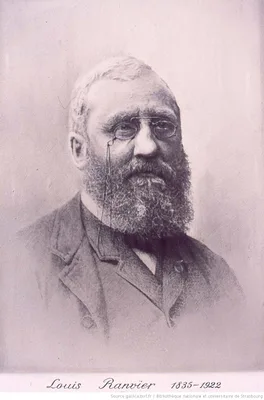
1869 –1876 RANVIER, Louis-Antoine (1835 – 1922); CORNIL, André Victor (1837 – 1908)
Manuel d’histologie pathologique. 3 pts.
English translations, Philadelphia, 1880, and London, 1882-86.
GMN 2300 · https://historyofmedicine.com/id/2937
1871 KLEBS, Theodor Albrecht Edwin (1834 – 1913)
Die Ursache der infectiösen Wundkrankheiten.
Klebs, Professor of Pathology at Berne, Würzburg, Prague, Zurich, and Chicago, preceded Koch in investigations of the pathology of traumatic infection. He found bacteria in gunshot wounds, granulation tissue, etc., an…
GMN 2535 · https://historyofmedicine.com/id/3522
1871 –1878 TRAUBE, Ludwig (1818 – 1876)
Gesammelte Beiträge zur Pathologie und Physiologie. 3 vols.
Digital facsimile from Google Books at this link.
GMN 11715 · https://historyofmedicine.com/id/13916
1872 BERNARD, Claude (1813 – 1878)
Leçons de pathologie expérimentale.
An elaboration of his lectures on the subject at the Collège de France.
GMN 2301 · https://historyofmedicine.com/id/2939
1873 COHNHEIM, Julius Friedrich (1839 – 1884)
Neue Untersuchungen über die Entzündung.
Cohnheim was the master experimental pathologist of the 19th century. He was a pupil of Virchow and Kölliker; in contradiction of the former, he showed the essential feature of inflammation to be the passage of leucoc…
GMN 2302 · https://historyofmedicine.com/id/2941
1873 –1875 GOWERS, Sir William Richard (1845 – 1915); PAGENSTECHER, Hermann (1844 – 1932); GENTH, Carl Philipp (1844 – 1904)
Atlas der pathologischen Anatomie des Augapfels. Atlas of the pathological anatomy of the eyeball
Text in German and English; Sir W. R. Gowers was responsible for the English translation. Digital facsimile from the Bayerische StaatsBibliothek at this link.
GMN 5910 · https://historyofmedicine.com/id/6787
1873 –1892 SANGALLI, Giacomo Francesco (1821 – 1897)
La scienza e la pratica della anatomia patologica.
Divided into six parts, as follows: Book I: Delle alterazioni di prima formazione (on teratology) Book II: Delle ipertrofie Book III: Delle atrofie Book IV: Dell’infiammazione e della mortificazione Book V: Dei tumori…
GMN 7473 · https://historyofmedicine.com/id/9645
1874 PRUNIÈRES, Pierre Marie Barthélémy (1828 – 1893)
Sur les crânes artificiellement perforés à l'époque des dolmens.
Prunières separated postmortem trepanations and rondelles from antemortem operations, and also described tuberculous lesions in Neolithic bones.
GMN 7705 · https://historyofmedicine.com/id/9877
1875 ROKITANSKY, Carl Freiherr von (1804 – 1878)
Die Defecte der Scheidewände des Herzens.
Rokitansky’s memoir on defects of the septum of the heart was his last work, and possibly his greatest. It represented 14 years’ study of the subject.
GMN 2778 · https://historyofmedicine.com/id/4739
1876 VIRCHOW, Rudolf Ludwig Karl (1821 – 1902)
Die Sections-Technik im Leichenhause des Charité-Krankenhauses.
On the technique of dissection. English translation, London, 1876.
GMN 2304 · https://historyofmedicine.com/id/2946
1876 JONES, Joseph (1833 – 1896)
Explorations of the aboriginal remains of Tennessee.
The first major discussion of human skeletal pathology in American archeological samples. Jones introduced histopathological techniques in analysis of paleopathological material. Digital facsimile from Google Books at…
GMN 14060 · https://historyofmedicine.com/id/16370
1877 –1880 COHNHEIM, Julius Friedrich (1839 – 1884)
Vorlesungen über allgemeine Pathologie. 2 vols.
Apart from Virchow’s Cellularpathologie, this was the most influential textbook of pathology during the 19th century. It includes (vol. 1, p. 38) a report on the experimental production of heart murmurs. English trans…
GMN 2303 · https://historyofmedicine.com/id/2943
1877 –1879 DUPUYTREN, Guillaume, Le Baron (1777 – 1835); HOUEL, Charles-Nicolas (1815 – 1881)
Catalogue des pièces du Musée Dupuytren, publié sous les auspices de la Faculté de Médecine de Paris. 5 vols. text plus 4 vols. atlas.
Detailed catalogue, illustrated by photography, of the Musée Dupuytren, a museum of gross pathology. When this catalogue was published the museum contained about 6000 items.
GMN 11147 · https://historyofmedicine.com/id/13344
1877 –1907 HUTCHINSON, Sir Jonathan (1828 – 1913); ET AL
An atlas of illustrations of pathology [and] An atlas of illustrations of clinical medicine, surgery and pathology ... a continuation of the "Atlas of Pathology." 30 fascicules numbered I - XXIV, XXIVbis, XXIVter, XXV, XXVbis, XXVI - XXVII.
Bay far the most elaborate publication published by The New Sydenham Society, issued in fascicules over 30 years and rarely found complete.
GMN 14349 · https://historyofmedicine.com/id/16679
1878 LUCAS-CHAMPIONNIÈRE, Just-Marie-Marcellin (1843 – 1913)
Etude historique et clinique sur la trépanation du crâne; la trépanation guidée par les localisations cérébrales.
Lucas-Chamionnière asserted that the operation was performed by ancient surgeons for both magical and therepeutic reasons, and noted that ancient surgeons prevented lethal hemorrhage from the sagittal sinus by avoidin…
GMN 7706 · https://historyofmedicine.com/id/9878
1879 CZERMAK, Johann Nepomuk (1828 – 1873)
Gesammelte Schriften. 2 vols.
In "Beschreibung und mikroskopische Untersuchungen von Mumien", published in I, 114-156, Czermak used histology to identify arterioschlerosis in an Egyptian mummy. Digital facsimile of this specific paper from ECHO at…
GMN 7703 · https://historyofmedicine.com/id/9875
1881 –1882 ZIEGLER, Ernst (1849 – 1905)
Lehrbuch de allgemeinen und speciellen pathologischen Anatomie und Pathogenese.
An outstanding textbook which today remains of value to pathologists. Ziegler was Professor of Pathology at Freiburg, and founded the Beiträge zur pathologischen Anatomie (“Ziegler’s Beiträge”).
GMN 2305 · https://historyofmedicine.com/id/2948