1778 GLEICHEN-RUSSWURM, Wilhelm Friedrich von (1717 – 1783)
Abhandlung fiber die Saamen- und Infusionsthierchen, und über die Erzeugung: nebst mikroskopischen Beobachtungen des Saamens der Thiere, und verschiedener Infusionen.
Gleichen was probably the first to attempt to stain bacteria; he used carmine and indigo.
GMN 2465 · https://historyofmedicine.com/id/3030
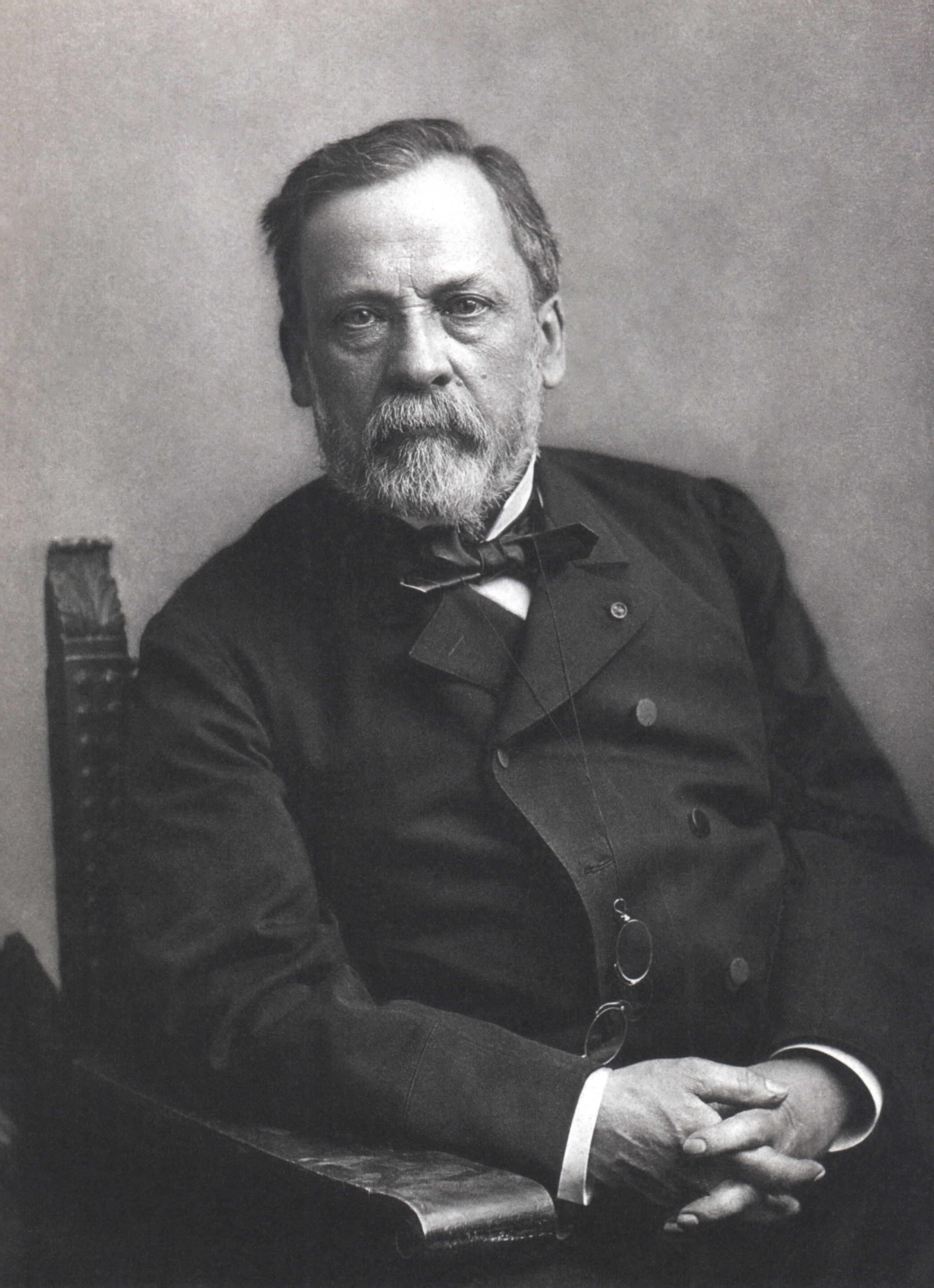
1859 PASTEUR, Louis (1822 – 1895)
Nouveaux faits pour server à l’histoire de la levure lactique.
This and the preceding entry mark Pasteur’s commencement of the study of fermentation. This paper described Pasteur’s method of cultivating micro-organisms in a medium free of organic nitrogen to produce fermentations…
GMN 2473 · https://historyofmedicine.com/id/3059
1871 WEIGERT, Carl (1845 – 1904)
Ueber Bakterien in der Pockenhaut.
Weigert was the first to stain bacteria. He introduced many of the best staining methods in use today. Weigert discovered bacteria in hemorrhagic smallpox. In the same paper is described how carmine will color cocci.
GMN 2482 · https://historyofmedicine.com/id/3084
1872 KLEBS, Theodor Albrecht Edwin (1834 – 1913)
Beiträge zur pathologischen Anatomie der Schusswunden.
Klebs filtered the discharges from gunshot wounds, found the filtrate to be non-infectious, and from that reasoned that traumatic septicemia is of bacterial origin. He was the first to filter bacteria and to experimen…
GMN 2173 · https://historyofmedicine.com/id/1207
1876 WEIGERT, Carl (1845 – 1904)
Ueber eine Mykose bei einem neugeborenen Kinde (Bakterienfärbung mit Anilinfarben).
In this paper Weigert showed that methyl violet will reveal cocci in tissues.
GMN 2486 · https://historyofmedicine.com/id/3098
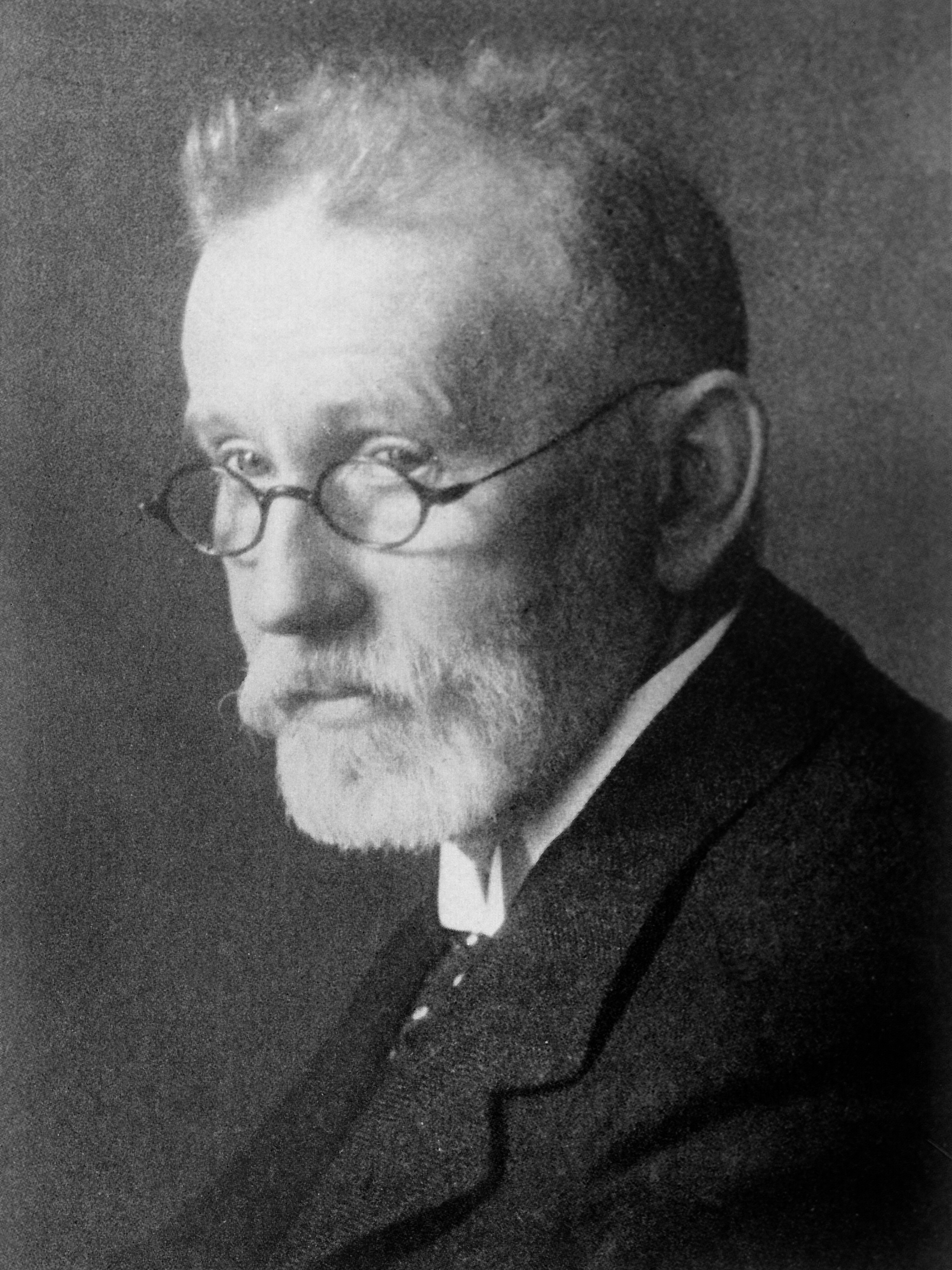
1877 EHRLICH, Paul (1854 – 1915)
Beitrag zur Kenntnis der Anilinfärbungen und ihrer Verwendung in der mikroskopischen Technik.
Ehrlich’s first paper on the staining of specific granulation in white blood corpuscles by means of aniline dyes. His work immensely affected subsequent technical methods of staining.
GMN 2487 · https://historyofmedicine.com/id/3104
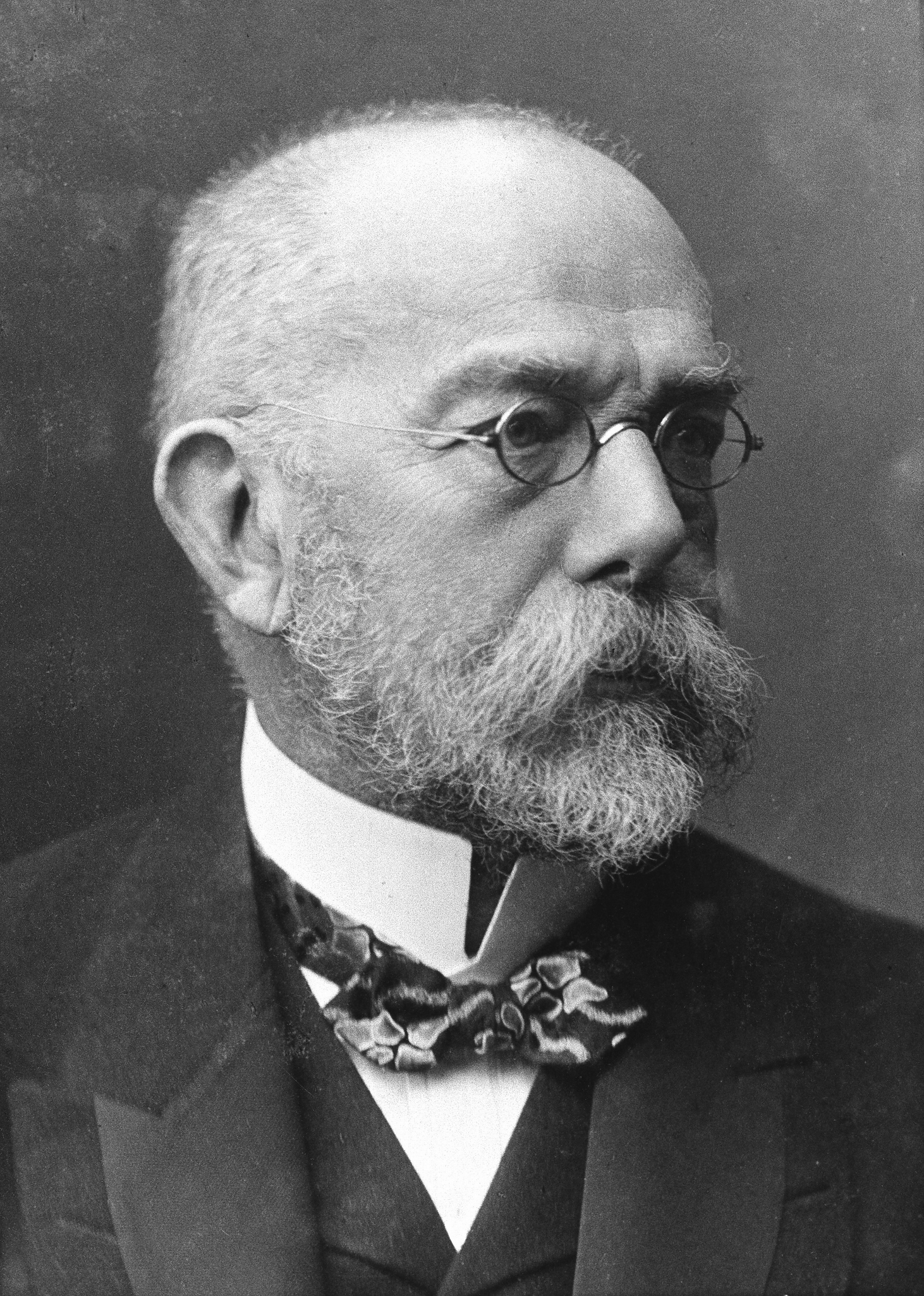
1877 KOCH, Robert Heinrich Hermann (1843 – 1910)
Verfahrungen zur Untersuchung, zum Conserviren und Photographiren der Bacterien.
Koch greatly improved staining methods; he laid the foundations of the technical procedures employed in bacteriology today. In the above paper he described his method of slide preparation, making films of bacteria on …
GMN 2488 · https://historyofmedicine.com/id/3111
1881 EHRLICH, Paul (1854 – 1915)
Ueber das Methylenblau und seine klinisch-bakterioskopische Verwerthung.
Introduction of methylene blue in bacteriological staining.
GMN 2493 · https://historyofmedicine.com/id/3148
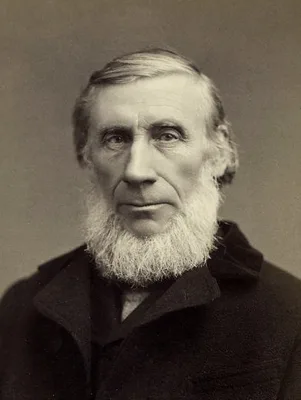
1881 TYNDALL, John (1820 – 1893)
Essays on the floating-matter of the air in relation to putrefaction and infection.
Tyndall interested himself in atmospheric germs and dust. His experiments on sterilization by heat led him to the discovery in 1877 of fractional sterilization (Tyndallization). His work on the subject is included in …
GMN 2495 · https://historyofmedicine.com/id/3157
1881 KOCH, Robert Heinrich Hermann (1843 – 1910)
Zur Untersuchungen von pathogenen Organismen.
Koch’s description of his methods of growing bacterial cultures in gelatine solutions, making films of bacteria on cover slips and fixing them by gentle heat, and staining slides differentially by aniline. These metho…
GMN 2495.1 · https://historyofmedicine.com/id/3161
1884 CHAMBERLAND, Charles (1851 – 1908)
Sur un filtre donnant de l’eau physiologiquement pure.
Chamberland filter, an unglazed porcelain bar with pores smaller than bacteria, enabled the earliest distinction between viruses and bacteria and led in 1898 to the re-introduction of the Latin word "virus" with the i…
GMN 2498.1 · https://historyofmedicine.com/id/3183
1884 GRAM, Hans Christian Joachim (1853 – 1938)
Ueber die isolirte Färbung der Schizomyceten in Schnitt- und Trocken-präparaten.
Gram’s method of staining bacteria (Gram stain). While not all bacteria may be definitively classified in this way, it is almost always the first step in the preliminary identification of a bacterial organism.
GMN 2499 · https://historyofmedicine.com/id/3188
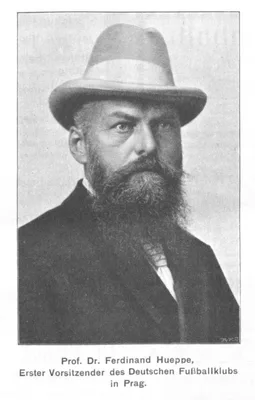
1885 HUEPPE, Ferdinand Adolf Theophil (1852 – 1938)
Die Methoden der Bakterienforschung.
Hueppe, a colleague of Koch, wrote an admirable manual on bacteriological methods, a subject to which he gave several original contributions. English translation, New York, 1886.
GMN 2503 · https://historyofmedicine.com/id/3202
1887 PETRI, Richard Julius (1852 – 1921)
Eine kleine Modification des Koch’schen Plattenverfahrens.
Petri dish. A similar dish was described by Cornil and Babès (see No. 2501) and by Nicati and Rietsch, Arch. Physiol. norm. path., 1885, 6, 72. Petri was an assistant of Koch.
GMN 2505.1 · https://historyofmedicine.com/id/3220
1891 NORDTMEYER, H
Ueber Wasserfiltration durch Filter aus gebrannter Infusorienerde.
Berkefeld kieselguhr filter.
GMN 2506.1 · https://historyofmedicine.com/id/3225
1919 BROWN, James Howard (1884 – 1956)
The use of blood agar for the study of streptococci.
In this monograph with numerous charts and 34 full-page plates Brown classified streptococci into α, β, A prime and γ based on the type and degree of hemolysis produced by the bacteria on a blood agar plate. He also d…
GMN 12006 · https://historyofmedicine.com/id/14214
1931 ELFORD, William Joseph (1900 – 1952)
A new series of graded collodion membranes suitable for general bacteriological use, especially in filterable virus studies.
In his important studies on the filtration of virus preparations, Elford showed that different viruses possessed different and characteristic sizes.
GMN 2524 · https://historyofmedicine.com/id/3327
1941 HIRST, George Keble (1909 – 1994)
The agglutination of red cells by allantoic fluid of chick embryos infected with influenza virus.
Discovery of virus hemagglutination. Between 1941 and 1942 Hirst developed the hemagglutination assay for quantifying the relative concentration of viruses, bacteria or antibodies.
GMN 2577 · https://historyofmedicine.com/id/4130
1966 BAUER, Alfred W.; KIRBY, W. M. M.; SHERRIS, John C.; ET AL
Antibiotic susceptibility testing by a standardized single disk method.
The disk diffusion test, or agar diffusion test, or Kirby–Bauer test (disc-diffusion antibiotic susceptibility test, disc-diffusion antibiotic sensitivity test, KB test), for the antibiotic sensitivity of bacteria. (T…
GMN 11105 · https://historyofmedicine.com/id/13301