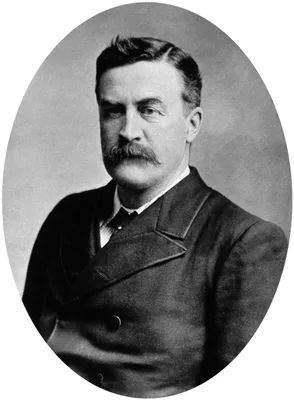
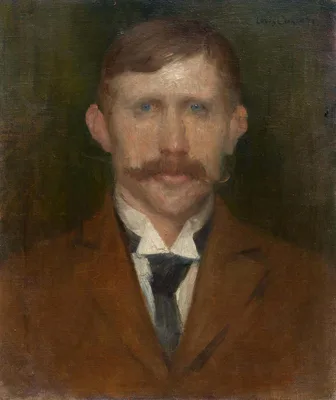
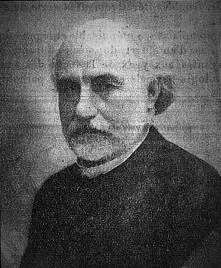
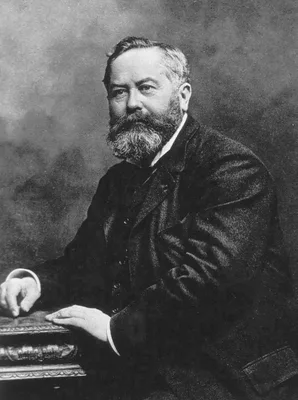
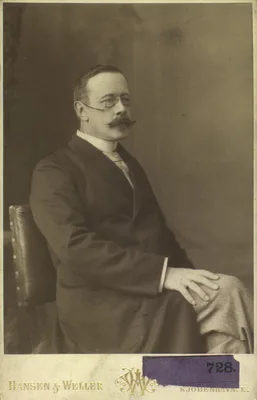
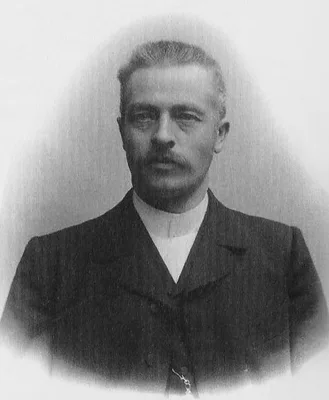
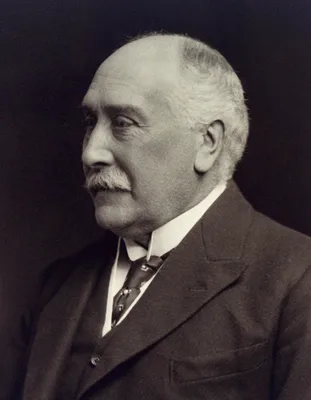
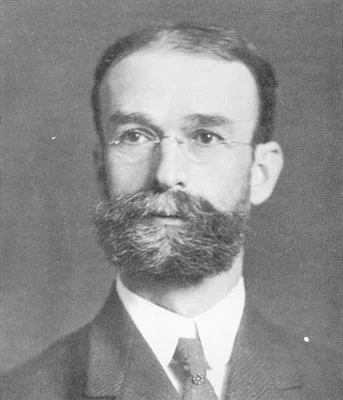
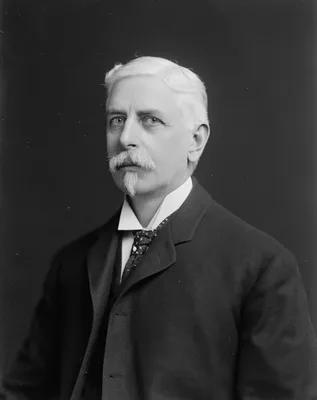
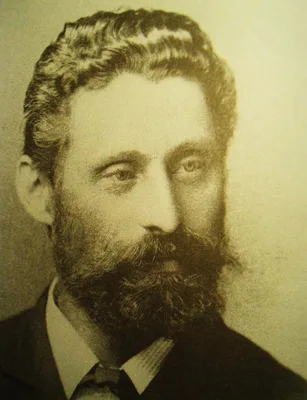
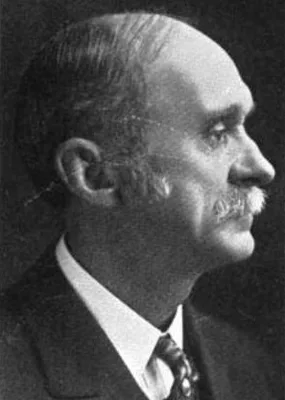
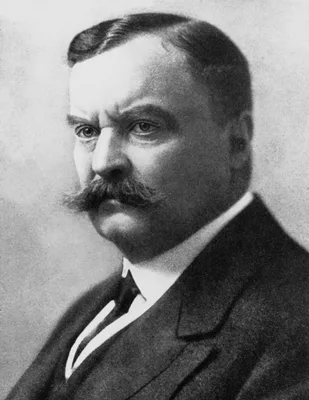
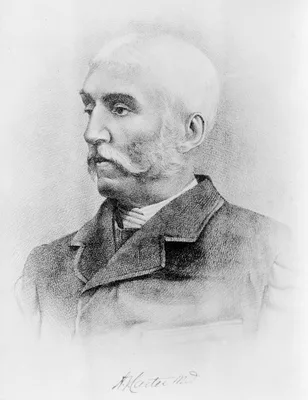
1881 OGSTON, Sir Alexander (1844 – 1929)
Report upon micro-organisms in surgical diseases.
Ogston showed that micrococci are constantly present in acute and chronic abscesses. He discovered Staphylococcus aureus. Ogston named staphylococcus in his paper, "Micrococcus poisoning," J. Anat. Physiol., 1882, 16,…
GMN 2494 · https://historyofmedicine.com/id/3152
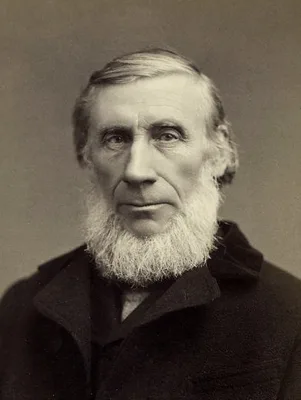
1881 TYNDALL, John (1820 – 1893)
Essays on the floating-matter of the air in relation to putrefaction and infection.
Tyndall interested himself in atmospheric germs and dust. His experiments on sterilization by heat led him to the discovery in 1877 of fractional sterilization (Tyndallization). His work on the subject is included in …
GMN 2495 · https://historyofmedicine.com/id/3157
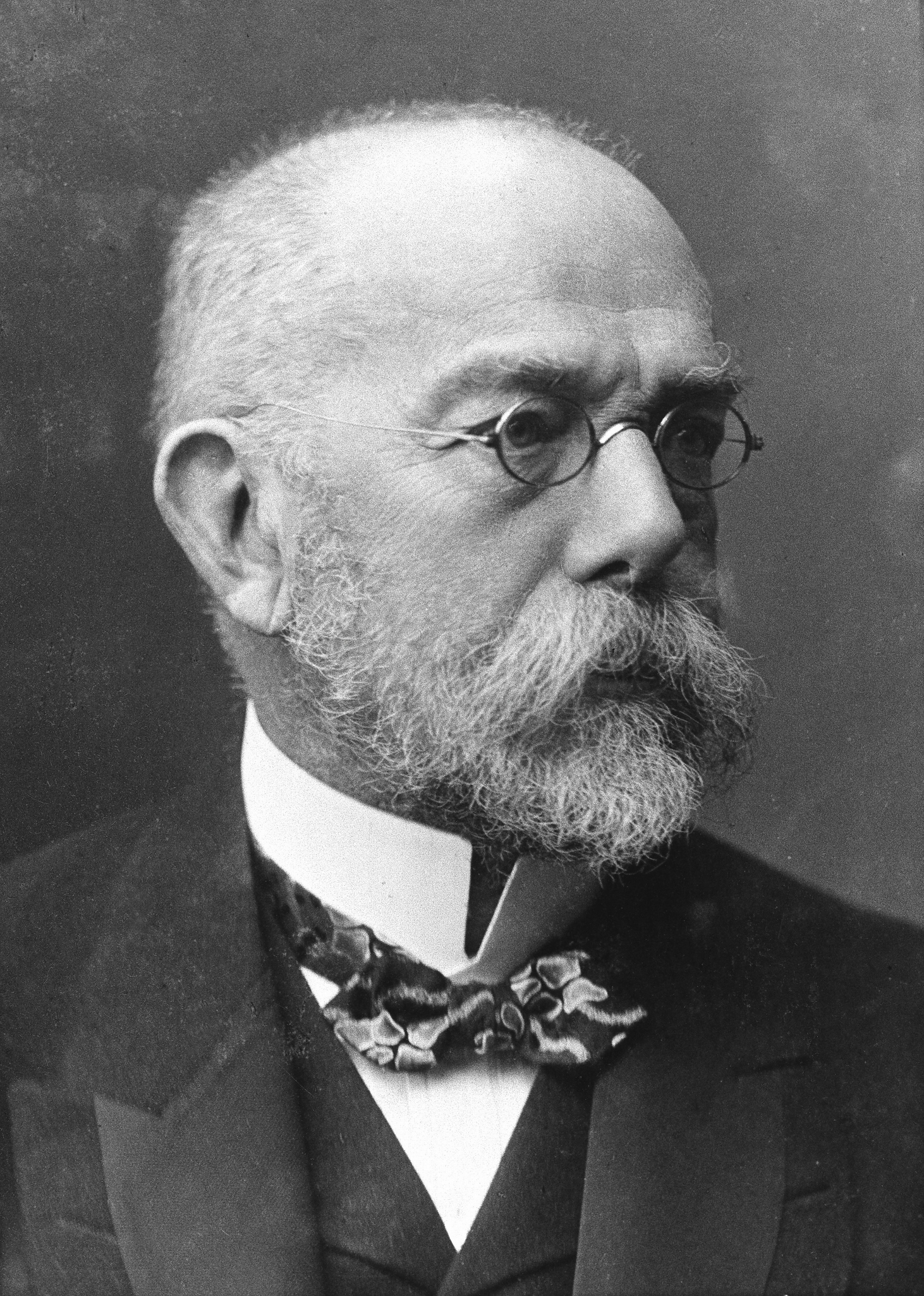
1881 KOCH, Robert Heinrich Hermann (1843 – 1910)
Zur Untersuchungen von pathogenen Organismen.
Koch’s description of his methods of growing bacterial cultures in gelatine solutions, making films of bacteria on cover slips and fixing them by gentle heat, and staining slides differentially by aniline. These metho…
GMN 2495.1 · https://historyofmedicine.com/id/3161
1881 PARROT, Joseph (1829 – 1883)
L’organisme microscopique trouvé par M. Pasteur dans la maladie nouvelle provoquée par la salive d’un enfant mort de la rage.
Probably the earliest record of pneumococcus. Parrot reported the discovery made by Louis Pasteur.
GMN 3172 · https://historyofmedicine.com/id/4155
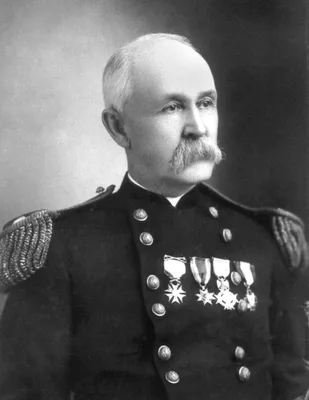
1881 STERNBERG, George Miller (1838 – 1915)
A fatal form of septicaemia in the rabbit, produced by the subcutaneous injection of human saliva.
In the same year as Pasteur, and independently, Sternberg discovered the pneumococcus (Streptococcus pneumoniae) demonstrating its carriage in the healthy human mouth.
GMN 3173 · https://historyofmedicine.com/id/4159
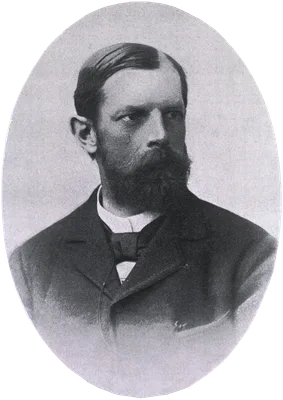
1881 KLEBS, Theodor Albrecht Edwin (1834 – 1913)
Der Bacillus des Abdominaltyphus und dertyphöse Process.
Klebs probably saw the typhoid bacillus before Eberth, reporting it later.
GMN 5031 · https://historyofmedicine.com/id/5741
1882 KOCH, Robert Heinrich Hermann (1843 – 1910)
Die Aetiologie der Tuberkulose.
Discovery of the tubercle bacillus announced March 24, 1882. This paper also contains a statement of “Koch’s postulates”. See also Nos. 2536 and 5167. Koch published a fuller account as "Die Aetiologie der Tuberkulose…
GMN 2331 · https://historyofmedicine.com/id/3057
1882 FEHLEISEN, Friedrich (1854 – 1924)
Ueber Erysipel.
Discovery of Strep pyogenes, infectious agent of scarlet fever and other streptococcal illnesses. Fehleisen cultured it from perierysipelas lesions on humans. English translation, 1886.
GMN 2496 · https://historyofmedicine.com/id/3168
1882 GESSARD, Carle (1850 – 1925)
Sur les colorations bleue et verte des linges à pansements.
Isolation of Pseudomonas aeruginosa (Ps. pyocyanea).
GMN 2497 · https://historyofmedicine.com/id/3173
1882 FRIEDLÄNDER, Carl (1847 – 1887)
Ueber die Schizomyceten bei der acuten fibrösen Pneumonie.
Isolation of Klebsiella pneumoniae (“Friedländer bacillus”), which Friedländer regarded as the causal organism in all cases of lobar pneumonia.
GMN 3174 · https://historyofmedicine.com/id/4160
1883 MALASSEZ, Louis Charles (1842 – 1909); VIGNAL, W.
Sur une forme de tuberculose sans bacilles.
Isolation of Pasteurella pseudotuberculosis.
GMN 2498 · https://historyofmedicine.com/id/3178
1883 KLEBS, Theodor Albrecht Edwin (1834 – 1913)
Ueber Diphtherie.
First account of Corynebacterium diphtheriae (Klebs–Loeffler bacillus), causal organism in diphtheria, discovered by Klebs.
GMN 5055 · https://historyofmedicine.com/id/5856
1883 KOCH, Robert Heinrich Hermann (1843 – 1910)
Bericht über die Thätigkeit der deutschen Cholerakommission in Aegypten und Ostindien.
Koch–Weeks bacillus, Hemophilus conjunctivitidis, or Hemophilus aegyptius. Koch discovered the bacilli of two varieties of Egyptian conjunctivitis. See also No. 5930.
GMN 5923 · https://historyofmedicine.com/id/6839
1884 CHAMBERLAND, Charles (1851 – 1908)
Sur un filtre donnant de l’eau physiologiquement pure.
Chamberland filter, an unglazed porcelain bar with pores smaller than bacteria, enabled the earliest distinction between viruses and bacteria and led in 1898 to the re-introduction of the Latin word "virus" with the i…
GMN 2498.1 · https://historyofmedicine.com/id/3183
1884 GRAM, Hans Christian Joachim (1853 – 1938)
Ueber die isolirte Färbung der Schizomyceten in Schnitt- und Trocken-präparaten.
Gram’s method of staining bacteria (Gram stain). While not all bacteria may be definitively classified in this way, it is almost always the first step in the preliminary identification of a bacterial organism.
GMN 2499 · https://historyofmedicine.com/id/3188
1884 FINKLER, Dittmar (1852 – 1912); PRIOR, J
Untersuchungen über Cholera nostras.
Finkler and Prior isolated Vibrio proteus from stools in a case of acute gastro-enteritis.
GMN 3481 · https://historyofmedicine.com/id/5685
1884 GAFFKY, Georg Theodor August (1850 – 1918)
Zur Aetiologie des Abdominaltyphus.
Gaffky was the first to grow pure cultures of Salmonella typhi; he showed it to be the true activator of the disease. English translation, New Sydenham Society, 1886. Digital facsimile of the 1884 printing from Google…
GMN 5032 · https://historyofmedicine.com/id/5747
1884 LOEFFLER, Friedrich August Johann (1852 – 1915)
Untersuchungen über die Bedeutung der Mikroorganismen für die Entstehung der Diphtherie beim Menschen, bei der Taube und beim Kalbe.
Loeffler succeeded in cultivating C. diphtheriae, the diphtheria bacillus. He reproduced the characteristic membrane by swabbing the mucous membranes of various animals with pure cultures of the bacillus. In this pape…
GMN 5056 · https://historyofmedicine.com/id/5859
1884 KOCH, Robert Heinrich Hermann (1843 – 1910)
Sechster Bericht der deutschen wissenschaftlichen Commission zur Ehrforschung der Cholera.
In this paper, dated 2 February 1884, written while Koch and his team were in Calcutta, Koch first published his discovery of the cholera bacillus and the main route of its transmission. He based his discovery on the …
GMN 5108 · https://historyofmedicine.com/id/6047
1884 NICOLAIER, Arthur (1862 – 1942)
Ueber infectiösen Tetanus.
The discovery of the tetanus bacillus, Clostridum tetani, is attributed to Nicolaier; he was, however, unable to isolate the organism in pure culture.
GMN 5148 · https://historyofmedicine.com/id/6182
1884 ROSENBACH, Anton Julius Friedrich (1842 – 1923)
Mikro-Organismen bei den Wund-Infections-Krankheiten des Menschen.
Rosenbach proved that streptococci and staphylococci are distinct and differentiated two strains of staphylococci (“aureus” and “albus”). He cultured cocci from a considerable range of septic conditions, thus more acc…
GMN 5619 · https://historyofmedicine.com/id/7159
1885 BARY, Heinrich Anton de (1831 – 1888)
Vorlesungen über Bacterien.
GMN 2500 · https://historyofmedicine.com/id/3193
1885 CORNIL, André Victor (1837 – 1908); BABES, Victor (Babeş) (1854 – 1926)
Les bactéries et leur rôle dans l’anatomie et l’histologie pathologiques des maladies infectieuses. 1 vol. and atlas.
Considered the first treatise on bacteriology.
GMN 2501 · https://historyofmedicine.com/id/3196
1885 HAUSER, Gustav (1856 – 1935)
Ueber Fäulnissbacterien.
Isolation of Proteus vulgaris.
GMN 2502 · https://historyofmedicine.com/id/3199
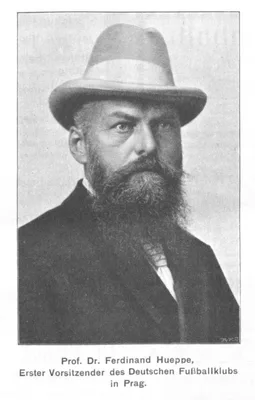
1885 HUEPPE, Ferdinand Adolf Theophil (1852 – 1938)
Die Methoden der Bakterienforschung.
Hueppe, a colleague of Koch, wrote an admirable manual on bacteriological methods, a subject to which he gave several original contributions. English translation, New York, 1886.
GMN 2503 · https://historyofmedicine.com/id/3202
1885 LOEWENBERG, Benjamin Benno (1836 – 1905)
Die Natur und die Behandlung der Ozaena.
Loewenberg described a bacillus found in the secretions of ozena (see No. 3307). He made the first attempt at the treatment of this condition.
GMN 3294 · https://historyofmedicine.com/id/4203
1885 BUMM, Ernst (1858 – 1925)
Der Mikro-Organismus der gonorrhöischen Schleimhaut-Erkrankungen, Gonococcus-Neisser.
Bumm cultured the gonococcus. By human inoculations he demonstrated its pathogenicity in pure culture.
GMN 5209 · https://historyofmedicine.com/id/7808
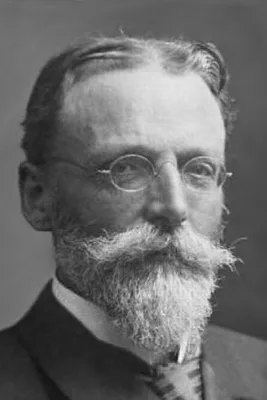
1886 ESCHERICH, Theodor (1857 – 1911)
Die Darmbakterien des Säuglings und ihre Beziehungen zur Physiologie der Verdauung.
Includes the first account of Bact. coli infection. The organism was later renamed Escherichia coli (E.coli).
GMN 1017 · https://historyofmedicine.com/id/877
1886 CROOKSHANK, Edgar March (1858 – 1928)
An introduction to practical bacteriology based upon the methods of Koch.
Crookshank studied under Koch, and later became Professor of Bacteriology at King’s College, London.
GMN 2504 · https://historyofmedicine.com/id/3210
1886 SMITH, Theobald (1859 – 1934); SALMON, Daniel Elmer (1850 – 1914)
The bacterium of swine-plague.
Discovery of Salmonella choleraesuis. The Salmonellae tribe was named after Salmon, even though the discovery was made by Smith. See Bibel, Milestones in immunology (1988) 31-32.
GMN 2505 · https://historyofmedicine.com/id/3214
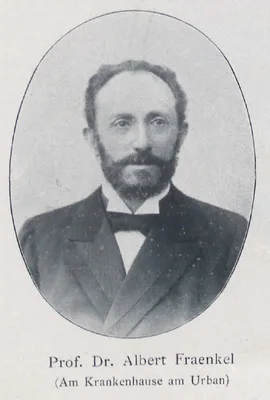
1886 FRAENKEL, Albert (1848 – 1916)
Die Mikrococcen der Pneumonie.
Fraenkel showed definitely that the organism found by Pasteur (No. 3172) and Sternberg (No. 3173) was a cause of pneumonia.
GMN 3175 · https://historyofmedicine.com/id/4165
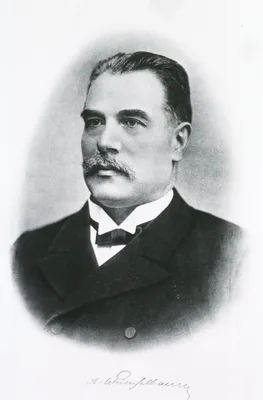
1886 WEICHSELBAUM, Anton (1845 – 1920)
Ueber die Aetiologie der acuten Lungen- und Rippenfellentzündungen.
Weichselbaum definitely established that Friedländer’s bacillus was responsible for pneumonia in a small percentage of cases.
GMN 3176 · https://historyofmedicine.com/id/4169
1886 KLEIN, Edward Emanuel (1844 – 1925)
Report on a disease of cows prevailing at a farm from which scarlatina had been distributed along with the milk of cows.
Contains the first suggestion of the streptococcal origin of scarlet fever.
GMN 5080 · https://historyofmedicine.com/id/5937
1886 LOEFFLER, Friedrich August Johann (1852 – 1915)
Die Aetiologie der Rotzkrankheit.
Discovery of Burkholderia mallei, causative organism of glanders. Preliminary notice in Dtsch. med. Wschr., 1882, 8, 707.
GMN 5156 · https://historyofmedicine.com/id/6204
1886 WEEKS, John Elmer (1853 – 1949)
The bacillus of acute conjunctival catarrh or “pink eye”.
In 1883 Koch discovered the bacilli of two different forms of infectious conjunctivitis (Egyptian ophthalmia); in 1886. Weeks discovered the same organism to be the cause of “pink-eye”. The organism has become known a…
GMN 5930 · https://historyofmedicine.com/id/6860
1887 WEICHSELBAUM, Anton (1845 – 1920)
Ueber die Aetiologie der akuten Meningitis cerebro-spinalis.
Weichselbaum discovered the meningococcus, Neisseria meningitidis, causative agent of cerebrospinal meningitis.
GMN 4678 · https://historyofmedicine.com/id/949
1887 PETRI, Richard Julius (1852 – 1921)
Eine kleine Modification des Koch’schen Plattenverfahrens.
Petri dish. A similar dish was described by Cornil and Babès (see No. 2501) and by Nicati and Rietsch, Arch. Physiol. norm. path., 1885, 6, 72. Petri was an assistant of Koch.
GMN 2505.1 · https://historyofmedicine.com/id/3220
1887 LOEFFLER, Friedrich August Johann (1852 – 1915)
Vorlesungen über die geschichtliche Entwickelung der Lehre von den Bacterien. Teil l.[All published].
Loeffler, Professor of Hygiene at Greifswald, made many discoveries in bacteriology. His history of the subject was the first and only history of bacteriology prior to the publication of Bulloch's History of bacteriol…
GMN 2579 · https://historyofmedicine.com/id/4315
1887 BRUCE, Sir David (1855 – 1931)
Note on the discovery of a micro-organism in Malta fever.
Malta fever was shown by Bruce to be due to Micrococcus (Brucella) melitensis. The disease was later named Brucellosis.
GMN 5098 · https://historyofmedicine.com/id/6020
1887 CROOKSHANK, Edgar March (1858 – 1928)
Photography of bacteria. Illustrated with eight-six photographs reproduced in autotype.
The first book entirely devoted to the photography of bacteria. Digital facsimile from Google Books at this link.
GMN 10596 · https://historyofmedicine.com/id/12789
1888 GÄRTNER, August Anton Hieronymous (1848 – 1934)
Ueber die Fleischvergiftung in Frankenhausen. a.K. und den Erreger derselben.
Discovery of Salmonella enteritidis, a cause of food poisoning.
GMN 2506 · https://historyofmedicine.com/id/3223
1888 NUTTALL, George Henry Falkiner (1862 – 1937)
Experimente über die bacterienfeindlichen Einflüsse des thierischen Körpers.
Working with the defibrinated blood of certain animals, Nuttall was the first to describe the bactericidal action of blood. Abridged English translation in Bibel, Milestones in immunology (1988).
GMN 2542 · https://historyofmedicine.com/id/3553
1888 WIDAL, Georges-Fernand Isidor (1862 – 1929); CHANTEMESSE, André (1851 – 1919)
Sur les microbes de la dysentérie épidémique.
The dysentery bacillus was isolated by Chantemesse and Widal, although they failed to establish its etiological relationship to the disease.
GMN 5090.1 · https://historyofmedicine.com/id/5996
1888 NOCARD, Edmond Isidore Etienne (1850 – 1903)
Note sur la maladie des boeufs de la Guadeloupe, connue sous le nom de farcin.
The first pathogenic aerobic actinomycete to be described. It was later named Nocardia farcinica and is probably identical with N. asteroides.
GMN 5512.1 · https://historyofmedicine.com/id/6515
1888 CARTER, Henry Vandyke (1831 – 1897)
Note on the occurrence of a minute blood-spirillum in an Indian rat.
Demonstration of Spirillum minus, later shown to be a cause of rat-bite fever. (See also No. 5327).
GMN 5323 · https://historyofmedicine.com/id/6621
1889 EMMERICH, Rudolf (1852 – 1914); LÖW, Oscar [Loew] (1844 – 1941)
Bakteriolytische Enzyme als Ursache der erworbenen Immunität und die Heilung von Infectionskrankheiten durch dieselben.
Emmerich and Löw prepared a water-soluble antibiotic substance, pyocyanase, from Pseudomonas pyocanea. It inhibited pathogenic cocci and the organisms responsible for diphtheria, plague, cholera, and typhoid.
GMN 1932.2 · https://historyofmedicine.com/id/2768
1889 BUCHNER, Hans Ernst August (1850 – 1902)
Ueber die bakterientödtende Wirkung des zellenfreien Blutserums.
Following Nuttall’s work, Buchner discovered a substance in blood serum that was capable of destroying bacteria. He called the substance "alexin". He demonstrated that the bactericidal power of defibrinated blood was …
GMN 2543 · https://historyofmedicine.com/id/3558
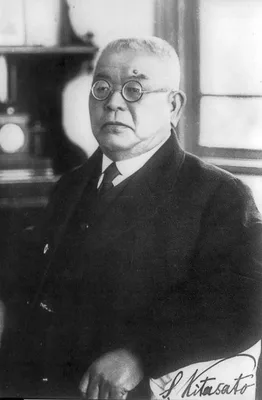
1889 KITASATO, Shibasaburō (1852 – 1931)
Ueber den Tetanusbacillus.
Kitasato obtained a pure culture of the tetanus bacillus, Cl. tetani.
GMN 5149 · https://historyofmedicine.com/id/6185
1889 DUCREY, Augusto (1860 – 1940)
Il virus dell’ ulcera venerea.
Announcement of the discovery of Haemophilus ducreyi (Ducrey’s bacillus), causal organism in chancroid.
GMN 5205 · https://historyofmedicine.com/id/7796
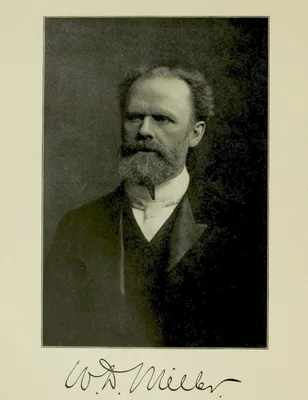
1890 MILLER, Willoughby Dayton (1853 – 1907)
The micro-organisms of the human mouth.
In 1884 Miller became professor of dentistry at the University of Berlin, the first foreigner ever to receive a professorial appointment at a German University. Inspired by study of bacteriology under Robert Koch, Mil…
GMN 3687 · https://historyofmedicine.com/id/5696