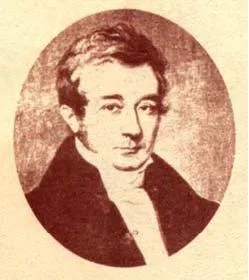
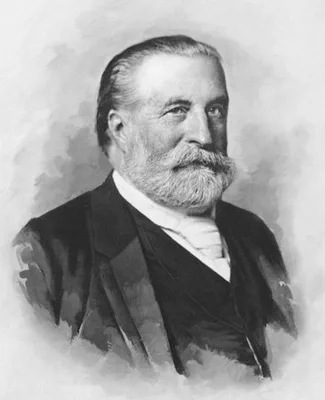
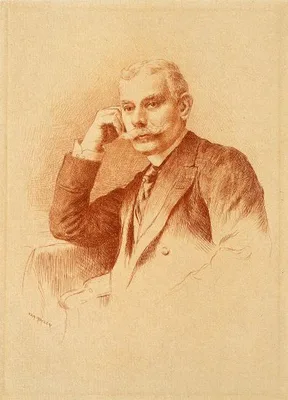
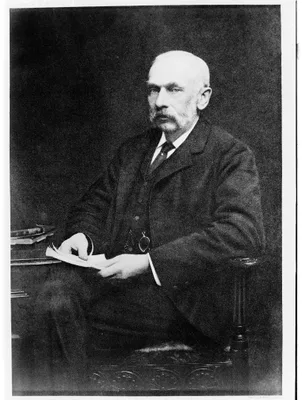
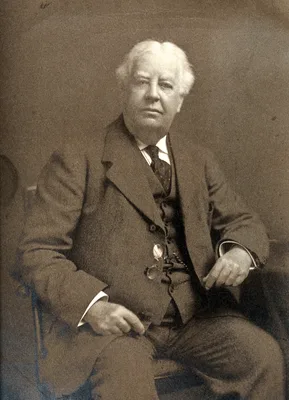
1825 LABARRAQUE, Antoine Germain (1777 – 1850)
De l’emploi des chlorures d’oxide de sodium et de chaux.
First chlorine solution for disinfecting purposes. English translation, 1826.
GMN 5633 · https://historyofmedicine.com/id/7236
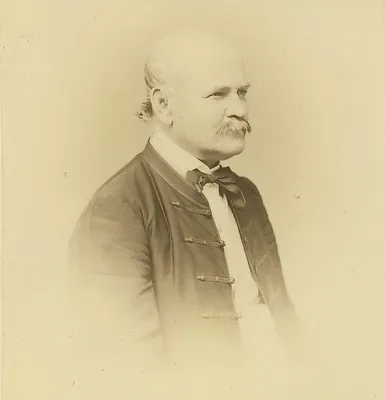
1847 –1848 SEMMELWEIS, Ignaz Philipp (Ignác Fülöp) (1818 – 1865)
Höchst wichtige Erfahrungen über die Aetiologie der in Gebäranstalten epidemischen Puerperalfieber.
Semmelweis, pioneer of antisepsis in obstetrics, was the first to recognize that puerperal fever is a septicemia. He concluded that the doctors and students of Vienna’s First Obstetrical Clinic carried the infection o…
GMN 6275 · https://historyofmedicine.com/id/7990
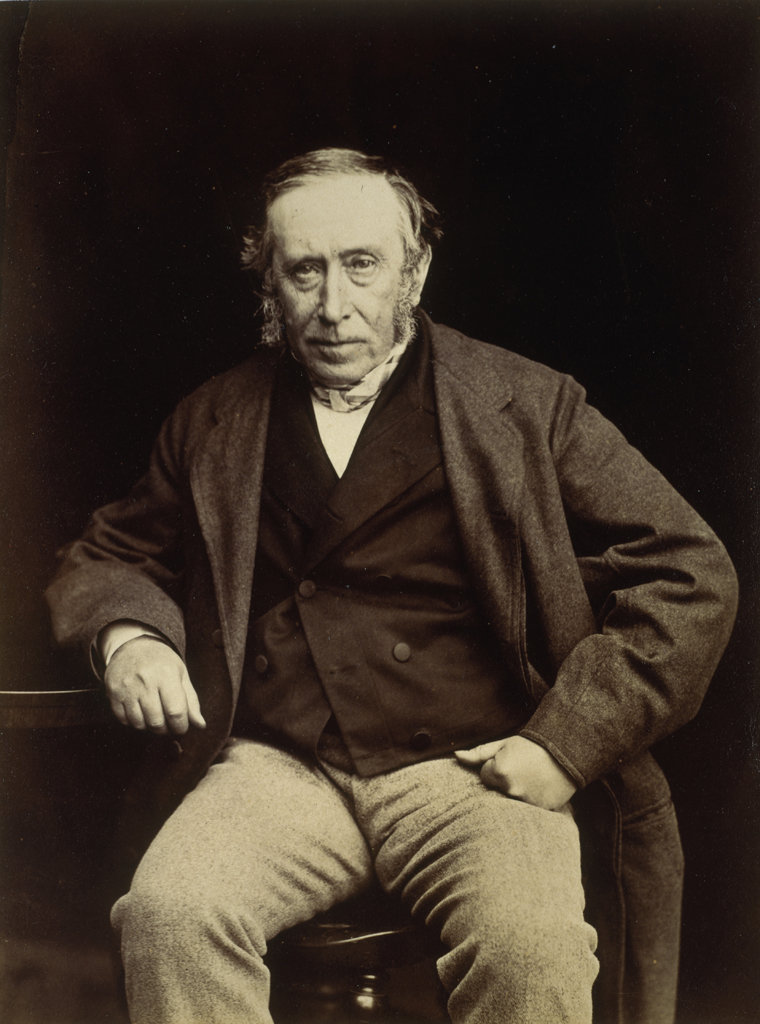
1848 SYME, James (1799 – 1870)
Contributions to the pathology and practice of surgery.
Syme, one-time colleague of Liston, succeeded to the latter’s extensive practice in Scotland. He came to London for a short time as Professor of Surgery at University College, but soon returned to Scotland. He was a p…
GMN 5599 · https://historyofmedicine.com/id/7094
1860 LEMAIRE, François Jules (1814 – 1886)
Du coaltar saponiné, désinfectant énergique, arrètant les fermentations, de ses applications a l'hygiène, la thérapeutique, a l'histoire naturelle.
Lemaire was first to point out the antiseptic properties of carbolic acid. Digital facsimile from BnF Gallica at this link.
GMN 1864 · https://historyofmedicine.com/id/2420
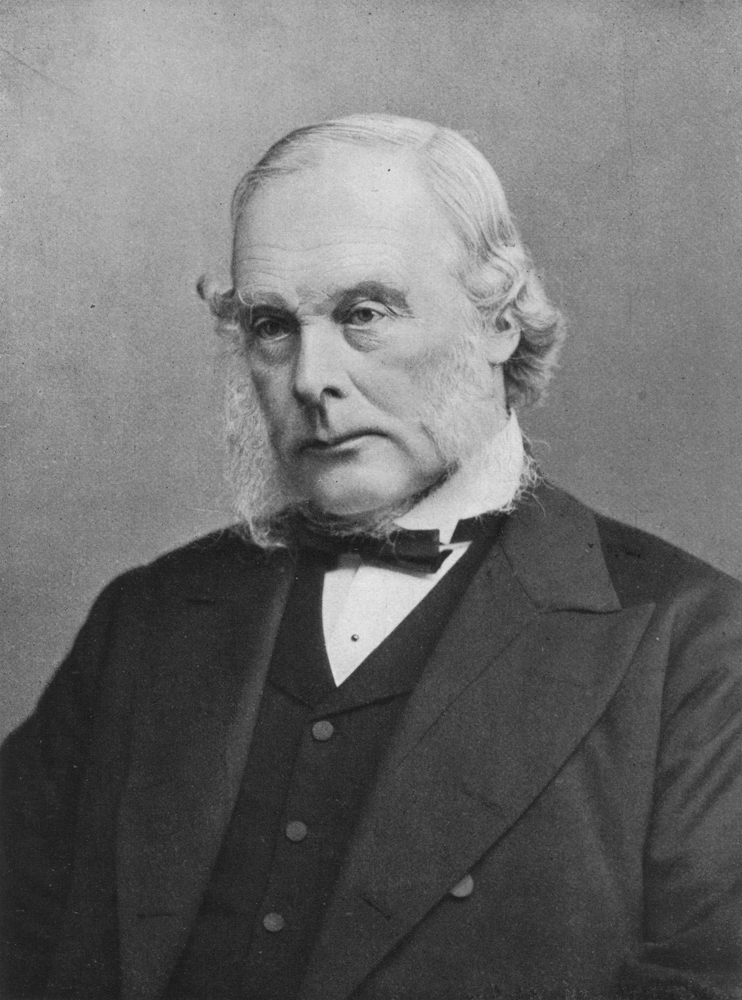
1867 LISTER, Joseph, 1st Baron Lister (1827 – 1912)
On a new method of treating compound fracture, abscess, etc., with observations on the conditions of suppuration.
Lister’s work on the antiseptic principle in surgery. He believed that bacteria could enter wounds and cause suppuration and putrefaction and that it was necessary to kill the bacteria already in wounds and to apply d…
GMN 4423.1 · https://historyofmedicine.com/id/6230
1867 LISTER, Joseph, 1st Baron Lister (1827 – 1912)
On the antiseptic principle in the practice of surgery.
Having realized the significance of Pasteur’s work on fermentation, Lister evolved the idea of the antiseptic prevention of wound infection. This and the preceding entry represent two of the most epoch-making contribu…
GMN 5635 · https://historyofmedicine.com/id/7244
1870 LISTER, Joseph, 1st Baron Lister (1827 – 1912)
A method of antiseptic treatment applicable to wounded soldiers in the present war.
In 1870, for the first time on the battlefield, French and German army surgeons applied antiseptic methods in the management of wounds. Lister published the above short paper describing the simplest method he could de…
GMN 2170 · https://historyofmedicine.com/id/1163
1870 LISTER, Joseph, 1st Baron Lister (1827 – 1912)
On the effects of the antiseptic system of treatment upon the salubrity of a surgical hospital.
GMN 1619 · https://historyofmedicine.com/id/1937
1872 HEWSON, Addinell (1828 – 1889)
Earth as a topical application in surgery: Being a full exposition of Its use in all the cases requiring topical applications admitted in the men's and women's surgical wards of the Pennsylvania Hospital during a period of six Months in 1869.
Includes four "Photo-relief" (Woodburytype) plates. Possibly the only book on this subject. One may assume that the special earth contained some anti-bacterial mold such as penicillin. Digital facsimile from Google Bo…
GMN 9699 · https://historyofmedicine.com/id/11886
1874 BILLROTH, Christian Albert Theodor (1829 – 1894)
Untersuchungen über die Vegetationsformen von Coccobacteria septica und den Antheil, Welchen sie an der Enstehung und Verbreitung der accidentellen Wundkrankheiten Haben. Versuch einer wissenschaftlichen Kritik der verscheidenen Methoden antiseptischer Wundbehandlung.
Billroth provided the first account of streptocci wound infection, calling the bacteria Coccobacteria septica. When Billroth introduced antisepic techniques in his surgical practice the number of surgical patients wit…
GMN 12064 · https://historyofmedicine.com/id/14273
1876 LUCAS-CHAMPIONNIÈRE, Just-Marie-Marcellin (1843 – 1913)
Chirurgie antiseptique.
Lucas-Championnière, eminent French surgeon, was one of the first to adopt the principles of Listerism. He wrote the first authoritative work on antiseptic surgery and introduced antisepsis into France. First edition …
GMN 5636 · https://historyofmedicine.com/id/7247
1878 MARCY, Henry Orlando (1837 – 1924)
The radical cure of hernia by the antiseptic use of the carbolized catgut ligature.
Marcy introduced antiseptic ligatures in the radical cure of hernia. See also No. 3601.
GMN 3594 · https://historyofmedicine.com/id/4416
1878 PASTEUR, Louis (1822 – 1895)
La théorie des germes et ses applications à la médecine et à la chirurgie. Lecture faite à l'Académie de médecine par M. Pasteur en son nom et au nom de MM. Joubert et Chamberland ....
In this speech Pasteur first introduced the term "germ theory" and defined its applications in medicine, surgery, and infectious disease. The speech was first published in condensed form in Comptes rendus...de l'Acadé…
GMN 14194 · https://historyofmedicine.com/id/16510
1881 KOCH, Robert Heinrich Hermann (1843 – 1910)
Ueber Desinfection.
Koch showed that mercuric chloride was superior to carbolic acid, and that live steam surpassed hot air in sterilizing power.
GMN 5636.1 · https://historyofmedicine.com/id/7250
1883 NEUBER, Gustav Adolf (1850 – 1932)
Anleitung zur Technik antiseptischen Wundbehandlung und des Dauerverbandes.
The first attempts at asepsis were made by Neuber. Digital facsimile from the Internet Archive at this link.
GMN 5637 · https://historyofmedicine.com/id/7254
1887 BERGMANN, Ernst von (1836 – 1907)
Zur Sublimatfrage.
Bergmann was a pioneer in the evolution of asepsis. He gradually merged the corrosive sublimate method of antisepsis into steam sterilization of instruments and dressing material, demonstrating its superiority to chem…
GMN 5638 · https://historyofmedicine.com/id/7257
1894 TARNIER, Étienne Stéphane (1828 – 1897)
De l’asepsie et antisepsie en obstétrique.
Tarnier was the first to adopt Listerism in obstetrics. In the discussion following a paper in Trans. int. med. Congr., London, 1881, 4, 390-391, he showed that he was the first to employ carbolic acid solution in obs…
GMN 5639 · https://historyofmedicine.com/id/7259
1899 BERGER, Paul (1845 – 1908)
De l’emploi du masque dans les opérations.
Introduction of the gauze face mask, October 1897.
GMN 5641 · https://historyofmedicine.com/id/7265
1903 LIOSNER, S. (1876 – )
Du masque opératoire. Thèse presentée et publiquement soutenue à la Faculté de Médecine du Montpellier....
The medical thesis on medical and surgical masks by a woman medical student at Montpellier, who, as indicated on the title page, was born in Witebsk, Russia in 1876. She was also characterized as "Mlle." The thesis in…
GMN 13019 · https://historyofmedicine.com/id/15269
1909 LISTER, Joseph, 1st Baron Lister (1827 – 1912); GODLEE, Sir Rickman John (1849 – 1925); CAMERON, Hector Charles (1878 – 1958); CHEYNE, Sir William Watson (1852 – 1932); WILLIAMS, Sir Dawson (1854 – 1928); MARTIN, C. J.
The collected papers of Joseph, Baron Lister. 2 vols.
Lister, a pupil of Sharpey, became Professor of Surgery successively at Glasgow, Edinburgh and King’s College, London. He was the first medical man in Britain to be raised to the peerage. The founder of the antiseptic…
GMN 85 · https://historyofmedicine.com/id/1407
1915 DAKIN, Henry Drysdale (1880 – 1952)
On the use of certain antiseptic substances in the treatment of infected wounds.
Eusol and chloramine-T. “Dakin’s solution” was employed by Carrel (No. 5642) in the Carrel–Dakin method of irrigation of wounds.
GMN 1903.2 · https://historyofmedicine.com/id/2653
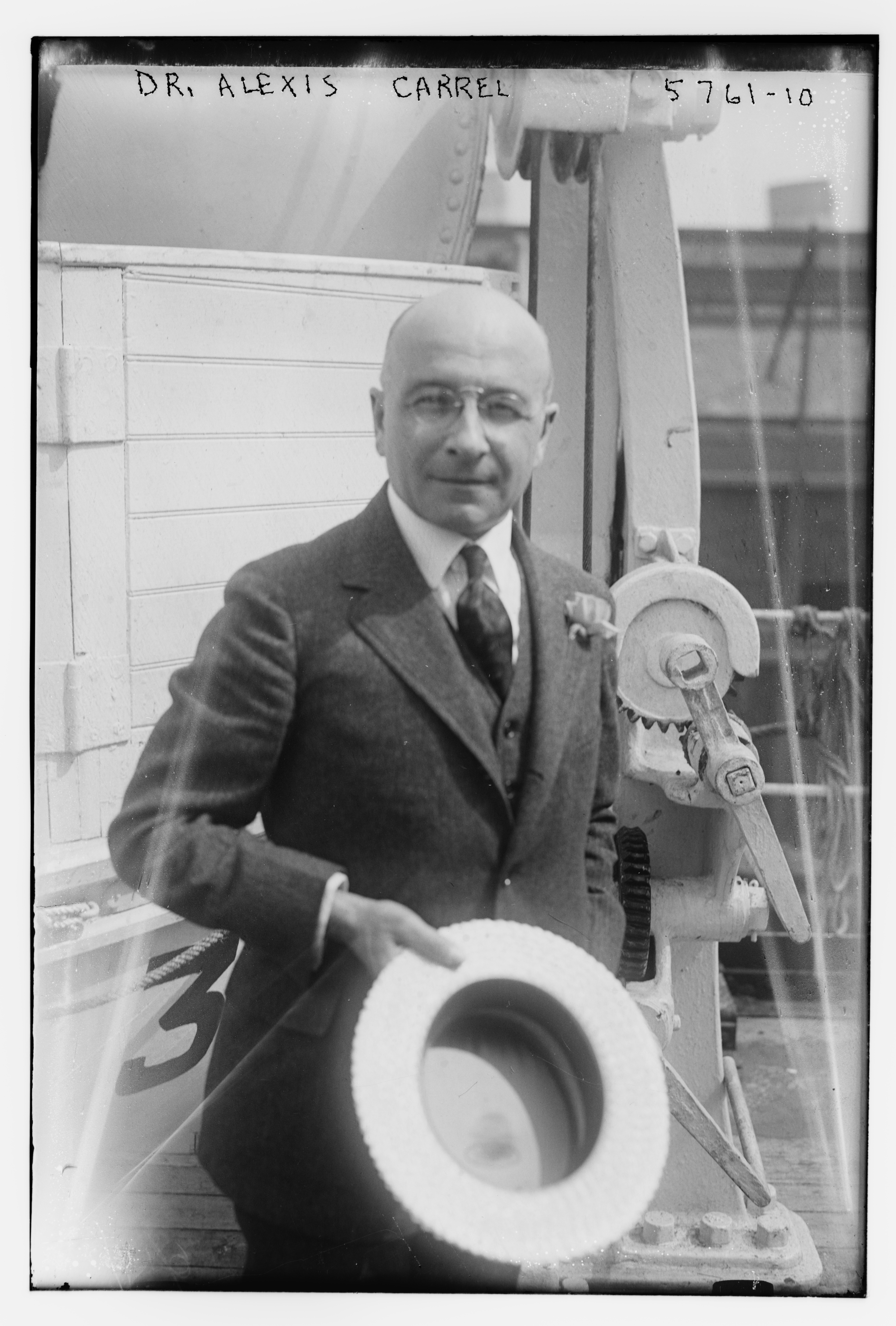
1915 CARREL, Alexis (1873 – 1944); DAKIN, Henry Drysdale (1880 – 1952); DEHELLY, Georges; ET AL
Traitement abortif de l’infection des plaies.
Carrel–Dakin treatment of wounds. With J. Daufresne and M. Dumas. Carrel & Dehelly expanded this into a monograph entitled Le traitement des plaies infectées. Paris: Masson et Cie, 1917. That was rapidly translated in…
GMN 5642 · https://historyofmedicine.com/id/7267
1916 MORISON, James Rutherford (1853 – 1939)
The treatment of infected suppurating war wounds.
Introduction of “BIPP” in the treatment of wounds, an acronym for bismuth iodoform parafin paste.
GMN 5644 · https://historyofmedicine.com/id/7273
1939 JENSEN, Nathan Kenneth (1910 – ); ET AL
The local implantation of sulfanilamide in compound fractures.
Sulphonamide dressing of wounds. With L. W. Johnsrud and M. C. Nelson.
GMN 5645 · https://historyofmedicine.com/id/7274