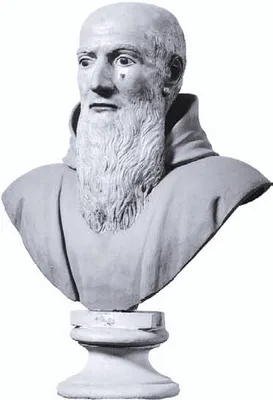
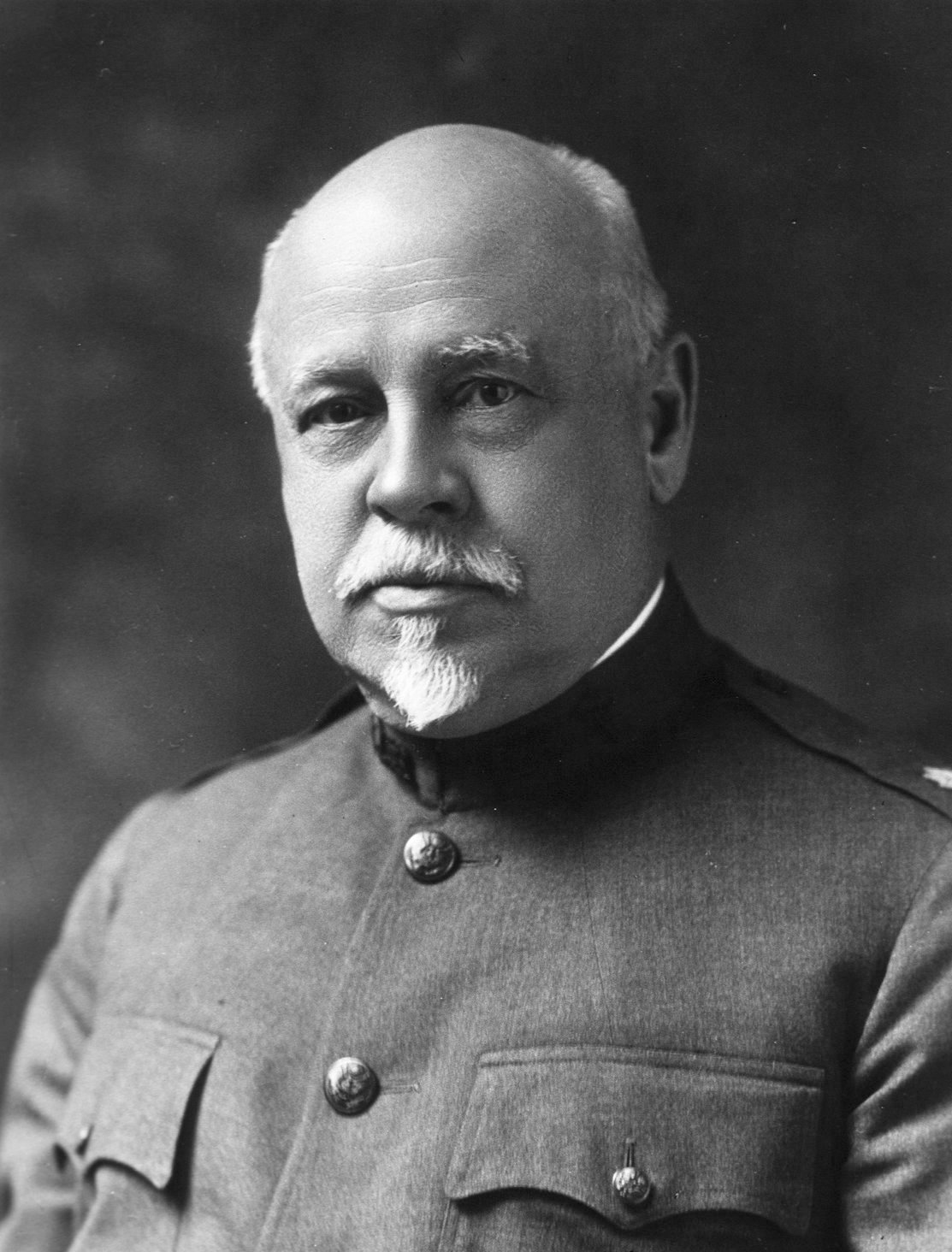
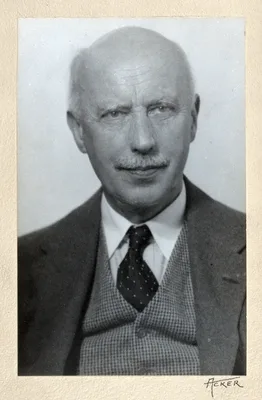
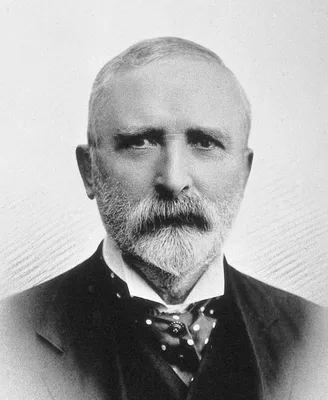
1474 SALICETO, Guglielmo da [WILLIAM OF SALICETO] (1210 – 1277)
La ciroxia vulgarmente fata.
Saliceto was Professor of Surgery at Bologna about 1268; his treatise on surgery, written about 1275, was the leading work on the subject in the 13th century. William broke with tradition by claiming that pus formatio…
GMN 5552 · https://historyofmedicine.com/id/6859
1536 PARACELSUS, [Philippus Aureolus Theophrastus Bombastus von Hohenheim] (1493 – 1541)
Grosse Wund Artzney von allen Wunden, Stich, Schüssz, Bränd, Bissz, Beynbrüch, und alles was die Wundartzney begreifft.
Paracelsus was a doctor, chemist, lecturer, and reformer. His novel doctrines gained him many followers. He expressed novel ideas for the treatment of wounds, disbelieving in the use of boiling oil for the purificatio…
GMN 5561 · https://historyofmedicine.com/id/6926
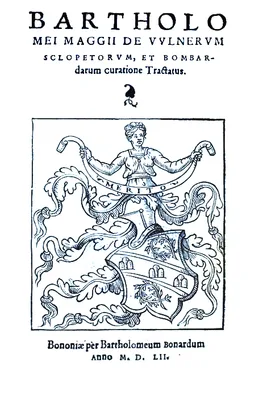
1552 MAGGI, Bartolomeo (1477 – 1552)
De vulnerum sclopetorum et bombardarum curatione tractatus.
In this very early work on gunshot wounds Maggi, Professor of Surgery at Bologna, showed that not all gunshot wounds suppurated and he discarded cauterization, treating such wounds with white of egg and salt water.
GMN 2139.1 · https://historyofmedicine.com/id/2714
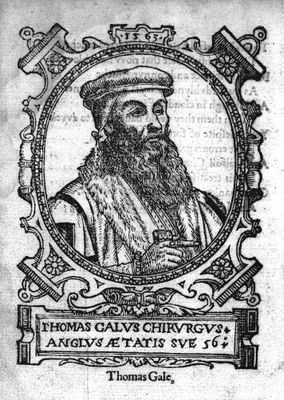
1563 GALE, Thomas (1507 – 1587)
An excellent treatise of wounds made with gonneshot.
Gale, a contemporary of Paré, was surgeon in Henry VIII’s army at Montreuil. His book supported the views of Paré regarding the treatment of gunshot wounds, denying the poisonous effect of bullets; Gale, however, appl…
GMN 2140 · https://historyofmedicine.com/id/2716
1564 PARÉ, Ambroise (1510 – 1590)
Dix livres de la chirurgie avec le magasin des instruments necessaires à icelle.
Paré’s first general treatise on surgery, and the most comprehensive of his treatises before his collected works (1575). Dix livres included Paré's first description of the use of the ligature in amputations, one of h…
GMN 3668.1 · https://historyofmedicine.com/id/6937
1616 MAGATI, Cesare (1579 – 1647)
De rara medicatione vulnerum.
Like Paré, Magati believed that gunshot wounds were not in themselves poisonous. He suggested a bandage moistened with plain water in place of the various salves then in vogue.
GMN 2143 · https://historyofmedicine.com/id/2724
1679 YONGE, James (1646 – 1721)
Currus triumphalis, è terebinthô. Or an account of the many admirable vertues of oleum terebinthinae. More particularly, of the good effects produced by its application to recent wounds, especially with respect to the hemorrhagies of the veins, and arteries, and the no less pernicious weepings of the nerves, and lymphaducts. Where also, the common methods, and medicaments, used to restrain hemorrhagies, are examined, and divers of them censured. And lastly, A new way of amputation, and a speedier convenient method of curing stumps, than that commonly practised, is with divers other useful matters recommended to the military surgeon.…
Describes how Yonge used turpentine to arrest hemorrhage, and presents the first account of a flap amputation. It also shows that Yonge was familiar with tourniquets. Digital facsimile from Google Books at this link.
GMN 4436 · https://historyofmedicine.com/id/6326
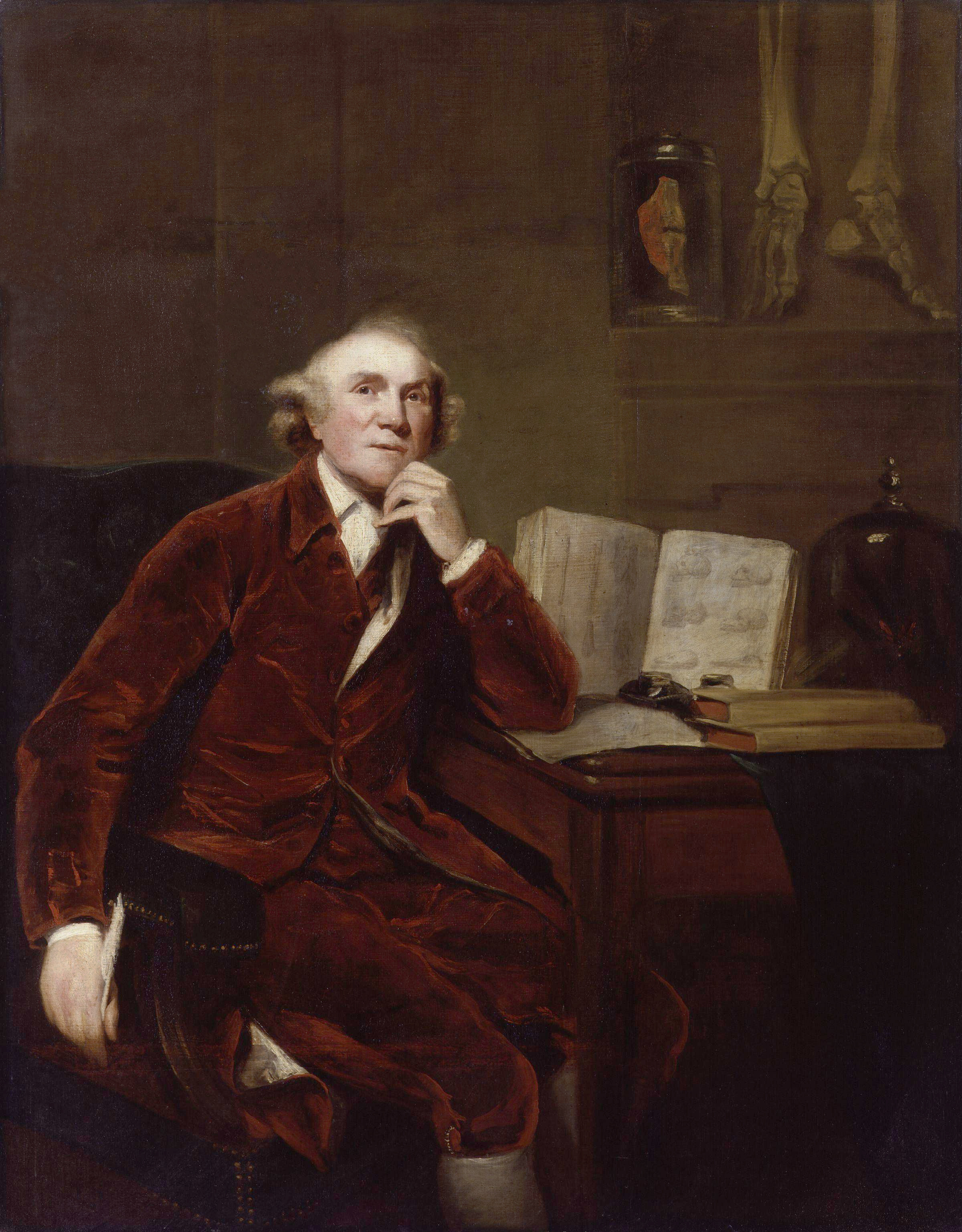
1794 HUNTER, John (1728 – 1793)
A treatise on the blood, inflammation, and gun-shot wounds.
It was while serving with the army at Belle Isle during the Seven Years’ War that Hunter collected the material for his epoch-making book on inflammation and gunshot wounds. His studies on inflammation in particular a…
GMN 2283 · https://historyofmedicine.com/id/2900
1863 LISTER, Joseph, 1st Baron Lister (1827 – 1912)
On the coagulation of the blood.
In his Croonian Lecture Lister exploded the theory that blood coagulation is due to ammonia and showed that, in the blood vessels, it depends upon their injury. He further showed that by carrying out the strictest pre…
GMN 871 · https://historyofmedicine.com/id/835
1867 LISTER, Joseph, 1st Baron Lister (1827 – 1912)
On a new method of treating compound fracture, abscess, etc., with observations on the conditions of suppuration.
Lister’s work on the antiseptic principle in surgery. He believed that bacteria could enter wounds and cause suppuration and putrefaction and that it was necessary to kill the bacteria already in wounds and to apply d…
GMN 4423.1 · https://historyofmedicine.com/id/6230
1867 LISTER, Joseph, 1st Baron Lister (1827 – 1912)
On the antiseptic principle in the practice of surgery.
Having realized the significance of Pasteur’s work on fermentation, Lister evolved the idea of the antiseptic prevention of wound infection. This and the preceding entry represent two of the most epoch-making contribu…
GMN 5635 · https://historyofmedicine.com/id/7244
1870 LISTER, Joseph, 1st Baron Lister (1827 – 1912)
A method of antiseptic treatment applicable to wounded soldiers in the present war.
In 1870, for the first time on the battlefield, French and German army surgeons applied antiseptic methods in the management of wounds. Lister published the above short paper describing the simplest method he could de…
GMN 2170 · https://historyofmedicine.com/id/1163
1871 KLEBS, Theodor Albrecht Edwin (1834 – 1913)
Die Ursache der infectiösen Wundkrankheiten.
Klebs, Professor of Pathology at Berne, Würzburg, Prague, Zurich, and Chicago, preceded Koch in investigations of the pathology of traumatic infection. He found bacteria in gunshot wounds, granulation tissue, etc., an…
GMN 2535 · https://historyofmedicine.com/id/3522
1872 KLEBS, Theodor Albrecht Edwin (1834 – 1913)
Beiträge zur pathologischen Anatomie der Schusswunden.
Klebs filtered the discharges from gunshot wounds, found the filtrate to be non-infectious, and from that reasoned that traumatic septicemia is of bacterial origin. He was the first to filter bacteria and to experimen…
GMN 2173 · https://historyofmedicine.com/id/1207
1874 BILLROTH, Christian Albert Theodor (1829 – 1894)
Untersuchungen über die Vegetationsformen von Coccobacteria septica und den Antheil, Welchen sie an der Enstehung und Verbreitung der accidentellen Wundkrankheiten Haben. Versuch einer wissenschaftlichen Kritik der verscheidenen Methoden antiseptischer Wundbehandlung.
Billroth provided the first account of streptocci wound infection, calling the bacteria Coccobacteria septica. When Billroth introduced antisepic techniques in his surgical practice the number of surgical patients wit…
GMN 12064 · https://historyofmedicine.com/id/14273
1878 KOCH, Robert Heinrich Hermann (1843 – 1910)
Untersuchungen über die Aetiologie der Wundinfectionskrankheiten.
Koch’s epochal work on the etiology of traumatic infectious disease established his reputation. He inoculated animals with material from various sources and produced six types of infection, each due to microorganisms.…
GMN 2536 · https://historyofmedicine.com/id/3524
1881 REYHER, Karl Karlovich (Carl Dietrich Christoph von) (1856 – 1890)
Ueber primäres Debridement der Schusswunden.
Reyher, a Russian surgeon, reintroduced débridement and made a controlled study of its value in contaminated gunshot wounds during the Russo-Turkish War of 1877. See No. 2177.
GMN 2176 · https://historyofmedicine.com/id/1214
1881 OGSTON, Sir Alexander (1844 – 1929)
Report upon micro-organisms in surgical diseases.
Ogston showed that micrococci are constantly present in acute and chronic abscesses. He discovered Staphylococcus aureus. Ogston named staphylococcus in his paper, "Micrococcus poisoning," J. Anat. Physiol., 1882, 16,…
GMN 2494 · https://historyofmedicine.com/id/3152
1884 ROSENBACH, Anton Julius Friedrich (1842 – 1923)
Mikro-Organismen bei den Wund-Infections-Krankheiten des Menschen.
Rosenbach proved that streptococci and staphylococci are distinct and differentiated two strains of staphylococci (“aureus” and “albus”). He cultured cocci from a considerable range of septic conditions, thus more acc…
GMN 5619 · https://historyofmedicine.com/id/7159
1890 –1891 HALSTED, William Stewart (1852 – 1922)
The treatment of wounds with especial reference to the value of the blood clot in the management of dead spaces.
Halsted showed that optimum wound healing was most easily obtained by avoiding hematoma formation. Contains description of Halsted’s method of radical mastectomy – one of the greatest contributions ever made to the tr…
GMN 5776 · https://historyofmedicine.com/id/6816
1892 WELCH, William Henry (1850 – 1934)
Conditions underlying the infection of wounds.
Discovery of Staph. epidermidis (albus) and its relation to the infection of wounds.
GMN 5621 · https://historyofmedicine.com/id/7179
1915 GRAY, Henry McIlree Williamson (1870 – 1938)
Treatment of gunshot wounds by excision and primary suture.
Gray revived débridement of wounds, with primary suture. This procedure has been traditionally credited to Larrey and Desault. Larrey (No. 2160) employed excision and primary suture only for treatment of wounds of the…
GMN 2177 · https://historyofmedicine.com/id/1216
1915 DAKIN, Henry Drysdale (1880 – 1952)
On the use of certain antiseptic substances in the treatment of infected wounds.
Eusol and chloramine-T. “Dakin’s solution” was employed by Carrel (No. 5642) in the Carrel–Dakin method of irrigation of wounds.
GMN 1903.2 · https://historyofmedicine.com/id/2653
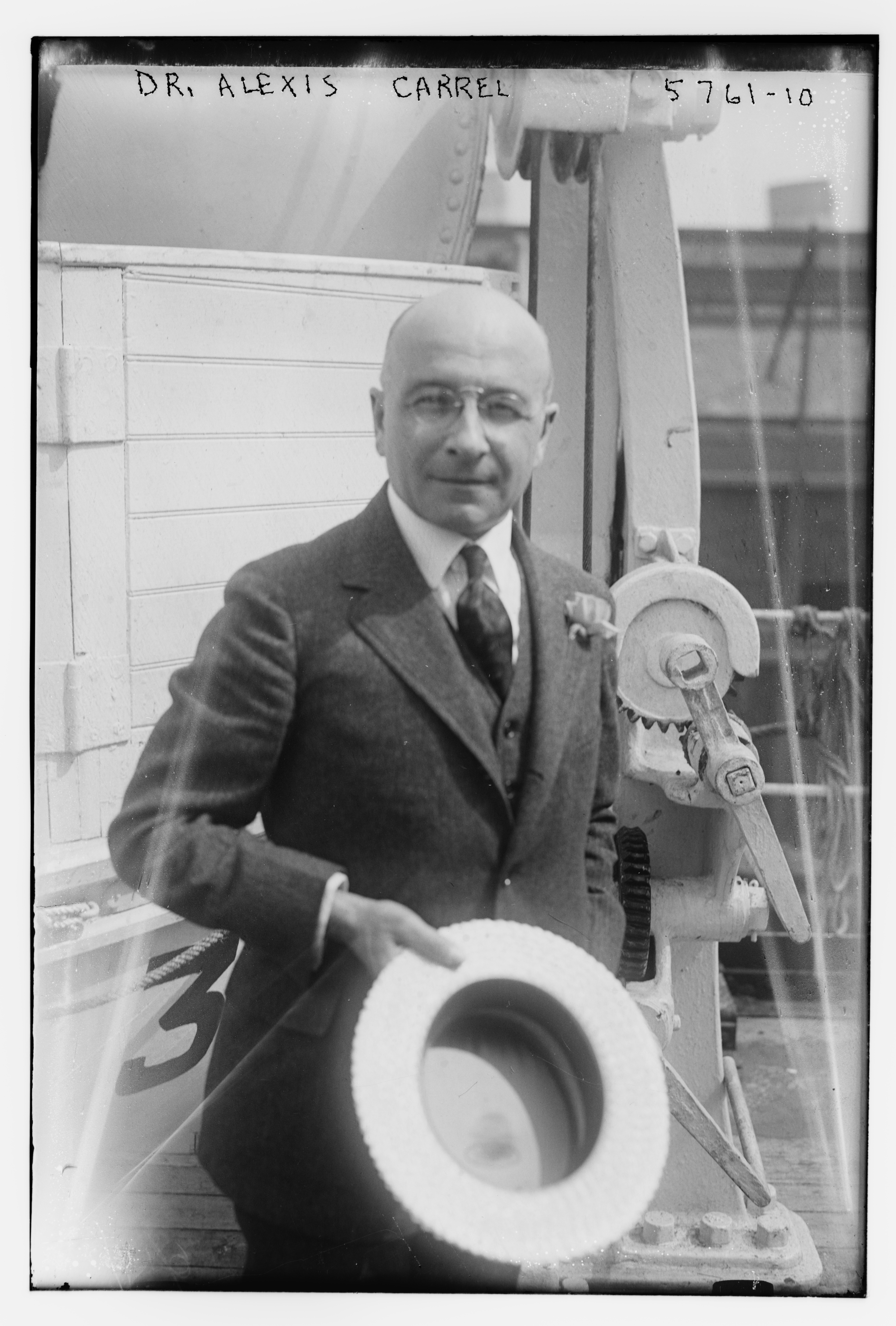
1915 CARREL, Alexis (1873 – 1944); DAKIN, Henry Drysdale (1880 – 1952); DEHELLY, Georges; ET AL
Traitement abortif de l’infection des plaies.
Carrel–Dakin treatment of wounds. With J. Daufresne and M. Dumas. Carrel & Dehelly expanded this into a monograph entitled Le traitement des plaies infectées. Paris: Masson et Cie, 1917. That was rapidly translated in…
GMN 5642 · https://historyofmedicine.com/id/7267
1916 MORISON, James Rutherford (1853 – 1939)
The treatment of infected suppurating war wounds.
Introduction of “BIPP” in the treatment of wounds, an acronym for bismuth iodoform parafin paste.
GMN 5644 · https://historyofmedicine.com/id/7273
1917 BROWNING, Carl Hamilton (1881 – 1972); ET AL
Flavine and brilliant green, powerful antiseptics with low toxicity to the tissues: their use in the treatment of infected wounds.
Introduction of acriflavine. With R. Gulbransen, E. L. Kennaway, and L. H. D. Thomton.
GMN 1905 · https://historyofmedicine.com/id/2656
1931 BAER, William Stevenson (1872 – 1931)
The treatment of chronic osteomyelitis with the maggot (larva of the blow fly).
Larrey observed the therapeutic effect of maggots on wounds; W. S. Baer inaugurated the method of treating osteomyelitis by this means (“Baer therapy”).
GMN 4399 · https://historyofmedicine.com/id/6011
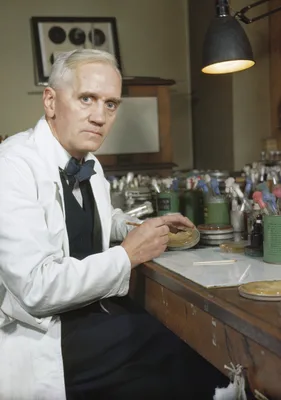
1932 FLEMING, Sir Alexander (1881 – 1955)
On the specific antibacterial properties of penicillin and potassium tellurite. Incorporating a method of demonstrating some bacterial antagonisms.
In this paper Fleming first described the use of penicillin as an antibacterial agent in man, and reported on experiments using it as a wound dressing for septic wounds. He also corrected the species name from Penicil…
GMN 10784 · https://historyofmedicine.com/id/12980
1938 TRUETA I RASPALL, Josep (1897 – 1977)
El tratamiento de la fractura de guerra.
During the Spanish Civil War (1935-38) Trueta adopted as standard treatment for gunshot wounds and compound fractures the closed plaster method originated by the American surgeon H. Winnett Orr. Trueta called this the…
GMN 4435.1 · https://historyofmedicine.com/id/6303
1939 JENSEN, Nathan Kenneth (1910 – ); ET AL
The local implantation of sulfanilamide in compound fractures.
Sulphonamide dressing of wounds. With L. W. Johnsrud and M. C. Nelson.
GMN 5645 · https://historyofmedicine.com/id/7274
1945 SNYDER, Marshall Lovejoy (1907 – 1969); ET AL
Effectiveness of a nitrofuran in the treatment of infected wounds.
First clinical use of “furacin” (nitrofuran). With C. L. Kiehn and J. W. Christopherson.
GMN 1929.1 · https://historyofmedicine.com/id/2738
1963 WHIPPLE, Allen Oldfather (1881 – 1963)
The story of wound healing and wound repair.
See No. 3659.1.
GMN 5813.4 · https://historyofmedicine.com/id/6940

![SALICETO, Guglielmo da [WILLIAM OF SALICETO] (1210 – 1277)](/media/portraits/6798)