1786 CRUIKSHANK, William Cumberland (1745 – 1800)
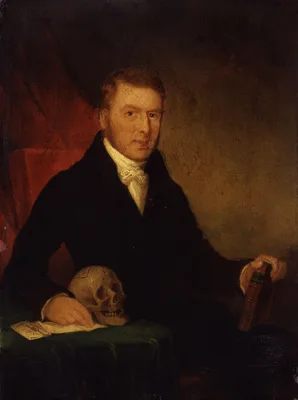
The anatomy of the absorbing vessels of the human body.
With Hunter and Hewson, Cruikshank laid the foundation of modern knowledge concerning the lymphatics. He was Dr. Johnson’s physician and William Hunter’s assistant.
GMN 1103 · https://historyofmedicine.com/id/1148
1787 MASCAGNI, Paolo (1752 – 1815)
Vasorum lymphaticorum corporis humani historia et ichnographia.
Mascagni, Professor of Anatomy at Siena, made several discoveries regarding the lymphatics. His beautiful atlas contained 41 engravings of the lymphatics and gained him lasting fame. He had previously published a Prod…
GMN 1104 · https://historyofmedicine.com/id/1151
1788 MONRO, Alexander, Secundus (1733 – 1817)
A description of all the bursae mucosae of the human body.
The first serious study of this subject and the most original anatomical work by the greatest of the Monro dynasty. See No. 1385.
GMN 399.2 · https://historyofmedicine.com/id/757
1790 POLE, Thomas (1753 – 1829)
The anatomical instructor; or, an illustration of the modern and most approved methods of preparing and preserving the different parts of the human body, and of quadrupeds, by injection, corrosion, maceration, distention, articulation, modelling, &c.
The first monograph on the preparation of anatomical specimens for museums, from various parts of the human body. Includes a method for injecting colored solutions to show the blood vessels of the head, and a method f…
GMN 7329 · https://historyofmedicine.com/id/9500
1791 –1796 SOEMMERRING, Samuel Thomas von (1755 – 1830)
Vom Baue des menschlichen Körpers. 5 pts.
Soemmerring’s text-book contained only facts actually observed by him. He departed from the usual practice of including physiology with anatomy. The book was very popular in German medical schools, and Meckel consider…
GMN 400 · https://historyofmedicine.com/id/768
1797 SOEMMERRING, Samuel Thomas von (1755 – 1830)
Tabula sceleti feminini juncta descriptione.
Soemmerring was noted for his accuracy in anatomical illustration, and the above work is a fine example of his artistic sense. For it he selected the skeleton of a well-built girl of 20 years. Great care was taken in …
GMN 401 · https://historyofmedicine.com/id/775
1797 –1804 BELL, Sir Charles (1774 – 1842); BELL, John (1763 – 1820)
The anatomy of the human body. 4 vols.
“The first great textbook contributed by the British school to modern anatomy” (Russell, No. 461).
GMN 401.3 · https://historyofmedicine.com/id/797
1798 –1803 BELL, Sir Charles (1774 – 1842)
A system of dissections. 2 vols.
Published in 7 fascicules and appendix while Bell was still a student, this was Bell’s first independent venture as an author. The anatomical work of Charles Bell and his brother John was among the most significant in…
GMN 402 · https://historyofmedicine.com/id/813
1861 HUNTER, John (1728 – 1793); OWEN, Sir Richard (1804 – 1892)
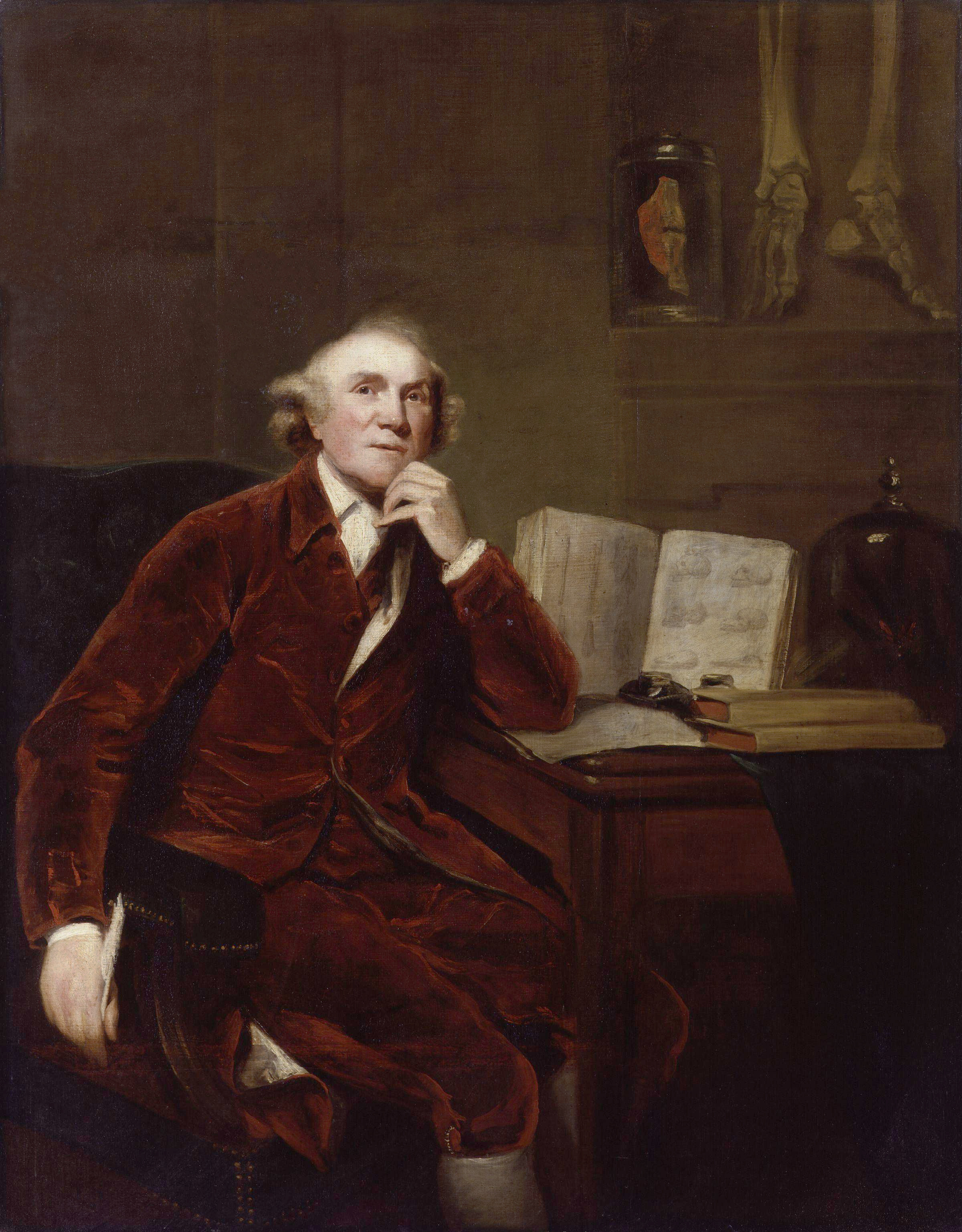
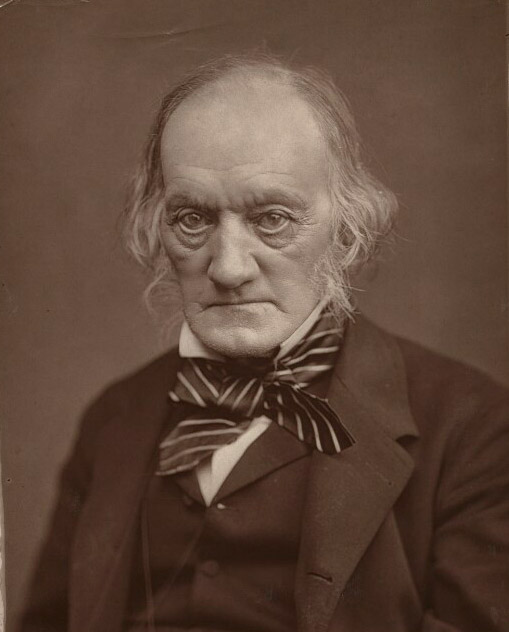
Essays and observations on natural history, anatomy, physiology, psychology, and geology by John Hunter, F.R.S. Being his posthumous papers on those subjects, arranged and revised, with notes; to which are added the introductory lectures on the Hunterian collection of fossil remains delivered in the theatre of the Royal College of Surgeons of England, March 8th, 10th and 12th, 1855 by Richard Owen .... 2 vols.
Digital facsimiles from the Hathi Trust at this link.
GMN 7608 · https://historyofmedicine.com/id/9780
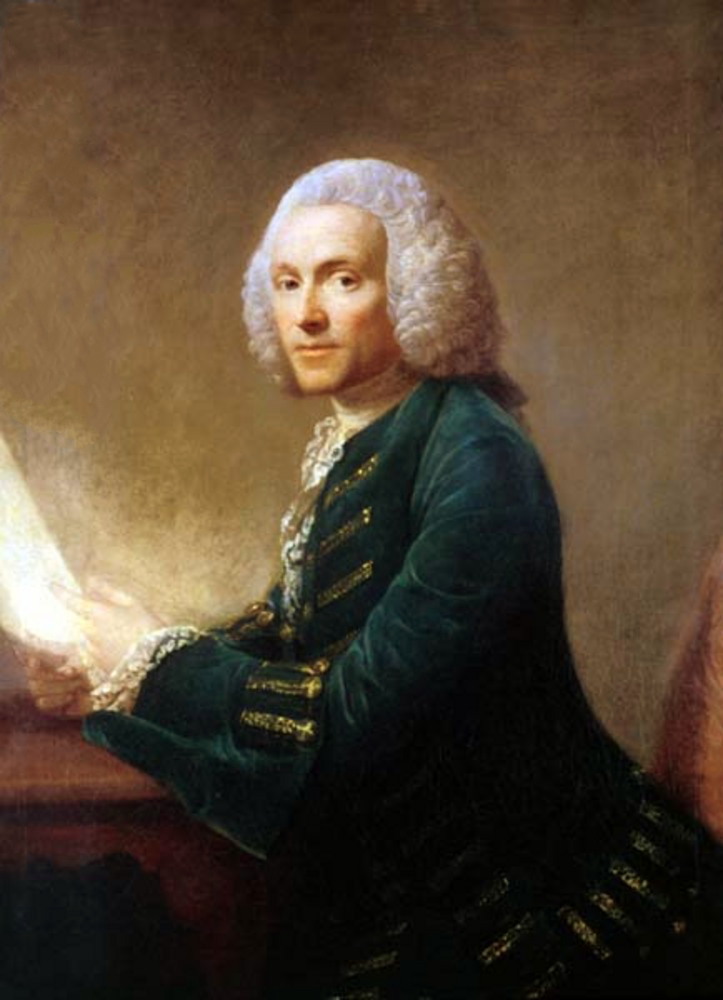
1900 TEACHER, John Hammond (1869 – 1930); HUNTER, William (1718 – 1783)
Catalogue of the anatomical and pathological preparations of Dr. William Hunter in the Hunterian Museum, University of Glasgow.
Digital facsimile from the Internet Archive at this link.
GMN 7588 · https://historyofmedicine.com/id/9760
2019 RAGAB, Ahmed; AL-DAMANHŪRĪ, Ahmad (1689 – 1778)
Medicine and religion in the life of an Ottoman sheikh: Al-Damanhuri's "clear statement" on anatomy.
GMN 10777 · https://historyofmedicine.com/id/12973