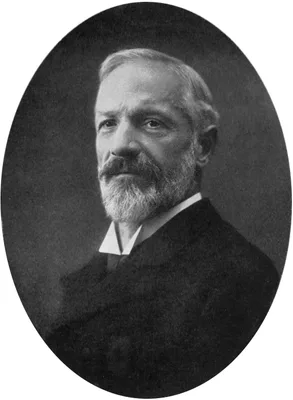
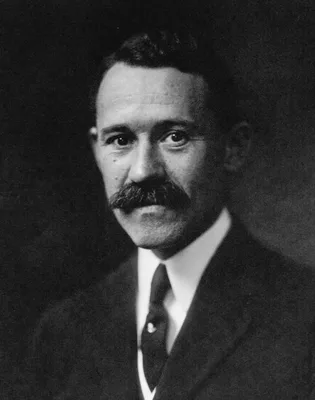
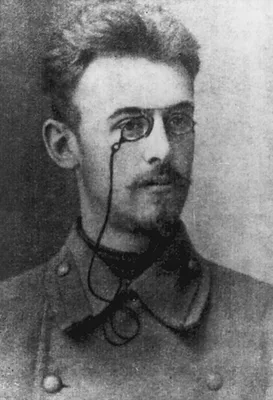
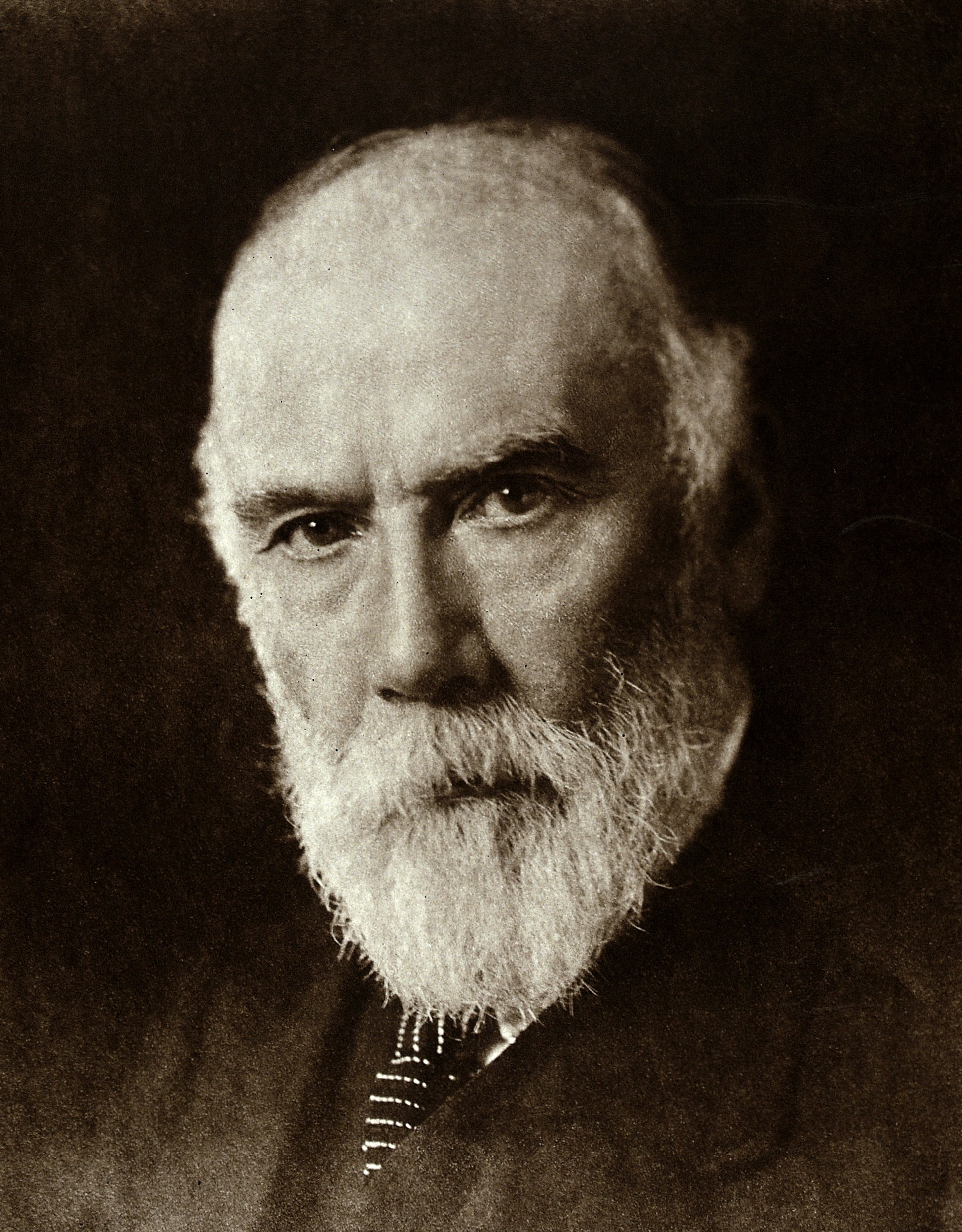
1904 FRANK, Otto (1865 – 1944)
Die unmittelbare Registrierung der Herztöne.
Frank obtained the first perfect pulse curves with special manometers, the so-called “Frank capsules”.
GMN 843 · https://historyofmedicine.com/id/621
1904 CLOËTTA, Max (1868 – 1940)
Ueber Digalen (Digitoxinum solubile).
Introduction of digalen.
GMN 1893.1 · https://historyofmedicine.com/id/2535
1904 CHIARI, Hans (1851 – 1916)
Ueber die syphilitischen Aortenerkrankungen.
GMN 2815 · https://historyofmedicine.com/id/3489
1904 ASCHOFF, Karl Albert Ludwig (1866 – 1942)
Zur Myocarditisfrage.
In his work on rheumatic myocarditis, Aschoff described the characteristic lesion (Aschoff body or nodule) and presented a histopathological picture of myocarditis that was to exert a great influence on the classifica…
GMN 2816 · https://historyofmedicine.com/id/3493
1904 JANEWAY, Theodore Caldwell (1872 – 1917)
The clinical study of blood-pressure. A guide to the use of the sphygmomanometer in medical, surgical and obstetrical practice, with a summary of the experimental and clinical facts relating to the blood-pressure in health and disease.
The earliest American monograph on hypertension and its detection. Digital facsimile from the Hathi Trust at this link.
GMN 11572 · https://historyofmedicine.com/id/13771
1905 KÖHLER, Alban (1874 – 1947)
Technik der Herstellung fast orthodiagraphischer Herzphotogramme vermittelst Röntgeninstrumentarien mit kleiner Elektrizitätsquelle.
Introduction of teleradiography of the heart.
GMN 2817 · https://historyofmedicine.com/id/3496
1905 KOROTKOV, Nikolai Sergeievich (1874 – 1920)
On methods of studying blood pressure.
Korotkov introduced the modern method of applying the stethoscope to the brachial artery during blood-pressure examination with Riva-Rocci’s sphygmomanometer, for the purpose of investigating the sounds made by the bl…
GMN 2818 · https://historyofmedicine.com/id/3498
1905 MACKENZIE, Sir James (1853 – 1925)
New methods of studying affections of the heart.
Mackenzie established the remarkable action of digitalis in auricular fibrillation.
GMN 2819 · https://historyofmedicine.com/id/3501
1905 MARTIN, Sir Charles James (1866 – 1955)
Remarks on the determination of arterial blood-pressure in clinical practice.
GMN 2820 · https://historyofmedicine.com/id/3505
1905 –1906 RITCHIE, William Thomas (1873 – 1945)
Complete heart-block, with dissociation of the action of the auricles and ventricles.
Auricular flutter in man first recognized.
GMN 2821 · https://historyofmedicine.com/id/3513
1905 PÁL, Jakob (1863 – 1936)
Gefässkrisen.
GMN 2713 · https://historyofmedicine.com/id/4434
1906 CREMER, Max (1865 – 1935)
Über die direkte Ableitung der Aktionsströme des menschlichen Herzens vom Oesophagus und über das Elektrokardiogramm des Fötus.
Fetal electrocardiogram recorded. Cremer was also the first to record an electrocardiogram with an electrode in the esophagus.
GMN 843.1 · https://historyofmedicine.com/id/624
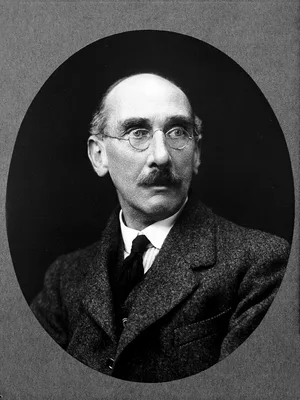
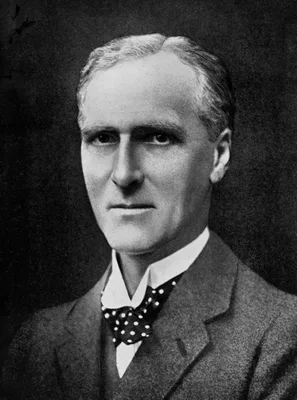
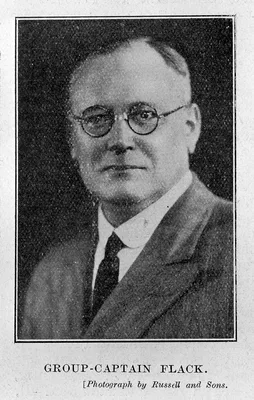
1906 –1907 KEITH, Sir Arthur (1866 – 1955); FLACK, Martin William (1882 – 1931)
The form and nature of the muscular connections between the primary divisions of the vertebrate heart.
Discovery of the sinoatrial node, the “pacemaker of the heart”. Reprinted in Willius & Keys, Cardiac classics, 1941, pp. 747-62.
GMN 844 · https://historyofmedicine.com/id/627
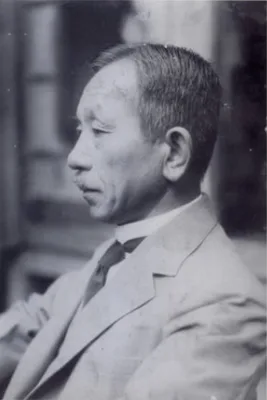
1906 TAWARA, Sunao (1873 – 1952)
Das Reizleitungssystem des Säugethierherzens.
Tawara discovered and described the atrioventricular node – “node of Tawara”. Translated into English by Kozo Suma and Munehiro Shimada as The conduction system of the mammalian heart: An anatomical-histological study…
GMN 845 · https://historyofmedicine.com/id/629
1906 CUSHNY, Arthur Robertson (1866 – 1926); EDMUNDS, Charles Wallis (1873 – 1941)
Paroxysmal irregularity of the heart and auricular fibrillation.
First recognition of auricular fibrillation in man. Cushny and Edmunds had a case under their care in 1901. Hering described the condition in man in Prag. med. Wschr.,1903, 28, 377. The Cushing & Edmunds paper was als…
GMN 2822 · https://historyofmedicine.com/id/3523
1906 KRILOFF, Dmitri Dmitrievich (1879 – )
[In Russian:] Estimation of blood-pressure by Korotkov’s auditory method.
Kriloff made extensive observations on the sounds which Korotkov had shown to be emitted by the blood after removal of the Riva-Rocci air-pressure cuff during the blood-pressure measurement.
GMN 2823 · https://historyofmedicine.com/id/3528
1906 REUTER, Karl
Ueber Spirochaeta pallida in der Aortenwand bei Hellerscher Aortitis.
Treponema pallidum first discovered in the diseased aorta.
GMN 2824 · https://historyofmedicine.com/id/3531
1906 EINTHOVEN, Willem (1860 – 1927)
Het telecardiogram.
This paper includes the first published ECG tracing of atrial fibrillation. See W. Bruce Fye, "Tracing atrial fibrillation - 100 years," New Eng. J. Med., 355 (2006) 1412.
GMN 11589 · https://historyofmedicine.com/id/13788
1906 EHRLICH, Paul (1854 – 1915); WEIGERT, Carl (1845 – 1904); EDINGER, Ludwig (1855 – 1918); RIEDER, Robert
Carl Weigert Gesammelte Abhandlungen unter Mitwirkung von Ludwig Edinger und Paul Ehrlich. Herausgegeben und Eingeleitet von Robert Rieder. 2 vols.
GMN 11731 · https://historyofmedicine.com/id/13932
1907 EINTHOVEN, Willem (1860 – 1927)
Die Registrierung der menschlichen Herztone mittels des Saitengalvanometers
Phonocardiography.
GMN 846 · https://historyofmedicine.com/id/634
1907 –1908 MACKENZIE, Sir James (1853 – 1925)
The extra-systole. A contribution to the functional pathology of the primitive cardiac tissue.
GMN 847 · https://historyofmedicine.com/id/636
1907 GIBSON, Alexander George (1875 – 1950)
The significance of a hitherto undescribed wave in the jugular pulse.
The physiological wave sometimes found in mid-diastole, when the pulse is slow, was first described by Gibson. He termed it the b-wave. Gibson worked with William Osler at the Radcliffe Infirmary in Oxford, and cared …
GMN 788 · https://historyofmedicine.com/id/1774
1907 OTTO, Richard (1872 – 1952)
Zur Frage der Serum-Ueberempfindlichkeit.
Otto discovered that a state of tolerance developed in animals that survived anaphylactic shock. He induced passive transfer of hypersensitivity.
GMN 2594.1 · https://historyofmedicine.com/id/2956
1907 FELLNER, Bruno
Neuerung zur Messung des systolischen und diastolischen Druckes.
Fellner suggested the use of the stethoscope in the measurement of systolic and diastolic pressure.
GMN 2825 · https://historyofmedicine.com/id/3534
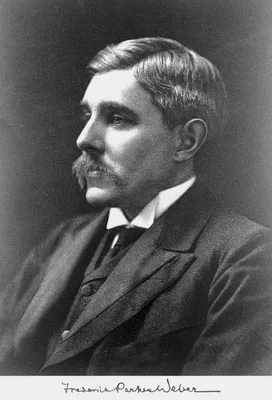
1907 WEBER, Frederick Parkes (1863 – 1962)
Multiple hereditary developmental angiomata (telangiectases) of the skin and mucous membranes associated with recurring haemorrhages.
“Rendu–Osler–Weber disease.”
GMN 2714 · https://historyofmedicine.com/id/4436
1907 MUNRO, John Cummings (1858 – 1910)
Ligation of the ductus arteriosus.
Munro was first to suggest the feasibility of ligation of a patent ductus arteriosus.
GMN 3025.3 · https://historyofmedicine.com/id/5492
1908 MACKENZIE, Sir James (1853 – 1925)
Diseases of the heart.
Chapter 30 of the third edition (1914) includes Mackenzie’s classic description of the clinical picture of “nodal rhythm” (auricular fibrillation). Reprinted in Willius & Keys, Cardiac classics, 1941, pp. 769-93.
GMN 2826 · https://historyofmedicine.com/id/3535
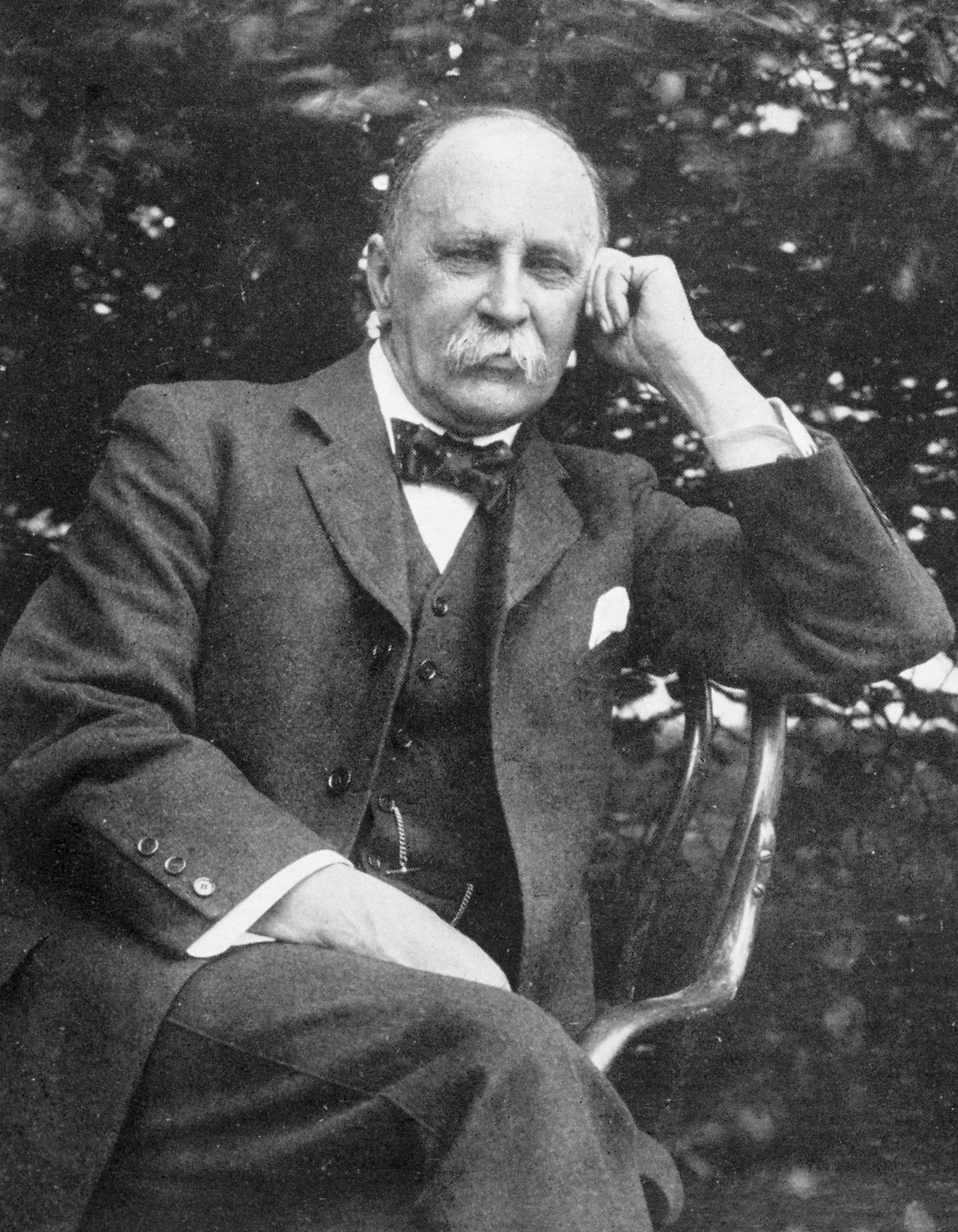
1908 –1909 OSLER, Sir William (1849 – 1919)
Chronic infectious endocarditis.
The tender subcutaneous nodes in subacute bacterial endocarditis (“Osler’s nodes”) were first observed by Osler in 1888, and reported in 1909. This paper is the first definite clinical description of subacute bacteria…
GMN 2827 · https://historyofmedicine.com/id/3538
1908 BUERGER, Leo (1879 – 1943)
Thrombo-angiitis obliterans; a study of the vascular lesions leading to presenile spontaneous gangrene.
Buerger’s important paper on thrombo-angiitis obliterans gives the first comprehensive report of the clinical and pathological aspects of the disease. Buerger gave the condition its present name; it is also known as “…
GMN 2912 · https://historyofmedicine.com/id/4884
1908 IGNATOVSKI, Alexander I. (1875 – 1955)
[In Russian:] Changes in parenchymatous organs and in the aorta of rabbits under the influence of animal protein.
Experimental atherosclerosis produced by a cholesterol-rich diet of whole milk, egg yolks, and meat. French translation as" Influence de la nourriture animale sur l'organisme des lapins," Arch. Méd. exp. Anat. path.,1…
GMN 2913 · https://historyofmedicine.com/id/4886
1909 BRACHT, Erich Frans Eugen (1882 – 1969); WÄCHTER, Hermann Julius Gustav (1878 – 1944)
Beitrag zur Aetiologie und pathologischen Anatomie der Myokarditis rheumatica.
“Bracht–Wächter bodies” in the myocardium in bacterial endocarditis.
GMN 2828 · https://historyofmedicine.com/id/3543
1909 HORDER, Thomas Jeeves (1871 – 1955)
Infective endocarditis, with an analysis of 150 cases.
Classic description of subacute bacterial endocarditis.
GMN 2829 · https://historyofmedicine.com/id/3546
1909 LEWIS, Sir Thomas (1881 – 1945)
Auricular fibrillation; a common clinical condition.
First description of auricular fibrillation as a cause of clinical perpetual arrhythmia. See also the paper in Heart, London, 1909-10, 1,306-72.
GMN 2830 · https://historyofmedicine.com/id/3548
1909 ROTHBERGER, Carl Julius (1871 – 1945); WINTERBERG, Heinrich (1867 – 1929)
Vorhofflimmern und Arhythmia perpetua.
Independently of Lewis (No. 2830) these workers claimed auricular fibrillation to be the cause of perpetual arrhythmia.
GMN 2831 · https://historyofmedicine.com/id/3550
1909 BLAIR-BELL, William (1871 – 1936)
The pituitary body and the therapeutic value of the infundibular extract in shock, uterine atony, and intestinal paresis.
GMN 6215 · https://historyofmedicine.com/id/7630
1909 SAMOJLOFF, A.
Elektrokardiogramme.
This 37-page pamphlet was the earliest collection of information regarding electrocardiography. It contained "only single lead electrocardiograms, limited to mitral stenosis and hypertrophy of the right and left venti…
GMN 11680 · https://historyofmedicine.com/id/13881
1910 EPPINGER, Hans (1879 – 1946); ROTHBERGER, Carl Julius (1871 – 1945)
Ueber die Folgen der Durchschneidung der Tawaraschen Schenkel der Reizleitungssystems.
First experimental study of the electrocardiographic changes in bundle-branch block. "Later, as professor and director of the internal clinic at the Allgemeines Krankenhaus in Vienna, Eppinger became one of the most n…
GMN 848 · https://historyofmedicine.com/id/638
1910 LEWIS, Paul Adin (1879 – 1929); AUER, John (1875 – 1948)
The physiology of the immediate reaction of anaphylaxis in the guinea-pig.
First adequate account of the physiological reactions leading to fatal anaphylactic shock.
GMN 2600 · https://historyofmedicine.com/id/2978
1910 EPPINGER, Hans (1879 – 1946); STOERK, Oscar (1870 – 1926)
Zur Klinik des Elektrokardiogramms.
First clinical and pathological description of bundle-branch block.
GMN 2832 · https://historyofmedicine.com/id/3554
1910 RITCHIE, William Thomas (1873 – 1945); JOLLY, William Adam (1878 – 1939)
Auricular flutter and fibrillation.
Auricular flutter first described.
GMN 2833 · https://historyofmedicine.com/id/3557
1910 LIBMAN, Emanuel (1872 – 1946); CELLER, Herbert Louis (1878 – 1928)
The etiology of subacute infective endocarditis.
Libman and Celler found Strep. endocarditis to be the most common cause of subacute bacterial endocarditis.
GMN 2834 · https://historyofmedicine.com/id/3560
1910 OBRAZTSOV, Vasili Parmenovich (1849 – 1920); STRAZHESKO, Nikolai Dmitrievich (Mykola Dmytrowytsch Straschesko) (1876 – 1952)
Zur kenntniss der Thrombose der Koronararterien des Herzens.
First complete description of coronary thrombosis, diagnosed before death and confirmed at necropsy. Reprinted in Klin. Med. (Mosk.), 1949, 27,No. 11, 15-25.
GMN 2835 · https://historyofmedicine.com/id/3566
1910 SCHOTTMÜLLER, Hugo (1867 – 1936)
Endocarditis lenta. Zugleich ein Beitrag zur Artunterscheidung der pathogenen Streptokokken.
First to isolate Strep viridans in cases of bacterial endocarditis, Schottmüller named the condition Endocarditis lenta.
GMN 2836 · https://historyofmedicine.com/id/3569
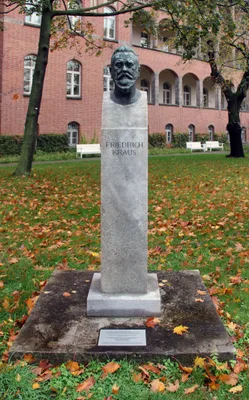
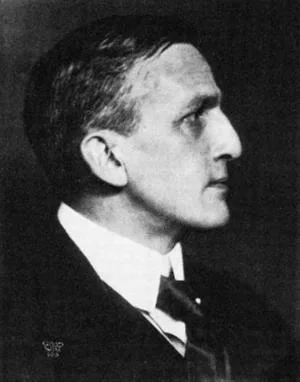
1910 KRAUS, Friedrich (1858 – 1936); NICOLAI, Georg Friedrich (1874 – 1964)
Das Elektrokardiogramm des gesunden and kranken Menschen.
The first comprehensive monograph on electrocardiography in any language.
GMN 11674 · https://historyofmedicine.com/id/13875
1910 HIRSCHFELDER, Arthur Douglas (1879 – 1942)
Diseases of the heart and aorta.
The first comprehensive monograph on cardiology written and published in the United States. Hirschfelder interned under William Osler at Johns Hopkins, and became Hopkins's first full-time cardiologist. Digital facsim…
GMN 11752 · https://historyofmedicine.com/id/13952
1910 JAMES, Walter B.; WILLIAMS, Horatio Burt (1877 – 1955)
The electrocardiogram in clinical medicine: The string galvanometer and the electrocardiogram in health.
The first clinical paper on electrocardiography to appear in an American journal (Burch & DePasquale, A History of Electrocardiography,1990, 163.) James and Williams "published the first ECG recordings in the western …
GMN 12255 · https://historyofmedicine.com/id/14470
1911 –1912 LOMBARD, Warren Plimpton (1855 – 1939)
The blood-vessels in the arterioles, capillaries and small veins of the human skin.
Lombard soaked the skin in cedarwood oil, rendering transparent the superficial epidermal layers, and thus making possible many direct observations on it.
GMN 790 · https://historyofmedicine.com/id/108
1911 LEWIS, Sir Thomas (1881 – 1945)
The mechanism of the heartbeat: With special reference to its clinical pathology.
Sir Thomas Lewis was a pioneer in the application of electrocardiography to clinical medicine. His book was both an exhaustive treatise on the subject for its time, and a valuable bibliographical source. Second editio…
GMN 2851 · https://historyofmedicine.com/id/709
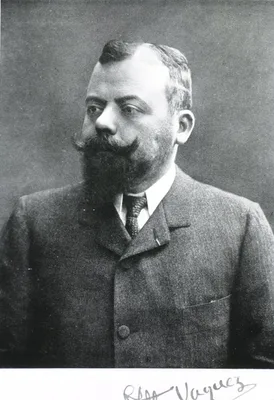
1911 VAQUEZ, Louis Henri (1860 – 1936)
Les arythmies.
GMN 2837 · https://historyofmedicine.com/id/3572
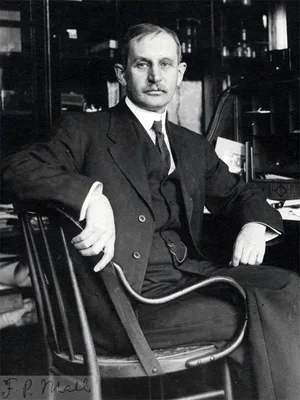
1911 MALL, Franklin Paine (1862 – 1917)
On the muscular architecture of the ventricles of the human heart.
GMN 12262 · https://historyofmedicine.com/id/14479