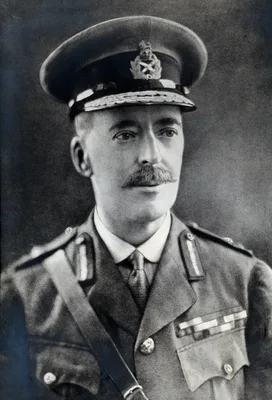
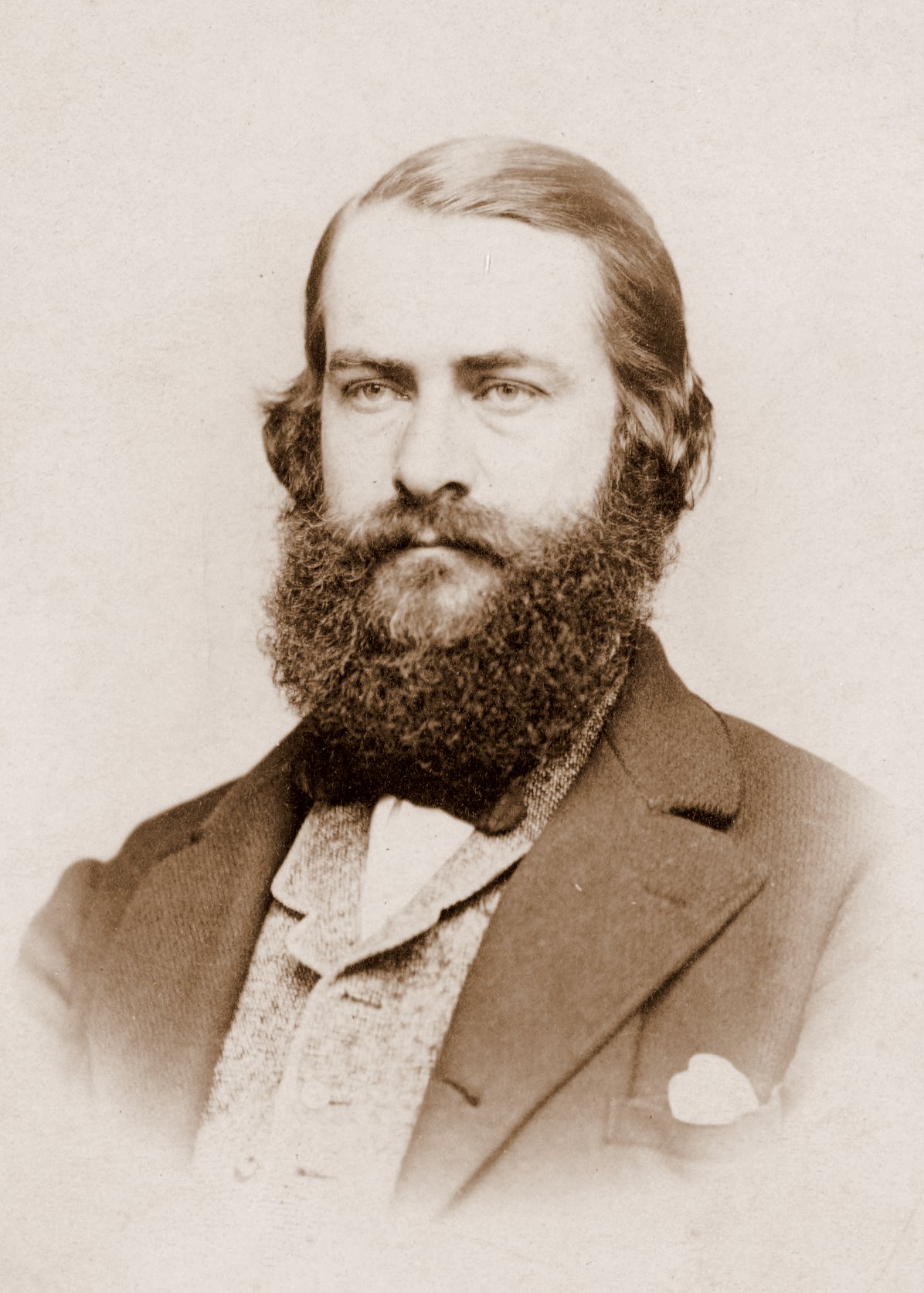
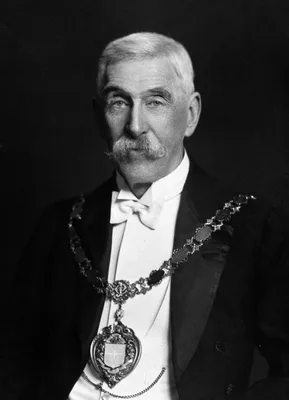
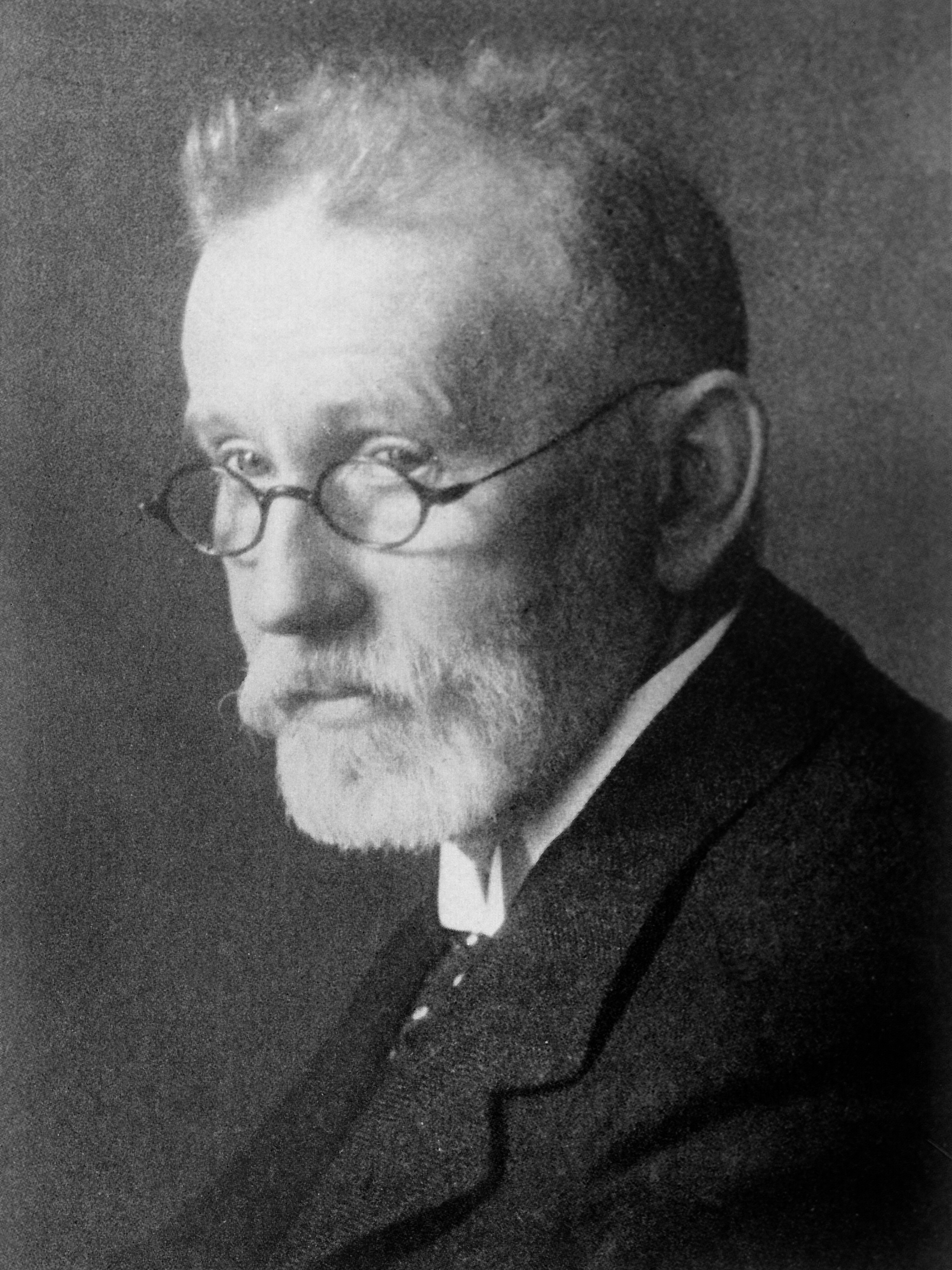
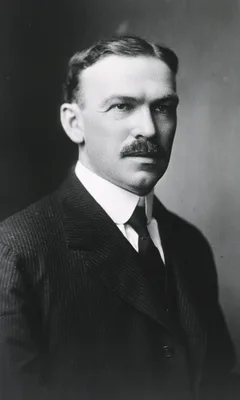
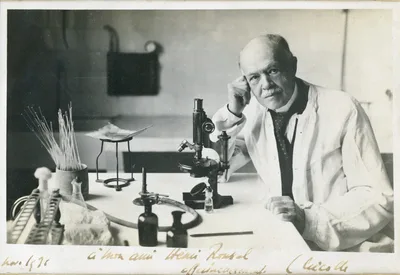
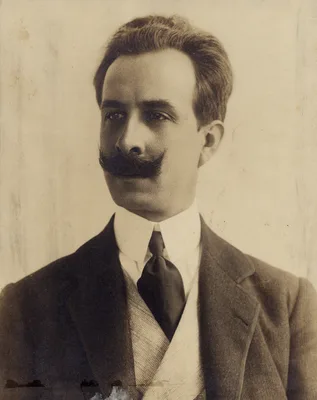
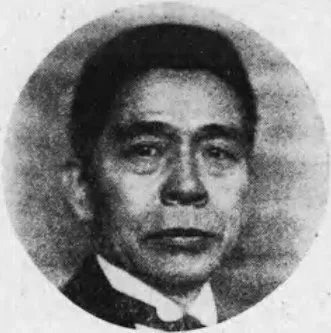
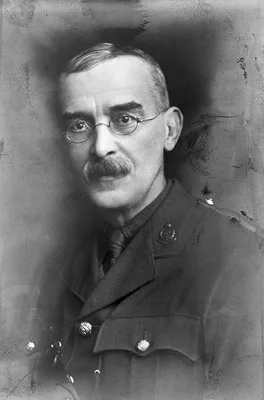
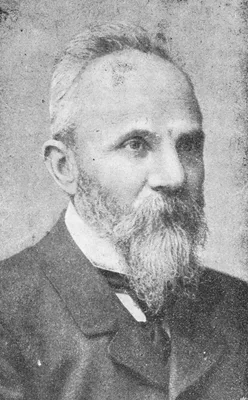
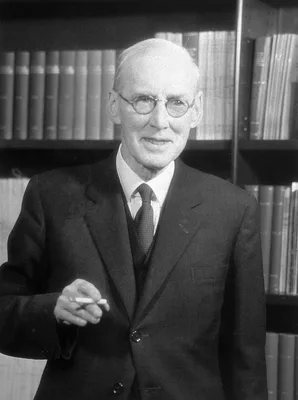
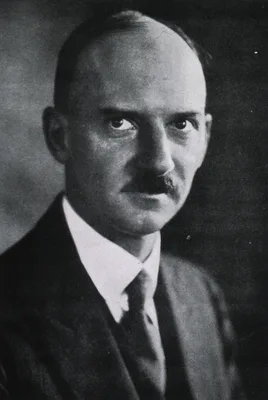
1900 LAVERAN, Charles Louis Alphonse (1845 – 1922)
Au sujet de l’hématozoaire endoglobulaire de Padda oryzivora.
Toxoplasma described.
GMN 5530.2 · https://historyofmedicine.com/id/6662
1900 GRASSI, Giovanni Battista (1854 – 1925)
Studi di uno zoologo sulla malaria.
Includes the best illustrations of the various stages of the malaria parasite published up to that time.
GMN 5252.1 · https://historyofmedicine.com/id/7910
1900 MANSON, Sir Patrick (1844 – 1922)
Experimental proof of the mosquito-malaria theory.
In a classic demonstration Manson allowed infected mosquitoes from Rome to bite a volunteer (his son) in London, who developed malaria 15 days later with tertian parasites in the blood, and who was cured by quinine.
GMN 5252.2 · https://historyofmedicine.com/id/7911
1900 SEEBER, Guillermo Rodolfo (1876 – )
Un nuevo esporozoario parásito del hombre. Dos casos encontrados en pólipos nasales: Tesis presentada para optar al grado de doctor en medicina.
Rhinosporidiosis first described. Digital facsimile from bibliomedicinadigital.fmed.uba.ar at this link.
GMN 4131.1 · https://historyofmedicine.com/id/8628
1901 LOOSS, Arthur (1861 – 1923)
Ueber das Eindringen der Ankylostomalarven in die menschliche Haut.
Looss discovered that hookworms can penetrate the skin; he himself became infected when hookworm culture accidentally spilled on his hands. English translation in Kean (No. 2268.1).
GMN 5362 · https://historyofmedicine.com/id/6971
1902 BENTLEY, Charles Albert (1873 – 1949)
On the causal relationship between “ground itch”, or “pani-ghao”, and the presence of the larvae of the Ankylostoma duodenale in the soil.
While a medical officer in the tea plantations in Assam, India, Bentley demonstrated the mode of entry of Ankylostoma into the body.
GMN 5362.1 · https://historyofmedicine.com/id/6980
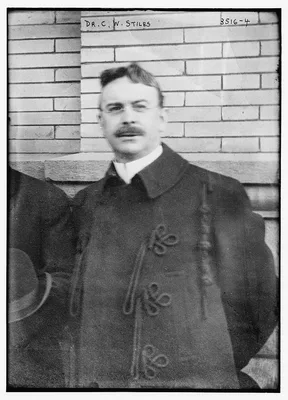
1902 STILES, Charles Wardell (1867 – 1941)
A new species of hookworm (Uncinaria americana) parasitic in man.
Discovery of the American species of hookworm, afterward re-named Necator americanus. It was later believed to have originated in Africa, being brought over by slaves.
GMN 5363 · https://historyofmedicine.com/id/6986
1902 FORDE, Robert Michael (1861 – 1948)
Some clinical notes on a European patient in whose blood a trypanosoma was observed.
In 1901 Forde saw (but did not at first recognize as such) trypanosomes in the blood of a patient in Gambia. (See No. 5275.)
GMN 5274 · https://historyofmedicine.com/id/8581
1902 DUTTON, Joseph Everett (1877 – 1905)
Preliminary note upon a trypanosome occurring in the blood of man.
Dutton was the first to recognize human trypanosomiasis. He saw Forde’s patient (see No. 5274) and named the trypanosome T. gambiense. Sleeping sickness itself has been referred to as “Dutton’s disease”. The first ann…
GMN 5275 · https://historyofmedicine.com/id/8584
1902 STILES, Charles Wardell (1867 – 1941)
The significance of recent American cases of hookworm disease (Uncinariasis or Anchylostomiasis) in man.
In this paper Stiles fully characterized and extensively illustrated the American hookworm parasite that he first described in No. 5363. This species and the Schistosoma are the pathogenic organisms that can penetrate…
GMN 12114 · https://historyofmedicine.com/id/14323
1903 –1915 CLARKE, James Jackson (1860 – 1940)
Protozoa and disease. 4 vols.
GMN 2458 · https://historyofmedicine.com/id/2989
1903 LEISHMAN, Sir William Boog (1865 – 1926)
On the possibility of the occurrence of trypanosomiasis in India.
An organism found by Leishman in 1900 was later described by him as possibly a trypanosome. C. Donovan found the same organism in blood in July 1903. The name Leishmania donovani (Leishman-Donovan bodies) was later at…
GMN 5295 · https://historyofmedicine.com/id/6442
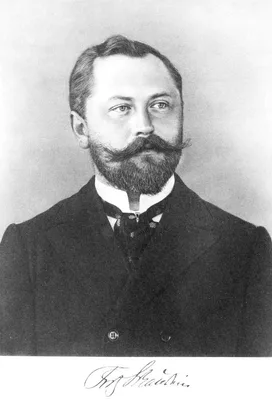
1903 SCHAUDINN, Fritz Richard (1871 – 1906)
Studien über krankheitserregende Protozoen. II. Plasmodium vivax (Grassi & Feletti), der Erreger des Tertianfiebers beim Menschen.
Confirmation of the work of Ross and of Grassi.
GMN 5254 · https://historyofmedicine.com/id/7913
1903 CASTELLANI, Aldo (1877 – 1971)
On the discovery of a species of trypanosoma in the cerebrospinal fluid of cases of sleeping sickness.
While in Uganda, Castellani discovered T. gambiense in human cerebrospinal fluid. A paper in Notes Rec. roy. Soc., 1973, 23, 93-110, discounts Castellani’s claim that although he first discovered trypanosomes in the c…
GMN 5276 · https://historyofmedicine.com/id/8585
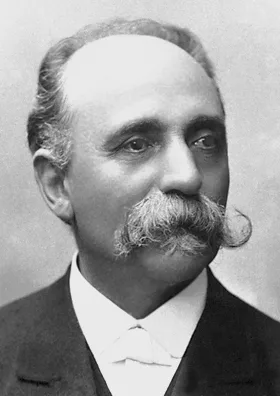
1903 –1929 GOLGI, Camillo (1844 – 1926)
Opera Omnia. Volume I: Istologia normale—1870-1883 (Con 21 Tavole e ritratto); Volume II: Istologia normale—1883-1902 (Con 21 tavole); Volume III: Patologia generale e isto-patologia—1868-1894 (Con 9 Tavole). Volume IV: Scritti su argomenti varii.
Limited to 325 copies, including material not previously published.
GMN 7338 · https://historyofmedicine.com/id/9509
1904 LEIDY, Joseph (1823 – 1891)
Researches in helminthology and parasitology. With a bibliography of his contributions to science.
In vol. 46 of Smithsonian Miscellaneous Collections. Leidy was called the greatest descriptive naturalist in mid-19th century America.
GMN 2459 · https://historyofmedicine.com/id/3000
1904 LEISHMAN, Sir William Boog (1865 – 1926)
Note on the nature of the parasitic bodies found in tropical splenomegaly.
GMN 5298 · https://historyofmedicine.com/id/6473
1904 ROGERS, Sir Leonard (1868 – 1962)
Note on the occurrence of Leishman–Donovan bodies in “cachexial fevers” including kala-azar.
Rogers demonstrated the Leishman–Donovan bodies in kala-azar. See also the same journal, 1904, 2, 645-50. At about the same time Bentley reported similar findings in India.
GMN 5299 · https://historyofmedicine.com/id/6478
1904 LAVERAN, Charles Louis Alphonse (1845 – 1922); MESNIL, Félix (1868 – 1938)
Trypanosomes et trypanosomiases.
Laveran and Mesnil discovered that trypanosomes could be maintained indefinitely in rats and mice by serial passage.
GMN 5278 · https://historyofmedicine.com/id/8590
1905 –1911 LOOSS, Arthur (1861 – 1923)
The anatomy and life history of Agchylostoma duodenale Dub. A. monograph. 2 pts.
Vols. 3 and 4 of Records of the School of Medicine, Cairo. In 1898 Looss discovered that hookworm larvae can penetrate the skin. His monograph epitomized all knowledge of the condition to 1911.
GMN 5365 · https://historyofmedicine.com/id/6987
1905 CRAIG, Charles Franklin (1872 – 1950)
Intracorpuscular conjugation in the malarial plasmodia and its significance.
Demonstration of the existence of malarial carriers.
GMN 5255 · https://historyofmedicine.com/id/7914
1905 THOMAS, Harold Wolferstan (1875 – 1931); BREINL, Anton (1880 – 1944)
Report on trypanosomes, trypanosomiasis, and sleeping sickness, being an experimental investigation into their pathology and treatment.
Thomas and Breinl discovered that arsanilic acid, was more potent in the treatment of laboratory trypanosomiasis than arsenic in inorganic form. As a crystalline powder it was introduced medically as Atoxyl. Thomas an…
GMN 5279 · https://historyofmedicine.com/id/8592
1907 EHRLICH, Paul (1854 – 1915)
Chemotherapeutische Trypanosomen-Studien.
The first account of induced microbial drug resistance. Ehrlich encountered induced drug resistance in microbes while researching arsenical preparations as cures for sleeping sickness and other trypanosome-caused illn…
GMN 5281 · https://historyofmedicine.com/id/6342
1907 FUJINAMI, Akira (1870 – 1934); NAKAMURA, Hachitaro
Ueber den Wohnort von Schistosomum japonicum. [Japanese text.]
Fujinami and Nakamura identified the intermediate host of S. japonicum. Abstract in Arch. Schiffs-u. Tropenhyg., 1908, 12,471. Later (1909, 6, 224-52) they demonstrated that infection occurred by skin penetration. Eng…
GMN 5350.1 · https://historyofmedicine.com/id/6841
1907 TYZZER, Ernest Edward (1875 – 1965)
A sporozoan found in the peptic glands of the common mouse.
Tyzzer first identified cryptosporidium in mice and named it Cryptosporidium muris, spec. nov. (Thanks to Juan Weiss for this reference and its interpretation.)
GMN 12432 · https://historyofmedicine.com/id/14663
1908 NICOLLE, Charles Jules Henri (1866 – 1936); MANCEAUX, Louis Herbert (1865 – 1943)
Sur une infection à corps de Leishman (ou organismes voisins) du gondi.
Toxoplasma described. English translation in Kean (No. 2268.1).
GMN 5534 · https://historyofmedicine.com/id/6684
1908 SPLENDORE, Alfonso (1871 – 1953)
Un nuovo protozoa parassito de’ conigli incontrato nelle lesioni anatomiche d’una malattia che ricorda in molti punti il kala azar dell’uomo.
Splendore discovered Toxoplasma in a rabbit; it was named T. cuniculi.
GMN 5534.1 · https://historyofmedicine.com/id/6689
1909 CHAGAS, Carlos Justiniano Ribiero (1879 – 1934)
Nova tripanozomiaze humana. Estudos sobre a morfolojia e o ciclo evolutivo do Schizotrypanum cruzi n.gen., n.sp., ajente etiolojico de nova entidade morbida do homen.
Chagas discovered T. cruzi, causal organism in American trypanosomiasis (“Chagas’s disease”). Partial English translation in Kean (No. 2268.1).
GMN 5283 · https://historyofmedicine.com/id/6345
1909 KLEINE, Friedrich Karl (1861 – 1950)
Positive Infektionsversuche mit Trypanosoma brucei durch Glossina palpalis.
Glossina was believed to transmit Trypanosoma mechanically to the new host until Kleine showed that the latter undergoes a developmental cycle in Glossina. English translation in Kean (No. 2268.1).
GMN 5283.1 · https://historyofmedicine.com/id/6347
1910 EHRLICH, Paul (1854 – 1915); HATA, Sahachiro (1873 – 1938)
Die experimentelle Chemotherapie der Spirillosen (Syphilis, Rückfallfieber, Hühnerspirillose, Frambösie).
After many experiments on the action of synthetic drugs upon spirochetal diseases, Ehrlich and Hata in 1909 discovered Arsphenamine (Salvarsan, "the arsenic that saves", also known as “606”), an effective treatment fo…
GMN 2403 · https://historyofmedicine.com/id/3366
1910 STEPHENS, John William Watson (1865 – 1946); FANTHAM, Harold Benjamin (1875 – 1937)
On the peculiar morphology of a trypanosome from a case of sleeping sickness and the possibility of its being a new species.
T. rhodesiense discovered.
GMN 5285 · https://historyofmedicine.com/id/6351
1910 PERRONCITO, Edoardo (1847 – 1936)
La malattia dei minatory dal S. Gottardo al Sempione.
Includes reprints of Perroncito’s earlier papers. He insisted on the parasitic origin of the disease as it occurred among the St. Gotthard tunnellers in 1880, and he introduced Felix mas as a vermifuge against hookworm.
GMN 5366 · https://historyofmedicine.com/id/6990
1910 BASS, Charles Cassedy (1885 – 1975); DOCK, George (1860 – 1951)
Hookworm disease; Etiology, pathology, diagnosis, prognosis, prophylaxis, and treatment
When the authors published this book hookworm disease was endemic in the American south, partly because so many people walked in the soil without wearing shoes, so the hookworms entered their body through the soles of…
GMN 11616 · https://historyofmedicine.com/id/13816
1912 BRUMPT, Alexandre Joseph Émile (1877 – 1951)
Le trypanosoma cruzi évolue chez Conorhinus megistus, Cimex lectularius, Cimex Boueti et Ornithodorus moubata. Cycle évolutif de ce parasite.
Life cycle of T. cruzi described. English translation in Kean (No. 2268.1).
GMN 5285.3 · https://historyofmedicine.com/id/6359
1912 BASS, Charles Cassedy (1885 – 1975); JOHNS, Foster Matthew (1889 – 1936)
The cultivation of malaria plasmodia (Plasmodium vivax and Plasmodium falciparum) in vitro.
Cultivation of the malaria parasite.
GMN 5255.1 · https://historyofmedicine.com/id/7915
1912 TYZZER, Ernest Edward (1875 – 1965)
Cryptosporidium parvum (sp. nov.) a coccidium found in the small intestine of the common mouse.
Tyzzer described an even smaller species of cryptosporidium, Cryptosporidium parvum (sp. nov.), later recognized as the chief species infecting humans. His paper reproduced color lithographs of all the different life …
GMN 12433 · https://historyofmedicine.com/id/14665
1913 LEIPER, Robert Thomson (1881 – 1969)
Important discovery in tropical medicine: Metamorphosis of Filaria Loa.
Leiper discovered diurnal periodicity in Filaria Loa, as the worm embryos are found in the blood only during day, as an adaptation to the day-biting habits of their insect vector, a biting fly of the genus Chrysopa. T…
GMN 11249 · https://historyofmedicine.com/id/13446
1914 CASTELLANI, Aldo (1877 – 1971)
Note on certain protozoa-like bodies in a case of protracted fever with splenomegaly.
Castellani was first to suspect that toxoplasmosis could affect humans.
GMN 5535.1 · https://historyofmedicine.com/id/6695
1917 RANSOM, Brayton Howard (1879 – 1925); FOSTER, Winthrop Davenport (1880 – 1918)
Life history of Ascaris lumbricoides and related forms.
GMN 2460 · https://historyofmedicine.com/id/3004
1919 DOBELL, Clifford (1886 – 1949)
The amoebae living in man; a zoological monograph.
"I have attempted in this monograph to give an accurate and concise account of all the amoebae which live in human beings." Digital facsimile from Biodiversity Heritage Library at this link.
GMN 11486 · https://historyofmedicine.com/id/13685
1920 BULLOCK, Frederick Dabney (1878 – 1937)
A preliminary report on the experimental production of sarcoma of the liver of rats.
Proof that cancer can be caused by a parasite, Cysticercus fasciolaris, the larval stage of Taenia crassicolis. With M. R. Curtis and G. L. Rohdenberg. See also Proc. N.Y. path. Soc., 1920, 20, 149-75.
GMN 2645.1 · https://historyofmedicine.com/id/3283
1921 HEGNER, Robert W. (1880 – 1942); CORT, William W. (1887 – 1971)
Diagnosis of protozoa and worms parasitic in man.
GMN 11010 · https://historyofmedicine.com/id/13206
1922 STEPHENS, John William Watson (1865 – 1946)
A new malaria parasite of man.
Plasmodium ovale described.
GMN 5255.2 · https://historyofmedicine.com/id/7916
1924 KNOWLES, Robert (1883 – 1936); NAPIER, Lionel Everard (1888 – 1957); ET AL
On a Herpetomonas found in the gut of the sandfly, Phlebotomus argentipes, fed on kala-azar patients.
Demonstration that L. donovani is capable of reproduction in Phlebotomus. With R. O. Smith.
GMN 5301.1 · https://historyofmedicine.com/id/6532
1924 WOLBACH, Simeon Burt (1880 – 1954); HERTIG, Marshall (1893 – 1978)
Studies on Rickettsia-like micro-organisms in insects.
Hertig and Wolbach first described the parasitic microbe Wolbachia in the common house mosquito in 1924. In 1936 Hertig formally described the species as Wolbachia pipientis. Since then the genus Wolbachia has become …
GMN 10943 · https://historyofmedicine.com/id/13139
1925 HASSALL, Albert (1862 – 1942); STILES, Charles Wardell (1867 – 1941)
Key-catalogue of the protozoa reported for man.
GMN 2461 · https://historyofmedicine.com/id/3008
1925 BASSI, Agostino (1773 – 1856)
Opere di Agostino Bassi n. a Mairago 1778-m. a Lodi 1856- scelte e pubblicate a cura del comitato nazionale per la ristampa auspice la Società medico-chirurgica di Pavia.
GMN 11108 · https://historyofmedicine.com/id/13304
1926 LOEVENHART, Arthur Salomon (1878 – 1929); STRATMAN-THOMAS, Warren Kidwell (1894 – 1946)
On the chemotherapy of neurosyphilis and trypanosomiasis.
Study of the effect of twelve different substances in neurosyphilis and trypanosomiasis.
GMN 1915 · https://historyofmedicine.com/id/2682
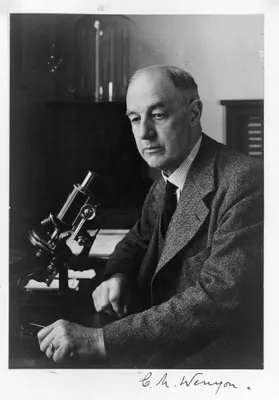
1926 WENYON, Charles Morley (1878 – 1948)
Protozoology. 2 vols.
Wenyon was one of the world’s foremost authorities on medical protozoology.
GMN 2462 · https://historyofmedicine.com/id/3012
1928 DEW, Sir Harold Robert (1891 – 1962)
Hydatid disease. Its pathology, diagnosis and treatment.
Dew’s book remains the authoritative source. His many contributions to the knowledge of hydatid disease are summarized in it.
GMN 5351 · https://historyofmedicine.com/id/6877