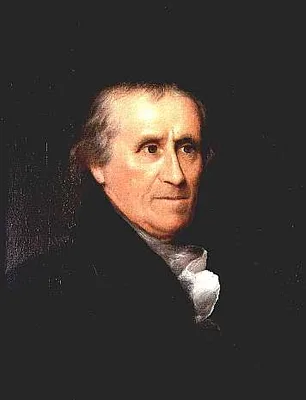
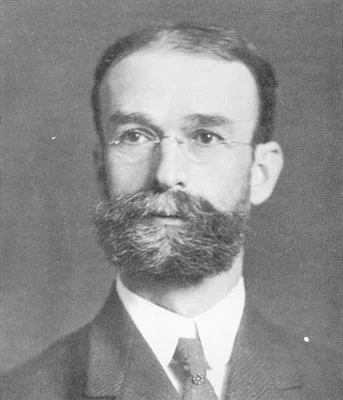
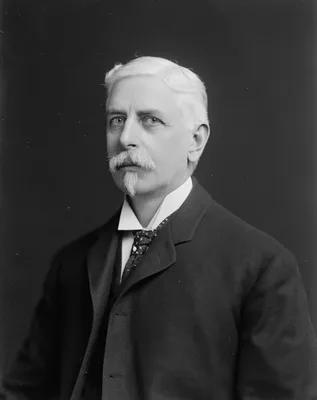
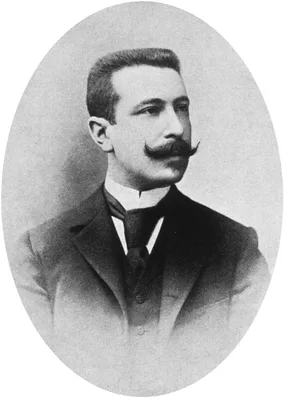
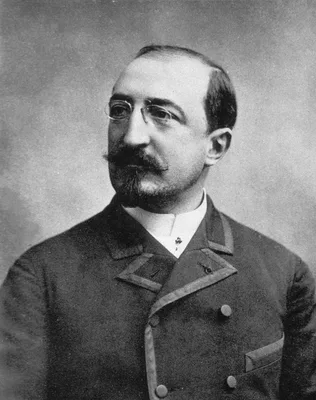
1715 PILARINO, Giacomo [PYLARINI] (1659 – 1718)
Nova et tuta variolas excitandi per transplantationem methodus; nuper inventa & in usum tracta: Qua rite peracta, immunia in posterum praeservantur ab huiusmodi contagio corpora.
Inoculation was practiced in ancient times. In 1701 Pilarino inoculated three children at Constantinople with smallpox virus. He is credited with the “medical” discovery of variolation, and is thus the first immunolog…
GMN 5409.1 · https://historyofmedicine.com/id/7266
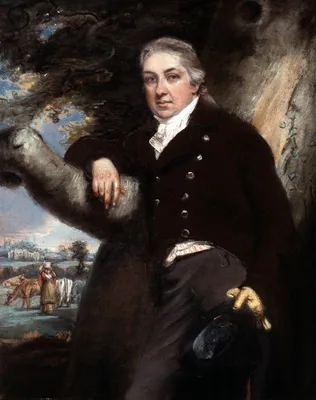
1798 JENNER, Edward (1749 – 1823)
An inquiry into the causes and effects of the variolae vaccinae.
Jenner established the fact that a “vaccination” or inoculation with vaccinia (cowpox) lymph matter protects against smallpox. He performed his first vaccination on May 14, 1796. The above work, describing 23 successf…
GMN 2529.3 · https://historyofmedicine.com/id/7353
1800 –1802 WATERHOUSE, Benjamin (1754 – 1846)
A prospect of exterminating the small-pox, being the history of the variolae vaccinae, or kine-pox, commonly called the cow-pox; as it has appeared in England: With an account of a series of inoculations performed for the kine-pox in Massachusetts. [Part II:] A prospect of exterminating the small pox part II, being a continuation of a narrative of facts concerning the progress of the new inoculation in America; together with practical observations on the local appearance, symptoms, and mode of treating the variola vaccina, or kine pock; including some letters to the author, from distinguished characters, on the subject of this benign remedy, now passing with a rapid step through all ranks of society in Europe and America.
Waterhouse introduced Jennerian vaccination into the U.S.A. He vaccinated his own child as his first case. See J. B. Blake, Benjamin Waterhouse and the introduction of vaccination. A reappraisal. Philadelphia, 1957. D…
GMN 5424 · https://historyofmedicine.com/id/7359
1802 COXE, John Redman (1773 – 1864)
Practical observations on vaccination: or inoculation for the cow pock.
Coxe did much to destroy ignorant prejudice against vaccination; he was the first in Philadelphia to practice it. Like Waterhouse, he inoculated his own child as his first case.
GMN 5425 · https://historyofmedicine.com/id/7362
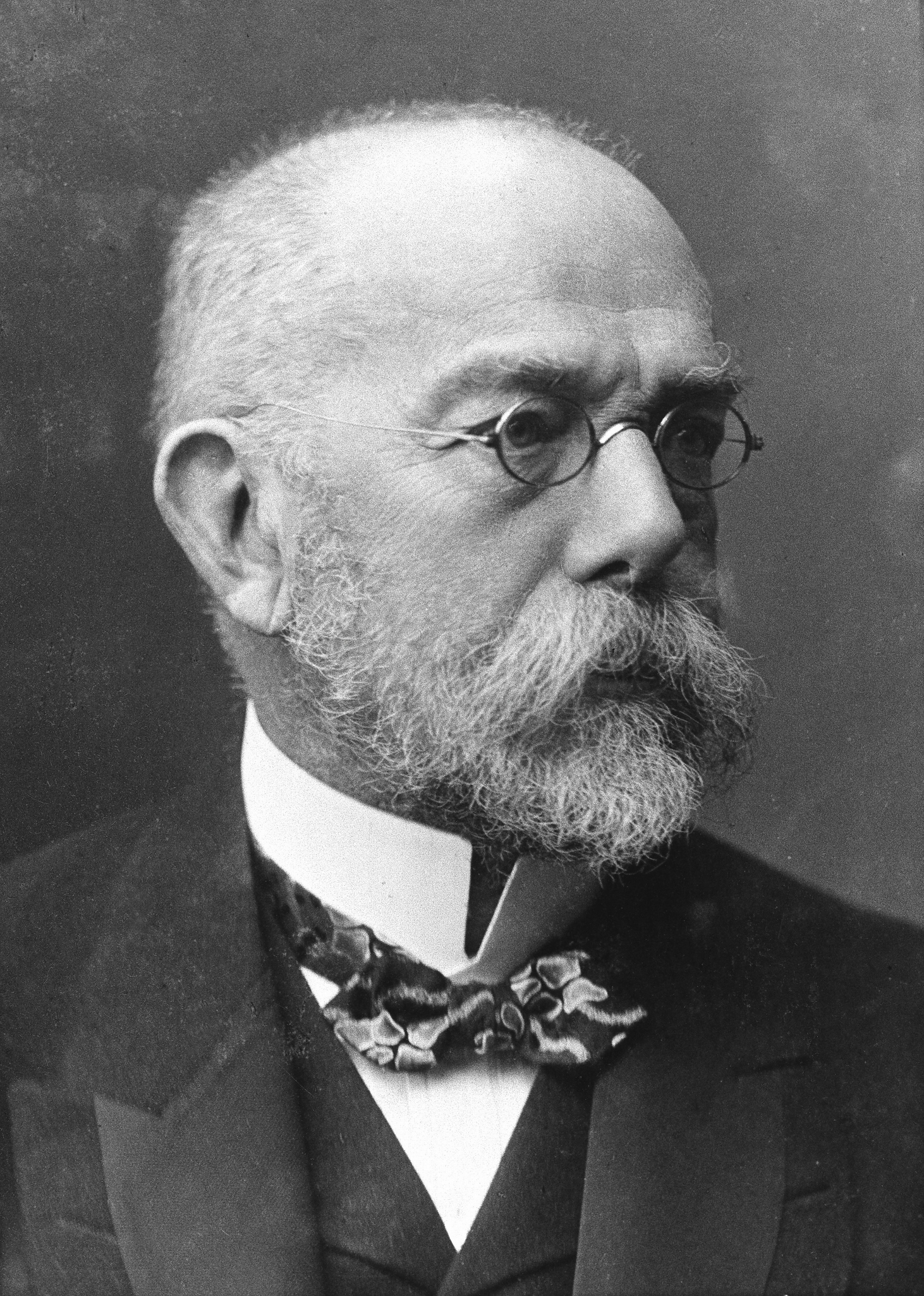
1878 KOCH, Robert Heinrich Hermann (1843 – 1910)
Untersuchungen über die Aetiologie der Wundinfectionskrankheiten.
Koch’s epochal work on the etiology of traumatic infectious disease established his reputation. He inoculated animals with material from various sources and produced six types of infection, each due to microorganisms.…
GMN 2536 · https://historyofmedicine.com/id/3524
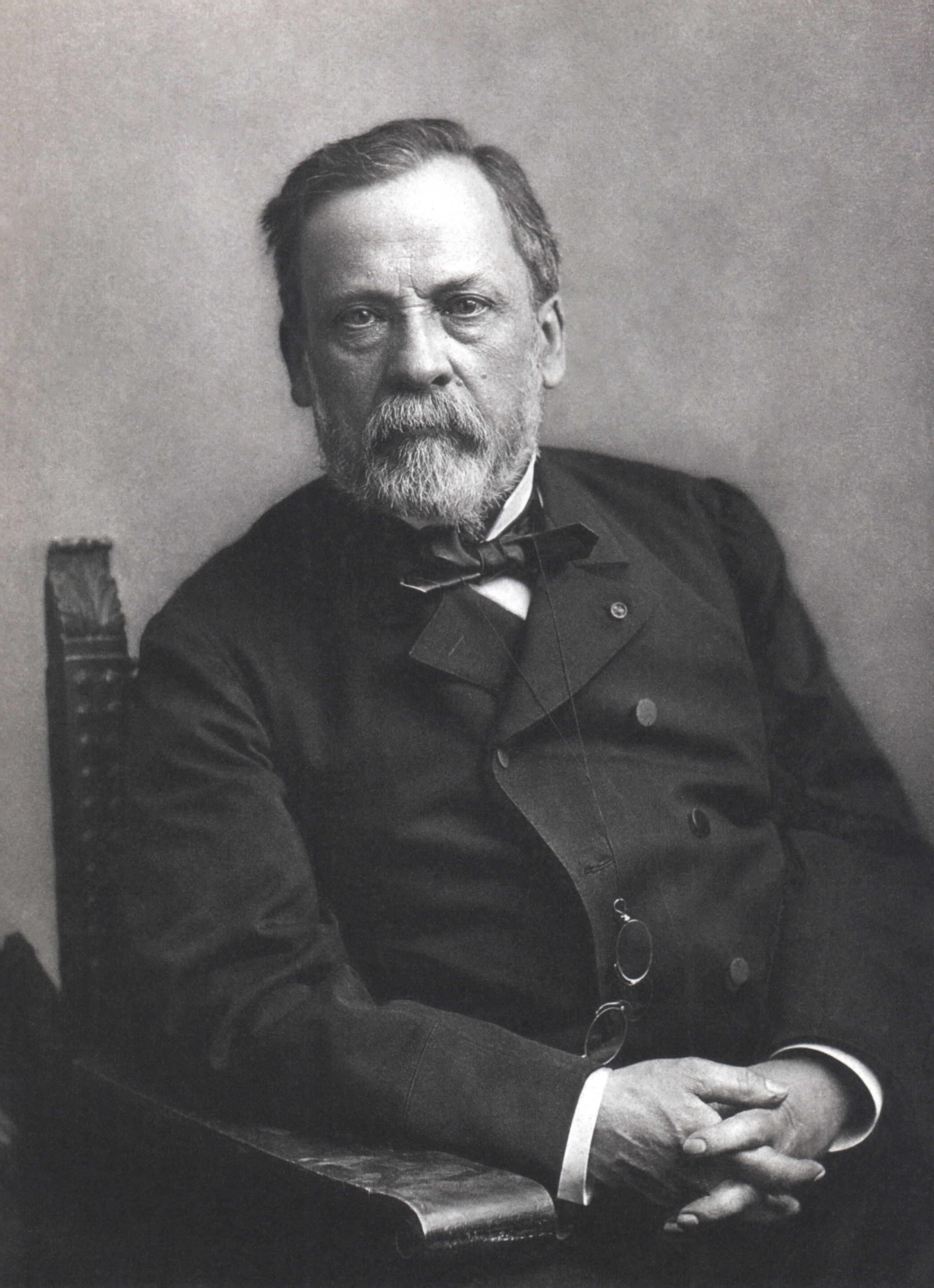
1880 PASTEUR, Louis (1822 – 1895)
Sur les maladies virulentes, et en particulier sur la maladie appelée vulgairement choléra des poules.
This paper marked the beginning of Pasteur’s work on the attenuation of the infective organism. Noting that fowls inoculated with an attenuated form of the chicken cholera bacterium acquired immunity, he developed the…
GMN 2537 · https://historyofmedicine.com/id/3526
1881 GALTIER, Pierre-Victor (1846 – 1908)
Les injections de virus rabique dans le torrent circulatoire ne provoquent pas l’éclosion de la rage et semblant conférer l’immunité. La rage peut être transmise par l’ingestion de la matiére rabique.
Galtier immunized sheep by inoculating rabid saliva in the veins; this did not produce the disease and protected the animals from a further inoculation. His work aroused the interest of Pasteur.
GMN 5481.3 · https://historyofmedicine.com/id/6378
1884 –1886 SMITH, Theobald (1859 – 1934); SALMON, Daniel Elmer (1850 – 1914)
On a new method of producing immunity from contagious diseases.
Smith found that dead virus can induce immunity against the living virulent virus. Although Smith made the discovery on his own, his supervisor, D.E. Salmon, usurped credit. See Bibel, Milestones in immunology (1988) …
GMN 2539 · https://historyofmedicine.com/id/3540
1885 PASTEUR, Louis (1822 – 1895)
Méthode pour prévenir la rage après morsure.
Pasteur’s papers describing his rabies vaccine, and the results he attained with it gave further proof of the value of attenuated virus as a protective inoculum against infective diseases in man and animals. This is c…
GMN 2541 · https://historyofmedicine.com/id/3549
1887 PASTEUR, Louis (1822 – 1895); SUZOR, Renaud
Hydrophobia: An account of M. Pasteur's system containing a translation of all his communications on the subject, the technique of his method, and the latest statistical results
The author, qualified M.D. in both Edinburgh and Paris, characterized himself on the title page of this work as "Commissioned by the Government of the Colony of Mauritius to study M. Pasteur's new treatment in Paris."…
GMN 12039 · https://historyofmedicine.com/id/14247
1888 WIDAL, Georges-Fernand Isidor (1862 – 1929); CHANTEMESSE, André (1851 – 1919)
De l’immunité contre le virus de la fièvre typhoöde conférée par des substances solubles.
Experimental antityphoid inoculation.
GMN 5034 · https://historyofmedicine.com/id/5758
1888 –1889 YERSIN, Alexandre Émile Jean (1863 – 1943); ROUX, Pierre Paul Émile (1853 – 1933)
Contribution a l’étude de la diphtérie.
Confirmation of the work of Loeffler and demonstration of the exotoxin. This work is the starting point of the development of an immunizing serum.
GMN 5059 · https://historyofmedicine.com/id/5867
1890 KOCH, Robert Heinrich Hermann (1843 – 1910)
Weitere Mittheilungen über ein Heilmittel gegen Tuberkulose.
In 1890, Koch announced the discovery of tuberculin, a substance derived from tubercle bacilli, which he thought was capable of arresting bacterial development in-vitro and in animals. This news gave rise to tremendou…
GMN 2332 · https://historyofmedicine.com/id/3068
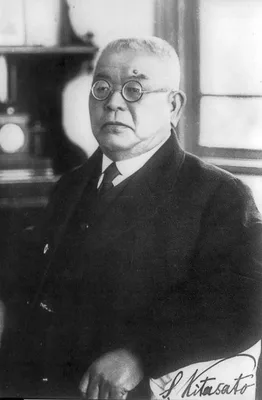
1890 BEHRING, Emil Adolf von (1854 – 1917); KITASATO, Shibasaburō (1852 – 1931)
Ueber das Zustandekommen der Diphtherie-Immunität und der Tetanus-Immunität bei Thieren.
Antitoxins and their immunizing powers were discovered when Behring and Kitasato published their paper dealing with immunity to tetanus and diphtheria. This work laid the foundation of all future treatment with antito…
GMN 2544 · https://historyofmedicine.com/id/3562
1890 FRAENKEL, Carl (1861 – 1915)
Immunisirungsversuche bei Diphtherie.
Artificial immunity to diphtheria produced in guinea-pigs by injection of attenuated cultures of the bacillus. Fraenkel's account appeared one day before the paper of Behring and Kitasato. Behring, Die Geschichte der …
GMN 5060.1 · https://historyofmedicine.com/id/5886
1892 STERNBERG, George Miller (1838 – 1915)
Practical results of bacteriological researches.
Sternberg demonstrated that the serum of an animal recovered from vaccinia possesses the property of neutralizing the activity of the causative virus. His test was readily adaptable for use in various host-systems.
GMN 2545.1 · https://historyofmedicine.com/id/3581
1892 HAFFKINE, Waldemar Mordecai Wolff (1860 – 1930)
Le choléra asiatique chez le cobaye.
Haffkine’s vaccine against cholera was the first to meet with any success.
GMN 5109 · https://historyofmedicine.com/id/6050
1893 –1915 BEHRING, Emil Adolf von (1854 – 1917)
Gesammelte Abhandlungen zur ätiologischen Therapie von ansteckenden Krankheiten. 2 vols.
Digital facsimile from the Internet Archive at this link.
GMN 2545 · https://historyofmedicine.com/id/3576
1893 BEHRING, Emil Adolf von (1854 – 1917)
Die Behandlung der Diphtherie mit Diphtherieheilserum.
In 1890 Behring and Kitasato discovered the diphtheria and tetanus antitoxins (see No. 5060). The above papers deal more fully with the use of the diphtheria antitoxin.
GMN 5062 · https://historyofmedicine.com/id/5891
1894 ROUX, Pierre Paul Émile (1853 – 1933); MARTIN, André Louis François Justin (1853 – 1921)
Contribution à l’étude de la diphtérie (sérum thérapie).
Roux and Martin demonstrated the value of Behring’s specific antitoxin in the treatment of human diphtheria, and showed how it could be produced on a large scale.
GMN 5063 · https://historyofmedicine.com/id/5893
1895 FRASER, Sir Thomas Richard (1841 – 1919)
On the rendering of animals immune against the venom of the cobra and other serpents; and on the antidotal properties of the blood serum of the immunised animals.
Fraser investigated the possibilities of immunization against cobra venom and obtained “antivenene”, an antivenom serum.
GMN 2108 · https://historyofmedicine.com/id/2610
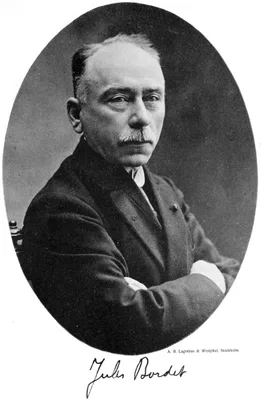
1895 BORDET, Jules Jean Baptiste Vincent (1870 – 1961)
Contribution à l’ étude du sérum chez les animaux vaccinés.
In Bordet’s classic paper on the properties of the sera of immunized animals he showed that two different substances (now known as sensitizing antibody and complement) are involved in the phenomenon of bacteriolysis. …
GMN 2547 · https://historyofmedicine.com/id/3592
1895 YERSIN, Alexandre Émile Jean (1863 – 1943); CALMETTE, Léon Charles Albert (1863 – 1933); BORREL, Amédée (1867 – 1936)
La peste bubonique. By Alexandre Yersin with L.C.A. Calmette and A. Borrel.
Successful inoculation of animals with anti-plague vaccine.
GMN 5127 · https://historyofmedicine.com/id/6116
1895 SCLAVO, Achille (1861 – 1930)
Sulla preparazione del siero anti-carbonchioso.
Specific anti-anthrax serum. German translation in Zbl. Bakt., 1895, 1 Abt., 18, 744-45.
GMN 5170 · https://historyofmedicine.com/id/6253
1896 KOLLE, Wilhelm (1868 – 1935)
Zur aktiven Immunisierung des Menschen gegen Cholera.
Kolle introduced the killed cholera vaccine.
GMN 5111 · https://historyofmedicine.com/id/6059
1897 KOCH, Robert Heinrich Hermann (1843 – 1910)
Ueber neue Tuberkulinpräparate.
Koch’s new tuberculin (Tuberculin R).
GMN 2333 · https://historyofmedicine.com/id/3070
1897 EHRLICH, Paul (1854 – 1915)
Die Wertbestimmung des Diphtherieheilserums.
Ehrlich improved Behring’s diphtheria antitoxin through quantitative titration and established an international standard for this and other antitoxins. This was the beginning of the concept of biological standardizati…
GMN 5064 · https://historyofmedicine.com/id/5894
1898 BORDET, Jules Jean Baptiste Vincent (1870 – 1961)
Sur l’agglutination et la dissolution des globules rouges par le sérum d’animaux injectés de sang défibriné.
Bordet’s important work on immune hemolysis turned the attention of many investigators towards the subject. English translation in J. Bordet et al., Studies in immunity, New York, 1909, p. 134.
GMN 2551 · https://historyofmedicine.com/id/3666
1899 COPEMAN, Sydney Arthur Monckton (1862 – 1947)
Vaccination, its natural history and pathology.
Milroy Lectures, Royal College of Physicians, 1898. Copeman’s bacteriological studies permanently determined the validity of vaccination as a preventive of smallpox.
GMN 5429 · https://historyofmedicine.com/id/7383
1900 WRIGHT, Sir Almroth Edward (1861 – 1947); LEISHMAN, Sir William Boog (1865 – 1926)
Remarks on the results which have been obtained by the antityphoid inoculations.
The active inoculation of man against typhoid was first performed by Wright in 1896. For a preliminary note see Lancet, 1896, 2, 807.
GMN 5039 · https://historyofmedicine.com/id/5789
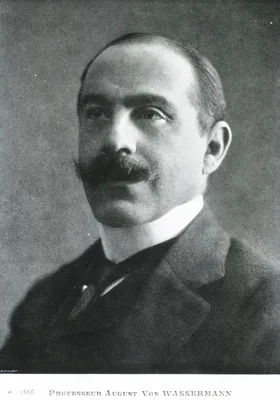
1902 WASSERMANN, August von (1866 – 1925)
Hämolysine, Cytotoxine and Präcipitine.
GMN 2556 · https://historyofmedicine.com/id/3671
1906 RICKETTS, Howard Taylor (1871 – 1910)
Infection, immunity and serum therapy.
GMN 2564 · https://historyofmedicine.com/id/3678
1906 HAFFKINE, Waldemar Mordecai Wolff (1860 – 1930)
Les inoculations antipesteuses.
Haffkine developed an anti-bubonic plague vaccine (killed bouillon cultures), for use in man.
GMN 5129 · https://historyofmedicine.com/id/6133
1908 FERMI, Claudio (1862 – 1952)
Über die Immunisierung gegen Wutkrankheit.
Fermi was the first to use chemical treatment of tissue suspensions of fixed rabies virus for the preparation of vaccine (Fermi vaccine). He introduced the use of carbolic acid for this purpose.
GMN 5484.1 · https://historyofmedicine.com/id/6389
1909 EHRLICH, Paul (1854 – 1915)
Beiträge zur experimentellen Pathologie und Chemotherapie.
GMN 2565 · https://historyofmedicine.com/id/3683
1910 WOLFF-EISNER, Alfred (1877 – 1948)
Handbuch der experimentellen Serumtherapie.
GMN 2566 · https://historyofmedicine.com/id/3685
1910 NEUFELD, Fred Julius (1869 – 1945); HAENDEL, Ludwig (1869 – 1939)
Weitere Untersuchungen über Pneumokokken-Heilsera. III. Mitteilung. Über Vorkommen und Bedeutung atypischer Varietäten des Pneumokokkus.
New antipneumococcus serum.
GMN 3190 · https://historyofmedicine.com/id/4223
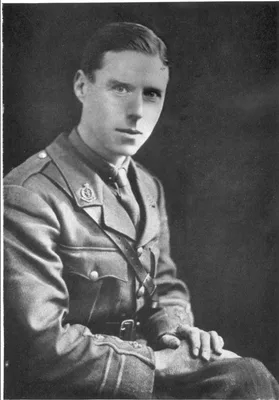
1910 RUSSELL, Brigadier Frederick Fuller (1870 – 1960)
The control of typhoid in the Army by vaccination.
Russell carried out important and long-continued investigations on anti-typhoid vaccination in the U.S. Army, demonstrating beyond question its value in selected groups. The war of 1914-18 confirmed the value of the w…
GMN 5042 · https://historyofmedicine.com/id/5817
1913 SCHICK, Béla (1877 – 1967)
Die Diphtherietoxin – Hautreaktion des Menschen als Vorprobe der prophylaktischen Diphtherieheilseruminjektion.
Schick developed his test for use as an indication as to whether or not prophylactic injections of antitoxin are necessary in children already exposed to diphtheria. English translation in J. Mt. Sinai Hosp., 1938, 5,…
GMN 5066 · https://historyofmedicine.com/id/5897
1913 BEHRING, Emil Adolf von (1854 – 1917)
Ueber ein neues Diphtherieschutzmittel.
Toxin–antitoxin for immunization against diphtheria.
GMN 5067 · https://historyofmedicine.com/id/5899
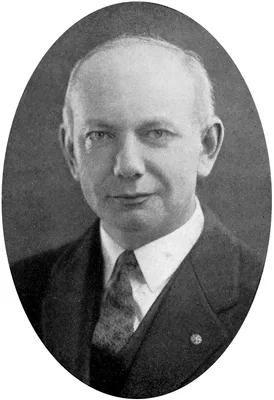
1914 PARK, William Hallock (1863 – 1939); ET AL
Active immunization in diphtheria and treatment by toxin-antitoxin.
With A. Zingher and M. H. Serota. Park was an early advocate of diphtheria immunization with toxin-antitoxin. A second paper is in the same journal, 1915, 65, 2216-20.
GMN 5068 · https://historyofmedicine.com/id/5900
1915 TWORT, Frederick William (1877 – 1950)
An investigation on the nature of ultra-microscopic viruses.
Twort discovered discovered bacteriophages, a type of virus that attacks bacteria (the term bacteriophage was coined by Félix d’Herelle, who in 1917 independently confirmed Twort’s discovery). The discovery of bacteri…
GMN 2571 · https://historyofmedicine.com/id/3705
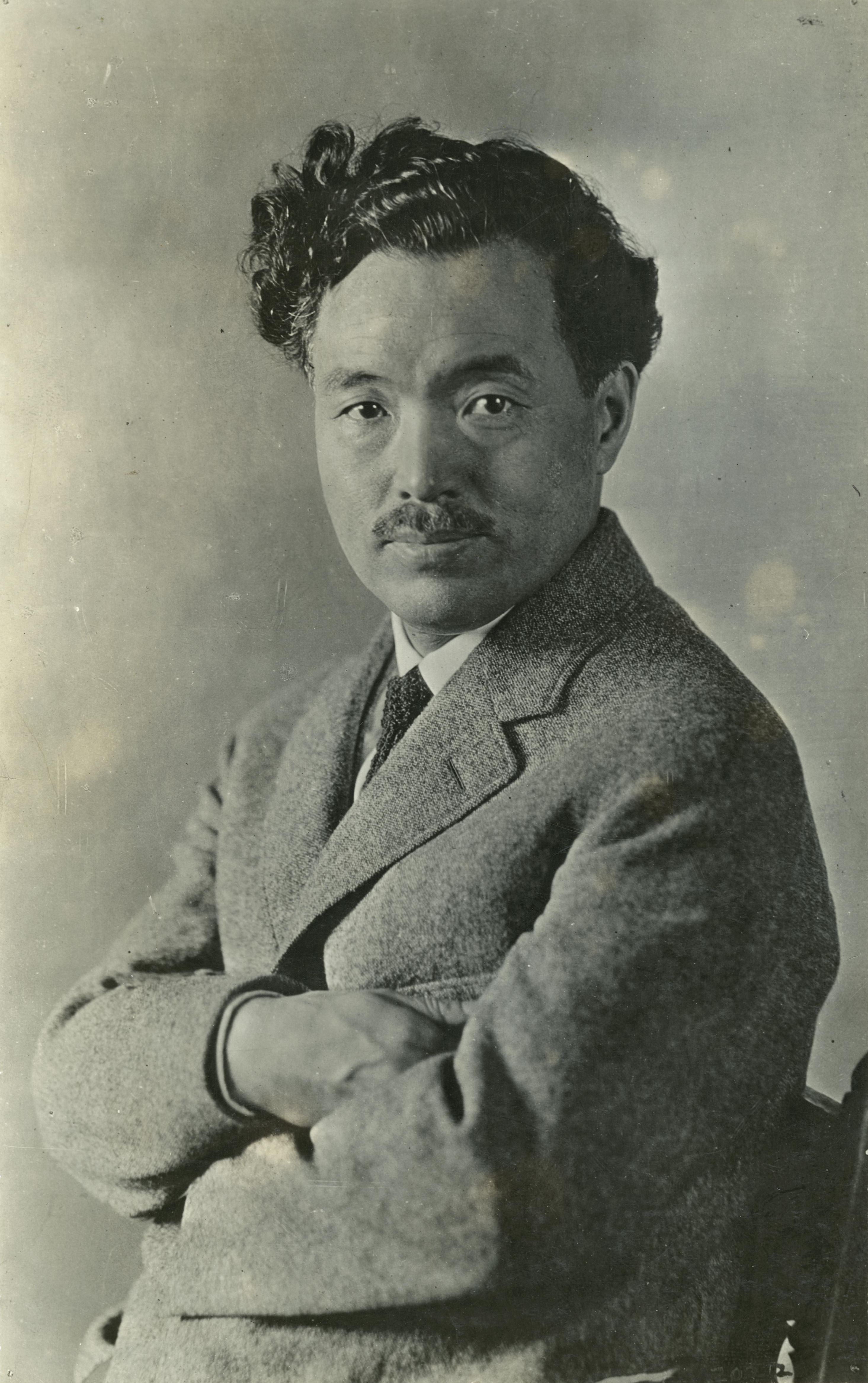
1915 NOGUCHI, Hideyo (1876 – 1928)
Pure cultivation in vivo of vaccine virus free from bacteria.
Noguchi obtained a pure culture of vaccinia virus.
GMN 5430.1 · https://historyofmedicine.com/id/7400
1924 CALMETTE, Léon Charles Albert (1863 – 1933); GUÉRIN, Camille (1872 – 1961); WEILL-HALLÉ, Benjamin (1875 – 1958); ET AL
Essai d’immunisation contre l’infection tuberculeuse.
B.C.G. (Bacille Calmette–Guérin) vaccine was first produced in 1906 and subcultured for 13 years. It was first used as a prophylactic against tuberculosis in children in 1921. It remains in use. See also No. 2346.
GMN 2343 · https://historyofmedicine.com/id/3094
1924 LITTLE, Clarence Cook (1888 – 1971)
The genetics of tissue transplantation in mammals.
Little established that the homograft reaction was due to genetic differences between donor and recipient.
GMN 2573.1 · https://historyofmedicine.com/id/3699
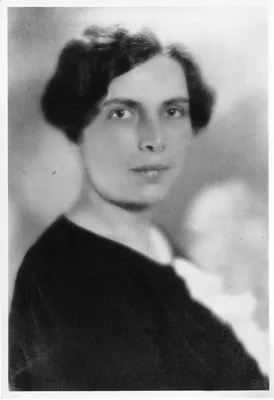
1924 DICK, George Frederick (1881 – 1967); DICK, Gladys Rowena Henry (1881 – 1963)
A scarlet fever antitoxin.
Following their successful attempts to establish individual susceptibility to scarlet fever, these workers prepared an antitoxin for immunization.
GMN 5083 · https://historyofmedicine.com/id/5951
1924 DOCHEZ, Alphonse Raymond (1882 – 1964); SHERMAN, Lillian
The significance of Streptococcus hemolyticus in scarlet fever and the preparation of a specific anti-scarlatinal serum by immunization of the horse to Streptococcus hemolyticus-scarlatinae.
Dochez and Sherman immunized a horse by repeated injections of scarlet fever toxin. A serum obtained from the horse blanched a scarlet fever rash and, when injected subcutaneously, caused marked amelioration of the ea…
GMN 5084 · https://historyofmedicine.com/id/5955
1925 BESREDKA, Alexandre (1870 – 1940)
Immunisation locale; pansements spécifiques.
Besredka’s vaccine, sensitized vaccine. English translation, Baltimore, 1927.
GMN 2574 · https://historyofmedicine.com/id/3708
1926 LEVADITI, Constantin (1874 – 1953)
Essai de prophylaxie des trypanosomiases par des dérivés phénylarsiniques administré
First attempt to induce prophylaxis by chemical means in trypanosomiasis. With S. Nicolau and I. Galloway.
GMN 5289 · https://historyofmedicine.com/id/6371
1927 CALMETTE, Léon Charles Albert (1863 – 1933); GUÉRIN, Camille (1872 – 1961); BOQUET, Alfred (1879 – 1947); NÈGRE, Léopold (1879 – 1961)
Sur la vaccination préventive des enfants nouveau-nés contre la tuberculose par le B.C.G.
GMN 2346 · https://historyofmedicine.com/id/3105